Top 4 Castles around Saint-André-Sur-Orne
Best castles around Saint-André-Sur-Orne are found in the vicinity of this commune in Normandy, France. The area is characterized by its historical significance and proximity to the city of Caen, which features prominent medieval structures. While Saint-André-Sur-Orne itself has limited public castle access, the surrounding region offers a range of historical sites. These include large fortifications and private châteaux, providing insight into Norman history and architecture.
Best castles around Saint-André-Sur-Orne
- The most popular castles is Caen Castle, a castle that is one of the largest medieval fortifications in Europe. From its walls, visitors can view the city, and the complex includes ruins, fortifications, and museum buildings.
- Another must-see spot is Ladies' Abbey, a historical abbey. This beautiful old abbey dates from the 11th century and is the burial place of Queen Matilda, wife of William the Conqueror.
- Visitors also love Fresney-le-Puceux Castle, a 16th-century castle classified as a historic monument. The castle is surrounded by dry moats and a 120-hectare walled park, with its architecture visible from the public road.
- Saint-André-Sur-Orne is known for its variety of historical fortifications, including medieval castles and private châteaux. The region offers a mix of publicly accessible historical sites and architectural landmarks viewable from a distance.
- The castles around Saint-André-Sur-Orne are appreciated by the komoot community, with more than 100 upvotes and over 140 photos shared by visitors.
Last updated: June 26, 2026
Caen Castle
Highlight • Castle
Translated by Google •
Tip by

Saint Peter
Highlight • Other
Translated by Google •
Tip by

Sign up now to discover places like this
Get recommendations on the best single tracks, peaks, & plenty of other exciting outdoor places.
Sign up for free
Ladies' Abbey
Highlight • Castle
Tip by

Fresney-le-Puceux Castle
Highlight • Castle
Translated by Google •
Tip by

Start today with a free account
Your next adventure awaits.
Login or Signup


Tips from the Community

Totally impressive. You should stop by.
0
0

The Château de Caen is the former city fortress of the Norman dukes in the city of Caen in what is now the Normandy region in northern France. It houses, among other things, the cultural-historical Musée de Normandie[1] and the modern building of the Musée des Beaux-Arts. The entire complex has been recognized as a monument historique since 1997.
2
0
Built between the 13th and 16th centuries, it plays with the transition of styles: radiant and flamboyant Gothic and Renaissance. It has a magnificent 14th century bell tower, almost 80 m high, which is currently being restored. Particularly worth seeing are the vault of the choir, the chapels of the ambulatory in late Gothic style and the carved capitals of the third pillar of the nave on the north side, which depict four scenes from chivalric romances and satirical writings of the Middle Ages. J.F. Dupont organ, built in 1997.
2
0

Since March 2023 and until 2025, work will be carried out under the direction of architect Philippe Prost and landscape architect Thierry Lavergne to transform the castle grounds. Entitled "The castle within its walls", the 4-hectare site will be given over to 75% green space. The avenues will be redesigned to structure this large inner garden and guide visitors. A 700 m² reception area will be built towards the Porte des Champs. The "hidden treasures" will be highlighted, such as the remains of the keep, the towers of the ramparts and the dungeons of the Saint-Pierre gate.
4
0
Built between the 13th and 16th centuries, the Église Saint-Pierre plays with the transition of styles: radiant and flamboyant Gothic and Renaissance. It has a magnificent 14th-century bell tower, almost 80 m high. Particularly worth seeing are the vault of the choir, the chapels of the ambulatory in late Gothic style and the carved capitals of the third pillar of the nave on the north side, which depict four scenes from chivalric romances and satirical writings of the Middle Ages.
5
0

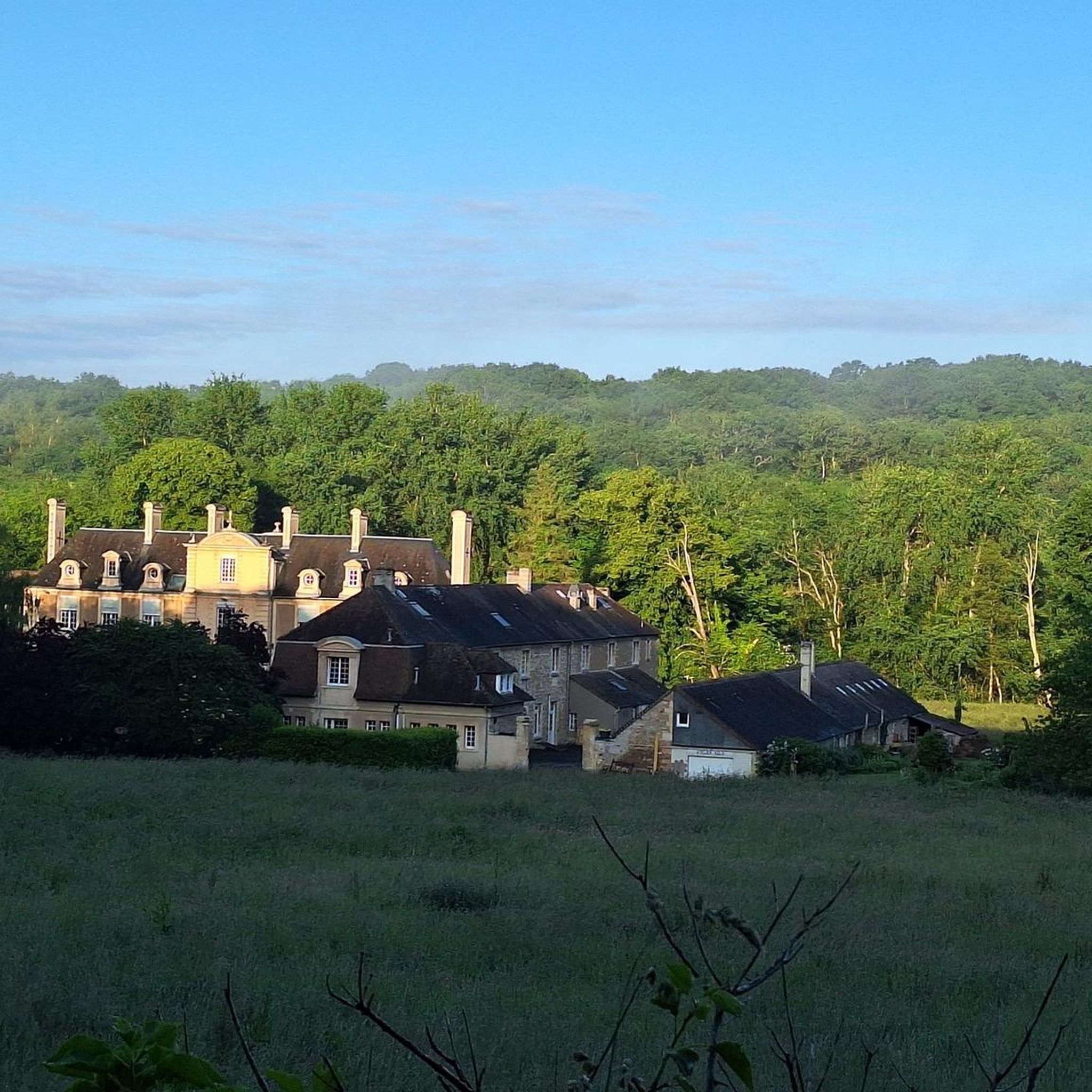
The castle of Fresney-le-Puceux is a 16th century castle classified as a historic monument. The castle is surrounded by dry moats and a 120 hectare walled park. You can admire the architecture of the castle from the public road, but you cannot enter the private property. The Château de Fresney-le-Puceux is an ideal destination for history and nature lovers.
2
0

Modern statue of William the Conqueror and his wife Queen Mathilde.
3
0
Only the imposing walls of the old castle remain. Inside is the Museum of Normandy. A visit to the castle is a must. Great views over Caen.
2
0
Frequently Asked Questions
What are the most historically significant castles to visit near Saint-André-Sur-Orne?
The most historically significant castle in the area is undoubtedly Caen Castle. It's one of Europe's largest medieval fortifications, originally William the Conqueror's palace. You can explore its ramparts, the historic Chessboard Room, and museums. Another important site is the Ladies' Abbey, an 11th-century abbey where Queen Matilda, William the Conqueror's wife, is buried.
Are there family-friendly castles around Saint-André-Sur-Orne?
Yes, Caen Castle is considered family-friendly. Its large outdoor area, ramparts, and museums offer plenty to explore for all ages. The extensive grounds provide space for children, and the historical context can be engaging for families.
Which castles offer the best views of the surrounding area?
Caen Castle offers excellent views. From its restored ramparts, you can look out over the city of Caen and its historic old town. Visitors often highlight these panoramic views as a major draw.
What outdoor activities can I do near these castles?
The region around Saint-André-Sur-Orne offers various outdoor activities. You can find numerous cycling and mountain biking routes. For example, there are "Traffic-free bike rides" and "MTB Trails" that explore the area, including routes like the "Orne Cycle Path – Pegasus Bridge loop" or trails through "Le bois de Bully." You can find more details on these routes in the Traffic-free bike rides around Saint-André-Sur-Orne and MTB Trails around Saint-André-Sur-Orne guides.
Are there any castles that can only be admired from a distance?
Yes, the Fresney-le-Puceux Castle is a 16th-century historic monument surrounded by dry moats and a large walled park. While its architecture can be admired from the public road, the property is private and not open for public entry. It's a great spot for history and nature lovers to appreciate from afar.
What do visitors enjoy most about the castles in this region?
Visitors particularly enjoy the historical depth and architectural beauty. For Caen Castle, the ability to explore the outdoor area for free, the beautiful views of the old town from the walls, and the sheer scale of the complex are frequently mentioned. The tranquility and historical significance of sites like the Ladies' Abbey are also highly appreciated.
What is the best time of year to visit castles in Normandy?
Spring and early autumn generally offer the most pleasant weather for exploring castles in Normandy, with milder temperatures and fewer crowds than the peak summer months. However, many sites like Caen Castle are open year-round, allowing for visits even in winter, though some outdoor activities might be less comfortable.
How can I get to Caen Castle using public transport?
Caen Castle is centrally located in the city of Caen, making it accessible via local public transport. Buses and trams serve the city, with stops usually within walking distance of the castle. Specific routes and schedules can be checked on the local transport authority's website.
Are there guided tours available for the castles?
For major sites like Caen Castle, guided tours are often available, sometimes including access to specific museum exhibits within the castle grounds. It's advisable to check the official website of the castle for current tour schedules and booking information.
Can I bring my dog to the castles in the Saint-André-Sur-Orne area?
Policies vary by location. For Caen Castle, dogs are generally allowed in the outdoor areas and on the ramparts, but usually not inside the museums or specific indoor exhibits. For other sites, especially private properties like Fresney-le-Puceux Castle which can only be viewed from the road, bringing a dog is not an issue. Always check specific site regulations before your visit.
Are there any other notable historical sites near the castles?
Beyond the castles, the region is rich in history. The Ladies' Abbey (Abbaye aux Dames) in Caen is a significant 11th-century religious building. Also in Caen, the Église Saint-Pierre, built between the 13th and 16th centuries, showcases a blend of Gothic and Renaissance styles with a magnificent bell tower and intricate carvings.
Most popular routes around Saint-André-Sur-Orne
Most popular attractions around Saint-André-Sur-Orne

Get inspired with the komoot mobile app


Explore more
Looking for the best castles somewhere else? Discover other guides around Saint-André-Sur-Orne:
