Top 5 Castles around Lille
Best castles around Lille are found within the surrounding Hauts-de-France region, which offers a variety of impressive châteaux and fortresses. While Lille itself is known for its urban architecture, the nearby areas feature significant historical monuments. The region's landscape includes marshlands, parks, and extensive gardens, providing diverse settings for these historical sites. These castles represent various architectural styles, from medieval strongholds to classical and Renaissance designs.
Best castles around Lille
- The most popular castles is Citadel of Lille, a bastion fortress built between 1668 and 1671. It is known as the "Queen of the Citadels" due to its size and preservation, representing a crucial example of 17th-century military architecture.
- Another must-see spot is Château de La Fontaine, a majestic 19th-century residence. Visitors can discover its 40-hectare park and admire the castle's architecture, which was rebuilt after the First World War.
- Visitors also love Robersart Castle, a superb castle in Wambrechies. This château, originally built in the 13th century, adopted a Renaissance style by 1760 and now serves as a cultural center.
- Lille is known for its military fortresses, classical châteaux, and restored medieval castles. The region offers a variety of historical sites, from well-preserved 17th-century citadels to 19th-century residences and cultural centers.
- The castles around Lille are appreciated by the komoot community, with 169 upvotes and 124 photos shared by visitors.
Last updated: October 11, 2026
Citadel Pasture
Highlight • Historical Site
Around it and open to the public at all times is a beautiful park (with a zoo and a playground), but if you stay on the path, you walk along this star.
Translated by Google •
Tip by

Château de La Fontaine
Highlight • Castle
Translated by Google •
Tip by

Sign up now to discover places like this
Get recommendations on the best single tracks, peaks, & plenty of other exciting outdoor places.
Kasteel van Flers
Highlight • Other
In the 19th and 20th centuries, the château enjoyed a second life as a farm: the salon, apartment, and reception hall were converted into a barn, cowshed, and stables. In 1968, with a view to the development of a new town east of Lille, the château was expropriated by the state and, in 1973, entrusted to the Public Institution for the Development of the New Town of Lille-East.
The municipality of Villeneuve-d'Ascq became the owner in 1986. They completed the restoration of the building, which had been entrusted from the outset to architect Maurice Salembier. After restoring its 17th-century appearance, the Château de Flers began a third life as a municipal building in 1991. Today, it houses various services, the tourist office, rooms for official receptions, and a museum.
Source: Information board on site
Translated by Google •
Tip by

Citadel of Lille
Highlight • Historical Site
Translated by Google •
Tip by

Robersart Castle
Highlight • Castle
Translated by Google •
Tip by

Archives nationales du monde du travail
Highlight • Historical Site
Inside this fortress, the engineers fought a form of battle: relentless competition against British factories. And for this, the Roubaix industrialists "drew" very strongly from English methods, their processes and their machines... an almost fair battle!
After the end of the activity in 1981, the factory, taken over by the State, was transformed by the architect Alain Sarfati. It now houses the National Archives of the World of Work.
Translated by Google •
Tip by

Start today with a free account
Your next adventure awaits.
Popular around Lille
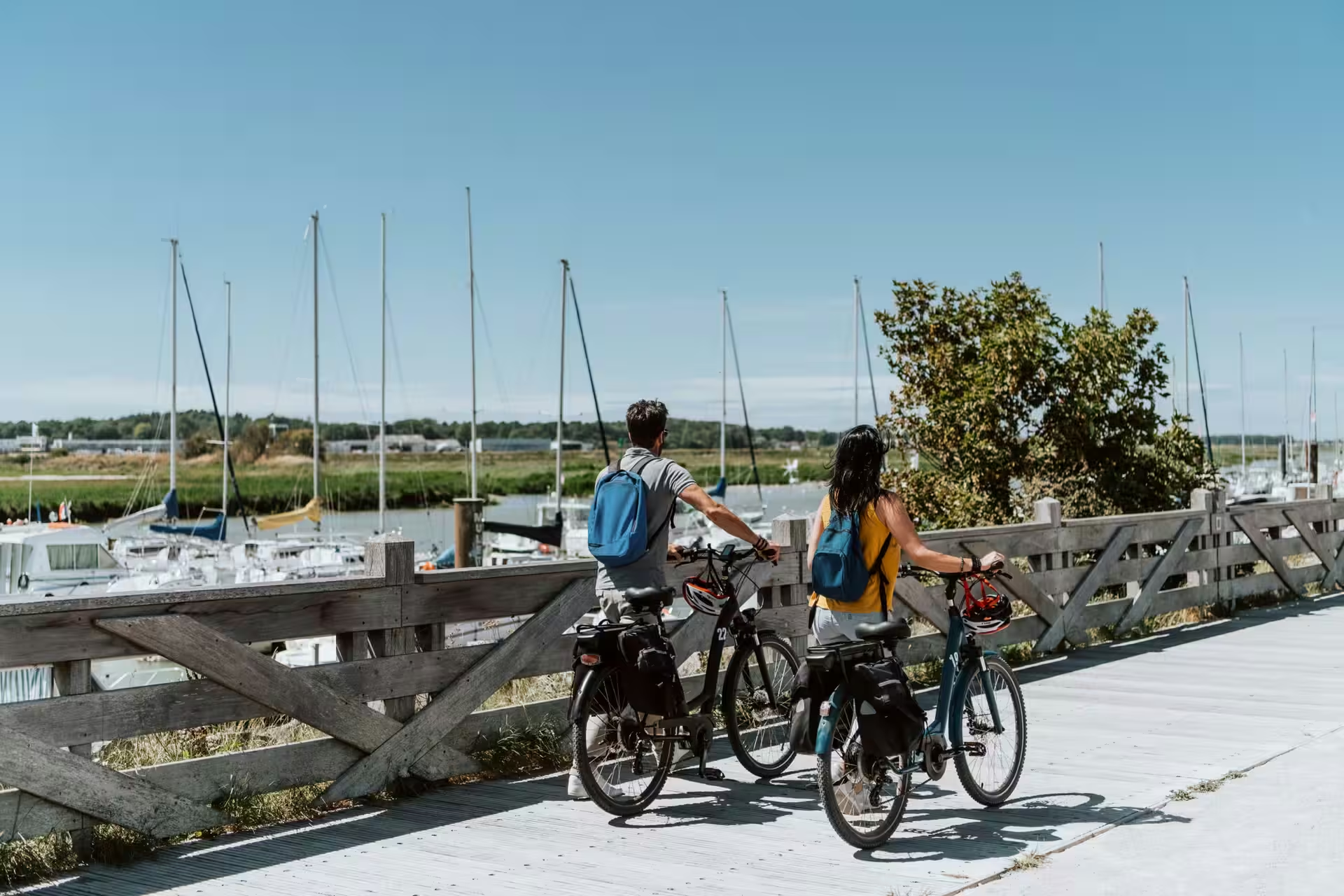
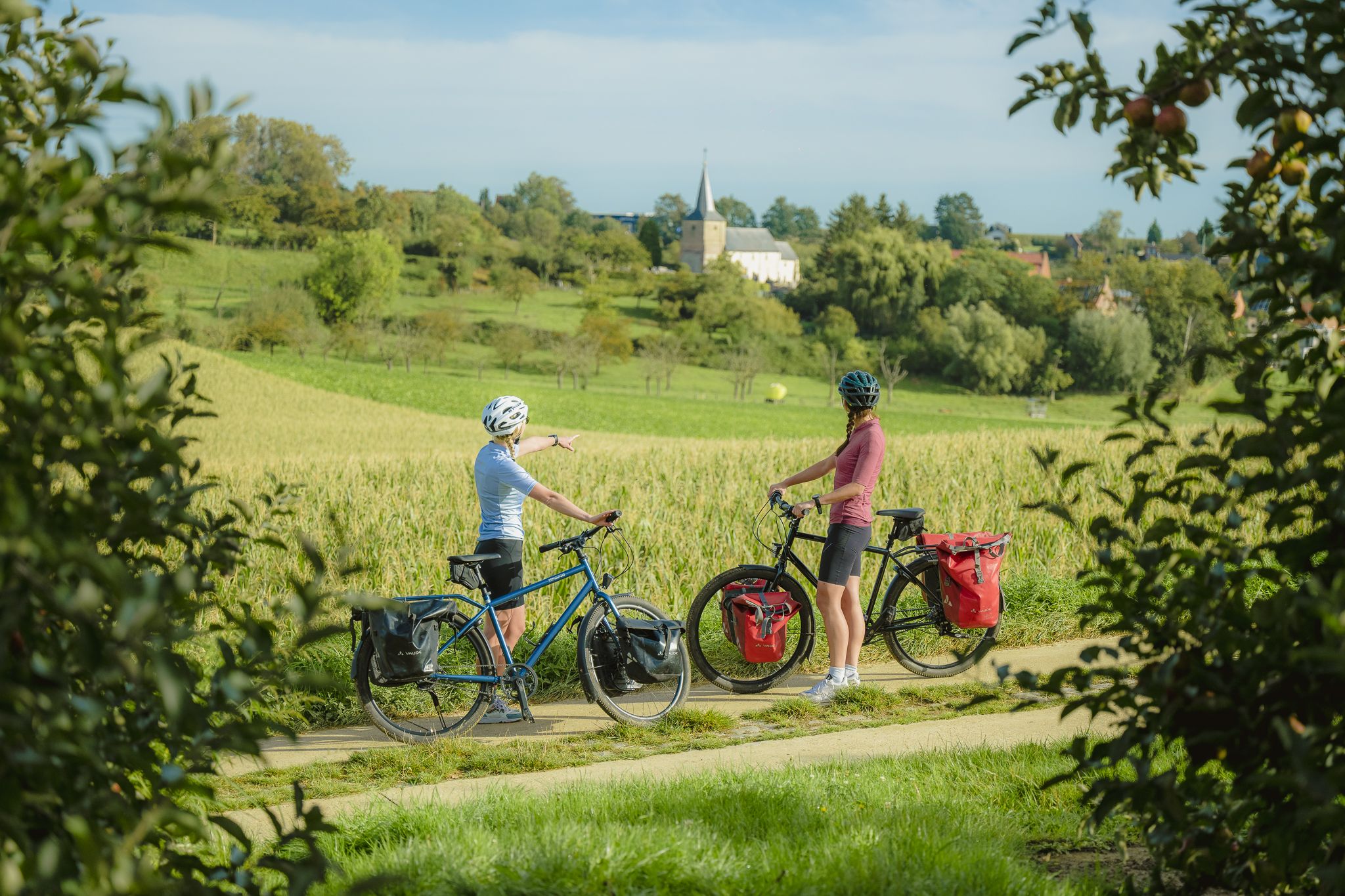
Routes in Hauts-de-France for cycling enthusiasts
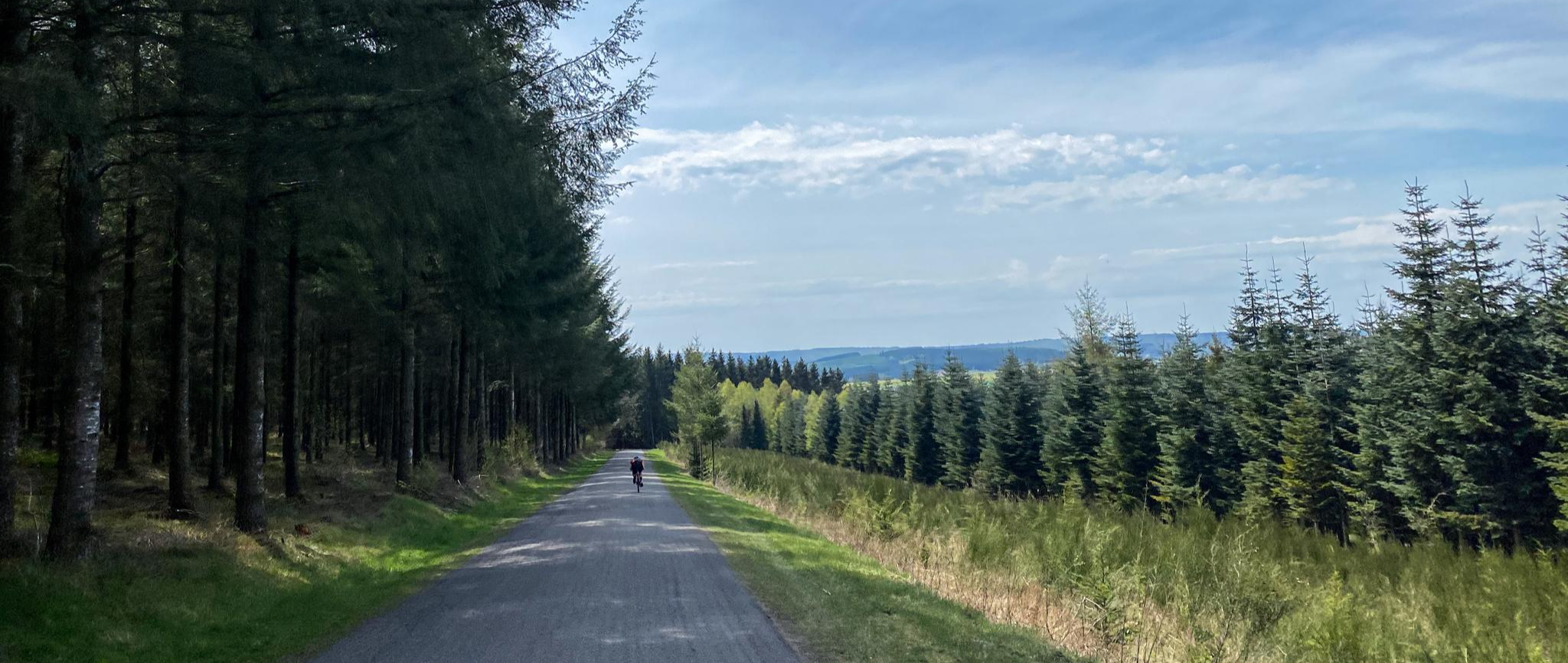
From Picardie to the Ardennes — Crossing Wallonia by Bike
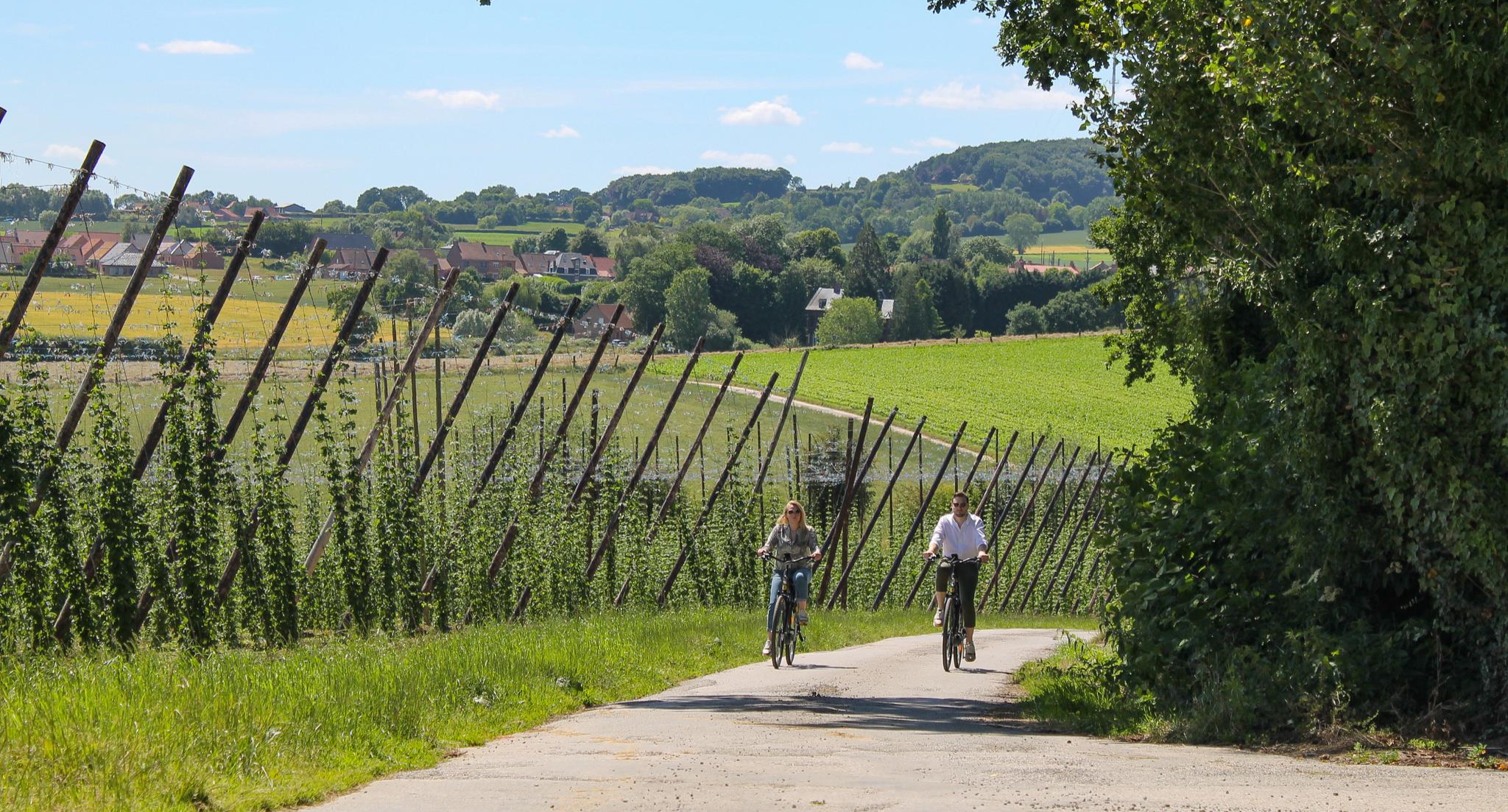
Flanders, Land of Cycling – Hills, Cobblestones and Estaminets

Transcontinental Race No10: crossing Europe from France to Turkey
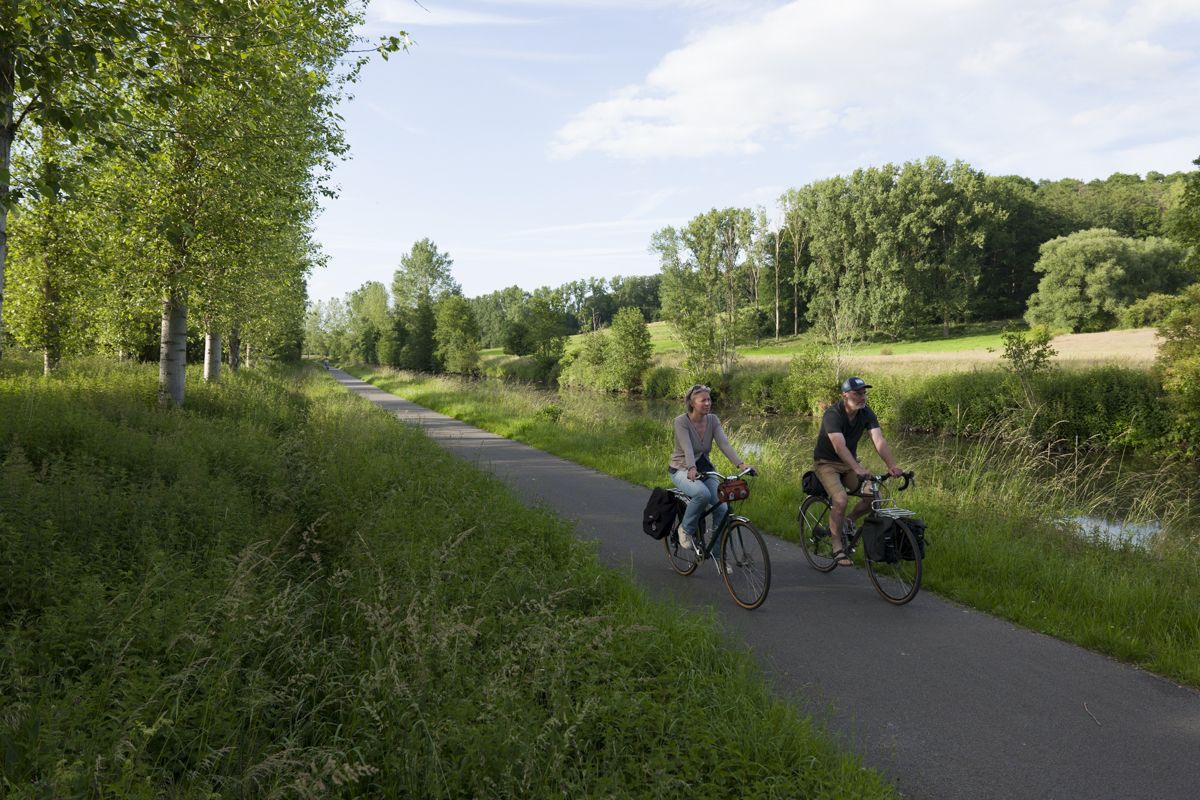
Cycling from Bethuné to Brussels – Eurovelo 5
The best of Flanders — the Flanders Route
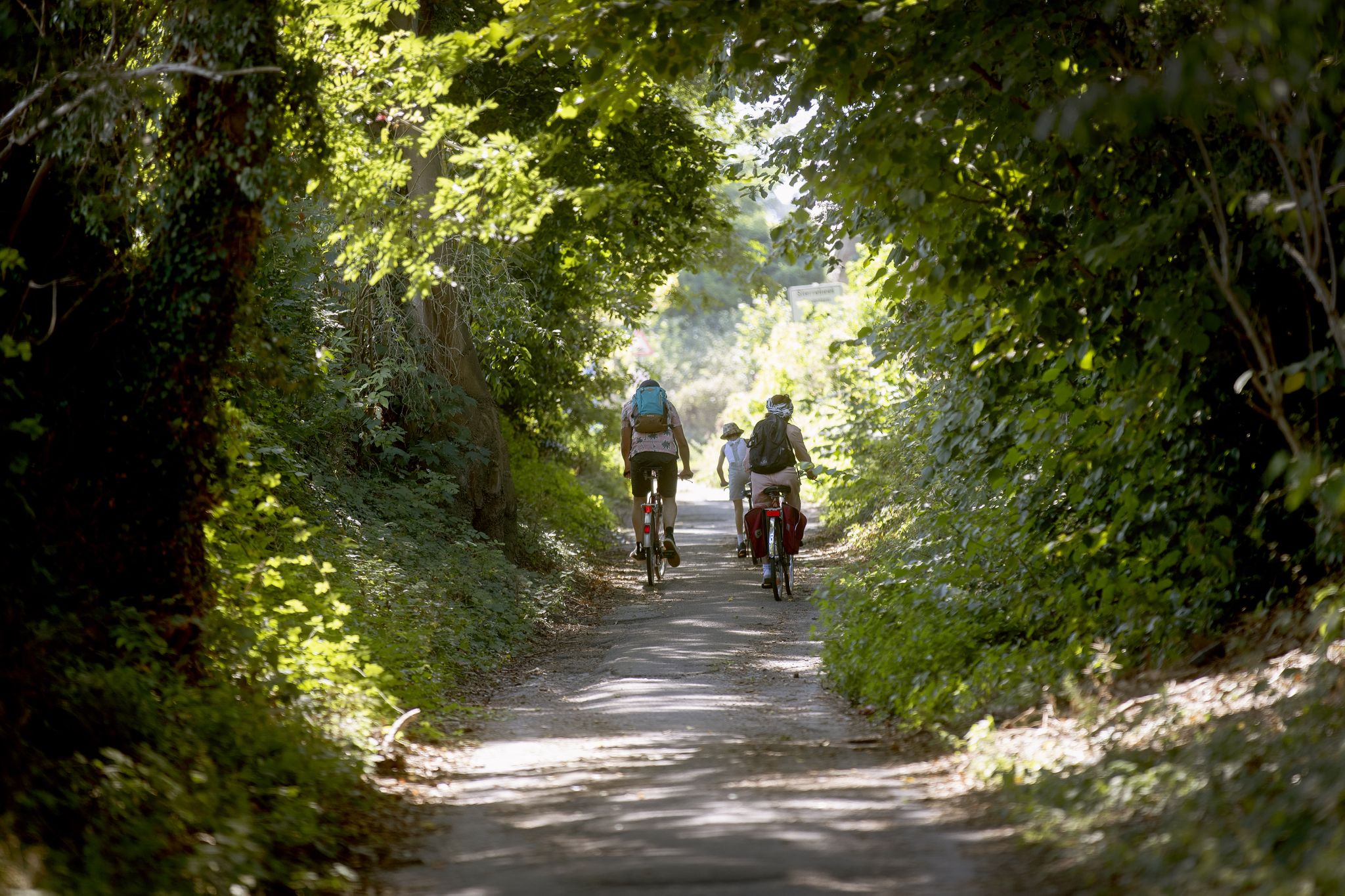
Flanders by bike: Cycling through nature
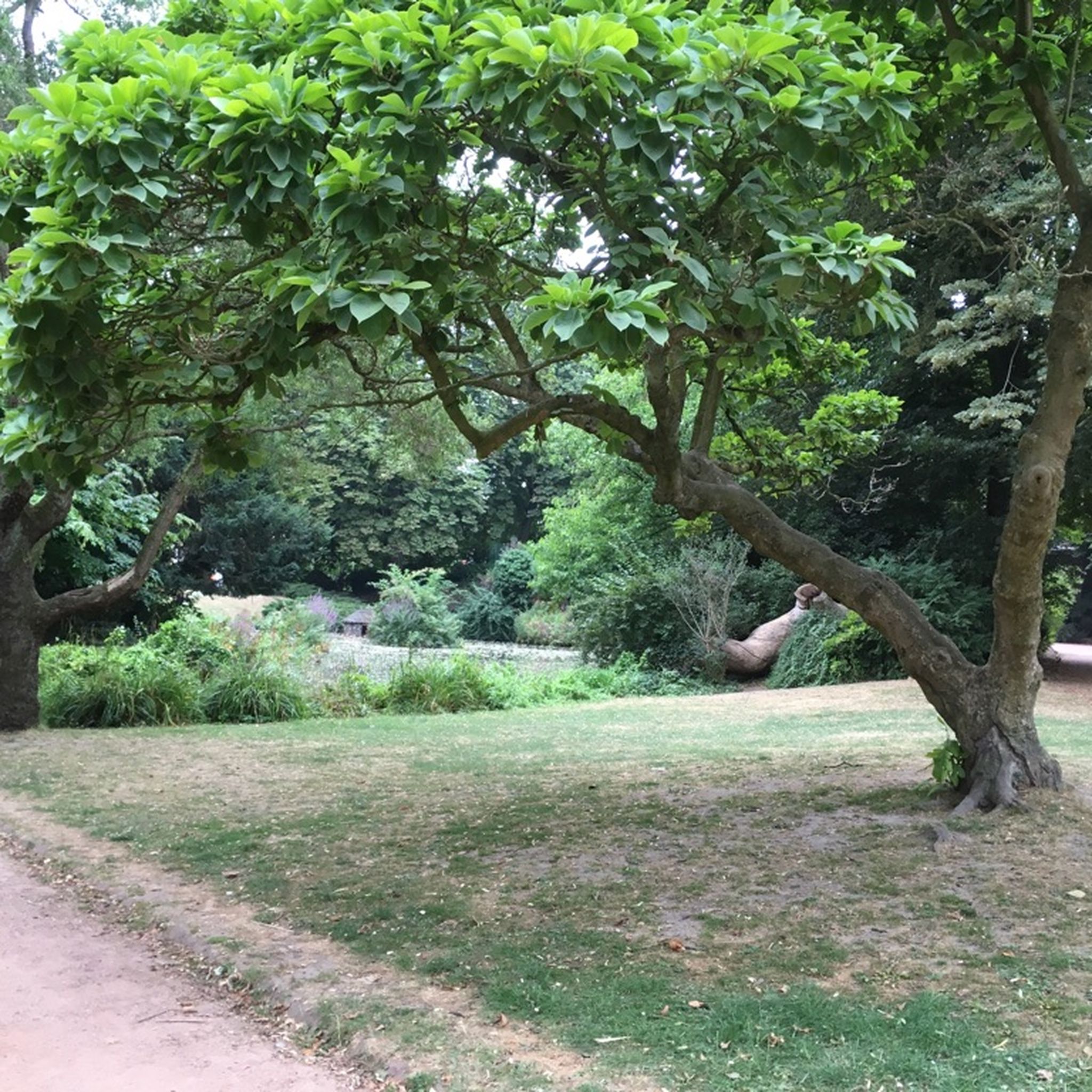
Hiking around Lille
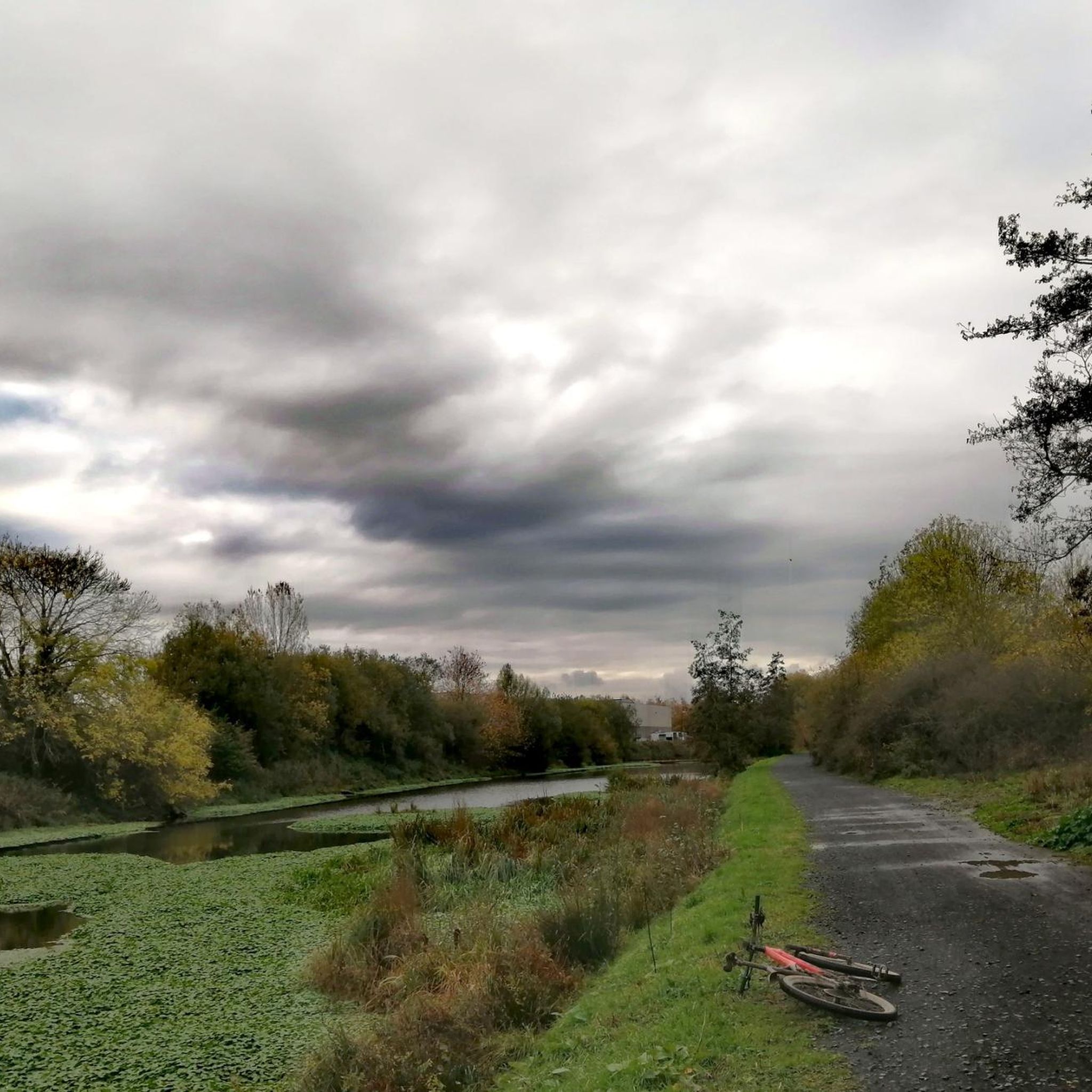
Running Trails around Lille
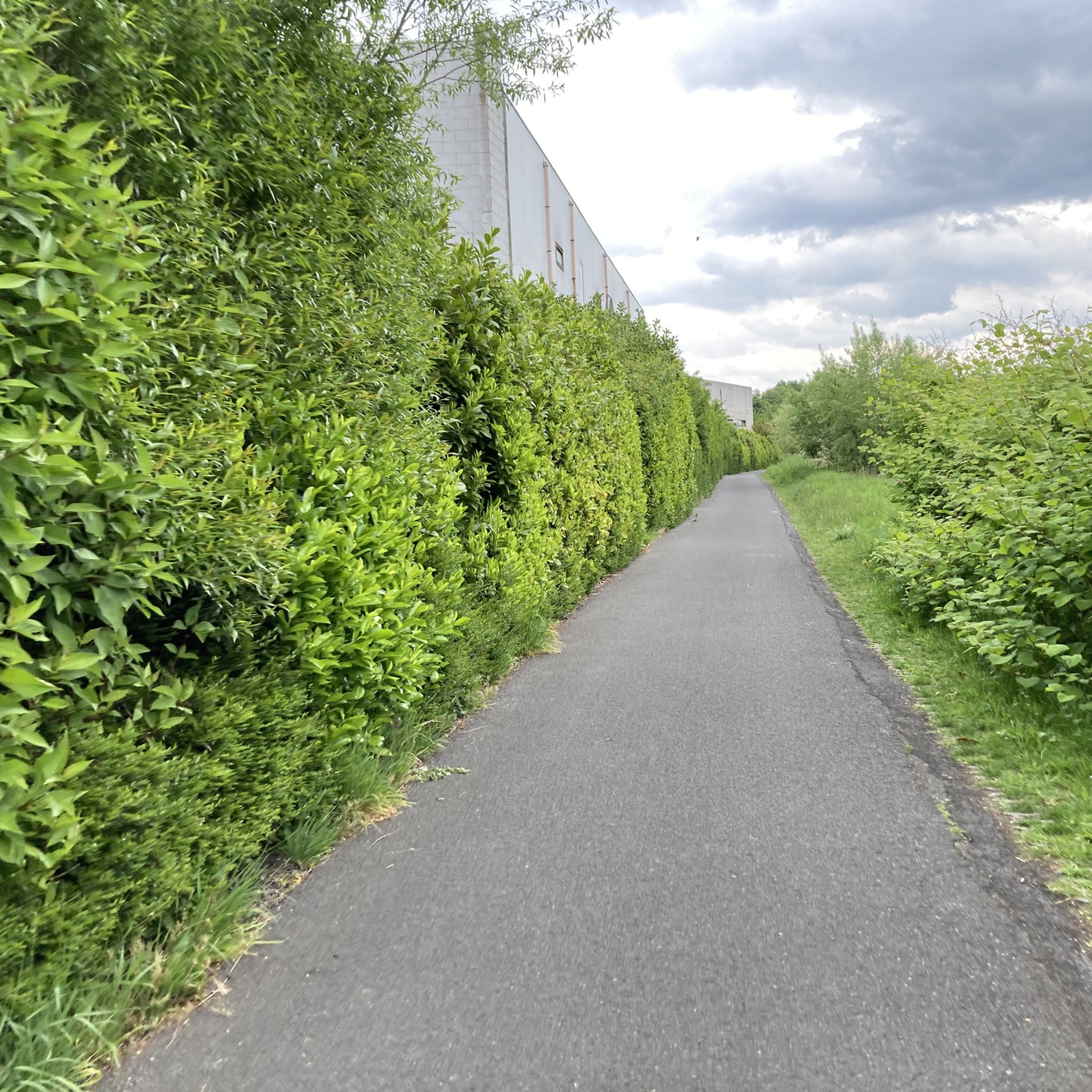
Cycling around Lille
Other adventures around Lille


Tips from the Community

Nice, rolling section with no traffic.
0
0

The Château de Flers, bearing the date "1661" on its facade, was originally the residence of the Lords of Flers. It was destroyed during the French Revolution of 1789, but not confiscated because it belonged at that time to a foreign nobleman, the Baron de Diesbach. In the 19th and 20th centuries, the château enjoyed a second life as a farm: the salon, apartment, and reception hall were converted into a barn, cowshed, and stables. In 1968, with a view to the development of a new town east of Lille, the château was expropriated by the state and, in 1973, entrusted to the Public Institution for the Development of the New Town of Lille-East. The municipality of Villeneuve-d'Ascq became the owner in 1986. They completed the restoration of the building, which had been entrusted from the outset to architect Maurice Salembier. After restoring its 17th-century appearance, the Château de Flers began a third life as a municipal building in 1991. Today, it houses various services, the tourist office, rooms for official receptions, and a museum. Source: Information board on site
0
0

Love the building, love even more its goal and collection now.
0
1

Along the fortified moats of the Citadel of Lille.
1
0

If you are patient, you might see the Countess...
0
1


This building from the end of the 19th century was in fact a cotton mill, rebuilt after a violent fire in the "neo-Gothic" style with crenellated walls and stepped gables. Inside this fortress, the engineers fought a form of battle: relentless competition against British factories. And for this, the Roubaix industrialists "drew" very strongly from English methods, their processes and their machines... an almost fair battle! After the end of the activity in 1981, the factory, taken over by the State, was transformed by the architect Alain Sarfati. It now houses the National Archives of the World of Work.
10
0

The Citadel of Lille was built between 1667 and 1670 on the orders of Louis XIV when he conquered the city. It is Vauban's first major fortified work. The large wood surrounding the citadel is surrounded by the Deûle and its canals. You will find superb single tracks there, with small bumps and passages over roots.
2
0
Frequently Asked Questions
What types of castles can I visit near Lille?
The region around Lille offers a diverse range of castles, from impressive military fortresses like the Citadel of Lille, designed by Vauban, to elegant 19th-century residences such as Château de La Fontaine. You can also explore medieval strongholds like Château d'Olhain, Renaissance-style châteaux like Robersart Castle, and classical architectural jewels like Château de Barly.
Are there family-friendly castles to visit near Lille?
Yes, several castles near Lille are great for families. The area around the Citadel of Lille includes a beautiful park with a zoo and playground, making it a popular spot for recreation. Château de La Fontaine also features a 40-hectare park that families can explore. Château d'Esquelbecq, with its unique Flemish garden and moats, offers an engaging experience for all ages.
Which castles offer a glimpse into medieval history?
For an authentic medieval experience, Château d'Olhain is an excellent choice, allowing visitors to explore its moats, chapel, cellars, and the upper floors of the keep. The Citadel of Lille, though a 17th-century bastion fortress, represents a significant period of military architecture. Additionally, Robersart Castle has origins dating back to the 13th century.
What are some lesser-known or hidden gem castles around Lille?
While the Citadel of Lille is well-known, Château de La Fontaine is often considered a hidden gem, offering charm and tranquility within its 40-hectare park. Kasteel van Flers, with its history of destruction and restoration, now houses a museum and tourist office, providing a unique cultural insight. Château de Barly, a classical architectural jewel, also offers a detailed look into a less-frequented historical site.
Are there castles near Lille with gardens or natural features?
Yes, many castles in the region are set amidst beautiful natural surroundings. The Citadel of Lille is surrounded by a large park with greenery and trees. Château de La Fontaine boasts a 40-hectare park. Château d'Esquelbecq is notable for its unique Flemish garden, featuring century-old fruit trees, a permaculture vegetable garden, and a vine greenhouse. Château de Barly is surrounded by extensive gardens.
What outdoor activities can I do near these castles?
The areas around the castles offer various outdoor activities. Near the Citadel of Lille, you can enjoy walking and cycling in the surrounding park. For more extensive adventures, you can find numerous routes for gravel biking, running, and cycling around Lille. Explore options like the Val de Marque Greenway or the Deûle Park Loop. You can find detailed routes and guides at Gravel biking around Lille, Running Trails around Lille, and Cycling around Lille.
What is the best time of year to visit castles near Lille?
The best time to visit castles near Lille is generally during the spring and summer months (April to September) when the weather is mild, and the castle gardens and parks are in full bloom. This period also offers the most pleasant conditions for outdoor activities around the sites. Some castles, like Château de Hardelot, also host cultural events and performances during these seasons.
Are there any castles near Lille that focus on specific cultural themes?
Yes, Château de Hardelot, located about 80 km from Lille, focuses on showcasing the history of relations between France and England and promoting British culture. It features a neo-Gothic manor with 19th-century English furniture, an exhibition hall, and an Elizabethan theater offering a diverse program. Robersart Castle also serves as a cultural center, hosting contemporary events.
Can I find guided tours at castles near Lille?
Yes, some castles offer guided tours. For instance, Château de La Fontaine offers guided tours to learn more about its history and environment. Château de Barly provides guided tours of its interior rooms, offering a detailed look into its classical architecture. It's advisable to check the specific castle's website for tour availability and booking information.
What makes the Citadel of Lille unique?
The Citadel of Lille is unique as a pentagonal bastion fortress designed by Sébastien Le Prestre de Vauban, built between 1667 and 1670. It was dubbed the 'Queen of the Citadels' due to its remarkable size, architectural quality, and state of preservation. Its strategic location on marshland allowed for natural defenses, with the ability to flood 1,700 hectares around it.
Are there castles near Lille that have been extensively restored?
Yes, several castles have undergone significant restoration. Robersart Castle, originally from the 13th century, was fully restored to its Renaissance style. Château de La Fontaine was rebuilt after the First World War. Château de Pierrefonds, though further afield, is famous for its extensive restoration by Viollet-le-Duc, giving it a fairytale-like appearance. Kasteel van Flers was also restored to its 17th-century appearance after being destroyed during the French Revolution.
What do visitors enjoy most about the castles around Lille?
Visitors appreciate the rich history and diverse architecture of the castles, from military fortresses to elegant residences. The surrounding parks and gardens, like those at the Citadel of Lille and Château de La Fontaine, are highly enjoyed for recreation and tranquility. The blend of historical exploration with opportunities for outdoor activities and cultural events also contributes to a positive visitor experience.
Most popular routes around Lille
Most popular attractions around Lille

Get inspired with the komoot mobile app


Didn’t find what you were looking for?
Explore Lille’s best castles region by region:
Explore more
Looking for the best castles somewhere else? Discover other guides around Lille:
