Top 4 Castles around Molló
Best castles around Molló are found within the historically rich Ripollès region of Catalonia, Spain, an area known for its medieval fortresses. Molló is situated in the Camprodon Valley, characterized by its mountainous terrain and cultural heritage, including the Romanesque church of Santa Cecília. The region offers a blend of natural landscapes and historical sites, providing opportunities to explore various types of fortifications. This area serves as a gateway to discovering the castellated past of Catalonia.
Best castles around Molló
…Last updated: June 24, 2026
Prats-de-Mollo-la-Preste
Highlight • Settlement
Translated by Google •
Tip by

Summit of La Roca de Palencà (1073 m).
Highlight • Summit
Tip by

Sign up now to discover places like this
Get recommendations on the best single tracks, peaks, & plenty of other exciting outdoor places.
Sign up for free
Tour de Mir
Highlight • Castle
Translated by Google •
Tip by

Castell de Rocabruna
Highlight • Castle
Translated by Google •
Tip by

Start today with a free account
Your next adventure awaits.
Login or Signup
Popular around Molló



Tips from the Community


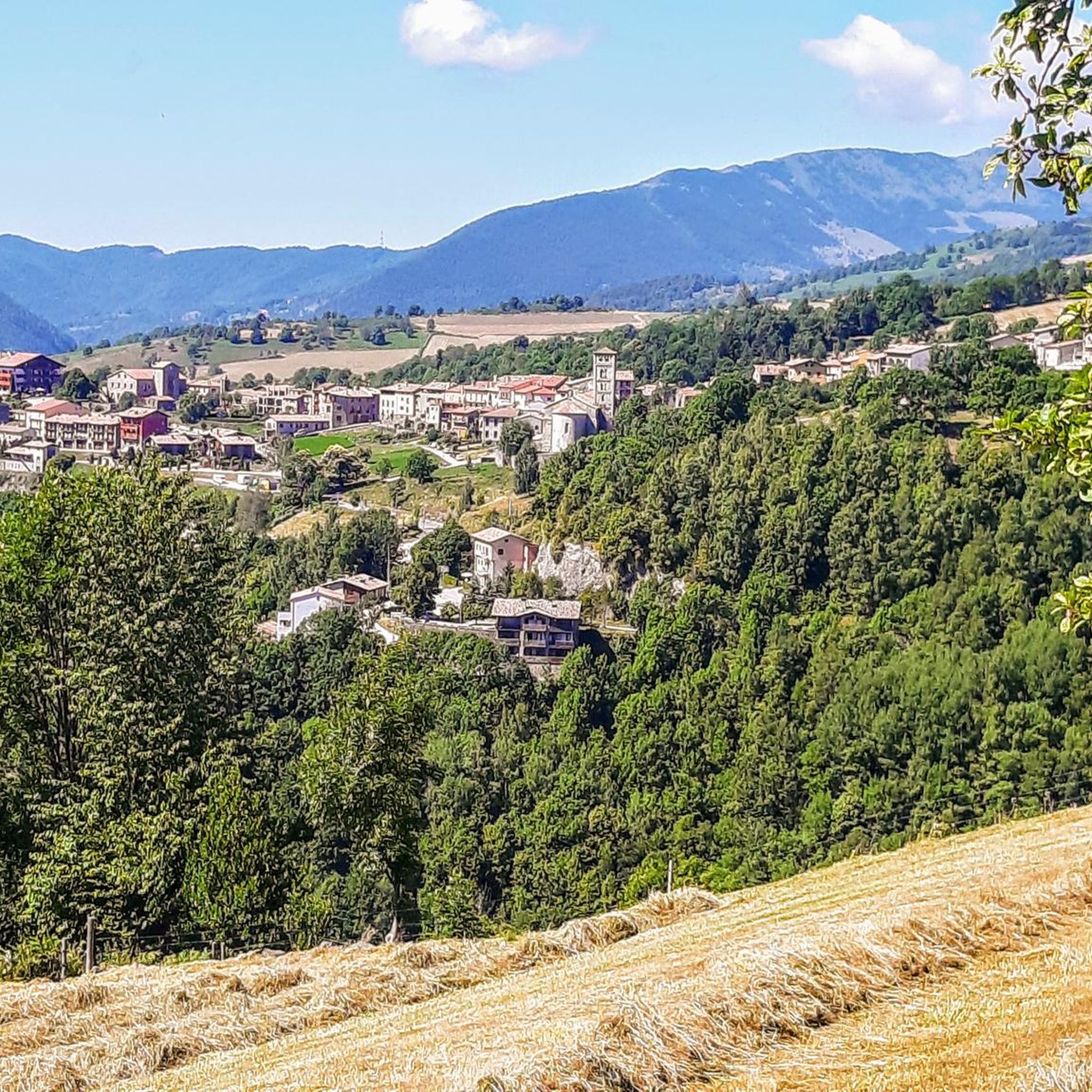
Des del poblet s hi accedeix en menys de 20 minuts passejant entre vaques i vedells. Un cop dalt, tot i estar força derruit, és molt més gran delnque sembla i les estances es diferencíen fàcilment.
0
0

https://www.youtube.com/watch?v=dLKV5Y7mv40 The town keeps alive many Catalan traditions, such as the Bear Festival (La Fête de l'Ours), which is celebrated every year in February. This festival is one of the oldest and most representative of Pyrenean folklore, symbolizing the struggle between man and nature.
1
0
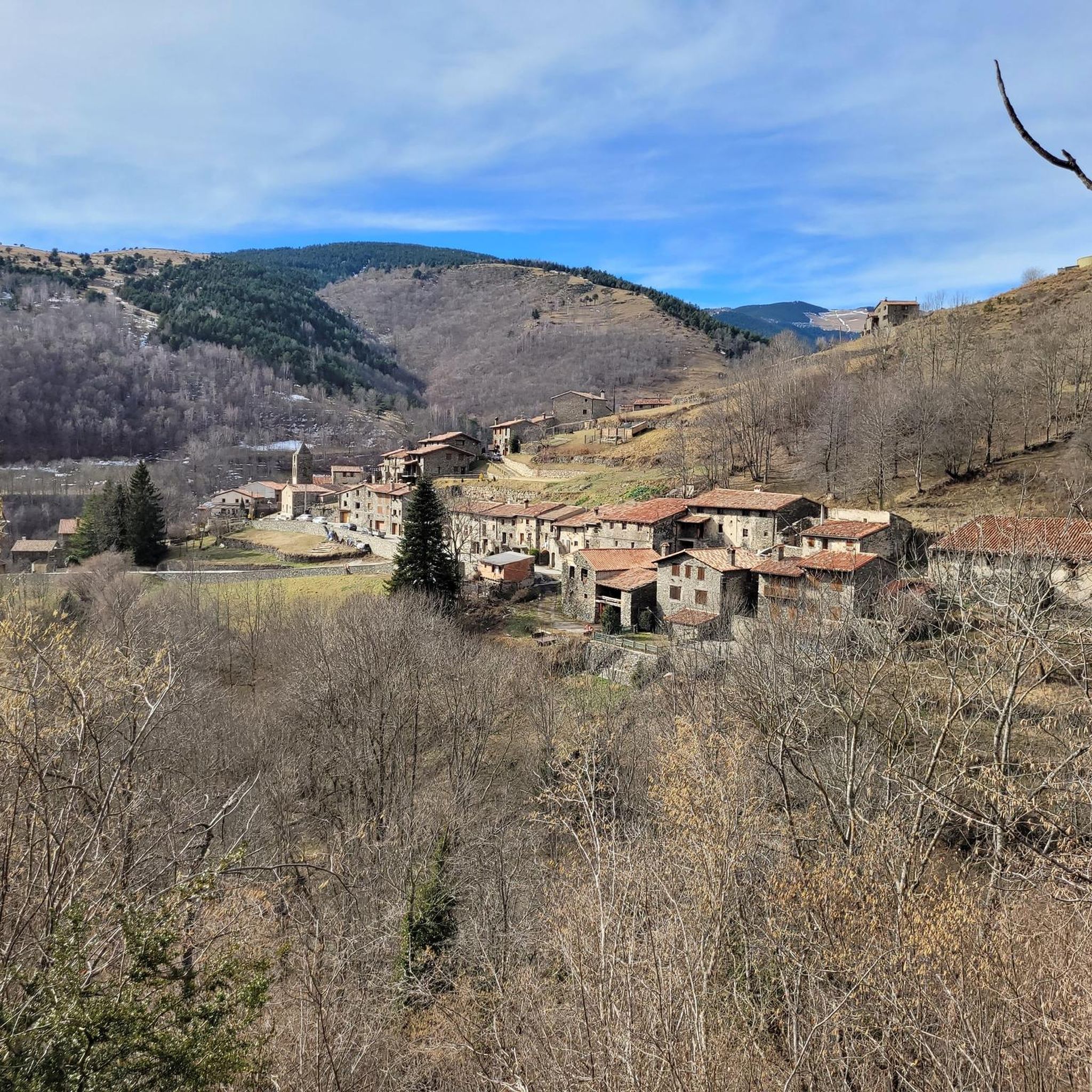
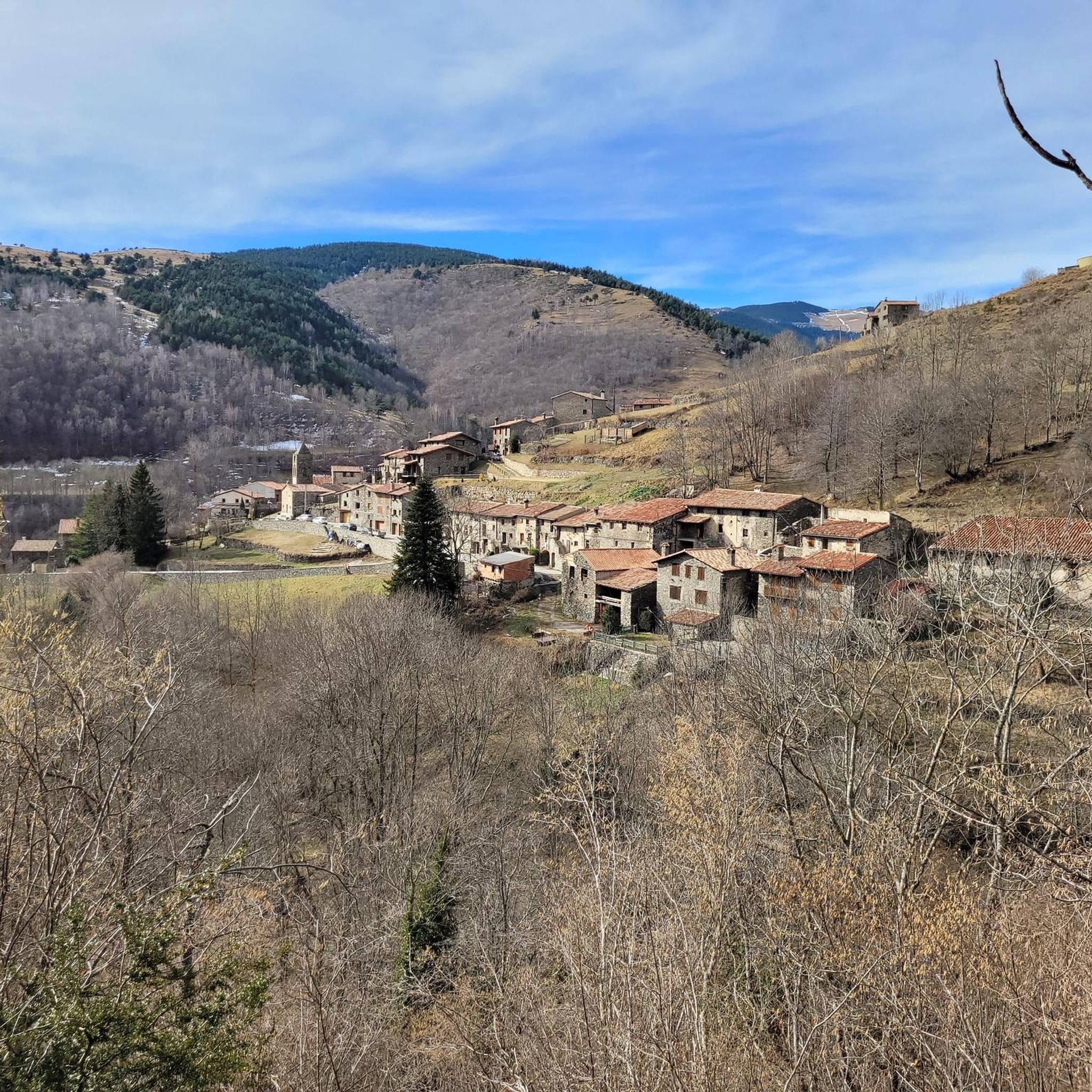
The village has a strong medieval character, with well-preserved walls and a citadel, Fort Lagarde, which dominates the town from above. This fort was built in the 17th century and is an important symbol of border defence during that period.
1
0
This watchtower dates from the 13th century and rises to an altitude of 1,520 meters, where it benefits from a strategic location that allows you to see and monitor Prats de Molló, the entire upper Tec valley, Coll d'Ares (Pyrenees) and, in the background to the east, the plains of Roussillon.
1
0

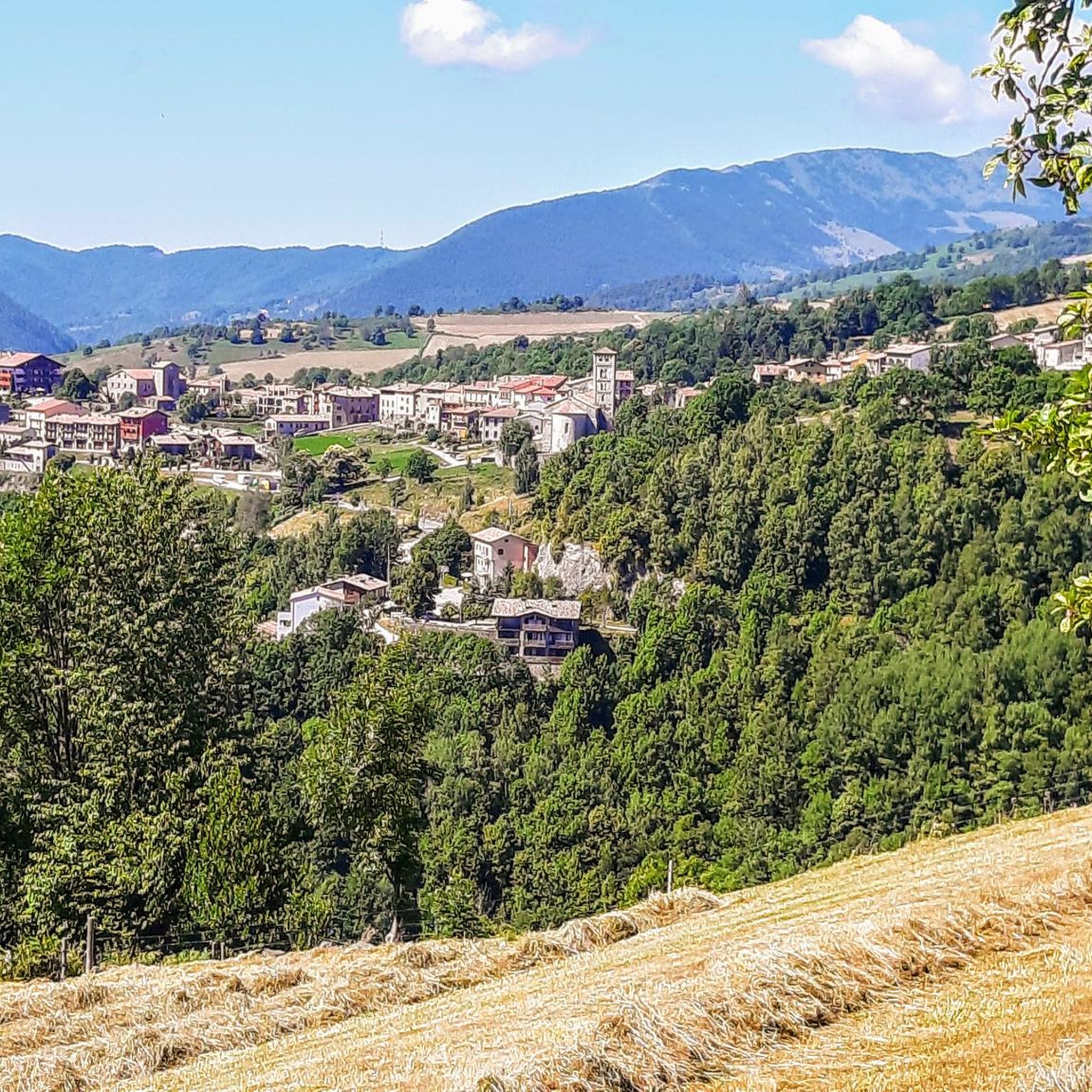
Beautiful site with views of Prats de Molló
1
0


A beautiful place after an impressive climb and descent coming from Camprodon!
0
1
Frequently Asked Questions
What types of castles and fortifications can I explore near Molló?
The region around Molló, particularly the Ripollès area, offers a diverse range of historical fortifications. You can find ancient watchtowers like Tour de Mir, medieval settlements with strong defensive walls such as Prats-de-Mollo-la-Preste, and even the ruins of once-important castles like Castell de Rocabruna. Further afield, there are grand military fortresses like Castell de Sant Ferran and renovated medieval castles like Castell de Llaés.
Are there any family-friendly castles or historical sites to visit near Molló?
Yes, Prats-de-Mollo-la-Preste is a settlement with a strong medieval character, well-preserved walls, and the impressive 17th-century Fort Lagarde, making it a great option for families. Its historical significance and visual appeal can engage visitors of all ages. The Castell de Sant Ferran in Figueres also offers guided tours suitable for families.
What are the best viewpoints to experience the historical landscape around Molló?
For spectacular views, consider visiting Tour de Mir, a 13th-century watchtower at 1,520 meters, offering strategic panoramas over the upper Tec valley and the plains of Roussillon. The Summit of La Roca de Palencà (1073 m) also provides breathtaking vistas and is associated with local legends. The ruins of Castell de Rocabruna, situated on a hill, offer interesting views over the Pyrenees and Alta Garrocha.
Can I combine a castle visit with outdoor activities like hiking?
Absolutely! Many historical sites and castles in the Ripollès region are accessible via hiking trails. For instance, the remains of Milany Castle can be reached by following the GR151 path. You can find various hiking routes around Molló, including moderate to difficult trails, that pass by historical landmarks. Explore options in the Hiking around Molló guide for more details.
Are there any ruined castles or ancient fortifications to explore near Molló?
Yes, the region is rich in ancient remains. The Castell de Rocabruna, dating back to the 10th century, is a fortification of which only a few ruins remain today, offering a glimpse into its past. Milany Castle, near Vallfogona de Ripollès, also consists of significant 9th-century remains, part of an ancient defensive ring.
What is the historical significance of the castles in the Molló region?
The castles and fortifications around Molló played crucial roles in border defense and regional control, particularly during the medieval period. Sites like Tour de Mir served as strategic watchtowers, monitoring key valleys and routes. Prats-de-Mollo-la-Preste, with its Fort Lagarde, exemplifies border defense from the 17th century. These structures reflect centuries of territorial disputes and the region's importance as a crossroads.
What is the best time of year to visit the castles and historical sites around Molló?
The best time to visit is generally during spring (April-June) and autumn (September-October) when the weather is mild and pleasant for exploring both the historical sites and the surrounding natural landscapes. Summer can also be good, but it can get warm, especially when hiking to higher-altitude sites. Winter visits are possible, but some higher-elevation areas might be cold, as noted for the Summit of La Roca de Palencà.
Are there any castles near Molló that offer a unique historical experience, like staying overnight?
While Molló itself doesn't have such options, the wider Ripollès region does. Castell de Llaés, located in Ripoll, is a 10th-century castle that has been renovated into a rural house. It offers a unique opportunity to experience history firsthand, as it can be rented as a whole or as apartments, featuring fully equipped rooms and facilities.
What do visitors enjoy most about the castles and historical sites in this region?
Visitors frequently appreciate the stunning views offered by many of these sites, such as those from Tour de Mir and the Summit of La Roca de Palencà. The strong medieval character of places like Prats-de-Mollo-la-Preste and the historical legends associated with sites like Castell de Rocabruna also captivate many. The blend of history and natural beauty is a common highlight.
Are there opportunities for road cycling near these historical sites?
Yes, the mountainous terrain around Molló and the Ripollès region is popular for road cycling. You can find various routes that pass through scenic landscapes and potentially near some historical points of interest. Check out the Road Cycling Routes around Molló guide for options, including challenging rides like the Vallter 2000 Mountain Pass loop.
How accessible are the castles near Molló by public transport or car?
Accessibility varies greatly by castle. Many are located in rural or mountainous areas, making a car the most convenient option for reaching them. Some, like Castell de Sant Ferran in Figueres, are more easily accessible in larger towns. For more remote sites like Milany Castle, you might need to hike a portion of the way. Public transport options directly to all castle sites are limited, so planning ahead is recommended.
Are there any castles that are particularly well-preserved or extensively renovated?
Castell de Llaés in Ripoll is a 10th-century castle that has been extensively renovated into a rural house, maintaining its original appearance with a homage tower and courtyard. Castell de Requesens, near the French border, is another example of an 11th-century fortress that underwent significant renovation in the late 19th century, making it well-preserved and offering a journey back in time through its 40 rooms.
Most popular routes around Molló
Most popular attractions around Molló

Get inspired with the komoot mobile app


Explore more
Looking for the best castles somewhere else? Discover other guides around Molló:
