Top 4 Caves around Guriezo
Best caves near Guriezo are found within the municipality of Guriezo, a region in Cantabria, Spain, known for its diverse natural landscapes. The area's karstic topography has created numerous caves and underground systems, making it a notable destination for speleological exploration. These geological formations offer unique natural features and insights into the region's natural history. Guriezo's caves are a significant part of its natural heritage, attracting visitors interested in underground environments.
Best caves around Guriezo
- The most popular caves include…
Last updated: October 11, 2026
Devil's Eye
Highlight • Natural Monument
Getting …
Translated by Google •
Tip by

Cullalvera Cave
Highlight • Cave
Translated by Google •
Tip by

Sign up now to discover places like this
Get recommendations on the best single tracks, peaks, & plenty of other exciting outdoor places.
Menhir Yelso de Hayas
Highlight • Monument
Translated by Google •
Tip by
Pozalagua Cave
Highlight • Cave
Translated by Google •
Tip by

Torca del Carlista
Highlight • Cave
Translated by Google •
Tip by
Start today with a free account
Your next adventure awaits.
Popular around Guriezo
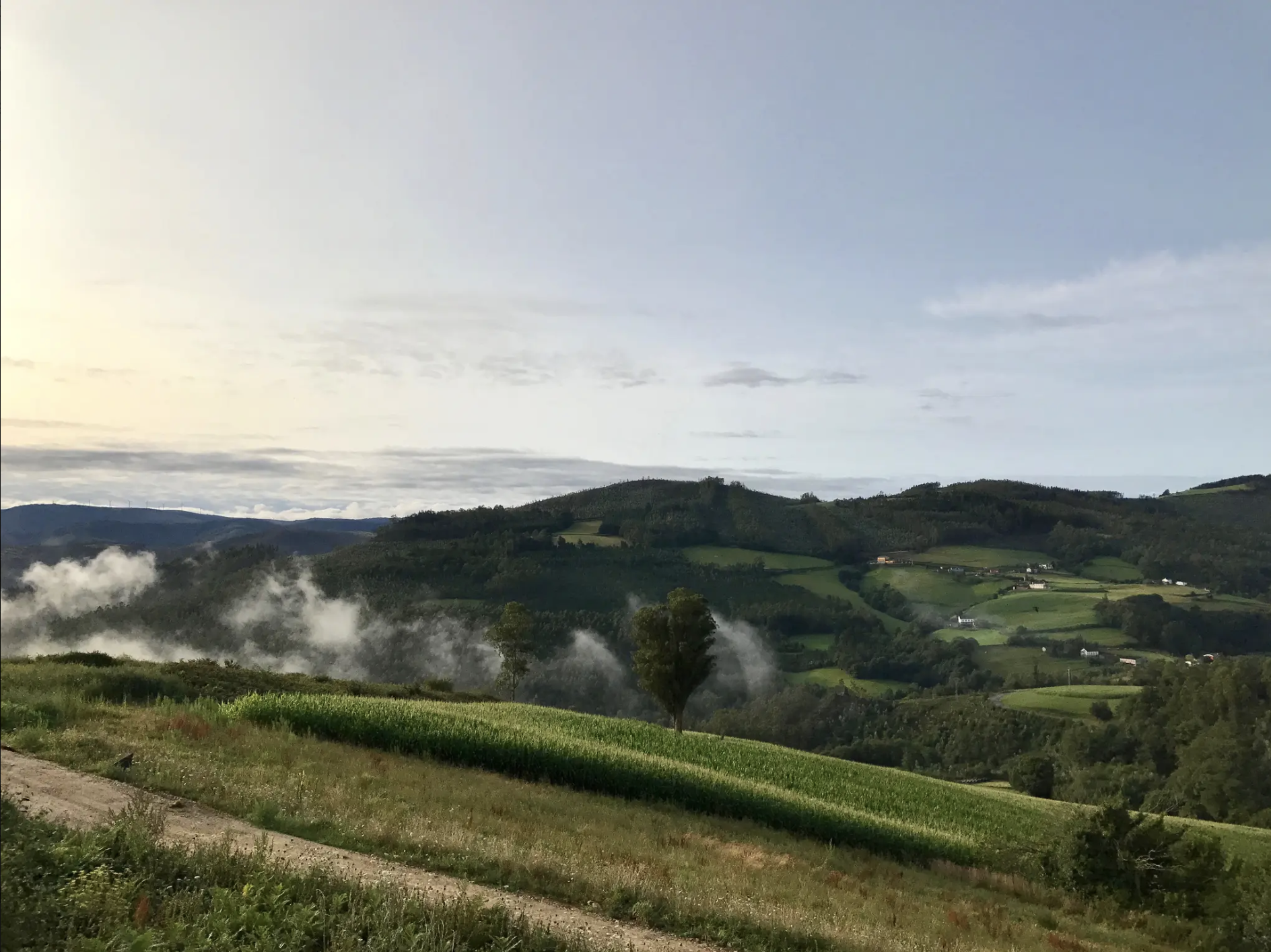
Camino del Norte (in reverse) – Discovering northern Spain's stunning coastline
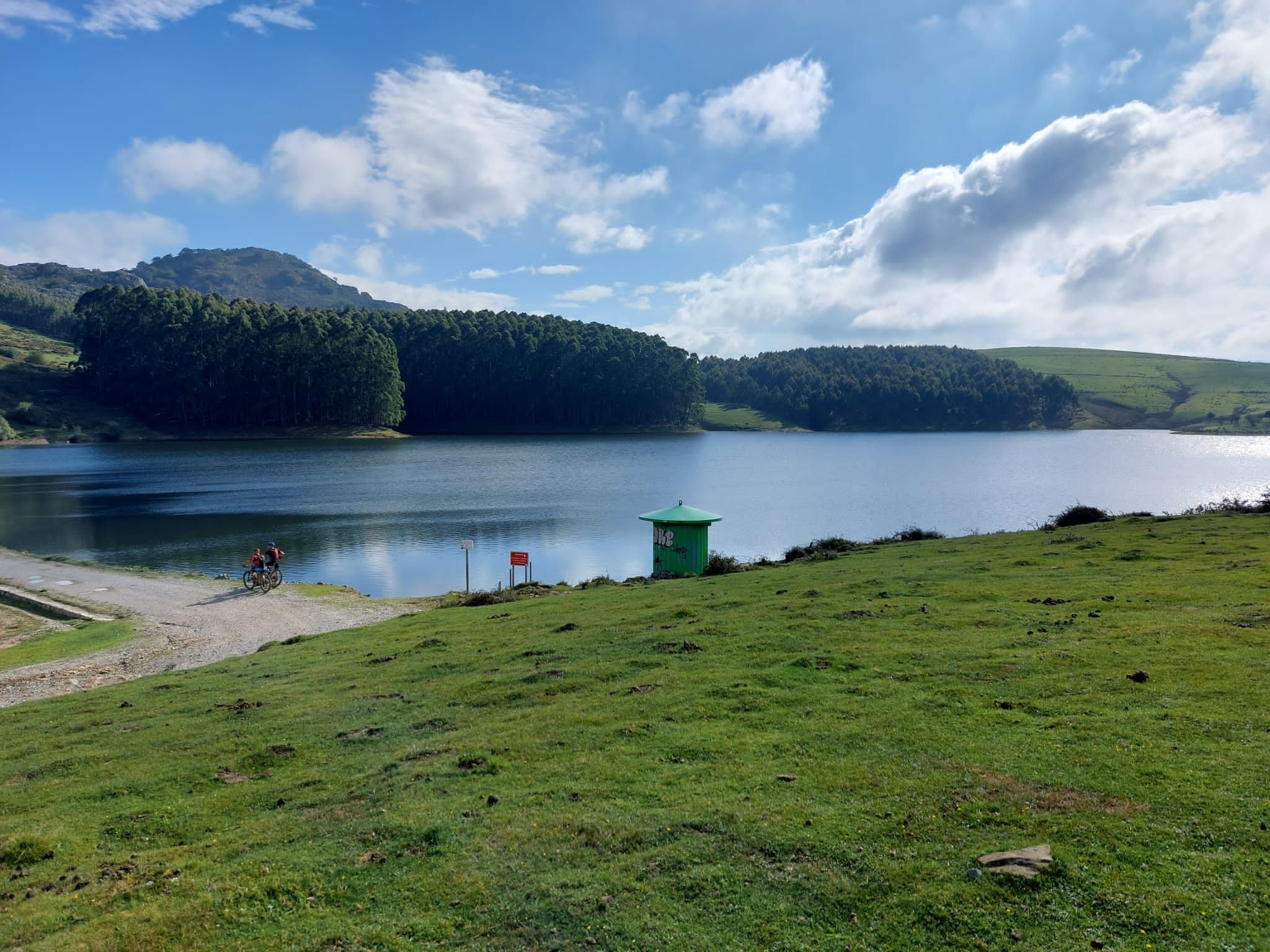
Cycle between land and sea in northern Spain – Pedales de Cantabria
Road Cycling Routes around Guriezo
Hiking around Guriezo
MTB Trails around Guriezo
Cycling around Guriezo
Running Trails around Guriezo

Gravel biking around Guriezo


Tips from the Community

The view through the devil's eye onto the coast at Sonabia is breathtakingly beautiful and rewards the strenuous journey here. The stone arch can be reached either via the coastal path between Sonabia and Villanueva or, less spectacularly, through the mountains to the south from a parking lot near the A8. An absolute postcard motif!
0
0

Karst area and rugged terrain. Few indications of the path to the top. Some milestone of stones and scattered orange signs. It is essential to carry a GPS to navigate.
0
0

Today we made the official visit to the cave, it's a pity they didn't let us take photos inside.
2
0

Also known as the Arcos de Llanegro. It is a spectacular place but for me there are better ones in Candina...you just have to find them!!! hahaha
1
0

The Pozalagua cave is known for housing the largest collection of eccentric stalacticts in the world. Observing this curious phenomenon of nature is well worth a visit to the cave, considered an "underground cathedral". It is necessary to buy tickets and the visit lasts about 50 minutes. Keep in mind that it is quite cold inside the cave.
1
0
La Torca del Carlista is one of several caves found in the Karranza valley. The cavity is located under the Peña Ranero mountain and a large part of it is located on Cantabrian soil. It stands out for its large size, as the main chamber is the fifth largest underground chamber in the world.
0
0
For me, the most spectacular place in Cantabria... and that Cantabria has a lot of very special places!
1
0

Unreal rock arch, also called Arcos de Llanegro. Hike up here is strenuous but not difficult. The view is indescribably beautiful.
2
0
Frequently Asked Questions
What are some notable caves to explore around Guriezo?
Beyond the immediate vicinity of Guriezo, the wider Cantabria region offers diverse cave experiences. For an adventurous caving experience with an underground river, consider the Cueva de los Tocinos. If you're interested in impressive geological formations and a family-friendly visit, the Cullalvera Cave is a great option. For those seeking prehistoric art, the Cueva de Covalanas is renowned for its Paleolithic paintings, and the Cueva de la Garma offers extensive archaeological insights.
Are there any caves with prehistoric art or historical significance in the region?
Yes, the Cantabria region is rich in prehistoric sites. The Cueva de Covalanas, located in Ramales de la Victoria, is a UNESCO World Heritage site famous for its striking red deer paintings from around 20,000 BCE. Another significant site is the Cueva de la Garma, an exceptionally well-preserved archaeological site with over 4,000 fossils and 500 graphic units, including black paintings and engravings, dating back between 29,000 and 13,500 years ago.
Are there family-friendly caves around Guriezo?
Yes, the Cullalvera Cave is highlighted as family-friendly. It features immense cavities and impressive formations, offering an amazing experience for all ages. It's recommended to purchase tickets online in advance.
What kind of natural features can I expect to see in the caves?
The caves in the region showcase a variety of natural wonders. For instance, the Cueva de los Tocinos features a large entrance, steep galleries, and an active underground river, with unique floor formations known as 'vertebrae columns.' The Cullalvera Cave boasts vast karstic chambers, some up to 14 x 28 meters, sculpted by water over millennia.
What is the best time to visit the caves around Guriezo?
While specific seasonal access varies by cave, generally, the spring and autumn months offer pleasant temperatures for exploring. For caves with active water systems like Cueva de los Tocinos, water levels can be higher during rainy seasons, making exploration more challenging. It's always advisable to check specific cave conditions and opening hours before your visit.
How accessible are the caves in the Guriezo area?
Accessibility varies significantly between caves. The Cullalvera Cave is noted for being totally accessible and in a fantastic environment, making it suitable for a wider range of visitors. In contrast, Cueva de los Tocinos offers a more adventurous experience with a steeply sloped and often slippery entrance gallery, requiring caution and a good level of fitness.
Do I need permits for caving in the Guriezo area?
For guided tours of established tourist caves like Cullalvera or Covalanas, you typically need to purchase tickets in advance. For more adventurous or undeveloped caves, such as Cueva de los Tocinos, specific permits or permissions might be required, especially if you plan extensive exploration or caving with specialized equipment. It's best to consult local caving associations or authorities for the most up-to-date regulations.
What other outdoor activities can I do near the caves around Guriezo?
The Guriezo area is excellent for various outdoor activities. You can find numerous cycling routes, including challenging options like the 'Alto de LA-1 (395 m) – Castro Urdiales loop' or 'Valverde Tunnel – Laredo Promenade loop.' For gravel biking, routes like 'A & C Tunnel Entrance – El Sobaco Tunnel loop' are available. You can explore more options on the Cycling around Guriezo and Gravel biking around Guriezo guides.
Are there hiking trails near these caves?
Yes, the region offers scenic hiking opportunities. For example, reaching the Devil's Eye viewpoint, which offers majestic panoramic views from a natural rock window, involves a strenuous but picturesque hike. Many of the cycling and gravel biking routes mentioned also include sections suitable for hiking or pass through beautiful natural landscapes.
What should I wear when visiting caves in this region?
Cave temperatures are generally cool and constant, regardless of the outside weather, so layers are recommended. Wear sturdy, non-slip footwear, as cave floors can be wet and slippery. For more adventurous caves, waterproof clothing and a headlamp are essential. Even in summer, you might see your breath inside some caves, so a light jacket is always a good idea.
Where can I find parking near the caves?
Parking availability varies by cave. For popular tourist caves like Cullalvera Cave, there is usually designated parking nearby. For less developed or more remote caves, parking might be limited to roadside spots or small clearings. It's advisable to research specific parking options for each cave you plan to visit in advance.
Most popular routes around Guriezo
Most popular attractions around Guriezo

Get inspired with the komoot mobile app


Explore more
Extend your search for the best caves by checking out these guides of the top ones around Guriezo:
