Top 3 Natural Monuments around Cricket St Thomas
Best natural monuments around Cricket St Thomas include a blend of historical landscapes and prominent hills offering expansive views. The village itself is home to the Cricket St Thomas Gardens and Lakes, a Grade II listed natural monument featuring 160 acres of man-made lakes, cascades, and woodland walks. Nearby, the wider region of West Dorset presents significant natural features such as Pilsdon Pen and Lewesdon Hill. These locations provide diverse natural settings for exploration, from serene gardens to ancient hillforts…
Last updated: August 15, 2026
Pilsdon Pen Summit and Trig Point
Highlight • Natural Monument
Tip by

View of Golden Cap and Thorncombe Beacon
Highlight • Viewpoint
Tip by

Sign up now to discover places like this
Get recommendations on the best single tracks, peaks, & plenty of other exciting outdoor places.
Sign up for free
Lewesdon Hill
Highlight • Viewpoint
Tip by
View of Strip Lynchets on Brympton Hill
Highlight • Natural Monument
Tip by

Start today with a free account
Your next adventure awaits.
Login or Signup

Tips from the Community

From the trig point at Pilsdon Pen summit, you get spectacular, wide-open views across Dorset. Looking south, the eye sweeps over the lush farmlands and rolling hills of the Marshwood Vale, extending all the way down to Bridport and the dramatic cliffs of the Jurassic Coast.
0
0
If you’ve hauled yourself up to the ramparts of Lambert’s Castle, congratulations! You are currently standing on an Iron Age "penthouse" with a view that makes most postcards look like blurry thumbprints. Looking south toward the coast, the landscape does a dramatic drop-and-roll toward the English Channel. Here is the lowdown on the two big celebrities you’re staring at: 1. Golden Cap: The Gilded Giant Dominating the horizon is Golden Cap, the highest point on the South Coast of England. The Look: It’s basically a massive, flat-topped wedge of rock that looks like nature tried to bake a giant loaf of bread and then gave it a glowing, golden crust. The Vibe: From Lambert’s Castle, you can see exactly why it got its name. When the sun hits that upper layer of Greensand, it glows like a pirate’s treasure chest. Fun Fact: At 191 meters (627 feet), if you were standing on top of it, you’d be higher than any other cliff-dweller in southern England. From up here on the hill, it looks like the ultimate finish line. 2. Thorncombe Beacon: The Dramatic Sidekick Just to the east of Golden Cap sits its slightly shorter, but equally moody sibling, Thorncombe Beacon. The Look: It’s got that classic "dinosaur spine" silhouette. It’s part of the same rollercoaster of cliffs that makes the Jurassic Coast look like it’s trying to jump into the sea. The Vibe: It feels a bit more "wild and windy." Historically, this was part of a chain of fire beacons used to warn everyone that the Spanish Armada was coming to ruin the weekend. The Perspective: From your vantage point, you can see the deep "V" of the Seatown valley tucked between the two peaks, looking like a perfect little green cradle.
0
0


At an elevation of 915 feet (279 meters), this is the highest point in Dorset, from where you can take in the beautiful surrounding countryside through the trees. For a long time, it was believed that Pilsdon Pen was the highest point in Dorset, but relatively recently, it was discovered that Lewesdon Hill stands two meters higher.
0
0
The summit of this hill represents the second highest point in Dorset, and from here, you'll have breathtaking panoramic views. At the top, there was an Iron Age hillfort, which was excavated in the mid-20th century.
0
0

#NT Golden Cap is the highest point on the South Coast
0
0

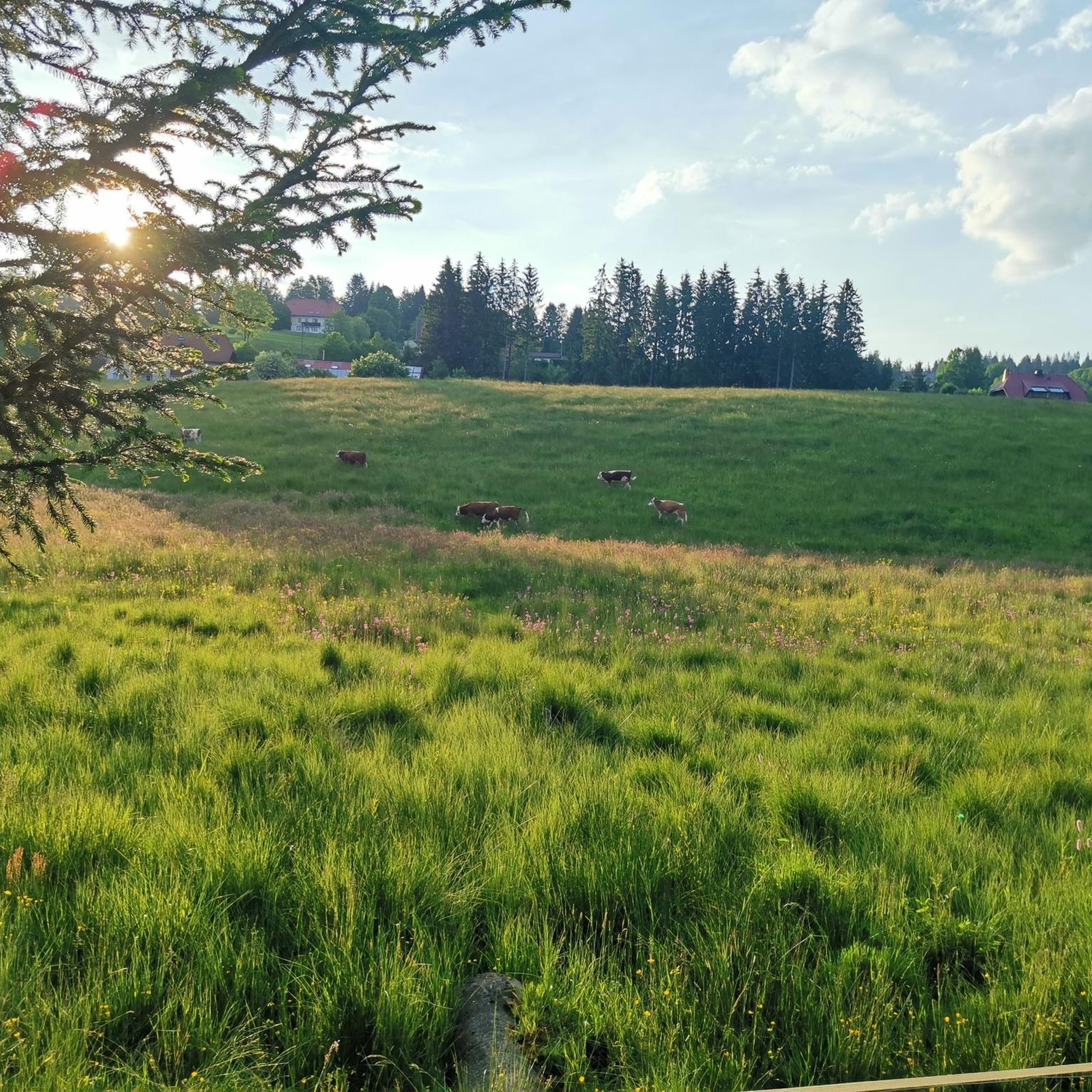
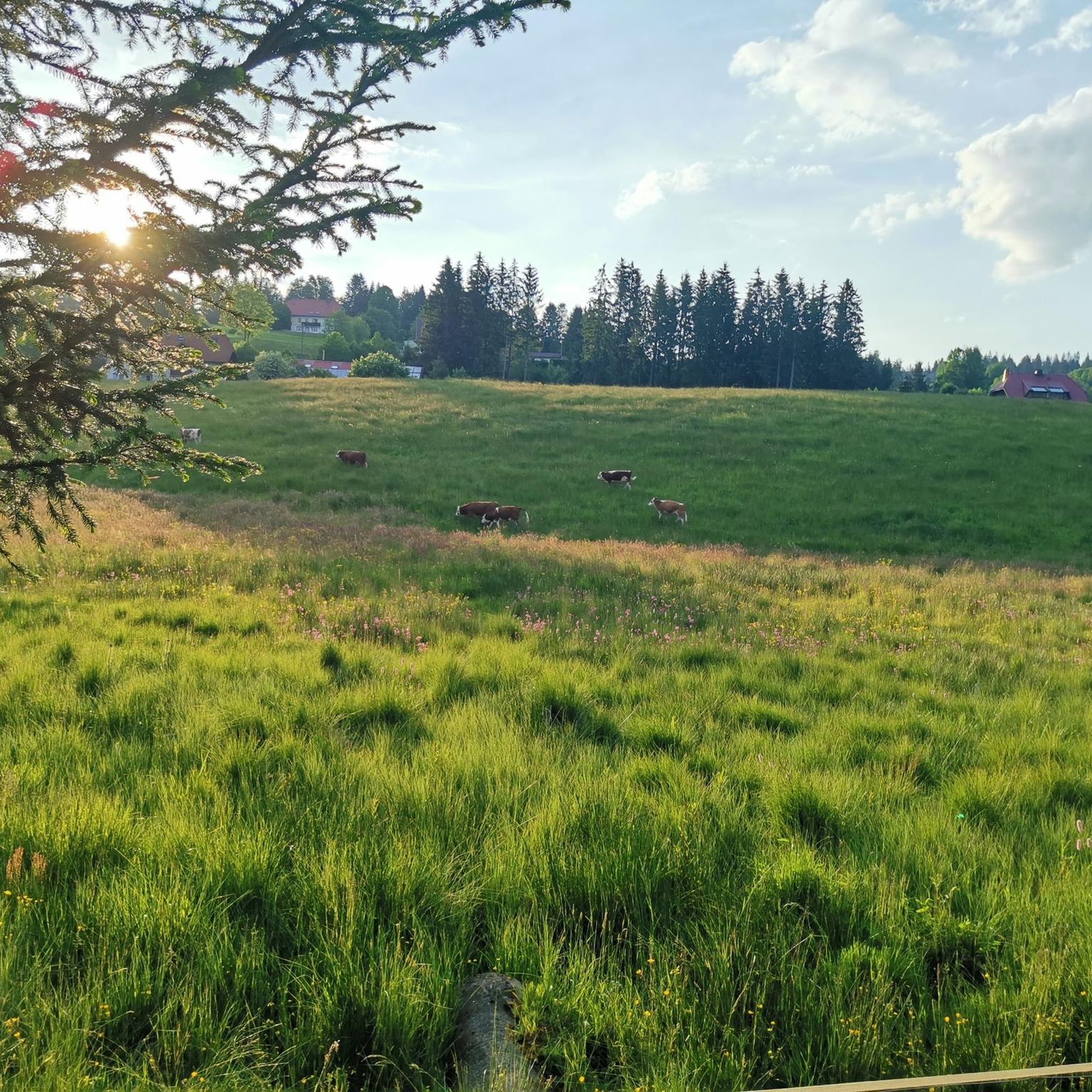
Somerset and Dorset are riddled with strip lynchets and some examples are particularly eye-catching. Best viewed from a distance, strip lynchets were a type of earthwork commonly used in ancient field systems, mainly in southern Britain. Like terraces in other countries, it’s thought that strip lynchets were made to increase the agricultural land available in hilly areas. There’s also a theory that they came about as a result of repeated ploughing. These ones can be seen from the south, on the southern side of Brympton Hill.
1
0

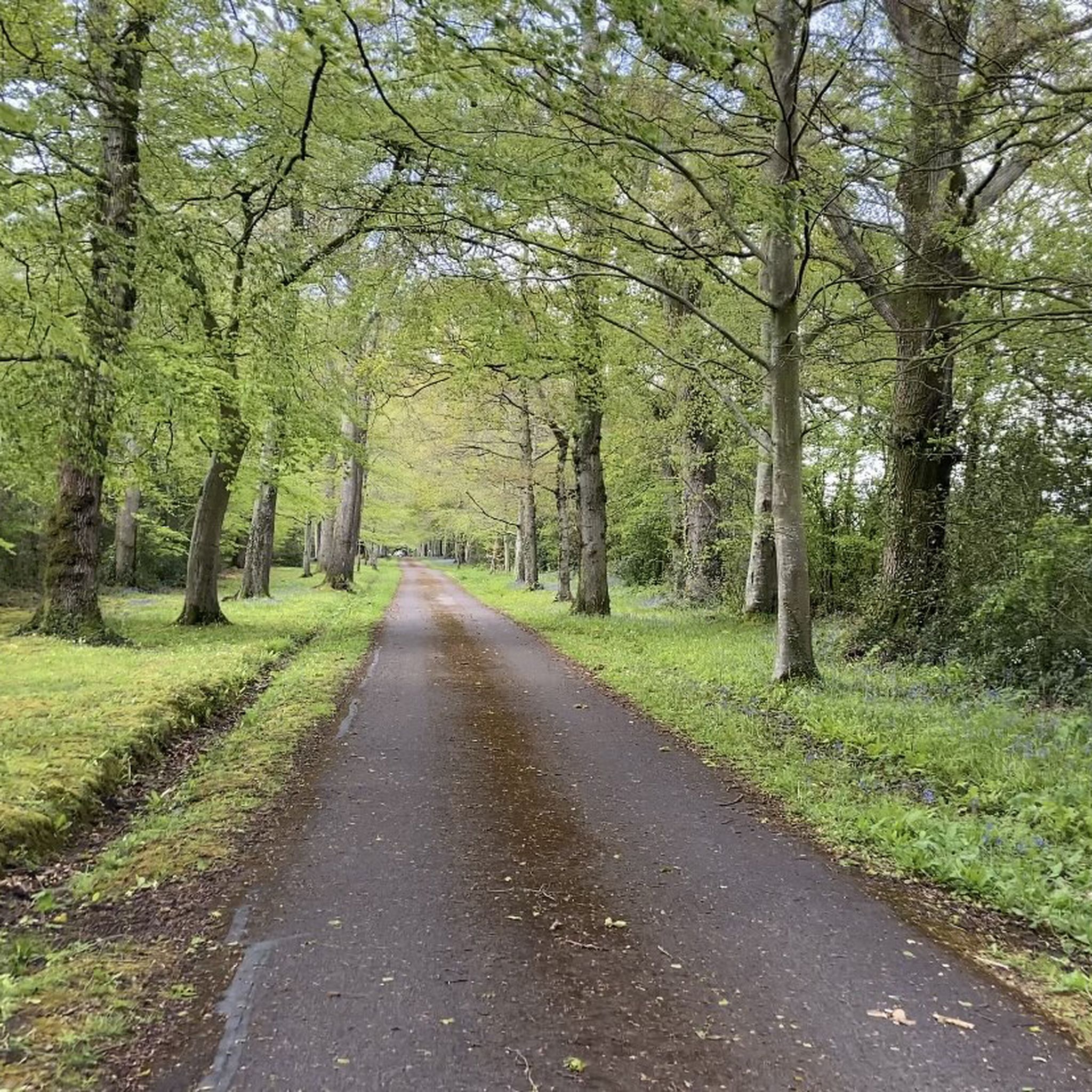
Standing at 915 feet (279 m) Lewesdon Hill is the highest point in Dorset. The trees open in places to reveal breathtaking views which stretch over Dorset, Devon, Somerset, and out to sea. In spring, the woodland erupts into colour with bluebells and in autumn the golden leaves and fungi make it an enchanting place to explore. There are also remains of an Iron Age hill fort here. The site is in the care of the National Trust. This double track and single track bridleway takes you over the northern slopes, and forms part of the Wessex Ridgeway Trail. For more information, visit: nationaltrust.org.uk/lewesdon-hill.
2
0
Frequently Asked Questions
What are the most prominent natural monuments in and around Cricket St Thomas?
The primary natural monument directly within Cricket St Thomas is the Cricket St Thomas Gardens and Lakes, known for its historical landscaping and serene beauty. Nearby, in West Dorset, you'll find two other significant natural monuments: Pilsdon Pen, Dorset's second-highest point with an Iron Age hillfort, and Lewesdon Hill, the highest point in Dorset, featuring ancient woodlands and another Iron Age fort.
What kind of natural features can I expect to see at these monuments?
At Cricket St Thomas Gardens and Lakes, you'll discover a blend of historical landscaping with man-made lakes, cascades, woodland walks, and formal gardens. Pilsdon Pen offers dramatic open hilltops and geological formations, while Lewesdon Hill is characterized by its extensive beech woods, which burst with bluebells in spring and golden leaves in autumn.
Do these natural monuments have historical significance?
Yes, they do. The Cricket St Thomas Gardens and Lakes are Grade II listed, with landscaping meticulously laid out between 1816 and 1860, and have even hosted figures like Admiral Lord Nelson. Both Pilsdon Pen and Lewesdon Hill are topped with ancient Iron Age multivallate hillforts, and Lewesdon Hill was also a site for Armada Beacons in 1588.
Are there family-friendly natural monuments around Cricket St Thomas?
The Cricket St Thomas Gardens and Lakes offer varied walking terrains and beautiful vistas, suitable for family strolls. While not explicitly listed as 'family_friendly' in all categories, the general appeal of open spaces and gentle walks makes them a good option. For historical interest, the View of Strip Lynchets on Brympton Hill is categorized as family-friendly and offers a glimpse into ancient agricultural practices.
What outdoor activities can I do near these natural monuments?
The area around Cricket St Thomas is excellent for various outdoor activities. You can find numerous routes for mountain biking, road cycling, and running. The natural monuments themselves, especially Pilsdon Pen and Lewesdon Hill, are popular for hiking and offer extensive footpath networks.
Are there good hiking trails around these natural monuments?
Absolutely. The Cricket St Thomas Gardens and Lakes offer six miles of permissive paths, linking into a wider local footpath network. Pilsdon Pen and Lewesdon Hill are both excellent for hiking, with Lewesdon Hill forming part of the Wessex Ridgeway Trail. These locations provide diverse terrains from woodland to open hilltops.
Can I bring my dog to the natural monuments?
Many outdoor areas in the UK are dog-friendly, especially public footpaths and open access land. While specific rules vary, generally, dogs are welcome on leads at places like Pilsdon Pen and Lewesdon Hill. It's always best to check specific site guidelines for the Cricket St Thomas Gardens and Lakes before visiting, as private estates may have different policies.
What are the best viewpoints in the area?
For breathtaking panoramic views, Pilsdon Pen is exceptional, offering vistas across the Marshwood Vale, Golden Cap, and even to Exmoor on a clear day. Lewesdon Hill also provides stunning views over Dorset, Devon, Somerset, and out to sea from openings in its woodlands. Another notable spot is the View of Pilsdon Pen and Lewesdon Hill from Lambert's Castle Hill.
When is the best time of year to visit the natural monuments around Cricket St Thomas?
The natural monuments offer beauty year-round. Spring is ideal for seeing bluebells at Lewesdon Hill and enjoying fresh greenery. Summer provides pleasant weather for longer walks and clear views. Autumn brings spectacular golden foliage to the woodlands. Even winter can be rewarding, offering crisp air and stark landscapes, though some paths might be muddy.
Is there wildlife to spot near these natural monuments?
Yes, the diverse landscapes support various wildlife. The woodlands of Lewesdon Hill and the Cricket St Thomas Gardens and Lakes are home to numerous bird species, small mammals, and insects. Keep an eye out for deer, foxes, and a variety of birdlife, especially in the quieter areas.
Where can I find parking when visiting these natural monuments?
Parking availability varies by location. For Cricket St Thomas Gardens and Lakes, there is typically dedicated parking for visitors. For Pilsdon Pen and Lewesdon Hill, you can often find small car parks or roadside parking at the base of the hills or near popular trailheads. It's advisable to check local signage upon arrival.
How long should I plan for a visit to these natural monuments?
For a thorough exploration of the Cricket St Thomas Gardens and Lakes, allow at least 2-3 hours. Hikes up Pilsdon Pen or Lewesdon Hill can range from 1 to 3 hours depending on your chosen route and pace, especially if you plan to enjoy the panoramic views from the summits.
Are there places to eat or drink near the natural monuments?
While the natural monuments themselves may not have on-site cafes, the surrounding villages and towns, including Cricket St Thomas itself, offer various pubs, cafes, and restaurants. You'll find options in nearby Chard, Ilminster, and other local communities, providing refreshments after your outdoor adventures.
Most popular attractions around Cricket St Thomas

Get inspired with the komoot mobile app


Explore more
Extend your search for the best caves by checking out these guides of the top ones around Cricket St Thomas:
