Top 3 Castles in Prato
Castles in Prato offer a glimpse into Tuscany's rich medieval history, with fortifications strategically positioned across the city and its surrounding hills. Prato, located in central Tuscany, features a prominent imperial castle within its urban core and is encircled by historical strongholds overlooking river valleys and strategic routes. The region's landscape combines urban historical sites with natural settings, providing diverse exploration opportunities. These structures reflect centuries of military and aristocratic influence in the area.
Best castles in Prato
- The most…
Last updated: October 5, 2026
Emperor's Castle
Highlight • Castle
On the site of today's …
Translated by Google •
Tip by

Rocca di Cerbaia
Highlight • Castle
Translated by Google •
Tip by

Sign up now to discover places like this
Get recommendations on the best single tracks, peaks, & plenty of other exciting outdoor places.
Viewpoint from the Rocca di Carmignano
Highlight • Viewpoint
Translated by Google •
Tip by

View from Montemurlo Fortress
Highlight • Viewpoint
Translated by Google •
Tip by

Start today with a free account
Your next adventure awaits.


Tips from the Community

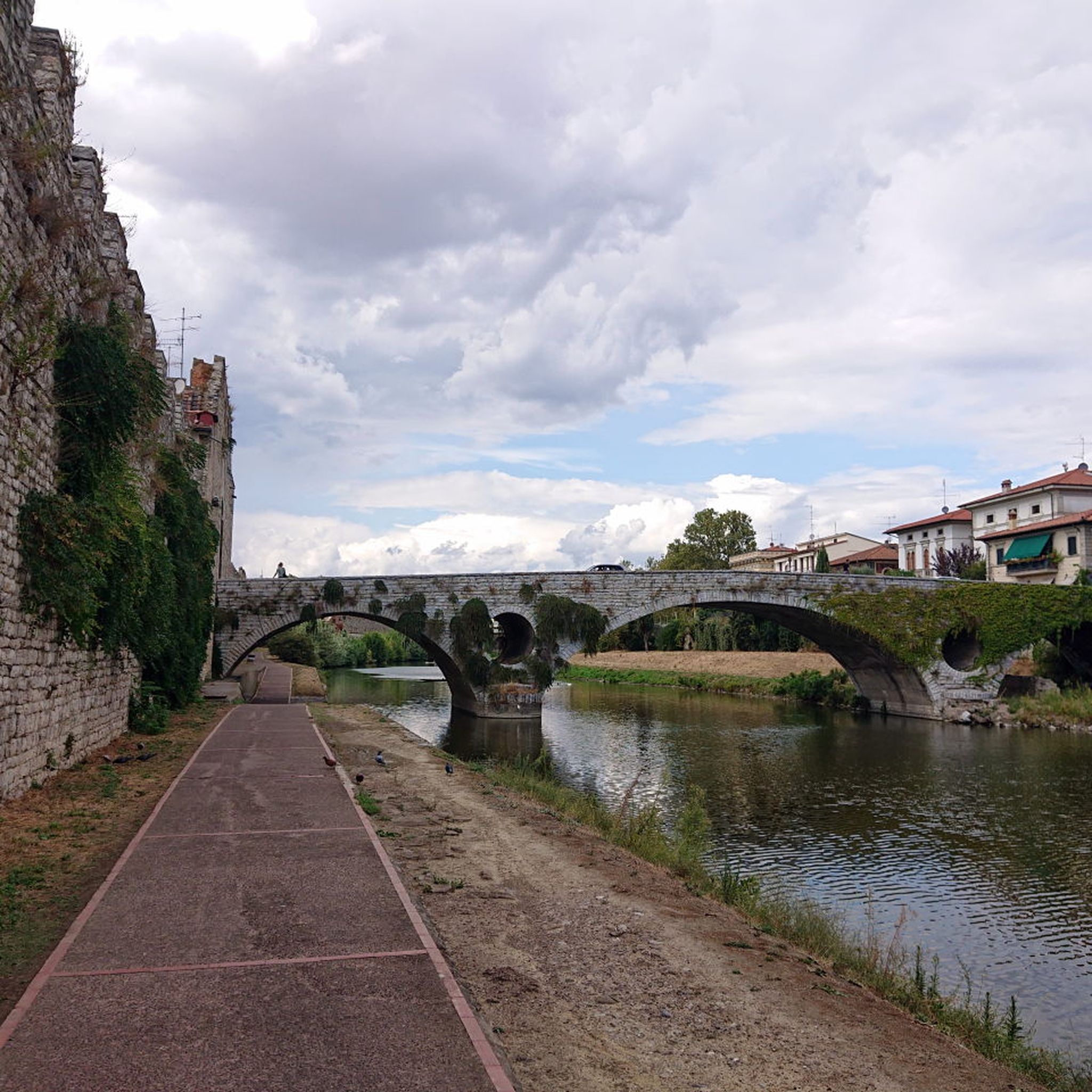
The Emperor's Castle (also known as the Fortress of Santa Barbara or Swabian Castle) is located in the historic center of Prato, in Piazza Santa Maria delle Carceri. It is the only example of Swabian (Frederickian) architecture in central-northern Italy, built between 1237 and 1248 by the architect Riccardo da Lentini at the behest of Emperor Frederick II of Swabia. The fortress served to guard the communication routes between Germany and southern Italy. Structure and Architecture: Square plan: the sides measure approximately 40 meters, with walls two and a half meters thick made of alberese stone. Eight towers: four main towers at the corners corresponding to the cardinal points and four central towers. Guelph battlements: the walls are decorated with classic swallowtail battlements. [1] Bichrome portal: the main entrance combines Gothic style with Romanesque-Tuscan elements, characterized by alternating bands of white and green marble and protected by two lions
0
0

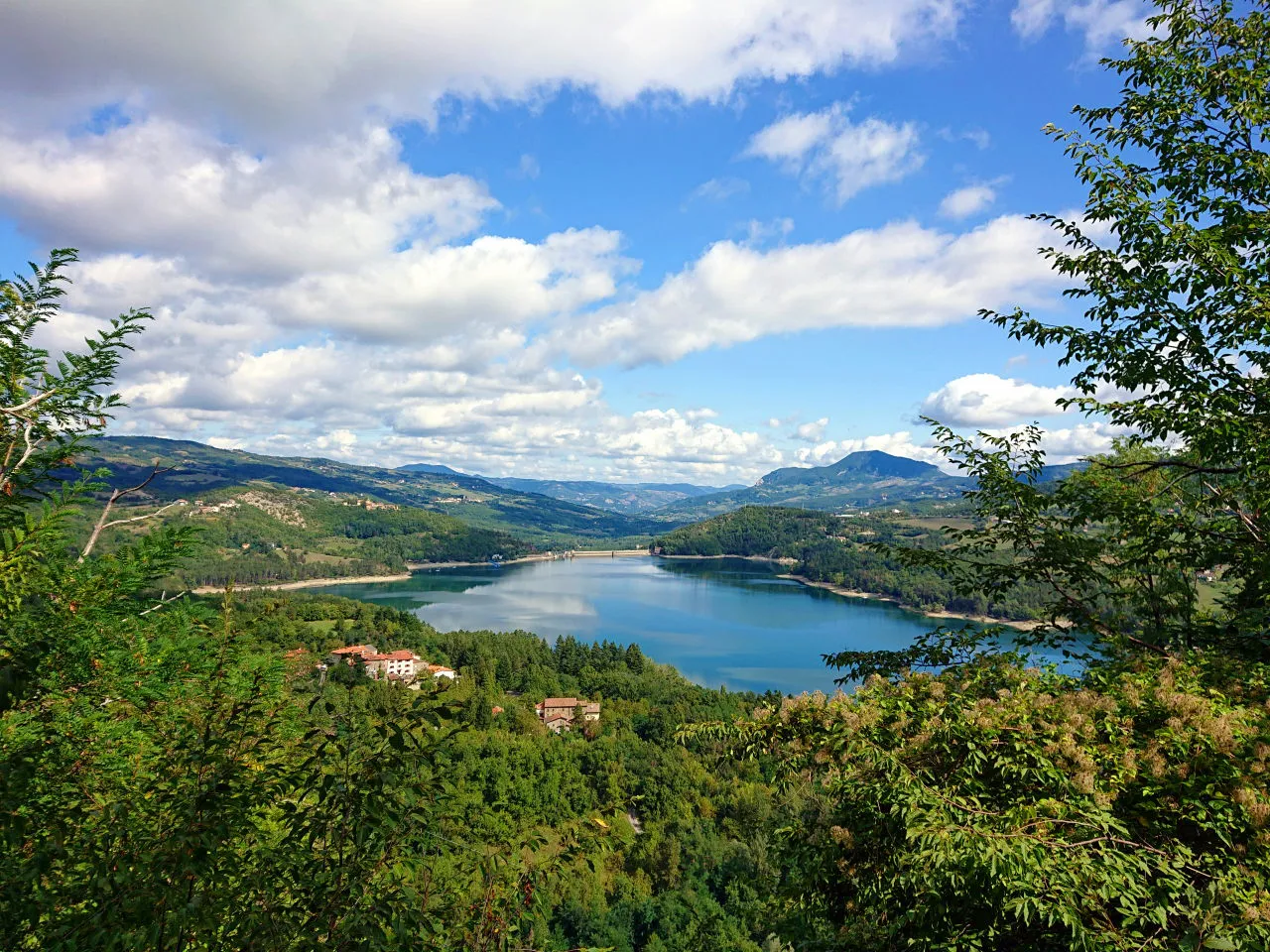
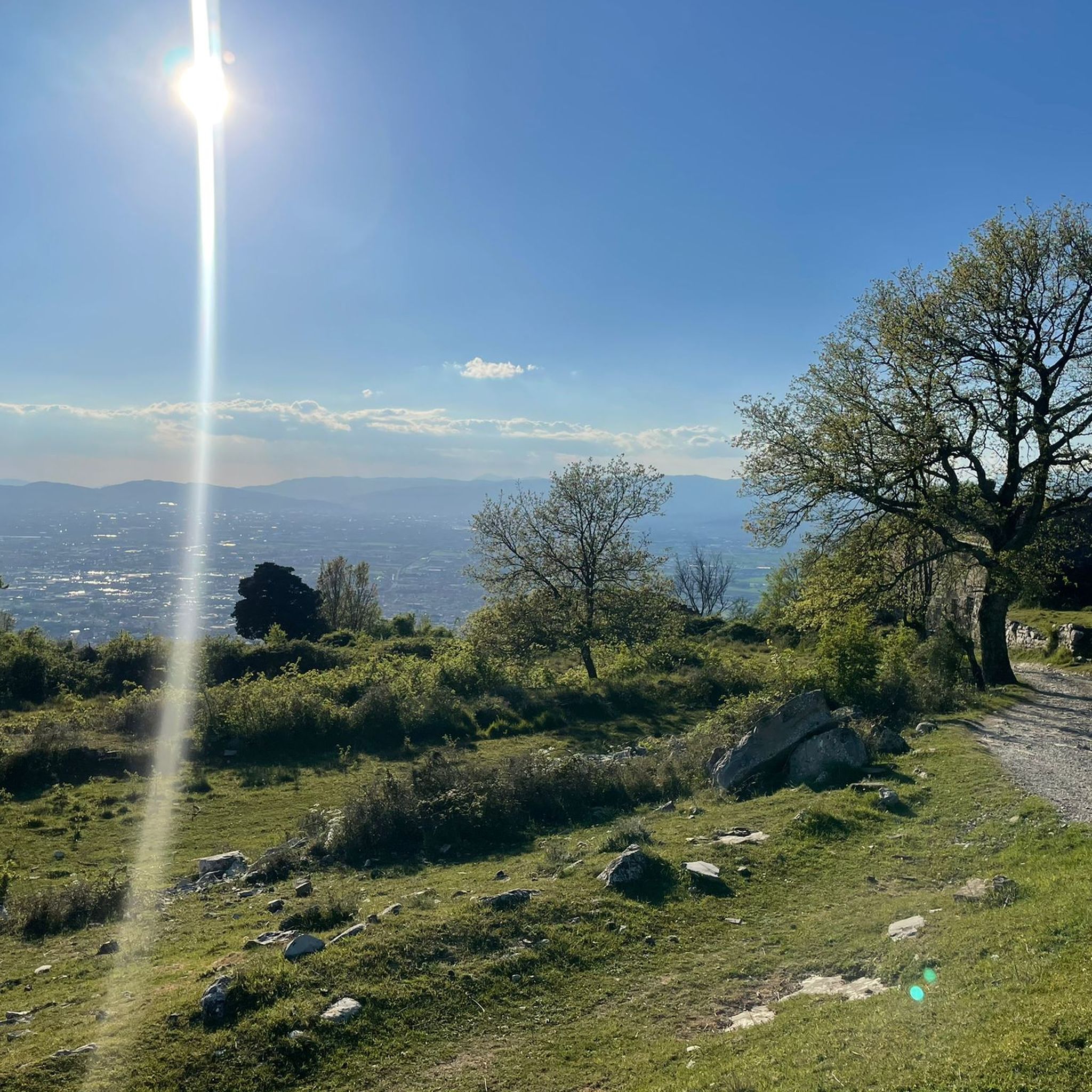
La Rocca di Cerbaia, or simply Rocca Cerbaia, dominates the summit of a rocky spur nearly four hundred meters high, sheer above the Bisenzio river valley. For centuries, the fortified structure has battled the forces of nature, which first caused its abandonment, then its ruin. Its origin, at least in the form we see it today, appears to date back to the early 1100s, when the Alberti family erected a fortress on the site to control the ancient road known as the "Via di Lombardia," a link between Tuscany and the regions beyond the Apennines. Despite its military functions, the fortress was also used by the Alberti family as a residence for a long period, a fact confirmed by the high-quality finishes still visible inside the keep. Legend, almost certainly unfounded, has it that in 1285 the Alberti family refused a request for hospitality at the Rocca made by the Poet Dante Alighieri while traveling to Bologna. The great poet himself made famous one of the descendants of the family that owned the fortress, Cunizza Alberti, a protagonist of a lively romantic life in his "Divine Comedy" (Paradiso IX, 13-36). In 1361, the fortress was sold to the Florentines who, given its important strategic position, established a permanent military garrison there and strengthened its defenses by building a second ring of walls and other buildings. La Rocca di Cerbaia has the classic appearance of medieval ring castles: a mighty keep dominates the center of the two surrounding, roughly pentagonal, walled enclosures. The construction was carried out in sandstone, of which the area is rich. Large portions of the first outer ring wall are still recognizable, with the entrance gate set into the southern curtain. Beyond this gate, on the left, are the remains of a building called 'Palazzo Nuovo,' and on the right, what remains of the cistern with a barrel vault roof, all constructions dating back to the first half of the 1300s. Outside this first enclosure, we find the ruins of the Church of S. Martino, a single nave.
1
0
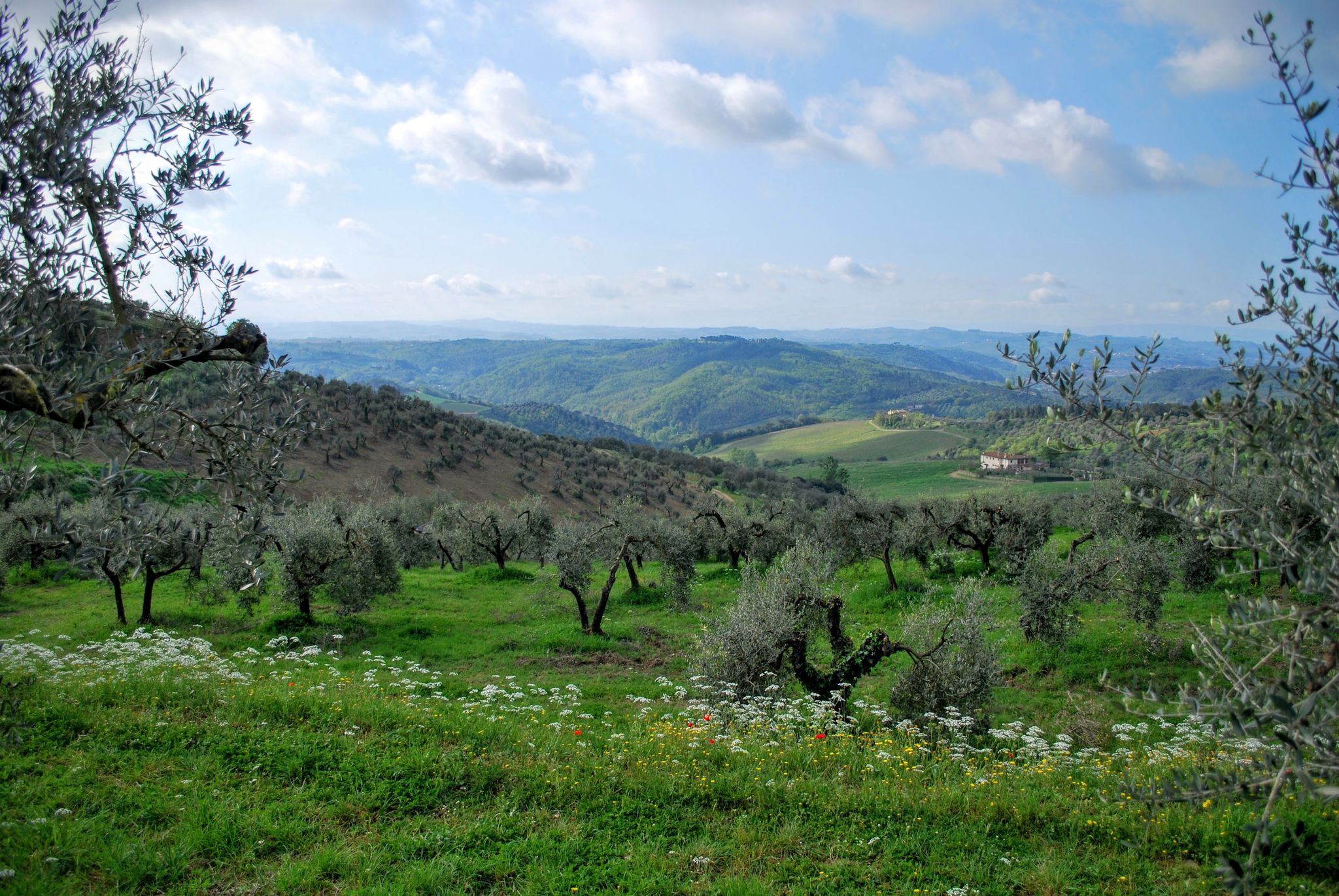
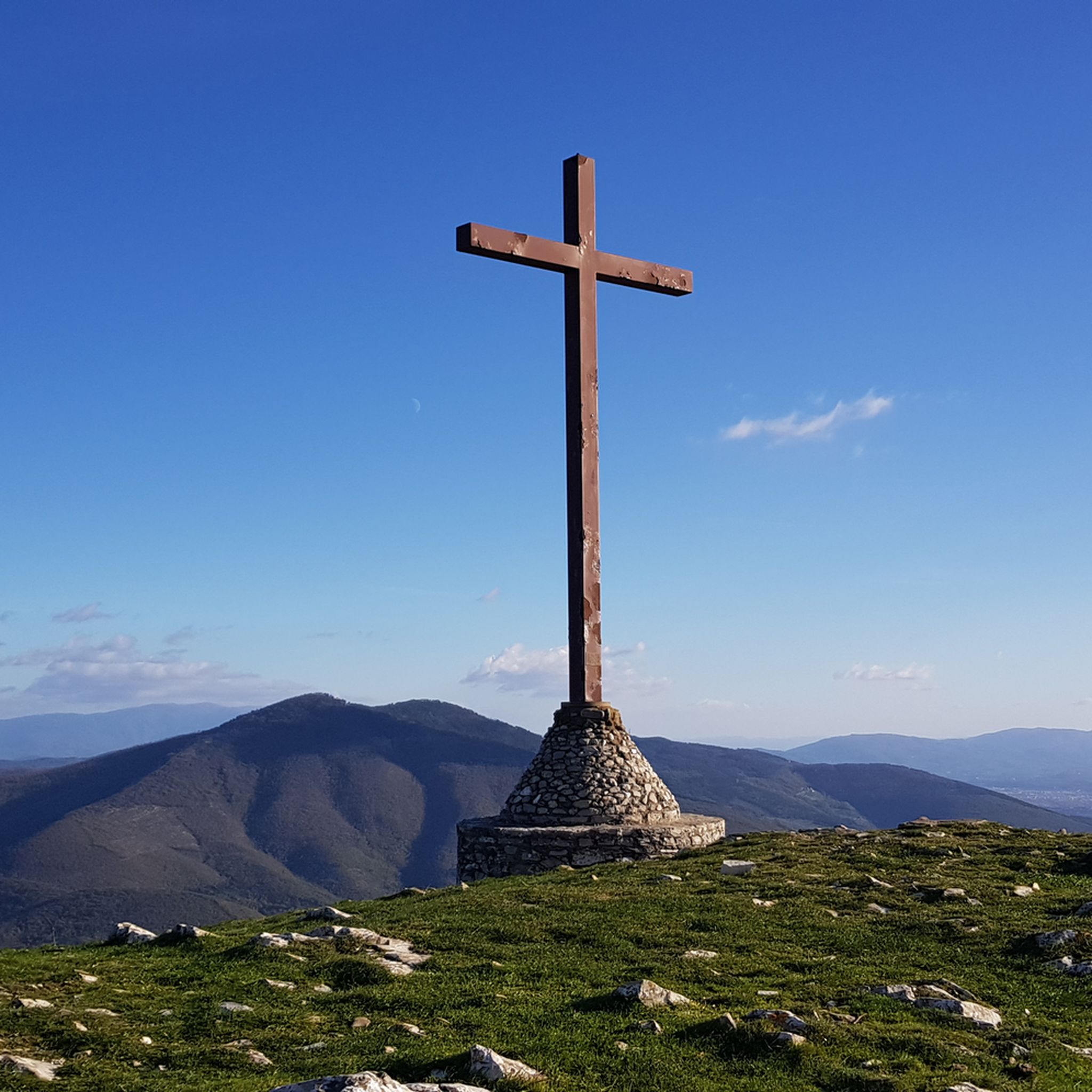
The Rocca or Castle of Carmignano has dominated the village from above for over a thousand years: the bastion was in fact mentioned for the first time in the year 998, in a document by Otto III of Saxony which granted ownership to the bishop of Pistoia. The Rocca was the object of continuous battles between Pistoia, Florence and Prato, due to its strategic position in the political-military context of the Middle Ages: from up here, in fact, you can admire the entire plain between the three cities. After having resisted, in 1154, a siege conducted by troops from Prato and Florence, the castle was destroyed for the first time in 1228 by the Florentines. Having regained possession of Pistoia in 1242, the fortification was rebuilt and in the early fourteenth century sold again to Florence, which proceeded to demolish the fortress and the castle walls once again. After a new parenthesis in Pistoia (1315-1324) the castle returned to Florentine hands, only to be besieged and conquered by Castruccio Castracani, who made it his own stronghold until 1328, when it finally returned to Florence. The Rocca di Carmignano can be accessed via a pedestrian path (starting from the church of San Michele, where Pontormo's famous Visitation is kept) that climbs the hill full of olive trees, where you can enjoy a beautiful view of Montalbano. Few remains of the medieval walls around the Rocca remain, partly rebuilt as the Campano, with the bell tower and clock, while in the center stands a medieval tower, called the Maschio della Rocca. (www.visittuscany.com)
0
0
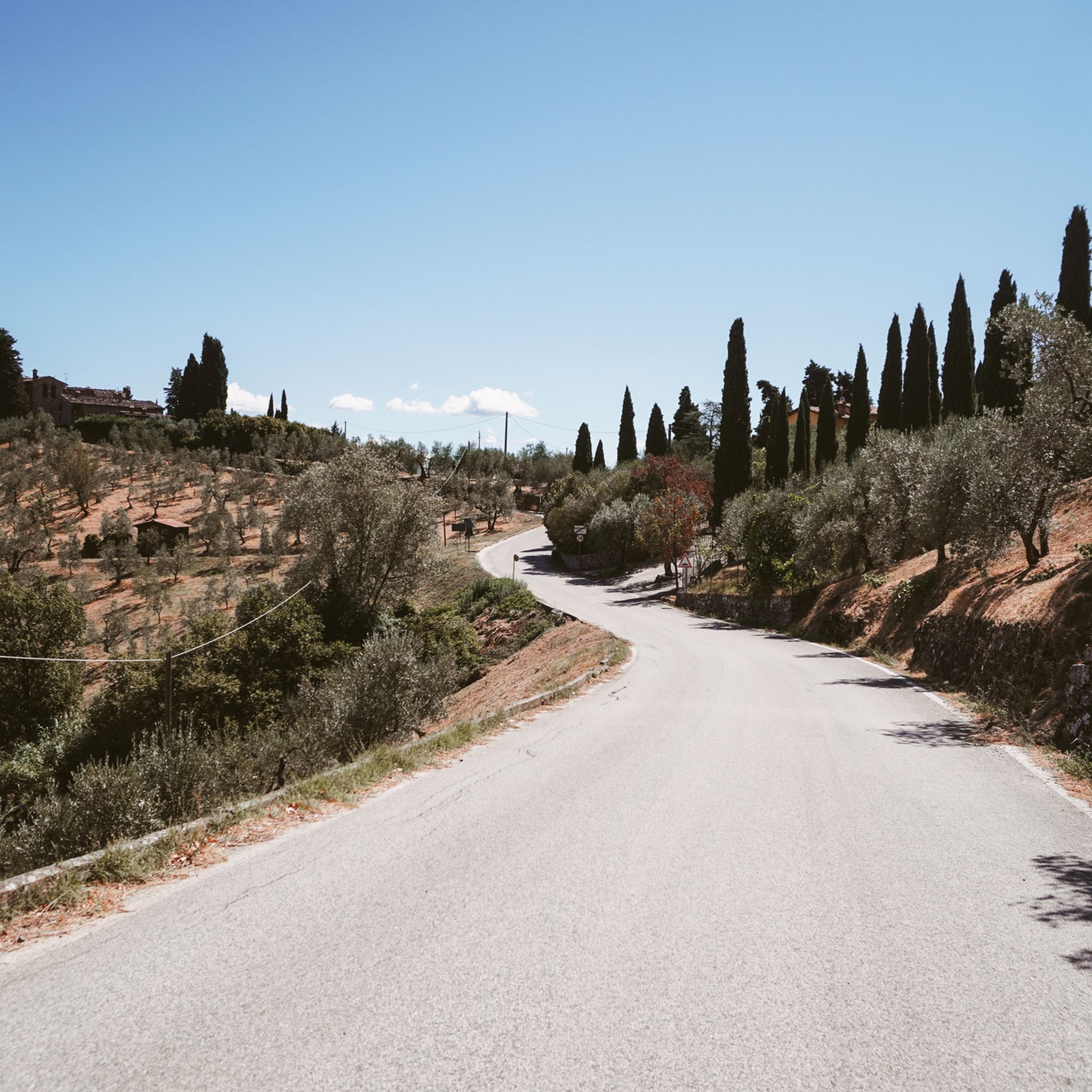
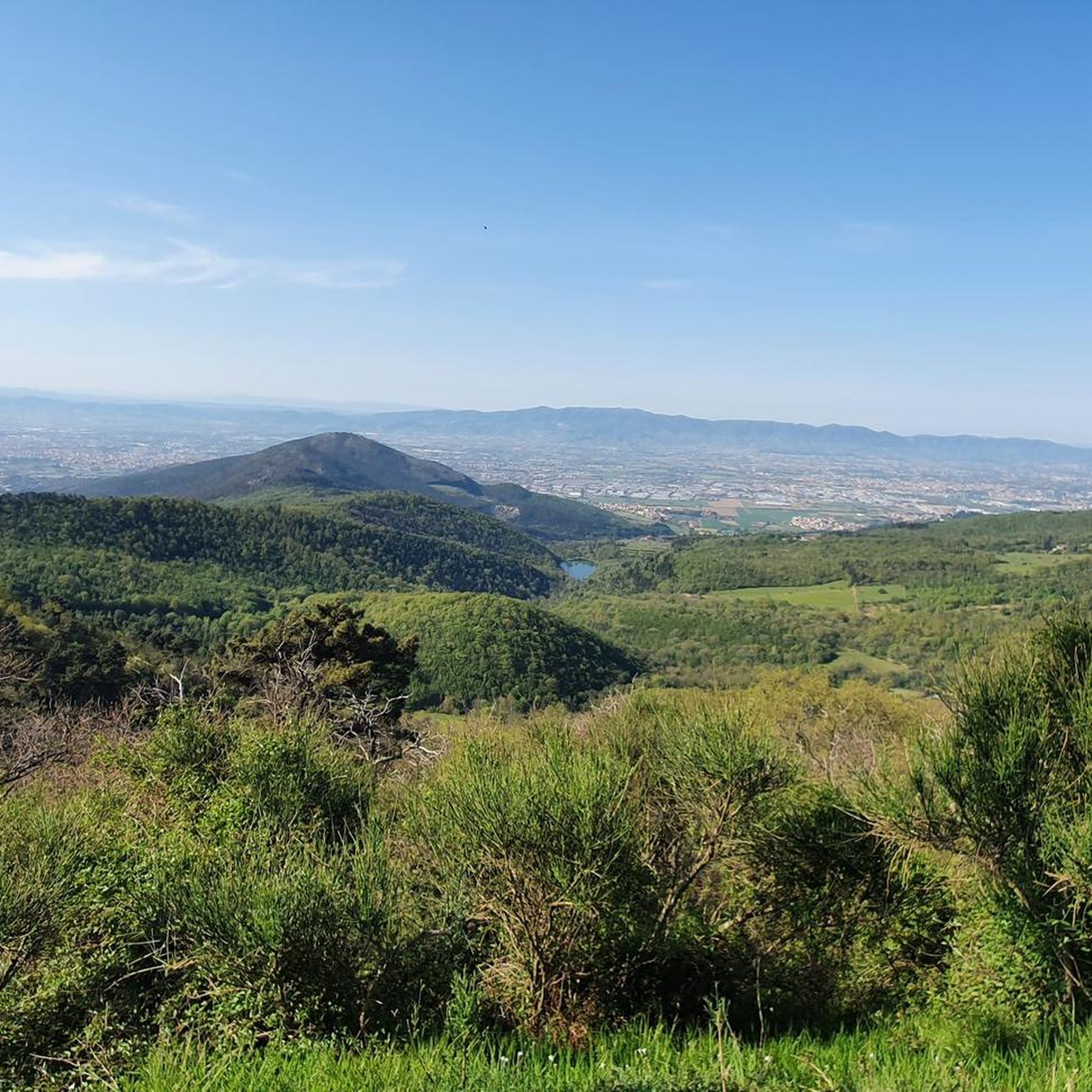
Beautiful panorama of Monte Ferrato and the entire Prato plain. On clear days you can see the dome of the Florence Cathedral very well.
1
0

La Rocca above The village of Carmignano is worth a visit and not just for the view. From this fortress there were two arms that the Pistoiesi had placed and that "made the figs" towards Florence. For more information, consult the Divine Comedy.
0
0

The Emperor's castle is located in Prato in Piazza delle Carceri. It is an example of Frederick architecture, built by order of Emperor Frederick II of Swabia, in the context of the struggle for dominance in Tuscany between the empire and the papacy which characterized the decades between the 1200s. Source: https://it.wikipedia.org/wiki/Castello_dell'Imperatore
1
0
It is the Roccadi Carmignano
0
0

Frequently Asked Questions
Which castles in Prato are best for families with children?
The Emperor's Castle in Prato is an excellent choice for families. Its large courtyard and accessible upper walkways offer space for children to explore, and it frequently hosts events and open-air cinema screenings, especially during the summer. While not explicitly listed as 'family-friendly' in the same way, the Rocca di Cerbaia can also be an engaging visit for older children interested in medieval ruins and history, offering an easy excursion on foot.
What is the best time of year to visit the castles in Prato?
The spring and autumn months (April-May and September-October) generally offer the most pleasant weather for exploring the castles and their surroundings. Summer can be quite warm, but it's also when the Emperor's Castle often hosts cultural events, concerts, and open-air cinema. Winter visits are possible, but some outdoor areas might be less comfortable, and certain events may not be running.
Are there any castles near Prato that offer panoramic views?
Yes, several castles and fortifications near Prato provide impressive vistas. The Viewpoint from the Rocca di Carmignano offers beautiful views of the plain. Similarly, the View from Montemurlo Fortress provides a stunning panorama of Monte Ferrato and the entire Prato plain, with the dome of Florence Cathedral visible on clear days. The upper walkways of the Emperor's Castle also offer magnificent views of the city and surrounding hills.
What kind of historical significance do Prato's castles hold?
Prato's castles are rich in history. The Emperor's Castle is a unique example of Swabian architecture in central-northern Italy, built by Frederick II to control vital communication routes. The Rocca di Cerbaia, an 11th-century fortress, was strategically important and reinforced by the Florentines. The Fortress of Carmignano played a role in rivalries between Florence and Pistoia, and the Castle of Montemurlo transitioned from a military outpost to a noble residence, reflecting centuries of regional power shifts.
Can I combine a castle visit with outdoor activities like hiking or cycling?
Absolutely! The region around Prato offers numerous opportunities for outdoor activities. For instance, near the castles, you can find various routes for mountain biking, cycling, and hiking. Explore MTB Trails in Prato, discover Cycling in Prato, or check out Dog-friendly hikes in Prato for trails that might pass near these historical sites.
Are there any hidden gem castles or lesser-known fortifications worth visiting near Prato?
While the Emperor's Castle is well-known, the Rocca Strozzi in Campi Bisenzio (though technically Florence) is a significant historical fortification easily accessible from Prato. It features a quadrangular structure with defensive walls and corner towers, and now houses the Gonfienti Archaeological Museum, offering a deeper dive into the late medieval past of the area.
What are the accessibility options for reaching Prato's castles by public transport?
The Emperor's Castle is located in the heart of Prato, making it easily accessible by public transport within the city. For castles further afield like the Rocca di Cerbaia or the Fortress of Carmignano, public transport options might be more limited, often requiring a combination of bus services and potentially a walk from the nearest stop. It's advisable to check local bus schedules for specific routes to the villages closest to these fortifications.
Is there an entrance fee for the castles in Prato?
Entry to the Emperor's Castle in Prato is free, making it an accessible historical site for all visitors. For other fortifications like the Rocca di Cerbaia or the Fortress of Carmignano, which are often ruins or less formally managed, there is typically no entrance fee, though access might involve walking on trails. For specific details on opening hours or any potential fees for special events, it's always best to check local information.
What kind of events or cultural activities are hosted at Prato's castles?
The Emperor's Castle is a vibrant cultural hub, especially during the summer months. It frequently hosts various events, festivals, concerts, and open-air cinema screenings, making it a lively place to visit beyond its historical significance. These events often provide a unique atmosphere within the ancient walls.
Are dogs allowed at the castles or on nearby trails in Prato?
While specific rules for each castle may vary, outdoor areas and nearby trails are generally more accommodating for dogs. For instance, there are dedicated dog-friendly hikes in Prato that you can explore. When visiting castle grounds, it's always best to keep dogs on a leash and be mindful of other visitors and any posted regulations.
Where can I find cafes or pubs near the castles in Prato?
For the Emperor's Castle, being in the city center of Prato, you'll find numerous cafes, restaurants, and pubs within easy walking distance. For castles located in more rural settings, such as the Rocca di Cerbaia or the Fortress of Carmignano, options might be available in the nearby villages. It's recommended to check local listings for establishments in Cantagallo or Carmignano before your visit.
Most popular routes in Prato
Most popular attractions in Prato

Get inspired with the komoot mobile app


Didn’t find what you were looking for?
Explore Prato’s best castles region by region:
Explore more
Looking for the best castles somewhere else? Discover other guides in Prato:
