Top 4 Castles around Kühsen
Best castles around Kühsen are found within the Herzogtum Lauenburg district, a region known for its historical sites and natural landscapes. While Kühsen itself does not feature prominent castles, the surrounding area offers several historical fortifications and grand residences. This region provides insights into medieval and early modern history, architecture, and regional power dynamics. Visitors can explore a variety of historical structures, from ancient ramparts to 18th-century manor houses.
Best castles around Kühsen
- The most popular castles is Burg Linau…
Last updated: July 2, 2026
Schlosswiese Pier Ratzeburg
Highlight • Rest Area
Translated by Google •
Tip by

Farchau Castle (Marienhöhe)
Highlight • Castle
The Komoot …
Translated by Google •
Tip by

Sign up now to discover places like this
Get recommendations on the best single tracks, peaks, & plenty of other exciting outdoor places.
Sign up for free
District Museum Duchy of Lauenburg
Highlight • Historical Site
Translated by Google •
Tip by
Franzosenschanze War Memorial
Highlight • Monument
Translated by Google •
Tip by

Linau Castle Ruins
Highlight • Castle
The access was unfortunately closed for a long time due to extensive restoration work …
Translated by Google •
Tip by
Sign up for free to discover even more castles around Kühsen.
Sign up for free
Already have an account?
Start today with a free account
Your next adventure awaits.
Login or Signup

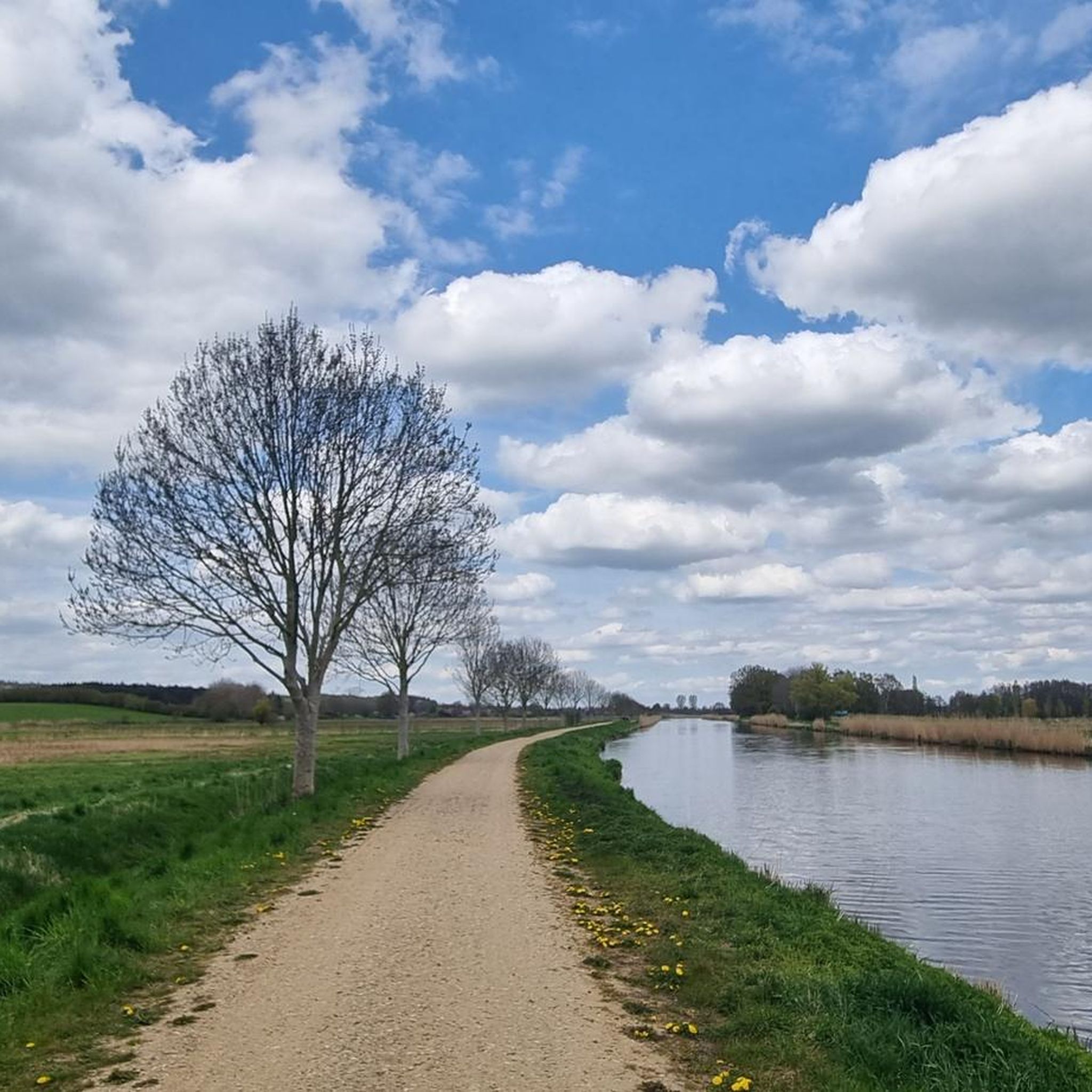
Tips from the Community

The Herzogtum Lauenburg District Museum features a permanent, free exhibition on the "spirit of life" in the 1950s. For many, this will be a journey into the past. Those who didn't experience this era firsthand will discover the period of the economic miracle and encounter fascinating objects like cigarette burners, petticoats, car vases, and TV guides where a single page contained the entire week's programming. The 1950s are considered the founding years of the Federal Republic of Germany and a time of reconstruction. At the same time, they mark the beginning of today's modern society, as evidenced by the rise of television, the beginnings of the automobile boom, and mass tourism. Highly interesting and absolutely worth seeing. I highly recommend it! https://herzogtum-direkt.de/index.php/2023/01/23/das-wirtschaftswunder-der-1950er-jahre-im-herzogtum-lauenburg/
2
0

A tour of the lake is also worthwhile
0
0

Ratzeburg is definitely worth a bike ride or a walk!
0
0

Unfortunately covered but open
0
0

The boats do not operate in winter, so please note the season.
0
0
In 1230, the Slavic settlement was first mentioned in the Ratzeburg tithe register as Linowe or Lynowe. The place name goes back to Old Polabian *Linov and is a combination of *lin "tench" and the possessive suffix -ov and means settlement near the tench. Linau is of Slavic origin and lies on the "Limes Saxoniae", the former border between Saxons and Slavs, which enters the administrative area here. According to historical research, it can be assumed that the then "Lynowe" existed as a settlement much earlier. Linau Castle was destroyed in 1291, and the second castle in 1349. The remains of the castle complex are now more clearly visible again, as the foundation of the complex was restored as authentically as possible in a very complex operation in cooperation with the State Archaeological Office. The complex thus gives visitors an idea of its former importance. It is the only castle ruin of its kind in southern Holstein. Linau is located on the edge of the Hahnheide nature reserve and local recreation area, directly on the district border with Stormarn. The community had 543 inhabitants in 1939. After the unspeakable war, there were 1031. Many of them have accepted the community as their new home. Linau has an intact, diverse club life, including a motivated volunteer fire department. This is not least and especially due to the initiative of the Linauers. https://gemeinde-linau.de/unser-dorf/ https://de.wikipedia.org/wiki/Linau
4
0
The wooden bridge leads over the still very young Bille to the castle ruins.
5
0

The manor house, built between 1660 and 1662 by Duke Christian Louis of Mecklenburg as a magnificent pleasure palace with gilded towers, is picturesquely located next to the Romanesque cathedral on the Palmberg above Lake Ratzeburg.
2
0
Frequently Asked Questions
What types of castles can I explore around Kühsen?
The Herzogtum Lauenburg district, surrounding Kühsen, offers a diverse range of historical fortifications. You can find medieval ruins like the Burg Linau Ruins, ancient hilltop castles such as Farchau Castle (Marienhöhe), and historical manor houses like the one housing the District Museum Duchy of Lauenburg. These sites showcase different eras of architectural and historical significance.
Are there any family-friendly castles or historical sites in the area?
Yes, several sites are suitable for families. The District Museum Duchy of Lauenburg, housed in a beautiful manor house, offers engaging exhibits on regional history. Additionally, the Burg Linau Ruins and Farchau Castle (Marienhöhe) provide interesting outdoor exploration opportunities for all ages.
What is the historical significance of Farchau Castle (Marienhöhe)?
Farchau Castle (Marienhöhe) was originally an early Slavic hilltop castle built around 800 AD on the southern tip of the Küchensee. It was later re-fortified around 1160 and served as a court seat for the Ratzeburg bishops. The remains of its ramparts, enclosing an area of approximately 60m x 40m, can still be seen today, offering a glimpse into the region's medieval past.
Can I visit the site of a medieval castle used during the Napoleonic Wars?
Yes, you can explore the Franzosenschanze War Memorial. This site features the remains of a medieval castle that was notably used by French troops in 1813 during the liberation wars. The well-preserved wall structure still allows visitors to see its original layout and division.
Are there hiking trails near the castles around Kühsen?
Yes, the region offers various outdoor activities. For instance, the Burg Linau Ruins are located on the way to the Billequelle, with a well-developed path for walking. You can find more hiking options in the area by checking out the Easy hikes around Kühsen guide, which includes routes like the 'Elbe-Lübeck Canal Path' and 'Pathways Along the Canal'.
What cycling routes are available near the castles?
The Herzogtum Lauenburg region is great for cycling. Near sites like Wotersen Castle, you can find routes suitable for racing bikes on paved roads or forest paths. For more detailed options, explore the Road Cycling Routes around Kühsen guide, which features routes like 'Elbe–Lübeck Canal' and 'Scenic Countryside Road'.
Where can I learn about the history of the Dukes of Lauenburg?
The District Museum Duchy of Lauenburg in Ratzeburg is the perfect place. Housed in a manor house from 1766, it features extensive exhibits on the history of the Dukes of Lauenburg, a Rococo hall with stucco from 1766, and various collections from different eras.
What is Wotersen Castle and where is it located?
Wotersen Castle is a notable historical site located near Müssen, in proximity to Kühsen. It is situated in a wonderful area and can be reached via paved roads or forest paths, making it a popular destination for cyclists and those exploring the regional history.
Are there any castles or historical sites near Lake Ratzeburg?
Yes, the area around Lake Ratzeburg is rich in history. The Farchau Castle (Marienhöhe), an ancient Slavic hilltop castle, is located on the southern tip of the Küchensee, which is connected to Lake Ratzeburg. Additionally, the District Museum Duchy of Lauenburg is beautifully situated above the Ratzeburg Domsee.
What is the best time of year to visit the castles around Kühsen?
While specific opening times vary by site, the spring and summer months generally offer the most pleasant weather for exploring the outdoor ruins and historical grounds. Many museums and indoor attractions, like the District Museum Duchy of Lauenburg, are open year-round, but it's always advisable to check their current operating hours before your visit.
What can I expect to see at the Burg Linau Ruins?
The Burg Linau Ruins are the remains of a three-part medieval castle. You can explore the remnants of a round tower with walls that were originally 3 meters thick. Recent restoration efforts have aimed to partially reconstruct parts of the castle, offering a clearer picture of its former structure. It's a great spot for a historical walk.
Are there any options for gravel biking near the castles?
Yes, the region provides excellent opportunities for gravel biking. You can find routes that take you through scenic landscapes and near historical points. Check out the Gravel biking around Kühsen guide for routes such as 'Elbe–Lübeck Canal Bridge' and 'View of the Drüsensee'.
Most popular routes around Kühsen
Most popular attractions around Kühsen

Get inspired with the komoot mobile app


Explore more
Looking for the best castles somewhere else? Discover other guides around Kühsen:
