Top 3 Caves around Sachsenheim
Caves around Sachsenheim offer a mix of historical and natural underground features within the Baden-Württemberg region. The area features diverse terrain, including former quarries and forested landscapes, providing various opportunities for exploration. Sachsenheim itself is characterized by its historical architecture and proximity to natural parks. The local geology presents a range of cave types, from man-made cellars to natural karst formations.
Best caves around Sachsenheim
- The most popular caves is Former Vogtei Großsachsenheim, a historical site that features an…
Last updated: July 1, 2026
Former Vogtei Großsachsenheim
Highlight • Historical Site
Translated by Google •
Tip by

Unterer Haldenrain Quarry and Cave
Highlight • Cave
Translated by Google •
Tip by
Sign up now to discover places like this
Get recommendations on the best single tracks, peaks, & plenty of other exciting outdoor places.
Sign up for free
Karst Caves
Highlight • Cave
Translated by Google •
Tip by

Secret Passage in Naturpark Stromberg-Heuchelberg
Highlight • Cave
Translated by Google •
Tip by

Cave above the Glems
Highlight • Cave
Showing Translation
Tip by
Start today with a free account
Your next adventure awaits.
Login or Signup
Popular around Sachsenheim

A passion for road cycling in the Land of 1,000 Hills
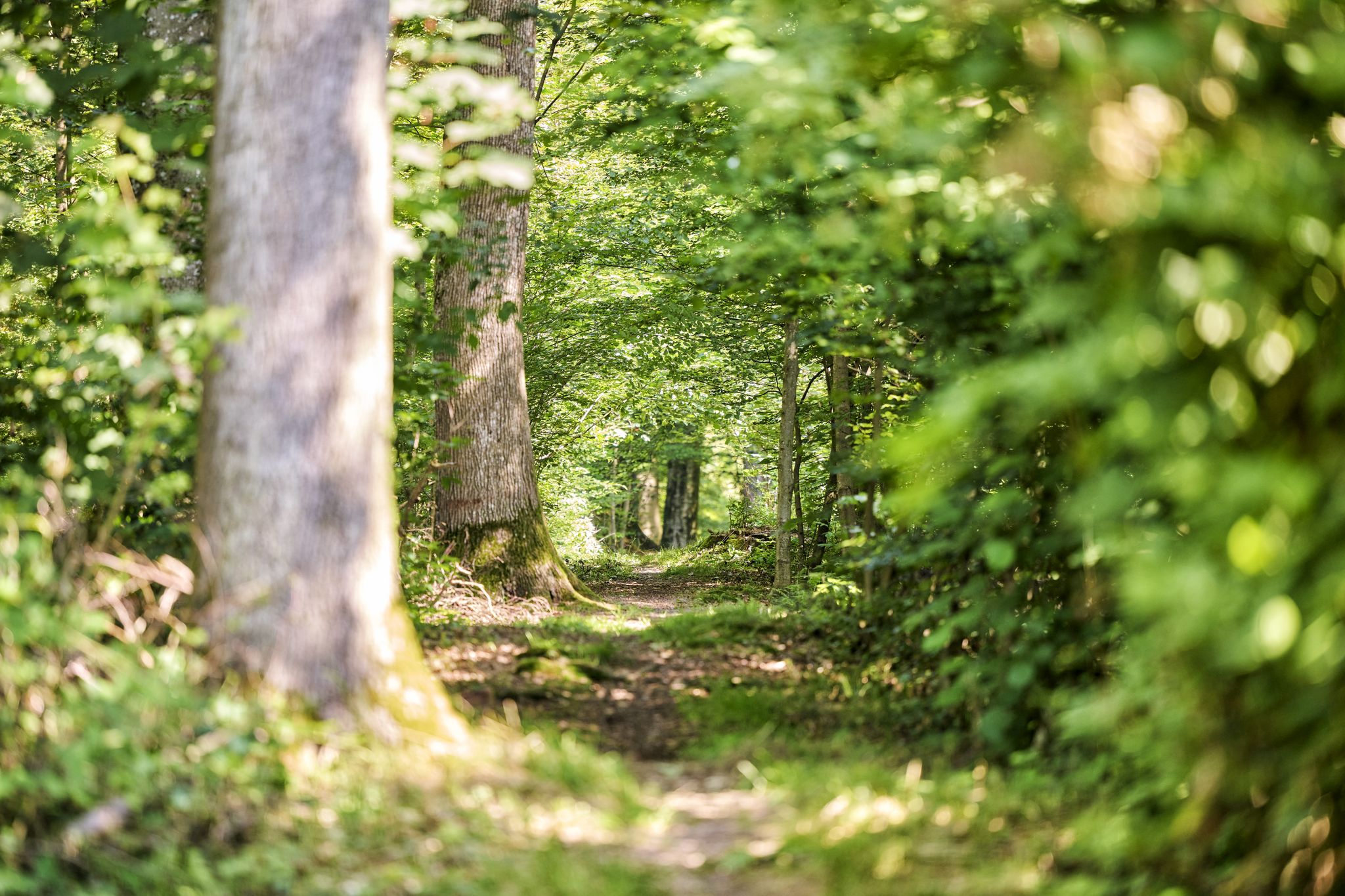
Trail running between woodlands & wine in the Land of 1000 Hills
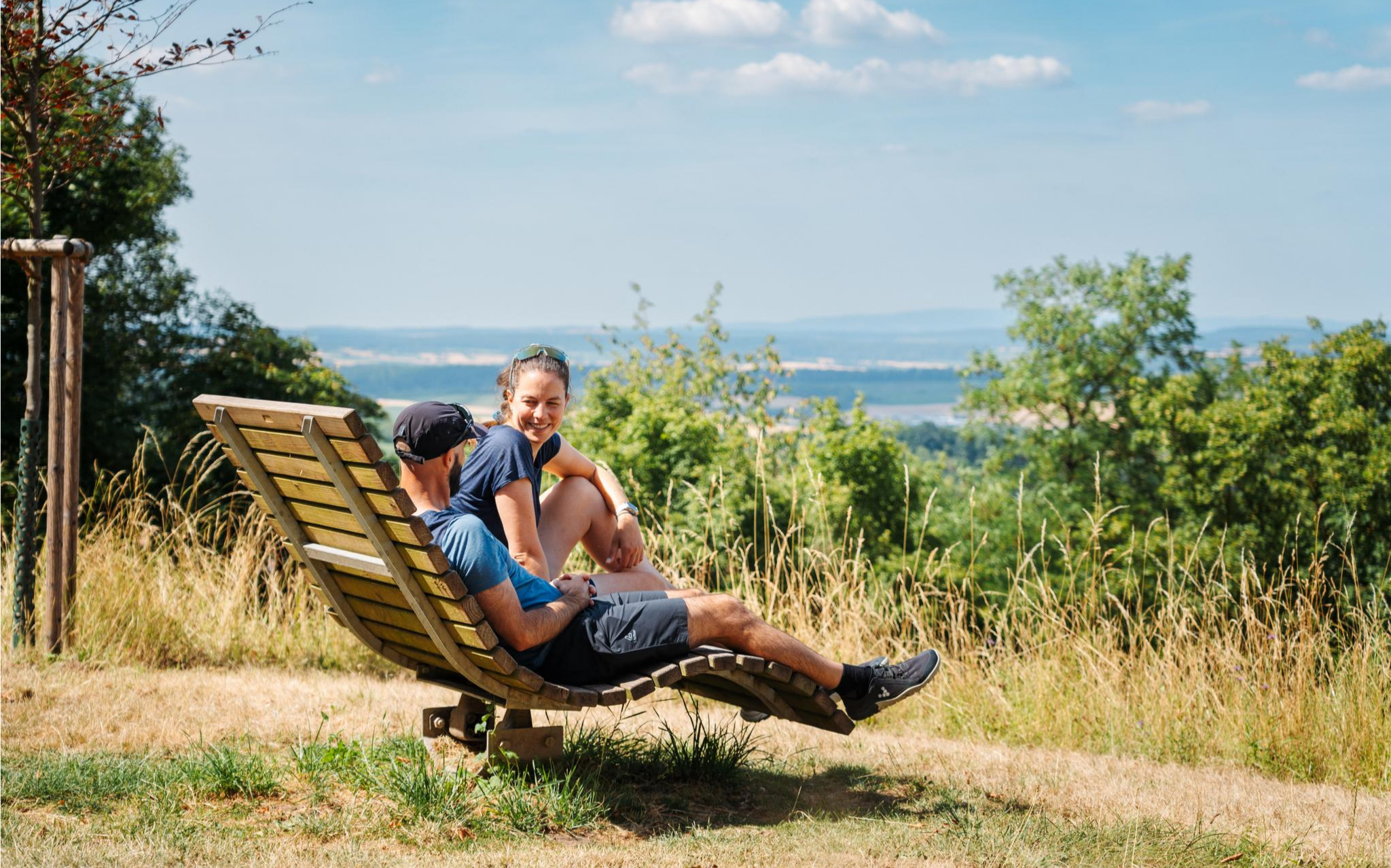
Oases of calm – hill sofas in the land of 1,000 hills
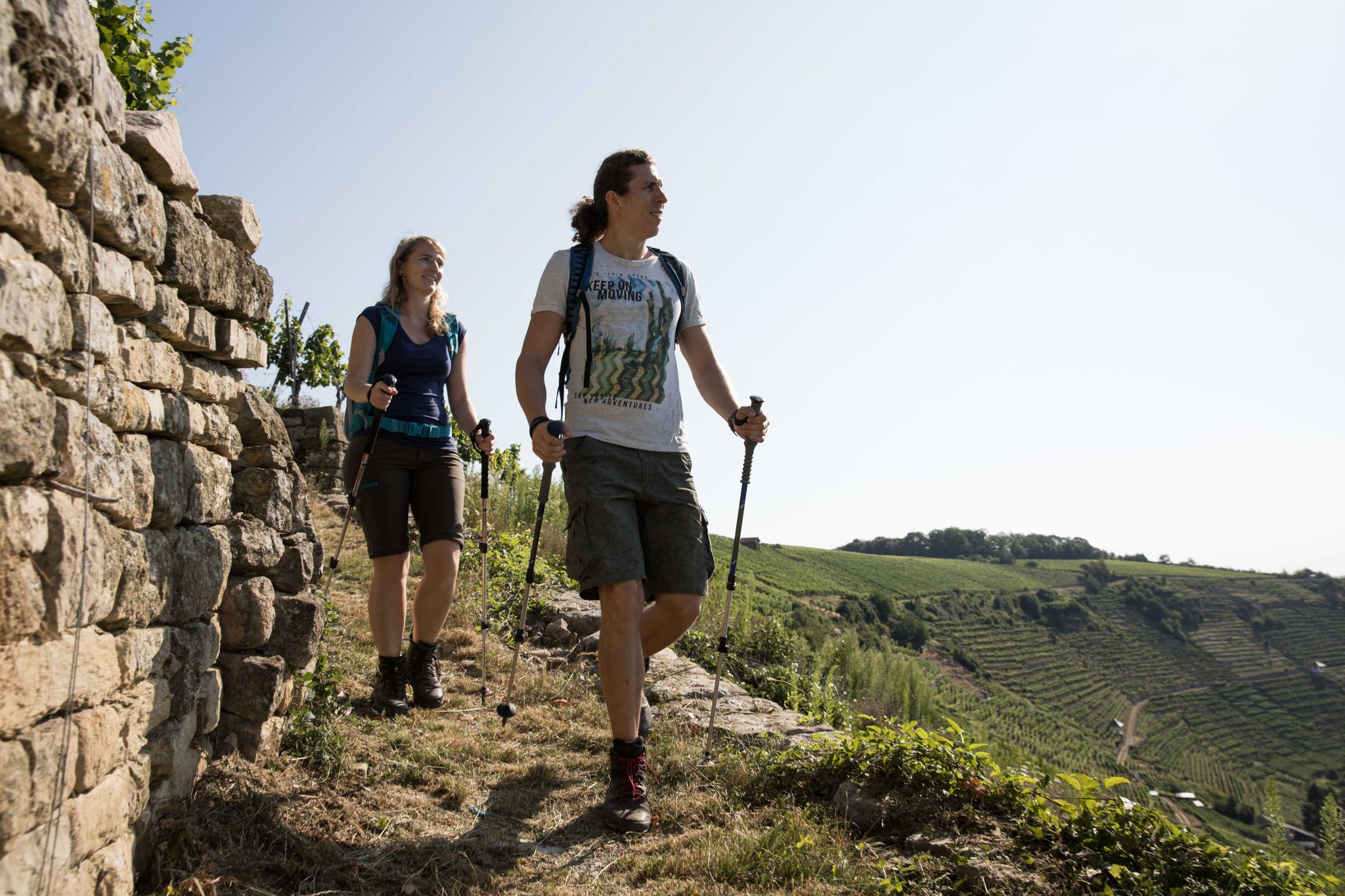
Württemberger Weinwanderweg - the Zabergäu-Schleife through the Land of 1000 Hills
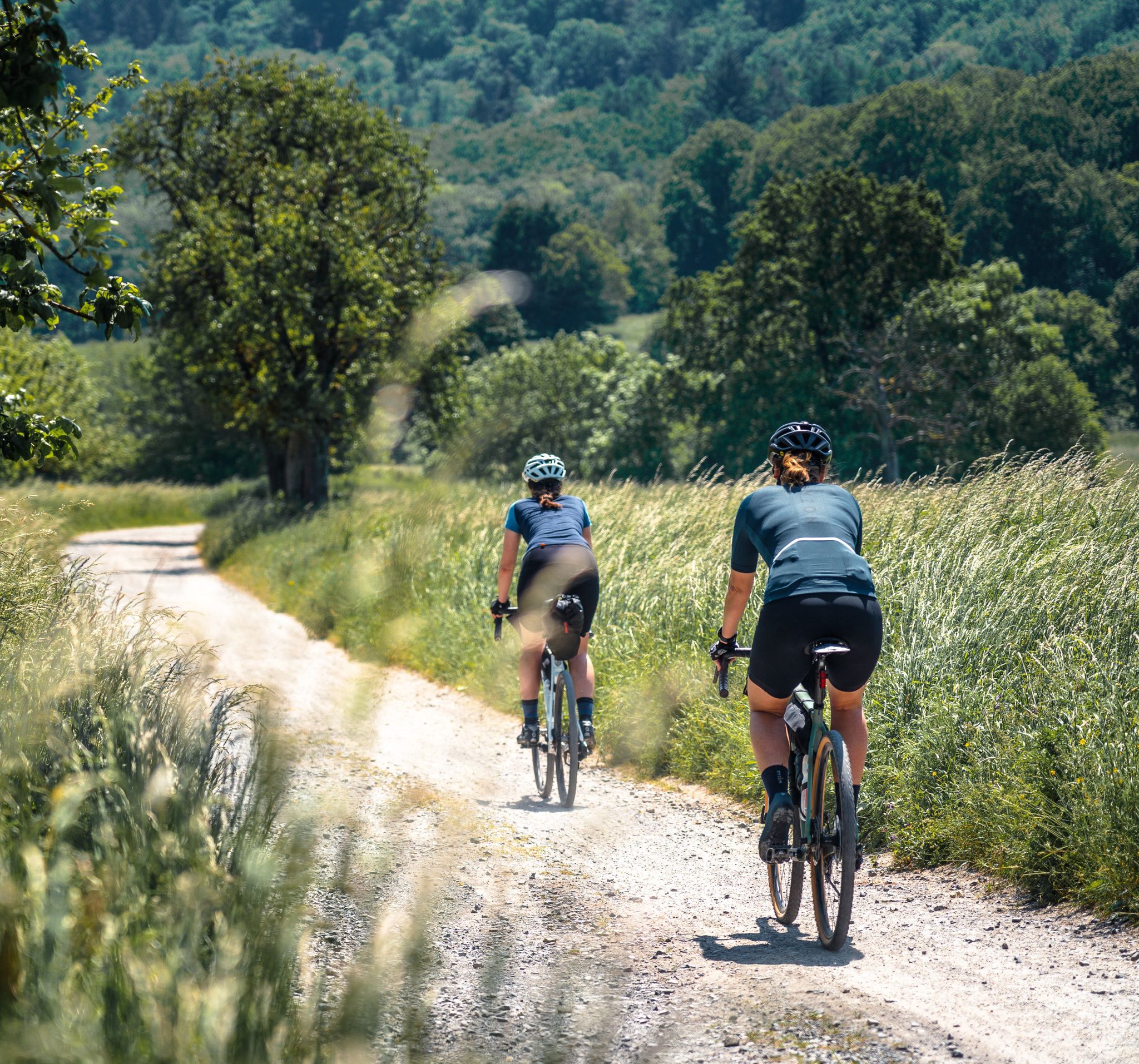
Gravel pleasure in the land of 1,000 hills
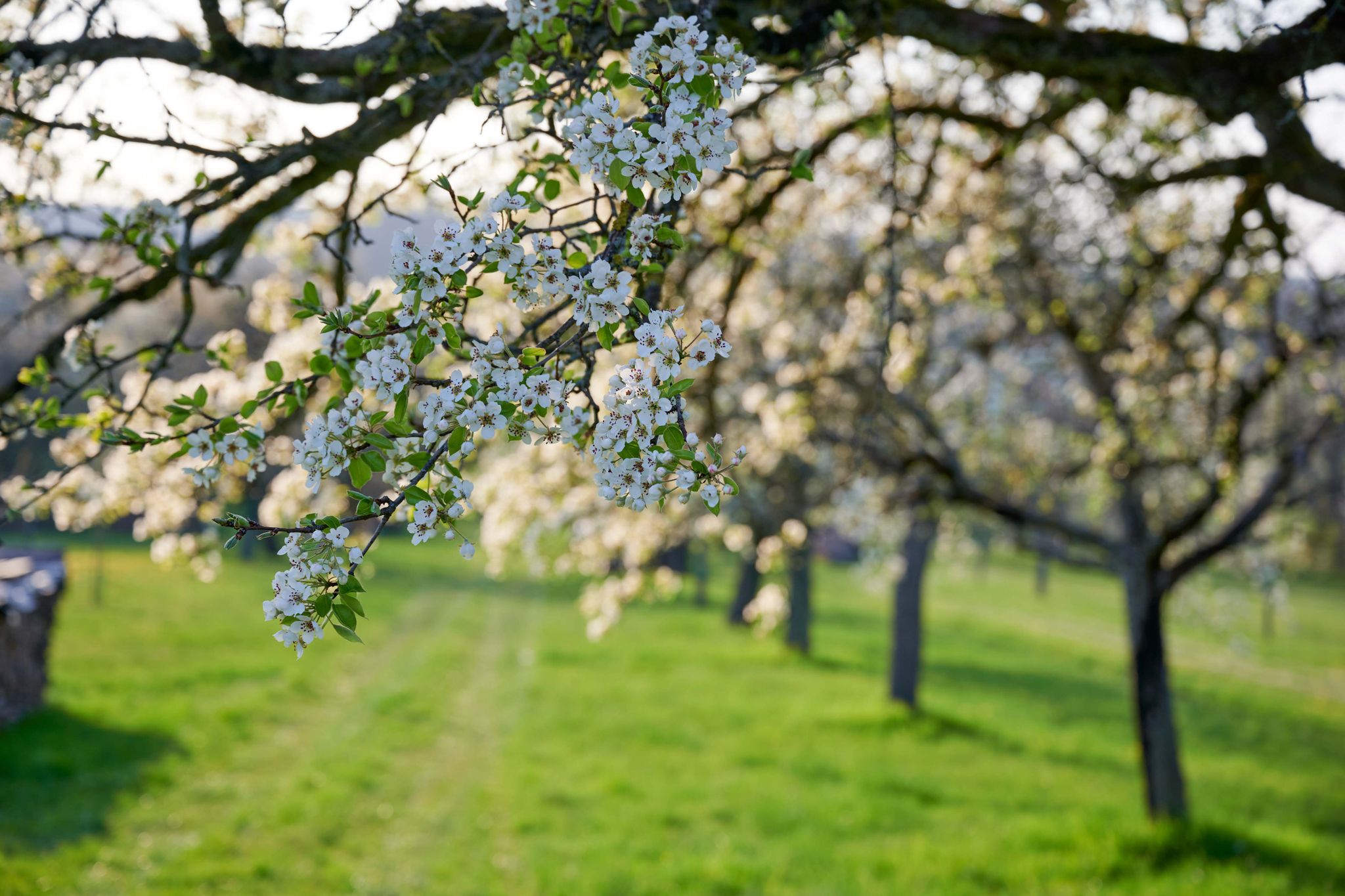
Spring in the land of 1,000 hills – Kraichgau-Stromberg in Germany
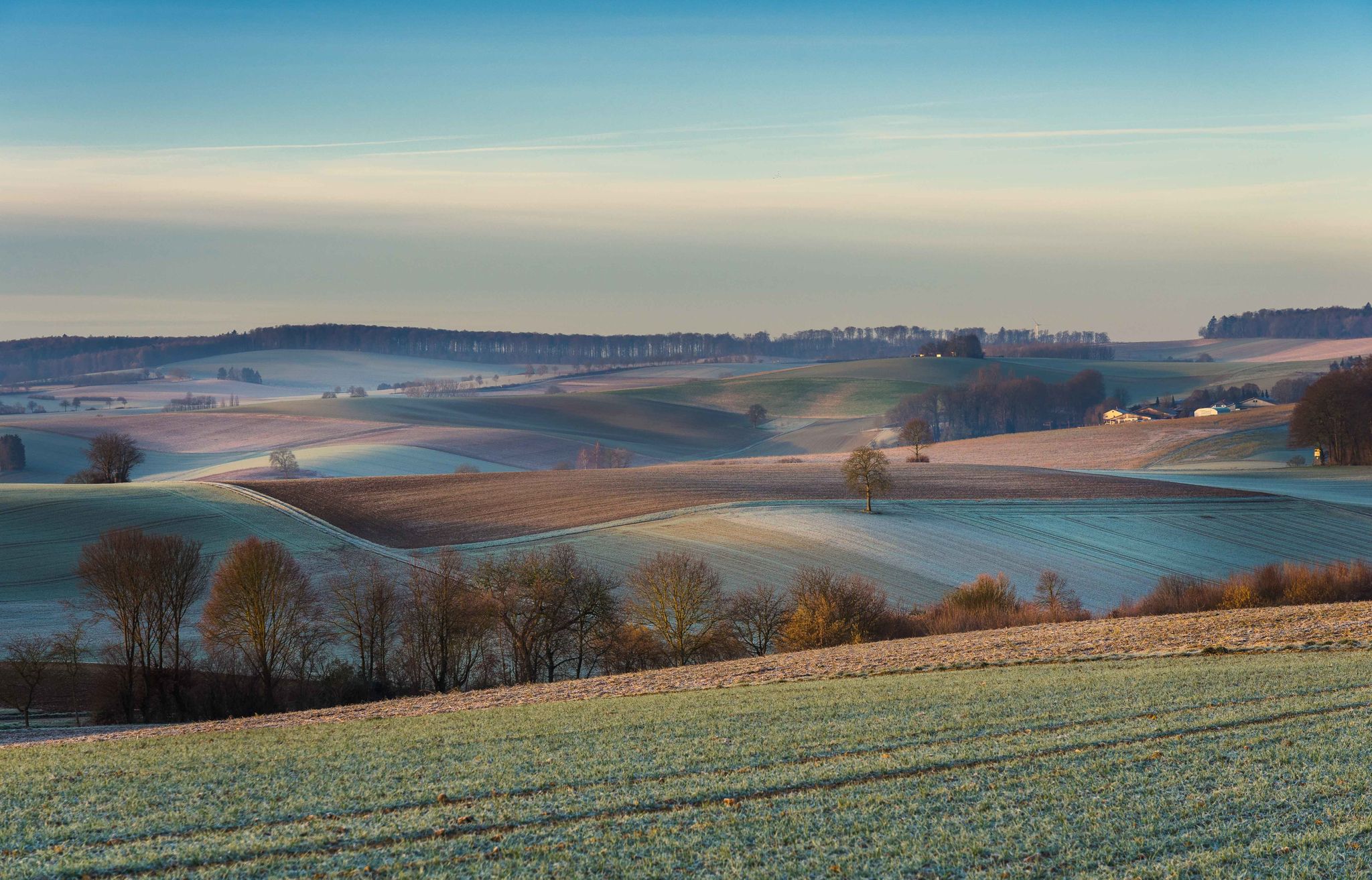
From hill to hill – hikes in Kraichgau-Stromberg
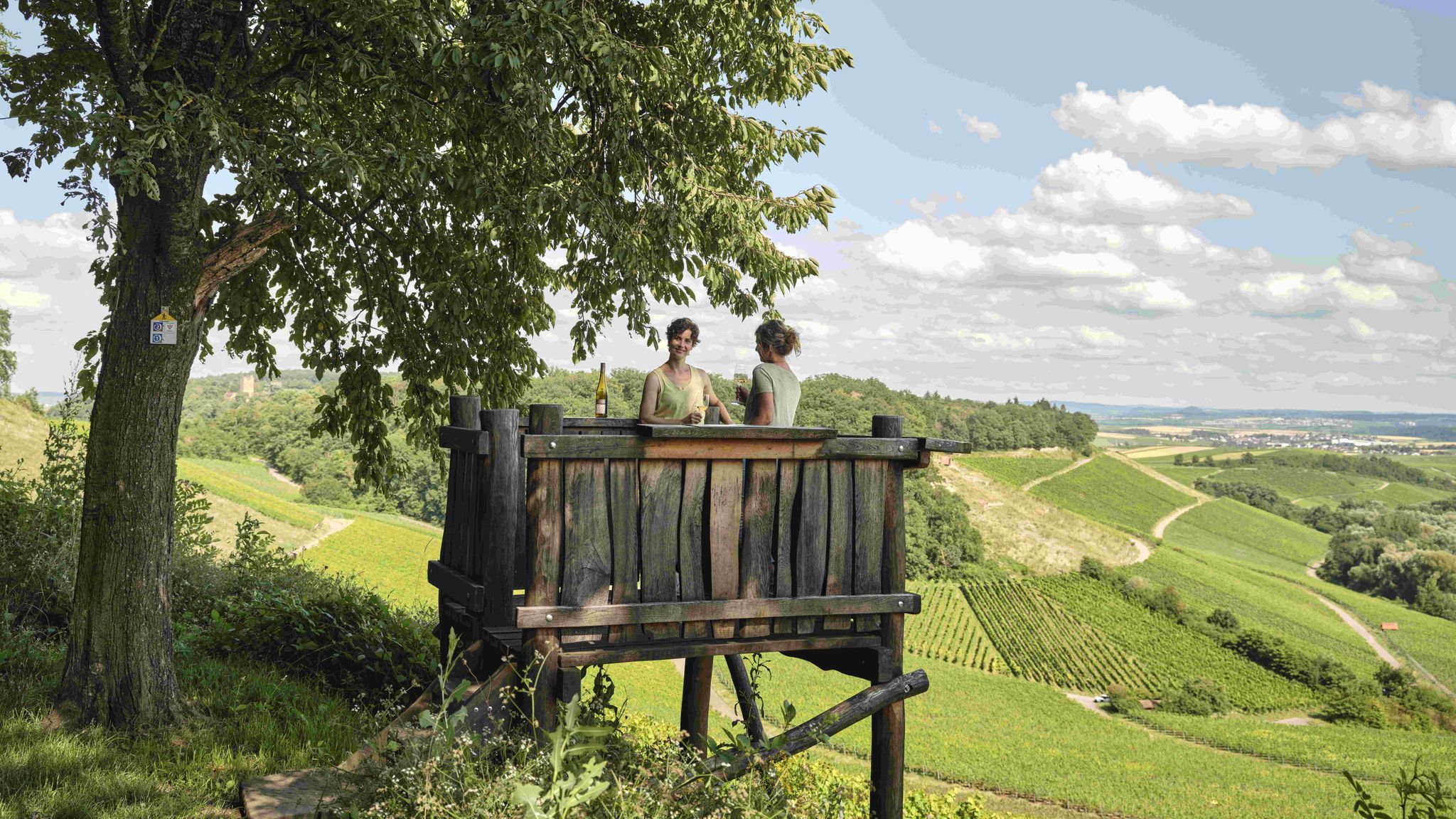
Genusswandern: Auf Wein(wander)wegen durch das Land der 1000 Hügel
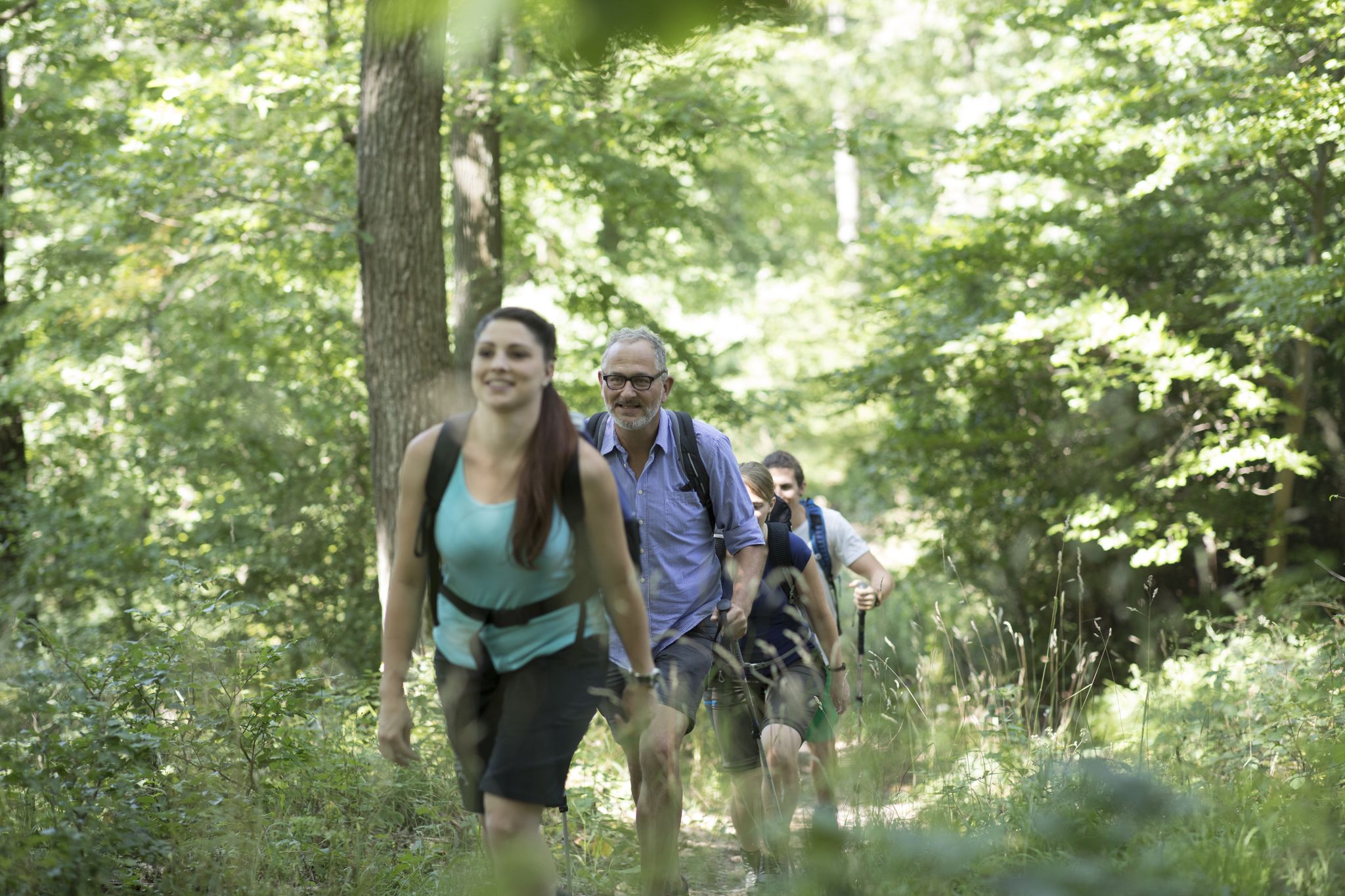
Wander3Klänge: Einfach Los Wandern im Naturpark Stromberg-Heuchelberg
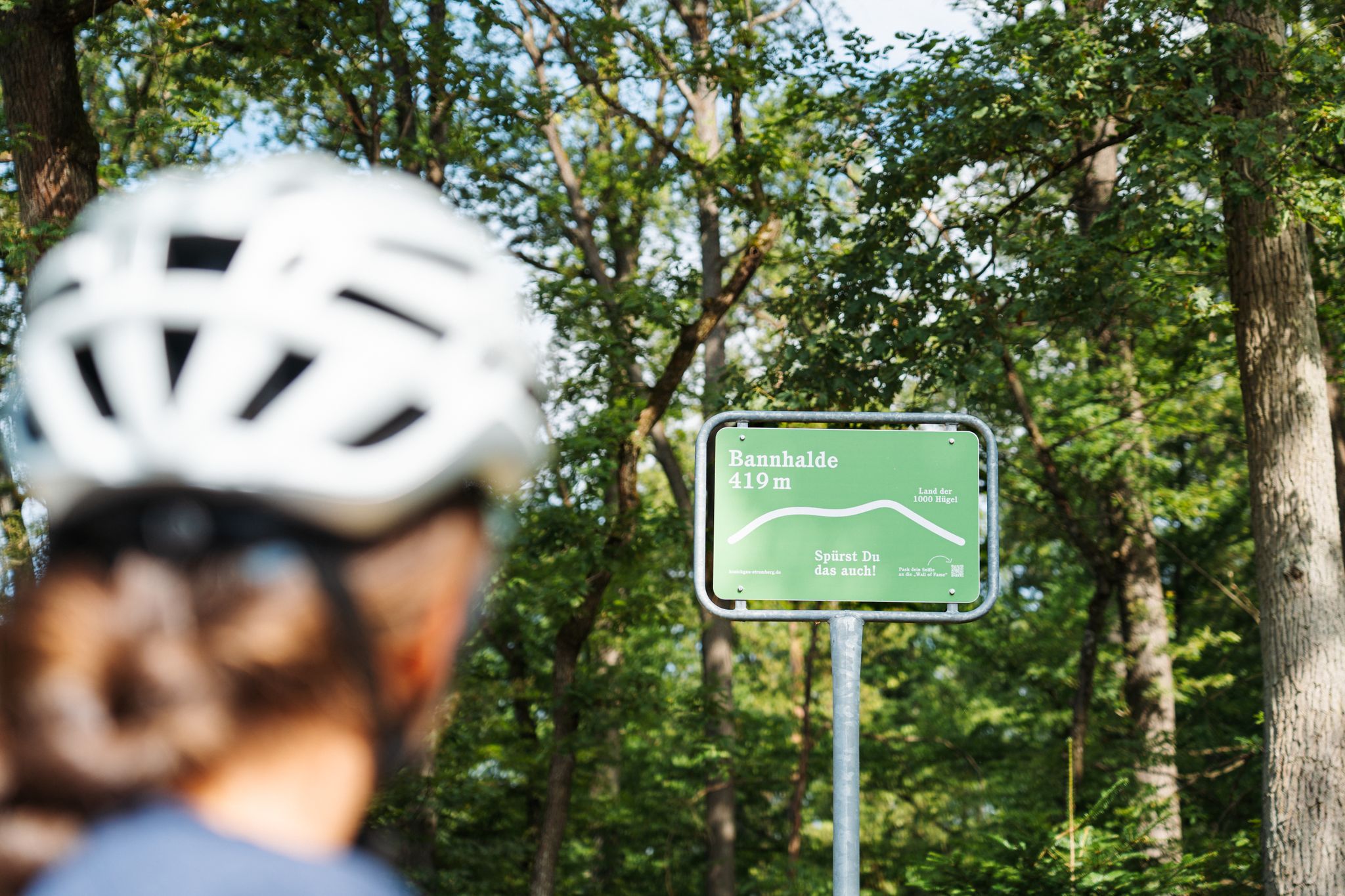
Auf die Pässe, fertig, los!
Other adventures around Sachsenheim

Tips from the Community

The passage isn't so secret these days. Most importantly, it's blocked; just like the entire castle grounds are no longer accessible. Just like it was a long time ago 😉
1
0

Entrance to the approximately 30 x 10 m vaulted cellar of the Sachsenheim bailiwick, which was managed by the master cooper. The Württemberg coat of arms with the year 1614 is visible in the archway. There was an underground passageway connecting it to the bailiwick opposite, the present-day rectory.
4
0
Former quarry with rugged rock faces in the nature reserve, which can be reached via a small path.
7
0

Monumental half-timbered house with an interesting history
2
1
Important facilities in the center of the old town
2
3

Here is the entrance to the 30 x 10 meter vaulted cellar of the Bailiwick of Großsachsenheim.
2
0
The former bailiwick of Großsachsenheim as a very large building was probably built for a local nobleman. In 1473, Hans von Sachsenheim renovated the property (or rebuilt it), which can be traced back to 1562 as a bailiwick. The building was later used as a town clerk's office and is now a Protestant vicarage. On the south side there is a coat of arms of Hans d. J. von Sachsenheim and Elisabeth nee von Neipperg, who was his mother.
3
0
The cavity is not entirely clear to me
1
1
Frequently Asked Questions
What types of caves can I explore near Sachsenheim?
While Sachsenheim itself has no major natural caves, the nearby Swabian Alb region offers a diverse range. You can find unique water caves like the Wimsener Höhle, vertical caves such as the Tiefenhöhle, and impressive show caves like the Nebelhöhle with extensive stalactites and stalagmites. There are also archaeological sites like Höhle Fels, which is a UNESCO World Heritage site.
Are there any historically significant caves or sites near Sachsenheim?
Yes, the region boasts significant historical and archaeological sites. The Former Vogtei Großsachsenheim features a historic vaulted cellar with an underground passageway. Further afield in the Swabian Alb, Höhle Fels is a UNESCO World Heritage site known for its archaeological findings, including cave bear bones and prehistoric artifacts like the Venus of the Höhle Fels.
What are some unique natural features to see in the caves near Sachsenheim?
The caves in the Swabian Alb offer remarkable natural features. The Unterer Haldenrain Quarry and Cave features rugged rock faces within a nature reserve. The Wimsener Höhle is Germany's only water cave accessible by boat, allowing you to experience its cool, shimmering green waters. The Tiefenhöhle, a vertical cave, showcases unique geological formations and 'lamp flora' as you descend.
Are there family-friendly cave experiences available?
Yes, several options are suitable for families. The Former Vogtei Großsachsenheim is categorized as family-friendly. The Wimsener Höhle offers guided boat tours, which can be a memorable experience for all ages. The Nebelhöhle is also generally accessible for families, though visitors should wear sturdy footwear due to potentially slippery paths.
What is the best time of year to visit the caves near Sachsenheim?
The best time depends on the specific cave. The Wimsener Höhle is open from April to October. The Tiefenhöhle closes annually from November to Easter to protect hibernating bats. For other caves, spring and autumn generally offer pleasant weather for exploring the surrounding areas and access to the caves.
Are there any challenging cave explorations for experienced adventurers?
For those seeking a more adventurous experience, the Secret Passage in Naturpark Stromberg-Heuchelberg is listed as challenging, though its passage is currently blocked. The Cave above the Glems involves a somewhat adventurous descent. The Tiefenhöhle, being a vertical cave, offers a unique and more physically demanding exploration compared to horizontal show caves.
What outdoor activities can I do near these caves?
The region around Sachsenheim and the Swabian Alb offers numerous outdoor activities. You can find various hiking opportunities, including family-friendly hikes and easy hikes. The picturesque village of Wimsen, home to the Wimsener Höhle, also offers hiking trails. Additionally, there are many road cycling routes in the broader area.
Can I explore caves without a guide?
Some caves, like the Nebelhöhle, can be explored without a guide, allowing for a sense of discovery along its paths. However, for unique experiences like the Wimsener Höhle, guided boat tours are part of the visit. Always check specific cave regulations before your visit.
What should I bring when visiting caves in the region?
Regardless of the cave, it's advisable to wear sturdy footwear, as paths can be uneven or slippery. For caves like the Wimsener Höhle, where temperatures are consistently cool (8-12°C), bringing an extra layer of clothing is recommended. If exploring less developed caves, a headlamp or flashlight is essential.
Are there any caves that are UNESCO sites near Sachsenheim?
Yes, the Höhle Fels in the Swabian Alb is a UNESCO World Heritage site due to its significant archaeological discoveries. Additionally, the Tiefenhöhle is recognized as a UNESCO Geopark, highlighting its high geodiversity and unique vertical cave system.
What is the 'Karst Caves' highlight about?
The Karst Caves highlight refers to a natural cavity found within a forest setting. While the exact nature of the cavity may vary, karst formations are typical in limestone regions like the Swabian Alb, indicating geological processes that create caves and sinkholes.
Most popular routes around Sachsenheim
Most popular attractions around Sachsenheim

Get inspired with the komoot mobile app


Explore more
Extend your search for the best caves by checking out these guides of the top ones around Sachsenheim:
