The best gravel rides around Villar-En-Val
13
riders
2
rides
Gravel bike trails around Villar-en-Val are set within the Aude department of southern France, characterized by extensive forested areas, including the Villar Forest and sections of the Corbières massif. The terrain features varied elevations, ranging from 238 meters to 640 meters, offering diverse challenges. Watercourses like the Sou river contribute to the area's natural charm, alongside dramatic gorges found within a reasonable distance. This landscape provides a varied environment for gravel biking.
Best gravel bike trails around Villar-en-Val
- The most…
Last updated: October 23, 2026
5
riders
53.4km
03:39
990m
990m
Hard gravel ride. Very good fitness required. Mostly paved surfaces. Suitable for all skill levels.
2
riders
18.8km
01:25
220m
220m
Moderate gravel ride. Good fitness required. Mostly paved surfaces. Suitable for all skill levels.

2
riders
Hard gravel ride. Very good fitness required. Mostly paved surfaces. Suitable for all skill levels.
2
riders
47.9km
03:35
850m
850m
Hard gravel ride. Very good fitness required. Mostly paved surfaces. Suitable for all skill levels.
2
riders
43.1km
02:56
720m
720m
Hard gravel ride. Very good fitness required. Mostly paved surfaces. Suitable for all skill levels.
Our route recommendations are based on thousands of hikes, rides, and runs completed by other people on komoot.
Start today with a free account
Your next adventure awaits.


Tips from the Community

The Trèbes locks are a flight of locks composed of three basins. Built around 1674, it is located downstream from the port of Trèbes at the exit of the town in the direction of the village of Marseillette. Taking advantage of the significant drop in the flight of locks, intense milling activity was established on the left bank of the lock. A first upper mill was built at the end of the 17th century. It is crossed by a diversion of the Canal du Midi which ensures its operation; it is described as having four millstones with a stable and a shed. A transformation of this first mill was carried out in 1867 to make it a mill with 6 millstones. This new building, later enlarged in the 1930s, consists of a basement and 4 floors at its highest point. It has today been converted into a restaurant.
0
0
The Trèbes locks are a flight of locks composed of three basins. Built around 1674, it is located downstream from the port of Trèbes at the exit of the town in the direction of the village of Marseillette. Taking advantage of the strong difference in level of the flight, an intense milling activity was established on the left bank of the lock. A first upper mill was built at the end of the 17th century. It is crossed by a diversion of the Canal du Midi which ensures its operation; it is described as having four millstones with a stable and a shed. A transformation of this first mill was carried out in 1867 to make it a flour mill comprising 6 millstones. This new building, later enlarged in the 1930s, consists of a base and 4 floors at its highest point. Today it has been converted into a restaurant.
0
0
The pond covers an area of 2000 ha, and is shared between the municipalities of Marseillette, Aigues-Vives, Saint-Frichoux and Puichéric. In the past, it supplied the region with fish. From the 12th century onwards, people began to talk about draining this stagnant body of water, a source of death and misery for Marseillette and the surrounding villages, which were becoming depopulated. In 1605, Henry IV issued a royal decree to drain the Pond. But it wasn't until 1804 and the purchase of the Pond by an Irishwoman, Madame de Lawless, that it was drained, thanks to a vast construction project. The pond was then cultivated and developed to use the waters of the Aude, with an original irrigation system consisting of perpendicular canals allowing the flooding of the land. Today, vines, apples, and rice are the main products found there. Its quiet and flat paths are very pleasant for hiking or cycling, in a typical landscape.
0
0
Le Canal du Midi, formerly Canal Royal, is a 17th-century technical feat designed by Pierre-Paul Riquet to connect the Atlantic to the Mediterranean. Today, it is above all a place for relaxation and discovery, where heritage, nature, and conviviality blend.
0
0
The Canal du Midi, formerly the Royal Canal, is a 17th-century technical feat designed by Pierre-Paul Riquet to connect the Atlantic to the Mediterranean. Today, it is above all a place for relaxation and discovery, where heritage, nature, and conviviality blend together.
0
0
The Canal du Midi, formerly Canal Royal, is a 17th-century technical feat designed by Pierre-Paul Riquet to connect the Atlantic to the Mediterranean. Today, it is above all a place for relaxation and discovery, where heritage, nature, and conviviality blend together.
0
0

A lovely bridge in an unusual, old-fashioned style!
0
0
Frequently Asked Questions
What kind of terrain can I expect on gravel bike trails around Villar-en-Val?
The terrain around Villar-en-Val is quite varied, offering a mix of challenges and scenic views. You'll encounter extensive forested areas like the Villar Forest and parts of the Corbières massif, providing shaded sections. Elevations range from 238 meters to 640 meters, meaning routes will feature rolling hills and some climbs. Expect to ride through woodlands, and potentially near dramatic gorges like the Gorges de l'Orbieu, offering a diverse gravel biking experience.
How many gravel bike routes are available in the Villar-en-Val area?
There are several gravel bike routes available in the Villar-en-Val area, offering diverse experiences. For example, you can explore routes like the challenging Col du Poteau – Bordenval loop from Palaja or the more moderate Abbey St Hilaire – Winery in the castle loop from Saint-Hilaire.
Are there any family-friendly gravel biking options near Villar-en-Val?
While many routes in the immediate vicinity of Villar-en-Val are rated as difficult, the region does offer varied terrain. For families looking for less strenuous options, it's advisable to look for routes with lower elevation gains and shorter distances. The Abbey St Hilaire – Winery in the castle loop from Saint-Hilaire is rated moderate and is shorter, which might be more suitable for families with some biking experience.
What are some natural landmarks or points of interest I can see while gravel biking?
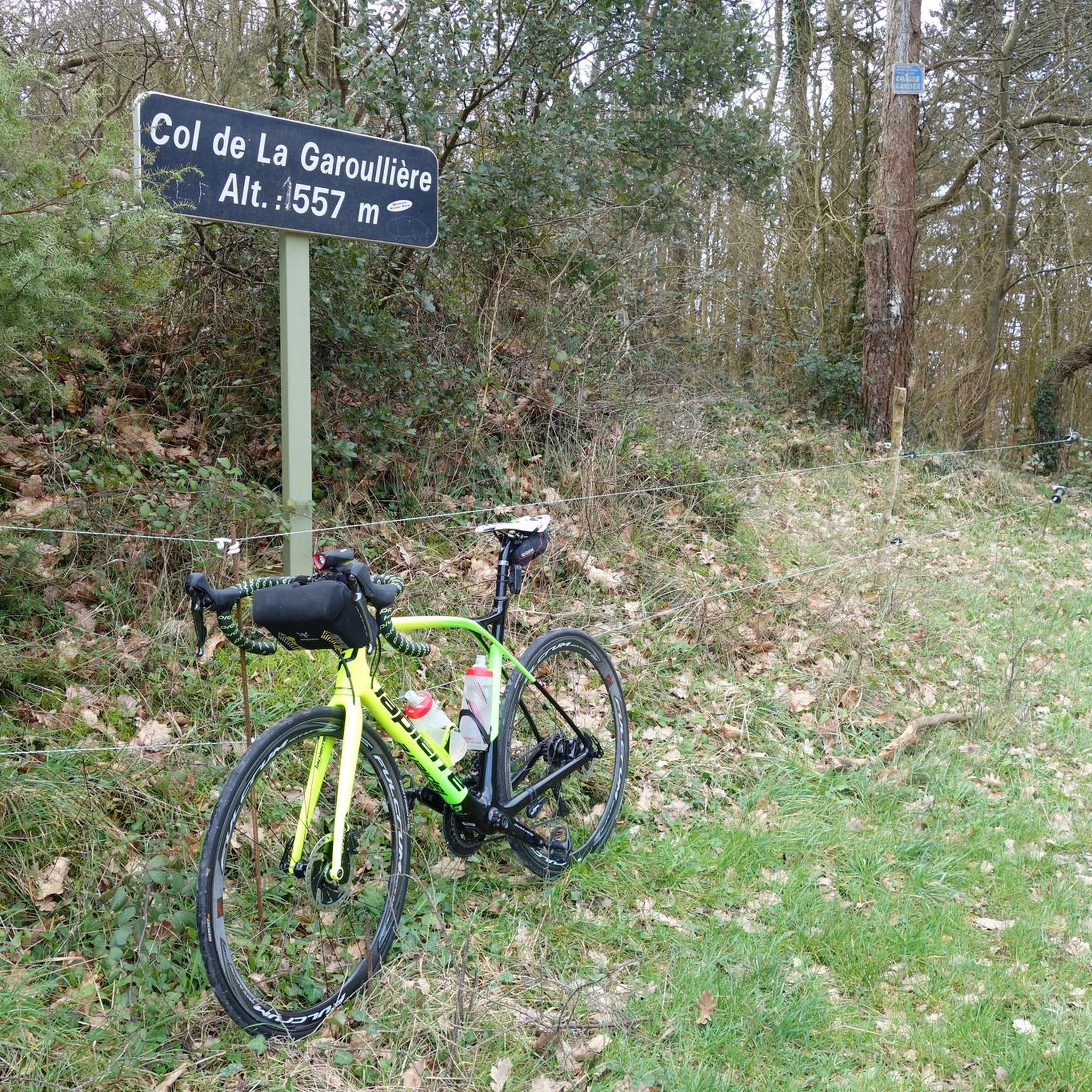
The region around Villar-en-Val is rich in natural beauty. You can encounter unique geological formations like Les Bénitiers in the Alaric Forest, which are ancient limestone formations. The Garouillière Pass in the Corbières massif offers scenic views, and Lake Cavayère near Carcassonne provides a pleasant spot for a break.
Are there any circular gravel bike routes in the area?
Yes, many of the gravel bike routes around Villar-en-Val are designed as loops, allowing you to start and end at the same point. Examples include the challenging Old Bridge – Roman Stone Bridge loop from Labastide-en-Val and the Post collar – Col du Poteau loop from Palaja, which both offer extensive rides through the varied landscape.
What is the best time of year for gravel biking in Villar-en-Val?
The Aude department generally enjoys a Mediterranean climate. Spring (April to June) and Autumn (September to October) are often ideal for gravel biking, offering pleasant temperatures and less extreme weather than the peak summer heat or potential winter chill. These seasons also showcase the region's natural beauty with blooming flora or autumnal colors.
Are there any historical sites or castles accessible from the gravel bike trails?
While not directly on every gravel trail, the region around Villar-en-Val is historically significant. You are in proximity to numerous Cathar castles, such as Château de Termes, Château de Peyrepertuse, and the Châteaux de Lastours. The medieval fortress-town of Carcassonne is also a major heritage site nearby, making it possible to combine your rides with cultural exploration. You might also pass by sites like Château de Miramont (ruin)/ Barbaira.
What are the typical difficulty levels for gravel biking routes in this area?
The gravel biking routes around Villar-en-Val generally range from moderate to difficult. Many routes feature significant elevation gains and longer distances, making them suitable for experienced gravel bikers. For instance, the Canal du Midi at Marseillette – Trèbes Triple Locks loop from Val-de-Dagne is rated as difficult, while the Abbey St Hilaire – Winery in the castle loop from Saint-Hilaire offers a moderate challenge.
Are there any specific viewpoints or scenic spots along the gravel routes?
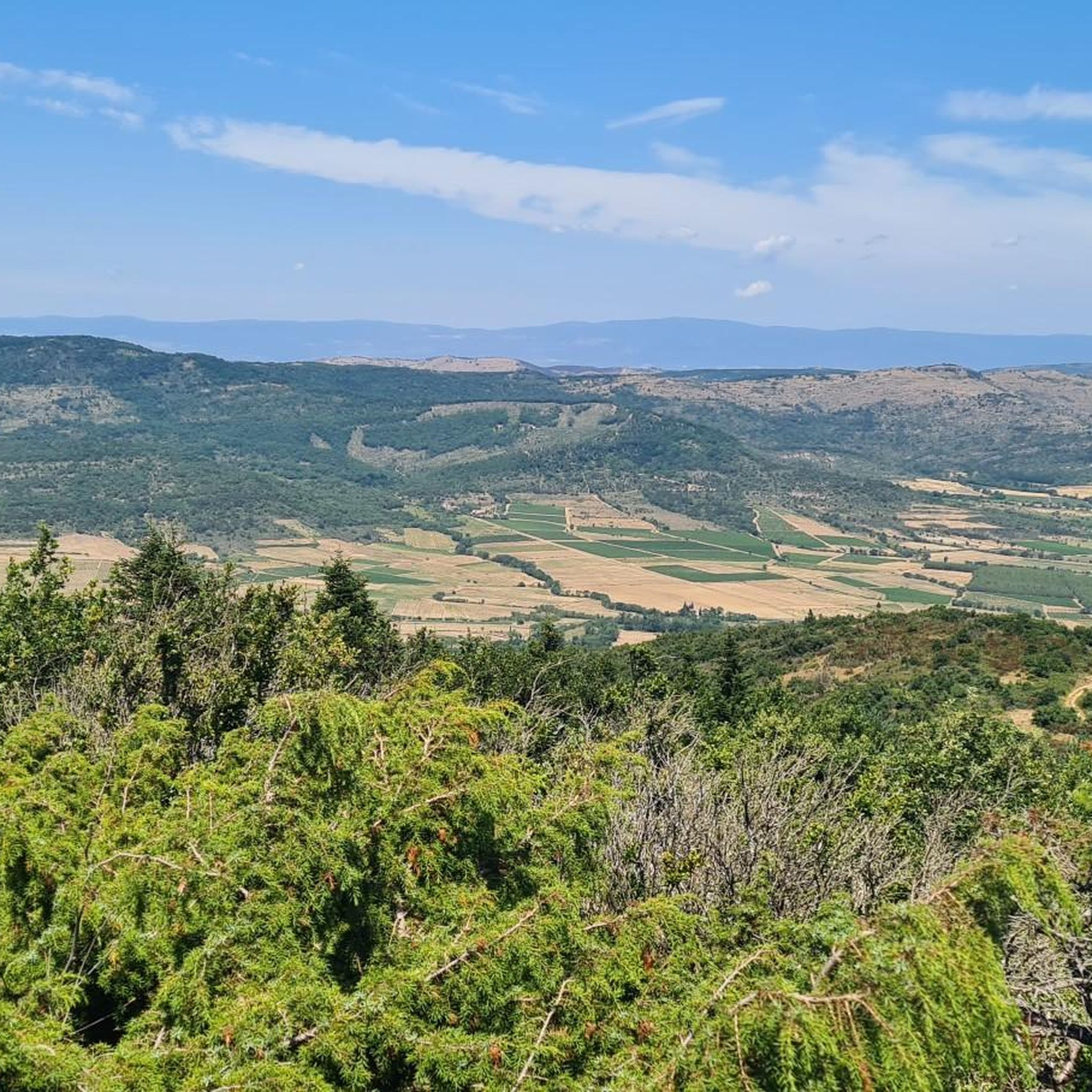
Yes, the varied elevations and forested landscapes provide numerous scenic viewpoints. As you cycle through the Corbières massif and areas with varied terrain, you'll often find expansive views over the Aude department. The Garouillière Pass is a notable spot offering good vistas, and riding through areas like the Forêt de Fontfroide provides picturesque woodland scenery.
What kind of natural features can I expect to see on the trails?
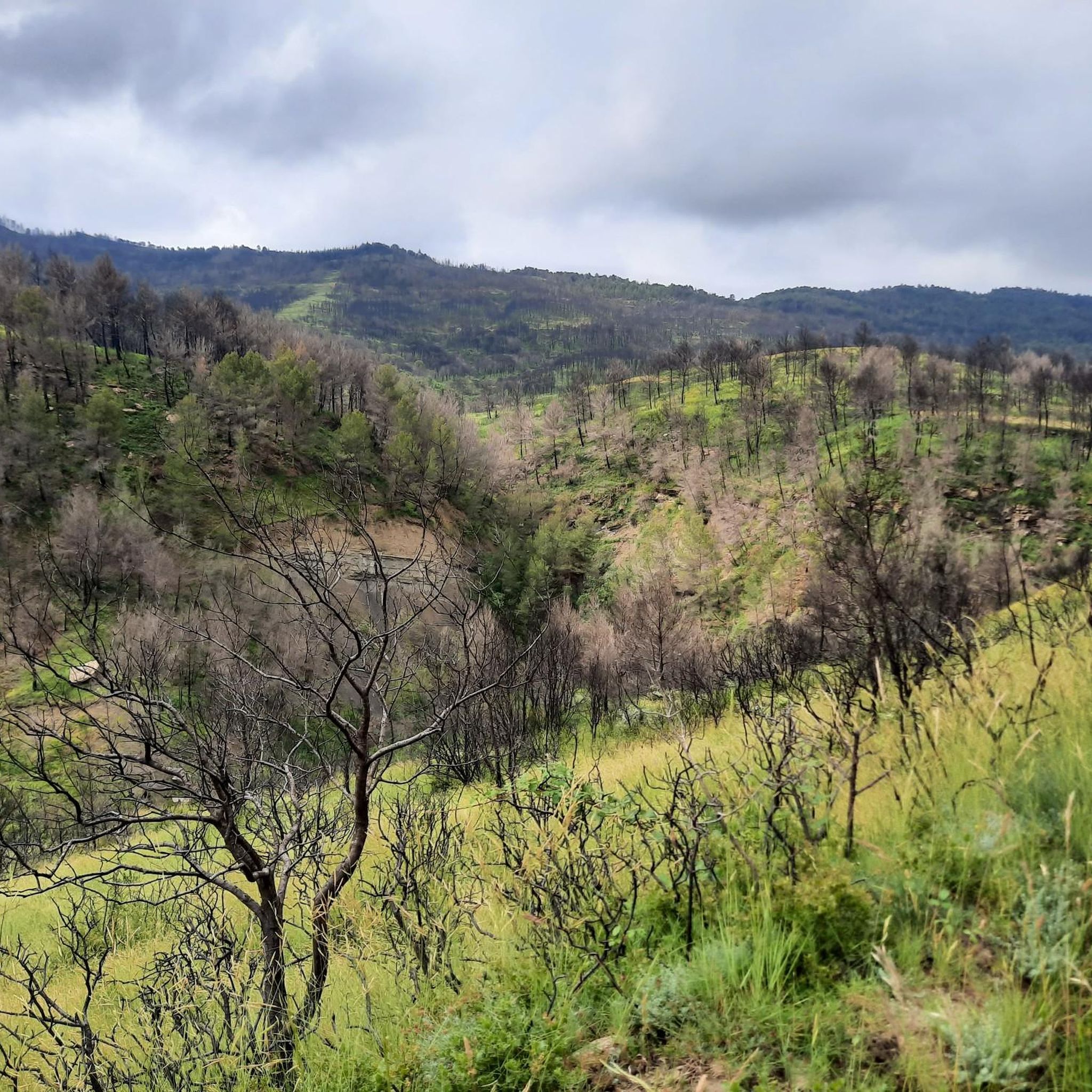
The trails often wind through dense woodlands, including sections of the Villar Forest and the Corbières massif. You'll encounter varied elevations, from rolling hills to more significant climbs. Watercourses like the Sou river add to the natural charm, and the proximity to dramatic gorges, such as the Gorges de l'Orbieu, means you'll experience a rich diversity of natural landscapes.
Is there public transport access to the gravel biking trailheads in Villar-en-Val?
Villar-en-Val is a small commune, and direct public transport links to specific trailheads might be limited. It's generally recommended to arrive by car, especially if you're bringing your own bike, to access the various starting points for gravel routes. Parking is usually available in or near the villages where routes begin.
Are there any unique cultural experiences along the routes?
Beyond historical sites, the region offers unique cultural experiences. For example, the Joseph Delteil Poetry Trail, an open-air museum set within the Villar forest, combines nature with cultural appreciation. While not directly on a gravel route, it's an interesting point of interest in the wider area that can be explored.
Most popular routes around Villar-En-Val
Most popular attractions around Villar-En-Val

Get inspired with the komoot mobile app


Explore more
Browse the best Gravel rides in other regions.
