The best gravel rides around Sainte-Montaine
3.5
(2)
8
riders
5
rides
Gravel biking around Sainte-Montaine offers routes through the tranquil Sologne and Berrichonne countryside in the Cher department of France. The landscape is characterized by a mix of woodlands, open fields, and rural paths, providing varied terrain for gravel cyclists. Riders can expect peaceful exploration along quiet roads and paths, often near calm rivers and serene lakes. The region's gentle topography makes it suitable for accessible gravel bike trails.
Best gravel bike trails around Sainte-Montaine
- The most popular gravel bike trail…
Last updated: October 21, 2026
3.0
(1)
2
riders
25.9km
01:54
80m
80m
Easy gravel ride. Great for any fitness level. Mostly paved surfaces. Suitable for all skill levels.
4.0
(1)
1
riders
Moderate gravel ride. Good fitness required. Mostly paved surfaces. Suitable for all skill levels.

1
riders
35.8km
02:36
110m
110m
Moderate gravel ride. Good fitness required. Mostly paved surfaces. Suitable for all skill levels.
3
riders
24.6km
01:29
60m
60m
Easy gravel ride. Great for any fitness level. Mostly paved surfaces. Suitable for all skill levels.
1
riders
31.2km
01:53
90m
90m
Easy gravel ride. Great for any fitness level. Mostly paved surfaces. Suitable for all skill levels.
Our route recommendations are based on thousands of hikes, rides, and runs completed by other people on komoot.
Start today with a free account
Your next adventure awaits.


Tips from the Community

The church consists of two successive rectangles, formerly covered by a wooden barrel vault with exposed beams. The very prominent buttresses of the nave, doubled at the corners, date the construction to the 12th or 13th centuries. The bell tower is supported by internal timbers near the central gable. A document from 1489 informs us that at that time, the church of Sainte Montaine was in need of extensive repairs. The bell tower had to be rebuilt, perhaps following a fire. The current bell tower therefore dates from this period. The western door is also from the 15th century. Its leaves are adorned with nails of remarkable craftsmanship. The nave was surrounded to the north and west by a wooden porch, similar to that of Brinon, but of more refined and delicate workmanship. This extension, which serves as a hall and narthex, is called a "caquetoire" in the Sologne region. It dated back to the 16th century and was demolished during the years 1918/1919. The furnishings are very important in both quantity and quality. Among the 18th-century liturgical vestments are two dalmatics and an 18th-century pastoral stole. There is also a 16th-century statue of the Virgin Mary and a 17th-century statue of Saint Germain, a 17th-century painting of the miracle of Saint Montaine, and a 17th-century processional cross of Christ on the Cross.
0
0

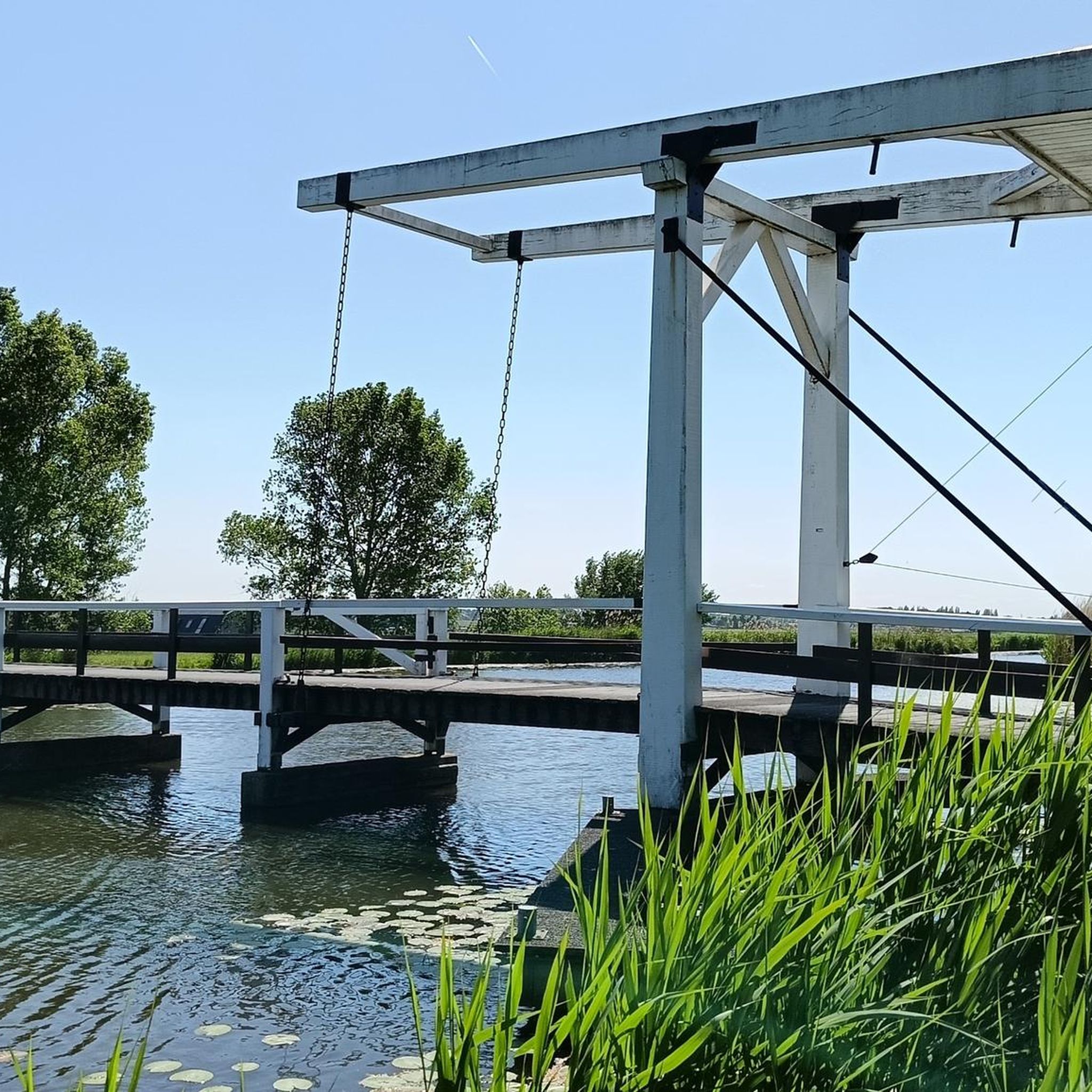
This lock was once part of the Canal de la Sauldre. Water from the Étang du Puits was regulated here to allow ships to pass and maintain the canal's water level. Now it's simply a beautiful spot to pause for a moment...
4
0
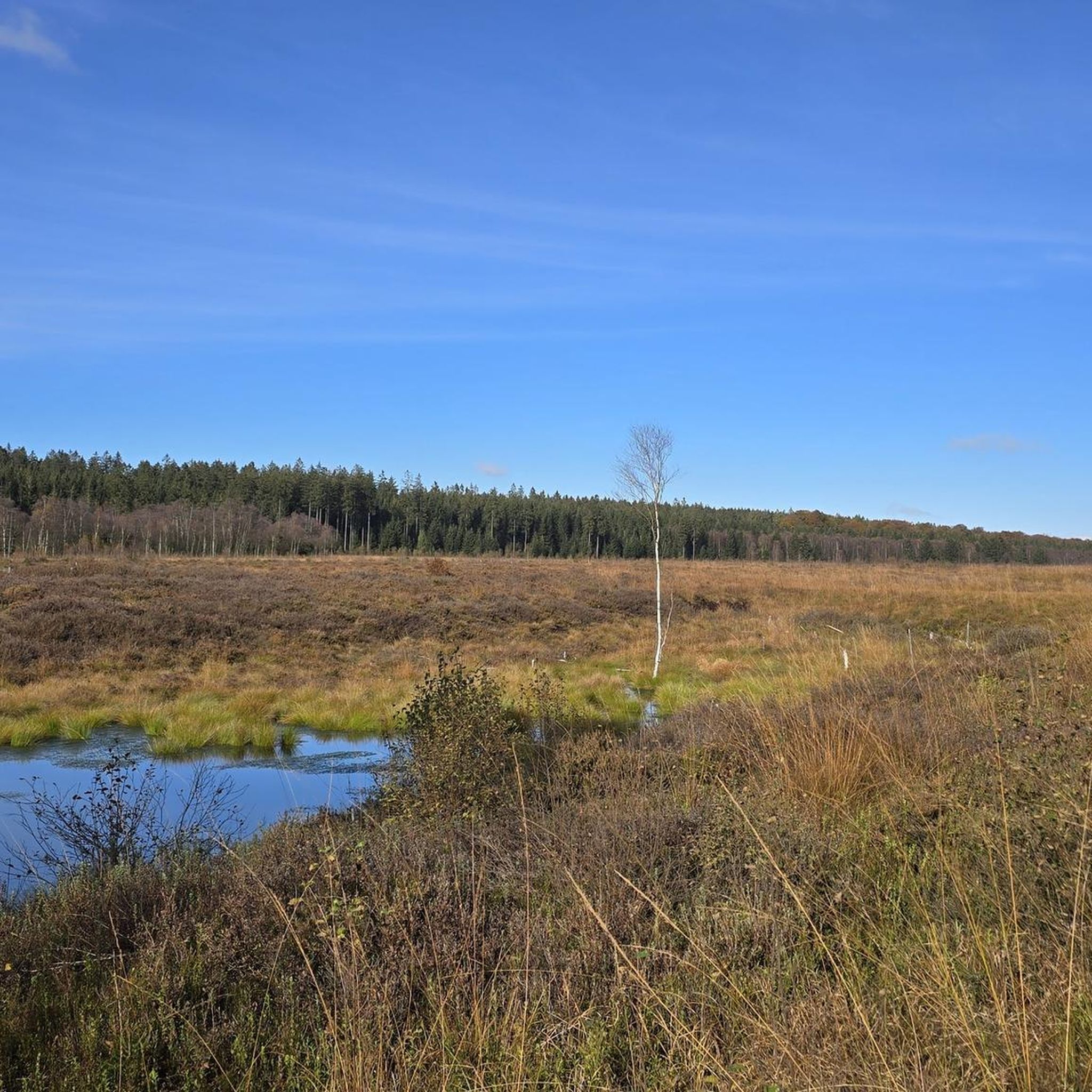
The lake covers 180 hectares, making it the largest in the Sologne. Originally created in 1864 to supply the Sauldre canal with water. Now partly developed as a recreational area: beach area, hiking trails, water sports (sailing, ski-nautique, pedalo), and an ornithological reserve. For nature lovers: you'll find a rich bird life (cendré heron, grèbe huppé, etc.) and diverse flora along the banks. For families: picnic areas, a beach area in the summer, and playgrounds.
4
0

Castle built during the Renaissance by Robert Stuart then Louise de Keroualle, Duchess of Aubigny and Porsmouth. Only the facade and one of the two wings exist today. It is one of the major witnesses to the historical presence of the Scots in this city of character. It can be visited and is worth a look, notably with the ceiling of its large room which is all made of wood, shaped like the hull of an upside-down boat. Good to know: Franco-Scottish festivals take place every year in July.
0
0
Castle built during the Renaissance by Robert Stuart then Louise de Keroualle, Duchess of Aubigny and Porsmouth. Only the facade and one of the two wings exist today. It is one of the major witnesses to the historical presence of the Scots in this city of character. It can be visited and is worth a look, notably with the ceiling of its large room which is all made of wood, shaped like the hull of an upside-down boat. Good to know: Franco-Scottish festivals take place every year in July.
2
0
The largest pond in Sologne which combines rich natural environments, with fauna and flora that can be admired for hours, and facilities conducive to relaxation and swimming, with its beaches and activities on offer.
1
0
One of the 22 locks of the Canal de la Sauldre. The Etang du Puits, with an area of 180 hectares, served as a buffer reservoir for the canal in order to supplement it with water when the Sauldre was not enough to supply it.
1
0
Castle built during the Renaissance by Robert Stuart then Louise de Keroualle, Duchess of Aubigny and Porsmouth. Only the facade and one of the two wings exist today. It is one of the major witnesses to the historical presence of the Scots in this city of character. It can be visited and is worth a look, notably with the ceiling of its large room which is all made of wood, shaped like the hull of an upside-down boat. Good to know: Franco-Scottish festivals take place every year in July.
2
0
Frequently Asked Questions
How many gravel bike trails are available around Sainte-Montaine?
There are 5 gravel bike routes available in the Sainte-Montaine area, ranging from easy to moderate difficulty. These routes offer a great way to explore the tranquil Sologne and Berrichonne countryside.
Are there gravel routes suitable for beginners in Sainte-Montaine?
Yes, Sainte-Montaine offers several easy gravel routes perfect for beginners. For example, the Gravel loop from Toilettes Homme is an accessible option, covering about 26 km with minimal elevation gain. Another easy choice is the Stuart Castle – Église Sainte Montaine loop from Aubigny-sur-Nère, which is around 24.5 km long.
What kind of terrain can I expect on gravel bike trails in Sainte-Montaine?
The terrain around Sainte-Montaine, situated between the Sologne and Berrichonne countryside, typically features a mix of woodlands, open fields, and rural paths. You can expect quiet roads and paths, often alongside calm rivers and serene lakes, providing a picturesque and peaceful gravel biking experience.
What interesting sights or landmarks can I see while gravel biking around Sainte-Montaine?
While gravel biking, you can encounter several points of interest. The Stuart Castle – Église Sainte Montaine loop passes by the historic Stuart Castle. Other routes might take you near the beautiful Étang du Puits or along sections of the Old Sauldre Canal, as seen on the Château de l'Hermitage in Chaon – Old Canal of the Sauldre loop. The region also features charming rustic villages and the Saint-Étienne Church.
Are there family-friendly gravel biking options near Sainte-Montaine?
Yes, the generally easy to moderate difficulty of the trails and the tranquil, traffic-free nature of many paths make them suitable for families. Routes like the Gravel loop from Toilettes Homme are relatively flat and shorter, making them good choices for a family outing. The peaceful countryside setting is ideal for a relaxed ride with children.
Can I find circular gravel bike routes in Sainte-Montaine?
Absolutely. Many of the gravel routes around Sainte-Montaine are designed as loops, allowing you to start and finish at the same point. Examples include the Puits Lock – Étang du Puits loop from Argent-sur-Sauldre and the Étang du Puits – Puits Lock loop from Argent-sur-Sauldre, both offering scenic circular rides.
When is the best time of year to go gravel biking in Sainte-Montaine?
The best time for gravel biking in Sainte-Montaine is generally during spring, summer, and early autumn. These seasons offer pleasant weather for exploring the woodlands and fields. Spring brings blooming nature, while summer provides long daylight hours. Early autumn offers comfortable temperatures and beautiful foliage. Winter can be chilly and potentially wet, making some paths less enjoyable.
What is the typical length or duration of gravel bike rides in this area?
Gravel bike rides around Sainte-Montaine typically range from 24 to 37 kilometers in length. In terms of duration, you can expect rides to take between 1.5 to 2.5 hours, depending on your pace and the specific route chosen. This makes them ideal for half-day excursions.
Where can I find parking for gravel biking near Sainte-Montaine?
While specific parking areas for each trail are not detailed, Sainte-Montaine and nearby villages generally offer public parking options. Look for designated parking in the village centers or near popular starting points for routes, such as Aubigny-sur-Nère or Argent-sur-Sauldre, which are mentioned as starting points for some tours.
Are there places to stop for refreshments or food along the gravel trails?
Sainte-Montaine itself is a charming village with local amenities. While specific cafes directly on the trails are not guaranteed, you can often find small shops or cafes in Sainte-Montaine or the larger nearby towns like Aubigny-sur-Nère or Argent-sur-Sauldre, which serve as good starting or ending points for your rides. It's always a good idea to carry water and snacks, especially on longer routes.
What do other gravel bikers enjoy the most about gravel biking in Sainte-Montaine?
The area is highly rated by the komoot community, with an average score of 3.5 stars. Reviewers often praise the tranquil setting, the mix of natural landscapes, and the opportunity to explore the authentic French countryside away from heavy traffic. The peaceful atmosphere and scenic views of rivers, lakes, and woodlands are frequently highlighted.
Most popular routes around Sainte-Montaine
Most popular attractions around Sainte-Montaine

Get inspired with the komoot mobile app


Explore more
Browse the best Gravel rides in other regions.
