The best gravel rides around Alameda
13
riders
6
rides
Gravel biking around Alameda offers a diverse range of terrain, from flat shoreline paths to challenging hilly routes. The region features accessible urban green spaces and waterfront trails within Alameda itself, providing scenic views of the San Francisco Bay. Nearby, the Oakland Hills present more demanding gravel routes with significant ascents and descents through forested areas. This combination allows for varied gravel biking experiences across different landscapes.
Best gravel bike trails around Alameda
- The most popular gravel bike trail is…
Last updated: October 5, 2026
3
riders
48.6km
03:39
570m
570m
Hard gravel ride. Very good fitness required. Mostly paved surfaces. Suitable for all skill levels.
2
riders
33.9km
02:33
340m
340m
Moderate gravel ride. Good fitness required. Mostly paved surfaces. Suitable for all skill levels.

2
riders
42.8km
02:55
330m
330m
Moderate gravel ride. Good fitness required. Mostly paved surfaces. Suitable for all skill levels.
2
riders
33.0km
02:20
220m
220m
Moderate gravel ride. Good fitness required. Mostly paved surfaces. Suitable for all skill levels.
2
riders
51.4km
03:31
370m
370m
Moderate gravel ride. Good fitness required. Mostly paved surfaces. Suitable for all skill levels.
Our route recommendations are based on thousands of hikes, rides, and runs completed by other people on komoot.
Start today with a free account
Your next adventure awaits.
Other adventures around Alameda

Tips from the Community

The Laguna de Fuente de Piedra provides an important habitat for large flamingo colonies and is one of the most significant breeding grounds for this bird species in Europe. The shallow salt lagoon offers ideal conditions for the birds, allowing them to be observed there in large numbers, especially during the warmer months.
1
0
Laguna de Fuente de Piedra is home to large flamingo colonies and is considered one of the most important breeding grounds for this bird species in Europe, where they can be observed particularly well in the warmer months.
3
0
The Vicaría Observatory (Mirador) is an official viewpoint at the Fuente de Piedra Lagoon and is one of the most important observation points in the nature reserve. From here, there is a good overview of the shallow salt lagoon.
2
0

about 5,600 years ago 😮 1,140 tons 😲
3
0
The Conjunto Arqueológico Dólmenes de Antequera (Antequera Dolmens Archaeological Site) is one of the most important prehistoric sites in Europe and is located on the outskirts of Antequera in Andalusia, directly on the Carretera de Málaga (Málaga Highway). The site comprises three large megalithic tombs – the Dolmen de Menga, the Dolmen de Viera, and the Tholos de El Romeral – as well as the two natural monuments Peña de los Enamorados and El Torcal de Antequera. Together, they have formed a UNESCO World Heritage Site since 2016, uniquely demonstrating the connection between humankind, architecture, and landscape. The Dolmen de Menga is the largest structure in the site and is among the most impressive megalithic tombs in Europe. It was built between approximately 3800 and 3600 BC and consists of enormous stone blocks assembled to form a long burial chamber. Particularly noteworthy is its alignment with the rock Peña de los Enamorados, suggesting a symbolic or ritual significance. Human remains and grave goods were found inside. Just a few meters away is the Dolmen de Viera, which is somewhat smaller and more classically constructed. It was built between approximately 3500 and 3000 BC and is oriented precisely to the east, so that sunlight falls directly into the burial chamber at the equinox. The third structure, the Tholos de El Romeral, lies about four kilometers away and dates from the Copper Age, around 2500 BC. Its circular shape and corbelled vault distinguish it from the older dolmens and represent a further development of the architectural techniques of that time.
0
0
In the heart of Alameda stands the monument to José María Hinojosa Cobacho, better known as "El Tempranillo," one of the most famous Andalusian bandits of the 19th century. The bronze statue depicts him in a typical rebel and folk hero pose and is located on Calle Álamos, not far from the town center. El Tempranillo was born in 1805 in Jauja, near Lucena, and joined a band of highwaymen at a young age. Over time, he became a legendary figure, both feared and revered by the local population—a symbol of resistance against social injustice. After being mortally wounded in a raid in 1833, his body was brought to Alameda, where he died and was buried in the Church of the Immaculate Conception. The monument and his grave are now part of the "Ruta del Tempranillo," a cultural route that traces the life of the bandit. They are reminiscent of a time when outlaws and folk heroes often lived close together, making Alameda an important place in Andalusian history and legendary culture.
1
0
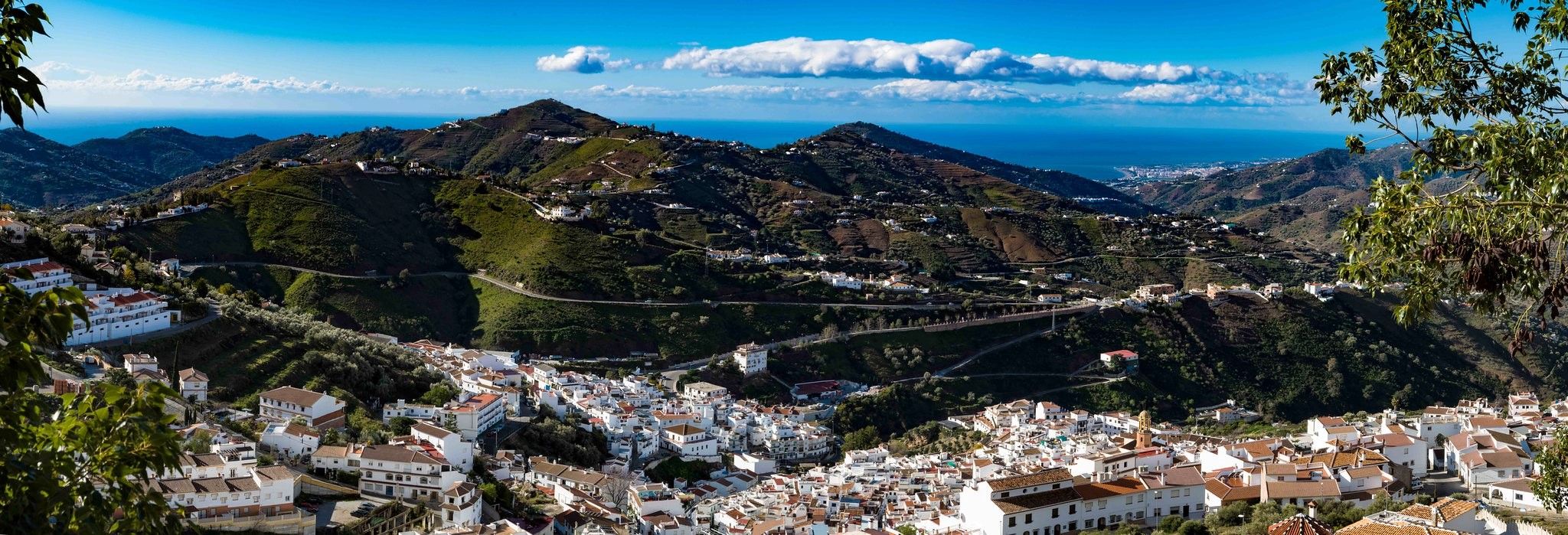
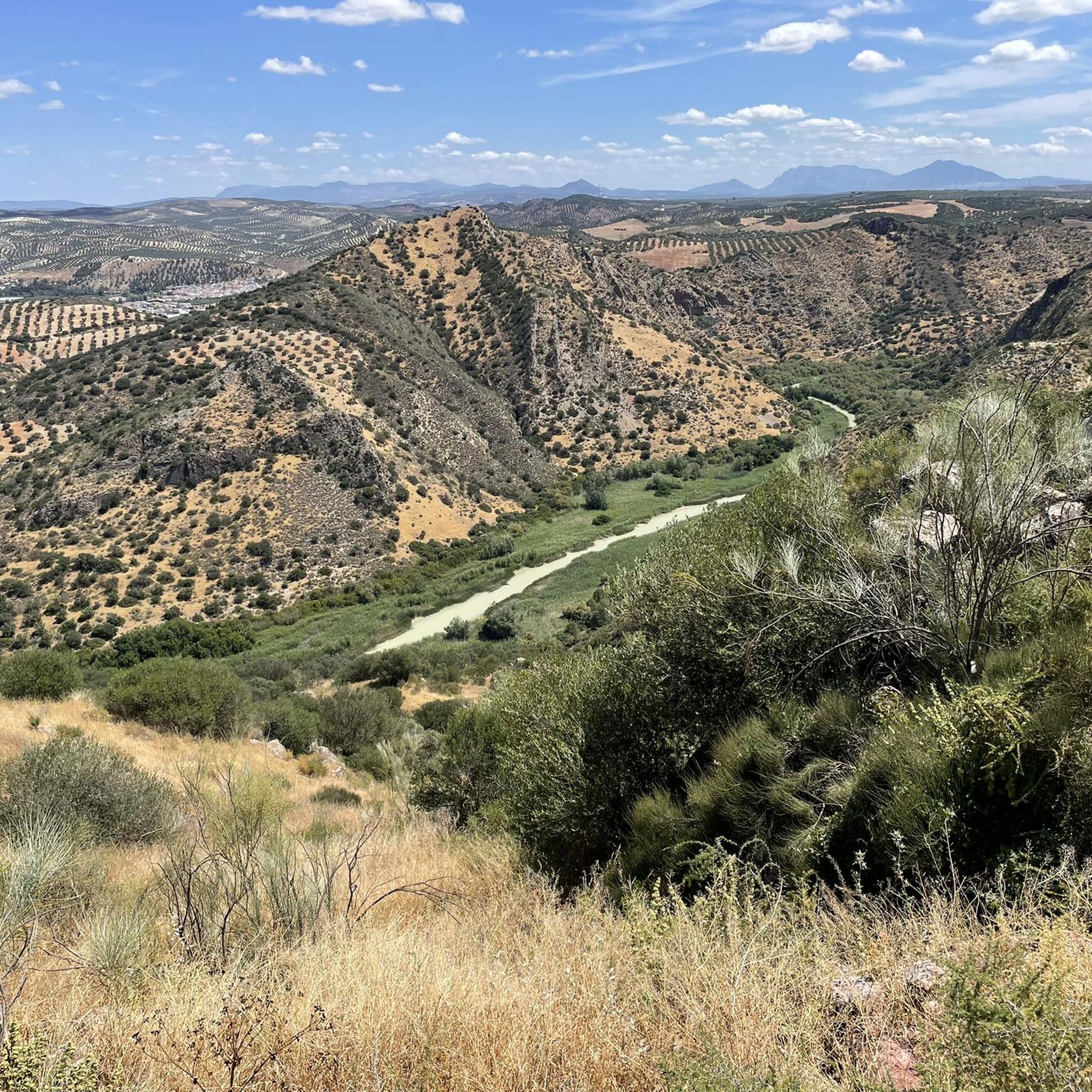
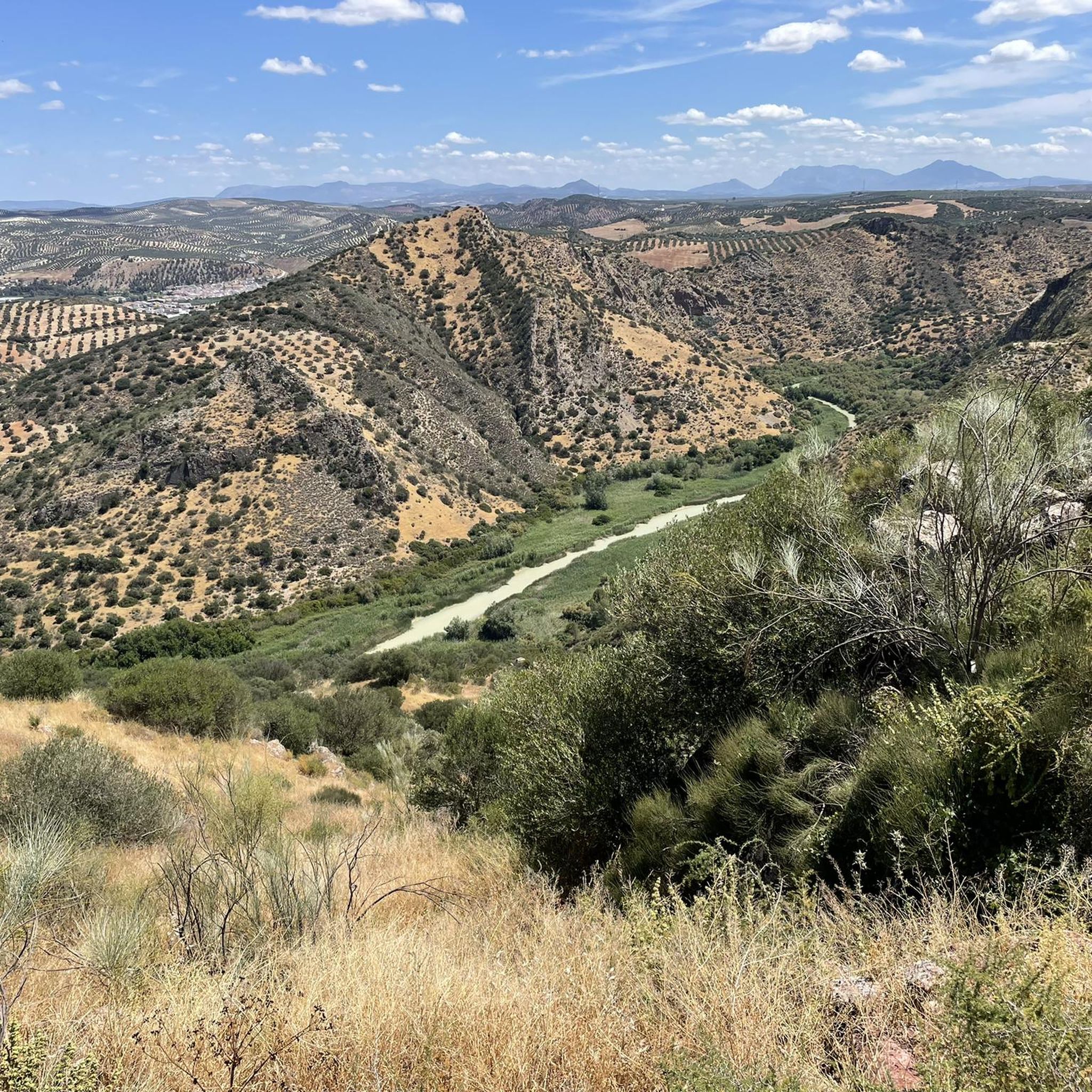
Alameda is a picturesque village that captivates visitors with its tranquil atmosphere and historically rich surroundings. Encircled by expansive fields and rolling hills, it offers ideal conditions for cycling tours through the Andalusian hinterland. The whitewashed houses, narrow streets, and shady squares lend the village its typical Andalusian charm. At its heart lie the Church of the Immaculate Conception and the Placeta Fountain, reminders of the village's Roman roots. Alameda is particularly famous for the legend of the bandit José María "El Tempranillo," whose monument and tomb are now popular destinations for visitors. The surrounding area is easily explored by bicycle – passing olive groves, old farmhouses, and quiet paths that offer a glimpse into rural Andalusia. Alameda uniquely combines history, culture, and nature, making it an ideal starting point for peaceful, enriching tours away from the crowds.
0
0
The city gate of Antequera was built in 1749 in the Baroque style, demolished in the 19th century, and faithfully reconstructed in the 1990s. Today, the Puerta de Estepa is a symbolic gateway to the city.
3
0
Frequently Asked Questions
What types of gravel biking terrain can I expect around Alameda?
Alameda offers a diverse range of gravel biking terrain. Within the city, you'll find flat, scenic shoreline paths and urban green spaces, perfect for accessible, less technical rides. For more challenging experiences, the nearby Oakland Hills provide extensive options with significant ascents and descents through hilly and forested areas.
Are there any family-friendly gravel biking options in Alameda?
Yes, Alameda is great for family-friendly gravel biking. The flat shoreline paths and urban green spaces, such as those at Shoreline Park or the Bay Farm Island Loop Trail, are ideal for casual rides with children. The Hayward Shoreline Trails also offer wide-open, uncrowded spaces suitable for families.
Where can I find scenic viewpoints or natural features along gravel trails in Alameda?
Many trails offer stunning views. The Shoreline Park and Bay Farm Island Loop Trail provide panoramic views of the San Francisco skyline and Oakland's port. From Alameda Point, you can also enjoy views of the San Francisco skyline from the Seaplane Lagoon Promenade and spot varied wildlife, including birds and harbor seals. In the Oakland Hills, trails like the Skyline and Grizzly Park Blvd loop offer expansive Bay Area views.
What are some good options for beginner gravel bikers in Alameda?
Beginners will enjoy the flat, accessible routes within Alameda itself. The shoreline paths, such as those along Shoreline Park and the Bay Farm Island Loop Trail, are excellent starting points. These areas are less technical and offer a peaceful atmosphere with scenic views.
Are there challenging gravel routes for advanced riders near Alameda?
Absolutely. For advanced riders seeking a challenge, the nearby Oakland Hills offer extensive options. Routes like the Skyline and Grizzly Park Blvd loop or the Joaquin Miller Park – Skyline Boulevard loop feature challenging climbs, diverse terrain, and significant elevation changes through forested areas.
What is the best time of year to go gravel biking in Alameda?
Alameda's mild climate makes it suitable for gravel biking year-round. However, spring and fall often offer the most pleasant temperatures and clear skies. Winter rides are also possible, especially on the less exposed shoreline paths, though you should be prepared for cooler, potentially wetter conditions.
Are there any long-distance gravel biking routes around Alameda?
While Alameda itself offers shorter, scenic loops, you can connect to longer routes. The Bay Farm Island Loop Trail is a 6-mile loop, and the Alameda Creek Trail offers a versatile option with both gravel and paved sections for extended rides. For significantly longer and more challenging distances, the Oakland Hills provide extensive networks that can be combined for longer adventures.
How accessible are the gravel trails in Alameda by public transport or car parking?
Many areas in Alameda are accessible. The city has invested in bike lanes, making it easier to reach trailheads. For example, the Bay Farm Island Loop Trail can be accessed from Towata Park. For trails in the Oakland Hills, specific parking areas are available at parks like Joaquin Miller Park or Lake Chabot Regional Park. Public transport options vary by specific trailhead, so checking local transit schedules is recommended.
Can I find any loop trails for gravel biking in Alameda?
Yes, there are several excellent loop trails. The Bay Farm Island Loop Trail is a popular 6-mile flat loop offering gorgeous views. In the Oakland Hills, you can find more challenging loops like the Skyline and Grizzly Park Blvd loop or the Joaquin Miller Park – Skyline Boulevard loop, which provide extensive circuits through varied terrain.
What kind of wildlife can I expect to see while gravel biking in Alameda?
Along the shoreline paths, especially at Alameda Point and the Bay Farm Island Loop Trail, you can spot diverse wildlife. This includes migrating shorebirds, brown pelicans, ospreys, and great blue herons. Harbor seals are also frequently sighted in the bay waters.
Are there any urban green spaces suitable for gravel biking in Alameda?
Yes, Jean Sweeney Open Space Park is a notable urban green space within Alameda that features dedicated biking paths. It also provides access to the Bay Trail, which can lead you towards other scenic areas like Webster Street and Alameda Point.
What do other gravel bikers enjoy most about gravel biking in Alameda?
Gravel bikers frequently praise Alameda for its unique combination of flat, accessible bayfront trails with spectacular views and diverse wildlife, alongside its close proximity to the challenging, hilly, and forested routes of the Oakland Hills. This variety caters to all skill levels, from leisurely scenic rides to rigorous adventures.
Most popular attractions around Alameda

Get inspired with the komoot mobile app


Explore more
Browse the best Gravel rides in other regions.
