The best gravel rides around Báguena
11
riders
5
rides
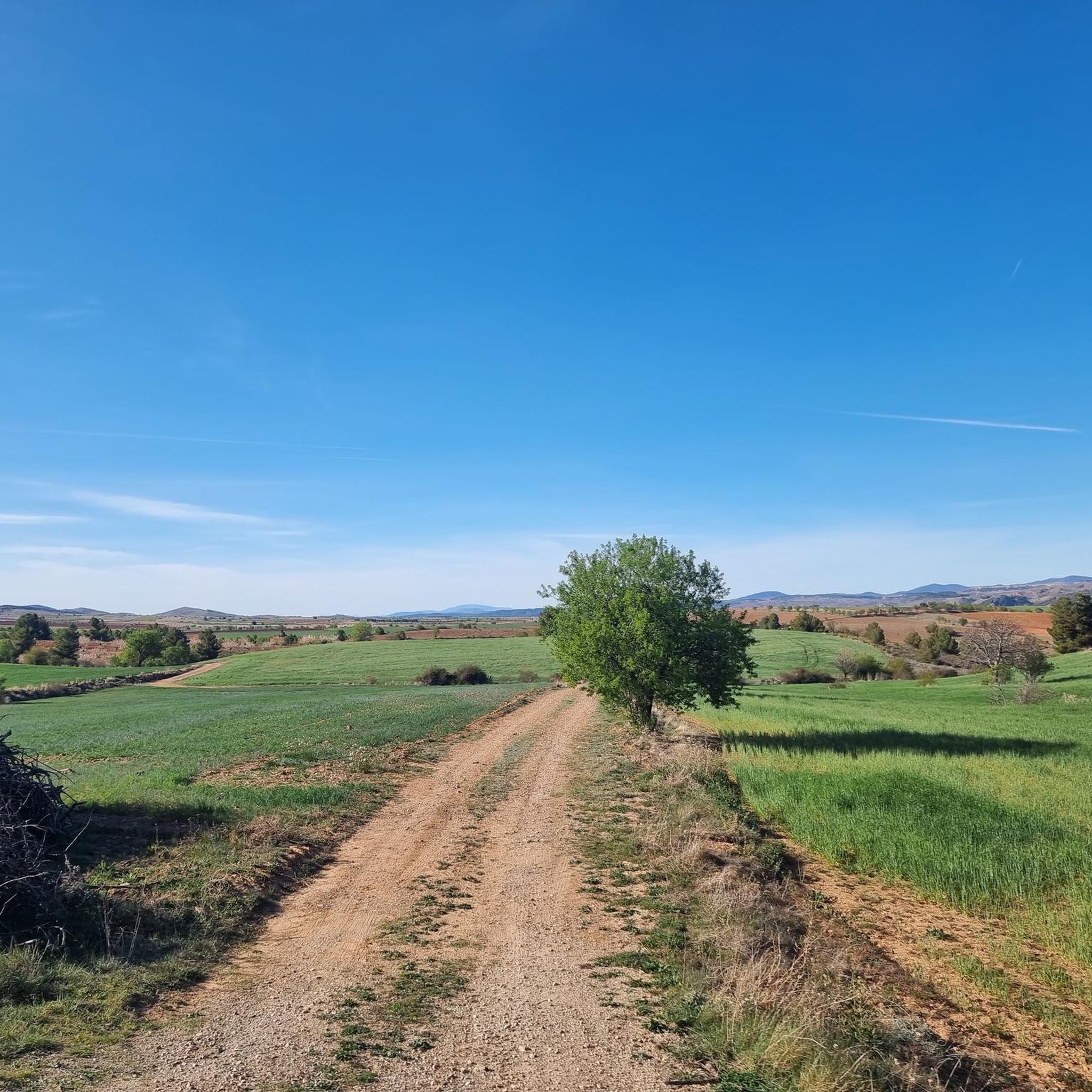
Gravel biking around Báguena, located in the Teruel province of Aragon, Spain, offers a diverse landscape for cyclists. The region features varied terrain, including rolling hills and valleys, with routes often connecting small villages and natural areas. Cyclists can expect a mix of surfaces suitable for gravel bikes, ranging from unpaved roads to more challenging tracks. The area provides opportunities for both moderate and difficult gravel bike trails, characterized by significant elevation changes.
Best gravel bike trails around Báguena
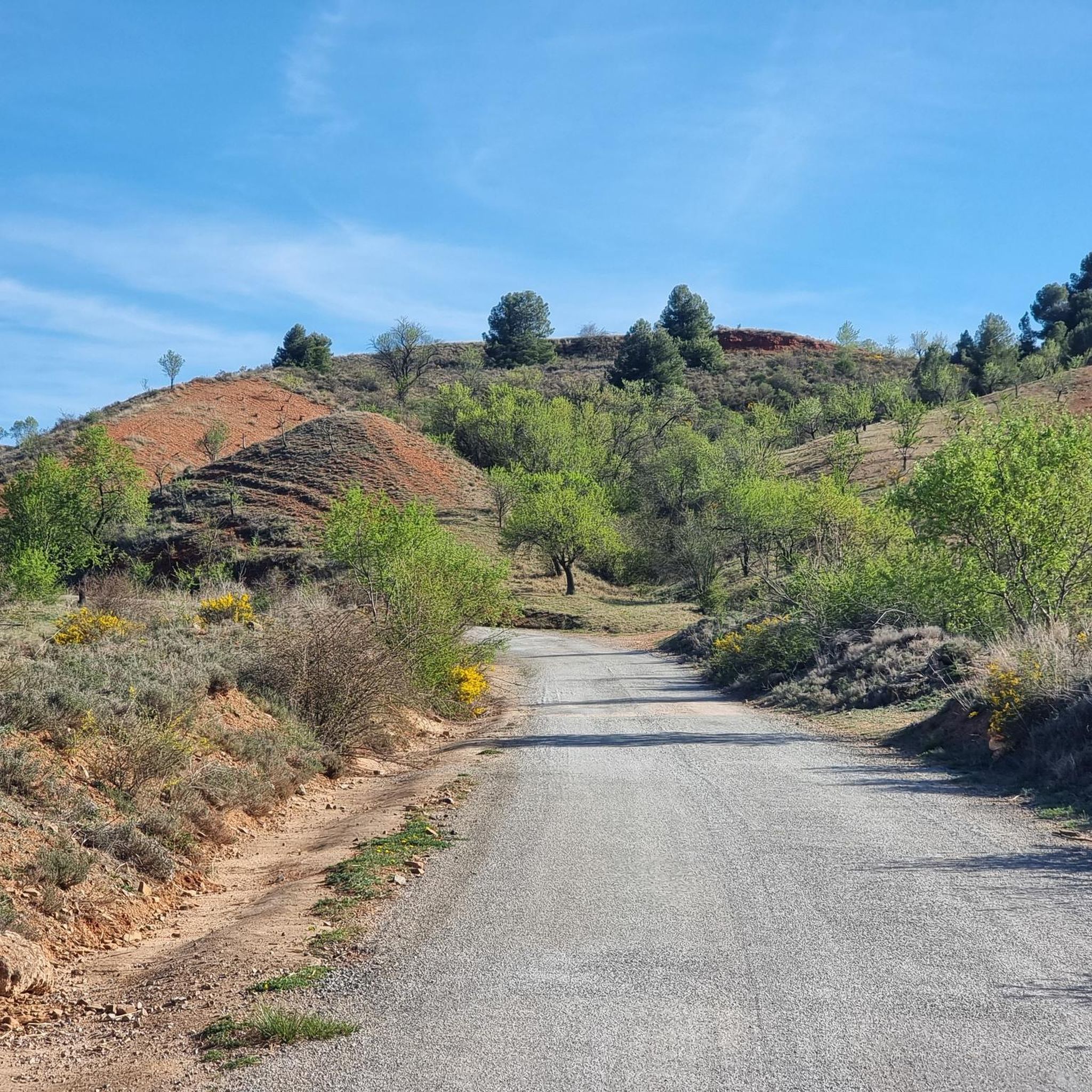
- The most popular gravel bike trail is Puerta Baja de Daroca – Daroca loop from Daroca, a 33.9 miles (54.6 km) trail that takes 3 hours 58 minutes to complete. This difficult route features substantial elevation gain through the local landscape.
- Another top favourite among local gravel bikers is Beautiful path – Path to San Ambrioso loop from Val de San Martín, a difficult 20.1 miles (32.4 km) path. This route winds through varied terrain, offering a challenging experience.
- Local gravel bikers also love the Berrueco – Laguna de Gallocanta loop from Val de San Martín, a 29.9 miles (48.2 km) trail leading through natural reserves and varied landscapes, often completed in about 3 hours 34 minutes.
- Gravel biking around Báguena is defined by rolling hills, valleys, and a network of unpaved roads. The network offers options for different ability levels, from moderate to difficult.
- The guide includes highly-rated routes that showcase the best of the region's landscape. More than 10 gravel bikers have used komoot to explore Báguena's varied terrain.
Last updated: July 2, 2026
4
riders
54.7km
04:00
780m
780m
Hard gravel ride. Very good fitness required. Mostly paved surfaces. Suitable for all skill levels.
2
riders
32.4km
02:31
550m
550m
Hard gravel ride. Very good fitness required. Mostly paved surfaces. Suitable for all skill levels.

Sign up for free
2
riders
28.2km
01:43
310m
310m
Moderate gravel ride. Good fitness required. Mostly paved surfaces. Suitable for all skill levels.
2
riders
48.2km
03:34
710m
710m
Hard gravel ride. Very good fitness required. Mostly paved surfaces. Suitable for all skill levels.
1
riders
56.4km
03:45
580m
580m
Hard gravel ride. Very good fitness required. Mostly paved surfaces. Suitable for all skill levels.
Our route recommendations are based on thousands of hikes, rides, and runs completed by other people on komoot.
Start today with a free account
Your next adventure awaits.
Login or Signup
Tips from the Community

Watched over by the remains of its ancient castle, Daroca emerges, one of the most beautiful cities in Aragon. Without a doubt, one of the charms of the town is to walk along its walls, with their imposing towers, until you reach the castle, from which you can enjoy a beautiful panoramic view.
0
0
In addition to its natural value, the itinerary allows you to discover the historical richness of Daroca, one of the most emblematic medieval towns in Aragon, known for its walls, churches, and monumental legacy.
0
0

The Lower Gate is the most emblematic entrance to Daroca and one of the most impressive defensive monuments in Aragon. Its two robust towers flank a large arch that, in addition to serving as a passageway, also facilitated the drainage of water during periods of heavy rain. Built between the 13th and 16th centuries, it reflects the military and architectural evolution of the city, with Gothic and Renaissance elements such as the gallery of arches and the imperial coat of arms of Charles V. Today, restored, it houses the Center for Daroca Studies and is a must-see for those exploring the city's walls and historic streets.
2
0

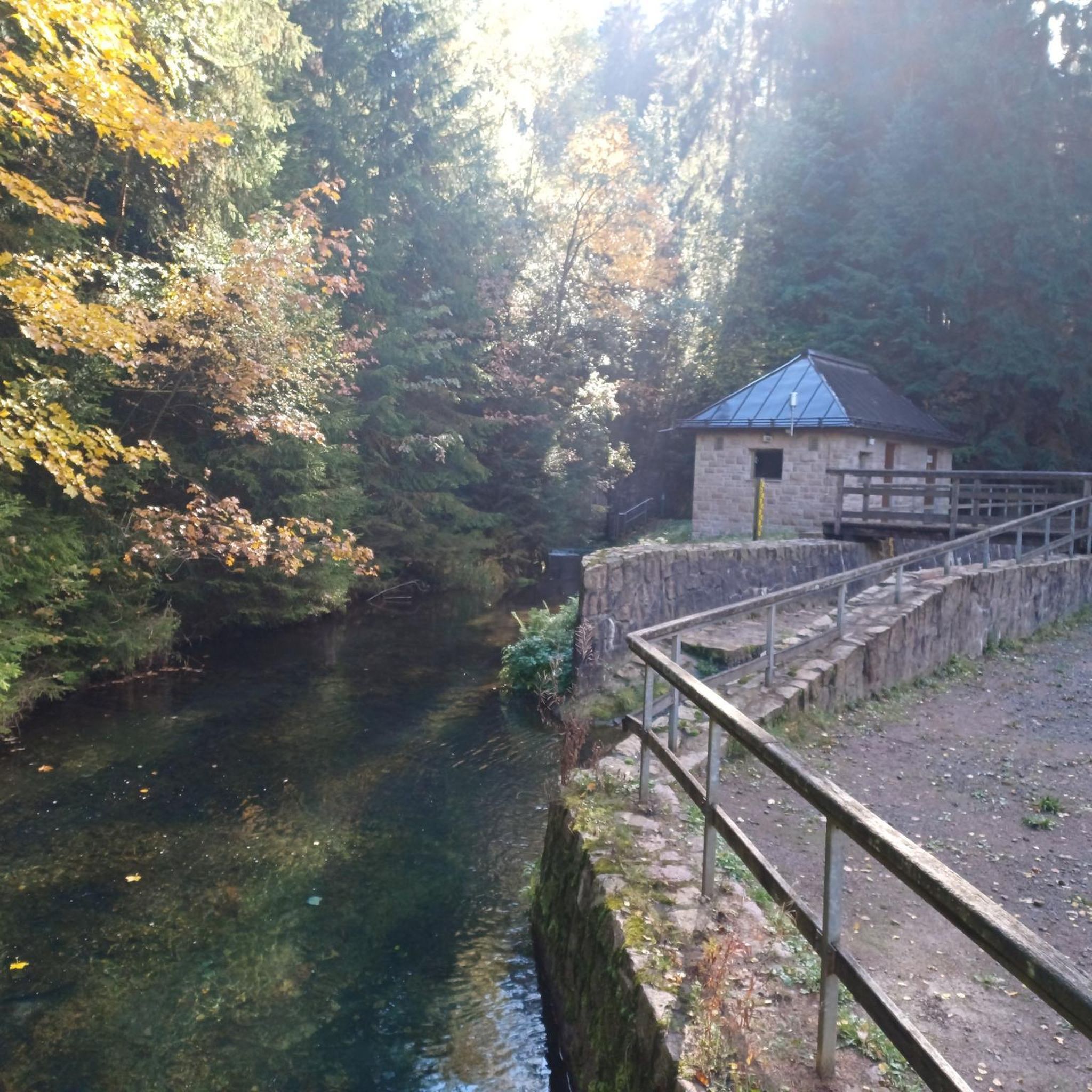
A must-see to listen to the flow of the Pancrudo River. And seeing the beauty of the Jiloca River banks in autumn is special.
0
1

A small paradise between the Jarama and Alcarria rivers, where migratory birds pass through on their long journey. It has a picnic area at the Hermitage of the Virgin and several bird-watching spots.
0
0

repair station and drinking water fountain
0
0

You can cycle here without any problems. I think Komoot will update the navigation here quickly.
1
0
Unfortunately, there are still many interruptions on the almost 600 km long Via Verde Santander Mediterraneo railway line. It would be great to be able to travel from the Atlantic to the Mediterranean without car traffic. If this tourist potential is understood by the various regional parliaments, the entire cycling and gravel world would come to Spain and use this ingenious connection.
0
0
Frequently Asked Questions
What kind of terrain can I expect on gravel bike trails around Báguena?
The gravel bike trails around Báguena, located in the Teruel province of Aragon, Spain, feature a diverse landscape. You'll encounter varied terrain, including rolling hills and valleys, with routes often connecting small villages and natural areas. The surfaces are a mix suitable for gravel bikes, ranging from unpaved roads to more challenging tracks, often with significant elevation changes.
Are there gravel bike trails for different skill levels in Báguena?
Yes, the area offers options for various ability levels. You can find both moderate and difficult gravel bike trails. For example, the Luco de Jiloca – Calamocha loop from Estación de Daroca is a moderate path, while routes like Puerta Baja de Daroca – Daroca loop from Daroca present a more difficult challenge with substantial elevation gain.
What are some natural attractions or landmarks I can see along the gravel routes?
Many routes pass by interesting natural features and historical landmarks. You might encounter highlights such as the Aguallueve de Anento waterfall, the expansive Gallocanta Lagoon, or the historic town of Daroca with its impressive Puerta Baja. The Roman bridge of Luco de Jiloca is another notable sight.
Are there any circular gravel bike routes available?
Yes, several routes are designed as loops, allowing you to start and finish in the same location. Examples include the challenging Puerta Baja de Daroca – Daroca loop from Daroca, the moderate Luco de Jiloca – Calamocha loop from Estación de Daroca, and the scenic Beautiful path – Path to San Ambrioso loop from Val de San Martín.
What is the best time of year for gravel biking in the Báguena region?
Given its location in Aragon, Spain, the Báguena region generally experiences hot, dry summers and cold winters. Spring (April-May) and Autumn (September-October) are typically the most pleasant seasons for gravel biking, offering milder temperatures and more comfortable riding conditions. Always check local weather forecasts before heading out.
Are there any family-friendly gravel biking options around Báguena?
While many routes feature significant elevation changes and are rated moderate to difficult, the Luco de Jiloca – Calamocha loop from Estación de Daroca is classified as moderate and offers a more accessible experience, winding through valleys and connecting towns. This could be a suitable option for families with some biking experience, but always review the route details for elevation and distance to ensure it matches your family's capabilities.
What do other gravel bikers say about the trails in Báguena?
The komoot community frequently explores the Báguena region, with over 25 gravel bikers having used komoot to discover its varied terrain. Riders often highlight the diverse landscape, the mix of unpaved roads, and the opportunities for both moderate and challenging rides through rolling hills and valleys.
Are there any facilities or recreation areas along the routes?
Yes, some routes may pass near facilities. For instance, the Arguilay Recreation Area is a notable spot, offering amenities for a break. You might also find small villages along the way that provide basic services.
How many gravel bike trails are available in the Báguena area?
There are at least four distinct gravel bike trails detailed for the Báguena area, offering a range of distances and difficulties for you to explore.
Can I find routes that include natural water features like waterfalls or lakes?
Absolutely. Some routes and nearby attractions feature beautiful water elements. You can find the stunning Aguallueve de Anento waterfall and the Arguilay Waterfall and Natural Pool. The vast Gallocanta Lagoon, known for its birdlife, is also accessible and features a Boardwalk and Crane Monument.
What is the typical duration for a gravel bike ride in this region?
The duration varies significantly depending on the route's length and difficulty. For example, the moderate Luco de Jiloca – Calamocha loop from Estación de Daroca typically takes around 4 hours, while the shorter but difficult Beautiful path – Path to San Ambrioso loop from Val de San Martín can be completed in about 3 hours and 5 minutes. Longer, more challenging routes like the Puerta Baja de Daroca – Daroca loop from Daroca can take nearly 4 hours.
Most popular attractions around Báguena

Get inspired with the komoot mobile app


Explore more
Browse the best Gravel rides in other regions.
