Attractions and Places To See in the Khrebet Nuratau - Top 3
Best attractions and places to see in the Khrebet Nuratau include a diverse landscape of arid sandstone mountains, lush valleys, and ancient forests. This region in Uzbekistan's Jizzakh offers a blend of natural features and cultural heritage. The area is characterized by the Nuratau Mountains, which provide varied terrain for exploration. It is a destination for those interested in nature, history, and local traditions.
Best attractions and places to see in the Khrebet Nuratau
- The most popular attractions is View…
Last updated: July 11, 2026
Alexander's Cypress
Highlight • Natural Monument
Translated by Google •
Tip by

Mountain Canyon
Highlight (Segment) • Canyon
Translated by Google •
Tip by

Sign up now to discover places like this
Get recommendations on the best single tracks, peaks, & plenty of other exciting outdoor places.
Sign up for free
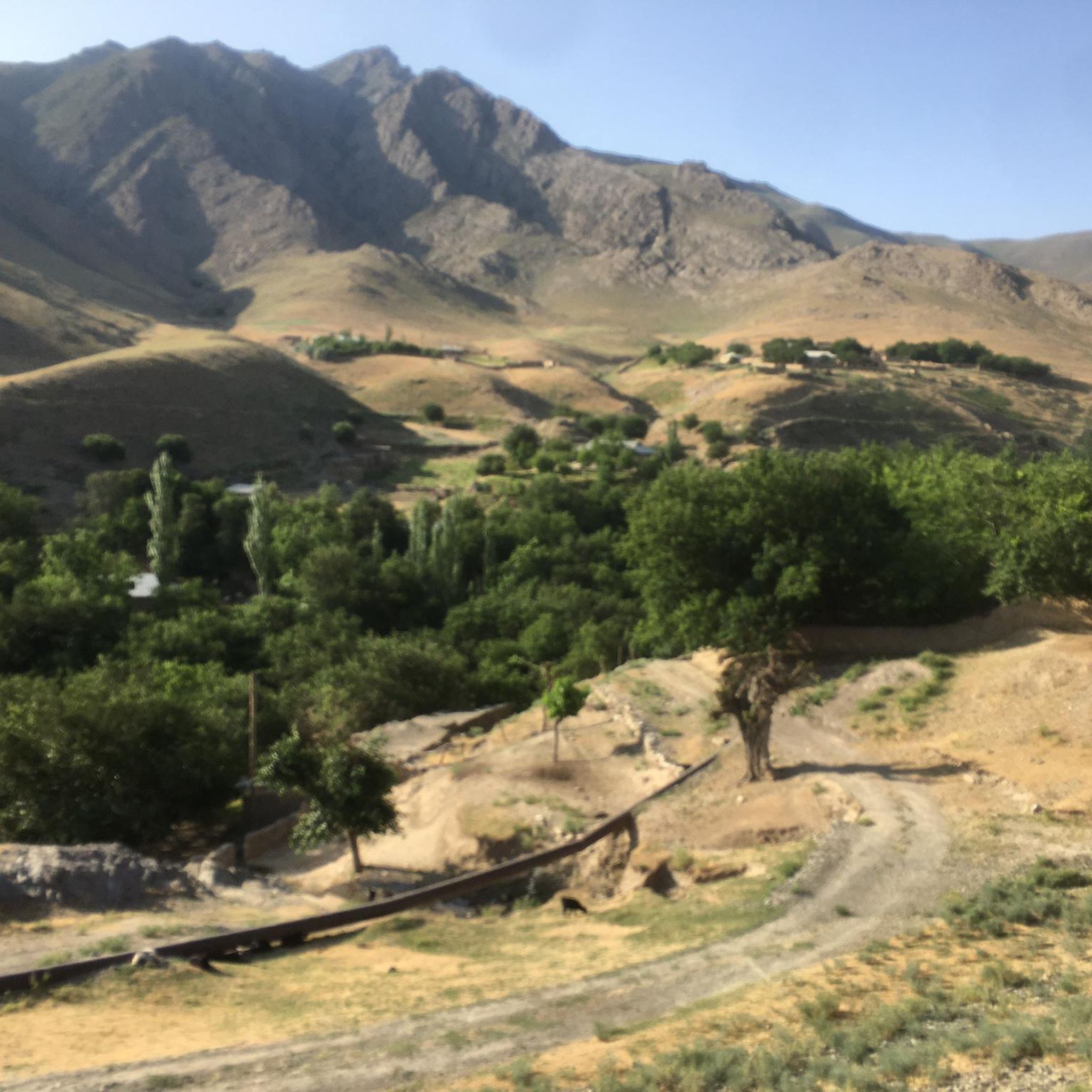
View of the Valley Between the Villages
Highlight • Viewpoint
Tip by

View of Mouflons
Highlight • Viewpoint
Translated by Google •
Tip by
Mountain Bike Ride to the Sayodd Yurt Camp
Highlight • Camping
Showing Translation
Tip by

Start today with a free account
Your next adventure awaits.
Login or Signup
Popular around Khrebet Nuratau
Tips from the Community

A luxury yurt camp in a very nice facility with a great pool, several leisure activities and a restaurant with good cuisine
0
0

They are not real mouflons. According to my information, it is about Severtsov's wild sheep. According to our guide, there are 21 of them in this small part of the reserve (April 2026).
0
0

Beautiful views of the mountain villages and the surrounding mountains. Benches invite you to picnic and relax.
0
0

beautiful path on shepherd's paths through a gorge where the mountains on the right and left become higher and higher
0
0

On this path, inside the national park, you will encounter mouflons
1
0
Easy hike to viewpoint between two villages
0
0

According to legend, the cypress was planted by soldiers of Alexander the Great, i.e. 2,500 years ago. Estimates suggest at least 1,500 years ago. Its trunk circumference is 24 meters.
0
0
Frequently Asked Questions
What natural wonders can I explore in the Khrebet Nuratau region?
The Khrebet Nuratau region is rich in natural beauty. You can discover the ancient and impressive Alexander's Cypress, a sacred tree estimated to be at least 1,500 years old. Explore the dramatic Mountain Canyon with its shepherd's paths, or enjoy panoramic vistas from the View of the Valley Between the Villages. The region also features the vast Aydarkul Lake, the ancient petroglyphs of Sarmysh-say Gorge, and the unique geological formations of Tamerlane's Gates.
Are there opportunities for wildlife spotting in Khrebet Nuratau?
Yes, the Nuratau Nature Reserve is a protected area vital for conserving unique flora and fauna. You might have the chance to spot endangered species such as Severtzov's wild sheep, which can be viewed from specific points like the View of Mouflons. The reserve is also an Important Bird Area, supporting various bird species including Egyptian and cinereous vultures, and saker falcons.
What historical and cultural sites can I visit in the area?
The region offers a deep dive into history and culture. You can visit the Chashma Complex in Nurata town, which includes a mosque and a sacred spring. Explore the ruins of the Nurata Fort, reportedly built by Alexander the Great, offering great views. The Sarmysh-say Gorge is home to ancient petroglyphs dating back to the Stone Age, depicting hunting scenes and animals. Additionally, traditional mountain villages like Sentob, Uhum, and Majerum provide opportunities for cultural immersion and experiencing local life.
What kind of outdoor activities can I do near these attractions?
The Khrebet Nuratau region is excellent for outdoor enthusiasts. You can enjoy hiking through diverse landscapes, from arid mountains to verdant valleys. There are also opportunities for mountain biking, with options like the ride to the Sayodd Yurt Camp. Aydarkul Lake offers fishing, bird-watching, and desert camping. For specific hiking routes, you can explore options like the 'View of the Mountain Valley – Petroglyphs loop from Sentab' or the 'Shepherds' Trail from Asrof – Water Bottle Rack loop from Asrof' found in the Hiking in the Khrebet Nuratau guide.
Are there family-friendly attractions or activities in Khrebet Nuratau?
Yes, there are several family-friendly options. The View of the Valley Between the Villages offers an easy hike suitable for families, with benches perfect for a picnic. Many traditional villages welcome visitors, allowing families to experience local culture and daily life. The Aydarkul Lake area also provides opportunities for relaxed activities like bird-watching and gentle walks.
What is the best time of year to visit Khrebet Nuratau?
The Khrebet Nuratau region is generally best visited in the spring (April-May) and autumn (September-October). During these seasons, the weather is milder and more pleasant for hiking and exploring the natural and cultural sites. Summers can be very hot, and winters can bring cold temperatures to the mountains.
Where can I find accommodation or amenities in the Khrebet Nuratau region?
Accommodation is primarily available through locally-run homestays in traditional villages like Sentob, Uhum, and Majerum, offering an authentic cultural experience. For a more luxurious option, the Sayodd Yurt Camp provides a comfortable stay with a pool and restaurant. Basic amenities and local eateries can be found in the larger villages and the town of Nurata.
Can I go hiking in the Khrebet Nuratau mountains?
Absolutely! The Nuratau Mountains offer diverse hiking opportunities for various skill levels. You can find trails through valleys with ancient trees, small waterfalls, and natural pools. Routes range from easy, like the 'Shepherds' Trail from Asrof – Water Bottle Rack loop from Asrof', to more challenging, such as the 'Petroglyphs of Sarmishsay loop from Hayat'. For more detailed routes, refer to the Hiking in the Khrebet Nuratau guide.
What is unique about the traditional villages in Khrebet Nuratau?
The traditional villages such as Sentob, Uhum, Ashraf, and Majerum offer a unique cultural immersion experience. Visitors can stay in locally-run homestays, observe traditional practices like bread baking and carpet weaving, and interact with the local Tajik, Kazakh, and Uzbek communities. These villages often serve as starting points for hikes and feature ancient irrigation channels, ruins of old fortresses, and petroglyph sites.
Are there any significant historical figures associated with the Khrebet Nuratau region?
Yes, the region has strong historical ties, notably with Alexander the Great. The ruins of the Nurata Fort are reportedly built by him, and local legend suggests that the ancient Alexander's Cypress was planted by his soldiers. The town of Nurata itself has origins dating back to his era, making it a place of historical significance.
Most popular routes in the Khrebet Nuratau

Get inspired with the komoot mobile app


