The best road cycling routes in Saint Marks National Wildlife Refuge
5.0
(1)
36
riders
5
rides
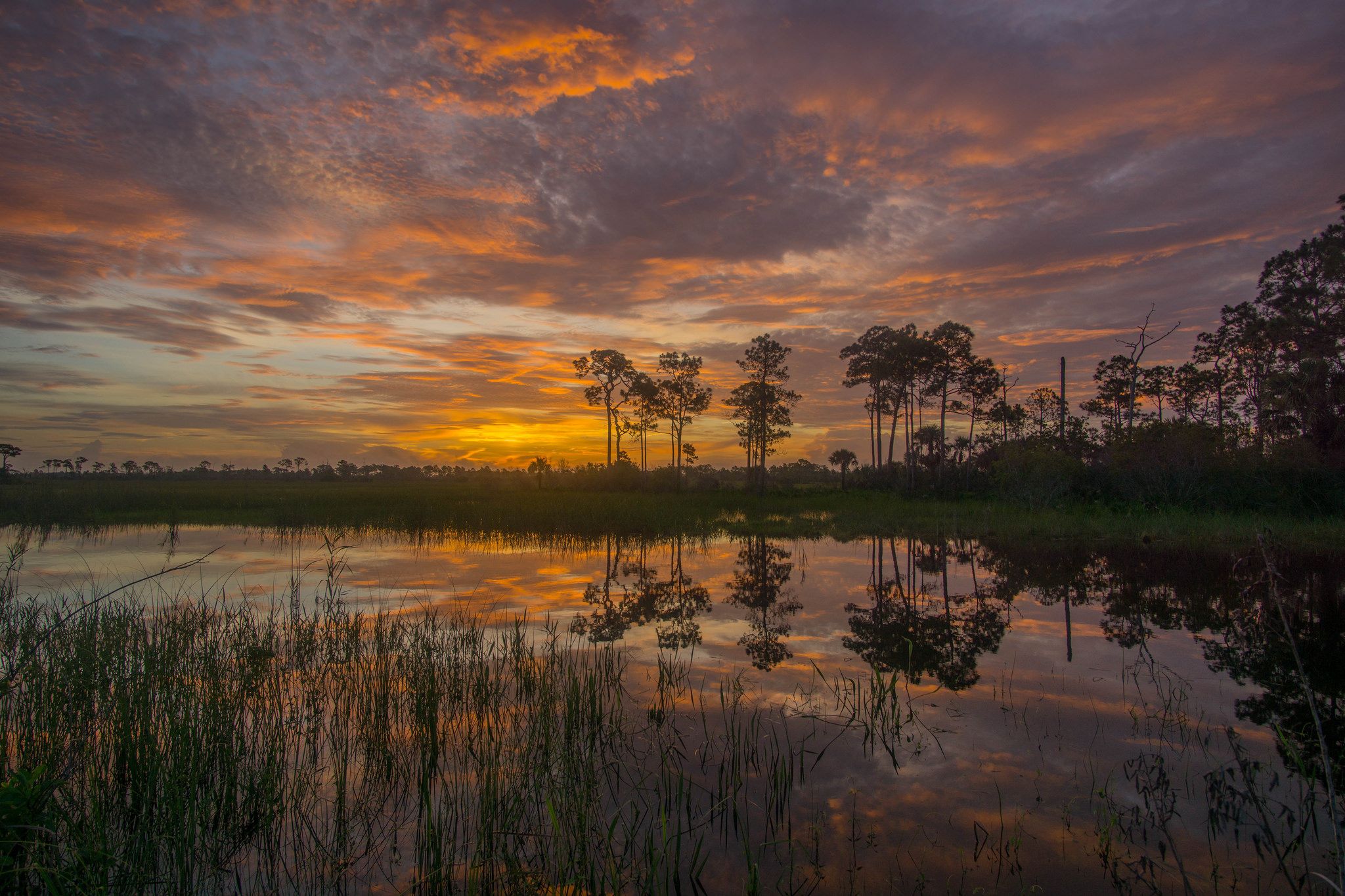
Road cycling in Saint Marks National Wildlife Refuge features a landscape characterized by coastal habitats, saltwater marshes, and inland pine flatwoods. The terrain is generally flat with minimal elevation changes, making it suitable for various skill levels. Cyclists can explore diverse ecosystems including tidal creeks, hardwood swamps, and pine-oak uplands. The refuge offers a network of roads and levees, providing opportunities for scenic rides through natural environments.
Best road cycling routes in Saint Marks National Wildlife Refuge
- The most popular…
Last updated: September 2, 2026
6
riders
70.6km
03:19
80m
80m
Moderate road ride. Good fitness required. Some segments of this route may be unpaved and difficult to ride.
7
riders
40.7km
01:52
30m
30m
Easy road ride. Great for any fitness level. Mostly well-paved surfaces and easy to ride.

Sign up for free
7
riders
43.7km
02:12
50m
50m
Moderate road ride. Good fitness required. Mostly well-paved surfaces and easy to ride.
6
riders
86.7km
04:04
90m
90m
Moderate road ride. Good fitness required. Mostly well-paved surfaces and easy to ride.
5.0
(1)
10
riders
Easy road ride. Great for any fitness level. Mostly well-paved surfaces and easy to ride.
Our route recommendations are based on thousands of hikes, rides, and runs completed by other people on komoot.
Start today with a free account
Your next adventure awaits.
Login or Signup
Popular around Saint Marks National Wildlife Refuge

Other adventures in Saint Marks National Wildlife Refuge

Tips from the Community

While hiking the Florida Trail, hikers must arrange boat passage across the St. Marks River. An old railroad bridge once stood here, but now it's just deep tidal waters. To cross, hikers either flag down passing boaters, aka a "boat hitch," or contact the local marina for a ferry. The alternate walk around the waterway would be an 11-mile walk, as the first bridge is US Highway 98.
0
0
Frequently Asked Questions
How many road cycling routes are available in Saint Marks National Wildlife Refuge?
There are 5 dedicated road cycling routes within the Saint Marks National Wildlife Refuge area, ranging from easy to moderate difficulty. These routes offer diverse experiences for cyclists looking to explore the region's natural beauty.
What kind of terrain can I expect on road cycling routes in Saint Marks National Wildlife Refuge?
While the refuge features many unpaved roads, the road cycling routes listed here are primarily on paved surfaces or well-maintained, smooth roads suitable for race bikes. You'll find relatively flat terrain, with minimal elevation changes, making for enjoyable rides. For example, the Mashes Sands Beach loop from Sopchoppy is an easy route with gentle gradients.
Are there any family-friendly road cycling options in the refuge?
Yes, Saint Marks National Wildlife Refuge offers several family-friendly road cycling routes. The relatively flat terrain and scenic views make it suitable for various skill levels. Routes like the Saint Marks River loop from First Baptist Church of Wakulla Station are classified as easy and are a great choice for families.
What notable landmarks or natural features can I see while road cycling?
Road cycling in the refuge offers opportunities to see diverse coastal and inland environments. A highlight is the historic St. Marks Lighthouse, built in 1842, which is accessible via Lighthouse Road. You can also enjoy views of saltwater marshes, tidal creeks, pine flatwoods, and potentially spot abundant wildlife, including migratory birds, alligators, and deer.
What is the best time of year to go road cycling in Saint Marks National Wildlife Refuge?
The cooler, drier months from October through April are generally considered the best for road cycling in Saint Marks National Wildlife Refuge. This period avoids the intense summer heat and humidity, and coincides with the peak season for migratory birds. October is particularly special as thousands of monarch butterflies pause here during their migration.
Is there an entrance fee or permit required for road cycling in the refuge?
Yes, there is a $5 car entrance fee to access Saint Marks National Wildlife Refuge. This fee applies to vehicles entering the refuge. No specific cycling permit is required beyond the standard entrance fee.
Where can I park my car when visiting for road cycling?
Parking is available at various trailheads and access points within the refuge. For instance, routes like the Mashes Sands Beach loop from Thompson Property Trailhead indicate specific starting points where parking facilities are typically provided. The Visitor Center also offers parking.
Are there any loop routes for road cyclists?
Yes, all the road cycling routes in Saint Marks National Wildlife Refuge are designed as loops, allowing you to start and end at the same point. Examples include the Saint Marks River loop from Mashes Sands Beach and the Saint Marks River loop from Wakulla Middle School, providing convenient circular journeys.
What do other road cyclists enjoy most about the routes here?
The komoot community highly rates the road cycling experience in Saint Marks National Wildlife Refuge, with an average score of 5.0 stars. Cyclists often praise the peaceful, scenic routes, the abundance of wildlife viewing opportunities, and the relatively flat terrain that makes for enjoyable, accessible rides through diverse natural landscapes.
Can I spot wildlife while road cycling in the refuge?
Absolutely! Saint Marks National Wildlife Refuge is renowned for its abundant wildlife. Cyclists frequently spot white-tailed deer, various bird species (especially during migration), and even alligators in wetland areas. Keep an eye out for river otters, bobcats, and foxes. The refuge is a critical wintering ground for migratory birds, making it an excellent birdwatching destination.
Are there amenities like cafes or restaurants near the road cycling routes?
While the refuge itself is focused on natural preservation, the nearby town of St. Marks, Florida, offers amenities such as cafes, restaurants, and accommodation options. It's a good place to refuel or relax before or after your ride.
What is the longest road cycling route available?
The longest road cycling route currently available is the Saint Marks River loop from Mashes Sands Beach, covering approximately 86.7 kilometers (53.9 miles). This moderate route offers an extended exploration of the refuge's scenic areas.
Most popular routes in Saint Marks National Wildlife Refuge

Get inspired with the komoot mobile app


Explore more
Browse the best Road cycling routes in other regions.
