Top 4 Natural Monuments around Baixa Da Banheira
Best natural monuments around Baixa Da Banheira include a variety of natural features and monuments that offer diverse outdoor experiences. The region, part of the Moita municipality, provides access to green spaces and riverside recreation along the Tejo estuary. These natural areas are valued for their role in providing opportunities for relaxation and outdoor activities.
Best natural monuments around Baixa Da Banheira
- The most popular natural monuments is Fernão Ferro Forest Trail, a trail that offers a path through…
Last updated: June 28, 2026
Ancient Gnarled Tree in Alfama
Highlight • Natural Monument
Translated by Google •
Tip by

São Pedro de Alcântara Garden
Highlight (Segment) • Viewpoint
Translated by Google •
Tip by

Sign up now to discover places like this
Get recommendations on the best single tracks, peaks, & plenty of other exciting outdoor places.
Sign up for free
Salinas do Samouco
Highlight • Natural
Between 1930 and 1970, cod were dried there.
Cod is a fish caught in cold northern waters such as Newfoundland.
Portugal in the 1920s imported all the cod consumed. In the 1920s, Portugal experienced hunger.
Translated by Google •
Tip by

Fernão Ferro Forest Trail
Highlight (Segment) • Trail
Translated by Google •
Tip by

Start today with a free account
Your next adventure awaits.
Login or Signup
Tips from the Community

The ancient, gnarled tree in Alfama seems to have witnessed countless stories from the neighborhood. With its thick trunk, twisted branches, and the shadows it casts on the cobblestones and house walls, it offers a tranquil counterpoint to the hustle and bustle of the narrow streets. A beautiful spot to pause, take a breath, and soak up the unique atmosphere of old Lisbon.
2
0

The former Limoeiro Square, currently a street connecting downtown Lisbon to the Portas do Sol viewpoint, is a must-see for tourists and part of the famous tram line 28. Next to the wall of the former Limoeiro Prison, now the Center for Judicial Studies, stands a Phytolacca dioica L., which replaced the lemon tree from which this square took its name. It is approximately 13 meters tall, 17 meters across its base, and 100 years old. This species is native to South America, has a very fast growth rate, and blooms between April and June.
1
1

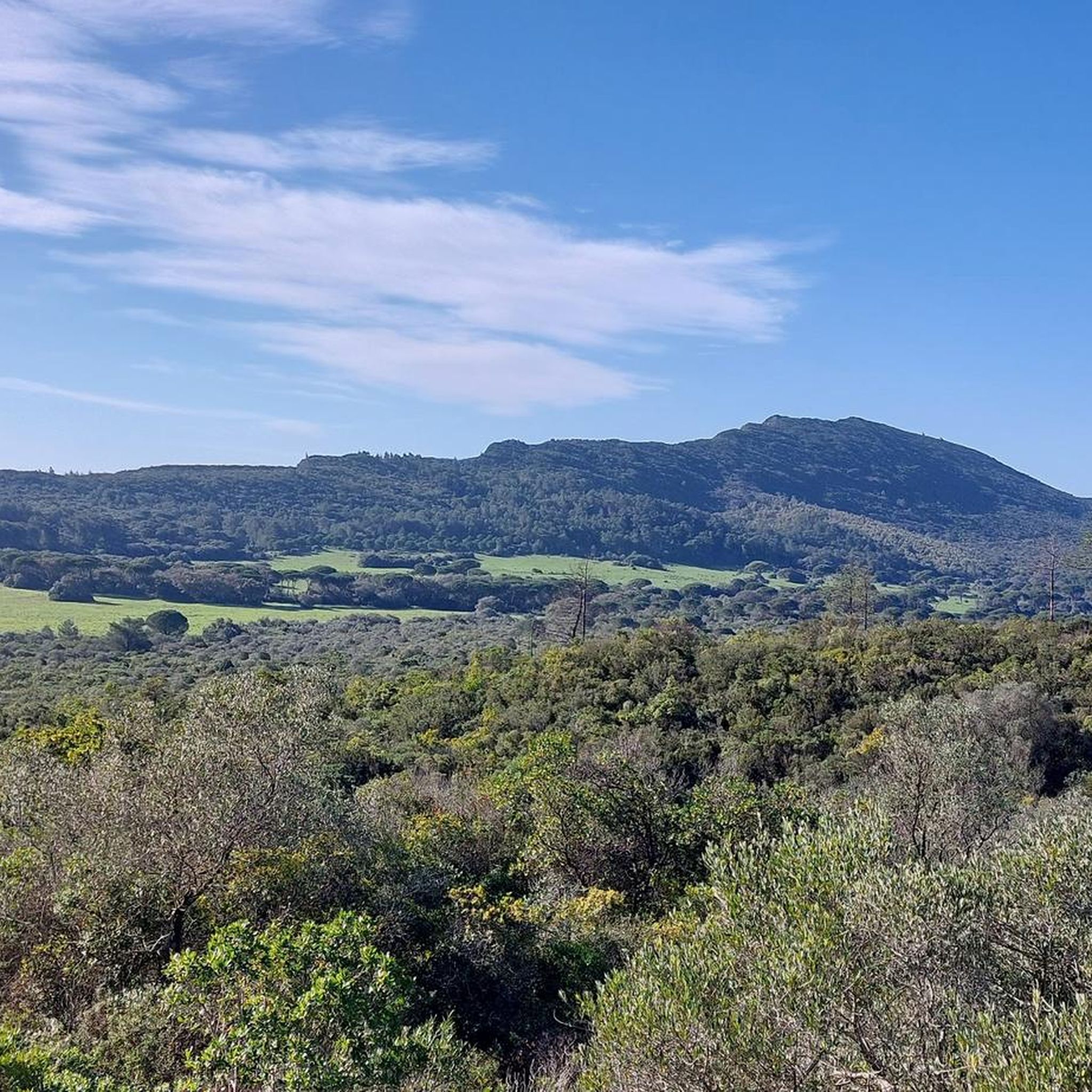
Hello everyone. The Seixal City Council wants to approve a project so that the construction company Alves Ribeiro can destroy half of the Seixal Forest - part of the Fernão Ferro / Lagoa de Albufeira protected area. Please sign our petition to stop this from happening. Best regards. See at: https://www.salvar-floresta-seixal.com/
2
0

Incredibly beautiful sights in this wonderful city!
1
2
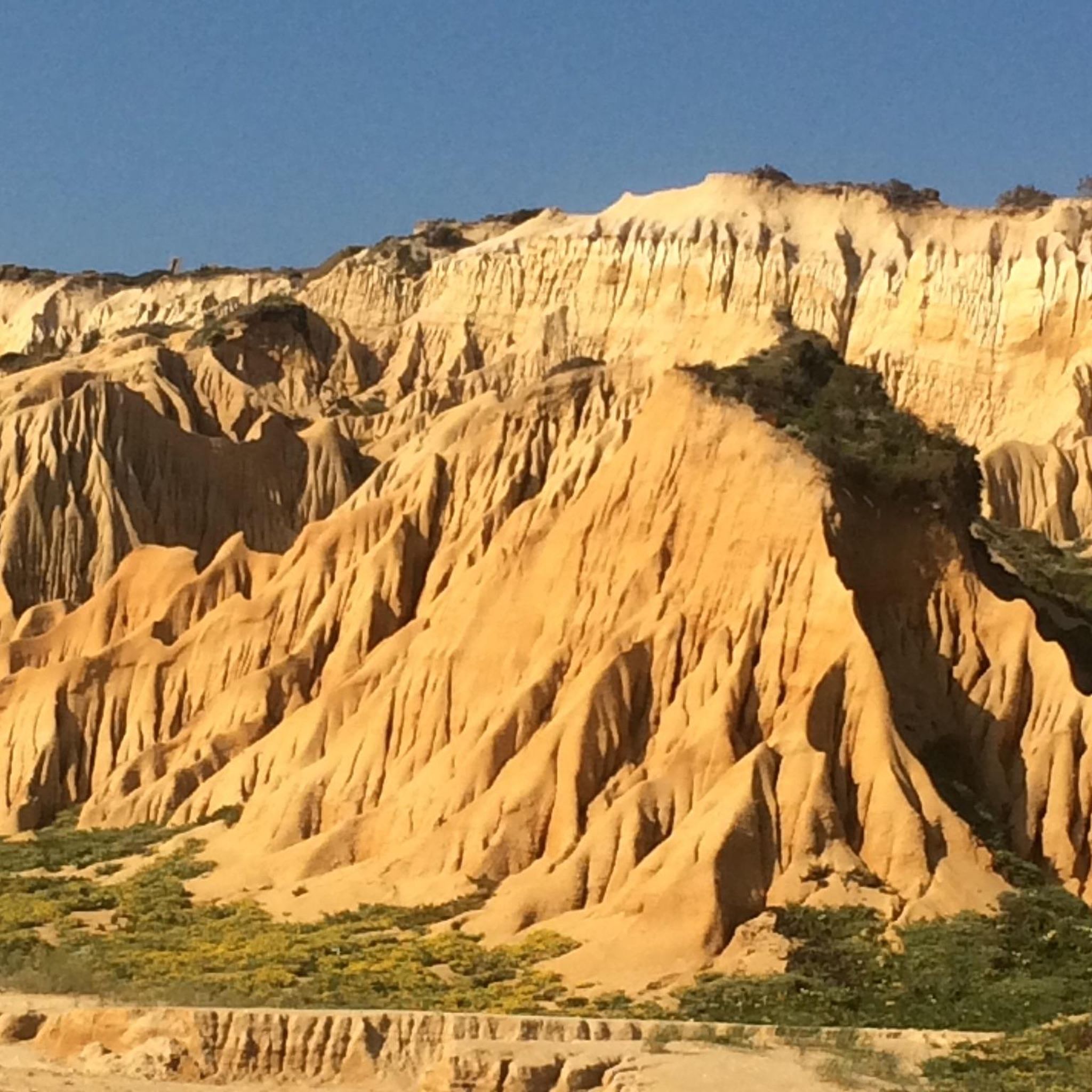
Incredible phenomenon. You don't see it every day! Right?
1
2


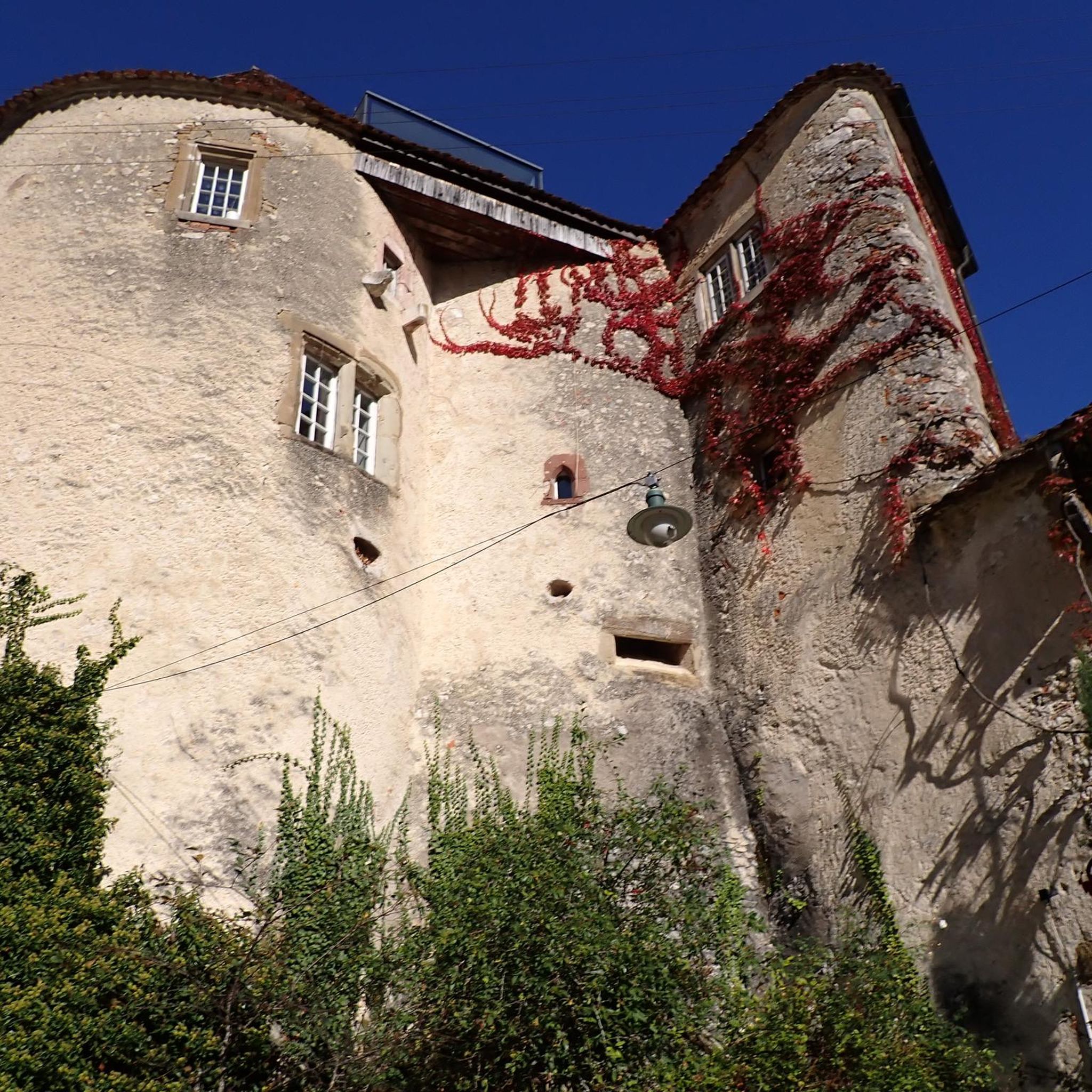
The "secadouro de Alcochete". Between 1930 and 1970, cod were dried there. Cod is a fish caught in cold northern waters such as Newfoundland. Portugal in the 1920s imported all the cod consumed. In the 1920s, Portugal experienced hunger. To remedy this problem, the former dictator Salazar had Portugal fish its cod and dry it industrially in Portugal. The secadouro de Alcochete was one of those places. Salazar popularized cod.
15
0
Frequently Asked Questions
What are some notable natural features to explore around Baixa Da Banheira?
While Baixa Da Banheira is not known for grand natural monuments, the region offers local natural attractions. The Salinas do Samouco provides a unique estuarine landscape, historically significant for salt production and cod drying. You can also find green spaces like Parque Municipal José Afonso and Rosário Beach, which offer riverside recreation along the Tejo estuary.
Are there family-friendly natural monuments in the area?
Yes, several natural monuments are suitable for families. The Salinas do Samouco is family-friendly, offering an interesting historical and natural experience. The Fernão Ferro Forest Trail is also a great option for families looking for a walk through nature. Additionally, the São Pedro de Alcântara Garden and its associated viewpoint are family-friendly spots with beautiful views.
What kind of outdoor activities can I do near these natural monuments?
The area around Baixa Da Banheira offers various outdoor activities. You can explore hiking trails, such as those found in the Hiking around Baixa Da Banheira guide, which includes routes like the 'Panoramic swing – Seixal Bay loop'. Cycling is also popular, with options like the 'School of Marines – Mata da Machada loop' available in the Cycling around Baixa Da Banheira guide. For runners, there are several routes, including a 'Running loop from Baixa da Banheira' in the Running Trails around Baixa Da Banheira guide.
Can I find viewpoints with natural scenery around Baixa Da Banheira?
Yes, there are excellent viewpoints that offer natural scenery, often combined with cityscapes. The São Pedro de Alcântara Garden and the View of Lisbon from Jardim de São Pedro de Alcântara provide stunning panoramic views over Lisbon, the Baixa district, and the Tejo estuary. The Salinas do Samouco also offers great views of the estuarine landscape.
Are there any historical or cultural natural monuments worth visiting?
Absolutely. The Ancient Gnarled Tree in Alfama is a natural monument with significant historical context, located in one of Lisbon's oldest neighborhoods. It's a unique natural element intertwined with the city's history. The Salinas do Samouco also holds historical importance related to Portugal's cod fishing industry.
What do visitors enjoy most about the natural spots in Baixa Da Banheira?
Visitors appreciate the tranquility and unique atmosphere these spots offer. For instance, the Ancient Gnarled Tree in Alfama is described as an 'incredible phenomenon' and a 'beautiful spot to pause'. The viewpoints like São Pedro de Alcântara Garden are highly valued for their 'best watchtowers to contemplate and photograph the city'.
Are there specific forest trails to explore?
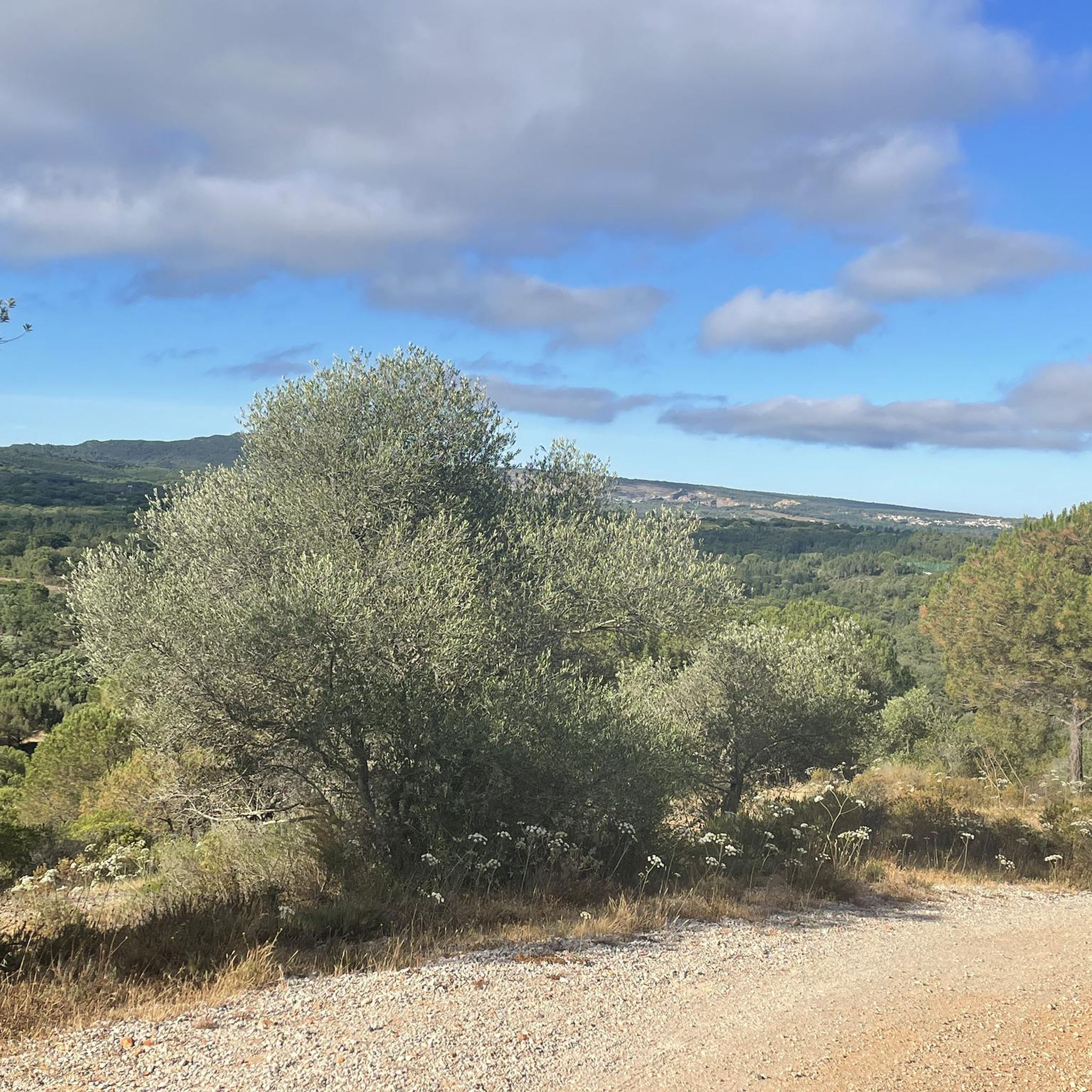
Yes, the Fernão Ferro Forest Trail is a notable natural monument that offers a fantastic trail through a pine forest. It's a great option for those looking to immerse themselves in a woodland environment.
What is the best time to visit the natural monuments around Baixa Da Banheira?
The region generally enjoys a mild climate, making it pleasant to visit most of the year. Spring (April-June) and autumn (September-October) offer comfortable temperatures for outdoor activities and exploring the natural spaces. The Ancient Gnarled Tree in Alfama, for example, blooms between April and June, adding to its charm.
Are there any natural areas suitable for running near Baixa Da Banheira?
Yes, the area provides several running opportunities. The Running Trails around Baixa Da Banheira guide features routes such as a 'Running loop from Baixa da Banheira' and a 'Running loop from Moita', allowing you to enjoy the natural surroundings while exercising.
Are the natural monuments around Baixa Da Banheira accessible by public transport?
Many natural spots and viewpoints, especially those closer to urban centers like the São Pedro de Alcântara Garden, are well-served by public transport, including Lisbon's famous tram lines. For more remote natural areas or trailheads, local bus services might be available, but checking specific routes and schedules in advance is recommended.
Can I find unique natural features like ancient trees in the region?
Indeed. The Ancient Gnarled Tree in Alfama is a prime example of a unique natural feature. This Phytolacca dioica L., approximately 100 years old, stands out with its thick trunk and twisted branches, offering a distinctive natural landmark.
Most popular attractions around Baixa Da Banheira

Get inspired with the komoot mobile app


Explore more
Extend your search for the best caves by checking out these guides of the top ones around Baixa Da Banheira:
