Top 3 Natural Monuments around Yvias
Natural monuments around Yvias offer diverse landscapes in the Côtes-d'Armor region of Brittany. The area features significant coastal formations and historical sites integrated with natural settings. These locations provide opportunities to observe geological features and explore the region's natural heritage. The varied terrain includes dramatic viewpoints and ecologically important coastal strips.
Best natural monuments around Yvias
- The most popular natural monuments is Beauport Abbey, a man-made monument that is located directly on the sea and preserves an exceptional natural…
Last updated: July 2, 2026
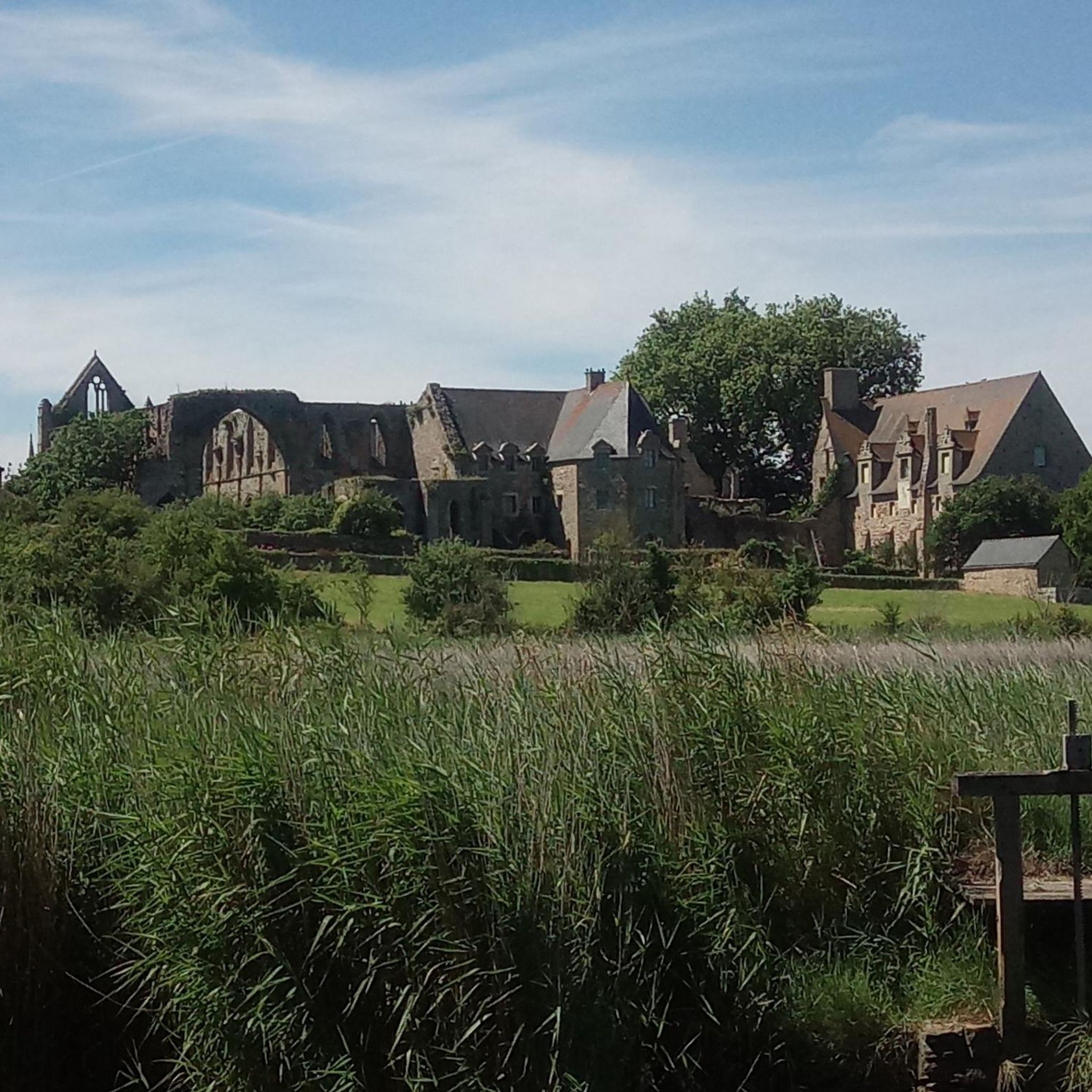
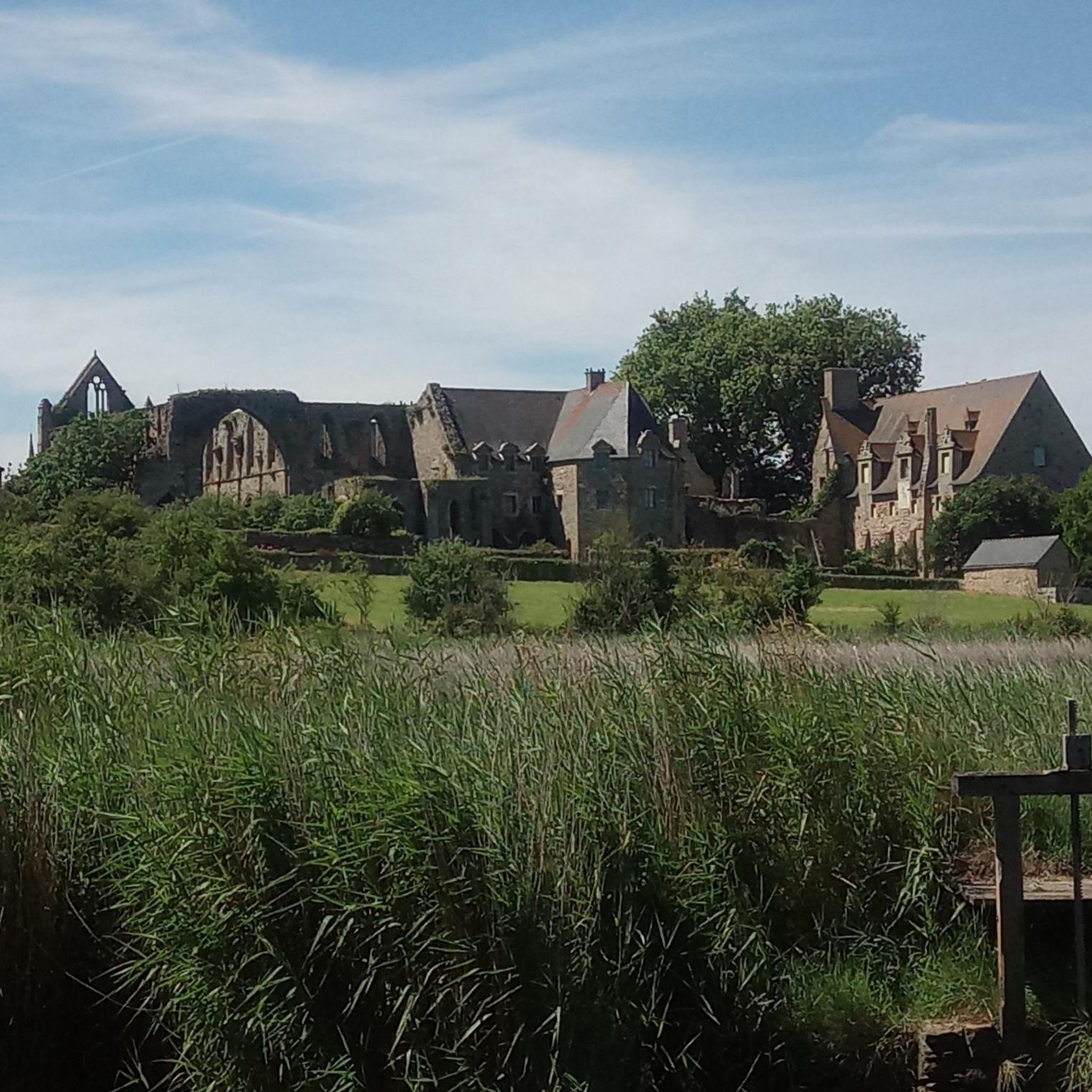
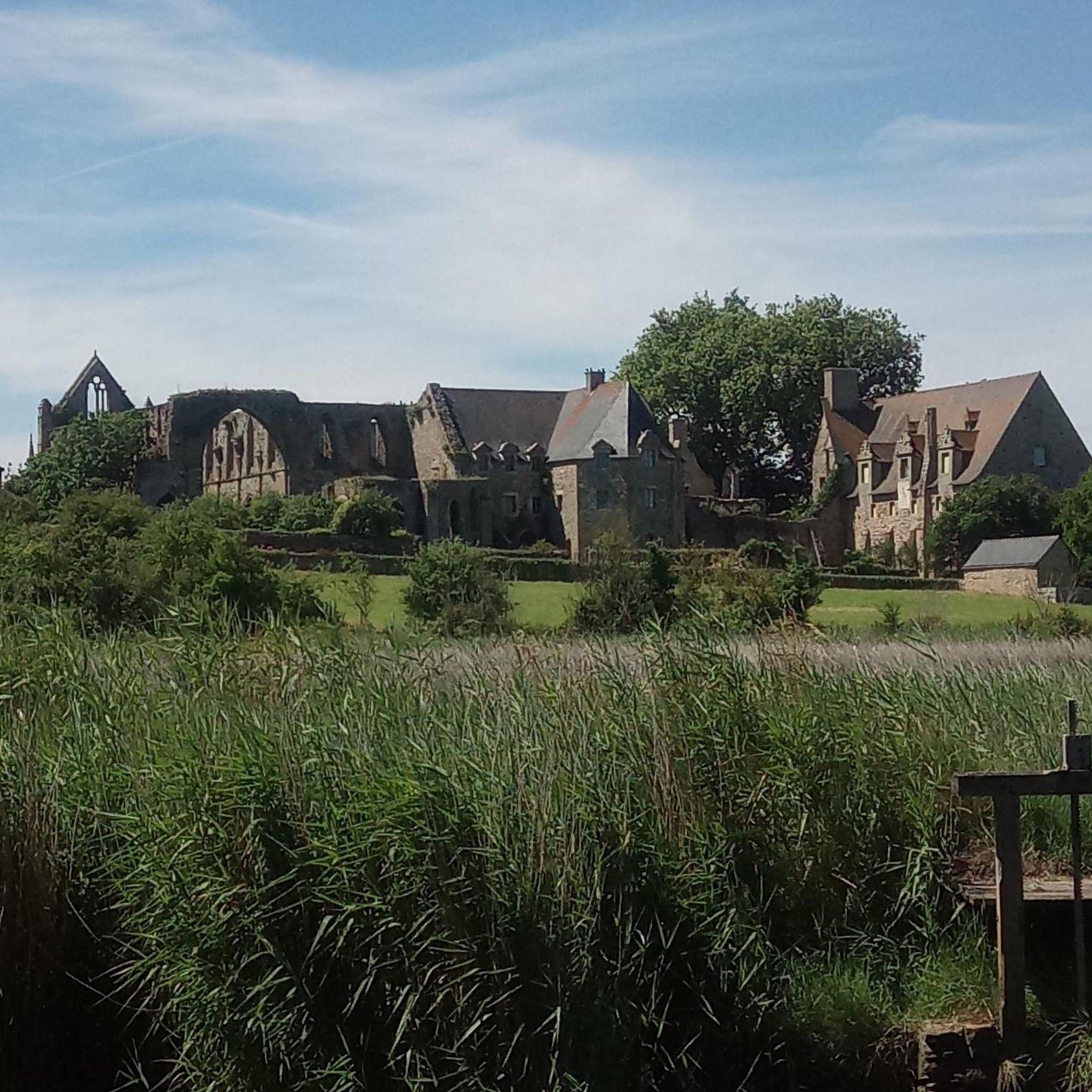
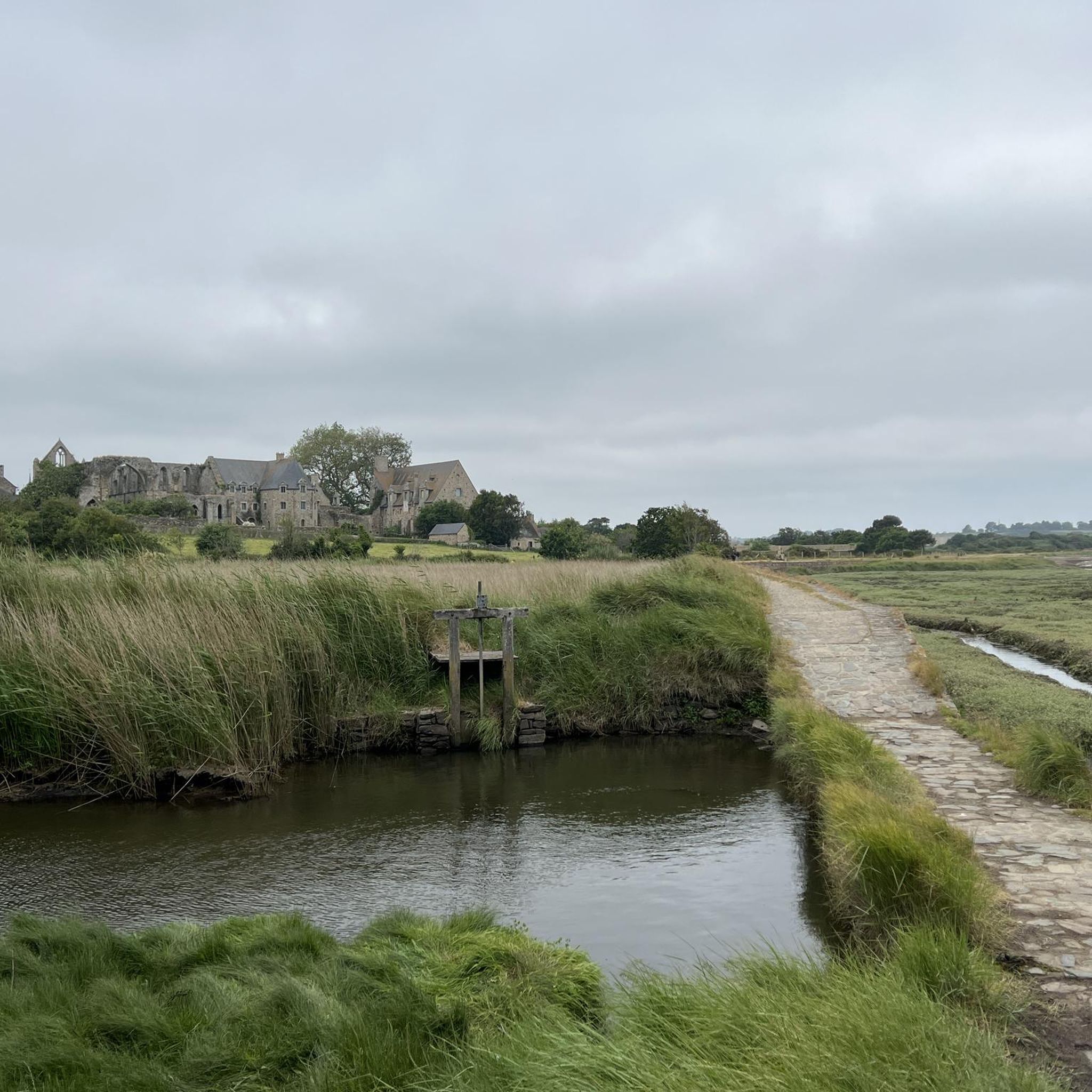
Beauport Abbey
Highlight • Monument
Translated by Google •
Tip by

Pointe de Minard
Highlight • Viewpoint
Translated by Google •
Tip by

Sign up now to discover places like this
Get recommendations on the best single tracks, peaks, & plenty of other exciting outdoor places.
Sign up for free
View of the Bréhat Archipelago and Phare de L'Ost Pic from Pointe de Bilfot
Highlight • Viewpoint
Translated by Google •
Tip by

Kapelle Saint Jacques
Highlight • Religious Site
Translated by Google •
Tip by

Start today with a free account
Your next adventure awaits.
Login or Signup
Tips from the Community


A very beautiful monastery ruin. All descriptions of the individual sights are multilingual, so you can get by very well even without sufficient knowledge of French.
1
0

From the end of Bilfot Point, the panorama is breathtaking. The bay of Paimpol and the Bréhat archipelago enhance the landscape. Note, the tip of Bilfot is the result of volcanic eruptions which gives a blackish color to the surrounding rock.
1
0

Name linked to the name of the village Minard, located near this point. There was a pyramid here, destroyed by the Germans, it was used as a bittern for sailors, there was also talk of gold in this place in connection with maritime smuggling. Culminating at 70 m above the sea, equipped with a battery of cannons, of which only a few ruins remain.
0
0
In the bay of Paimpol, Beauport Abbey is a remarkable monastic complex, a major witness to religious architecture in Brittany. It is also an exemplary place of conservation, where the interests of the monument combine with those of an exceptional natural site. At the dawn of the 13th century, Count Alain de Goëlo founded the Beauport Abbey and installed canons of the Premonstratensian order there. For 500 years, the religious community shaped the place and implemented important developments, while respecting their monastic rules and the needs of their community life. Closed during the French Revolution, then sold as national property, the abbey buildings were in turn transformed into a stable, town hall, bourgeois apartments, school and cider house.
0
0

A very beautiful monastery complex that is worth a visit, as the starting point of the Way of St. James is located right next to the Abbaye de Beauport.
4
0

There is a bench next to the spring in the shade of the chapel! Don't think twice, just take a break in the most beautiful surroundings.
0
0
Frequently Asked Questions
What unique geological features can I explore near Yvias?
The region around Yvias offers several distinctive geological features. The Pointe de Bilfot is notable for its blackish rock, a result of ancient volcanic eruptions, providing a dramatic backdrop to panoramic views. Further afield, the Sillon de Talbert is a remarkable 3.2-kilometer coastal strip of sand and pebbles, a true geological curiosity and an ecologically important area.
Are there natural monuments with historical significance around Yvias?
Yes, several natural sites in the area are intertwined with history. Beauport Abbey, while man-made, is situated directly on the sea and preserves an exceptional natural site, serving as a major witness to 13th-century religious architecture. Pointe de Minard, a viewpoint 70 meters above the sea, once featured a pyramid used as a marker for sailors and still shows ruins of a cannon battery. Bonaparte Beach (Anse Cochat) is also historically significant, known for its tunnel carved into the rock and its role in the French Resistance during WWII.
What are the best viewpoints to experience the natural beauty of the region?
For breathtaking vistas, visit Pointe de Bilfot, which offers panoramic views of the Bay of Paimpol and the Bréhat archipelago. Another excellent spot is Pointe de Minard, culminating at 70 meters above the sea, providing expansive views of the coastline.
Are there family-friendly natural monuments around Yvias?
Yes, the region has options suitable for families. The Kapelle Saint Jacques is a religious building set in beautiful surroundings, with a bench next to a spring, perfect for a peaceful family break. Bonaparte Beach, with its unique tunnel and sandy shores, can also be an engaging visit for families, combining natural exploration with a touch of history.
What outdoor activities can I do near these natural monuments?
The area around Yvias is excellent for various outdoor activities. You can find numerous routes for gravel biking, road cycling, and mountain biking. For example, there are gravel biking routes like the 'Port of Paimpol – Paimpol loop' and road cycling routes such as 'Beauport Abbey – View of Pointe de Minard loop'. Explore more options on the Gravel biking around Yvias, Road Cycling Routes around Yvias, and MTB Trails around Yvias guide pages.
Are there hiking trails near these natural monuments?
While specific hiking trails directly linked to these monuments aren't detailed, the region's coastal paths and natural areas like the Sillon de Talbert offer excellent opportunities for walking and exploring on foot. The nearby cycling routes often follow scenic paths that can be adapted for hiking, providing access to the natural beauty of the area. You can find more inspiration on the various outdoor activity guides for the region.
What ecological or natural reserves are worth visiting?
The Sillon de Talbert is a significant ecological site, serving as an important area for bird migration and nesting due to its unique flora. Its impressive length and natural value make it a compelling natural wonder. Additionally, the broader region includes the Réserve naturelle nationale des Sept-Îles, known for its rich biodiversity.
What do visitors enjoy the most about the natural monuments around Yvias?
Visitors particularly appreciate the stunning panoramic views, especially from spots like Pointe de Bilfot and Pointe de Minard. The blend of natural beauty with historical elements, such as the 13th-century Beauport Abbey set by the sea, is also highly valued. The unique geological formations and the opportunities for outdoor exploration contribute to a memorable experience.
Is Bonaparte Beach accessible, and what makes it special?
Bonaparte Beach, also known as Anse Cochat, is distinctive for its accessibility through a tunnel carved directly into the rock. This unique entrance adds to its charm. Beyond its natural beauty, it holds significant historical importance as a site where French Resistance members smuggled Allied pilots during World War II, with commemorative plaques within the tunnel marking these events.
Can I find less crowded natural monuments near Yvias?
While popular spots like the viewpoints can attract visitors, exploring areas like the Sillon de Talbert, especially outside peak tourist times, can offer a more tranquil experience due to its expansive nature. The various smaller natural sites mentioned in the region research, such as Menez Bré or Île Milliau, might also provide a quieter escape compared to the main attractions.
What is the Sillon de Talbert, and why is it important?
The Sillon de Talbert is a remarkable coastal strip of sand and pebbles stretching over 3.2 kilometers. It is not only a geological curiosity but also an ecologically important area. It serves as a significant site for bird migration and nesting due to its unique and extraordinary flora, making it a vital natural habitat in the region.
Are there any natural monuments that are suitable for a quick stop or a longer visit?
For a quick stop with impressive views, Pointe de Bilfot or Pointe de Minard are ideal. If you're looking for a longer visit that combines nature, history, and exploration, Beauport Abbey offers extensive grounds and exhibitions. The Sillon de Talbert also provides a long stretch for leisurely walks and birdwatching.
Most popular attractions around Yvias

Get inspired with the komoot mobile app


Explore more
Extend your search for the best caves by checking out these guides of the top ones around Yvias:
