Top 7 Natural Monuments around Pina De Ebro
Best natural monuments around Pina De Ebro are found in a region characterized by the transition between the fertile Ebro Valley and the arid Monegros landscape. This area features unique ecosystems, including well-preserved juniper forests and vast semi-desert expanses. Pina De Ebro offers 7 natural monuments that showcase its ecological and scenic value. These sites provide opportunities to explore diverse natural settings.
Best natural monuments around Pina De Ebro
- The most popular natural monuments is Bujal Viewpoint, a viewpoint…
Last updated: October 16, 2026
Los Monegros Desert
Highlight • Natural
Showing Translation
Tip by

Bujal Viewpoint
Highlight • Viewpoint
We will arrive at this viewpoint, where we find amazing views of the ravine.
Translated by Google •
Tip by

Sign up now to discover places like this
Get recommendations on the best single tracks, peaks, & plenty of other exciting outdoor places.
Sabina Cascarosa
Highlight • Natural Monument
We will find some benches and an area to leave the car.
Translated by Google •
Tip by
El Cabezo de la Horca
Highlight • Historical Site
From this …
Translated by Google •
Tip by
View of the Saladas de Sástago
Highlight • Viewpoint
Translated by Google •
Tip by
Start today with a free account
Your next adventure awaits.


Other adventures around Pina De Ebro

Tips from the Community

Mirador monegrosenamora route of the viewpoints Monegrillo
0
0

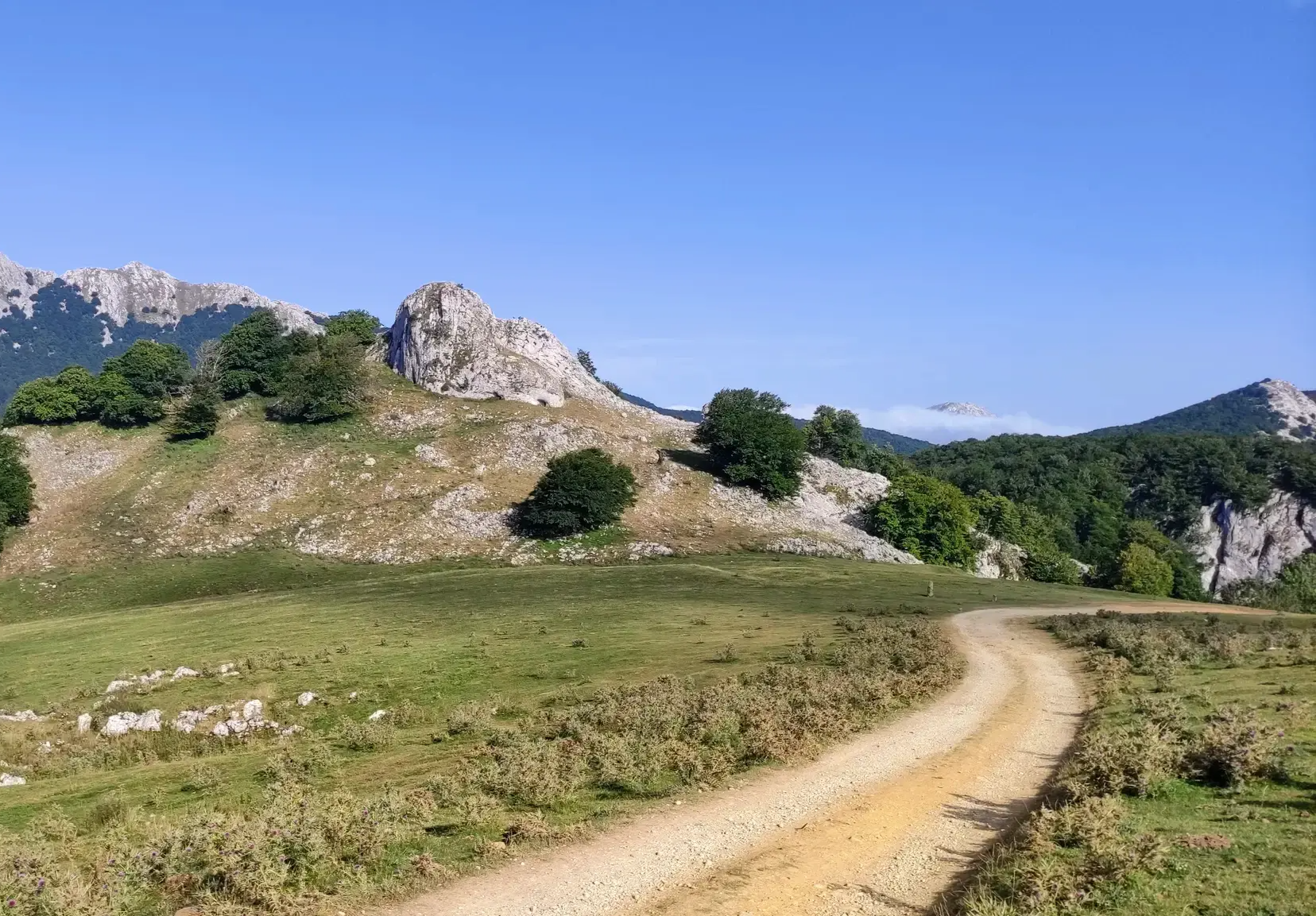
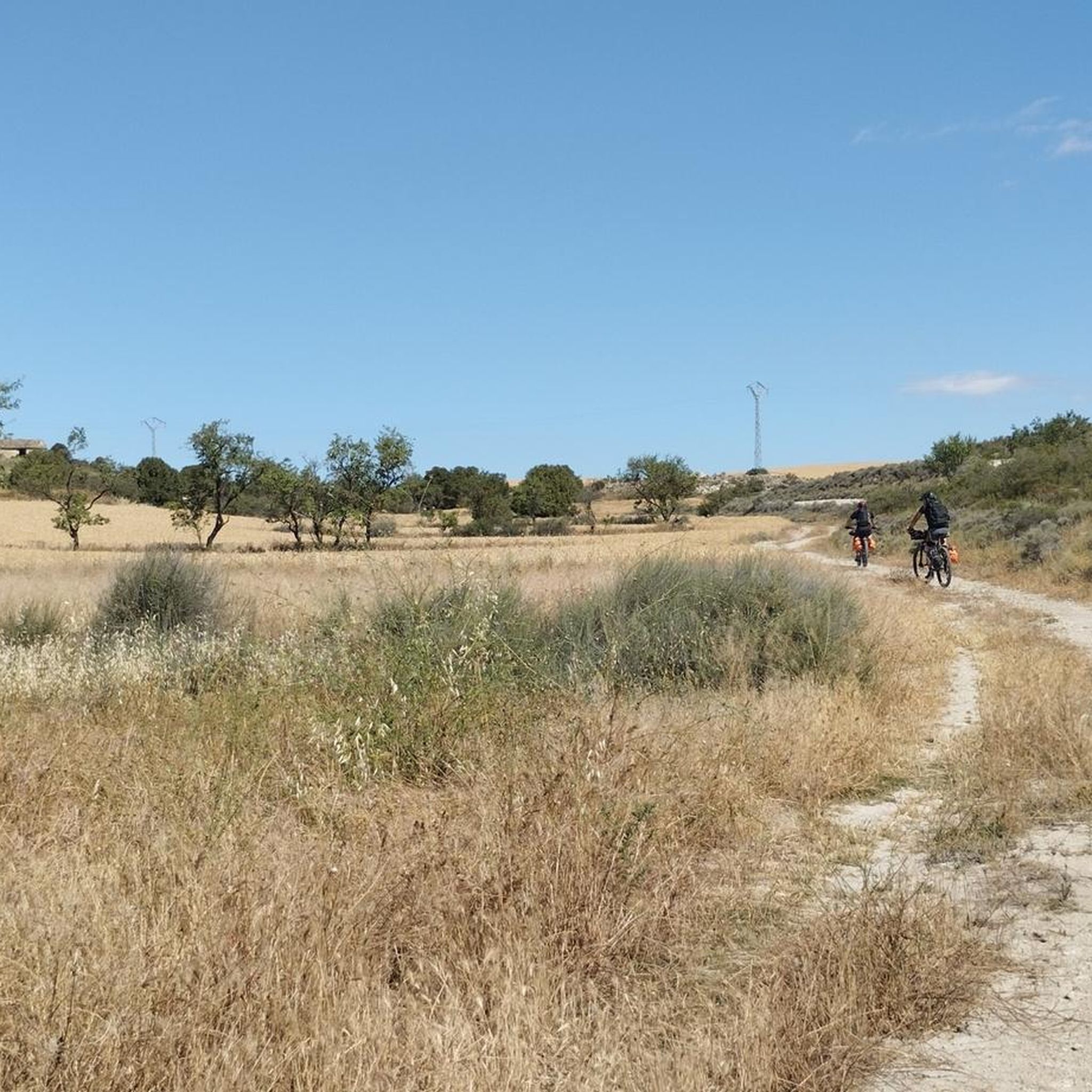
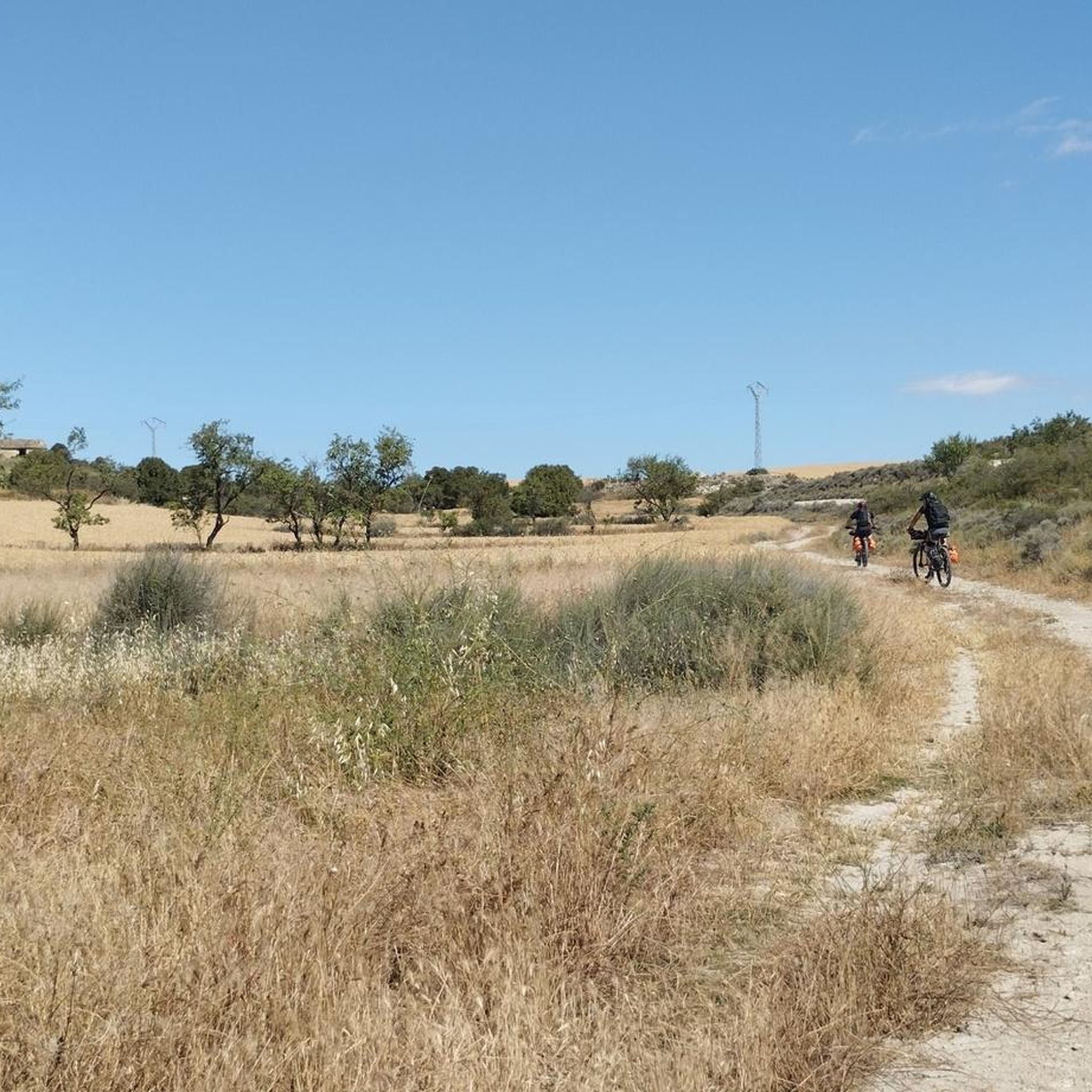
Los Monegros form a unique steppe landscape in Europe, a vast semi-desert area between Zaragoza and Huesca that surprises with its silence, vastness, and biodiversity. Despite its arid appearance, it hosts over 5000 species and a high number of endemic species, making it a very special destination for those who enjoy open nature and infinite horizons. Its tracks and service roads are ideal for long and quiet routes, both on foot and by bike, always carrying water and sun protection due to the scarce shade.
2
0

A pretty circular shape, but be careful in some places, you have to guess.
0
0

This is where the Ruta de los Miradores really begins – a wonderful mountain road for MTB and gravel bikes.
0
0

A natural viewpoint on a hill near Monzón offers excellent views of the Cinca River valley, the agricultural plain, and, on clear days, the Pyrenees. This is an ideal spot to stop, take photos, or rest during a mountain bike or gravel ride through the Cinca Medio. This peaceful setting is accessible via rural trails and connected to other points of interest such as the La Maza Refuge, Cabezo de Rodén, and Laguna de la Mediana.
0
0

Much nicer to look at than the photos suggest. Very nice track to get there.
1
0

At this point, we can approach the Lagoon along the path and we will have beautiful views of the Laguna de la Playa (the largest and most representative of the salt lakes that make up the complex) that we find in the Saladas de Sástago, a unique saline landscape in Europe that fills up completely only in times of abundant rain.
1
0
On our way, following the forest track bordering the spectacular Bujal ravine, We will arrive at this viewpoint, where we find amazing views of the ravine.
2
0
Frequently Asked Questions
What unique natural features can I explore around Pina de Ebro?
Pina de Ebro is characterized by a fascinating transition between the fertile Ebro Valley and the arid Monegros region. You can explore the unique steppe landscape of the Monegros Desert, known for its vastness and biodiversity. Another significant feature is La Retuerta de Pina de Ebro, home to one of the best-preserved juniper forests in the Iberian Peninsula, offering a unique microclimate and diverse flora. The area also features 'galachos,' which are abandoned river meanders like the Galacho del Molino, forming unique wetlands with rich aquatic life.
Are there family-friendly natural monuments or activities near Pina de Ebro?
Yes, several natural spots are suitable for families. Sabina Cascarosa is a great starting point for a route of viewpoints and has an area for parking, making it convenient for families. The View of the Saladas de Sástago offers beautiful views of a unique saline landscape, and you can approach the lagoon along a path. The open landscapes of the Monegros Desert also offer opportunities for easy walks suitable for families, allowing children to experience a unique semi-desert environment.
What kind of outdoor activities can I do near the natural monuments?
The region around Pina de Ebro is excellent for various outdoor activities. You can enjoy long walks or cycling routes through the Monegros Desert, which offers endless horizons. The GR 99, also known as the Camino Natural del Ebro, passes through the area, providing opportunities for walking or cycling along the Ebro River. For more structured routes, you can explore options for gravel biking, MTB trails, and road cycling routes that traverse the diverse landscapes of the Ebro Valley and Monegros.
Are there any historical or cultural sites integrated with the natural monuments?
Yes, the area blends natural beauty with historical significance. El Cabezo de la Horca is an ancient Iron Age town site, offering a glimpse into the region's past along with scenic views. The Ermita de San Gregorio, while not a highlight in this guide, is a cultural site situated on a promontory offering magnificent natural viewpoints of both the Ebro valley and the Monegros landscape, and hosts an annual pilgrimage.
What is the best time of year to visit the natural monuments around Pina de Ebro?
The best time to visit is generally during spring (March to May) and autumn (September to November). During these seasons, temperatures are milder, making outdoor activities like hiking and cycling more comfortable. Summer can be very hot, especially in the Monegros Desert, and requires careful planning with plenty of water and sun protection. Winter can be pleasant for walks, though some areas might be cooler.
Are the trails and natural areas around Pina de Ebro dog-friendly?
Many natural areas and trails around Pina de Ebro are generally dog-friendly, especially the open landscapes of the Monegros Desert and the various walking paths. However, it's always recommended to keep dogs on a leash to protect local wildlife and ensure their safety, particularly in areas with livestock or sensitive ecosystems. Always carry water for your dog, especially in arid environments.
Where can I find scenic viewpoints in the area?
Pina de Ebro offers several excellent viewpoints. The Bujal Viewpoint provides amazing views of the spectacular Bujal ravine, accessible via a forest track. The Ermita de San Gregorio, located on a promontory, offers panoramic views of the Ebro valley's orchards and the extensive Monegros landscape. Additionally, Sabina Cascarosa marks the beginning of a route of viewpoints.
What are the typical landscapes I will encounter in the Monegros Desert near Pina de Ebro?
The Monegros Desert is a unique steppe landscape characterized by its vastness, silence, and open horizons. You will encounter arid terrain, saline soils, and specialized flora adapted to these dry conditions. Despite its desert-like appearance, it is rich in biodiversity, including many endemic species. The landscape is ideal for experiencing a sense of wilderness and solitude.
Is public transport available to reach the natural areas?
While public transport options directly to all remote natural areas might be limited, Pina de Ebro itself is accessible. For reaching specific natural monuments or trailheads, a personal vehicle is often the most convenient option. Some areas, like sections of the GR 99, might be accessible from villages with bus connections, but planning ahead is essential.
Are there any unique forest areas to explore?
Yes, La Retuerta de Pina de Ebro is a remarkable natural area featuring one of the best-preserved juniper forests (sabinar) in the Iberian Peninsula. This unique island of vegetation within the Monegros steppes supports a juniper population typically found in higher, colder regions, showcasing its distinct microclimate. You can explore its intricate network of ravines and hills, which are home to both juniper and Aleppo pines.
What do visitors enjoy most about the natural monuments around Pina de Ebro?
Visitors particularly appreciate the unique contrast between the fertile Ebro Valley and the arid Monegros landscape. The sense of vastness and silence in the Monegros Desert is often highlighted. The spectacular views from spots like the Bujal Viewpoint and the ecological significance of areas like La Retuerta de Pina de Ebro also receive high praise. The opportunity for long, leisurely routes on foot or by bike through diverse natural settings is a major draw.
Are there any wetlands or water features to visit?
Yes, the Galacho del Molino is a notable wetland area. 'Galachos' are unique ecosystems formed by abandoned meanders of the Ebro River, characterized by clear waters, diverse aquatic flora, and riverside forests. These areas are ecologically significant, providing crucial habitats and showcasing the natural dynamics of the Ebro River. You can also find the unique saline landscape of the Saladas de Sástago, which includes lagoons that fill completely during periods of abundant rain.
Most popular routes around Pina De Ebro
Most popular attractions around Pina De Ebro

Get inspired with the komoot mobile app


Explore more
Extend your search for the best caves by checking out these guides of the top ones around Pina De Ebro:
