Top 2 Natural Monuments around Comberbach
Natural monuments around Comberbach offer diverse landscapes and natural features in Cheshire, England. The area provides opportunities to explore woodlands, wetlands, and lakes. These sites are recognized for their ecological importance and tranquil settings. Visitors can experience a variety of natural environments suitable for outdoor activities.
Best natural monuments around Comberbach
- The most popular natural monument is Blakemere Moss, a natural monument that is a flooded area within Delamere Forest. It is a Site of Special Scientific Interest, known…
Last updated: October 14, 2026
Blakemere Moss
Highlight • Natural Monument
Tip by

Lymm Dam
Highlight • Lake
Tip by

Sign up now to discover places like this
Get recommendations on the best single tracks, peaks, & plenty of other exciting outdoor places.
Doolittle Moss
Highlight • Natural
Tip by

Daresbury Firs Local Nature Reserve
Highlight • Natural Monument
Tip by

Cedar of Lebanon in Walton Gardens
Highlight • Natural Monument
It is mentioned often in the Hebrew scriptures.
Tip by

Start today with a free account
Your next adventure awaits.
Other adventures around Comberbach

Tips from the Community

Lovely ride through Delamere Forest. You can't go wrong on a mtb or emtb. I entered the forest at New Pale and went round lots of trails to the holiday lodges and came out on Waterloo Lane.
0
0
very boggy here, step into the trees at the left then edge along the bank to get on the track.
0
0

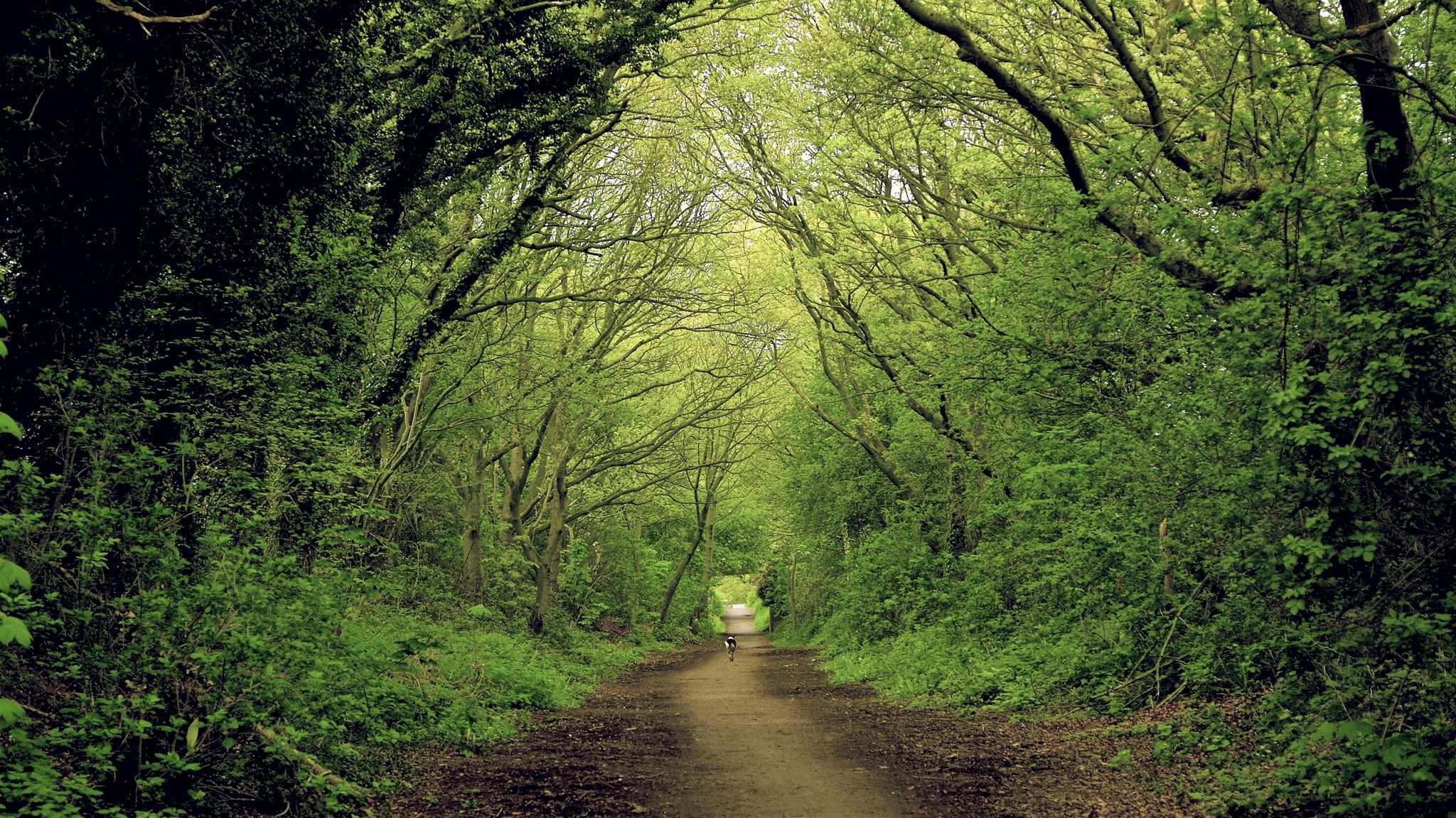
This was a commercial plantation – effectively a tree factory – planted over 30 years ago. There had been a woodland at Daresbury in the 19th century, but this had mostly been cut down by 1910. The conifer plantation that we see now was planted in 1978. The trees on Keckwick Hill behind Daresbury Firs are not part of the plantation. In this more natural woodland, if trees are cut down it is to let in light for wildflowers and young trees to grow, or to make the woodland safer and easier for the public to use.
1
0

Blakemere Moss at Delamere Forest is a reclaimed wetland area. The Moss was originally formed from two kettle holes (water filled hollows formed by a detached mass of glacial ice melted in situ towards the end of the last ice age). Delamere Forest is made up of more than 100 peatland basins and includes several sites of rare 'quaking' bogland, a phenomenon in which sphagnum mosses form a carpet above peaty water that appears to tremble when trodden on. The area was drained from the 1800's, supposedly by prisoners from the Napoleonic Wars and planted with trees, (mainly oak and Scot's Pine) between 1793-1815 to provide timber for shipbuilding. The Forestry Commission planted the moss with pine and western hemlock during the 1940s, which proved uneconomic. In the late 1990's the Commission allowed the area to re-flood again naturally.
1
0

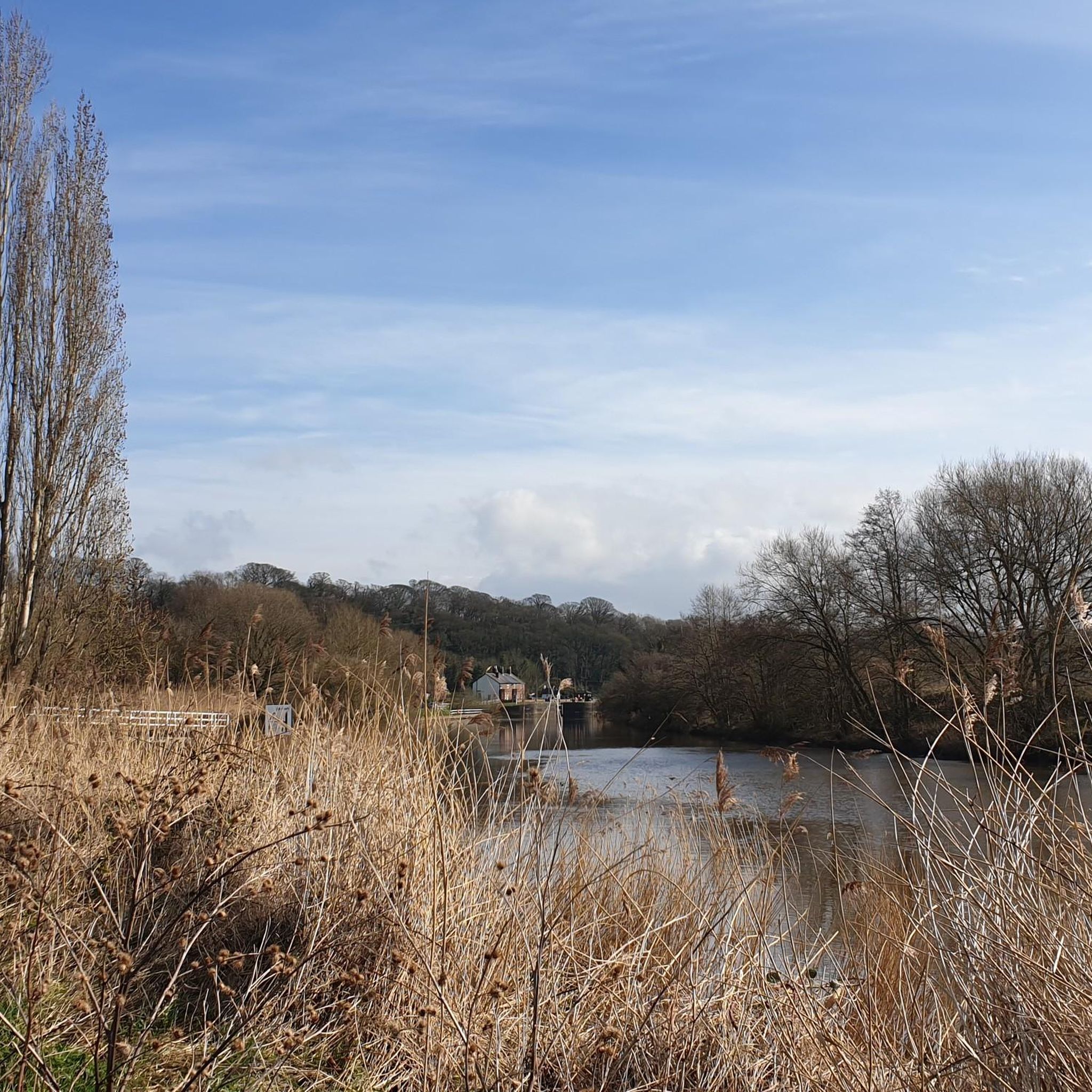
Lymm dam is well worth a visit, really picturesque
0
0

Delamere forest is a great place for allthe family to go. With many good paths makes a great place for a day out, as well as having good facilities, and parking. Gets busy at weekends.
1
0

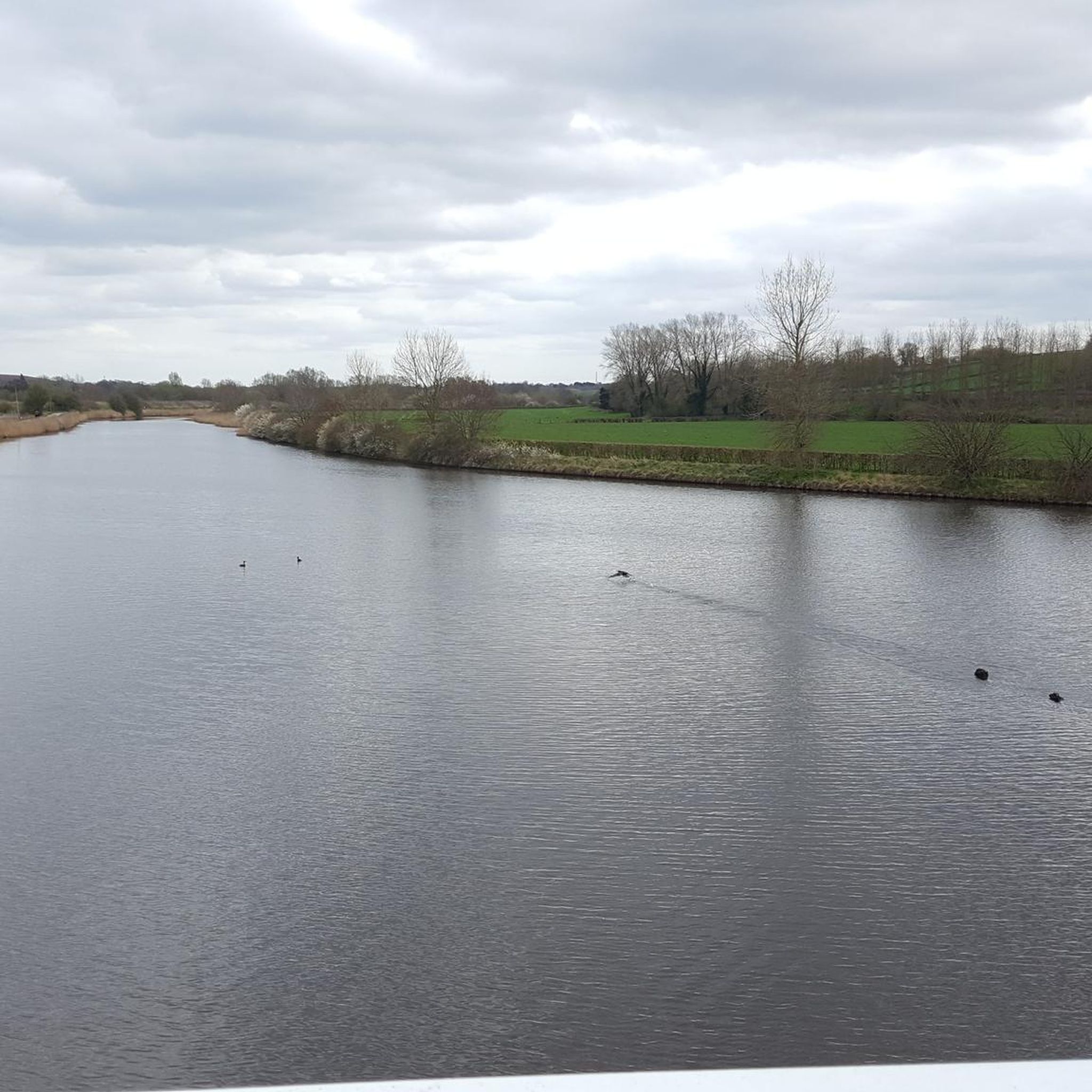
Blakemere Moss is a flooded area of Delamere Forest. The lake is rich in biodiversity and is designated as a Site of Special Scientific Interest. It is a great place for birdwatching and is home to species such as greylags, Canada geese, black-headed gulls, coots, mallards, and lapwings. The area was drained in the 1800s, supposedly by prisoners from the Napoleonic Wars, and planted with trees. It was turned back into a lake in the 1990s and tree stumps still poke through the water’s surface.
4
0
Frequently Asked Questions
What are some of the most notable natural monuments to visit near Comberbach?
Near Comberbach, you can explore several significant natural monuments. Blakemere Moss within Delamere Forest is a Site of Special Scientific Interest, known for its rich biodiversity and birdwatching opportunities. Another picturesque spot is Lymm Dam, a beautiful lake ideal for leisurely walks or bike trips. You might also consider Doolittle Moss, also part of Delamere Forest, offering a different natural experience.
Are there family-friendly natural monuments around Comberbach?
Yes, several natural monuments near Comberbach are great for families. Blakemere Moss and Doolittle Moss within Delamere Forest offer well-maintained paths and facilities suitable for all ages. Lymm Dam is also a popular choice for families, with easy paths around the lake. Additionally, Daresbury Firs Local Nature Reserve provides a pleasant woodland environment for family strolls.
What kind of wildlife can I expect to see at the natural monuments?
The natural monuments around Comberbach are rich in wildlife. At Blakemere Moss, a designated SSSI, you can spot various bird species such as greylags, Canada geese, black-headed gulls, coots, mallards, and lapwings. Delamere Forest, which encompasses Blakemere Moss and Doolittle Moss, is home to diverse woodland creatures. Northwich Woodlands, a nearby area, also offers opportunities to see numerous bird species and small mammals.
What are the best times of year to visit the natural monuments near Comberbach?
The natural monuments around Comberbach offer beauty year-round. Spring brings new growth and active wildlife, while summer provides pleasant weather for longer explorations. Autumn showcases stunning foliage, especially in Delamere Forest and Daresbury Firs. Even in winter, the tranquil landscapes, like the re-flooded Blakemere Moss with its visible tree stumps, offer a unique experience, though some areas like Doolittle Moss can be boggy.
Are there good walking or hiking trails near these natural monuments?
Yes, the area around Comberbach offers numerous walking and hiking trails. Delamere Forest, home to Blakemere Moss and Doolittle Moss, has extensive trails suitable for various abilities. For family-friendly options, you can find routes like the Marbury Country Park loops. You can explore more options on the Family-friendly hikes around Comberbach guide.
Can I go cycling near the natural monuments?
Absolutely. Delamere Forest, where Blakemere Moss is located, is very popular for cycling, with dedicated paths and routes. Lymm Dam also offers a picturesque setting for bike trips. For traffic-free options, consider routes like the 'Town Pit Pond – Quiet Cheshire Lanes loop from Comberbach'. More cycling routes are available in the Traffic-free bike rides around Comberbach guide.
Are there any historical or unique natural features to look out for?
Yes, the region has some unique natural and historical features. Blakemere Moss is historically significant as it was drained and re-flooded, with tree stumps from 19th-century plantings still visible. Delamere Forest also features rare 'quaking' bogland, where sphagnum mosses form a trembling carpet over peaty water. You can also find the notable Cedar of Lebanon in Walton Gardens, a majestic tree with historical and biblical significance.
Where can I find parking for these natural attractions?
Many of the natural monuments, especially those within Delamere Forest like Blakemere Moss and Doolittle Moss, have dedicated parking facilities. Lymm Dam also has convenient parking options nearby. It's always advisable to check local signage for any parking fees or restrictions.
Are dogs allowed at the natural monuments near Comberbach?
Most natural areas around Comberbach, including Delamere Forest (home to Blakemere Moss and Doolittle Moss) and Lymm Dam, are dog-friendly. However, it's important to keep dogs on leads in certain areas, especially near wildlife or livestock, and to clean up after them to preserve the natural environment for everyone.
Are there cafes or places to eat near the natural monuments?
Yes, you'll find options for refreshments. Delamere Forest, which includes Blakemere Moss and Doolittle Moss, has facilities including cafes. Near Lymm Dam, there's a nearby caravan cafe and other local eateries in the town of Lymm. Northwich Woodlands also provides a tranquil setting for picnics.
What makes Blakemere Moss a Site of Special Scientific Interest (SSSI)?
Blakemere Moss is designated an SSSI due to its exceptional biodiversity and unique ecological features. It is a re-flooded wetland area, originally formed from kettle holes, and supports a rich variety of birdlife and aquatic species. The surrounding Delamere Forest also contains over 100 peatland basins and rare 'quaking' bogland, contributing to its scientific importance.
Most popular routes around Comberbach
Most popular attractions around Comberbach

Get inspired with the komoot mobile app


Explore more
Extend your search for the best caves by checking out these guides of the top ones around Comberbach:
