Top 3 Castles around Marradi
Best castles around Marradi offer a glimpse into the region's rich history and strategic importance. Marradi, situated in the Tuscan-Romagnolo Apennines, features historical residences and ancient fortified sites. The area is characterized by its natural landscape, with walking paths leading to historical remnants. These sites provide insight into medieval and Renaissance periods, showcasing a blend of architectural styles and historical narratives.
Best castles around Marradi
- The most popular castles is Premilcuore Fortress, a castle where not much remains of the original structure except one of the doors and parts of the walls. This site experienced its maximum expansion around the 13th and 14th centuries under the dominion of the Guidi family.
- Another must-see spot is Rocca dei Conti Guidi of Modigliana, a castle overlooking a historic town in the Tuscan Romagna. Visitors can explore this medieval fortress, which was once a significant stronghold for the Guidi counts.
- Visitors also love Portico di Romagna, a settlement that was once a fortified citadel complete with a castle, of which today only a tower remains. This quiet town played a significant role in medieval and Renaissance history due to its strategic position.
- Marradi is known for historical residences like Palazzo Torriani, ancient manor sites such as Castellone, and fortified structures in the surrounding area. These sites offer a variety of historical contexts, from noble palaces to medieval strongholds.
- The castles around Marradi are appreciated by the komoot community, with 120 upvotes and 50 photos shared by visitors.
Last updated: June 27, 2026
Premilcuore Fortress
Highlight • Castle
Translated by Google •
Tip by

Portico di Romagna
Highlight • Settlement
Translated by Google •
Tip by
Sign up now to discover places like this
Get recommendations on the best single tracks, peaks, & plenty of other exciting outdoor places.
Sign up for free
The Tribuna of Modigliana
Highlight • Monument
The central aedicule was erected to protect the statue of the Madonna del Cantone, protector of Modigliana, which was created by the well-known Bolognese sculptor Giuseppe Molli in 1678.
Translated by Google •
Tip by

Rocca dei Conti Guidi of Modigliana
Highlight • Castle
Translated by Google •
Tip by

View of Modigliana and the Rocca dei Conti
Highlight • Viewpoint
Translated by Google •
Tip by

Sign up for free to discover even more castles around Marradi.
Sign up for free
Already have an account?
Start today with a free account
Your next adventure awaits.
Login or Signup
Popular around Marradi
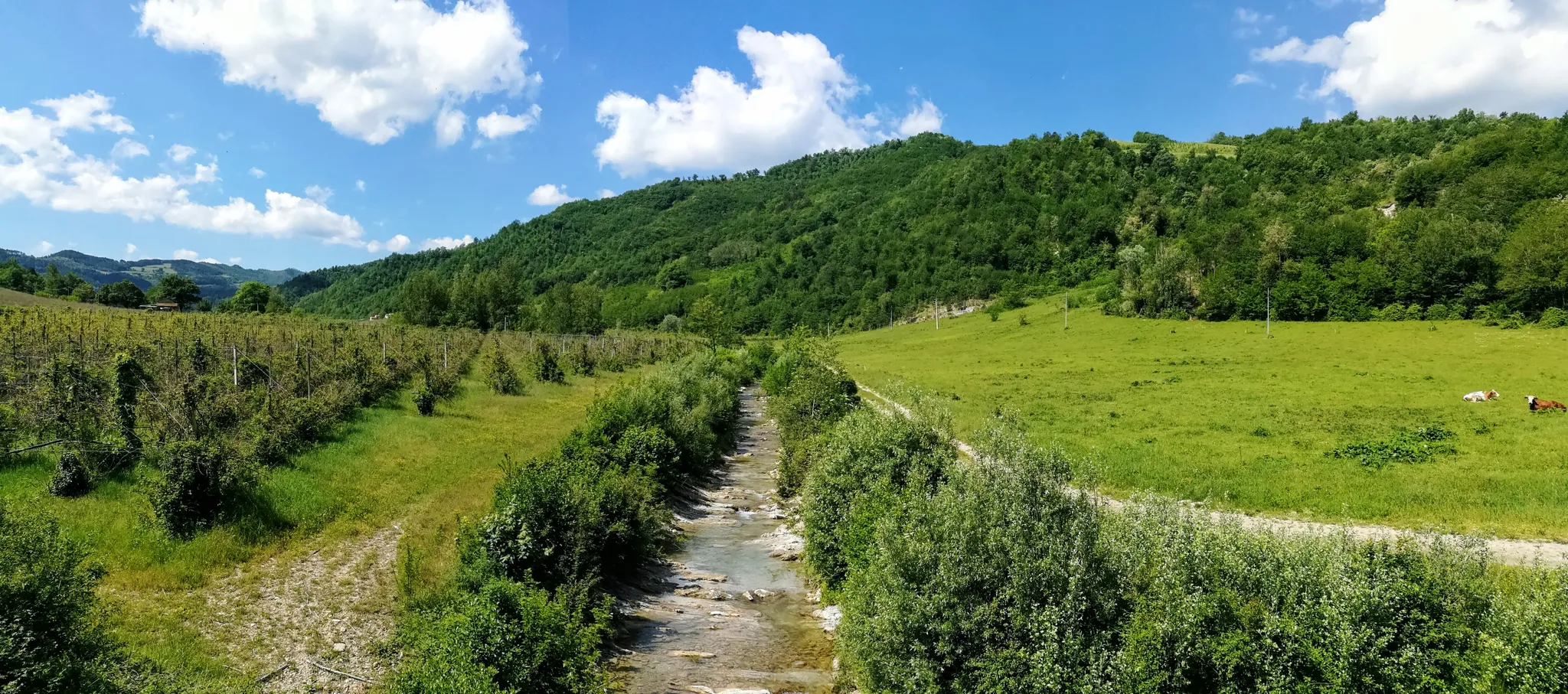
Hills, rivers and valleys - Transromagna by MTB
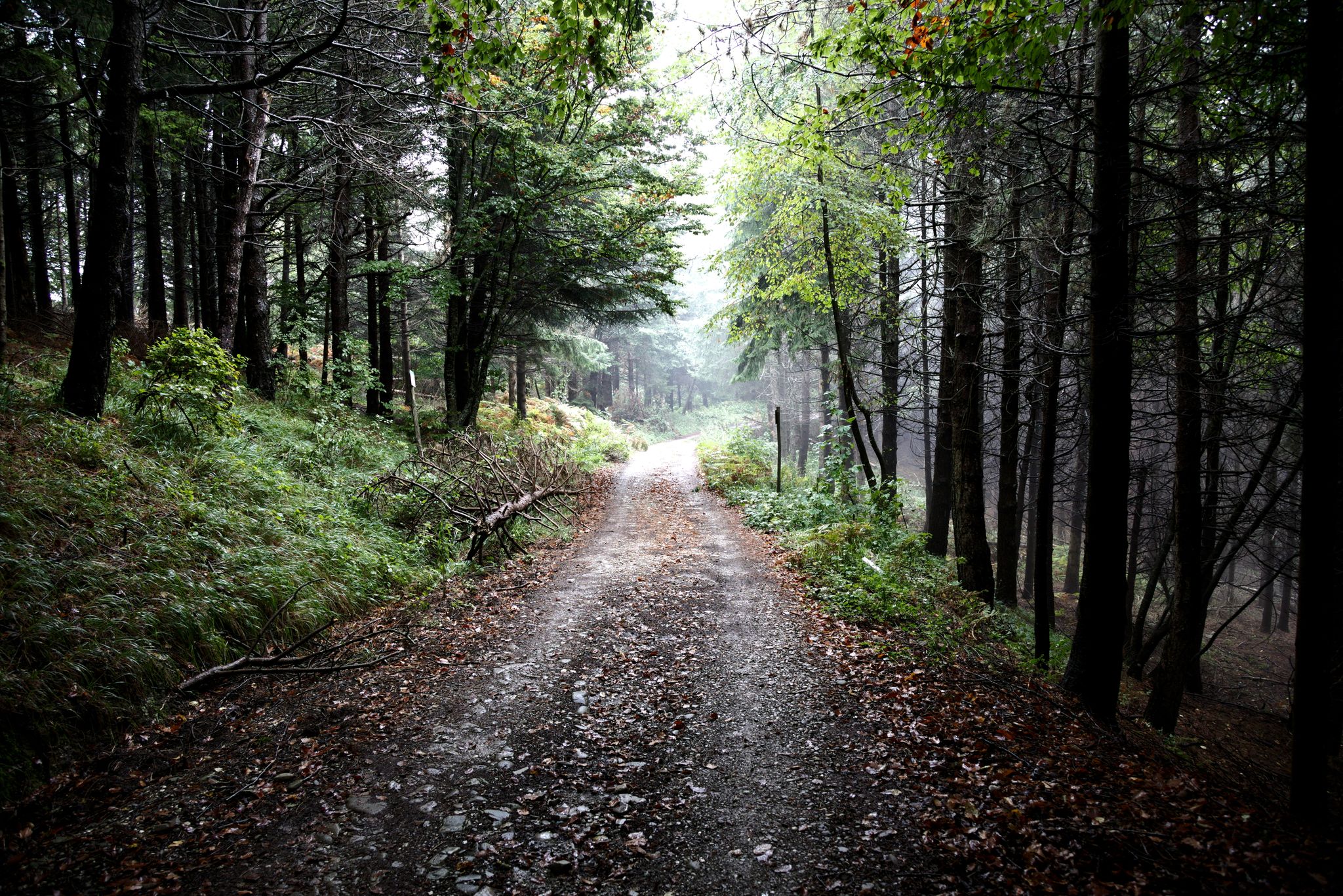
Marradi to Camaldoli – Alta Via dei Parchi (part 4)
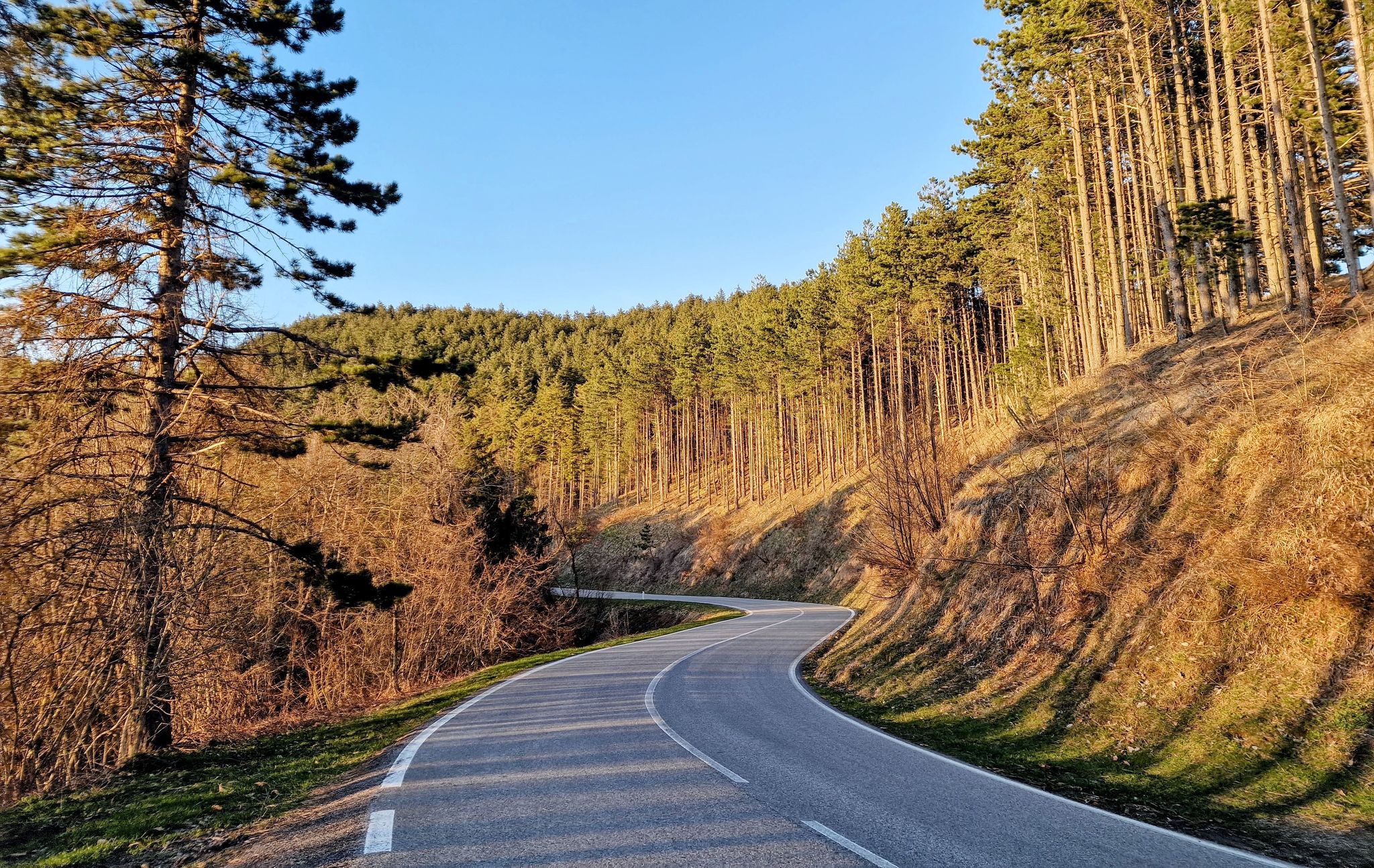
Centuries-old woods and lost roads – in the heart of the Casentinesi Forests
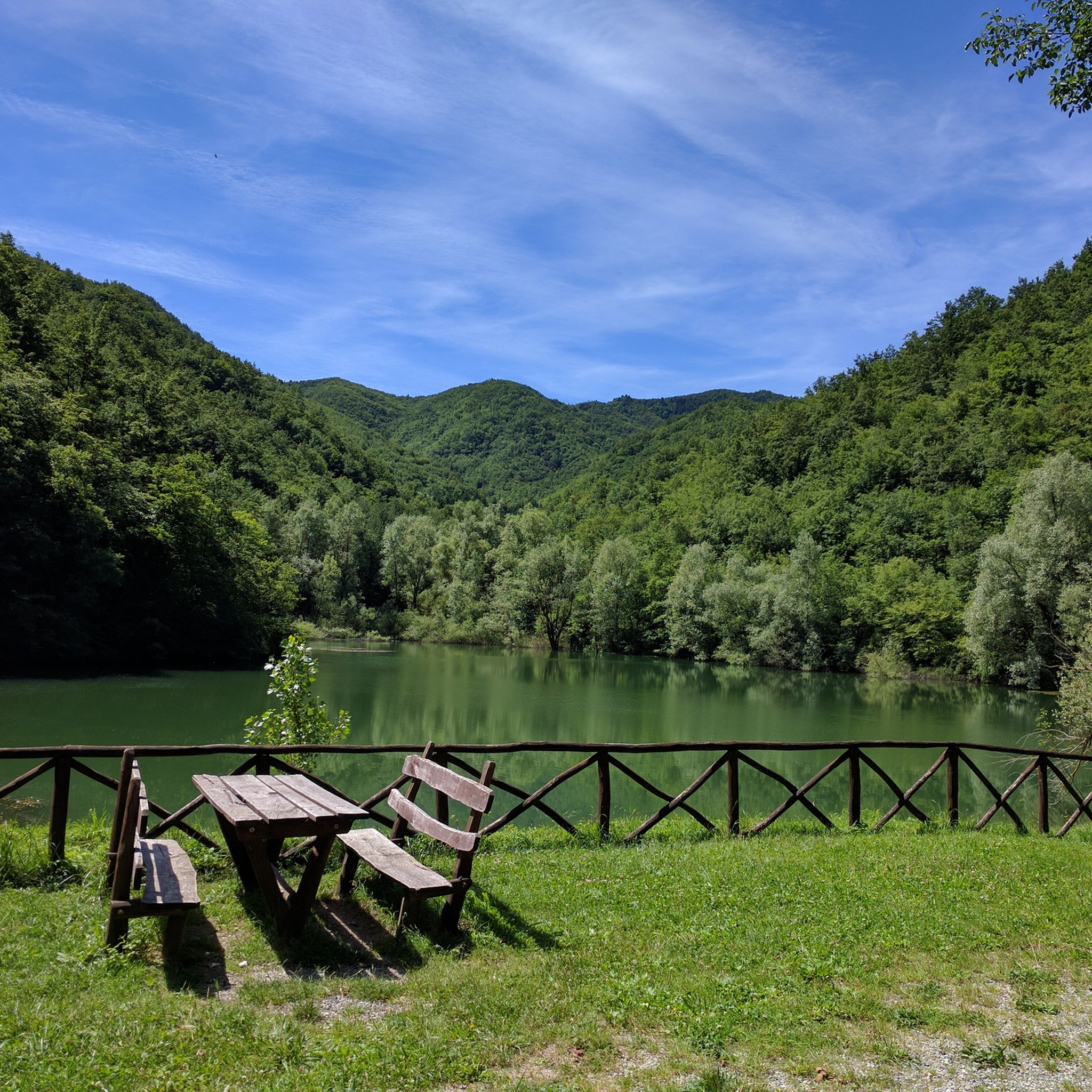
Hiking around Marradi
Road Cycling Routes around Marradi
MTB Trails around Marradi
Cycling around Marradi
Running Trails around Marradi

Gravel biking around Marradi
Other adventures around Marradi


Tips from the Community

Modigliana overlooks a historic town in the so-called Tuscan Romagna (until 1923 it was in the province of Florence), a place of enchantment and the birthplace of the painter Silvestro Lega, author of famous portraits of Mazzini and Garibaldi, to whom the civic art gallery in the Palazzo Pretorio, which once belonged to the Guidi counts, was dedicated: the typical sweet, the mandorlato, is a must-try.
0
0

On September 8, 896, Countess Ingelrada donated the town of Modigliana to her son Pietro, deacon of Ravenna. In 925, the castle of Modigliana fell under the control of Ingelrada II, daughter of Duke Martin of Ravenna. In the 10th century, Guido, founder of the Guidi counts, was made Count Palatine by Emperor Otto I of Saxony and received from him the county of Modigliana in Romagna. On September 28, 1164, Emperor Frederick I Barbarossa confirmed possession of the castle of Modigliana to Guido Guerra. In 1166, the castle of Modigliana hosted Emperor Frederick I Barbarossa and the empress, who gave birth to a son named Corrado there. On May 25, 1191, Emperor Henry VI of Swabia confirmed possession of the castle of Modigliana to the Guidi counts. On November 29, 1220, Emperor Frederick II confirmed possession of the castle of Modigliana to the Guidi counts. On March 21, 1230, following the division of the Guidi counts' patrimony, Modigliana was awarded to Guido and Tegrimo. In 1278, Modigliana was besieged by the Florentines. On June 14, 1362, Fiore di Guido di Domestico dei Conti Guidi da Modigliana surrendered to Florence along with his castles, including Modigliana. On August 7, 1377, Modigliana submitted to Florence, and following this event, the latter imposed the construction of a third wall (in addition to the first, not far from the fortress, and the second, intermediate one), several miles long and featuring 12 towers, terminating in an imposing gate, the "Tribuna," overlooking the Tramazzo River. In 1415, Modigliana was a first-class castle in the Florentine district. In 1440, Modigliana Castle was captured by the troops of Guidantonio Manfredi, who obtained a donation from the Visconti family. In 1445, Florence regained possession of Modigliana Castle. In 1502, Vitellozzo Vitelli conquered and plundered Modigliana Castle. Subsequently, the loss of its military function, the earthquake of 1661, followed by further strong tremors in 1773, led to its abandonment. In 1918, part of the circular keep collapsed, resulting in its vertical section. Source: Wikipedia
0
0

View from above of the municipality of Modigliana.
0
0

Premilcuore, like many other villages in the area, experienced its period of maximum expansion around the 13th and 14th centuries under the dominion of the Guidi family. In this period the castle known as Rocca di Premilcuore was built, today not much remains of this structure except one of the doors and remains of the walls incorporated into other buildings in subsequent periods. The life of Premilcuore is linked to the course of the Rabbi river. Today the river is a popular summer destination to escape the heat, while in the past the watercourse served to irrigate the surrounding fields and gave power to various mills in the area, two of which are still visible near the town.
2
0
Portico di Romagna is a quiet town on the banks of the Montone river. Despite its small size, the town played a very important role in medieval and Renaissance history thanks to its strategic position. Under the rule of the Guidi family it reached its maximum extension, becoming a fortified citadel complete with a castle, of which today only a tower remains. History and legend meet among the cobbled streets of this village: it is said that it was here that Dante met Beatrice for the first time. In fact, Folco Portinari, Beatrice's father, had a summer residence here where it is believed Dante was hosted while fleeing from Florence.
2
0

The origins of Premilcuore are mysterious, although there are several versions and legends about its foundation. The most fascinating and imaginative version is linked to the legend of the Roman soldier named Marcello, who fled Rome at the time of Caracalla, because he was part of a conspiracy against the emperor, and who found refuge in these places. Marcello fortified the small villages already existing, one of which, the current via Marciolame, is named in honor of its founder. And even the name of Premilcuore seems to date back to “PREMIT COR” (“pain oppresses our hearts” for the death of their benefactor) or to “PREMUNT COR” (“rather than hand him over we would tear out our hearts” because the Roman captain was wanted to be killed). (Source: http://www.turismopremilcuore.it/scopri-premilcuore/storia/ )
3
1
The Tribuna, a semicircular tower construction, which overlooks the Tramazzo stream generating a suggestive vision, served as the main entrance to the castle and was placed in defense of the medieval citadel of Modigliana. Unique in its appearance, it consists of two bell towers: on the right tower there is a clock, the original was replaced in 1845 by a more modern one made by a specialist in the sector, Domenico Cavina from Modigliano. The left tower was built later to give symmetry to the structure. The central aedicule was erected to protect the statue of the Madonna del Cantone, protector of Modigliana, which was created by the well-known Bolognese sculptor Giuseppe Molli in 1678.
0
0

Frequently Asked Questions
What kind of historical sites can I expect to find around Marradi, beyond traditional castles?
While Marradi itself features more historical residences than grand medieval castles, you can explore sites like Palazzo Torriani, a distinguished historical residence in the heart of Marradi. It showcases a blend of historical architecture, art by Galileo Chini, and luxurious interiors. Additionally, the site of Castellone represents an ancient fortified manor, accessible via a walking path, offering a glimpse into earlier defensive structures.
Are there any well-preserved medieval fortresses to visit near Marradi?
Yes, the broader region offers notable examples. The Rocca dei Conti Guidi of Modigliana is a medieval fortress with a central circular tower and defensive walls, offering a rich historical experience. While not much remains of the original structure, the Premilcuore Fortress also holds significant historical value, with remnants of its walls incorporated into other buildings.
Can I find family-friendly historical sites in the Marradi area?
Yes, Portico di Romagna is a quiet town that was once a fortified citadel. Today, only a tower remains, but its cobbled streets and historical legends (like Dante meeting Beatrice) make for an engaging visit for families. Palazzo Torriani also offers guided tours by appointment, which can be a fascinating educational experience for older children.
What are some unique architectural features of the historical sites around Marradi?
The Tribuna of Modigliana is unique, a semicircular tower construction that served as the main entrance to the medieval citadel. It features two bell towers and an aedicule protecting the statue of the Madonna del Cantone. Palazzo Torriani, on the other hand, boasts precious decorations by Galileo Chini, a pioneer of the Italian Liberty style, and an elegant family crest with a tower and two lions on its main door.
Are there opportunities for hiking or outdoor activities near these historical sites?
Absolutely. Many historical sites are integrated into the natural landscape, offering opportunities for walks and hikes. For instance, the ancient manor site of Castellone is accessible via a walking path. You can also find numerous hiking routes around Marradi, including those that pass by historical landmarks. Explore options in the MTB Trails around Marradi guide for routes that combine nature with historical views.
What is the best way to experience the history of Modigliana's castle?
To fully appreciate Modigliana's history, visit the Rocca dei Conti Guidi of Modigliana, a significant medieval fortress. For a broader perspective, seek out the View of Modigliana and the Rocca dei Conti, which offers a panoramic vista of the town and its historical fortifications, providing context to its long and storied past.
Can I visit historical residences that offer a deeper cultural experience?
Yes, Palazzo Torriani in Marradi is a prime example. It operates as a luxury B&B, allowing guests to immerse themselves in centuries of history. Guided tours are available by appointment, offering insights into the Torriani family's past and the palace's art. It also hosts cultural events, cooking classes, and tastings of local delicacies, providing a comprehensive cultural and culinary experience.
What are the options for cycling near the historical sites around Marradi?
The area around Marradi is excellent for cycling, with various routes that can take you near historical sites. You can find options for different cycling styles, including traffic-free bike rides, MTB trails, and gravel biking routes. Many of these routes offer scenic views and pass through historical towns like Modigliana and Portico di Romagna.
What do visitors enjoy most about the historical sites around Marradi?
Visitors often appreciate the blend of history and natural beauty. The historical sites offer a chance to step back in time, with places like Palazzo Torriani providing a unique cultural immersion. The opportunity to explore ancient ruins or well-preserved fortresses, often combined with scenic walks or bike rides through the surrounding landscape, is also highly valued.
Are there any viewpoints that offer a good perspective of the castles and historical towns?
Yes, the View of Modigliana and the Rocca dei Conti provides an excellent vantage point to see the municipality of Modigliana from above, including its historical castle. These viewpoints allow you to appreciate the strategic locations and architectural grandeur of these ancient structures within their natural settings.
How long should I plan to spend visiting the historical sites around Marradi?
The time needed varies depending on the site. For a detailed visit to Palazzo Torriani, including a guided tour, you might spend 1-2 hours. Exploring the remnants of Rocca dei Conti Guidi of Modigliana and the town itself could take a couple of hours. If you plan to combine visits with hiking or cycling, allocate a half-day to a full day for a more immersive experience.
Most popular attractions around Marradi

Get inspired with the komoot mobile app


Explore more
Looking for the best castles somewhere else? Discover other guides around Marradi:
