Top 3 Natural Monuments around Prata Di Pordenone
Best natural monuments around Prata Di Pordenone are found within the broader Pordenone province, offering diverse landscapes from pre-Alpine mountains to the Friulian plain. This region features a variety of natural attractions, including rivers, floodplains, and unique geological formations. The area provides opportunities for exploring natural beauty and engaging in outdoor activities.
Best natural monuments around Prata Di Pordenone
- The most popular natural monuments is Confluence of the Monticano and Livenza Rivers, a river that marks the end of…
Last updated: July 10, 2026
Prà dei Gai
Highlight • Natural
Translated by Google •
Tip by

Confluence of the Monticano and Livenza Rivers
Highlight • River
Translated by Google •
Tip by

Sign up now to discover places like this
Get recommendations on the best single tracks, peaks, & plenty of other exciting outdoor places.
Sign up for free
Confluence of the Lia and Monticano Rivers
Highlight • River
Translated by Google •
Tip by

Locks on the Noncello River in Seminario Park
Highlight • River
The track starts from the new 30-meter bridge over the …
Translated by Google •
Tip by

Chapel of Santa Maria della Fontanella
Highlight • Religious Site
Translated by Google •
Tip by
Start today with a free account
Your next adventure awaits.
Login or Signup

Tips from the Community

a clear octagon in the middle of the plain: outside a always useful fountain. Inside, the surprise of a modern church that encloses a millenary history, which you can find described next to the door. Santa Maria in Palù or della fontanella, is a protector of those with vision problems: this explains the evangelical citation of the blind man from the pool of Siloam, which is found inside, behind the altar
0
0

peace and quiet, a tour for everyone.
0
0
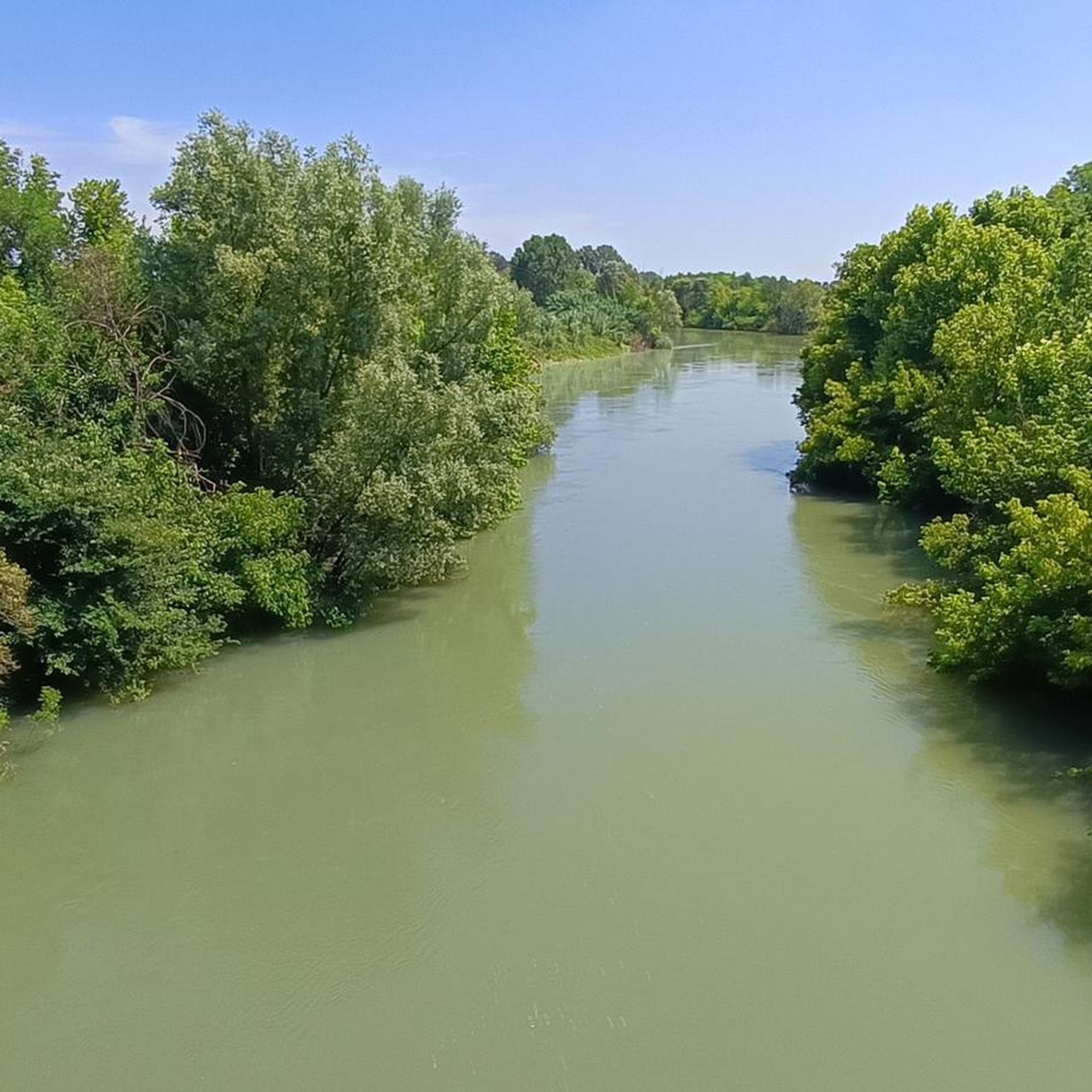
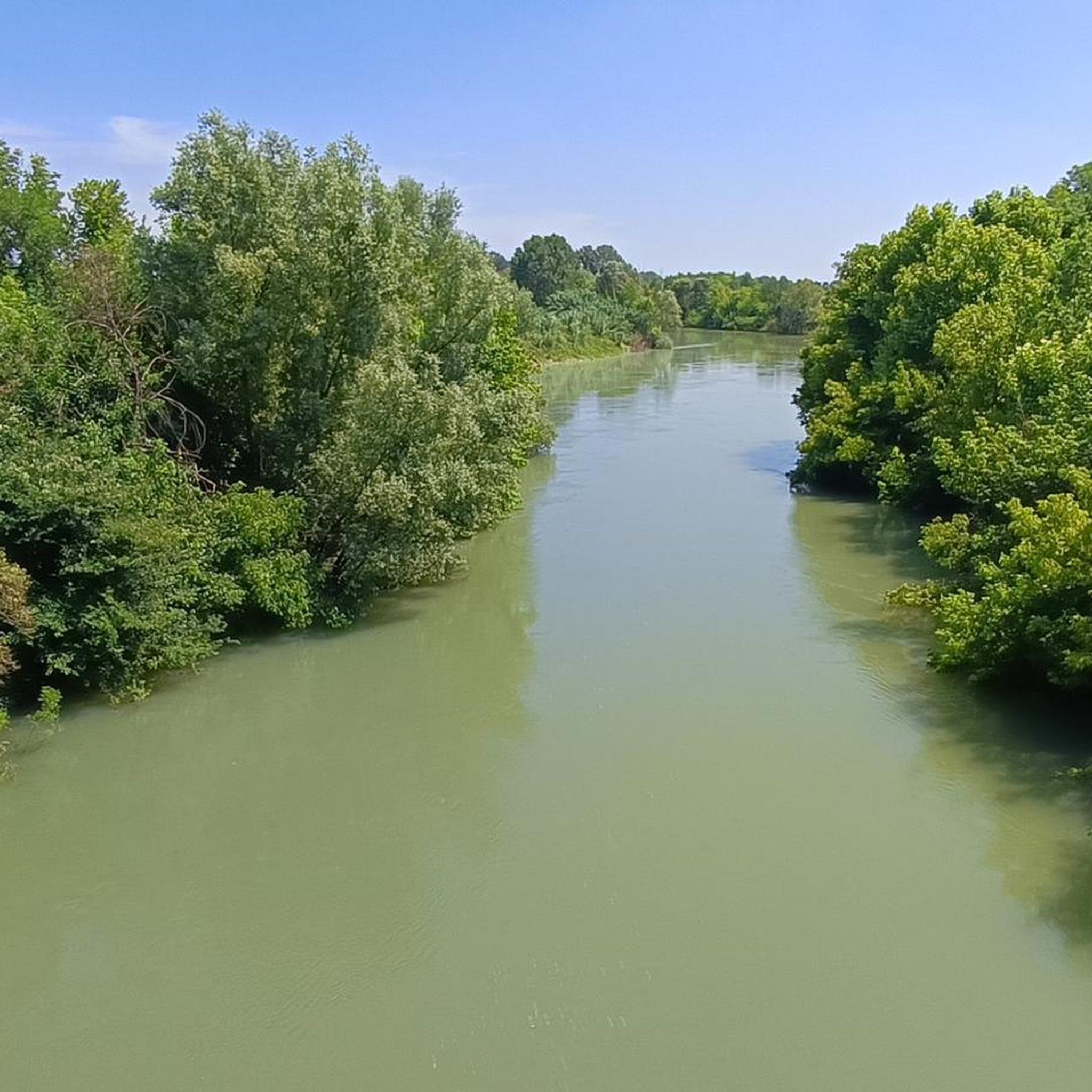
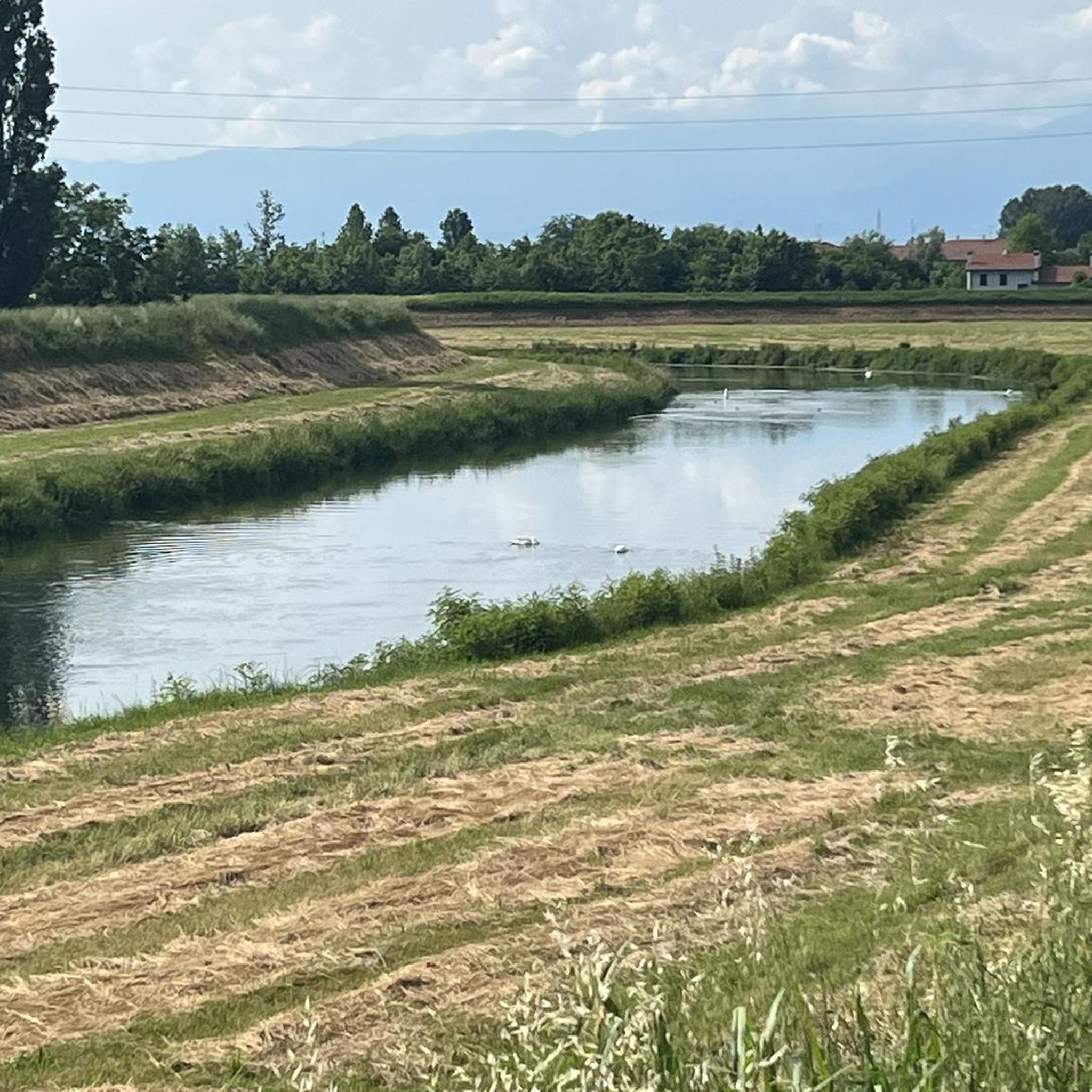
where the Monticano flows into the Livenza. The track is new, just widened and well beaten
0
0

Here we have reached the end of the descent of the Monticano river to the confluence with the Livenza river.
1
0

The church of S. Maria della Fontanella was built in the place where centuries ago, I don't know when, a convent of monks stood. Let's not forget that it was a short distance from the Church of the "Knights of the Temple" of which the small village Tempio keeps the memory. This convent sank underground due to an earthquake. “It sank and how? Because? Because the area was and still is impregnated with water. The municipality is Fontanelle, a name that reveals the presence of many water sources. It was swampy terrain; for this, I think, the convent and the church were swallowed up. The church was called for this reason: "Santa Maria del Palù". But now the area is cultivated in a superlative form; and therefore it is good to call it "Santa Maria della Fontanella". Under the altar stood and still stands a fountain that gave and which gives its clear and fresh water: a symbol of that water of which Jesus spoke: "whoever is thirsty, come to me and drink". Don Emilio Girelli had the good idea of reviving that past, the ruins of which are five or six meters deep, as far as I have heard. Don Emilio, therefore, had the current and pretty octagonal church built. And my mother, she told me, was so eager to attend the inauguration on March 25, 1924. But she couldn't: I was in her womb. I was born on March 27, two days later. This is why I consider it a bit my little church. And my mother who knows how fervently she will have prayed for me, not yet born. And Our Lady was good to her and to me. I was parish priest in Jafa di Nazareth, a suburb of Nazareth, for forty-two years. I love to attribute this grace to my mother's prayers: and so Our Lady took me from S. Maria della Fontanella to her village where she truly received the announcement of the archangel Gabriel. I also want to remember that Jafa di Nazaret, according to tradition, is the native town of S. Giovanni and S. Giacomo, patron saint of the Church of Colfrancui, where I was baptized on March 31, 1924. I have seen and heard that S. Maria delle Fontanella is very venerated. I always saw it full of fresh flowers and candles. I remember that when I was little, under the age of five, many people came to our house, to be able to take holy water from under the altar. One day my mother sent me to fill a bottle of this water for a woman who stayed with her. I returned with the empty bottle and told her: "Mom, the water is deep. and I almost fell into it ”. Mom put her hands on her frightened face and said: "But what did I do?". I did not fall because Our Lady was waiting for me in Nazareth.
0
0
The Lia river ends here: it delivers its waters to the Monticano and in turn leaves them to the Livenza to reach the sea. The Lia is an ancient river that marks the territory. Born in what is now the Gambrinus park (that of the shrimp of this river), you can cross it under the bridge of the Church of the Templars of Ormelle and you can hardly follow its meanders in Colfrancui. Here you can greet its waters and its millenary memory of this territory
0
0
The new cycle and pedestrian path has been opened that connects the Seminary park to the Roman baths of Torre. The track starts from the new 30-meter bridge over the Noncello built right inside the Seminary park, continues for about 800 meters in the heart of a hitherto inaccessible Noncello naturalistic area, comes out and continues along via Terme Romane and Bellasio, at border between Pordenone and Cordenons, for a total of 1.7 new kilometers for the mobility of pedestrians and two wheels.
2
0

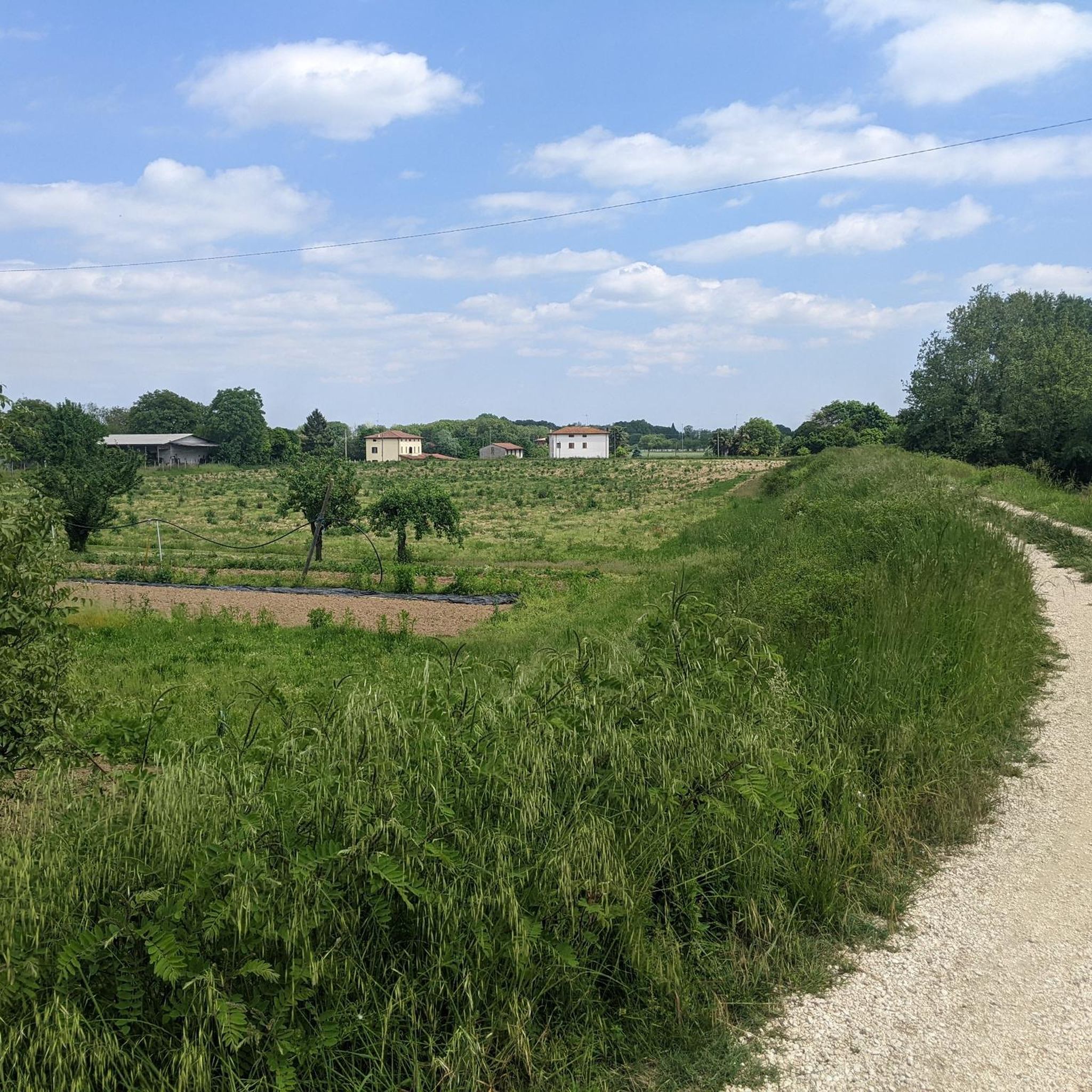
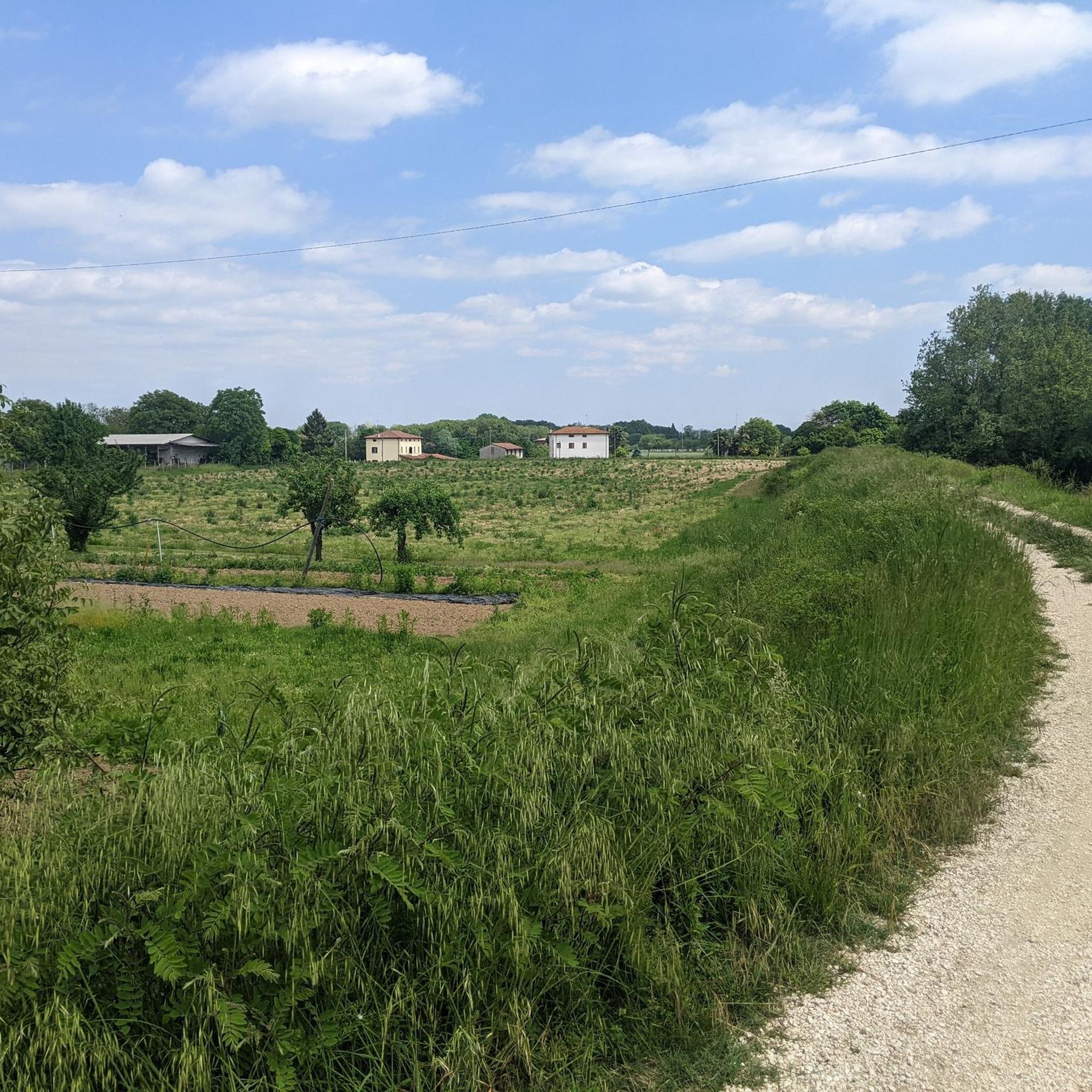
An extraordinary natural floodplain spread over six hundred hectares of stable lawn. Considering their naturalistic and faunal value, the Prà dei Gai have been declared a protected area by the European Community and included in the territorial development project of the LAG 5. In the past decades, the Prà lands were municipal and at the dawn of spring, with a public auction, the local farmers won small plots for grazing and harvesting hay.
3
0
Frequently Asked Questions
What are some of the most unique natural monuments to visit around Prata di Pordenone?
Beyond the immediate vicinity, the broader Pordenone province offers diverse natural wonders. You can explore the Prà dei Gai, an extraordinary natural floodplain declared a protected area. Further afield, consider the Friulian Dolomites Regional Natural Park, a UNESCO World Heritage site with wild landscapes and unique geology, or the turquoise waters of Lake Barcis, popular for walks and photography.
Are there family-friendly natural attractions near Prata di Pordenone?
Yes, several natural monuments are suitable for families. The Prà dei Gai offers open spaces for exploration. The Confluence of the Monticano and Livenza Rivers features a new, well-beaten track perfect for a peaceful stroll. The Locks on the Noncello River in Seminario Park also has a new cycle and pedestrian path, ideal for a family outing.
What kind of natural features can I expect to see in the region?
The area around Prata di Pordenone and the wider province boasts a variety of natural features. You'll find significant river confluences like the Confluence of the Monticano and Livenza Rivers and the Confluence of the Lia and Monticano Rivers. There are also unique floodplains such as Prà dei Gai, and further out, stunning mountain landscapes in the Friulian Dolomites, serene lakes like Lake Barcis, and intriguing cave systems like the Grotte di Pradis.
What outdoor activities can I do near these natural monuments?
The region offers various outdoor activities. You can enjoy cycling on traffic-free routes, with options like the "Traffic-free bike rides around Prata Di Pordenone" guide. Gravel biking is also popular, with routes such as the "Gravel biking around Prata Di Pordenone" guide. For mountain biking, explore the "MTB Trails around Prata Di Pordenone" guide. Hiking is excellent in the Friulian Dolomites Regional Natural Park, and wild swimming is possible in the River Arzino.
Are there any historical or cultural sites integrated with natural monuments?
Yes, the region blends natural beauty with history. The Chapel of Santa Maria della Fontanella is a fascinating example, built over the site of a sunken convent and known for its ancient water sources. The Grotte di Pradis also reveal geological formations alongside remains of prehistoric animals and humans, offering a glimpse into ancient history.
What is the best time of year to visit the natural monuments around Prata di Pordenone?
The best time to visit depends on the activity. Spring and autumn offer pleasant temperatures for hiking and cycling, with vibrant colors around Lake Barcis and the Friulian Dolomites. Summer is ideal for wild swimming in the River Arzino or exploring the caves. The unique landscape of The Magredi can be appreciated year-round, though its 'lunar' appearance is often more striking in drier seasons.
Are there any unique geological formations or ecosystems in the area?
Absolutely. The Friulian Dolomites Regional Natural Park is known for its diverse geology, including the unique "books of San Daniele" – thin stone layers resembling book pages. The Grotte di Pradis feature impressive cave and canyon systems carved by the Cosa stream. Additionally, The Magredi, often called the Friulian Steppe, is a rare ecosystem characterized by stony ground where rivers disappear and re-emerge, creating a distinctive 'lunar' landscape.
Can I find places for quiet contemplation or peaceful walks?
Many natural monuments offer tranquility. The Confluence of the Monticano and Livenza Rivers is noted for its peace and quiet. The vast, protected area of Prà dei Gai provides ample space for serene walks. The shores of Lake Barcis also offer peaceful pathways amidst beautiful scenery.
Are there any natural monuments that are wheelchair accessible?
The Confluence of the Monticano and Livenza Rivers is listed as wheelchair accessible, featuring a newly widened and well-beaten track. This makes it a good option for visitors seeking accessible natural viewpoints.
What do visitors enjoy most about the natural monuments in this region?
Visitors appreciate the unspoiled nature and the sense of wilderness, particularly in areas like the Friulian Dolomites. The scenic beauty of places like Lake Barcis and the unique geological formations of the Grotte di Pradis are also highly valued. Many enjoy the peaceful atmosphere and the opportunities for gentle walks or more adventurous outdoor activities.
Where can I find impressive waterfalls or springs?
The region features notable water formations. The Arzino Waterfalls offer picturesque natural scenery, and the River Arzino itself is known for its wild beauty. For a unique experience, visit the Gorgazzo Spring in Polcenigo, famous for its wonderfully turquoise waters and impressive, largely unexplored depth.
Most popular routes around Prata Di Pordenone
Most popular attractions around Prata Di Pordenone

Get inspired with the komoot mobile app


Explore more
Extend your search for the best caves by checking out these guides of the top ones around Prata Di Pordenone:
