Top 3 Natural Monuments around Porcia
Natural monuments around Porcia are situated in the Friuli-Venezia Giulia region of Italy, an area known for its diverse natural landscape. The surroundings feature significant natural heritage sites, including extensive natural parks and regional nature reserves. This region offers a variety of natural attractions, from unique geological formations to protected riverine ecosystems, providing opportunities for exploration.
Best natural monuments around Porcia
- The most popular natural monuments is Prà dei Gai, a natural floodplain spread over six hundred hectares. This…
Last updated: July 10, 2026
Prà dei Gai
Highlight • Natural
Translated by Google •
Tip by

Magredi Biotope of San Quirino
Highlight • Natural Monument
Translated by Google •
Tip by

Sign up now to discover places like this
Get recommendations on the best single tracks, peaks, & plenty of other exciting outdoor places.
Sign up for free
Locks on the Noncello River in Seminario Park
Highlight • River
The track starts from the new 30-meter bridge over the …
Translated by Google •
Tip by

Venchiaruzzo Springs
Highlight • Natural Monument
Showing Translation
Tip by

Start today with a free account
Your next adventure awaits.
Login or Signup

Tips from the Community

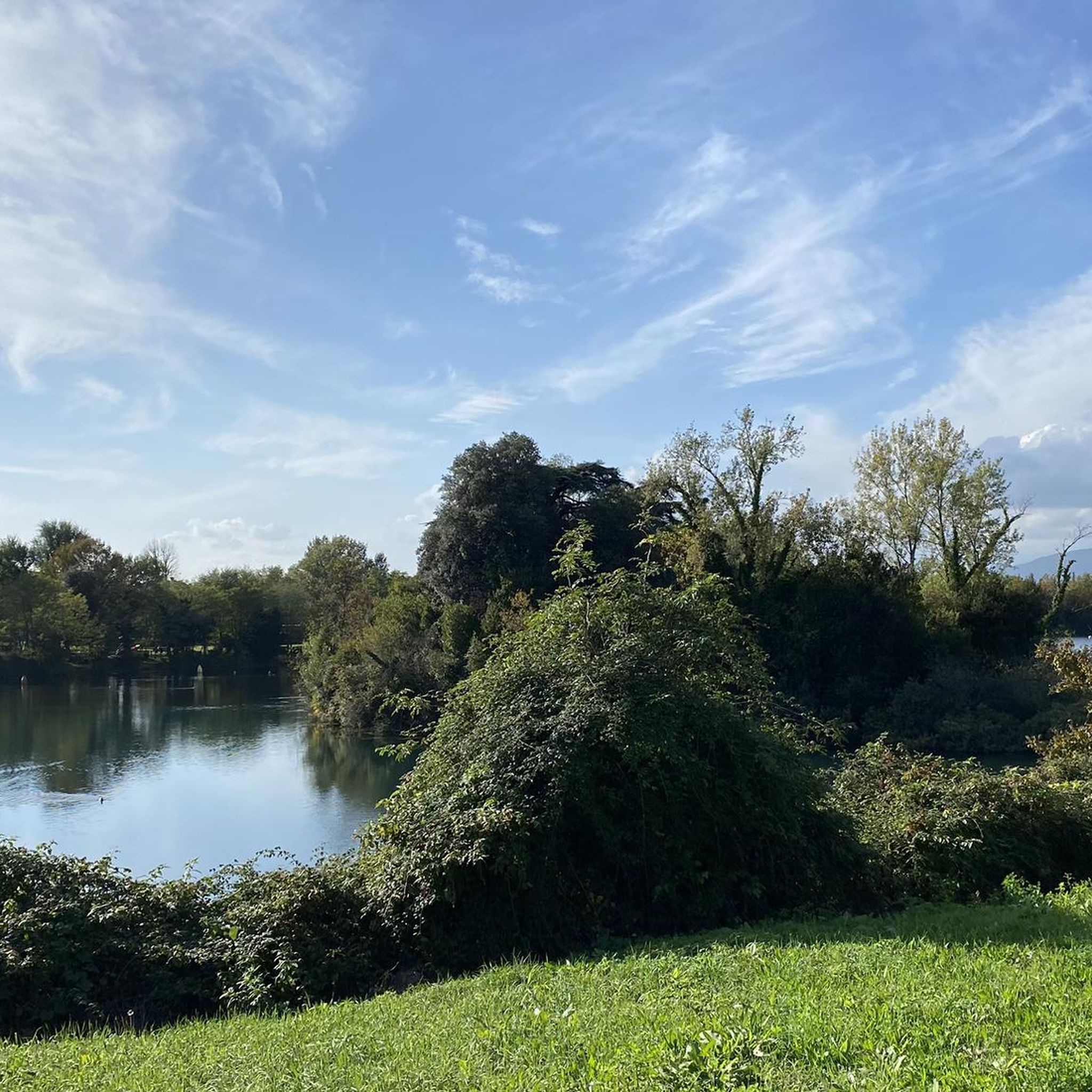
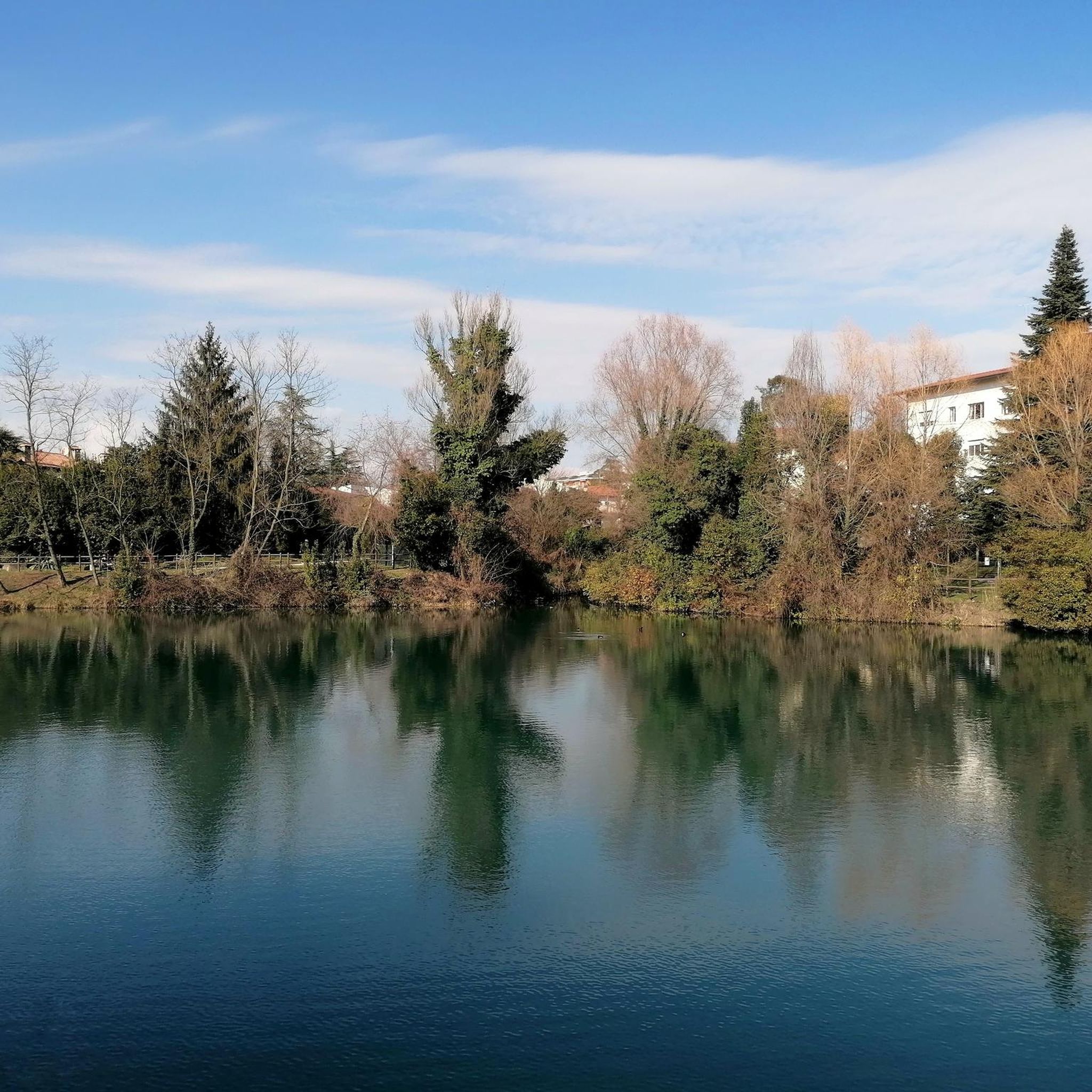
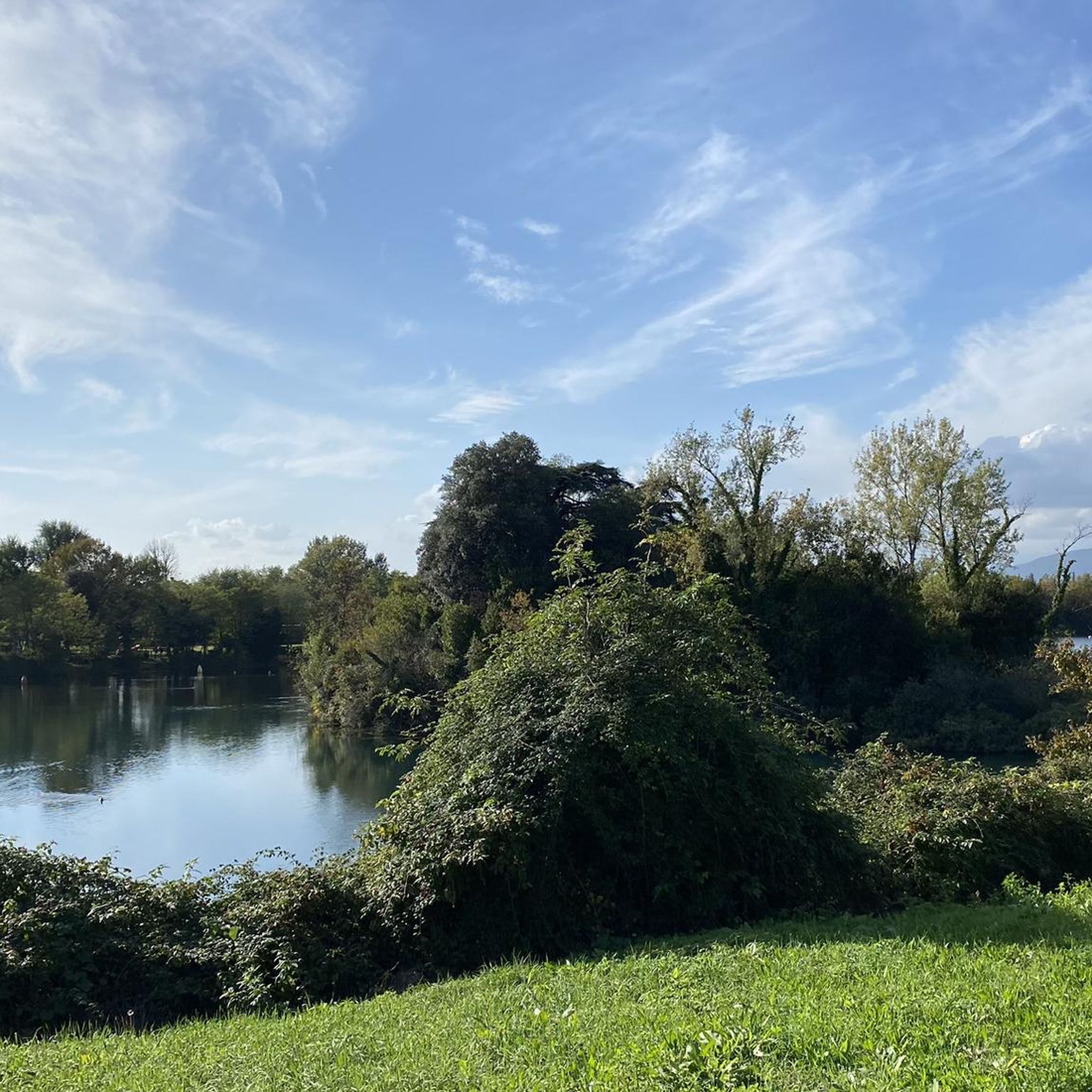
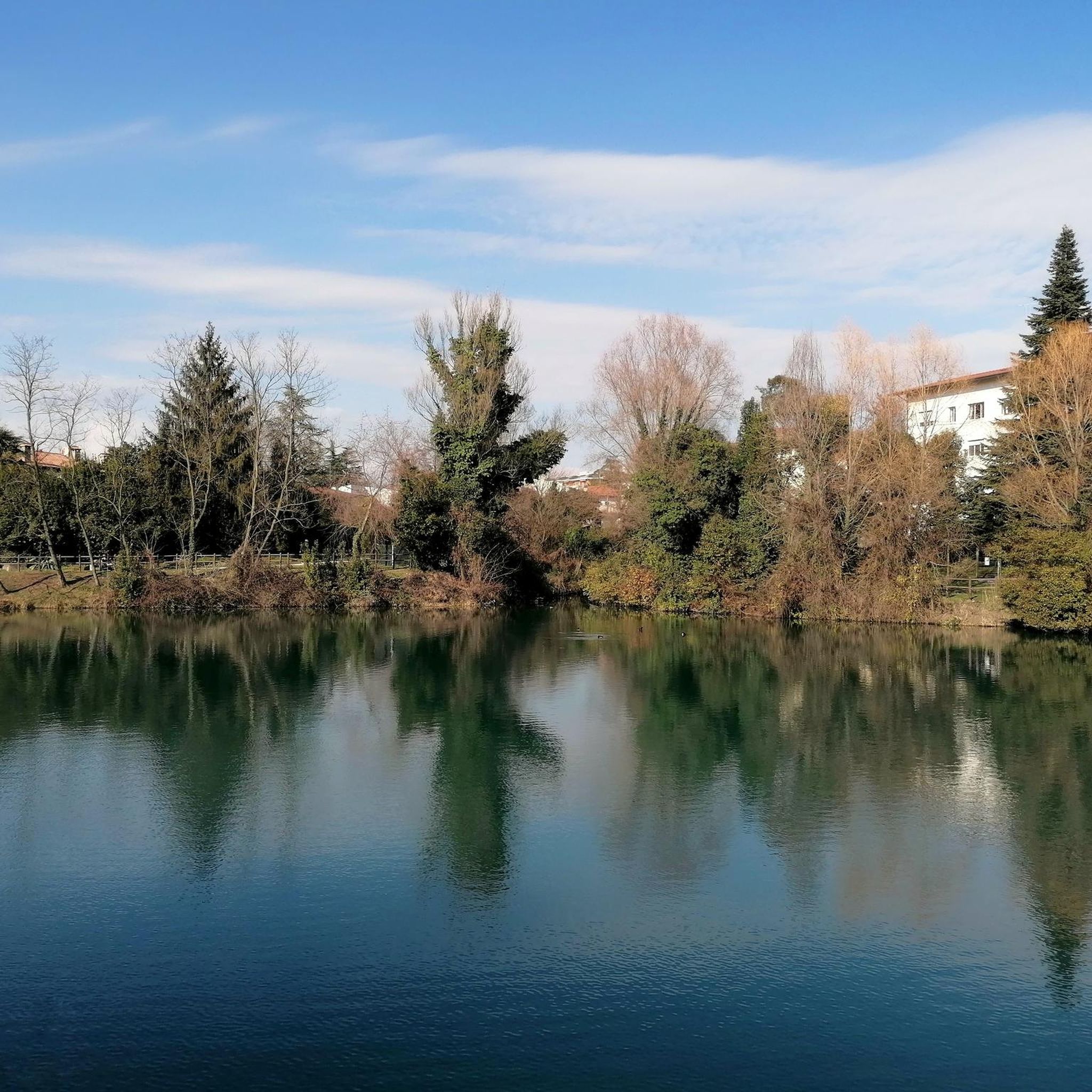
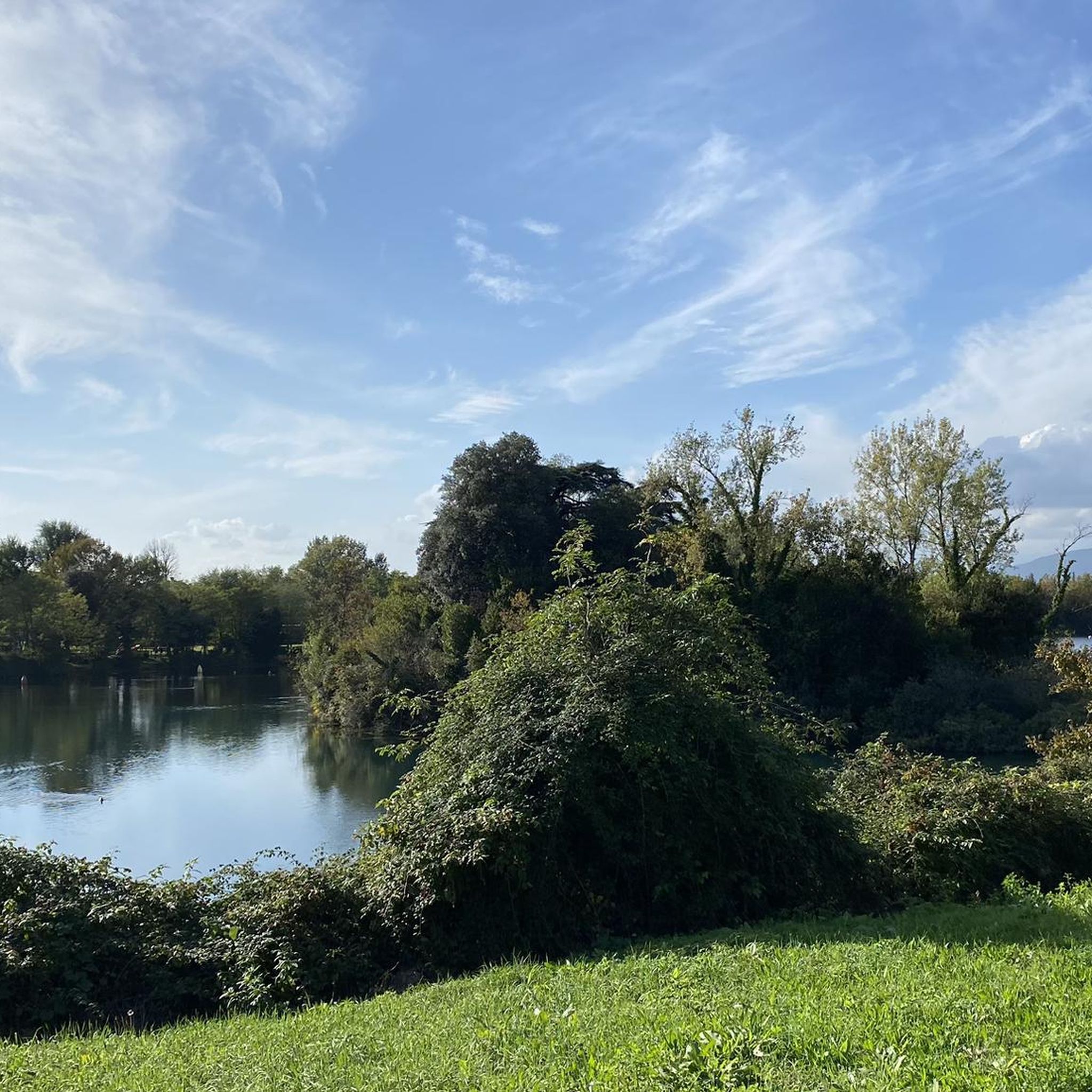
The placid waters of the Noncello originate from the springs of Cordenons. From the map, the abrupt interruption of the watercourse is visible, which wedges itself under the road surface and the houses in the center of Cordenons. There are many canals flowing into the Noncello river, all on the right orographic side. The abundance of water has facilitated the settlement of artisan workshops since the origins of the city, and the differences in terrain have allowed the exploitation of water energy to create hydraulic machines. To give greater continuity to the water flow and produce hydromechanical energy, dams were built, giving rise to bodies of water, partly surviving the continuous environmental changes.
0
0
The Venchiaruzzo springs are a biotope of absolute environmental value. Not far away, the Meduna river flows immersed in wonderful nature. Many trails and gravel sections make this area a true paradise for two-wheel lovers.
0
0

The new cycle and pedestrian path has been opened that connects the Seminary park to the Roman baths of Torre. The track starts from the new 30-meter bridge over the Noncello built right inside the Seminary park, continues for about 800 meters in the heart of a hitherto inaccessible Noncello naturalistic area, comes out and continues along via Terme Romane and Bellasio, at border between Pordenone and Cordenons, for a total of 1.7 new kilometers for the mobility of pedestrians and two wheels.
2
0

An extraordinary natural floodplain spread over six hundred hectares of stable lawn. Considering their naturalistic and faunal value, the Prà dei Gai have been declared a protected area by the European Community and included in the territorial development project of the LAG 5. In the past decades, the Prà lands were municipal and at the dawn of spring, with a public auction, the local farmers won small plots for grazing and harvesting hay.
3
0

The magredi biotope of San Quirino is a protected natural area of Friuli-Venezia Giulia established in 1997. It occupies an area of about 20 ha in the province of Pordenone. It is an area mainly made up of arid meadows and groves. Spontaneous flowers abound in the meadows; flora and fauna express themselves in a wild and enchanting way.
1
0
Frequently Asked Questions
What are some of the most unique natural monuments to visit near Porcia?
Near Porcia, you can explore several distinctive natural sites. The Prà dei Gai is an extraordinary natural floodplain, recognized as a protected area for its ecological value. Another notable spot is the Magredi Biotope of San Quirino, a protected area of arid meadows and groves teeming with wild flora and fauna. Don't miss the Venchiaruzzo Springs, a biotope where the Meduna river flows through a beautiful natural setting.
Are there any family-friendly natural monuments around Porcia?
Yes, several natural monuments around Porcia are suitable for families. The Prà dei Gai offers open spaces for exploration. The Magredi Biotope of San Quirino is also family-friendly, with trails to observe its unique ecosystem. Additionally, the Locks on the Noncello River in Seminario Park feature a new cycle and pedestrian path, perfect for a leisurely stroll or bike ride with children.
What kind of outdoor activities can I do near these natural monuments?
The region around Porcia offers a variety of outdoor activities. You can enjoy hiking, cycling, and mountain biking. For specific routes, check out the guides for Hiking around Porcia, Road Cycling Routes around Porcia, and Traffic-free bike rides around Porcia.
Are there any natural areas with significant biodiversity near Porcia?
Absolutely. The Magredi Biotope of San Quirino is a protected natural area known for its rich flora and fauna, including abundant spontaneous flowers. Beyond specific monuments, the extensive Friulian Dolomites Regional Natural Park, though not a single monument, is a significant natural heritage site boasting 1,300 botanical species and diverse wildlife, including 50 mammal and 100 bird species.
Where can I find trails for hiking or cycling near natural monuments?
Many natural monuments are integrated with trails. For instance, the Locks on the Noncello River in Seminario Park feature a new cycle and pedestrian path. The Venchiaruzzo Springs area is also a paradise for two-wheel lovers with many trails and gravel sections. For more detailed routes, explore the Hiking around Porcia and Traffic-free bike rides around Porcia guides.
What are the geological features or natural phenomena worth seeing?
The region is rich in hydrological features. The Venchiaruzzo Springs are a prime example, where the Noncello river originates. The area also features the impressive Cellina Gorge Regional Nature Reserve, carved by the Cellina river, and the Stella Springs, known for their bubbling waters. The Grotte del Cerreto, while remote, offer breathtaking views of rugged landscapes and caves.
Are there any natural monuments that are also protected areas?
Yes, several natural monuments in the area are protected. The Prà dei Gai is a protected area recognized by the European Community. Similarly, the Magredi Biotope of San Quirino is a protected natural area established in 1997. The broader Friulian Dolomites Regional Natural Park is also an extensive protected area, preserving its wild beauty and biodiversity.
What can I expect to see at the Locks on the Noncello River in Seminario Park?
At the Locks on the Noncello River in Seminario Park, you'll find a newly opened cycle and pedestrian path. This path connects the Seminary park to the Roman baths of Torre, offering access to a previously inaccessible naturalistic area along the Noncello river. It's a great spot for a peaceful walk or bike ride.
What is special about the Prà dei Gai?
The Prà dei Gai is an extraordinary natural floodplain spanning six hundred hectares of stable lawn. It's recognized as a protected area by the European Community due to its significant naturalistic and faunal value. Historically, these lands were used by local farmers for grazing and harvesting hay, adding to their unique character.
What is the best time to visit the natural monuments around Porcia?
The best time to visit largely depends on the activity you plan. Spring and autumn offer pleasant temperatures for hiking and cycling, with vibrant flora in spring and beautiful foliage in autumn. Summer is ideal for enjoying the longer daylight hours, though it can be warmer. Winter can offer a different, serene experience, especially in areas like the Friulian Dolomites, but some trails might be less accessible.
Are there any natural reserves focused on water features near Porcia?
Yes, the region around Porcia is rich in nature reserves linked to water. Besides the Venchiaruzzo Springs, you can find the Valle Canal Novo Regional Nature Reserve, Cornino Lake Regional Nature Reserve, Stella Springs, Cellina Gorge Regional Nature Reserve, and the Tagsliamento River Mouth Regional Nature Reserve, all within a 50 km radius.
Most popular attractions around Porcia

Get inspired with the komoot mobile app


Explore more
Extend your search for the best caves by checking out these guides of the top ones around Porcia:
