Top 20 Natural Monuments in Seeland, Switzerland
Best natural monuments in Seeland, Switzerland, are characterized by a landscape shaped by significant hydrological changes, particularly the historic Jura water corrections. This region, once a swampy floodplain, has transformed into fertile land and valuable nature reserves. It features diverse natural features, including alluvial zones, lakes, and wetlands, providing habitats for a variety of flora and fauna. The area offers numerous opportunities for outdoor activities amidst its protected natural environments.
Best natural monuments in Seeland, Switzerland
- The most popular natural…
Last updated: August 18, 2026
Hagneck Canal Mouth
Highlight • River
Translated by Google •
Tip by

Lobsigen Sandstone Caves
Highlight • Cave
Translated by Google •
Tip by
Sign up now to discover places like this
Get recommendations on the best single tracks, peaks, & plenty of other exciting outdoor places.
Sign up for free
Niederried Hydroelectric Power Plant and Niederried Reservoir
Highlight • Structure
The Niederried hydropower plant is located about 3 km below the mouth of the Saana into the Aare. It was built between 1959 and 1963 next to the existing weir of the Kallnach power plant.
Translated by Google •
Tip by

Alte Aare River
Highlight • River
Translated by Google •
Tip by
Observation Tower at the Aare Nature Reserve
Highlight • Viewpoint
There is free parking at the swimming pool in Solothurn, from there the hike begins, initially on an asphalt road, …
Translated by Google •
Tip by

Alte Aare Nature Reserve
Highlight (Segment) • Natural Monument
Showing Translation
Tip by

Häftli Observation Tower
Highlight • Viewpoint
The wooden tower is 10.5 meters high. 36 steps lead to …
Translated by Google •
Tip by
Aarberg Riverside Wetlands
Highlight • River
Translated by Google •
Tip by

Lobsigesee
Highlight • Lake
Already around 1900 a settlement from the Neolithic period was suspected at the Lobsigesee in Seedorf. The …
Translated by Google •
Tip by
Güggelisloch Cave
Highlight • Cave
Translated by Google •
Tip by
Sign up for free to discover even more natural monuments in Seeland, Switzerland.
Sign up for free
Already have an account?
Start today with a free account
Your next adventure awaits.
Login or Signup
Popular around Seeland, Switzerland
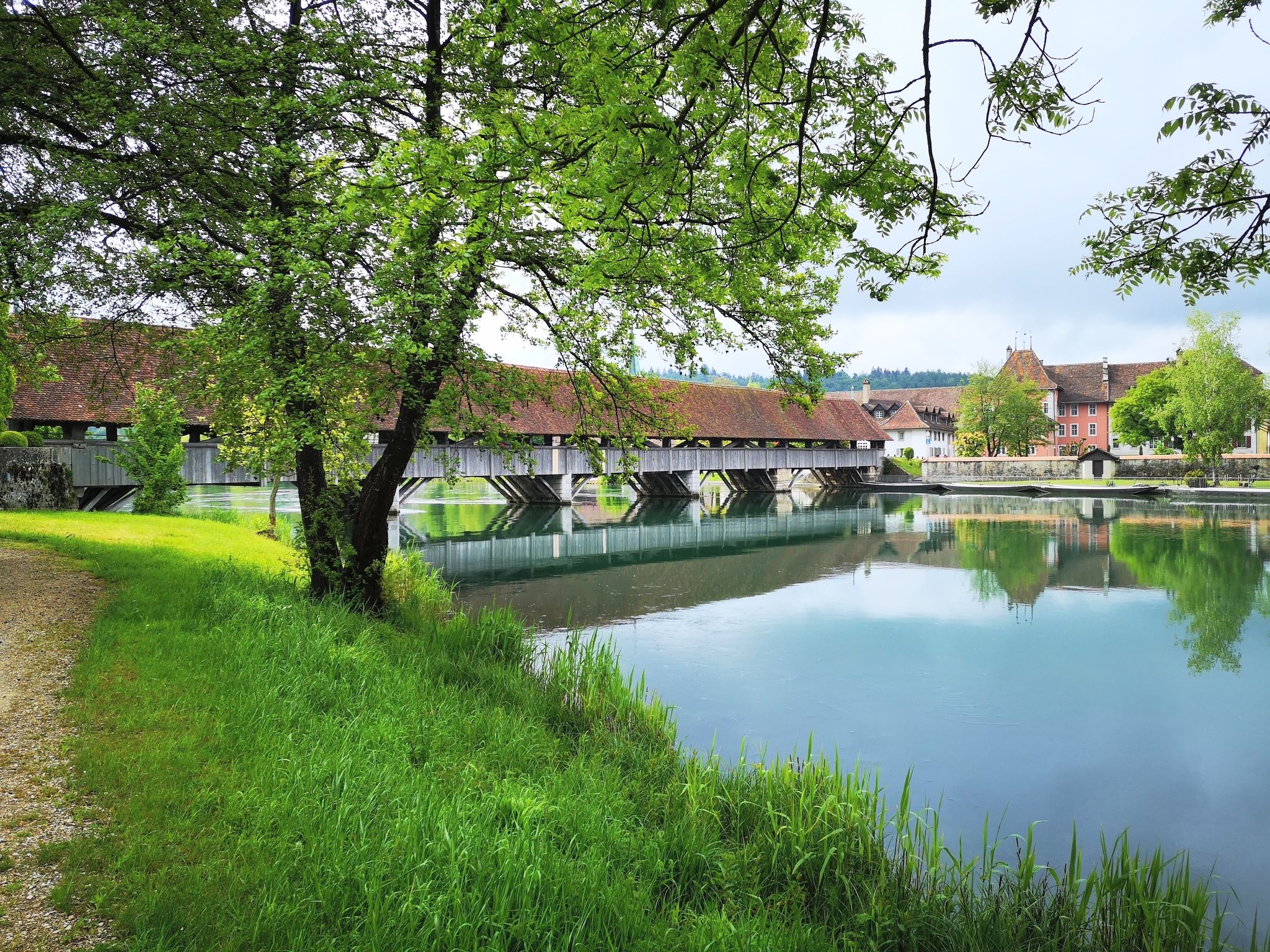
The Mittelland Route – Between Lake Constance and Lake Geneva
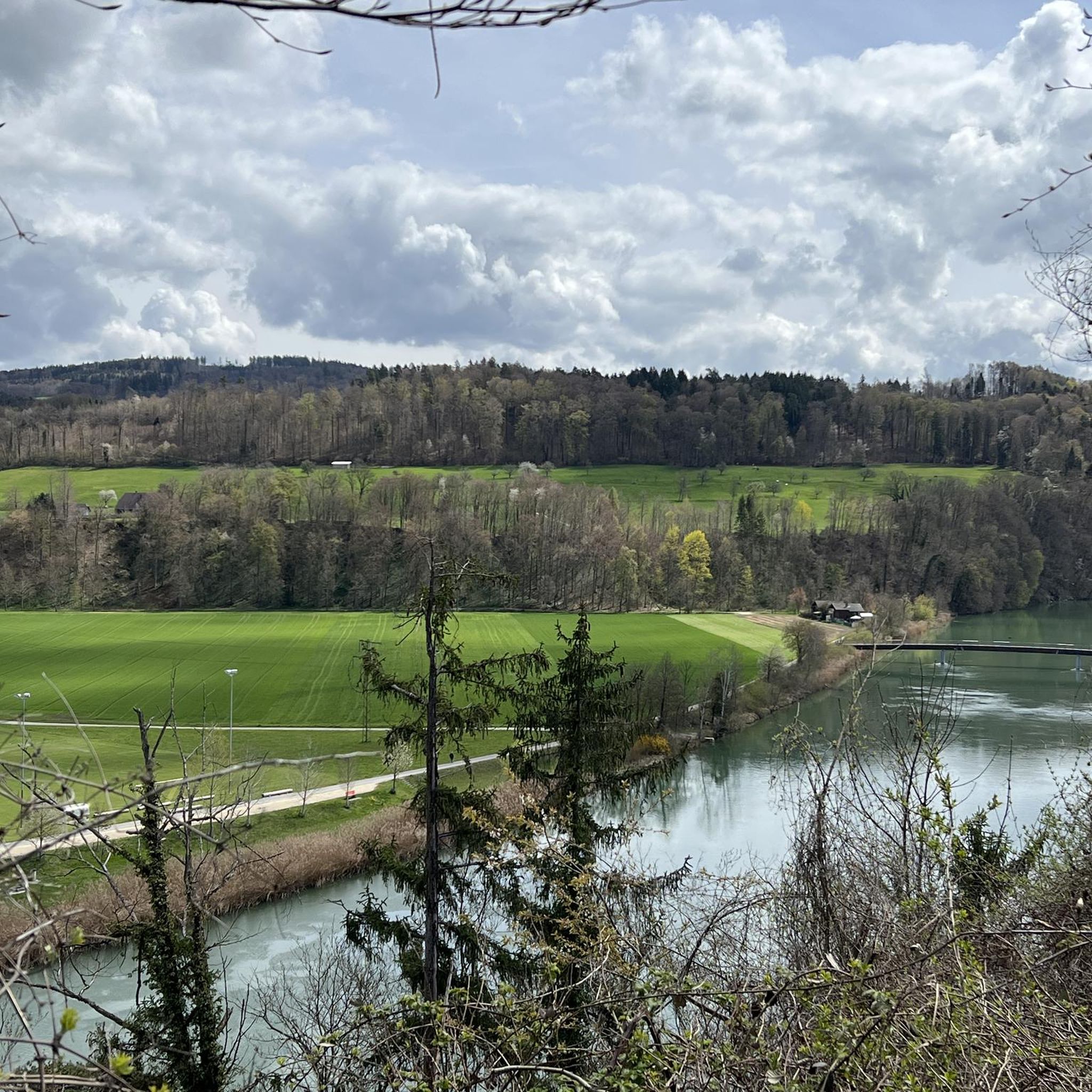
Cycling in Seeland, Switzerland
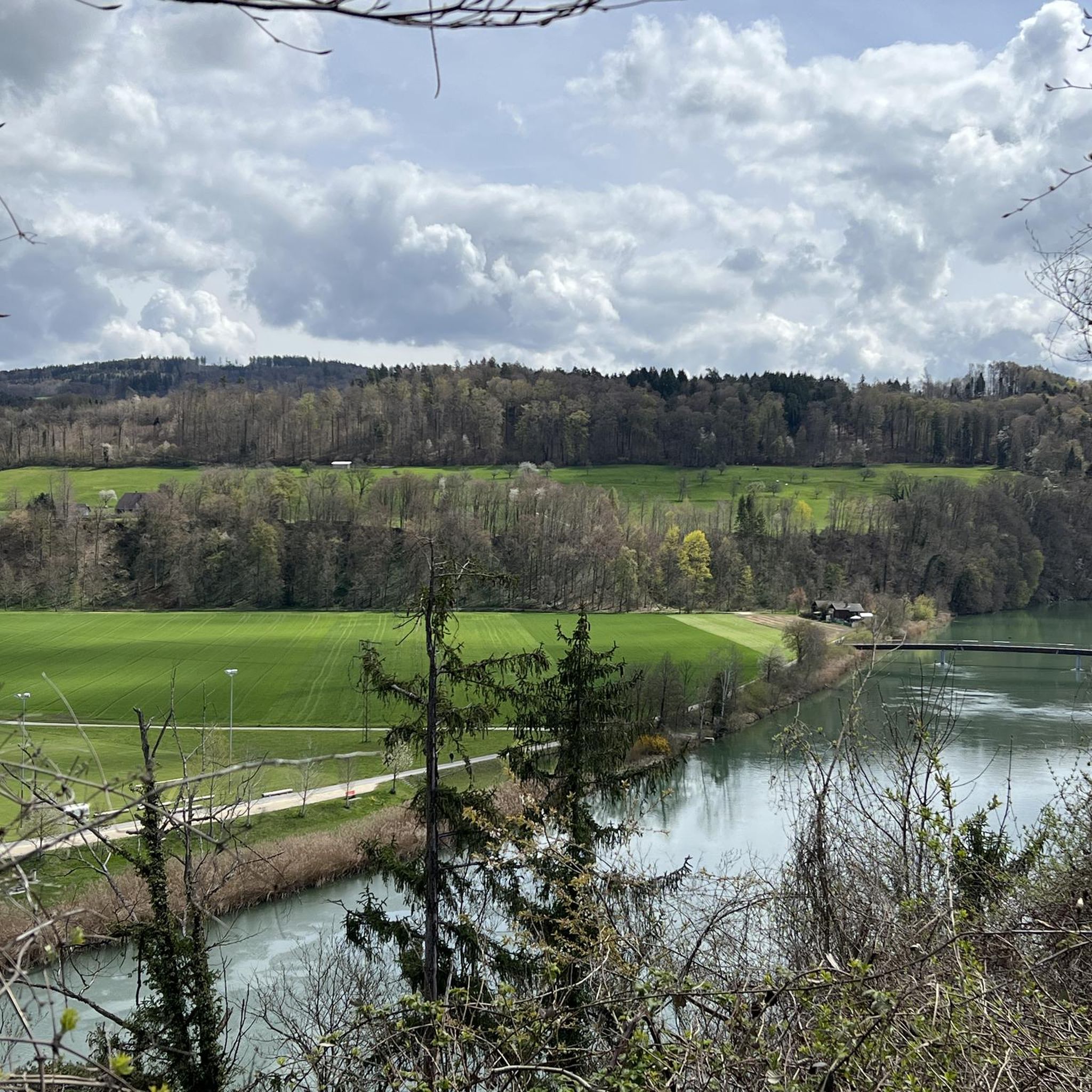
Road Cycling Routes in Seeland, Switzerland
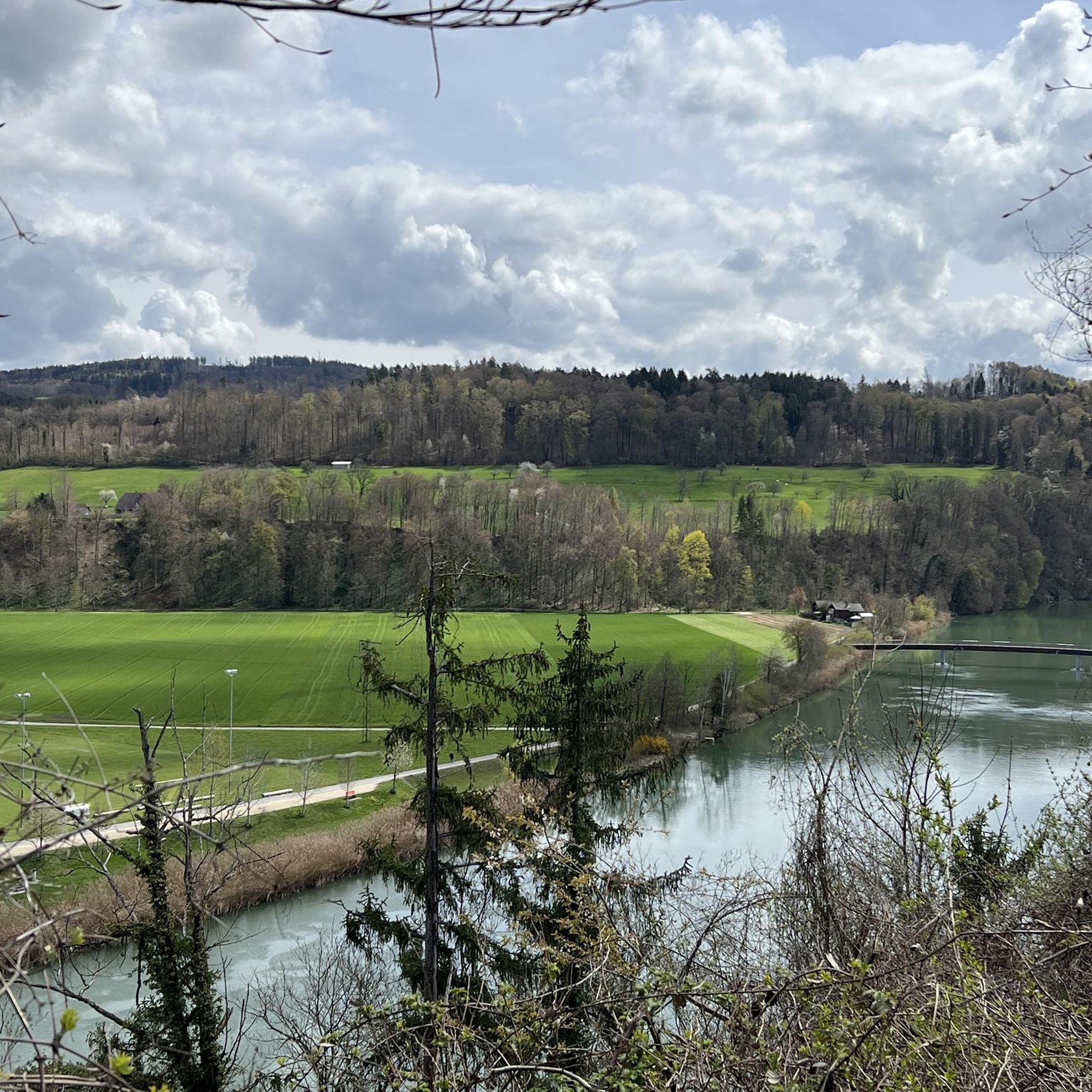
Hiking in Seeland, Switzerland
MTB Trails in Seeland, Switzerland
Running Trails in Seeland, Switzerland

Gravel biking in Seeland, Switzerland

Mountain Hikes in Seeland, Switzerland
Other adventures in Seeland, Switzerland

Tips from the Community

pretty here, mega super pretty
1
0

The Güggelisloch is a sandstone cave that goes right through the hill ridge.
0
0

very beautiful and all along the Aare
0
0

While a large part of the Aare is channeled through a canal as part of the Jura water correction, it flows in its original riverbed between Aarberg and Büren an der Aare. Anyone who wants to relax and recharge their batteries will find the ideal retreat in this local recreation area.
1
0

The Old Aare – a fascinating river landscape between Aarberg and Büren. It is a valuable habitat for numerous animals and plants. People from near and far love and appreciate it as an attractive relaxation area. This unique idyll was created as a result of the first Jura water correction in the 19th century. The Alte Aare Hydraulic Engineering Association, together with private and public partners, ensures that this landscape is preserved. Source https://www.alte-aare.ch/
0
0
The observation tower is located in the Häftli nature reserve on the Alte Aare in the municipality of Büren an der Aare in the canton of Bern. The tower, made of wood, is 10.5 meters high. 36 steps lead to the viewing platform at a height of 7.5 meters. The platform offers a view of the birdlife of the Old Aare. So far, well over 200 species of birds have been recorded in the Häftli, almost 80 of which are breeding birds. A small breeding colony of night herons from 1967 to 1970 was unique in Switzerland. Since then, it has only appeared as a migrant and rare summer guest. Important breeding birds include little grebes and great crested grebes, black kites, water rails, kingfishers, lesser spotted woodpeckers, nightingales and orioles. The Häftli is an important wintering site for waterfowl, including several hundred teals, gadwalls and wigeons. Various species of herons, birds of prey, limousines and numerous songbirds can be observed as they pass through. The Häftli is also an important retreat for amphibians. So far, grass frogs, water frogs, tree frogs, common toads, natterjack toads, great crested newts, pond newts, mountain newts and fire salamanders have been identified. Source https://www.ala-schweiz.ch/index.php/reservate/haeftli
0
0

Cycling around and along here, very interesting and an impressive building
0
0

The Niederried nature reserve is highly recommended 👍
2
0
Frequently Asked Questions
What are some prominent nature reserves in Seeland, Switzerland?
Seeland is home to several significant nature reserves. The Häftli Nature Reserve near Büren an der Aare is a national alluvial zone known for its diverse habitats and rich birdlife, a direct result of the Jura water corrections. Another notable area is the Grande Cariçaie Nature Reserve along Lake Neuchâtel, Switzerland's largest lakeside reserve, boasting exceptional biodiversity. Additionally, the Alte Aare Nature Reserve offers a fascinating river landscape between Aarberg and Büren.
Are there family-friendly natural monuments to visit in Seeland?
Yes, many natural monuments in Seeland are suitable for families. For instance, the Hagneck Canal Mouth is an impressive renatured river area that offers opportunities to enjoy nature. The Niederried Hydroelectric Power Plant and Niederried Reservoir is another family-friendly spot. The Aarberg Riverside Wetlands also feature seating, a playground, and narrow forest paths that motivate children.
What kind of natural features can I expect to see among Seeland's natural monuments?
Seeland's natural monuments showcase a variety of features, including renatured river landscapes, expansive lakes, and intriguing caves. You can explore areas like the Lobsigesee and Meienriedseeli, which are serene lakes. The region also features unique geological formations such as the Lobsigen Sandstone Caves and the Güggelisloch Cave.
Can I find hiking trails near these natural monuments?
Absolutely. The Seeland region offers numerous hiking opportunities around its natural monuments. For easy walks, you can explore trails around the Hagneck Canal or the Erlach St. Peter’s Island loop. More moderate options include routes around the Alte Aare Nature Reserve. You can find detailed routes and guides for various hiking difficulties on the Easy hikes in Seeland, Switzerland and Mountain Hikes in Seeland, Switzerland guide pages.
What about cycling opportunities in the Seeland region?
Seeland is excellent for cycling, with routes that take you through its natural monuments. You can cycle along the Hagneck Canal towards Lake Biel or explore paths around the Alte Aare. The Grande Cariçaie Nature Reserve also offers 40 kilometers of marked trails suitable for cycling. For specific routes, check out the Running Trails in Seeland, Switzerland guide, which includes routes suitable for cycling, such as the Moosbrüggli – Zihl Pedestrian and Bicycle Suspension Bridge loop.
Are there any historical or cultural aspects associated with Seeland's natural monuments?
Yes, some natural monuments in Seeland have historical significance. For example, the Lobsigen Sandstone Caves were inhabited until the early 20th century, offering a glimpse into past ways of life. St. Peter's Island, though not explicitly listed in the guide data, is a well-known natural reserve with historical ties to philosopher Jean-Jacques Rousseau, who once sought refuge there.
Which natural monuments offer good viewpoints?
Several natural monuments in Seeland provide excellent viewpoints. The Observation Tower at the Aare Nature Reserve offers panoramic views of the reserve and the Jura mountains. Similarly, the Häftli Nature Reserve has an observation tower providing views of the floodplain landscape. The Häftli Observation Tower is another specific spot for elevated views.
What is the best time of year to visit the natural monuments in Seeland?
The best time to visit Seeland's natural monuments largely depends on your preferred activities. Spring and autumn offer pleasant temperatures for hiking and cycling, with vibrant flora and fauna. Summer is ideal for enjoying the lakes and wetlands, though it can be busier. Even winter can be beautiful for tranquil walks, especially in areas like the Alte Aare, though some facilities might have reduced hours.
How can I access these natural monuments, particularly by public transport?
Many natural monuments in Seeland are accessible by public transport, often combined with short walks or boat trips. For example, St. Peter's Island can be reached by boat from Biel or via paths from Erlach. The Observation Tower at the Aare Nature Reserve is accessible from Solothurn, with options to return by ship. It's advisable to check local transport schedules for specific destinations.
What role did the Jura water corrections play in shaping Seeland's natural monuments?
The historic Jura water corrections were pivotal in shaping Seeland's landscape and its natural monuments. These hydrological changes transformed a once-swampy floodplain into fertile land and valuable nature reserves. The diversion of the Aare River, for instance, created the unique wetland environment of the Häftli Nature Reserve and the fascinating river landscape of the Alte Aare Nature Reserve. The first correction also lowered lake levels, contributing to the development of the Grande Cariçaie.
What do visitors particularly enjoy about the natural monuments in Seeland?
Visitors to Seeland's natural monuments appreciate the diverse landscapes and the opportunities for outdoor activities. Many enjoy the tranquility and natural beauty, such as the renatured Hagneck Canal Mouth. The Lobsigen Sandstone Caves are loved for their mix of beautiful trails, short climbs, and steep descents. The region's natural monuments are highly regarded by the komoot community, with over 440 upvotes and more than 90 photos shared.
Are there any natural monuments that are particularly good for birdwatching or wildlife observation?
Yes, Seeland is a fantastic region for birdwatching and wildlife observation. The Häftli Nature Reserve is a crucial habitat for over 200 species of waterbirds, beavers, and various insects, with an observation tower for undisturbed viewing. The Grande Cariçaie Nature Reserve is also a paradise for nature enthusiasts, home to approximately 10,000 animal species, including many rare and endangered ones, and offers observation towers and informational stations.
Most popular routes in Seeland, Switzerland
Most popular attractions in Seeland, Switzerland

Get inspired with the komoot mobile app


Didn’t find what you were looking for?
Find even more amazing natural monuments in Seeland, Switzerland by checking out the top Highlights region by region:
Explore more
Extend your search for the best caves by checking out these guides of the top ones in Seeland, Switzerland:
