Top 12 Natural Monuments around Schlotheim
Natural monuments around Schlotheim showcase the diverse natural features of the Thuringian Basin. The region is characterized by the "Sonder" forest, a recognized nature reserve and part of the European Natura 2000 protected area system. This area provides opportunities to explore ancient trees, unique moorland ecosystems, and varied forest landscapes. Visitors can discover significant natural landmarks that highlight the ecological value of the surroundings.
Best natural monuments around Schlotheim
- The most popular natural monuments is King's Oak, a natural…
Last updated: June 25, 2026
Ebeleben Palace Park
Highlight • Historical Site
Translated by Google •
Tip by

King's Oak
Highlight • Natural Monument
Translated by Google •
Tip by

Sign up now to discover places like this
Get recommendations on the best single tracks, peaks, & plenty of other exciting outdoor places.
Sign up for free
Goethe Lime Tree Neinhäusern
Highlight • Natural Monument
Translated by Google •
Tip by

Hanfsee Moor
Highlight • Natural
Translated by Google •
Tip by
Bonifatius Spring in Dietenborn
Highlight • Historical Site
Translated by Google •
Tip by

Sign up for free to discover even more natural monuments around Schlotheim.
Sign up for free
Already have an account?
Start today with a free account
Your next adventure awaits.
Login or Signup

Tips from the Community

A real gem in the Kyffhäuser district. 👍
1
0

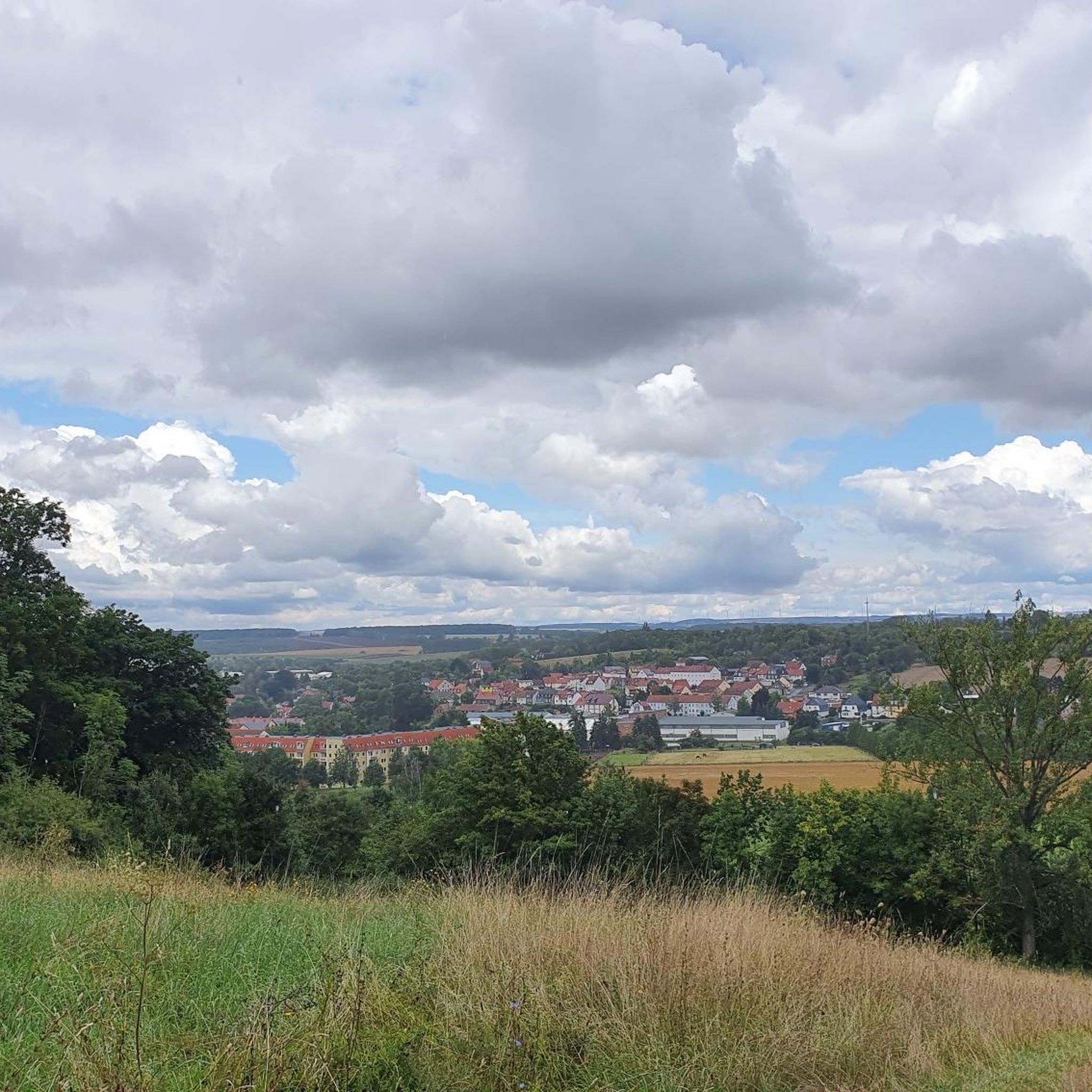
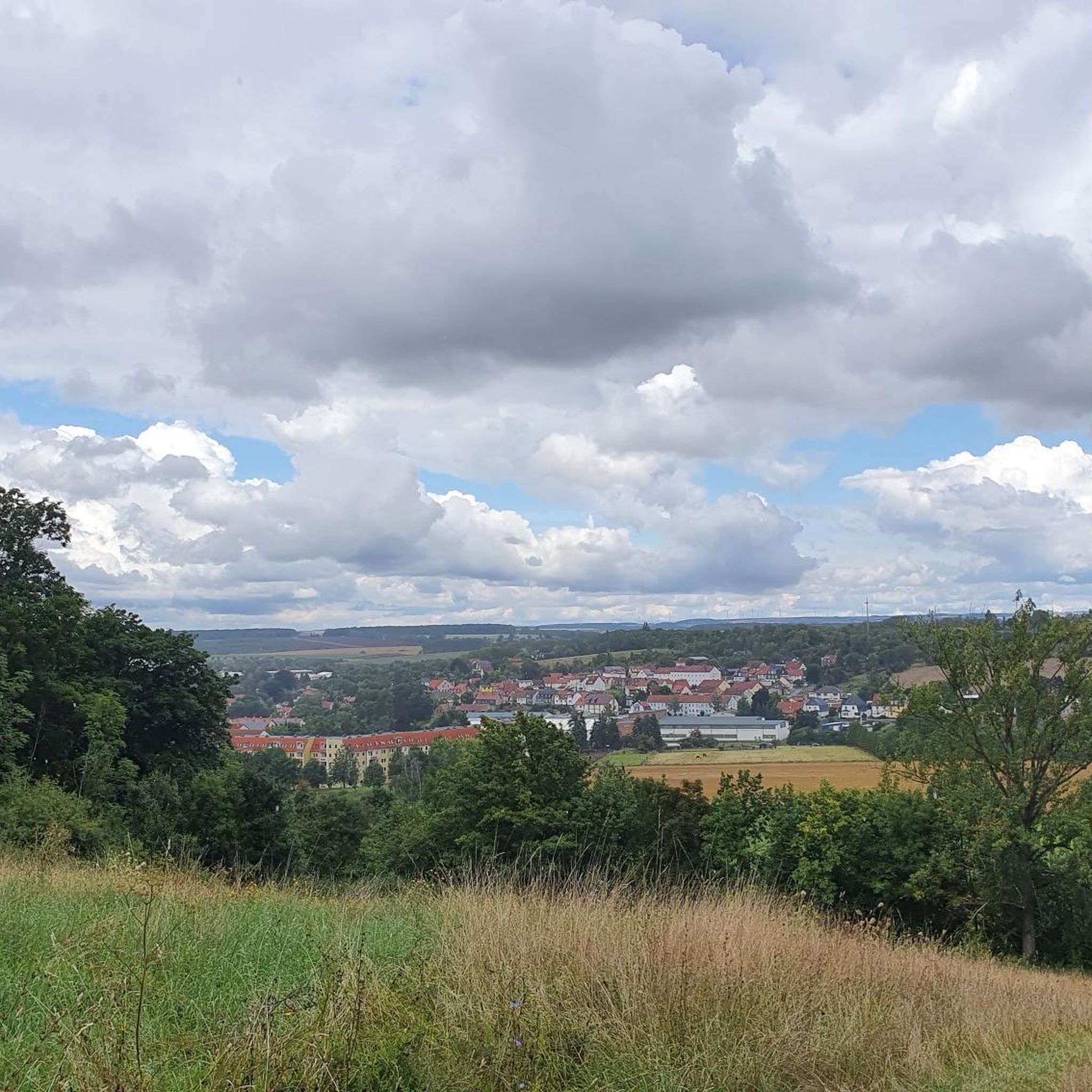
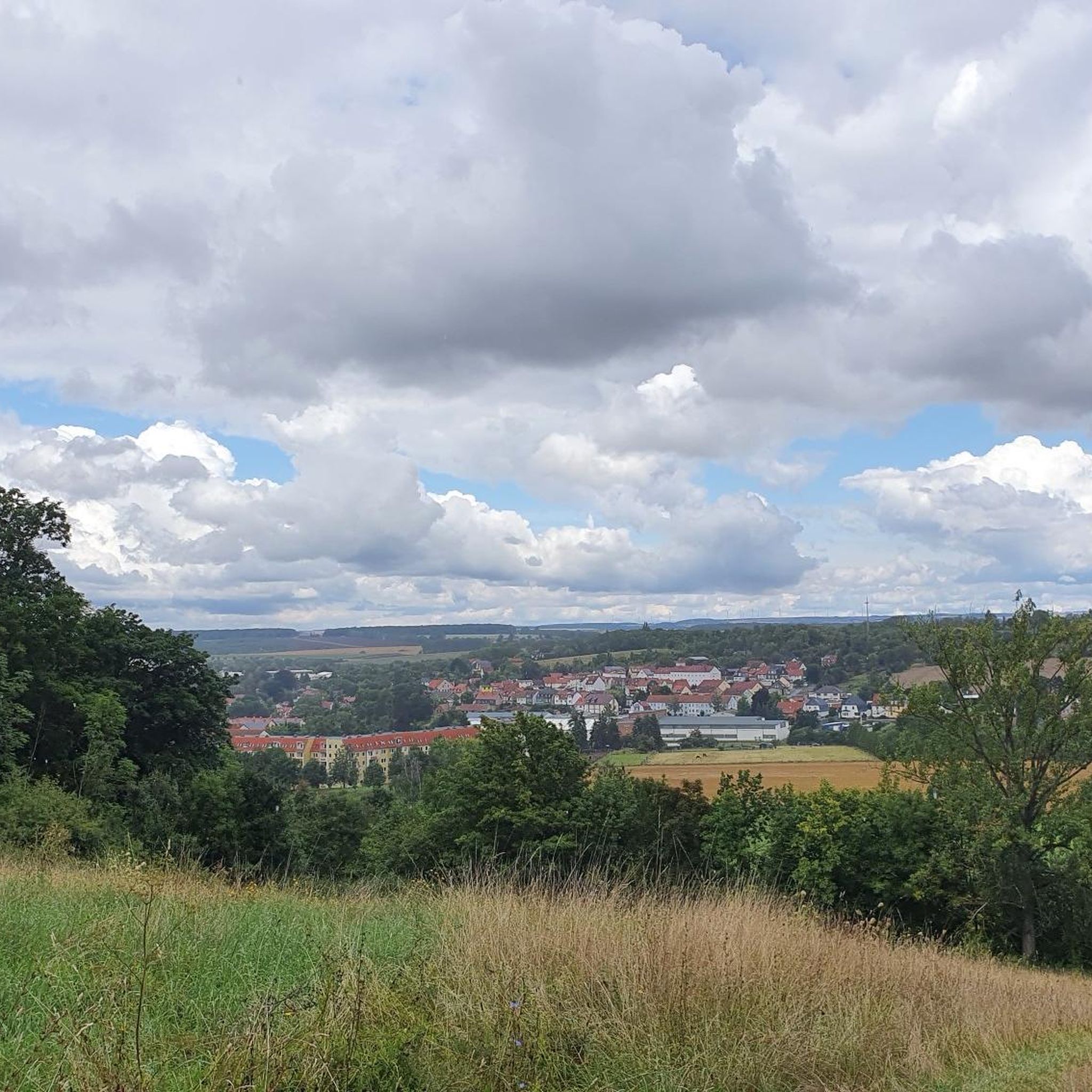
nice rest area also suitable for groups with beautiful view
4
0

A small idyllic place to stay.
4
0

The hemp lake is silting up more and more and today no longer has any free water surfaces. So the bog is gradually disappearing.
6
2
The café linden tree is also known as the Goethe linden tree. After all, the old tree witnessed the visit of Johann Wolfgang von Goethe to Count Werther in 1781. However, was the old tree was destroyed by a lightning strike in 1946. In November 2004, the historical coffee linden tree was replanted here.
7
0

Dietenborn is a district of Sondershausen in the Kyffhäuser district in Thuringia. Dietenborn is located between Großberndten in the east, Großbrüchter in the south-west and Kleinberndten in the north about 13 kilometers west of Sondershausen. The place is on the south-west slope of the Hainleite in a side valley of the Helbe valley. In terms of transport, Dietenborn is connected via the state roads L 2084 to Sondershausen and L 1033 between Bleicherode and Ebeleben. (Source: Wikipedia)
3
0

Well worth a visit, a beautiful baroque park.
1
0
The Sonder forest area has been a nature reserve since 1961 and, together with the neighboring forest areas on Oberholz and Großer Horn, is part of the European NATURA 2000 system of protected areas. The core of the area is the hemp lake, which was created by leaching rock salts in the geological subsoil. It is the largest of what were previously six sinkholes of this type. These sinkholes filled with water over a long period of time, creating lakes with no natural inflow and outflow, so they were fed solely by rainwater. (Source: https://www.nottertal-heilingerhoehen.de)
1
0
Frequently Asked Questions
What unique natural monuments can I explore around Schlotheim?
The region offers several unique natural monuments. You can visit the King's Oak, an ancient sessile oak estimated to be between 900 and 1200 years old. Another highlight is the Hanfsee Moor, a rare moorland ecosystem within the "Sonder" forest, known for its specialized plant life. Additionally, the approximately 400-year-old "Eulenbaum" (owl tree) in the "Viereckigen Königsholz" section of the "Sonder" forest is notable for its unique trunk anomaly resembling an owl's face.
Are there any ancient or historically significant trees in the Schlotheim area?
Yes, the area is home to several ancient trees. The King's Oak near Volkenroda is one of Thuringia's most powerful tree figures, estimated to be up to 1200 years old. The "Eulenbaum" in the "Sonder" forest is another ancient sessile oak, around 400 years old, with a distinctive trunk. You can also find the Goethe Lime Tree Neinhäusern, a replanted historical tree that witnessed a visit from Johann Wolfgang von Goethe in 1781.
What kind of natural landscapes and ecosystems can I expect to find near Schlotheim?
The region around Schlotheim is characterized by the "Sonder" forest, which is a nature reserve and part of the European Natura 2000 protected area system. Within this forest, you'll discover rare moorland ecosystems like the Hanfsee Moor, which hosts specialized plants adapted to its unique environment. The area also features varied forest landscapes and viewpoints such as the DBU Natural Heritage Forstberg, offering panoramic views.
Are there family-friendly natural monuments or activities around Schlotheim?
Many natural monuments in the area are suitable for families. The King's Oak and the Goethe Lime Tree Neinhäusern are accessible and offer interesting natural and historical points for children. The DBU Natural Heritage Forstberg provides a natural landscape for walks and bike rides with scenic views. Additionally, the Ebeleben Palace Park, while a historical site, is also categorized as family-friendly with its baroque gardens and fountain figures.
What outdoor activities can I do near the natural monuments around Schlotheim?
The region offers various outdoor activities. You can explore the natural monuments through hiking, cycling, and mountain biking. For easy hikes, consider routes like the "Pöthenserweg Shelter – Shelter in Schafbachtal loop" or the "Marolterode Village – Schlotheim Monastery loop." Cyclists can enjoy routes such as the "Volkenroda Monastery – Christ Pavilion loop." Mountain bikers have options like the "Totenberg Trail – Zum Possen Hunting Lodge loop." You can find more details on these activities in the easy hikes around Schlotheim guide, the cycling around Schlotheim guide, and the MTB trails around Schlotheim guide.
Are there hiking trails near the natural monuments in Schlotheim?
Yes, the area around Schlotheim, particularly within the "Sonder" forest, offers various hiking opportunities. You can find easy hiking trails that lead to or near natural monuments. Examples include the "Pöthenserweg Shelter – Shelter in Schafbachtal loop" (7.1 km) and the "Marolterode Village – Schlotheim Monastery loop" (7.3 km). These trails allow you to experience the natural beauty of the region, including areas like the Hanfsee Moor. For more hiking options, refer to the easy hikes around Schlotheim guide.
What is special about the Hanfsee Moor?
The Hanfsee Moor is a rare and sensitive moorland ecosystem located within the "Sonder" forest. It originated from the leaching of rock salt in the geological subsoil, forming one of six such sinkholes in the area. While it no longer has an open water surface, it is a valuable site for botanists and nature enthusiasts, hosting specialized and increasingly rare plants like sphagnum mosses, downy birches, cotton grass, sundew, marsh cinquefoil, bogbean, and various sedge species.
Can I find viewpoints with panoramic views among the natural monuments?
Yes, the DBU Natural Heritage Forstberg is a natural monument that offers wonderful panoramic views. Visitors often describe it as a beautiful piece of nature, especially after a climb, where you can enjoy the scenery and visit small ponds. The Goethe Lime Tree Neinhäusern also provides a nice rest area with a beautiful view.
What historical sites are located near the natural monuments?
While primarily focused on natural monuments, the region also features historical sites. The Ebeleben Palace Park is a baroque garden designed along French models, with fountain figures from the 18th century. Although the castle itself was destroyed, the park remains a significant historical landmark. The Goethe Lime Tree Neinhäusern also has historical significance, linked to Johann Wolfgang von Goethe's visit in 1781.
What do visitors enjoy most about the natural monuments around Schlotheim?
Visitors frequently appreciate the untouched nature and the sense of tranquility. Highlights like the King's Oak are admired for their impressive size and age, often described as "awesome" and "madness tree." The DBU Natural Heritage Forstberg is praised for its pure nature and wonderful panoramic views. The unique ecosystems, such as the Hanfsee Moor, also draw interest for their rare flora.
Is the "Sonder" forest a protected area?
Yes, the "Sonder" forest, which encompasses several natural monuments including the Hanfsee Moor, has been a nature reserve since 1961. It is also part of the European Natura 2000 protected area system, highlighting its ecological value and the importance of preserving its unique habitats and species.
Most popular routes around Schlotheim
Most popular attractions around Schlotheim

Get inspired with the komoot mobile app


Explore more
Extend your search for the best caves by checking out these guides of the top ones around Schlotheim:
