Top 20 Natural Monuments around Lehnstedt
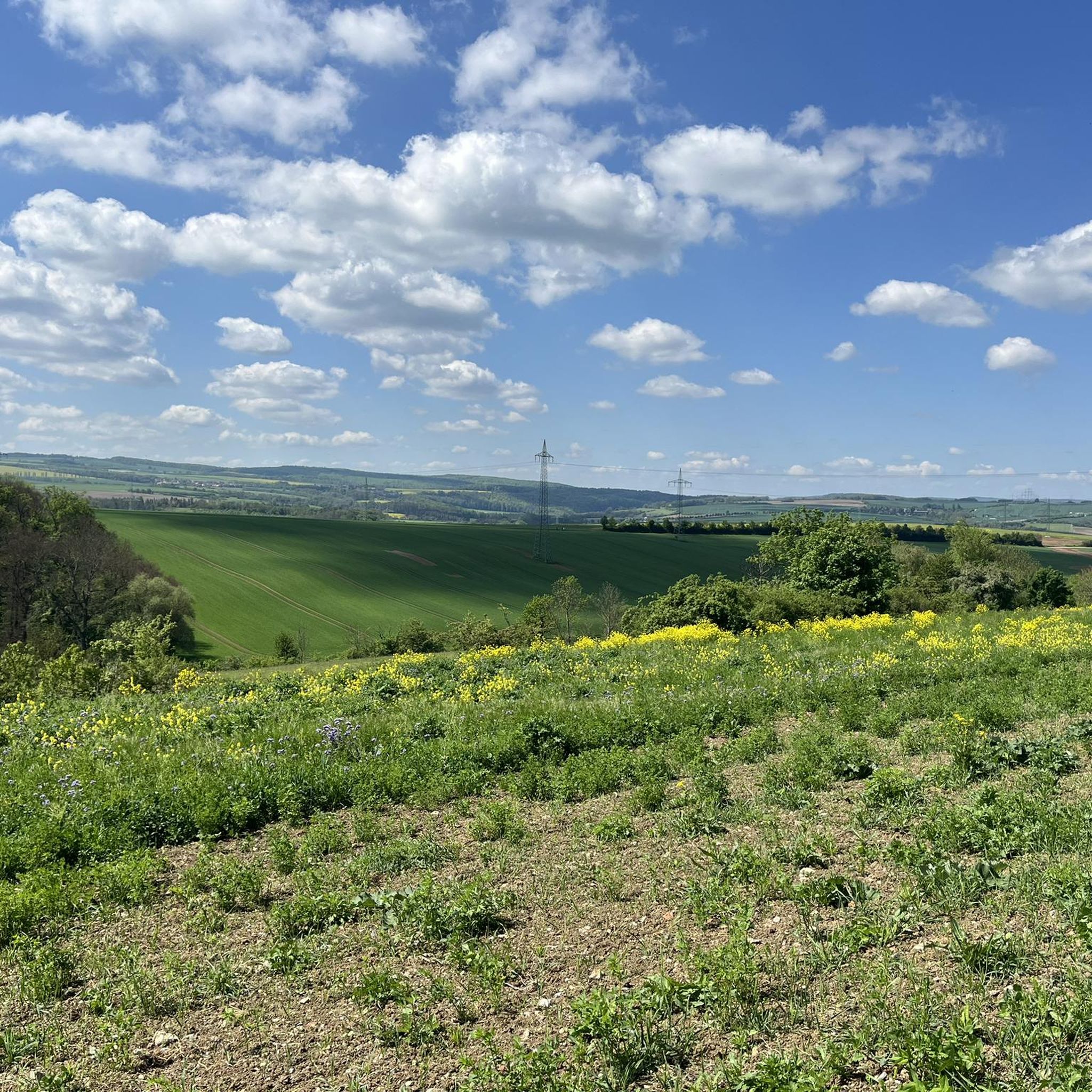
Best natural monuments around Lehnstedt are found in a municipality approximately 10 kilometers east of Weimar in Thuringia, Germany. The area is characterized by idyllic natural surroundings, offering a range of outdoor activities for nature enthusiasts. Its landscape provides significant natural appeal, with picturesque field paths, meadows, and the Ilm River. The nearby Ettersberg also offers forested hills for hiking.
Best natural monuments around Lehnstedt
- The most popular natural monuments is Napoleon Stone on the Windknollen, a man-made monument…
Last updated: July 8, 2026
Napoleon Stone on the Windknollen
Highlight • Monument
Translated by Google •
Tip by

Carolinenturm on Kötsch (Touringen Stamp Station No. 345)
Highlight • Viewpoint
Translated by Google •
Tip by

Sign up now to discover places like this
Get recommendations on the best single tracks, peaks, & plenty of other exciting outdoor places.
Sign up for free
Goethe Fountain, Bad Berka
Highlight • Natural Monument
Translated by Google •
Tip by

Bridge over the Ilm
Highlight • Cave
Showing Translation
Tip by

Winter Aconites in Bloom in the Rautal
Highlight • Natural Monument
Translated by Google •
Tip by

Sign up for free to discover even more natural monuments around Lehnstedt.
Sign up for free
Already have an account?
Start today with a free account
Your next adventure awaits.
Login or Signup

Tips from the Community

Very nice, well-maintained facility.
6
0

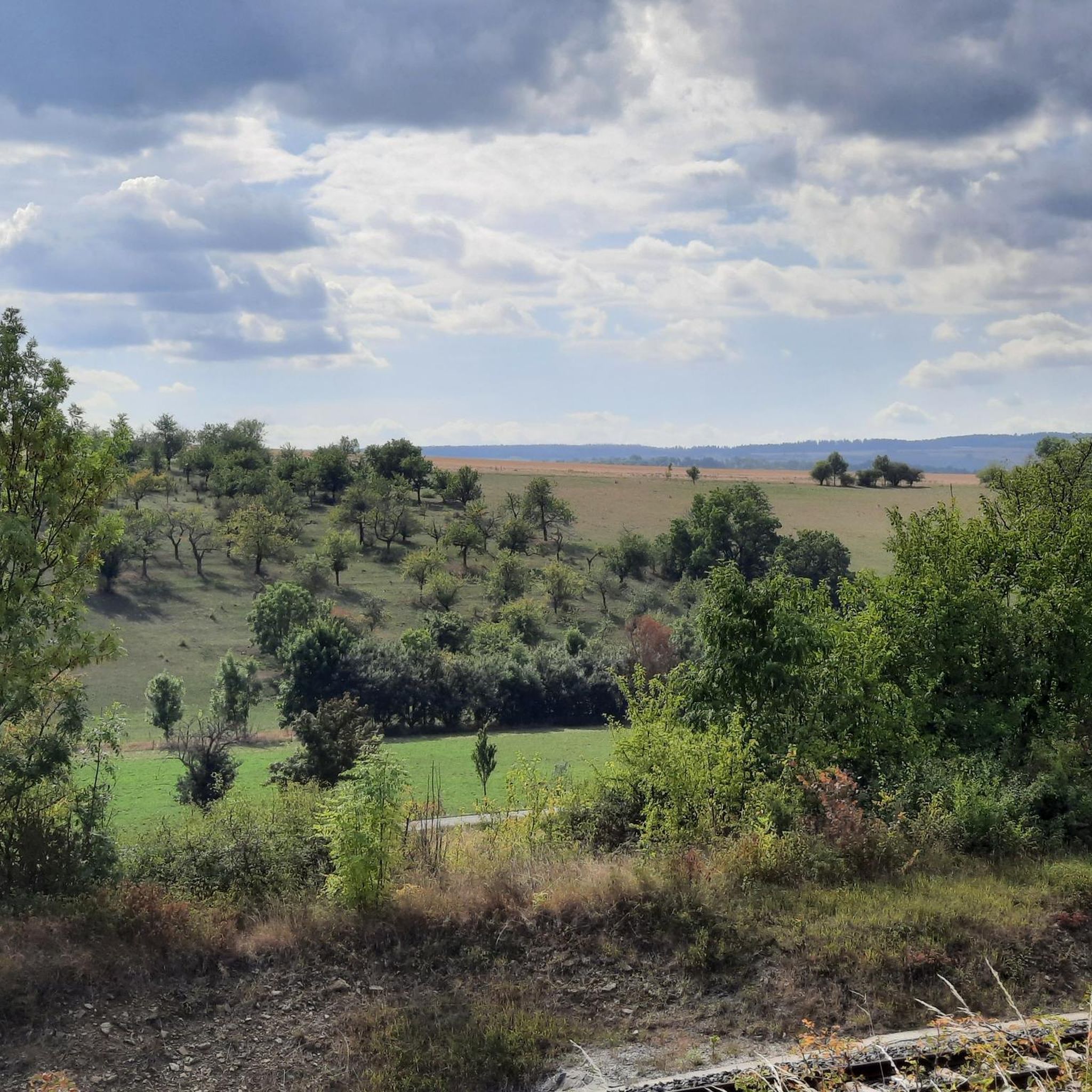
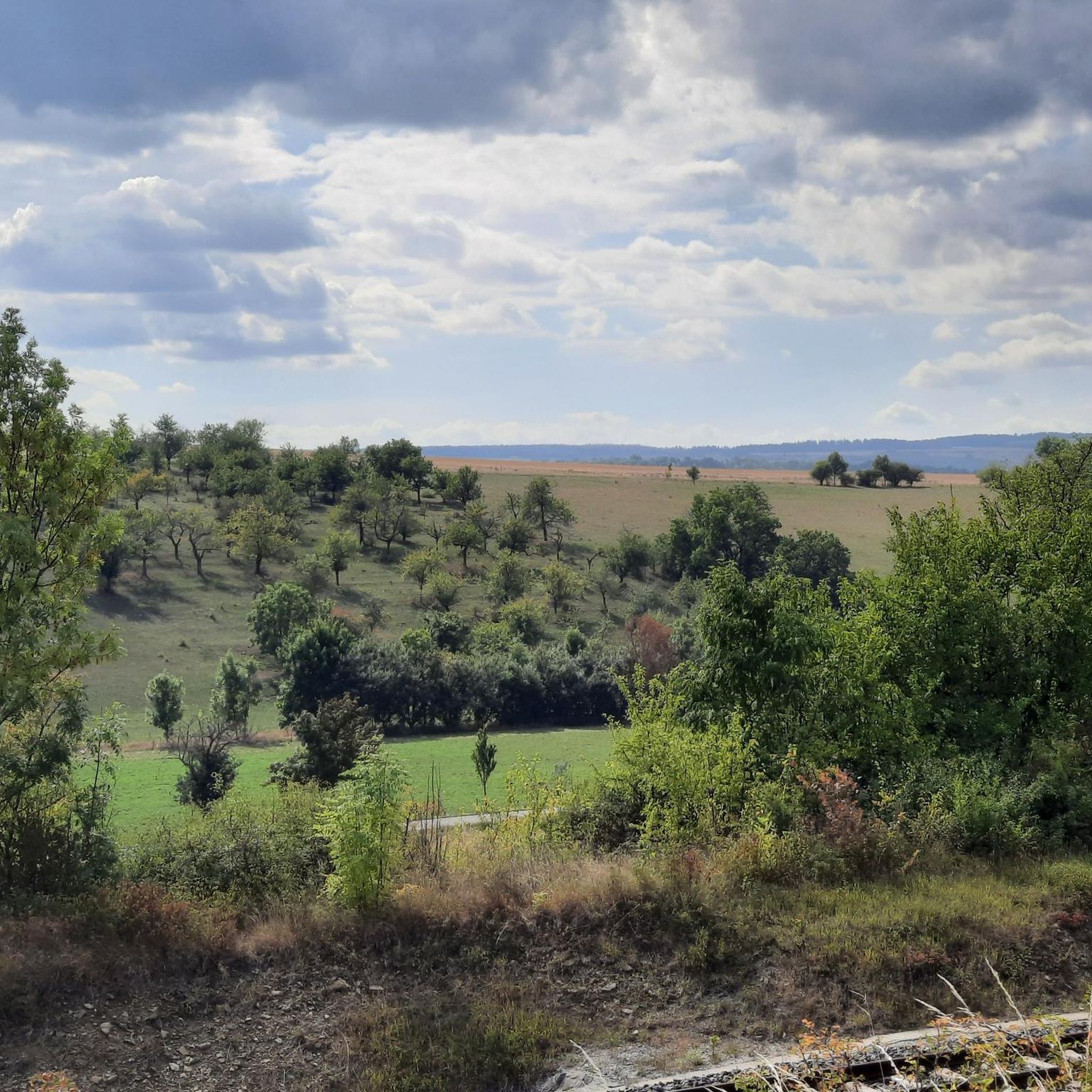
In the autumn of 1806, world history was made here on these heights northwest of Jena. Directly behind the Landgrave's house lay the Jena-Auerstedt battlefield, the site of the fighting between Prussian troops and Napoleon in October 1806. The Napoleon Stone, which, like the museum in nearby Cospeda, commemorates this event over two hundred years ago, is located here.
12
0
Another stop on the Napoleon Trail with a bench at the Napoleon Stone. Here you have a wonderful panoramic view 😎
13
0

Ignoring the Prussian ultimatum, Napoleon marched with approximately 160,000 men from Bavaria to Thuringia toward Berlin between October 7 and 13, 1806. On the afternoon of October 13, Napoleon, standing on the Windknollen, spotted the enemy firing positions on the Dornberg and ordered all available troops to take up positions overnight on the Landgrafenberg. The Prussian commanders never expected the French artillery with its heavy cannons to climb the steep mountain.
14
0

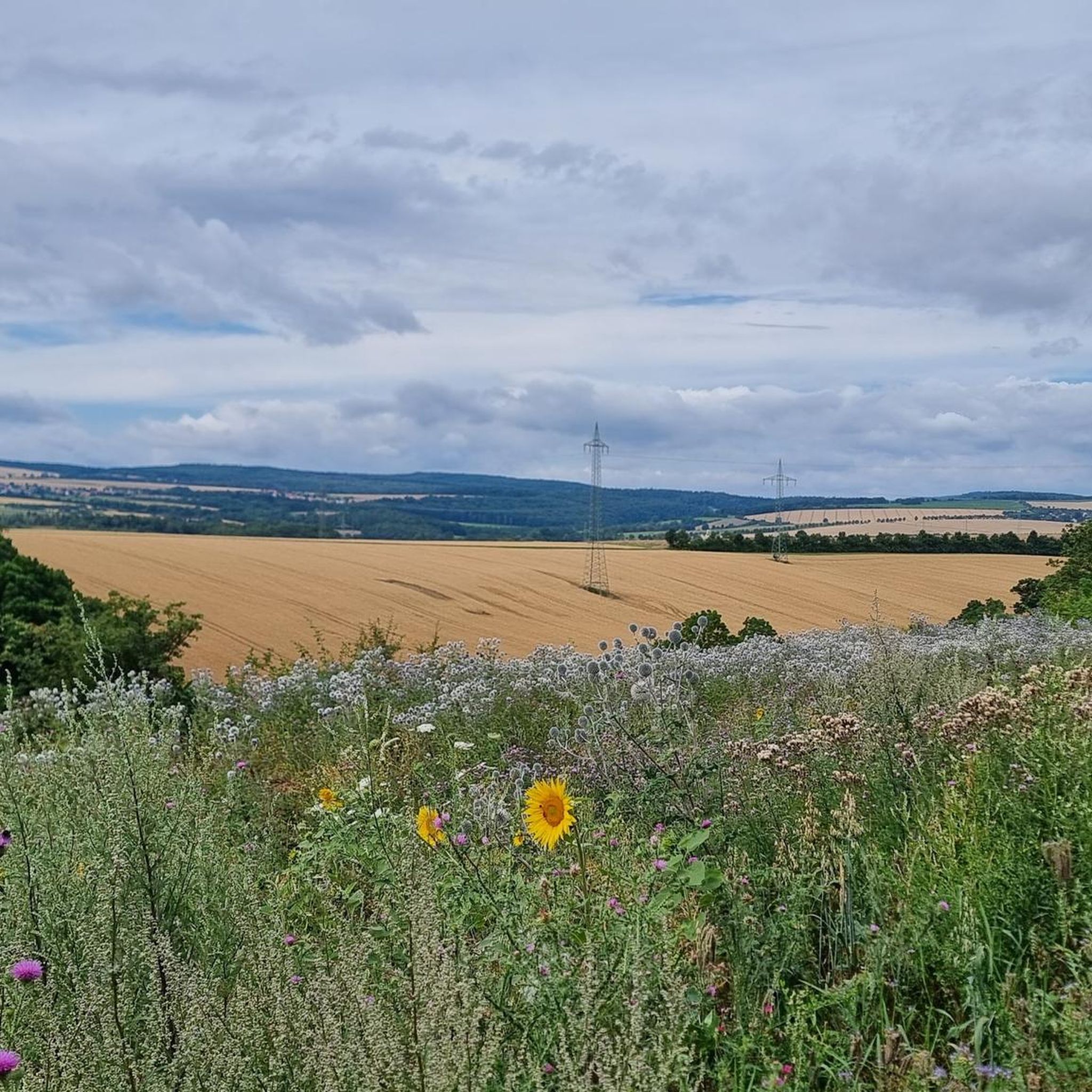
The Carolinenturm on the Kötsch is a very popular destination. It is one of the three towers of the Thuringian Three Towers hiking trail and also a stamping point for Touringen (No. 345). From here you have a great view and perspective. The rest areas and benches around the Carolinenturm invite you to linger. Absolutely worth it!👍
6
1
The well water is considered medicinal water due to its high mineral content 😇
9
0

Frequently Asked Questions
What are some popular natural monuments to visit around Lehnstedt?
Among the most popular natural monuments are the Napoleon Stone on the Windknollen, which offers fantastic views of Jena and the Saale Valley, and the Carolinenturm on Kötsch, a watchtower providing panoramic vistas. Another beloved spot is the Goethe Fountain, Bad Berka, known for its historical connection and calcium-rich water.
When is the best time to visit the natural monuments around Lehnstedt?
The best times to visit Lehnstedt for enjoying its natural beauty and outdoor activities are spring and summer. During these seasons, nature is in full bloom, and the weather is pleasantly warm, making it ideal for exploring.
Are there family-friendly natural monuments in the Lehnstedt area?
Yes, several natural monuments are suitable for families. The Napoleon Stone on the Windknollen, the Carolinenturm on Kötsch, and the Goethe Fountain, Bad Berka are all categorized as family-friendly. The Park Cave and the Nadelöhr in the Park on the Ilm also offers an engaging experience for families.
What kind of outdoor activities can I do near Lehnstedt's natural monuments?
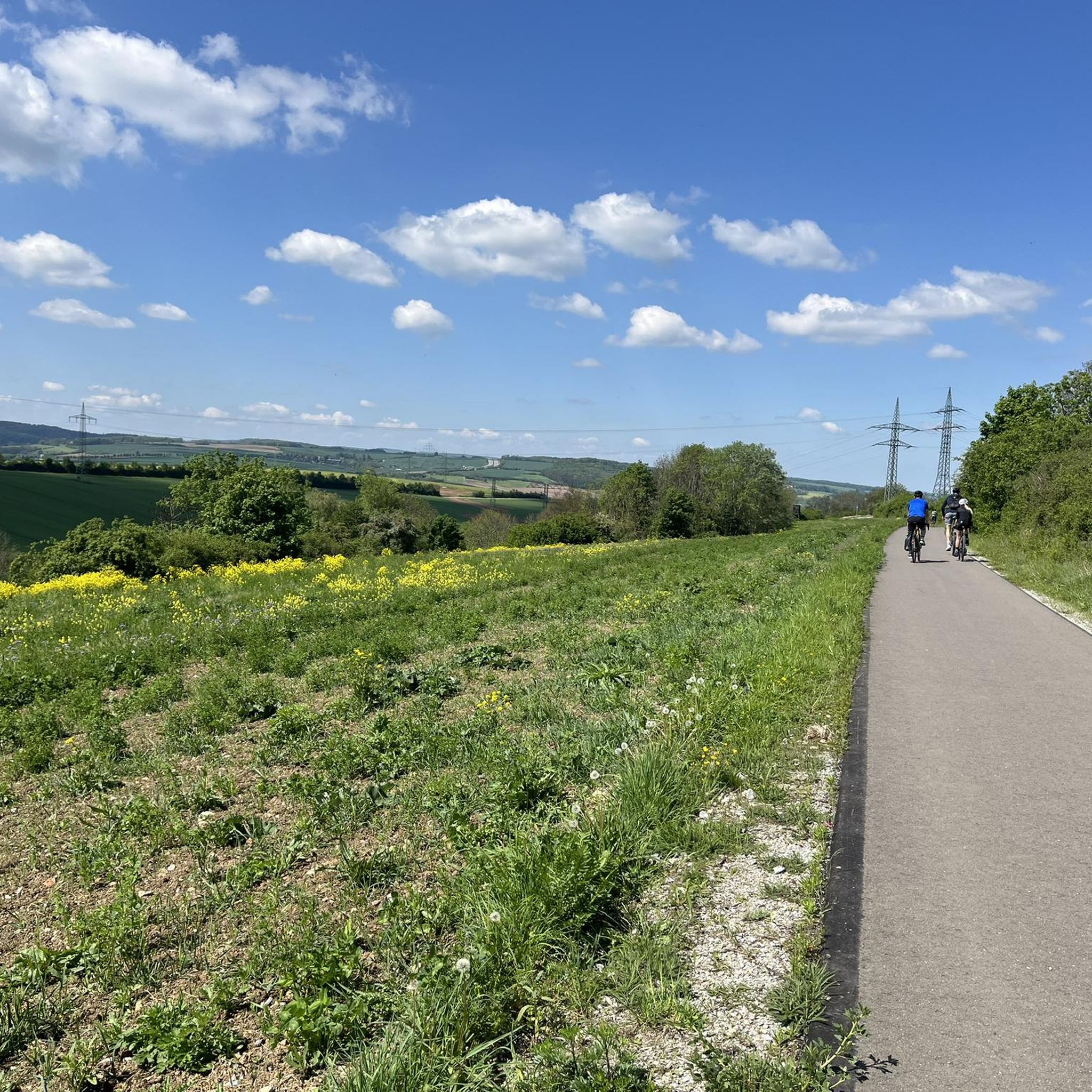
The region around Lehnstedt is excellent for various outdoor activities. You can enjoy cycling along the Ilmtal cycle path, which runs along the Ilm River, or explore numerous hiking paths through the woods of the Ettersberg. For more specific routes, you can find options for cycling, gravel biking, and road cycling around Lehnstedt.
Are there any easy-to-access natural monuments or short walks around Lehnstedt?
Yes, the Goethe Fountain, Bad Berka is noted as wheelchair accessible, making it an easy-to-visit historical and natural site. Additionally, Lehnstedt's idyllic countryside, with its picturesque field paths and meadows, provides ample opportunities for leisurely strolls and easy walks.
Where can I find viewpoints among the natural monuments in the Lehnstedt area?
Excellent viewpoints include the Napoleon Stone on the Windknollen, offering a fantastic view of Jena and the Saale Valley. The Carolinenturm on Kötsch is a 26-meter-high watchtower providing panoramic views, especially clear from April to September on Sundays and public holidays.
Can I observe unique flora around Lehnstedt's natural monuments?
Yes, a notable natural spectacle is the mass occurrence of blooming Winter Aconites in Bloom in the Rautal. From early to mid-February, you can admire around 1.6 million plants in an area of about 5,000 square meters, accompanied by a bewitching scent. A well-signposted circular route allows for easy viewing.
Do the natural monuments around Lehnstedt have historical significance?
Many natural monuments in the area are intertwined with history. The Napoleon Stone on the Windknollen commemorates the French general and is part of the Napoleon path. The Goethe Fountain, Bad Berka, discovered in 1807, has a direct connection to Goethe. The Carolinenturm on Kötsch, built in 1909, also stands as a historical landmark.
What do visitors enjoy most about the natural monuments around Lehnstedt?
Visitors particularly appreciate the stunning panoramic views from sites like the Napoleon Stone and the Carolinenturm. The historical connections, such as with the Goethe Fountain, also add to the appeal. The overall serene environment of picturesque field paths, meadows, and the Ilm River provides ample opportunities for relaxation and leisurely strolls.
Are there any caves or unique geological features to explore?
Yes, you can explore the Park Cave and the Nadelöhr in the Park on the Ilm. This area features a natural bridge and other interesting formations, offering a unique natural and man-made experience within the park.
What are the opening hours for the Carolinenturm on Kötsch?
The Carolinenturm on Kötsch is open during the summer season, from April to September, every Sunday and public holiday from 1 p.m. to 6 p.m. It's advisable to check for any updates before your visit.
Can I combine a visit to natural monuments with cultural sites?
Absolutely. The region offers a blend of nature and culture. For instance, the Ettersberg, a forested hill near Lehnstedt, has paths like the 'Time Lane' that connect the Buchenwald Concentration Camp and Ettersburg Castle, allowing for contemplation on the intersection of culture, history, and the natural environment.
Most popular routes around Lehnstedt
Most popular attractions around Lehnstedt

Get inspired with the komoot mobile app


Explore more
Extend your search for the best caves by checking out these guides of the top ones around Lehnstedt:
