Top 20 Natural Monuments around Großschwabhausen
Natural monuments around Großschwabhausen offer diverse natural attractions in the Weimarer Land district of Thuringia, Germany. The region is characterized by its natural beauty, particularly the Großschwabhäuser Forst, known for its early blooming flowers like spring snowflakes. This area provides opportunities to explore forests, geological formations, and natural springs.
Best natural monuments around Großschwabhausen
- The most popular natural monument is Thieves' Crag landslide, a natural monument featuring fascinating rock formations. This site is recognized as a special geological monument. …
Last updated: July 8, 2026
Middle Kernberg Horizontal Trail
Highlight (Segment) • Trail
Translated by Google •
Tip by

Thieves' Crag landslide
Highlight • Natural Monument
Translated by Google •
Tip by

Sign up now to discover places like this
Get recommendations on the best single tracks, peaks, & plenty of other exciting outdoor places.
Sign up for free
Prince's Spring
Highlight • Natural Monument
Translated by Google •
Tip by

Napoleon Stone on the Windknollen
Highlight • Monument
Translated by Google •
Tip by

Carolinenturm on Kötsch (Touringen Stamp Station No. 345)
Highlight • Viewpoint
Translated by Google •
Tip by

Sign up for free to discover even more natural monuments around Großschwabhausen.
Sign up for free
Already have an account?
Start today with a free account
Your next adventure awaits.
Login or Signup
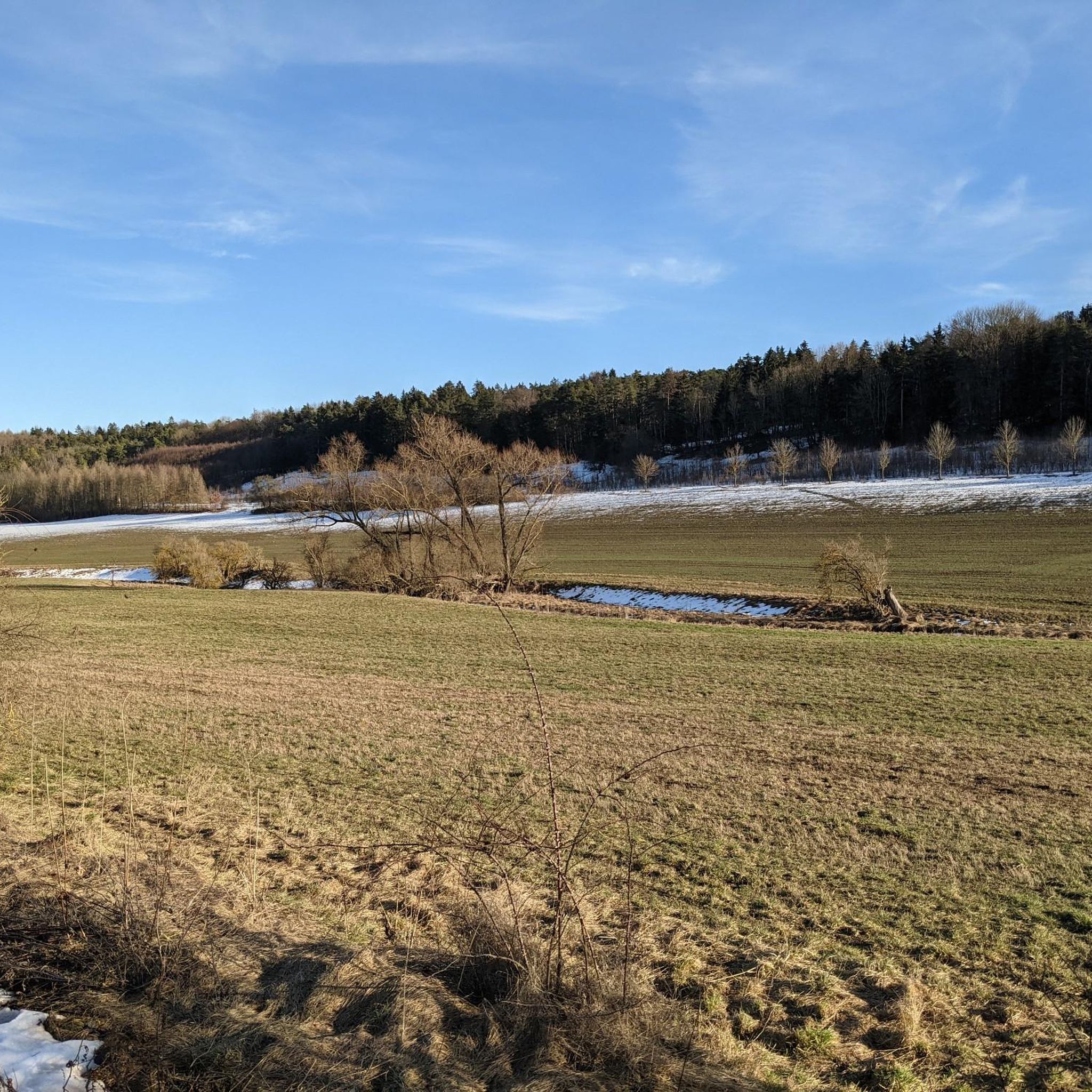
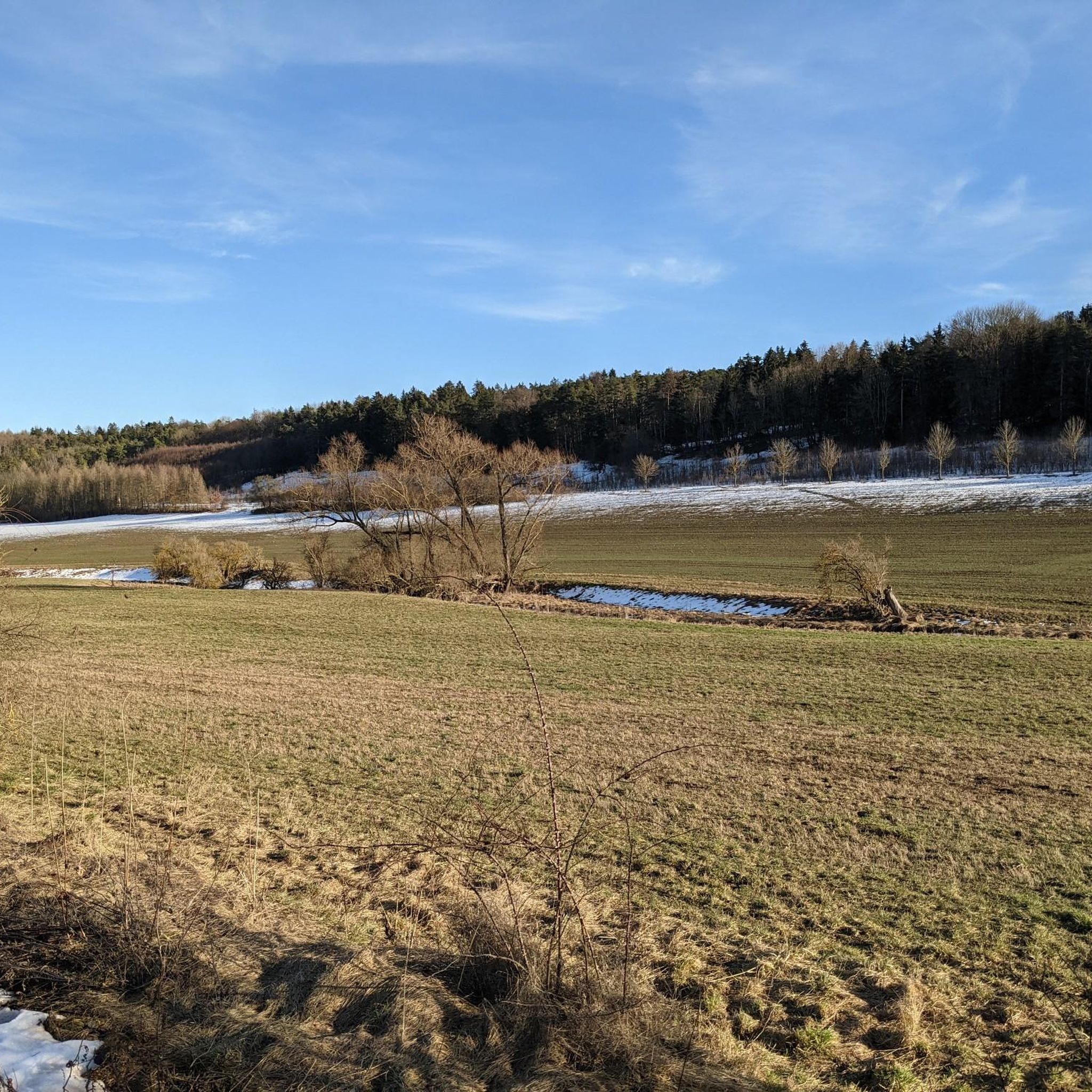
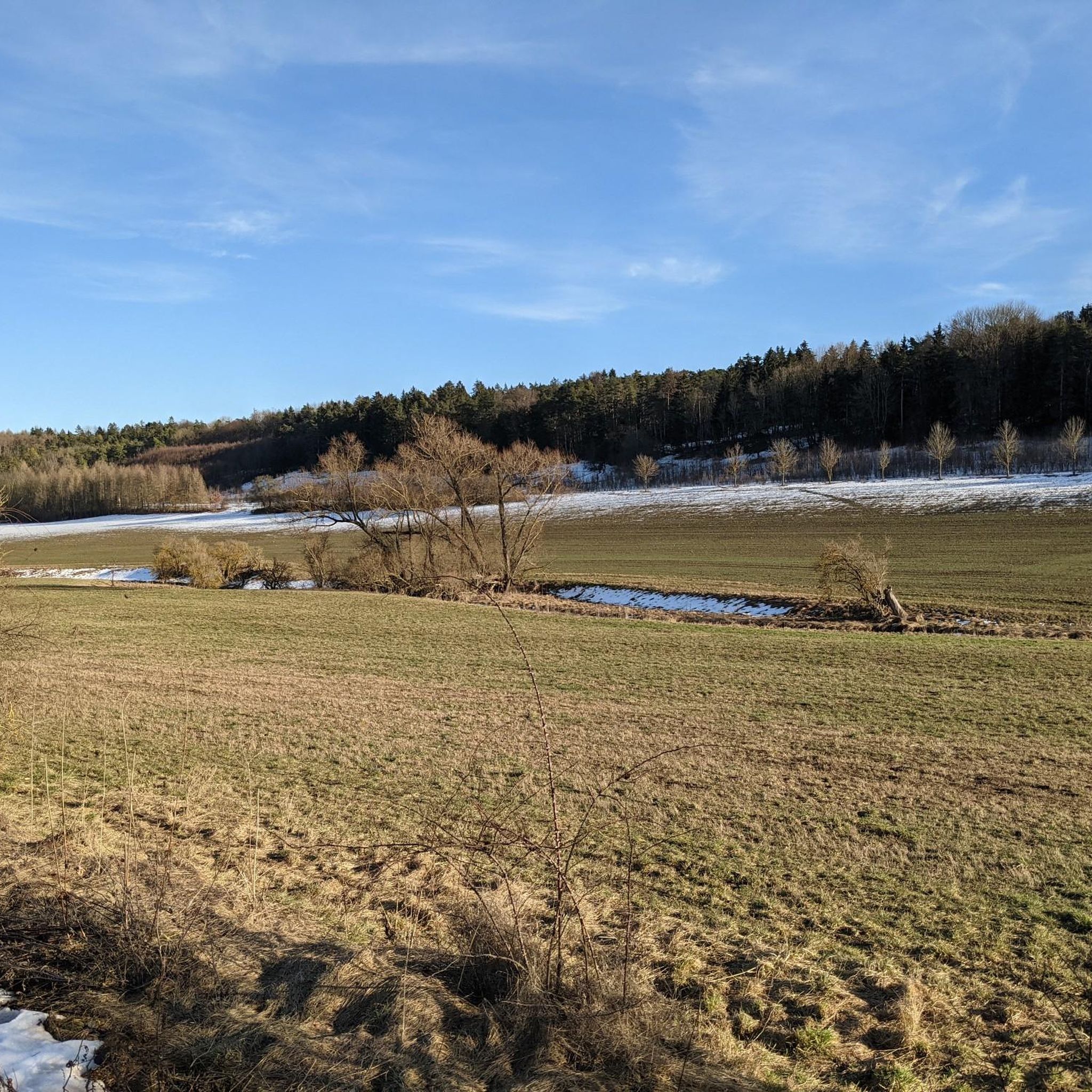
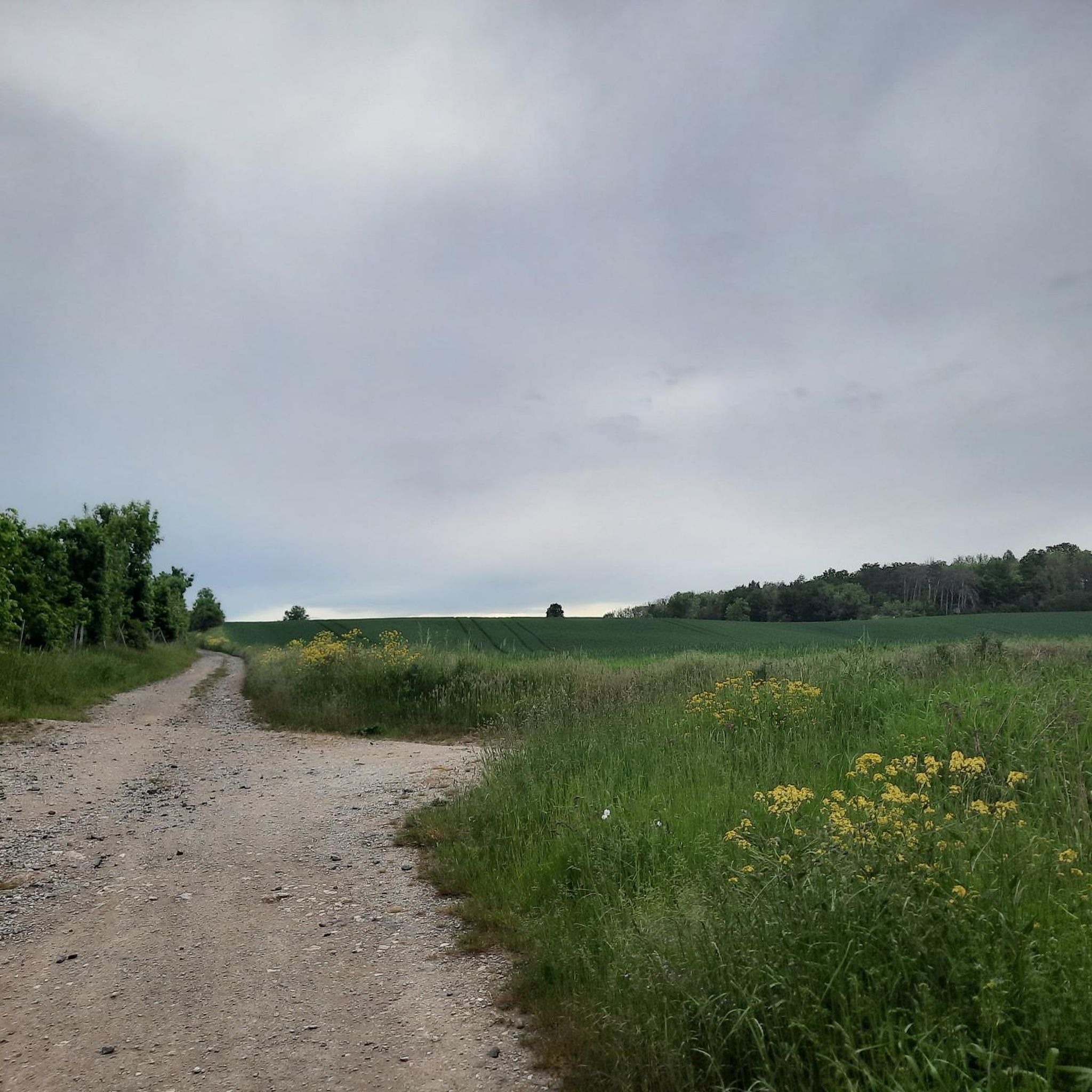

Tips from the Community

In the autumn of 1806, world history was made here on these heights northwest of Jena. Directly behind the Landgrave's house lay the Jena-Auerstedt battlefield, the site of the fighting between Prussian troops and Napoleon in October 1806. The Napoleon Stone, which, like the museum in nearby Cospeda, commemorates this event over two hundred years ago, is located here.
12
0
Another stop on the Napoleon Trail with a bench at the Napoleon Stone. Here you have a wonderful panoramic view 😎
13
0

Ignoring the Prussian ultimatum, Napoleon marched with approximately 160,000 men from Bavaria to Thuringia toward Berlin between October 7 and 13, 1806. On the afternoon of October 13, Napoleon, standing on the Windknollen, spotted the enemy firing positions on the Dornberg and ordered all available troops to take up positions overnight on the Landgrafenberg. The Prussian commanders never expected the French artillery with its heavy cannons to climb the steep mountain.
14
0
The Fürstenbrunnen is a spring in the beautiful Pennickental at the foot of the Johannisberge.
10
0

The Carolinenturm on the Kötsch is a very popular destination. It is one of the three towers of the Thuringian Three Towers hiking trail and also a stamping point for Touringen (No. 345). From here you have a great view and perspective. The rest areas and benches around the Carolinenturm invite you to linger. Absolutely worth it!👍
6
1

A festival for hikers and nature lovers.
18
1
Ideal for a bit of climbing, with a view of Lobeda.🤗
13
0

Thieves' Crib, also called Devil's Crib: This chimney with the huge boulders was created by a landslide. This name arose in popular parlance after such chimney-like landslides were once used as hiding places by robbers and thieves.
9
0
Frequently Asked Questions
What unique natural features can I explore around Großschwabhausen?
The region offers diverse natural attractions. You can discover fascinating rock formations at Thieves' Crag landslide, enjoy the fresh spring water and idyllic resting place at Prince's Spring, and experience the beautiful paths and views along the Middle Kernberg Horizontal Trail. The Großschwabhäuser Forst is also notable for its seasonal flora.
When is the best time to visit Großschwabhausen to experience its natural beauty?
The best time to visit is in early spring, particularly March, when the Großschwabhäuser Forst is carpeted with 'Märzenbecher' (spring snowflakes). The area is also picturesque in autumn. For specific flora, the spring snowflakes typically bloom from February to April.
Are there any family-friendly natural monuments or activities in the Großschwabhausen area?
Yes, several natural monuments are suitable for families. Thieves' Crag landslide offers an attractive hiking area with fascinating rock formations. Prince's Spring provides an idyllic resting place. Additionally, the Napoleon Stone on the Windknollen and the Carolinenturm on Kötsch are also considered family-friendly, offering great views.
What kind of hiking opportunities are available near the natural monuments?
The region around Großschwabhausen offers pleasant walking paths, especially within the Großschwabhäuser Forst. You can find easy hikes like the 'Hiking loop from Großschwabhausen' or the 'Orchid Meadows loop'. For more options, explore the Easy hikes around Großschwabhausen guide.
Are there any historical sites among the natural monuments?
Yes, some natural monuments also hold historical significance. Prince's Spring is known as a historical site and a place of local history. The Napoleon Stone on the Windknollen commemorates historical events and offers panoramic views.
What are the rules for visiting the Großschwabhäuser Forst nature reserve?
As the Großschwabhäuser Forst is a nature reserve, visitors are advised to stay on designated paths to protect the unique flora. Please refrain from picking flowers, especially the delicate spring snowflakes, to preserve this natural habitat for everyone.
Can I find viewpoints with scenic vistas among the natural monuments?
Absolutely. The Napoleon Stone on the Windknollen provides a fantastic view of Jena and the Saale Valley. The Carolinenturm on Kötsch, a 26-meter-high watchtower, also offers a beautiful panoramic view of the surrounding landscape.
What other outdoor activities can I do near the natural monuments in Großschwabhausen?
Beyond hiking, the area is excellent for running and cycling. You can find various routes, such as the 'Mühltal Waterworks Museum loop' for running or the 'Paradise Park, Jena – Forest Descent Towards Jena loop' for cycling. Check out the Running Trails around Großschwabhausen and Cycling around Großschwabhausen guides for detailed routes.
Are there any challenging trails for experienced hikers among the natural monuments?
Yes, the Middle Kernberg Horizontal Trail is categorized as a challenging trail through a forest, offering beautiful paths and views that are appreciated by experienced hikers and nature lovers.
What do visitors particularly enjoy about the natural monuments in this region?
Visitors frequently praise the beautiful paths and great views, especially along trails like the Middle Kernberg Horizontal Trail. The fascinating rock formations at Thieves' Crag landslide and the idyllic resting place at Prince's Spring are also highly regarded for their natural appeal and tranquility.
Are there any specific geological formations worth seeing?
Yes, the Thieves' Crag landslide is a notable geological monument featuring fascinating rock formations and a huge demolition gap. It's recognized for its special geological significance and offers an attractive hiking area.
Are the natural monuments around Großschwabhausen accessible by public transport?
While specific public transport details for each monument are not provided, Großschwabhausen is a village in Thuringia, Germany. It's advisable to check local bus schedules or regional train connections to nearby towns and then plan for shorter walks or local transport to reach the specific natural monuments.
Most popular routes around Großschwabhausen
Most popular attractions around Großschwabhausen

Get inspired with the komoot mobile app


Explore more
Extend your search for the best caves by checking out these guides of the top ones around Großschwabhausen:
