Top 20 Natural Monuments around Pferdingsleben
Best natural monuments around Pferdingsleben are found in a region characterized by its proximity to the Thuringian Forest and areas like Seeberg and Fahner Höhe. This landscape offers diverse natural features, from geological formations to historical trees and water bodies. The area provides opportunities to explore significant natural attractions that combine geological interest with historical context. Visitors can discover a variety of natural monuments, making it a destination for those interested in natural features and outdoor exploration.
Best natural monuments…
Last updated: June 25, 2026
Mühlberg
Highlight • Natural Monument
Translated by Google •
Tip by

Gotha Orangery
Highlight • Monument
Translated by Google •
Tip by

Sign up now to discover places like this
Get recommendations on the best single tracks, peaks, & plenty of other exciting outdoor places.
Sign up for free
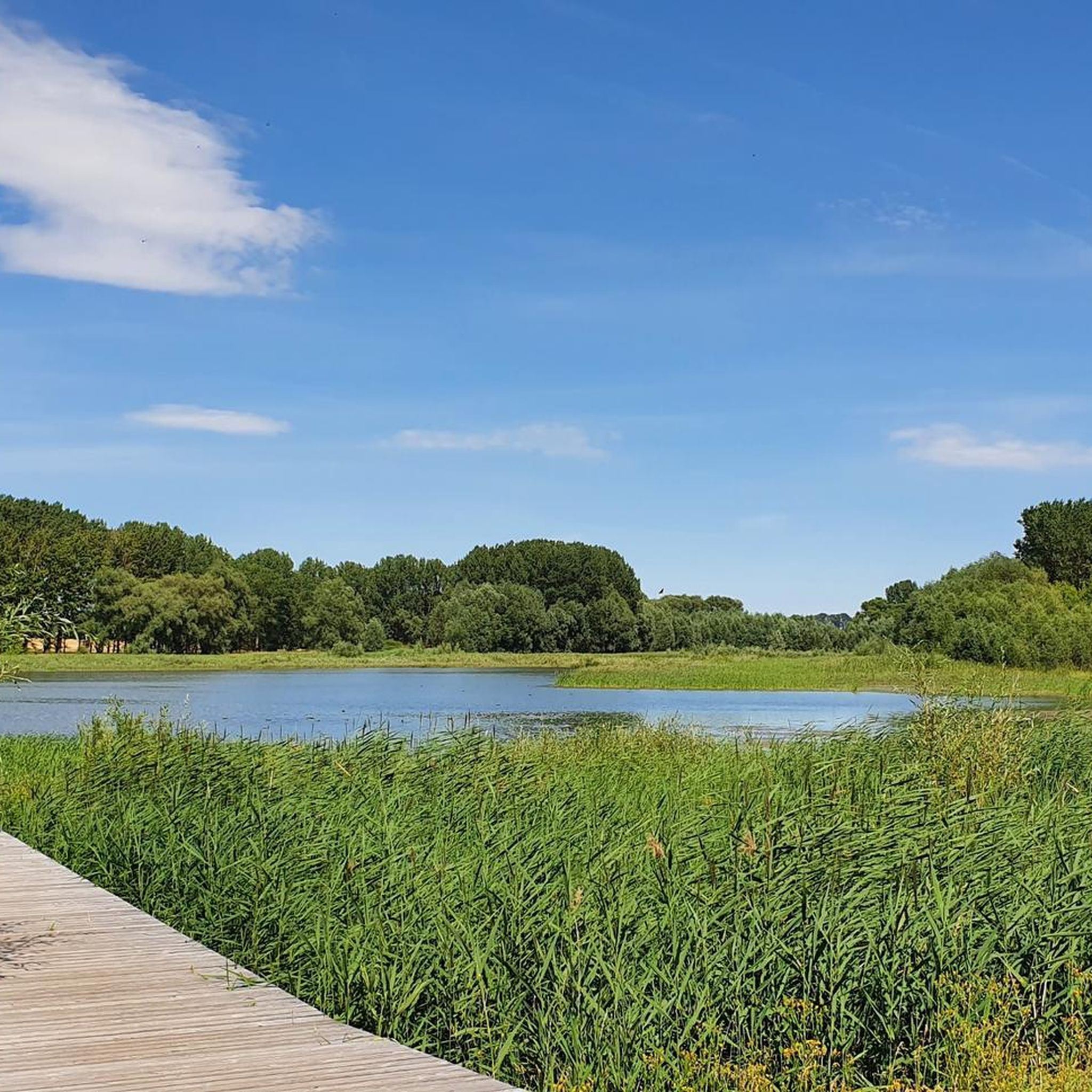
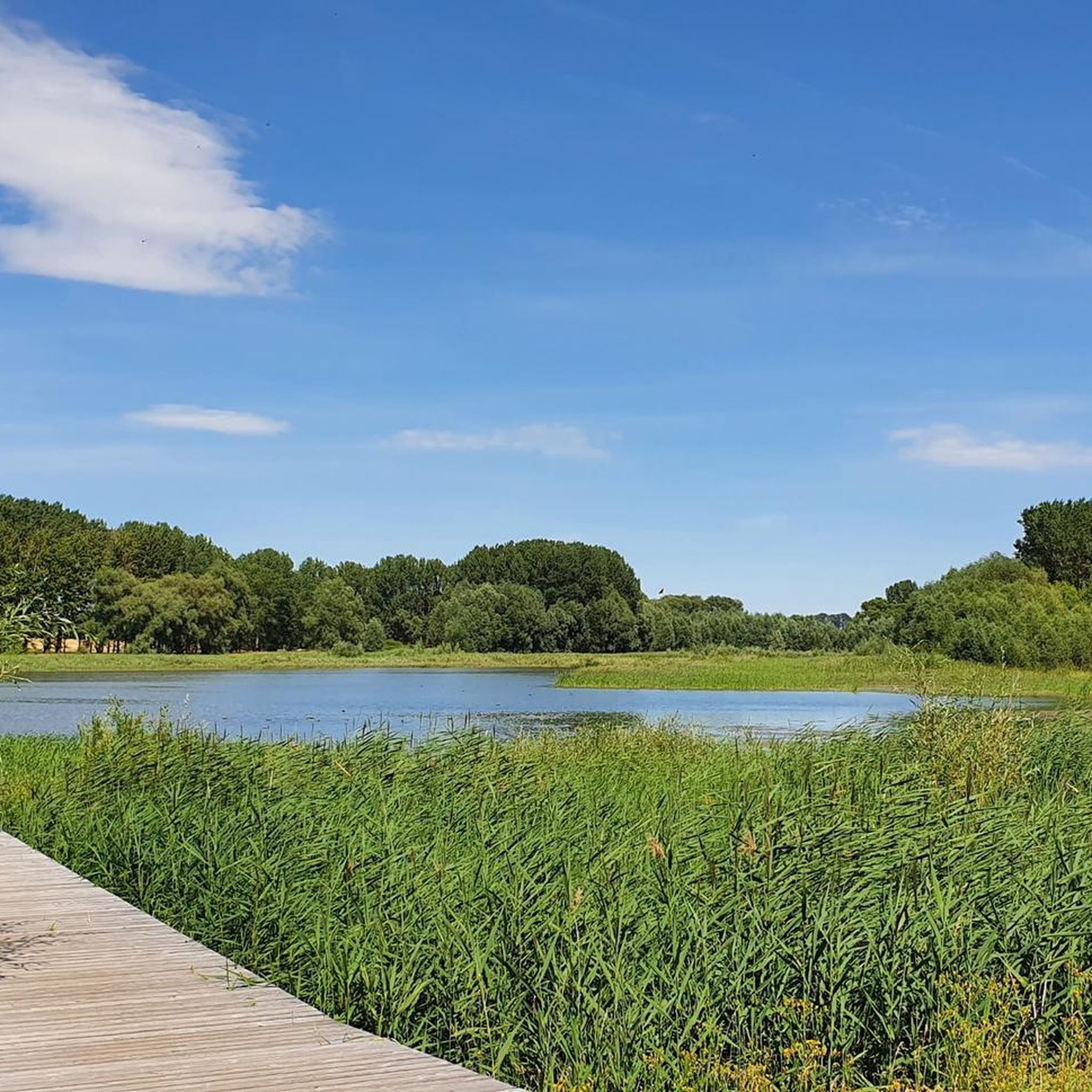
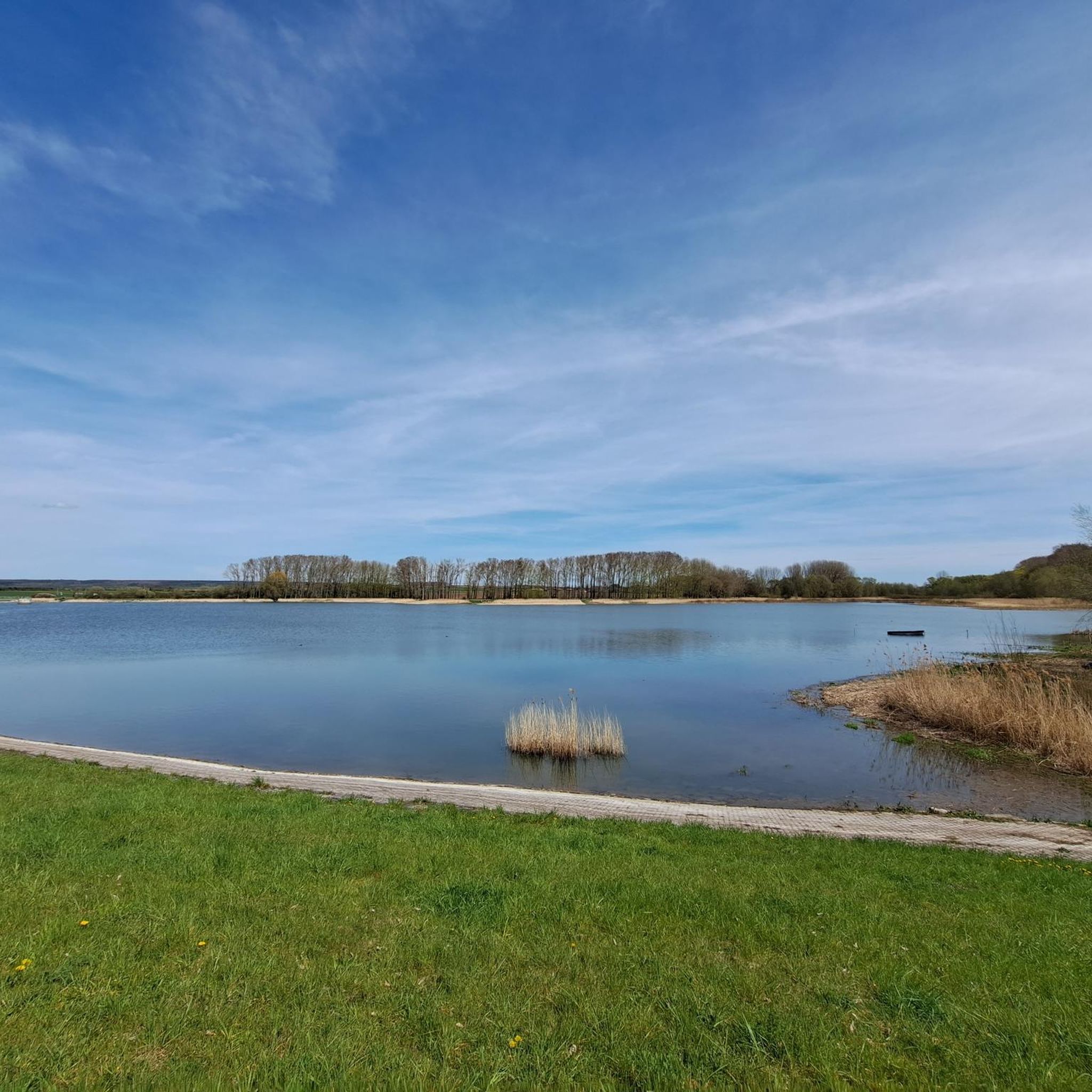
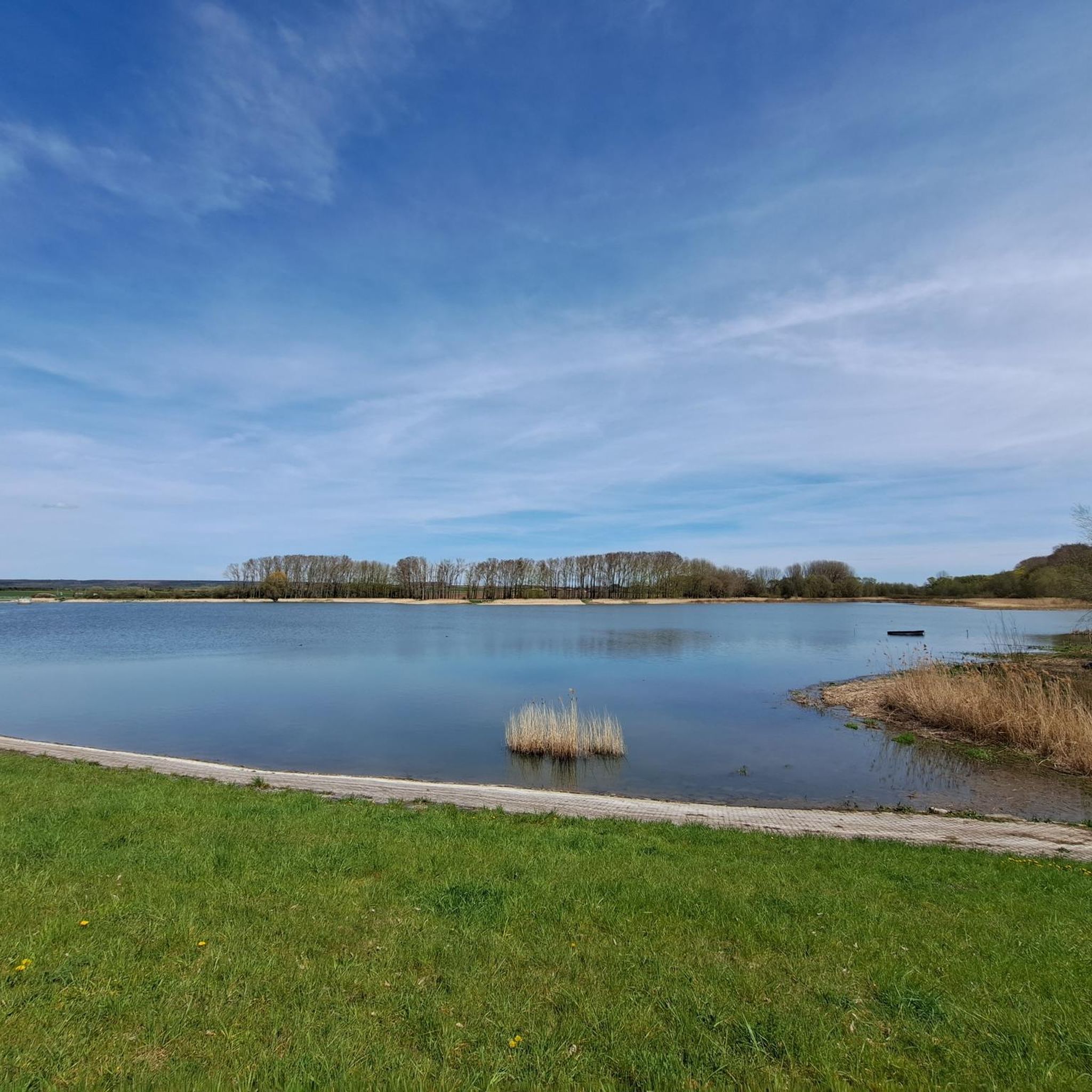
Friemar Reservoir
Highlight • Lake
Translated by Google •
Tip by

Mühlberger Spring
Highlight • Natural Monument
Translated by Google •
Tip by

Weiße Hütte (Thuringia Stamp Point No. 368)
Highlight • Mountain Hut
Nice hut, rightly there is a stamp here.
Showing Translation
Tip by

Sign up for free to discover even more natural monuments around Pferdingsleben.
Sign up for free
Already have an account?
Start today with a free account
Your next adventure awaits.
Login or Signup
Tips from the Community

Secret tip for the 🐻🌱 time, mega. Nice hut, rightly there is a stamp here.
8
0

The Orangery of Gotha is a beautiful destination.
14
0

Stamp box and water source located near the seating area.
2
0
The Orangery is a beautiful eye-catcher and a great photo motif.
16
0

A very nice rest area at a well-kept hut in the middle of the forest, stamp point 368 from Touringen.de.
4
0

Very impressive, just because of the size 🤩.
19
0

It was created in the 18th century on behalf of Duke Friedrich III. of Saxony-Gotha-Altenburg with the aim of collecting, growing and presenting exotic plants. It is not only the largest orangery in Thuringia, but also one of the largest such facilities in the German-speaking region.
8
0
Frequently Asked Questions
What are some of the most popular natural monuments to visit around Pferdingsleben?
Visitors frequently enjoy the Mühlberger Spring, a fascinating karst spring with crystal clear water. Another highly rated spot is the Kammerbruch Quarry, an old sandstone quarry that is also a designated geotope. The serene Friemar Reservoir is also a favorite for relaxation.
Are there any natural monuments with historical significance in the area?
Yes, the region offers natural monuments with historical ties. The Kammerbruch Quarry is notable as its sandstone was used in historical structures like Friedenstein Castle and even the Cologne Cathedral. Additionally, the Mühlberger Spring is tagged as a historical site, and the impressive Cossack Oak near Gierstädt on Fahner Höhe holds historical significance from the Napoleonic Wars.
What kind of geological features can I expect to see?
The area is rich in geological interest. You can explore the Kammerbruch Quarry, which serves as a geotope marking the boundary between the Upper Keuper and Lower Jura. The Mühlberger Spring is a unique karst spring, and the nearby Seeberg region features former limestone and gypsum quarries, showcasing millions of years of geological history.
Are there family-friendly natural monuments around Pferdingsleben?
Absolutely! The Friemar Reservoir is ideal for families, offering picnic spots, a small playground, and a restaurant. The Mühlberger Spring is also considered family-friendly, providing an interesting natural spectacle. The Gotha Orangery, while a man-made monument, is a beautiful and impressive destination that families often enjoy.
What outdoor activities can I do near these natural monuments?
The region offers diverse outdoor activities. You can find numerous MTB trails, including routes through the Fahner Höhe Forest. For runners, there are various running trails, such as those around the Seeberg Ridge or the Friemar Reservoir. Gravel biking is also popular, with routes like the Unstrut Cycle Path nearby.
Are there hiking trails that include these natural monuments?
Yes, many natural monuments are integrated into hiking routes. For instance, the Weiße Hütte, a natural monument and hut in the Fahner Heights, is a popular destination for hikers. The broader Thuringian Forest, a short distance away, offers an extensive network of trails, including the renowned Rennsteig, where you can explore lush landscapes and diverse flora.
What is the best time of year to visit the natural monuments around Pferdingsleben?
The natural monuments around Pferdingsleben are beautiful year-round. Spring brings fresh greenery and blooming flora, while summer is perfect for outdoor activities and enjoying the Friemar Reservoir. Autumn offers stunning foliage, and even winter can be picturesque, especially in the nearby Thuringian Forest, which is popular for cross-country skiing.
What do visitors enjoy most about the natural monuments in this region?
Visitors particularly appreciate the tranquility and natural beauty. Many enjoy the crystal-clear water of the Mühlberger Spring and the historical insights offered by the Kammerbruch Quarry. The opportunity to relax by the Friemar Reservoir and the impressive scale of the Gotha Orangery are also frequently highlighted.
Are there any natural monuments that are good for a short, easy visit?
For a short and easy visit, the Friemar Reservoir is an excellent choice, offering easy accessibility and a peaceful setting for a stroll or picnic. The Mühlberger Spring is also easily accessible and provides a quick, impressive natural sight.
Can I find places to eat or rest near the natural monuments?
Yes, several natural monuments have amenities nearby. The Friemar Reservoir features a small, cozy restaurant with a beer garden in summer. The Weiße Hütte in the Fahner Heights is a hut that serves as a nice destination with a rest stop and a spring nearby.
What is the Thuringian Forest, and how close is it to Pferdingsleben?
The Thuringian Forest is a significant natural paradise characterized by lush green landscapes, dense mixed forests, and diverse wildlife. While not directly in Pferdingsleben, it's in the general vicinity and offers extensive hiking and cycling opportunities, including the famous Rennsteig trail. It's a great option for those looking to explore a larger natural area.
Are there any unique trees or specific flora to look out for?
Yes, a notable example is the impressive Cossack Oak near Gierstädt on Fahner Höhe. This veteran tree is not only a natural wonder but also holds historical significance. The broader Thuringian Forest region is also known for its majestic beech and spruce trees and diverse flora.
Most popular routes around Pferdingsleben
Most popular attractions around Pferdingsleben

Get inspired with the komoot mobile app


Explore more
Extend your search for the best caves by checking out these guides of the top ones around Pferdingsleben:
