Top 20 Natural Monuments around Trebra
Natural monuments around Trebra are concentrated in the surrounding Kyffhäuser region in Thuringia, offering diverse natural attractions. The area features geological rarities and significant natural views, making it a destination for exploring earth's history and unique landscapes. The landscape includes gypsum karst formations, caves, and springs. This region provides opportunities to observe distinct geological features and natural scenery.
Best natural monuments around Trebra
- The most popular natural monuments is Gypsum hill in the Kyffhäuser, a natural monument where the…
Last updated: August 18, 2026
Barbarossa Cave (Touringen Stamp Point No. 135)
Highlight • Cave
Translated by Google •
Tip by

Gypsum hill in the Kyffhäuser
Highlight • Natural Monument
Translated by Google •
Tip by

Sign up now to discover places like this
Get recommendations on the best single tracks, peaks, & plenty of other exciting outdoor places.
Sign up for free
Barbarossa Cave
Highlight • Cave
Translated by Google •
Tip by
Elisabeth Spring
Highlight • Natural Monument
Translated by Google •
Tip by

Gründelsloch Karst Spring
Highlight • Natural Monument
Translated by Google •
Tip by

Sign up for free to discover even more natural monuments around Trebra.
Sign up for free
Already have an account?
Start today with a free account
Your next adventure awaits.
Login or Signup
Tips from the Community

Here you can marvel at amazing formations of gypsum and anhydrite.
1
0

The cozy restaurant serves Thuringian specialties. There is a snack bar with outdoor seating. Here you can wait with a drink and a little something to eat until the tours of the cave begin.
14
0
The Barbarossa Cave covers 13,000 square meters and is one of only two existing show caves in the world, made of anhydrite rock, making it a geological rarity. The unique charm of this magical subterranean world lies in the uniquely beautiful, multi-layered play of colors of the white to gray rock.
16
0
The Barbarossa Cave was discovered purely by chance. The idea was to revive copper shale mining in the Kyffhäuser region. In 1860, the entrepreneur Wilhelm von Born therefore had a tunnel dug beneath the ruins of the Falkenburg and directly on the old salt road to Bad Frankenhausen. Meter by meter, the miners penetrated further and further into the mountain. And then: after a distance of 178 meters, on December 22, 1865, the mountain suddenly opened up in front of them - they came across natural cavities of impressive size and beauty.
13
0
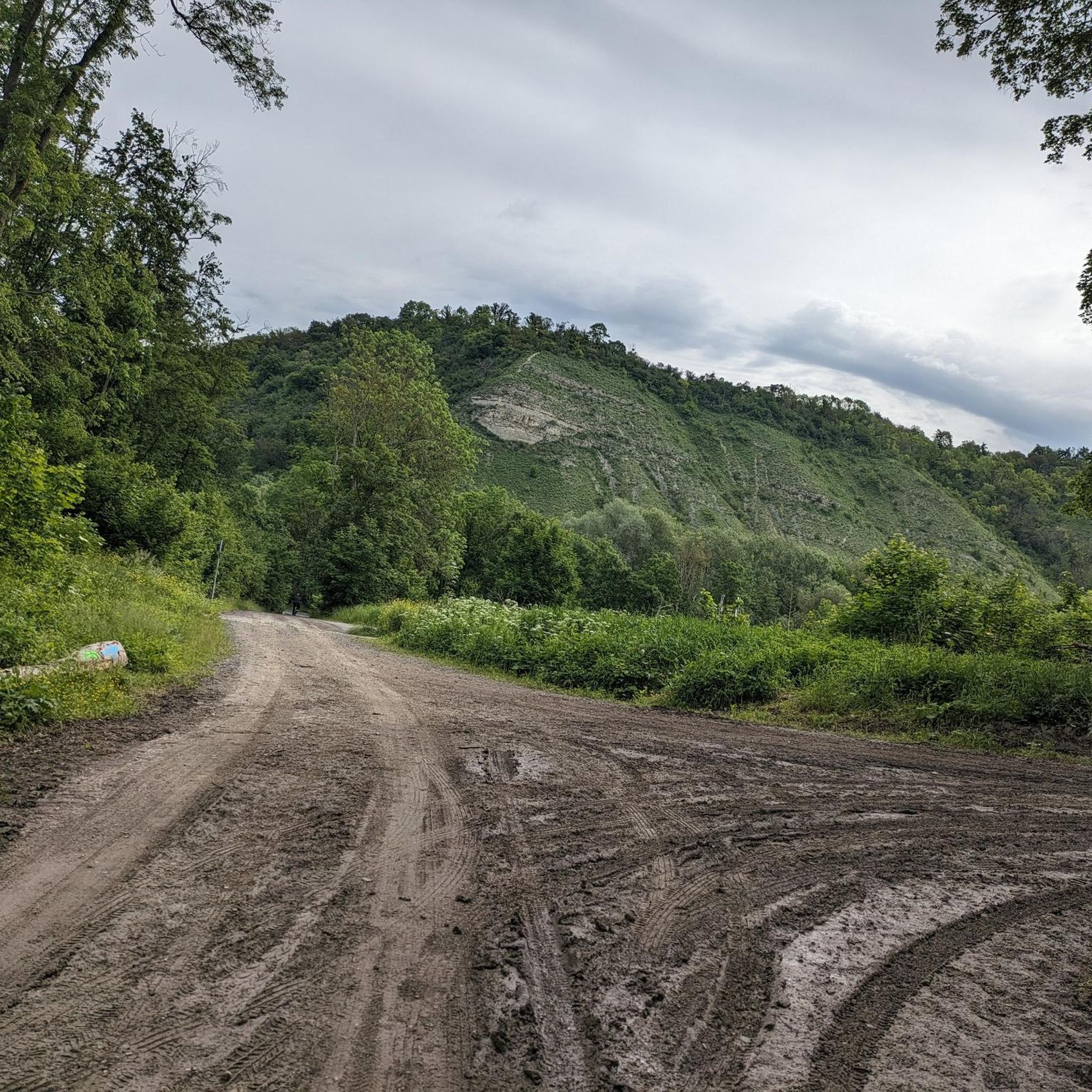
The South Harz gypsum karst landscape stretches for around 100 kilometers in length but only a few kilometers in width on the southern slope of the Harz Mountains. Here you can find a wide variety of karst phenomena such as sinkholes, dolines, caves and stream sinkholes, which are unique in Europe in such large numbers in such a small area. The gypsum karst area in the South Harz is the largest and most important gypsum karst area in Central Europe. The Gipskuppe is one of the unique areas worth protecting.
14
1

The gypsum karst landscape is simply beautiful.
1
3
The Barbarossa Cave was discovered in 1865 by miners searching for copper shale and opened to the public as a show cave two weeks later. A visit is definitely worthwhile, admission costs €9.50.
3
0

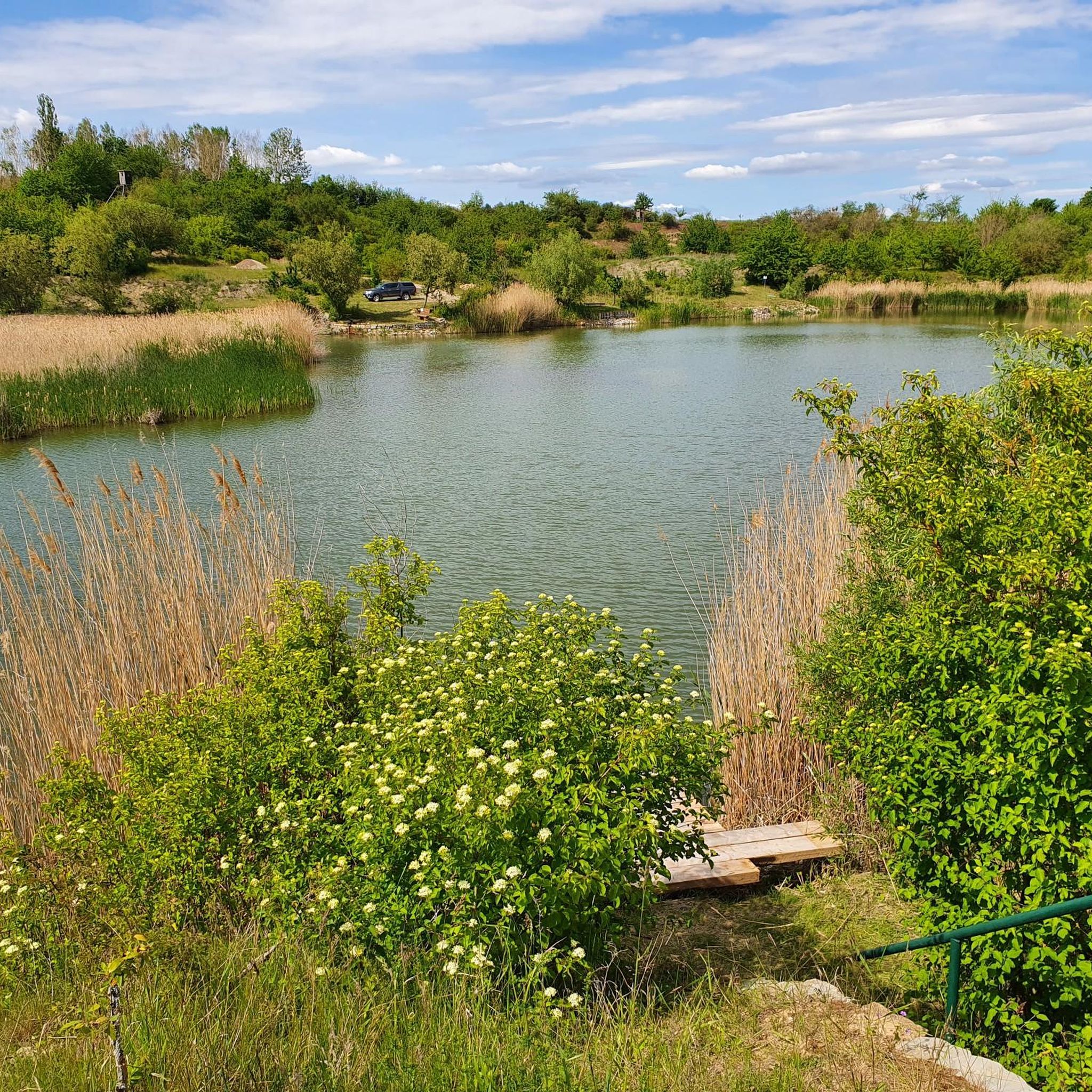
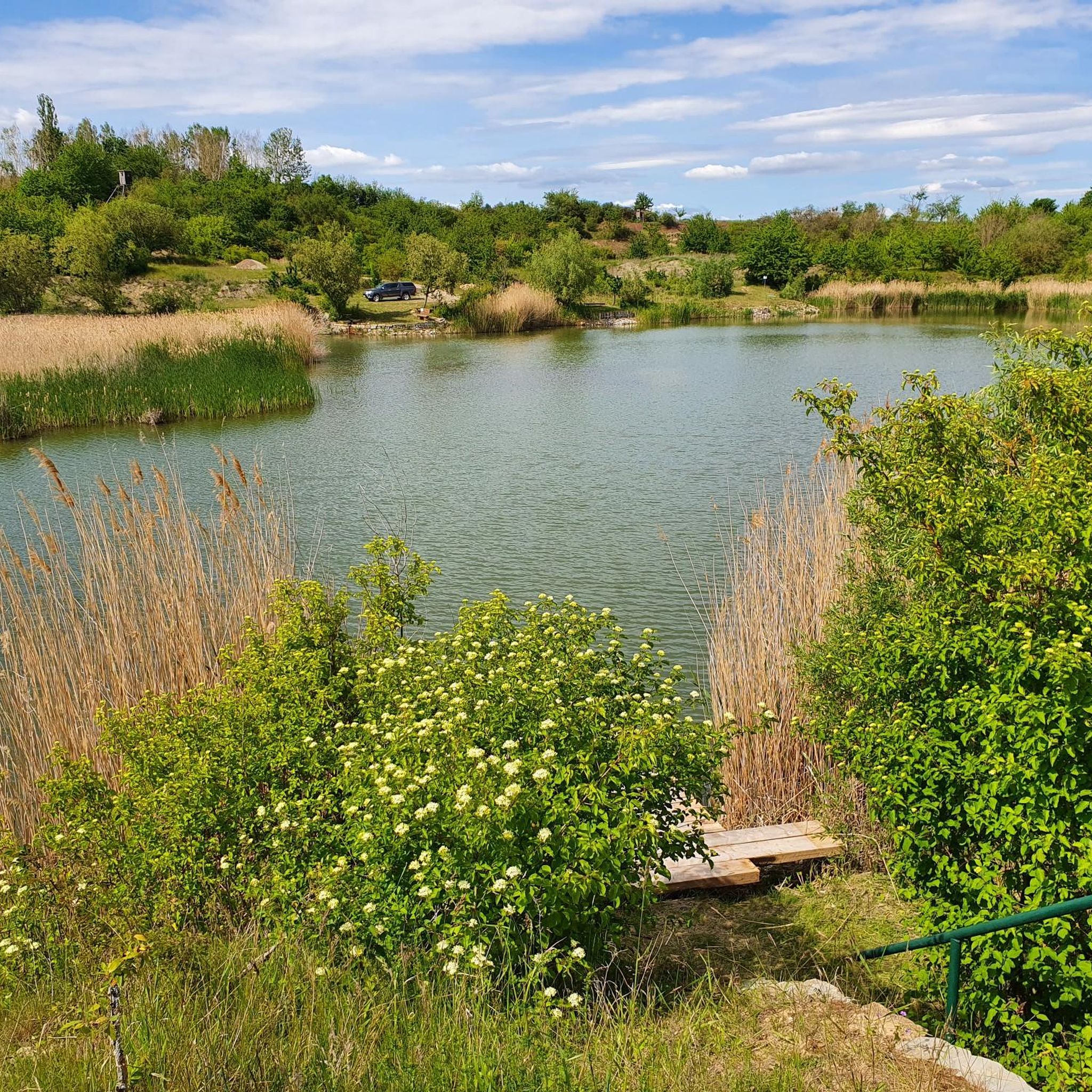
The Gründelsloch near Kindelbrück is one of the most impressive and important karst springs in Thuringia. It was created by the dissolution of limestone in the subsoil. The resulting underground cavity collapsed in 1611, causing a sinkhole and the spring to emerge. The active karst spring, with a diameter of 22 m and a discharge of around 15,600 l per minute, has several older precursor springs that are lined up like a string of pearls from northwest to southeast in the area of the Kindelbrück fault zone and dried up again over time. Examples of these dried-up precursor springs are the Kuhborn, around 700 meters away, or the karst spring on the Steinrinne. Source: display board
9
0
Frequently Asked Questions
What unique geological features can I explore among the natural monuments near Trebra?
The region around Trebra, particularly the Kyffhäuser, is renowned for its unique gypsum karst landscape. You can explore the Barbarossa Cave, one of only two accessible anhydrite show caves in the world, featuring vast caverns, underground lakes, and distinctive gypsum formations. Another highlight is the Gypsum hill in the Kyffhäuser, part of Central Europe's largest gypsum karst area, where you can see crystallized gypsum rock and various karst phenomena like sinkholes and dolines.
Are there hiking opportunities around the natural monuments near Trebra?
Yes, the Kyffhäuser Nature Park, which encompasses many of these natural monuments, offers numerous hiking trails. For example, you can find routes like the 'Kohnstein Parking Area – Wipper Bridge loop' or 'Kohnstein Parking Area – Kohnstein Viewpoint loop' which are moderate to easy. You can explore various hiking options in the area by visiting the Hiking around Trebra guide.
Which natural monuments near Trebra are suitable for families with children?
Several natural monuments are family-friendly. The Barbarossa Cave offers guided tours through its fascinating underground world, which can be an exciting experience for children. The Elisabeth Spring is located within a beautiful park, perfect for a leisurely stroll. Additionally, the Gründelsloch Karst Spring is an impressive natural phenomenon that can captivate young explorers.
What makes the Barbarossa Cave a unique natural monument?
The Barbarossa Cave is unique because it is one of only two anhydrite show caves in the world and the only one in Europe. Its geological formations result from anhydrite transforming into gypsum, creating distinctive 'gypsum beads,' 'snake gypsum,' and 'alabaster eyes.' The underground lakes, known for their iridescent green color, add to its magical subterranean charm. It also carries the legend of Emperor Frederick Barbarossa, said to sleep within its depths.
Beyond caves and springs, what other natural sights can I experience in the Kyffhäuser region?
While the region is known for its caves and springs, the Kyffhäuser Monument, though primarily historical, is situated atop an outcrop offering panoramic natural views. From its viewing platform, you can see the Kyffhäuser range, the Goldene Aue valley, and even the Harz mountains. The surrounding Kyffhäuser Nature Park provides a rich natural environment for exploration. The Unstrut River, approximately 10.8 km from Trebra, also offers scenic walks and opportunities to observe riparian ecosystems.
What is the best time of year to visit the natural monuments around Trebra?
The natural monuments around Trebra can be visited year-round. Spring is particularly beautiful for the Gypsum hill in the Kyffhäuser, as the dry karst slopes burst into bloom. The Barbarossa Cave maintains a constant temperature, making it a good option regardless of the weather outside. Summer and autumn are ideal for hiking and enjoying the outdoor landscapes of the Kyffhäuser Nature Park.
Are there facilities like cafes or restaurants near the natural monuments?
Yes, the Barbarossa Cave has a cozy restaurant serving Thuringian specialties and a snack bar with outdoor seating, perfect for a break before or after your tour. For other natural monuments, you might find options in nearby towns like Bad Frankenhausen or Steinthaleben, which are within the Kyffhäuser Nature Park area.
What do visitors enjoy most about the natural monuments in this area?
Visitors frequently praise the unique geological formations, especially the anhydrite rock and iridescent lakes within the Barbarossa Cave. The Gypsum hill in the Kyffhäuser is appreciated for its glittering crystallized gypsum rock and the diverse karst phenomena. The scenic beauty of the Kyffhäuser Nature Park and the blend of natural wonder with local folklore also contribute to a memorable experience.
Can I find easy hiking trails near the natural monuments?
Yes, there are several easy hiking trails available. For instance, the 'Kohnstein Parking Area – Arnsburg Ruins loop from Seega' is an easy route, as is the 'Kohnstein Parking Area – Kohnstein Viewpoint loop from Seega'. These trails allow you to enjoy the natural surroundings without strenuous effort. More easy options can be found in the Easy hikes around Trebra guide.
Are there any natural springs with unique characteristics?
Absolutely. The Elisabeth Spring is notable for its water that tastes distinctly salty, located within a beautiful park. Another impressive natural spring is the Gründelsloch Karst Spring near Kindelbrück, one of Thuringia's most significant karst springs, known for its large diameter and the captivating play of colors in its water.
What kind of cycling routes are available near the natural monuments?
For cyclists, there are various road cycling routes in the vicinity. You can find routes like the 'Wipperdurchbruch Cycle Path – View of Kohnstein loop' or the 'Unstrut Bridge at Oldisleben – View of Sachsenburg loop'. These routes offer different distances and difficulty levels, allowing you to explore the landscape on two wheels. Check out the Road Cycling Routes around Trebra guide for more details.
How was the Barbarossa Cave discovered?
The Barbarossa Cave was discovered purely by chance in 1865. An entrepreneur, Wilhelm von Born, was attempting to revive copper shale mining in the Kyffhäuser region. During the excavation of a tunnel, miners unexpectedly broke through into the vast natural cavities of the cave after about 178 meters, revealing its impressive size and beauty.
Most popular attractions around Trebra

Get inspired with the komoot mobile app


Explore more
Extend your search for the best caves by checking out these guides of the top ones around Trebra:
