Top 20 Natural Monuments around Kyffhäuserland
Best natural monuments around Kyffhäuserland showcase a diverse landscape characterized by a unique juxtaposition of forest and steppe. The region, home to the Kyffhäuser Nature Park, features steep north-facing slopes with beech forests and barren steppe grasslands. This combination supports a rich biodiversity, including rare plant species and significant geological formations. Visitors can explore a variety of natural features, from karst landscapes to unique cave systems.
Best natural monuments around Kyffhäuserland
- The most popular natural monuments is The Quest of…
Last updated: October 12, 2026
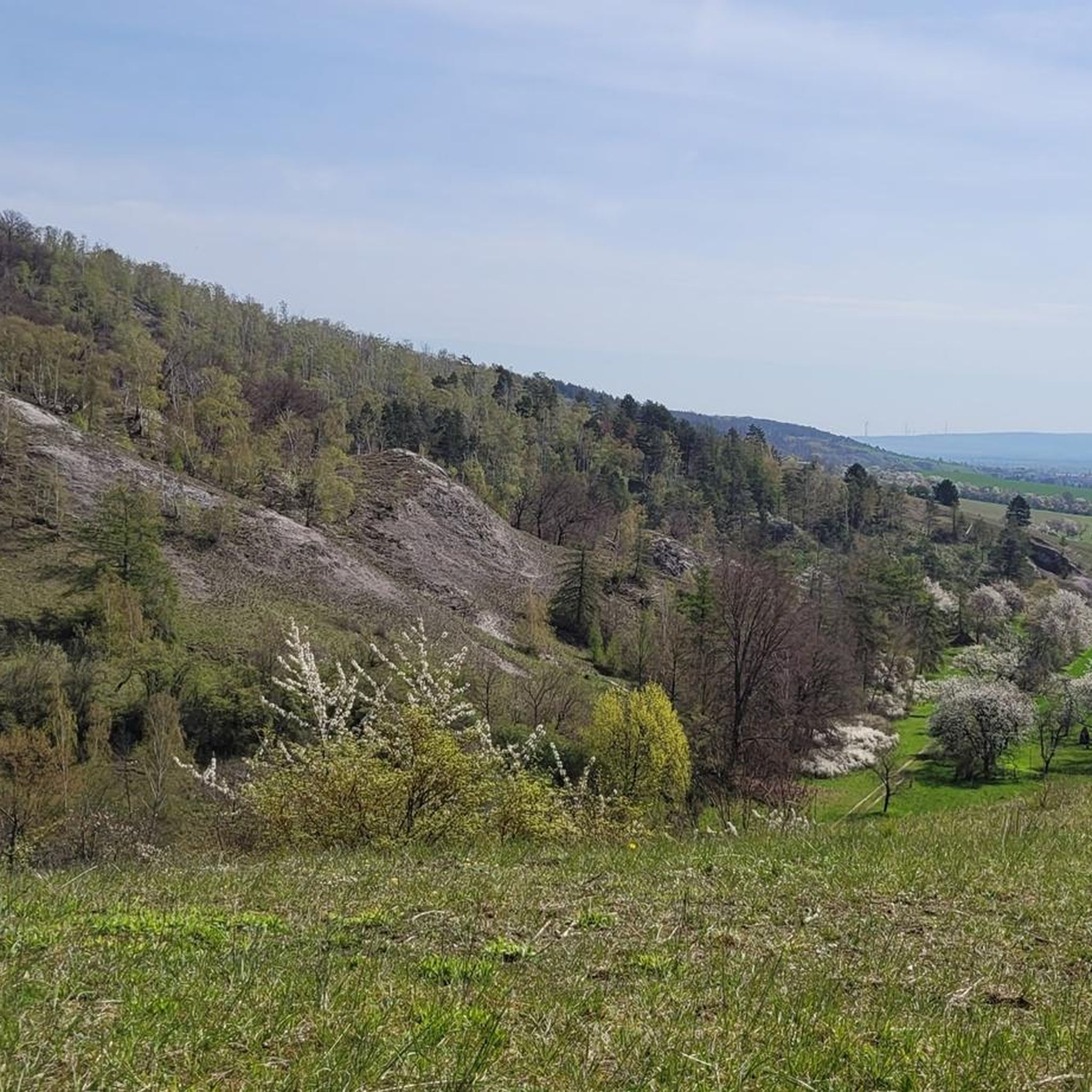
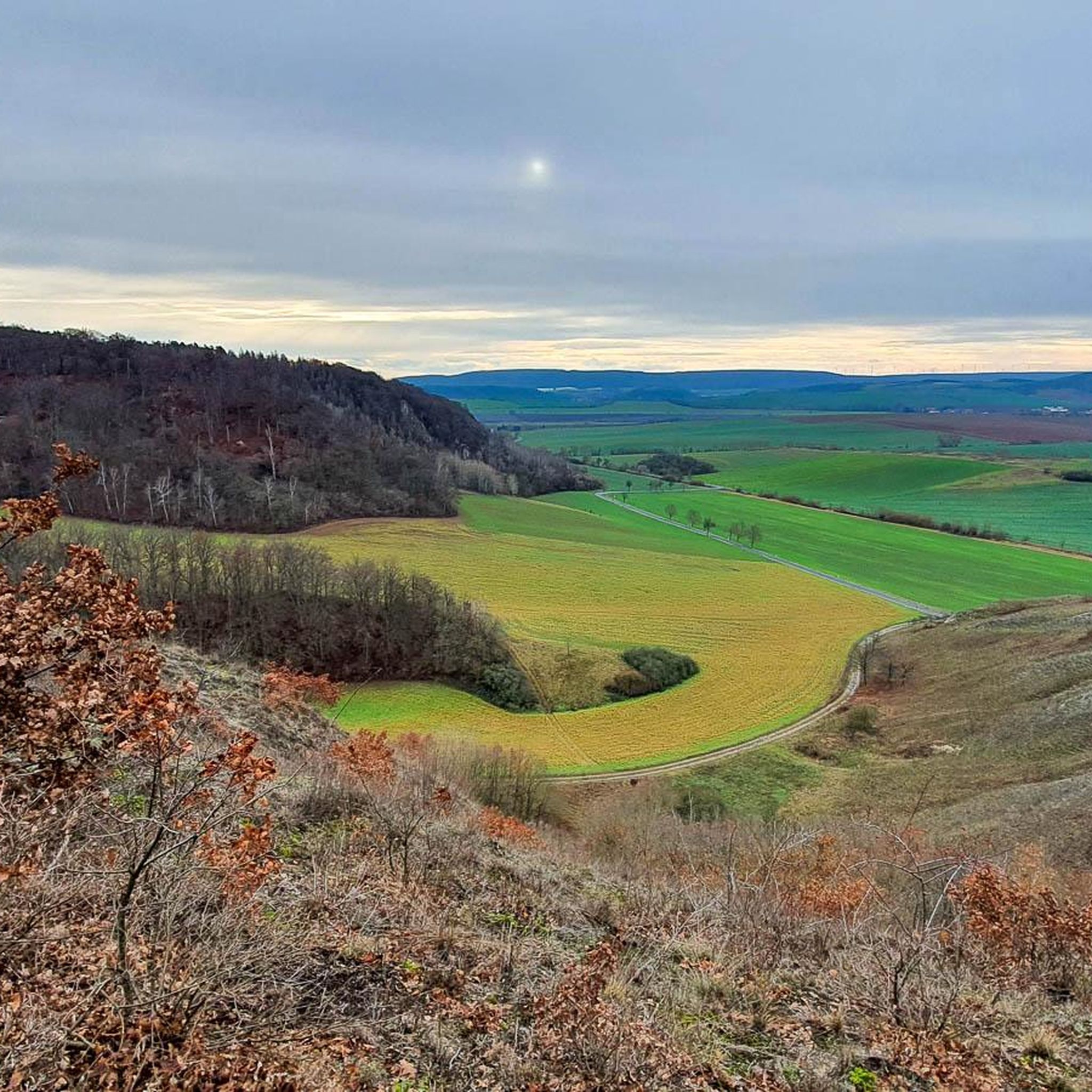
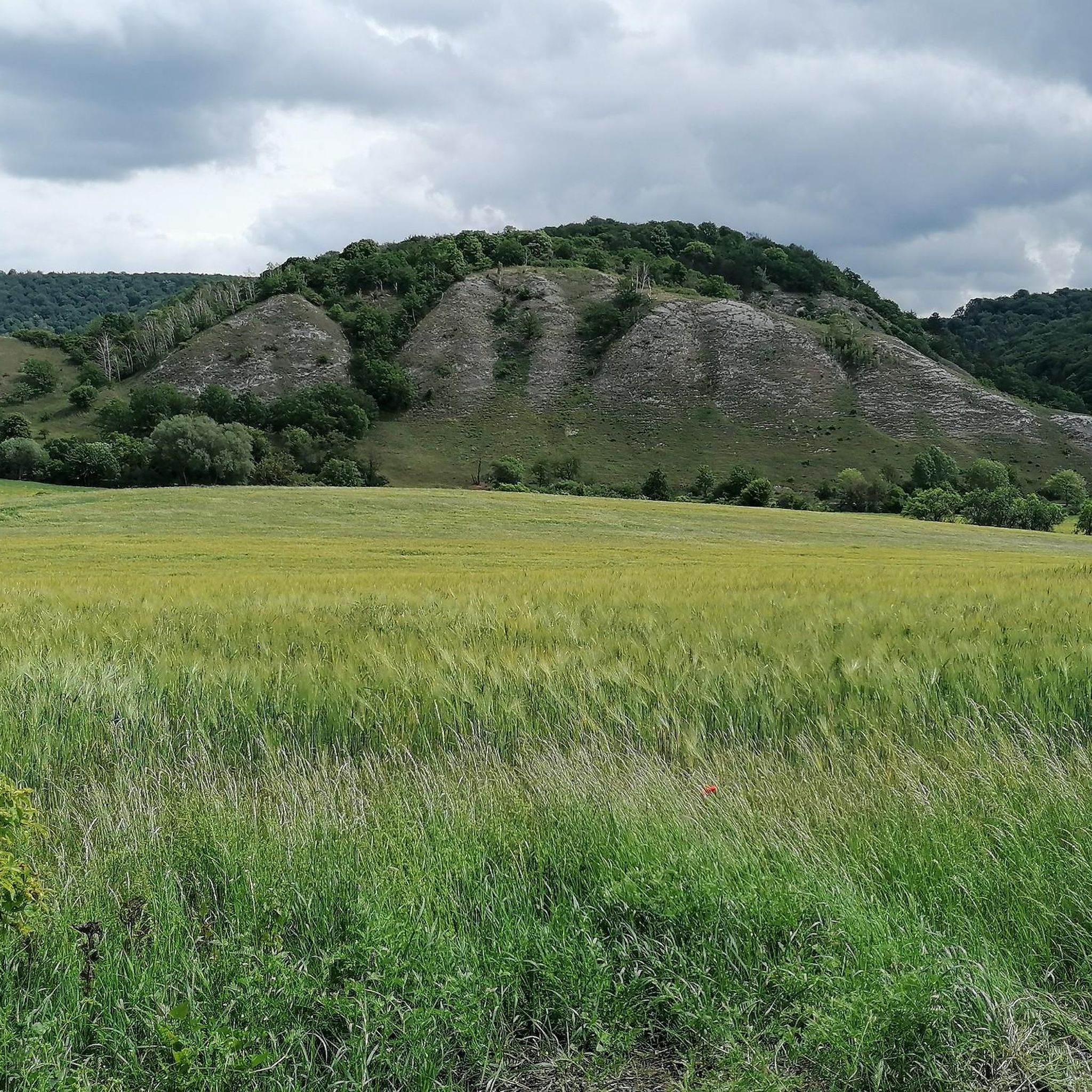
The Quest of Questenberg (HWN 212)
Highlight • Monument
Translated by Google •
Tip by

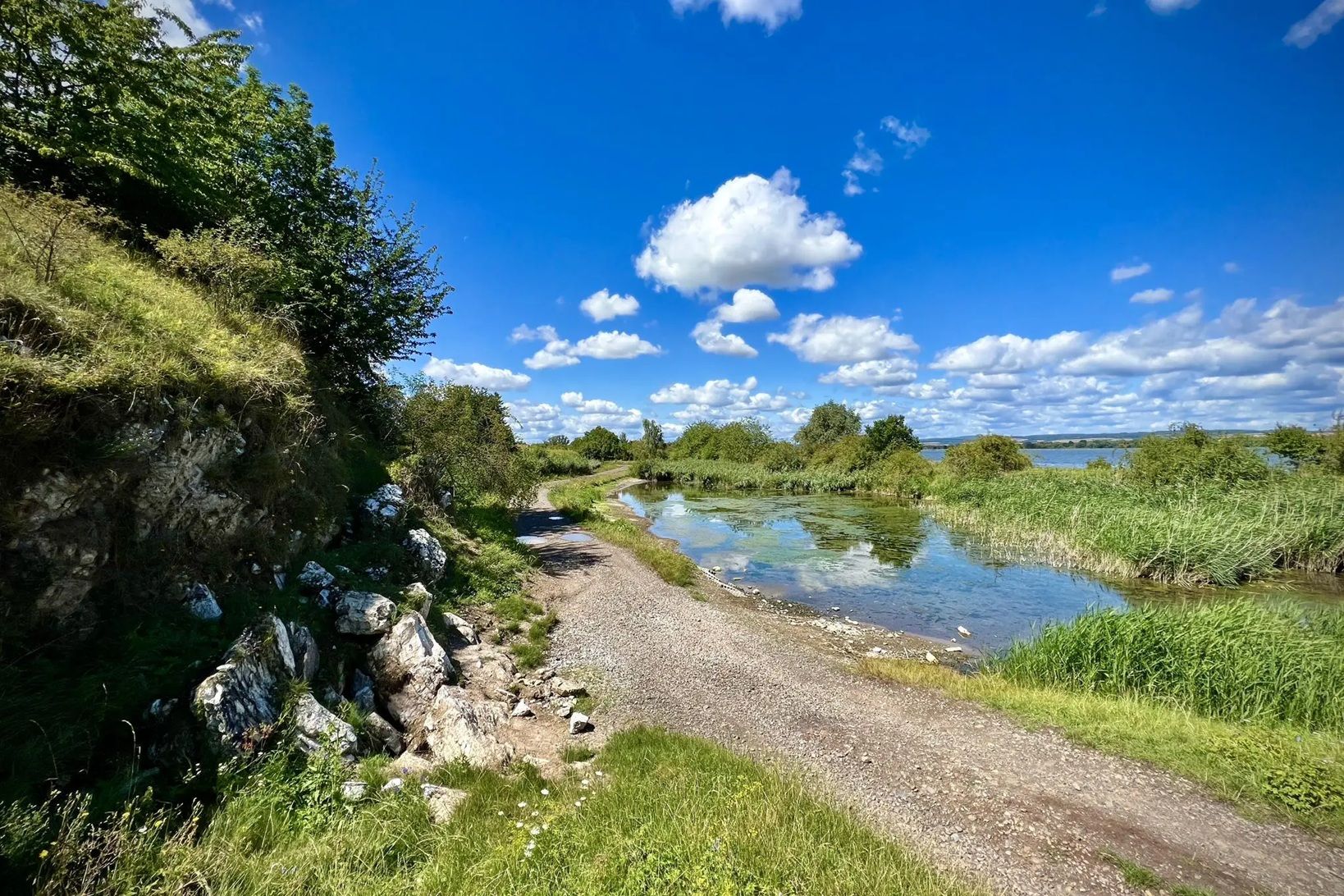
Farmer's ditch (episodic lake) (HWN 213)
Highlight • Lake
Translated by Google •
Tip by

Sign up now to discover places like this
Get recommendations on the best single tracks, peaks, & plenty of other exciting outdoor places.
Reesberg Sinkhole (HWN 214)
Highlight • Natural Monument
Translated by Google •
Tip by

Harz karst hiking trail
Highlight (Segment) • Lake
Translated by Google •
Tip by

Barbarossa Cave (Touringen Stamp Point No. 135)
Highlight • Cave
Translated by Google •
Tip by

Sign up for free to discover even more natural monuments around Kyffhäuserland.
Already have an account?
Start today with a free account
Your next adventure awaits.
Popular around Kyffhäuserland
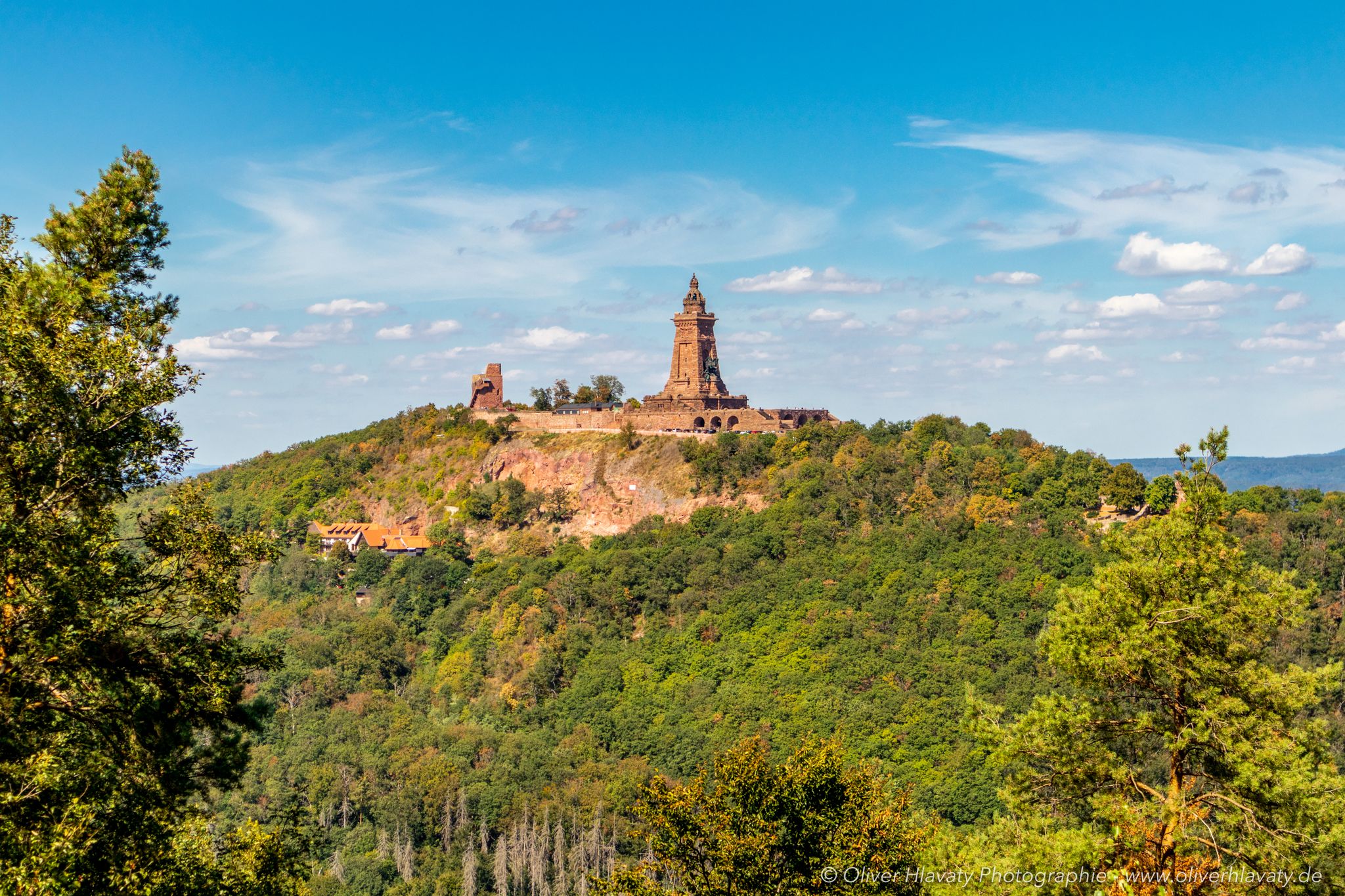
Kyffhauserweg - Hiking in the footsteps of Emperor Barbarossa
The most beautiful swimming lakes in Saxony-Anhalt
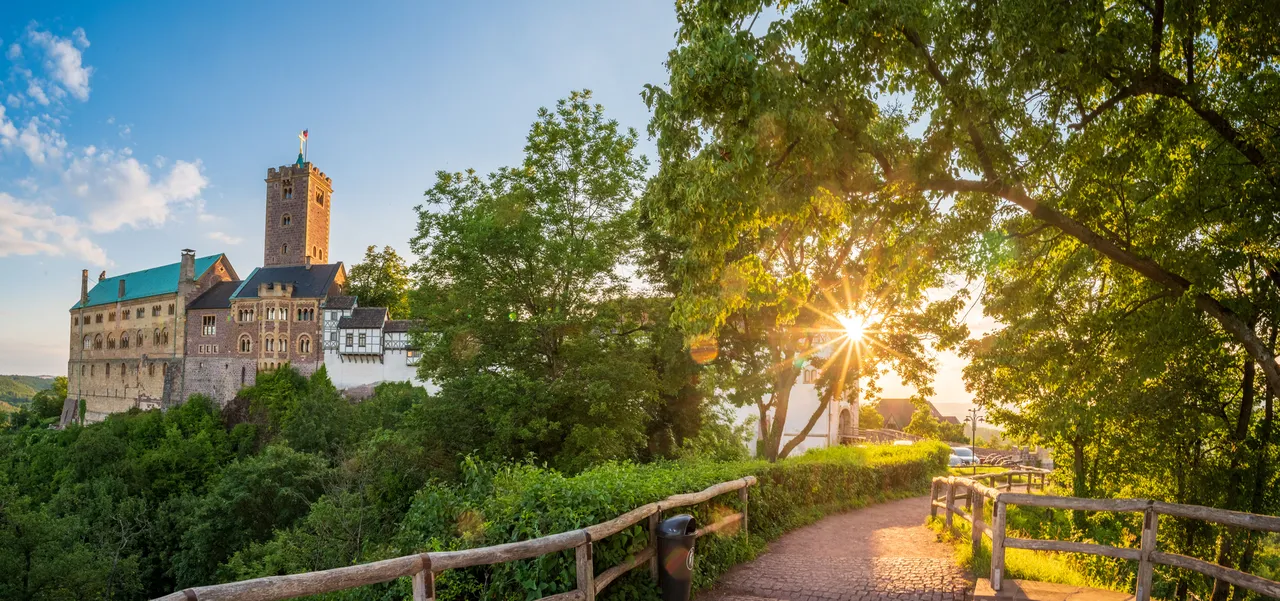
Zwei Tage raus! – Wander-Micro-Adventures in Thüringen
Das Rascheln der Blätter – Natur trifft Kultur zur Buchmesse
Die Nationalen Naturlandschaften in Thüringen
Hiking around Kyffhäuserland
Cycling around Kyffhäuserland
Running Trails around Kyffhäuserland
MTB Trails around Kyffhäuserland
Road Cycling Routes around Kyffhäuserland
Other adventures around Kyffhäuserland


Tips from the Community

The Karst Trail extends over a length of 265 km.
1
0

The cozy restaurant serves Thuringian specialties. There is a snack bar with outdoor seating. Here you can wait with a drink and a little something to eat until the tours of the cave begin.
14
0
The Barbarossa Cave covers 13,000 square meters and is one of only two existing show caves in the world, made of anhydrite rock, making it a geological rarity. The unique charm of this magical subterranean world lies in the uniquely beautiful, multi-layered play of colors of the white to gray rock.
16
0

For me one of the most beautiful stamp points of the Harz hiking badge.
12
1

The Reesberg doline lies on a geological boundary between the Bunter sandstone and the anhydrites of the Zechstein. The spring water emerging from the Bunter sandstone is very clear and therefore has a high dissolving potential. It can absorb up to two grams of gypsum per liter and then flows underground. Source: Harzlife
15
0

Impressive natural monument. An information board explains the background.
9
1

The Barbarossa Cave was discovered purely by chance in December 1865 by miners searching for copper slate and was opened to the public as a show cave just two weeks later. On the approximately 800 m long, exciting journey of discovery through Barbarossa's underground kingdom full of wonders and secrets, you will experience earth's history with all your senses and at the same time learn a lot of interesting things about Emperor Friedrich I Barbarossa and the old legend that surrounds him. Be enchanted by huge, expansive cavities and crystal-clear, shimmering blue-green lakes with their breathtaking ceiling reflections. Spectacular and unique in the world: In the “tannery”, bizarrely curved “plaster rags” over a meter long hang down from the ceiling, reminiscent of hides and hides hung up to dry. The cave rock anhydrite (CaSO4) absorbs the high humidity like a sponge and thereby transforms itself into gypsum.
7
0

The Karstwanderweg is a beautiful hiking trail with very interesting scenery.
1
0
Frequently Asked Questions
What are some of the most unique natural monuments to explore in Kyffhäuserland?
Kyffhäuserland offers several distinctive natural monuments. You can visit The Quest of Questenberg (HWN 212), a unique man-made and natural monument perched on a mountain with expansive views. Another fascinating spot is Farmer's ditch (episodic lake) (HWN 213), a lake that forms intermittently in a depression, showcasing a rare temporary lake within a karst landscape. The Reesberg Sinkhole (HWN 214) is also notable, formed by the dissolution of gypsum, demonstrating the region's active karst topography. Additionally, the Barbarossa Cave is Europe's only publicly accessible anhydrite cave, featuring impressive caverns and underground lakes.
What geological features can I expect to see among Kyffhäuserland's natural monuments?
Kyffhäuserland is rich in geological wonders. The region is characterized by a unique karst landscape, featuring sinkholes like the Reesberg Sinkhole, and episodic lakes such as the Farmer's ditch. The Kyffhäuser hills themselves present a striking contrast of steep beech forests and barren steppe grasslands. The Barbarossa Cave is a prime example of an anhydrite cave, a geological rarity. The Wipper Gap also showcases steep limestone cliffs where geological layers are clearly visible.
Are there family-friendly natural monuments suitable for all ages in Kyffhäuserland?
Yes, several natural monuments in Kyffhäuserland are suitable for families. The Farmer's ditch (episodic lake) (HWN 213) is categorized as family-friendly, offering a tranquil spot to observe nature. The Barbarossa Cave is also family-friendly, providing a unique subterranean experience with guided tours. The Harz karst hiking trail, which includes the Harz karst hiking trail highlight, is also noted as family-friendly.
What should I know about accessibility when visiting natural monuments in Kyffhäuserland?
While specific wheelchair accessibility information for all natural monuments isn't detailed, many natural monuments in Kyffhäuserland involve hiking trails and natural terrain, which can be uneven. The Barbarossa Cave, as a show cave, typically has more structured paths, but it's advisable to check their specific accessibility provisions for tours. For other sites like the Quest of Questenberg or the Reesberg Sinkhole, expect natural trails that may not be suitable for all mobility levels.
When is the best time of year to visit the natural monuments in Kyffhäuserland?
The best time to visit Kyffhäuserland's natural monuments largely depends on your interests. Spring (late spring for wild garlic at Questenberg) and autumn are generally excellent for hiking and enjoying the diverse landscapes, including autumn foliage. The Golden Aue and Kelbra Reservoir are particularly significant in autumn for observing thousands of cranes during their migration. The unique flora, including orchids and pheasant's eye, is best appreciated in spring and summer. Winter hiking is also possible, offering a different perspective on the region's natural beauty.
Are there specific hiking trails that connect different natural monuments in Kyffhäuserland?
Yes, the Harz karst hiking trail is a notable route that connects several natural monuments. For instance, the Harz karst hiking trail highlight itself is part of this longer trail, which goes from Pölsfeld to Osterrode and includes sites like the Farmer's ditch (episodic lake) and Questenberg. The Südkyffhäuser Geological Trail also offers an educational hike through a steppe-like limestone karst landscape.
What outdoor activities can I do near these natural monuments?
Beyond exploring the natural monuments themselves, Kyffhäuserland offers a variety of outdoor activities. You can find numerous cycling routes, including touring bicycle, road cycling, and gravel biking options. For example, there are routes like the 'View of Kelbra Reservoir – Kelbra Reservoir loop' for touring bicycles, or the 'Kelbra Reservoir Spillway loop' for road cycling. Gravel biking routes include the 'View of Kelbra Reservoir – Kyffhäuser Monument loop'. You can find more details and routes in the Cycling around Kyffhäuserland, Road Cycling Routes around Kyffhäuserland, and Gravel biking around Kyffhäuserland guides.
What do visitors enjoy most about the natural monuments in Kyffhäuserland?
Visitors frequently praise the unique natural beauty and tranquility of the region. Many enjoy the impressive views from spots like The Quest of Questenberg. The geological phenomena, such as the episodic nature of the Farmer's ditch and the formations within the Barbarossa Cave, are also highly appreciated. The rich biodiversity, especially the rare plant species and birdwatching opportunities at the Golden Aue, also draw many enthusiasts.
Are there opportunities for birdwatching in Kyffhäuserland?
Yes, Kyffhäuserland is an excellent destination for birdwatching, particularly at the Golden Aue and Kelbra Reservoir. This area is an internationally significant European bird sanctuary and a crucial resting ground for thousands of cranes during their autumn migration. It provides ideal conditions for over 300 bird species, including gulls and white-tailed eagles, with dedicated observation points available.
Can I find food and drink options near the natural monuments?
Yes, some natural monuments offer facilities. For example, the Barbarossa Cave has a cozy restaurant serving Thuringian specialties and a snack bar with outdoor seating. For other natural monuments, it's advisable to check local amenities in nearby towns or plan to bring your own refreshments, especially when exploring more remote trails.
What kind of plant life can be observed in the Kyffhäuser Nature Park?
The Kyffhäuser Nature Park is renowned for its rich botanical diversity. Its unique landscape, combining beech forests and steppe grasslands, supports over 1,300 species of plants. Visitors can discover luminous flowery treasures like the bright yellow pheasant's eye and a wide variety of orchids. The dry grasslands are a particularly rare habitat in Thuringia, featuring species like salt-loving glasswort and feather grass from Asian steppes, making it ecologically unique in Central Europe.
Most popular routes around Kyffhäuserland
Most popular attractions around Kyffhäuserland

Get inspired with the komoot mobile app


Explore more
Extend your search for the best caves by checking out these guides of the top ones around Kyffhäuserland:
