Top 20 Natural Monuments around Rosendorf
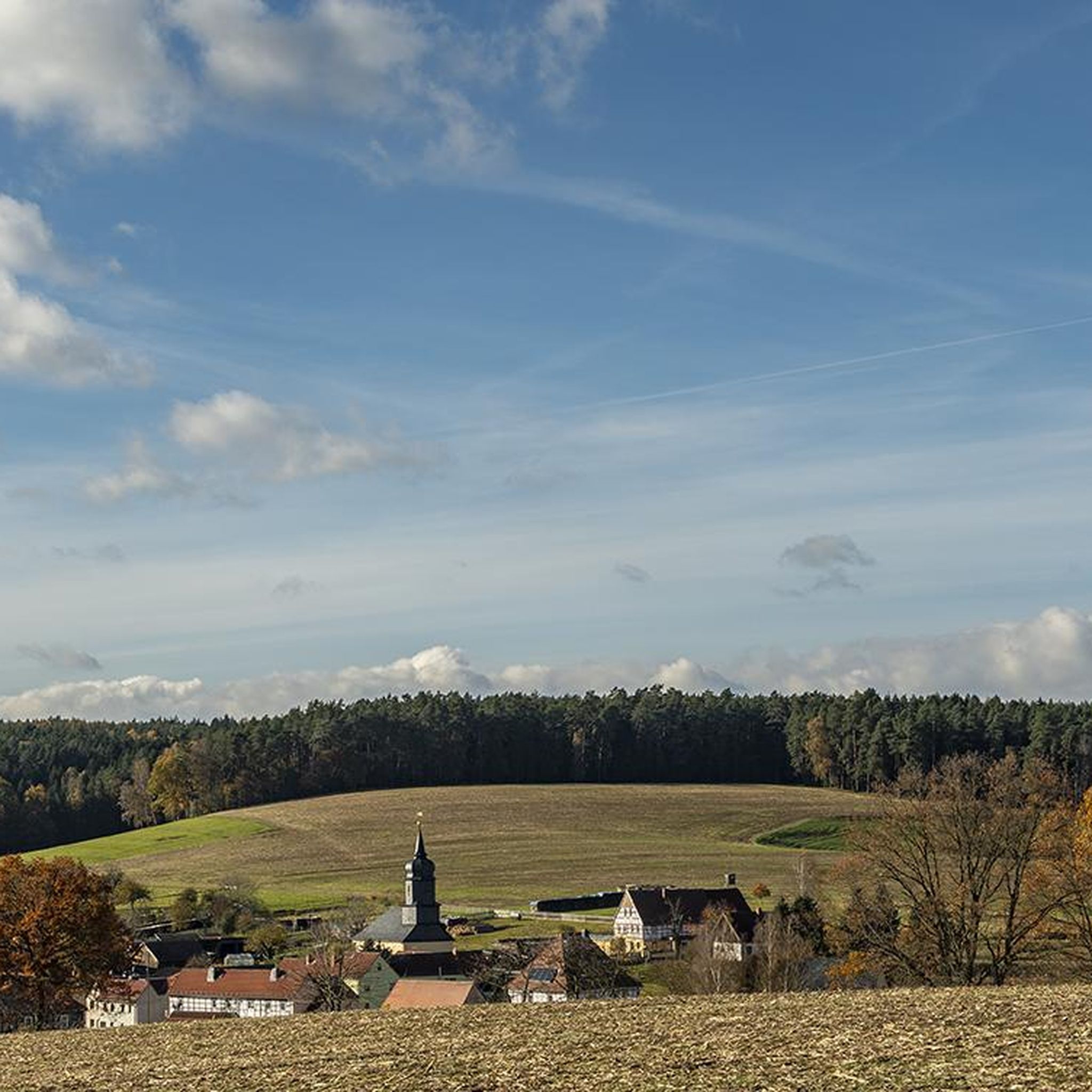
Best natural monuments around Rosendorf are found in the Saale-Orla-Kreis district of Thuringia, Germany. This region offers a blend of natural features and historical sites, providing opportunities for outdoor exploration. The landscape is characterized by forests, rivers, and springs, making it suitable for tranquil walks and nature observation. Visitors can discover various natural monuments that highlight the area's unique environment and heritage.
Best natural monuments around Rosendorf
- The most popular natural monuments is Winter Spring, a natural monument that…
Last updated: June 25, 2026
Source of the Orla
Highlight (Segment) • River
Translated by Google •
Tip by

Agnes Spring
Highlight • Natural Monument
Translated by Google •
Tip by

Sign up now to discover places like this
Get recommendations on the best single tracks, peaks, & plenty of other exciting outdoor places.
Sign up for free
Bärenkopf Monument – Site of the Last Bear Capture
Highlight • Monument
Stands on what is probably the most powerful beech in the SHK area.
It commemorates the …
Translated by Google •
Tip by

Winter Spring
Highlight • Natural Monument
The source was revised in 2020
Translated by Google •
Tip by

Waldhaus 14 Oaks
Highlight • Mountain Hut
Translated by Google •
Tip by

Sign up for free to discover even more natural monuments around Rosendorf.
Sign up for free
Already have an account?
Start today with a free account
Your next adventure awaits.
Login or Signup



Tips from the Community


Today this was almost the center of my little trip. A very quiet place where the little refreshment tasted good.
0
0

It is actually very interesting that the Orla flows (very little) from several sources.
11
0

Memorial stone for the last bear caught in Saugarn. Immediately next to it, a covered rest area invites you to linger.
0
0

Forest house 14 oaks... resting place for hikers and bikers. Very cool location to rest and breathe deeply. Crossing point of the paths to Langendembach and Hummelshain or to Neustadt (Hohe Straße)
7
0

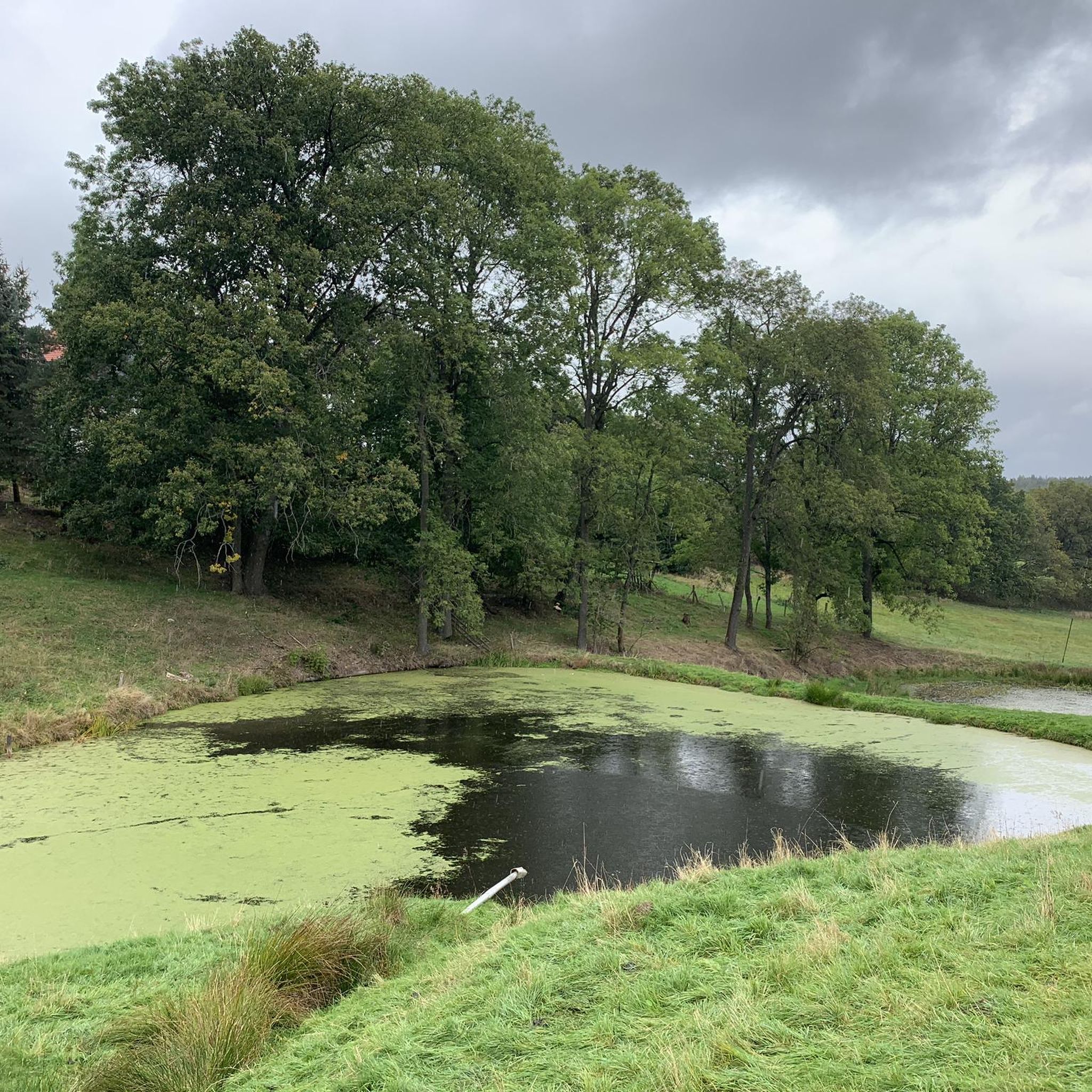
The Orla rises in two source areas between the towns of Triptis, Braunsdorf and Gütterlitz. The small river has a length of 35 km and is initially dammed in the Triptis dam. The river initially flows about 20 km westward from its sources. It flows through the town of Neustadt an der Orla in the area of the upper Orlasenke after about 12 km. The river turns north at Pößneck and flows into the Saale after a further 15 km at Orlamünde. Due to the fairly large catchment area of the Orla, the city of Triptis has repeatedly been flooded in the past. The last flood was in the summer of 1975. As a result, the Triptis dam was built between 1977 and 1980, which is also a local recreation area. Wild swans, ducks and coots now live on and around the dam. The footpath laid out on the crest of the dam initially ran around the entire dam, but today the path on the north side of the dam only leads to the upstream dam. However, the nature around the dam has developed into a true biotope in recent years. We hereby cordially invite you to discover the flora and fauna around the dam.
0
0

redesigned stone in the vicinity of Hummelshain. (one stone of several in the area) Stands on what is probably the most powerful beech in the SHK area. It commemorates the last bear that was killed here. In the Saugarn can be explained in two ways. In historical maps the area is called there Sauarten and the old word Saugarn goes back to a hunting method used to catch wild boar. A fishing net. Maybe that was used to catch the bear or it got caught in the net?
2
0
Frequently Asked Questions
What are some of the most popular natural monuments to visit around Rosendorf?
Visitors frequently enjoy the Winter Spring, known for its highly recommended spring water that was rehabilitated a few years ago. Another favorite is Waldhaus 14 Oaks, a tranquil resting spot for hikers and cyclists amidst the forest. The Agnes Spring also draws interest with its historical sign and remnants of its original 100-year-old version, despite sometimes having a weak flow due to climate conditions.
Are there family-friendly natural monuments in the Rosendorf region?
Yes, several natural monuments around Rosendorf are suitable for families. The Winter Spring and Waldhaus 14 Oaks are both marked as family-friendly. Additionally, the Source of the Orla offers a serene environment for gentle strolls, and the Bärenkopf Monument provides a historical point of interest with a covered rest area, making it a good stop for families.
What kind of natural features can I expect to see near Rosendorf?
The Rosendorf area is characterized by a blend of natural features, primarily springs, rivers, and forests. You can explore the Source of the Orla, where the river originates, and discover various springs like the Winter Spring and Agnes Spring. Forest environments are prominent, with locations like Waldhaus 14 Oaks offering peaceful woodland settings.
Are there any historical natural monuments in the area?
Yes, the Bärenkopf Monument – Site of the Last Bear Capture is a significant historical natural monument. It features a memorial stone commemorating the last bear, Saugarn, captured in the region, standing under an imposing beech tree. This site offers a glimpse into the local wildlife history and provides a quiet spot for reflection.
What outdoor activities can I do near the natural monuments around Rosendorf?
The region around Rosendorf offers various outdoor activities, particularly cycling and mountain biking. You can find numerous routes, such as the 'Village Pond Mörsdorf – Winter Spring loop from Karlsdorf' for cycling or the 'Waldhaus 14 Oaks – Oppurg Castle loop from Neustadt (Orla)' for mountain biking. For more detailed routes and options, you can explore the MTB Trails around Rosendorf, Cycling around Rosendorf, and Road Cycling Routes around Rosendorf guides.
Are there specific hiking trails that incorporate these natural monuments?
While specific hiking trails directly named after each natural monument aren't listed, many routes in the area pass by or near them. For instance, Waldhaus 14 Oaks is a popular resting place and a crossing point for paths leading to Langendembach, Hummelshain, or Neustadt. The Source of the Orla also has a footpath along the dam, ideal for pleasant walks. You can find various hiking and cycling routes in the komoot guides for the region.
What do visitors say about the natural monuments in Rosendorf?
Visitors appreciate the tranquility and natural beauty of the area. For example, the Winter Spring is praised for its delicious, refreshing water. The Waldhaus 14 Oaks is described as a 'very cool location to rest and breathe deeply' and a 'quiet place in the middle of the forest.' The Bärenkopf Monument is noted as an 'interesting point' with an imposing beech tree.
Is there parking available near the natural monuments?
While specific parking details for each natural monument are not provided, many natural monuments in rural areas like Rosendorf are often accessible via forest roads or trails where roadside parking might be available, or designated parking areas for hikers and cyclists. For example, the Bärenkopf Monument is located directly on a forest path, suggesting accessibility for visitors.
Are the natural monuments around Rosendorf accessible by public transport?
Information on direct public transport access to each specific natural monument is limited. Generally, natural monuments in regions like Rosendorf might require a combination of public transport to nearby towns and then walking or cycling to reach the sites. It's advisable to check local bus schedules to towns like Triptis or Neustadt (Orla) and plan your route from there.
What is the best time of year to visit the natural monuments in Rosendorf?
The natural monuments around Rosendorf can be enjoyed throughout the year, depending on your preferences. Spring and summer offer lush greenery and pleasant weather for walking and cycling. Autumn provides beautiful foliage, while winter can offer a serene, snow-covered landscape, though some springs might have weaker flows due to climate conditions, as noted for the Agnes Spring.
Are there any viewpoints among the natural monuments?
Yes, the Source of the Orla is categorized as a viewpoint, offering scenic views of the serene waters and surrounding natural scenery. The Bärenkopf Monument, while primarily historical, is also listed as a viewpoint, likely due to its elevated position or the impressive beech tree it stands beside.
Can I find places to rest or have a picnic near these natural monuments?
Absolutely. The Waldhaus 14 Oaks is specifically designed as a popular resting place for hikers and cyclists. The Bärenkopf Monument also features a covered rest area with a bench, perfect for a break or a small picnic. These spots are ideal for taking a moment to relax and enjoy the natural surroundings.
Most popular routes around Rosendorf
Most popular attractions around Rosendorf

Get inspired with the komoot mobile app


Explore more
Extend your search for the best caves by checking out these guides of the top ones around Rosendorf:
