Top 20 Natural Monuments around Ronnenberg
Best natural monuments around Ronnenberg are found within the Hanover Region of Lower Saxony, Germany. This area features a diverse natural landscape, characterized by ancient trees, unique geological formations, and the highest elevation in the vicinity of Hanover, the Benther Berg. Visitors can explore a rich natural heritage, including protected trees and a valuable biotope formed by a sinkhole. The region offers opportunities to experience both natural beauty and insights into local history and ecological significance.
Best natural monuments around…
Last updated: June 25, 2026
Wennigsen Waterwheels
Highlight • Structure
Translated by Google •
Tip by

Blanketeich
Highlight • Lake
Translated by Google •
Tip by

Sign up now to discover places like this
Get recommendations on the best single tracks, peaks, & plenty of other exciting outdoor places.
Sign up for free
View of the New Town Hall from the Maschpark
Highlight • Viewpoint
Translated by Google •
Tip by

Observation Tower Alte Leine Nature Reserve
Highlight • Viewpoint
Showing Translation
Tip by

Hinüberscher Garden
Highlight • Natural Monument
Translated by Google •
Tip by

Sign up for free to discover even more natural monuments around Ronnenberg.
Sign up for free
Already have an account?
Start today with a free account
Your next adventure awaits.
Login or Signup
Other adventures around Ronnenberg

Tips from the Community

The mirror-like surface of the pond reflects the majestic architecture of the town hall, framed by mature trees and manicured green spaces 🌳🌿. Especially at sunrise or dusk, an almost fairytale atmosphere emerges – the historic building looks like a castle reflected in the water ✨🌅.
10
0

The New Town Hall is not only a landmark of Hanover, but also one of the most sought-after photo subjects with the best view of the city. Despite the construction work, guided tours, the ride up in the arched elevator and the viewing of the city models are possible!
13
0
The Maschpark was planned around 1900 by garden director Julius Trip in direct connection with the construction of the New Town Hall and was completed in 1913. It is the first public "citizens' park" in the city of Hanover. The center of the park is an artificial pond with many indentations and projections, which narrows at the side under an arched bridge and then merges into a second landscaped basin.
13
1

From here you can observe everything very closely .🧐
4
0

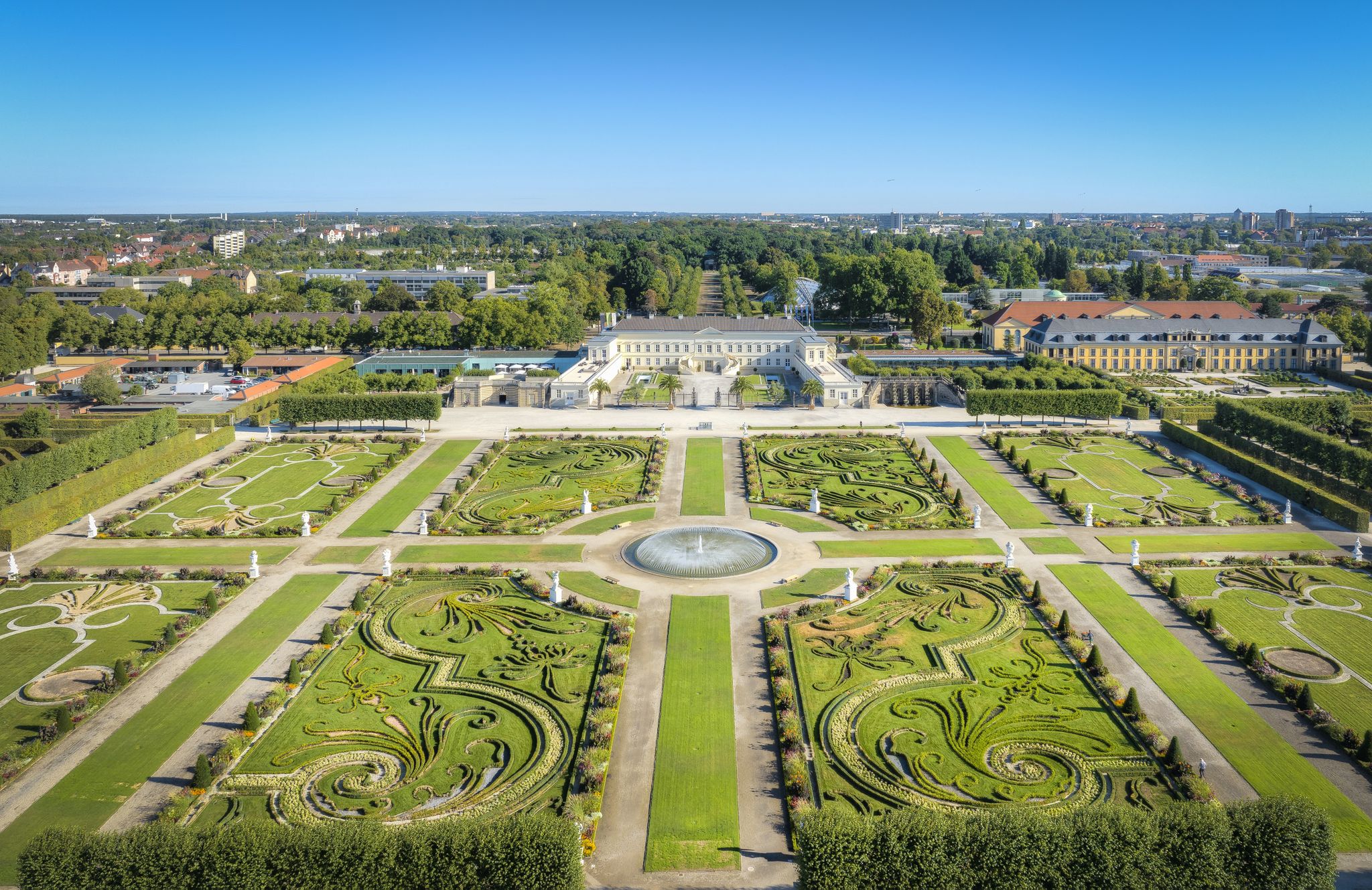
The creation of the park at the Marienwerder monastery began around 1766 according to plans by Jobst Anton von Hinüber. He had been the bailiff of the monastery since 1760. In 1764, the legation councilor at the time, chief postal commissioner and monastery official, also became the first director, i.e. head of the newly founded General Road Construction Directorate, the first road construction department in the Electorate of Hanover. At the request of King George III. In the same year he founded a "Society for the Raising of Agriculture" with several influential men. It later gained great importance as the "Albrecht-Thaer-Gesellschaft". The Marienwerder estates became a model farm. Over here tested new English implements, machines and cultivation techniques. At that time there were large areas of wasteland, dunes, forest and pasture near the monastery. Eight years later Hinüber had changed the appearance of the monastery. The Hinübersche Garden, one of the first landscape parks in Germany, was created on an area of 40 hectares.[1] A trip to England lasting several months in 1766/67 was decisive for the creation of the park. At that time he visited important English gardens in "modern taste" and recorded his impressions in a detailed diary. Until the first half of the 19th century, the garden was a must for cultivated visitors to the Electorate of Hanover. Source: Wikipedia
1
0

Just nice to cycle along here and climb the lookout tower in between.
4
0

Claims to be the oldest English garden on the mainland. Pretty impressive anyway, especially considering that the Templars were active here.
3
0

Beautiful vantage point over the natural landscape.
5
0
Frequently Asked Questions
What are some of the most popular natural monuments around Ronnenberg?
Visitors frequently enjoy the Leine Weir Döhren, known for its refreshing soundscape and historical use for energy generation. Another beloved spot is the Wennigsen Waterwheels, a beautifully designed site with the charming sound of blacksmith's hammers. The Blanke Pond also offers a tranquil place to relax and picnic under old trees.
Are there family-friendly natural monuments in the Ronnenberg area?
Yes, several natural monuments are suitable for families. The Wennigsen Waterwheels are a popular choice, offering an engaging experience for children. The Blanke Pond is also ideal for families looking for a relaxing picnic spot. Additionally, the Hinüberscher Garden provides a lovely landscaped park environment.
What unique trees can I find as natural monuments in Ronnenberg?
Ronnenberg is home to several remarkable trees. The "Tausendjährige Eiche" (Thousand-year Oak) in Vörie is an ancient common oak with centuries of local history. The "Steineiche" (Stone Oak) in Weetzen is notable for its resilience, having grown for decades constrained by surrounding urban development. Another protected tree is the "Kapelleneiche" (Chapel Oak), also located in Weetzen.
Are there any interesting geological features to explore?
Yes, the Eschteich in Empelde is a fascinating natural monument. It's a water-filled sinkhole (Erdfall) that serves as a valuable biotope, offering a unique glimpse into the natural processes shaping the landscape. It also forms part of potential hiking routes in the area.
Where can I find good viewpoints to appreciate the natural landscape?
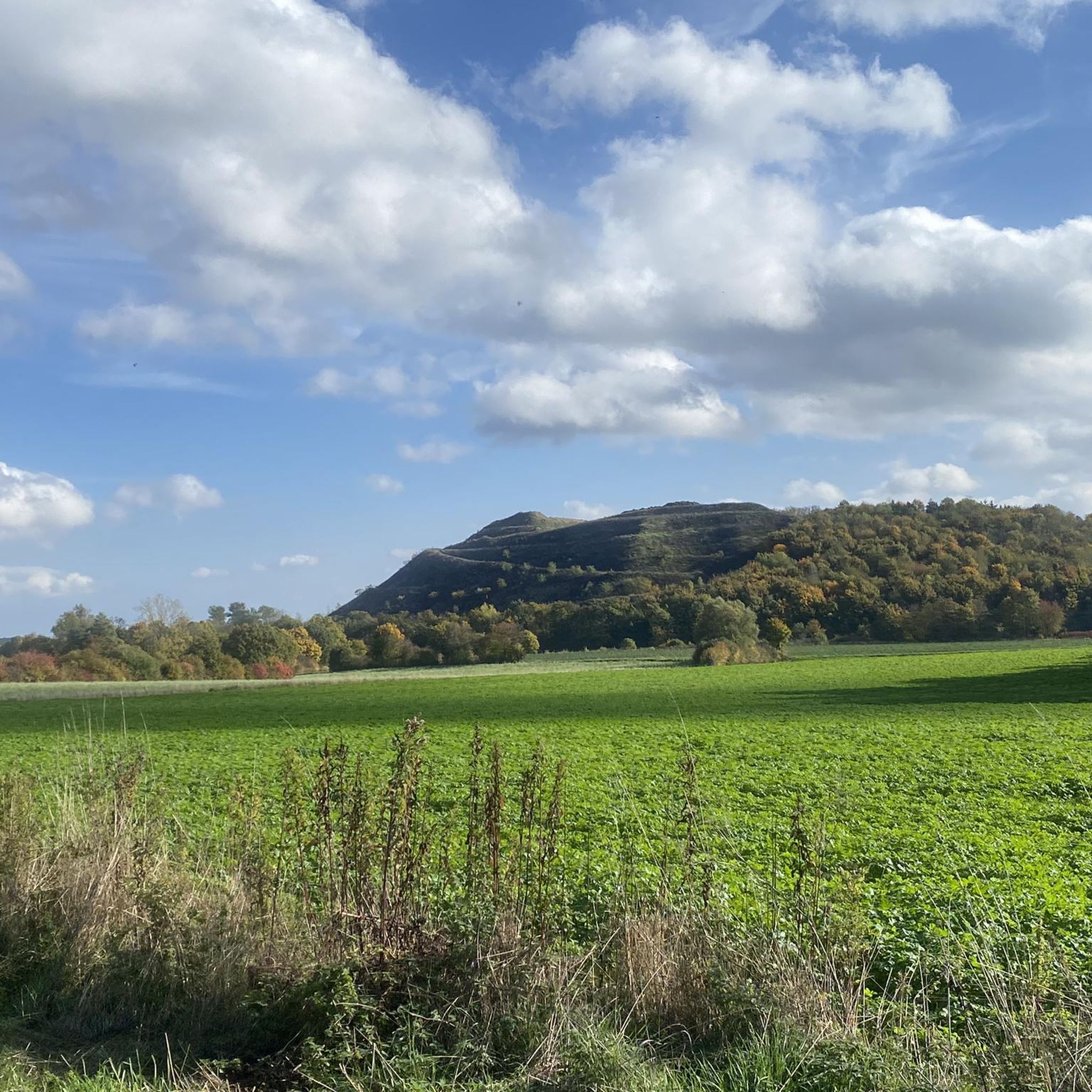
The Observation Tower Alte Leine Nature Reserve offers views over the Grasdorfer Holz and the Leinemasch. For broader panoramic views, the Benther Berg, the highest elevation near Hanover, provides extensive opportunities for scenic appreciation. The reclaimed Kalihalde Empelde (potash slag heap) also offers distinct views and is integrated into scenic walking routes.
What kind of hiking trails are available near Ronnenberg's natural monuments?
The Ronnenberg area offers a variety of hiking trails. For easy walks, you can explore routes like the "Benthe Manor – Villa Brabant loop" or the "Benther Berg Summit – View of Gehrden loop." You can find more details and routes on the Easy hikes around Ronnenberg guide.
Can I go cycling near these natural monuments?
Absolutely. The region provides numerous cycling opportunities, including routes like "The Green Ring – cycle Tours in the Hannover holiday region" and the "Kückenmühle Beer Garden – Wennigsen Abbey loop from Empelde." Discover more routes in the Cycling around Ronnenberg guide.
Are there mountain biking trails in the vicinity?
Yes, mountain biking enthusiasts can find trails such as the "View of the Deister – Grüner Ring Trail loop from Empelde" or the more challenging "Deister Ridge Trail – View of the Calenberger Land loop." For more options, refer to the MTB Trails around Ronnenberg guide.
What historical natural sites can I visit?
Beyond the ancient oaks, the Hinüberscher Garden is a historical site that combines natural beauty with landscaped design. The Leine Weir Döhren also has a rich history related to energy generation and industrial heritage.
What do visitors enjoy most about the natural monuments in Ronnenberg?
Visitors particularly appreciate the tranquility and natural beauty, often highlighting spots like the Blanke Pond for its idyllic setting. The unique sounds of the Leine Weir Döhren and the charm of the Wennigsen Waterwheels are also frequently mentioned as enjoyable experiences.
Is the Benther Berg considered a natural monument?
While not officially listed as an individual 'natural monument' in the same category as the ancient trees or the sinkhole, the Benther Berg is a significant natural feature. It is the highest elevation in the vicinity of Hanover and features a nature trail, offering extensive hiking and cycling opportunities and diverse natural landscapes.
Are there any natural monuments that are also important biotopes?
Yes, the Eschteich in Empelde is a prime example. This water-filled sinkhole functions as a valuable biotope, supporting local flora and fauna. It's an important ecological site, especially given its proximity to industrial remnants like the Empelde potash slag heap.
Most popular routes around Ronnenberg
Most popular attractions around Ronnenberg

Get inspired with the komoot mobile app


Explore more
Extend your search for the best caves by checking out these guides of the top ones around Ronnenberg:
