Top 20 Natural Monuments around Harpstedt
Natural monuments around Harpstedt offer diverse natural and historical sites within the Wildeshauser Geest Nature Park. This region features ancient trees, megalithic tombs, and unique landscapes. Visitors can explore areas of natural significance that highlight the local geology and history. The terrain provides opportunities for walks and appreciation of protected natural environments.
Best natural monuments around Harpstedt
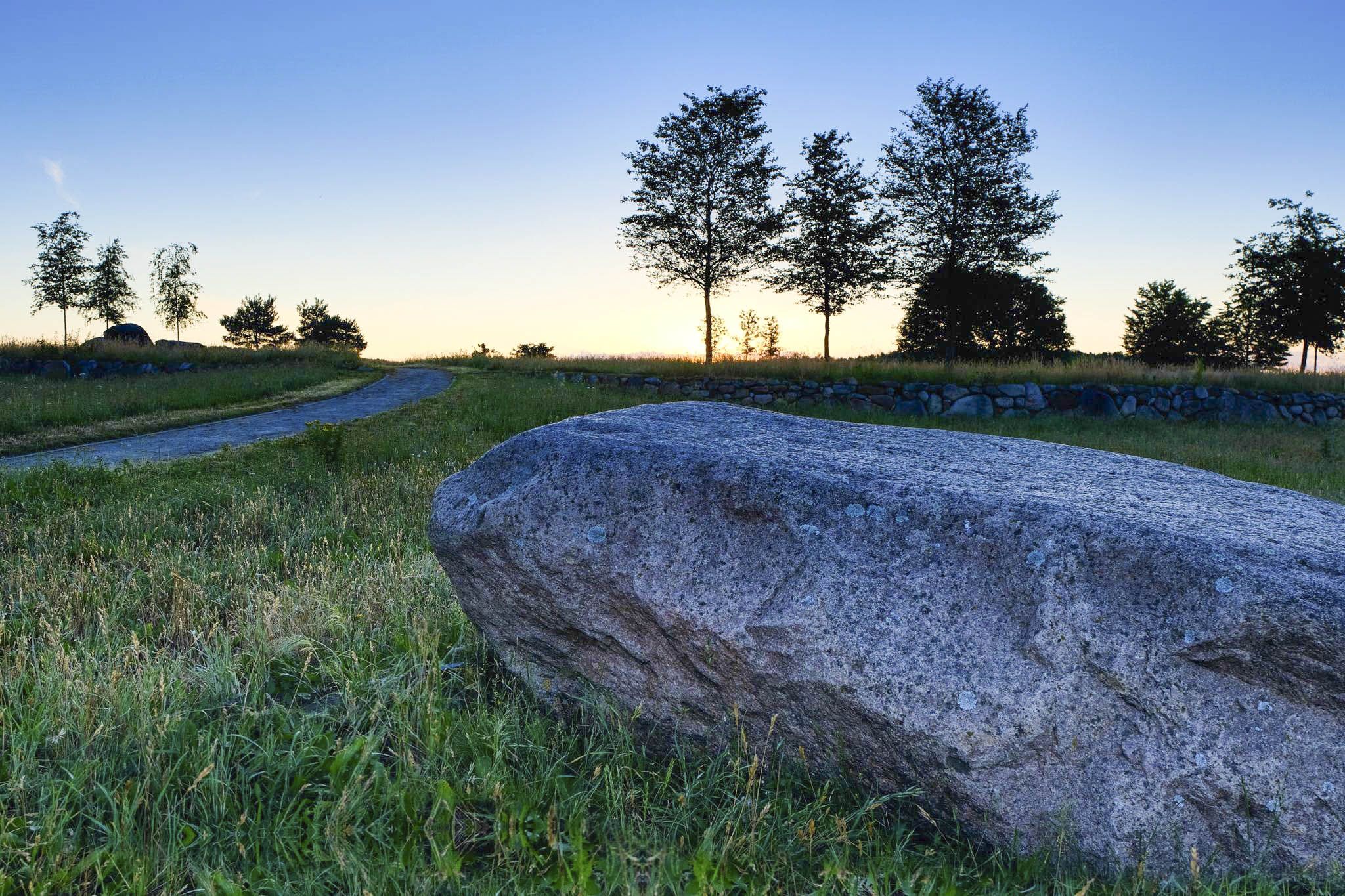
- The most popular natural monuments is Glaner Braut Megalithic Tomb, a man-made monument and natural monument that consists of four impressive megalithic…
Last updated: June 25, 2026
Glaner Braut Megalithic Tomb
Highlight • Monument
Translated by Google •
Tip by

Old Village Oak (Dötlingen)
Highlight • Natural Monument
Translated by Google •
Tip by

Sign up now to discover places like this
Get recommendations on the best single tracks, peaks, & plenty of other exciting outdoor places.
Sign up for free
Ozeanbrücke (Ocean Bridge) Over the Moor
Highlight • Bridge
Alone the name "Ocean Bridge" is remarkable, …
Translated by Google •
Tip by

St. Firmin's Church, Dötlingen
Highlight • Religious Site
Translated by Google •
Tip by

Warwer Sand Sand Dunes
Highlight • Natural Monument
Translated by Google •
Tip by

Sign up for free to discover even more natural monuments around Harpstedt.
Sign up for free
Already have an account?
Start today with a free account
Your next adventure awaits.
Login or Signup
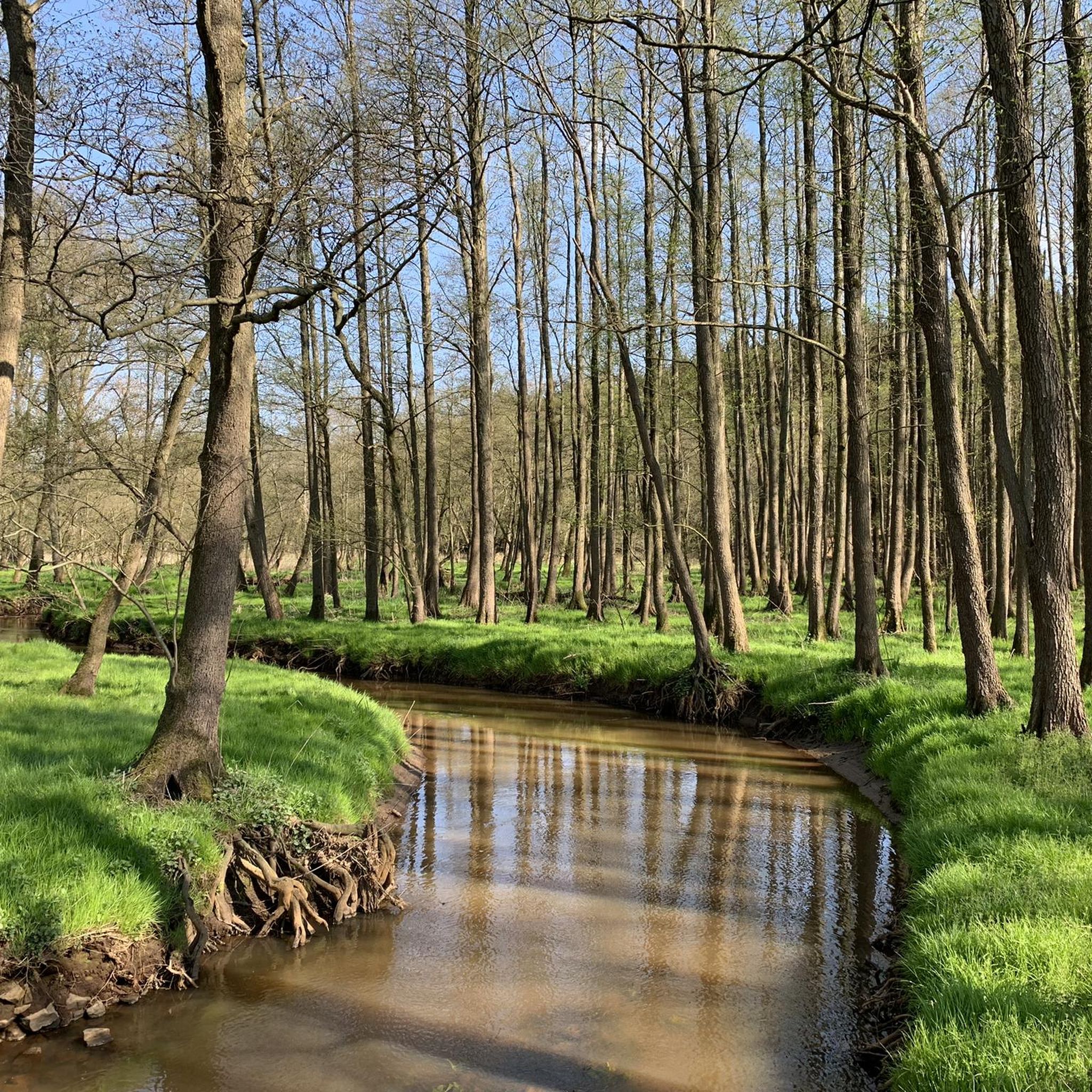
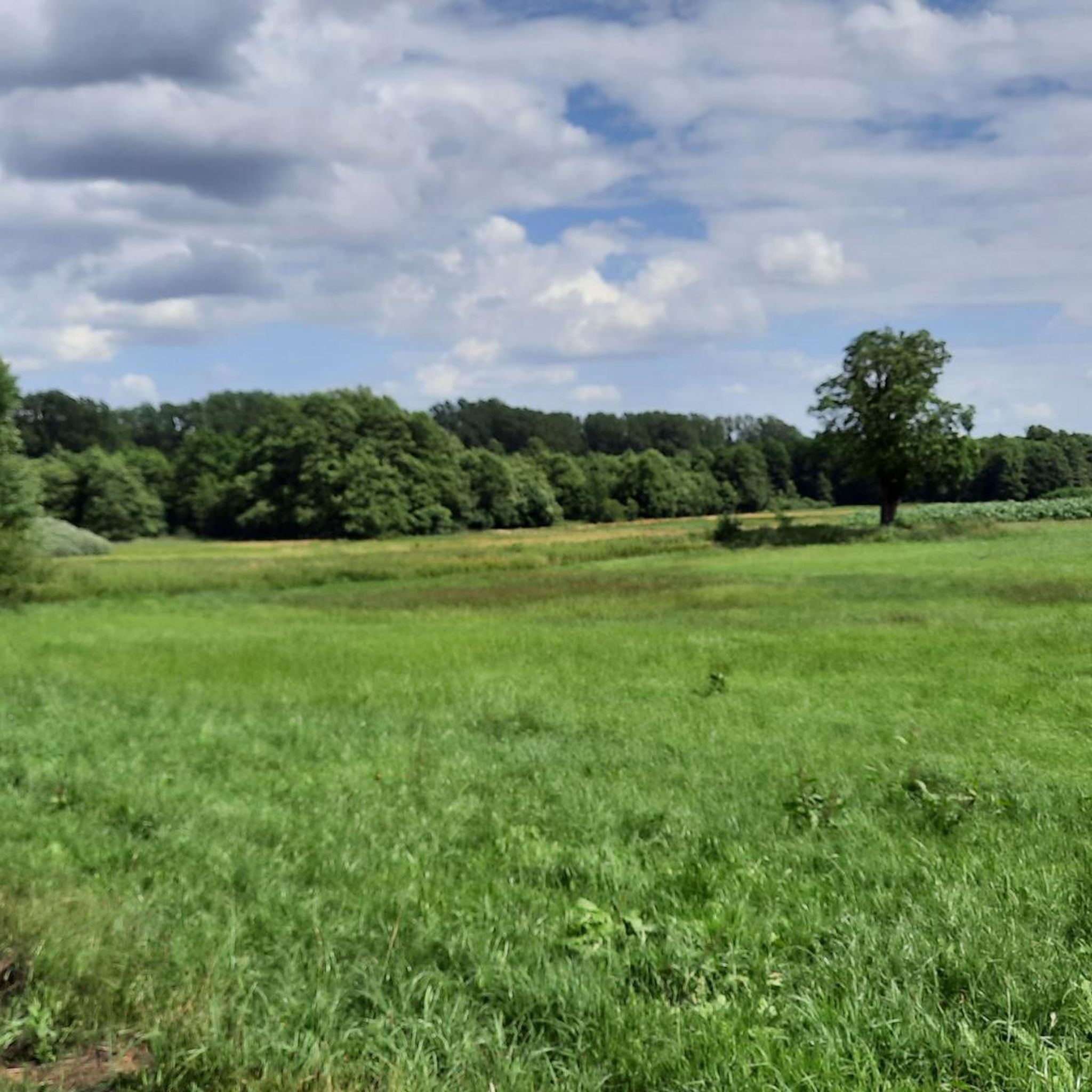
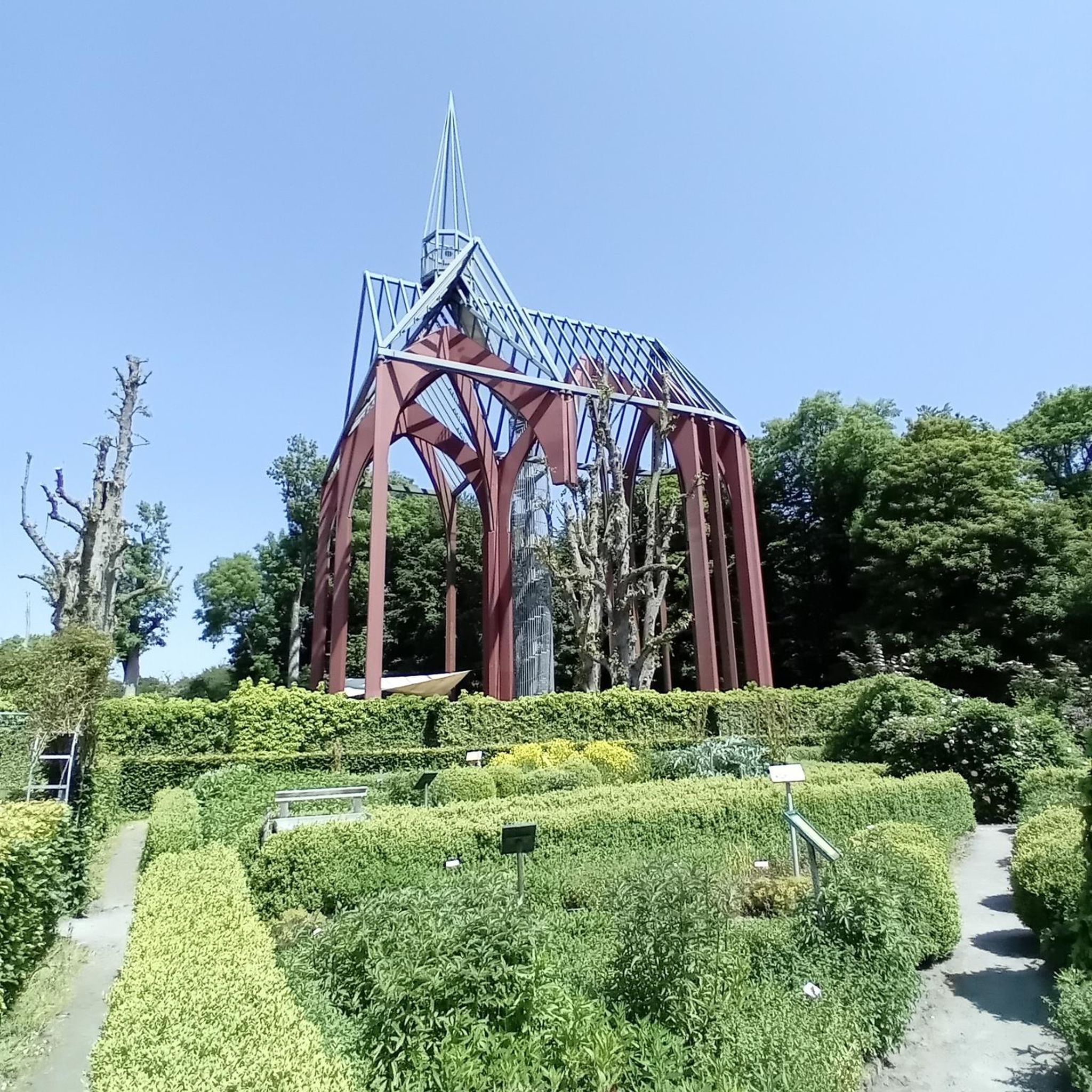
Other adventures around Harpstedt

Tips from the Community

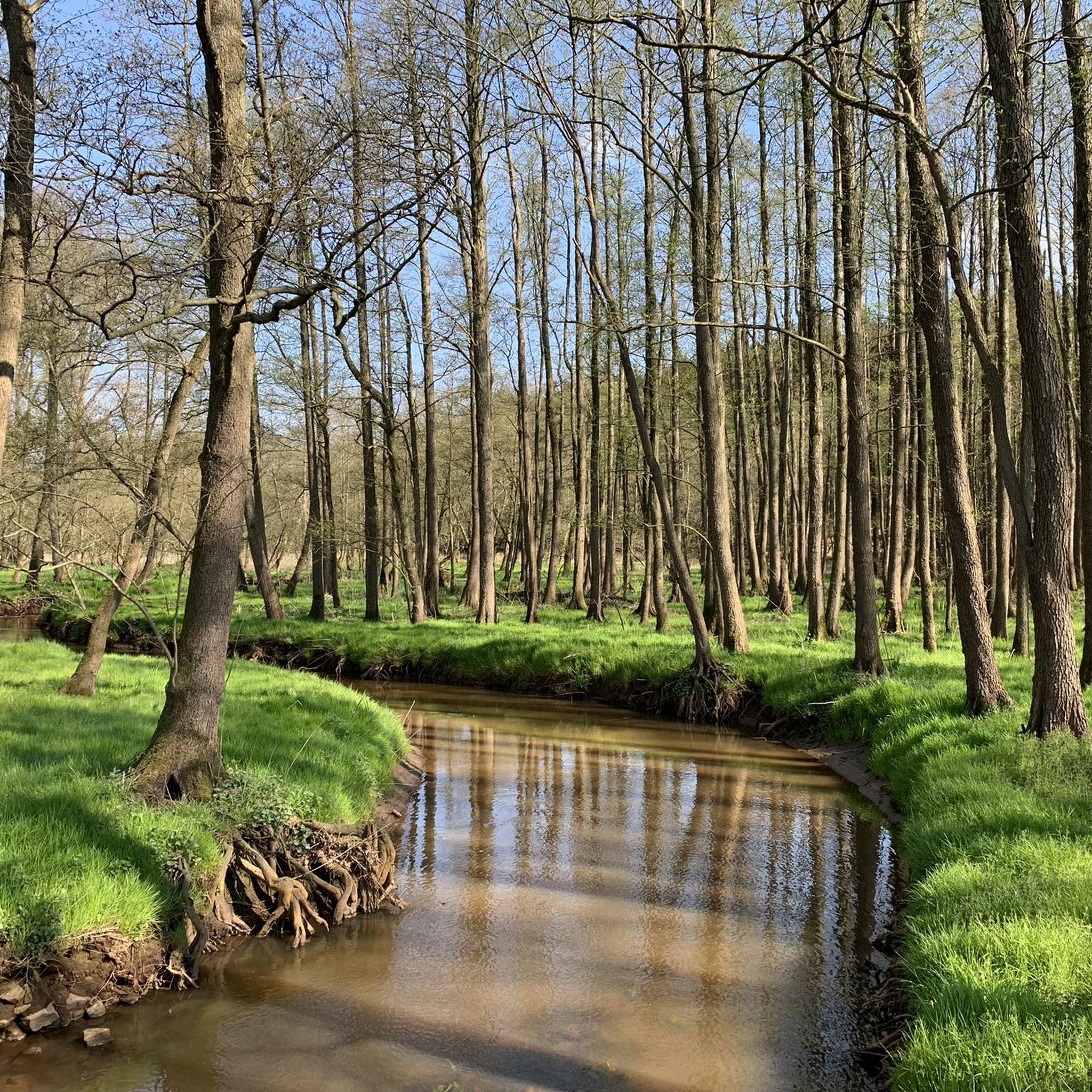
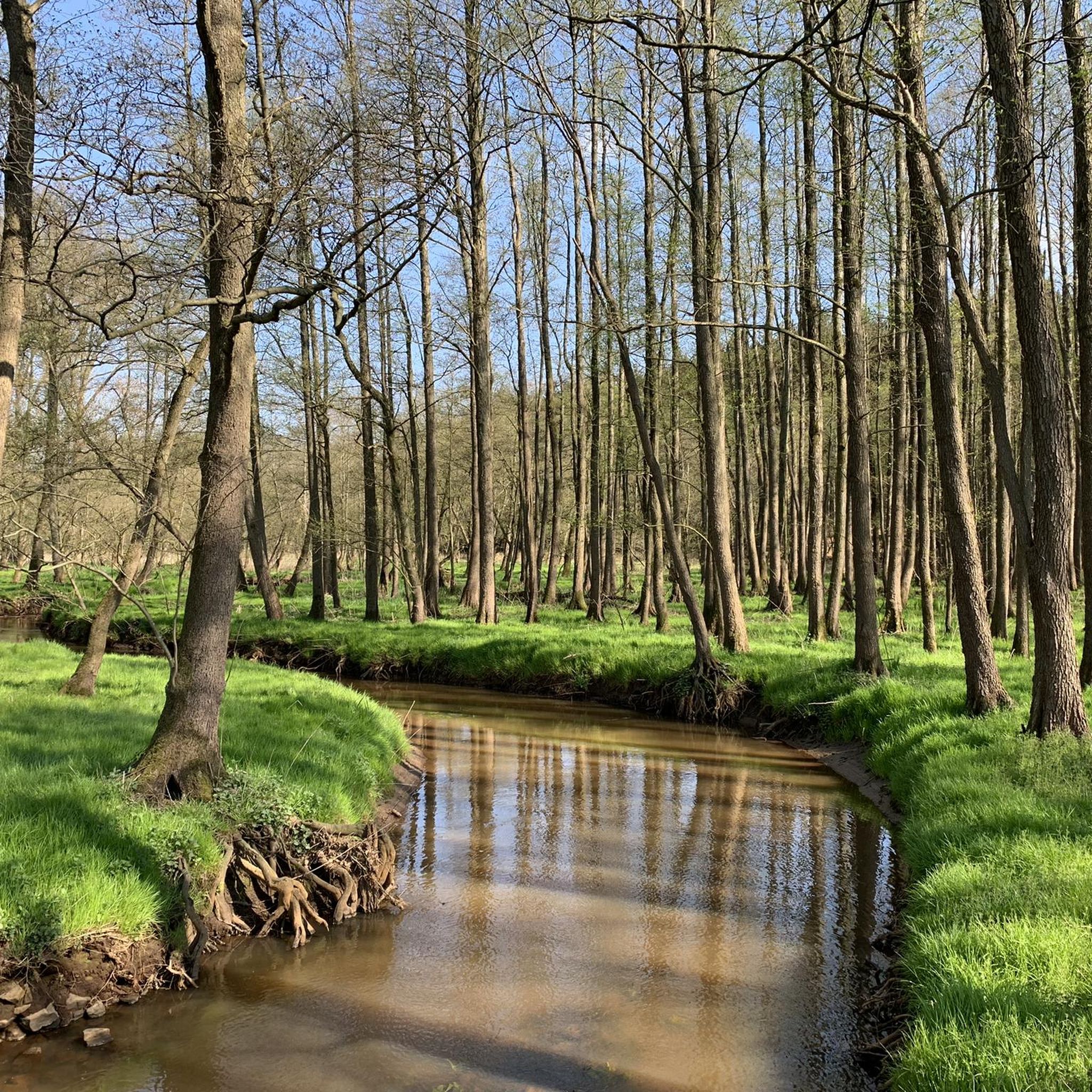
The Ocean Bridge in Harpstedt, Lower Saxony, leads to Little America. The 99-year-old connection originated as a guesthouse, and is now popular with hikers and cyclists. Of course, this doesn't mean the United States, and "ocean" doesn't mean the Atlantic. Rather, this historic structure is a pedestrian and bicycle bridge located in the Wildeshausen Geest region of Lower Saxony. The "Ocean Bridge" is the only way to cross the Delmetal River between the Harpstedt Forest and the Harpstedt district of Little America. Or, as the nature park's website puts it: "The wooden bridge connects the village of Little America with the rest of the world." Source: https://www.kreiszeitung.de/lokales/niedersachsen/seit-99-jahren-ueber-die-ozeanbruecke-geht-es-nach-amerika-92823288.html
4
0

The area around the Glaner Heide is a beautiful place to linger
4
0


Description The Glaner Heide is a 15.9 hectare area south of the Hunte, southwest of Dötlingen. The nature reserve with the registration number NSG WE 071 consists essentially of a heathland area with six graves from the Neolithic or Bronze Age ("Glaner Braut"). In the peripheral areas there are pine and birch-oak forests. The aim of the protection is to preserve the near-natural broom-sand heath communities, the graves of cultural and historical significance and the locations of endangered plant communities. History By decree of September 30, 1939, the Glaner Heide area was declared a nature reserve. The Oldenburg district is responsible as the lower nature conservation authority.
5
1

The field stone church (hall building) was built around 1100, first mentioned in 1270.
4
0
The altar was probably built in the 13th century. The essay, on the other hand, was only made in 1687 by Kaspar Elmendorf, an artist from Wildeshausen.
4
0
The trunk of the English oak has a circumference of 6.8 m. The age is estimated to be between 500 and 600 years... mathematically it is rounded up from 5. 😉
6
1

Café Behr is located directly opposite the 1000-year-old oak tree in Dötlingen.
6
0
Frequently Asked Questions
What unique natural monuments can I explore around Harpstedt?
The region offers a variety of unique natural monuments. You can visit the ancient Old Village Oak (Dötlingen), a remarkable 1000-year-old tree. Another distinctive site is the Warwer Sand Sand Dunes, a large Ice Age dune system nestled within a forest, offering winding paths and a landscape rarely found in northern Germany.
Are there historical sites integrated with natural monuments in the Harpstedt area?
Yes, several natural monuments also hold significant historical value. The Glaner Braut Megalithic Tomb consists of four impressive tombs dating back to 3,500 to 2,800 BC, situated within a 16-hectare nature reserve. Similarly, the Pestruper Gräberfeld Heathland features a large burial ground from the Bronze and pre-Roman Iron Age, set amidst heather, birch trees, and grassy landscapes.
What kind of natural features can I expect to see at these monuments?
You'll encounter diverse natural features, from ancient trees like the Old Village Oak to unique landscapes such as the gorse-sand heath societies surrounding the Glaner Braut Megalithic Tomb. The Ozeanbrücke (Ocean Bridge) Over the Moor offers views of the marshy Delmetal and Erlenbruch wetlands, while the Warwer Sand Sand Dunes present a rare inland dune environment.
Are there family-friendly natural monuments around Harpstedt?
Absolutely. Many natural monuments in the area are suitable for families. The Old Village Oak (Dötlingen) is a peaceful spot with a nearby café. The Ozeanbrücke (Ocean Bridge) Over the Moor provides an interesting walk over wetlands. Both the Glaner Braut Megalithic Tomb and Pestruper Gräberfeld Heathland offer open spaces for exploration and a glimpse into history, making them engaging for all ages.
What is the best time of year to visit the natural monuments around Harpstedt?
The natural monuments around Harpstedt can be enjoyed year-round. For vibrant heathland blooms, late summer to early autumn is ideal, especially for sites like the Pestruper Gräberfeld Heathland. Spring and summer offer lush greenery and pleasant weather for walks, while autumn brings beautiful foliage. Even winter can be atmospheric, as noted by visitors to the Pestruper Gräberfeld.
What outdoor activities can I do near these natural monuments?
The area around Harpstedt is excellent for outdoor activities, particularly hiking and cycling. You can find numerous routes that pass by or through these natural sites. For example, there are easy hikes near the Ozeanbrücke (Ocean Bridge) Over the Moor, such as the 'Forest Kindergarten Harpstedt – Ozeanbrücke (Ocean Bridge) Over the Moor loop'. For more options, explore the hiking routes around Harpstedt or cycling tours around Harpstedt.
Are there specific hiking trails that lead to or through these natural monuments?
Yes, many trails incorporate these natural monuments. The Old Village Oak (Dötlingen) is located directly on the Huntepadd hiking trail. The Glaner Braut Megalithic Tomb is also part of the Huntepadd and the 'Straße der Megalithkultur'. You can find various easy hiking loops, like those around the Ozeanbrücke (Ocean Bridge) Over the Moor, in the easy hikes around Harpstedt guide.
What do visitors enjoy most about the natural monuments around Harpstedt?
Visitors frequently praise the peaceful surroundings and the historical significance of the sites. The Old Village Oak is often described as a 'miracle of nature' and a 'real eye-catcher'. The Glaner Braut Megalithic Tomb is considered an 'absolute highlight of the megalithic culture' for those interested in ancient burial grounds. The unique views from the Ozeanbrücke and the striking landscape of the Warwer Sand Sand Dunes are also highly appreciated.
Are there cafes or restaurants near any of the natural monuments?
Yes, for instance, a pleasant café with an outdoor area is conveniently located directly opposite the Old Village Oak (Dötlingen), offering a nice spot for relaxation after your visit.
How difficult are the trails around the natural monuments near Harpstedt?
Many trails around the natural monuments are generally easy to moderate, making them suitable for a wide range of visitors. For example, several easy loops are available around the Ozeanbrücke (Ocean Bridge) Over the Moor. The Warwer Sand Sand Dunes offer a striking hiking area with many small, winding paths, some of which can be very narrow but are generally manageable.
Can I visit the natural monuments with my dog?
While many natural areas in Germany are dog-friendly, it's always advisable to keep dogs on a leash, especially in nature reserves or near historical sites, to protect wildlife and ensure the comfort of other visitors. Specific regulations may vary by location, so look for local signage.
Is public transport available to reach natural monuments near Harpstedt?
Information on specific public transport routes directly to each natural monument is limited. However, Harpstedt itself has bus connections. For reaching more remote natural monuments, combining public transport to a nearby village with a walk or cycle might be necessary. Planning your route in advance using local transport schedules is recommended.
Where can I find parking when visiting these natural monuments?
While specific parking details for every monument are not provided, natural monuments often have designated parking areas nearby, especially for popular sites. For example, when visiting the Old Village Oak in Dötlingen, you can typically find parking within the village. It's best to check local signage upon arrival or use navigation apps for parking suggestions.
Most popular routes around Harpstedt
Most popular attractions around Harpstedt

Get inspired with the komoot mobile app


Explore more
Extend your search for the best caves by checking out these guides of the top ones around Harpstedt:
