Top 20 Natural Monuments around Vörstetten
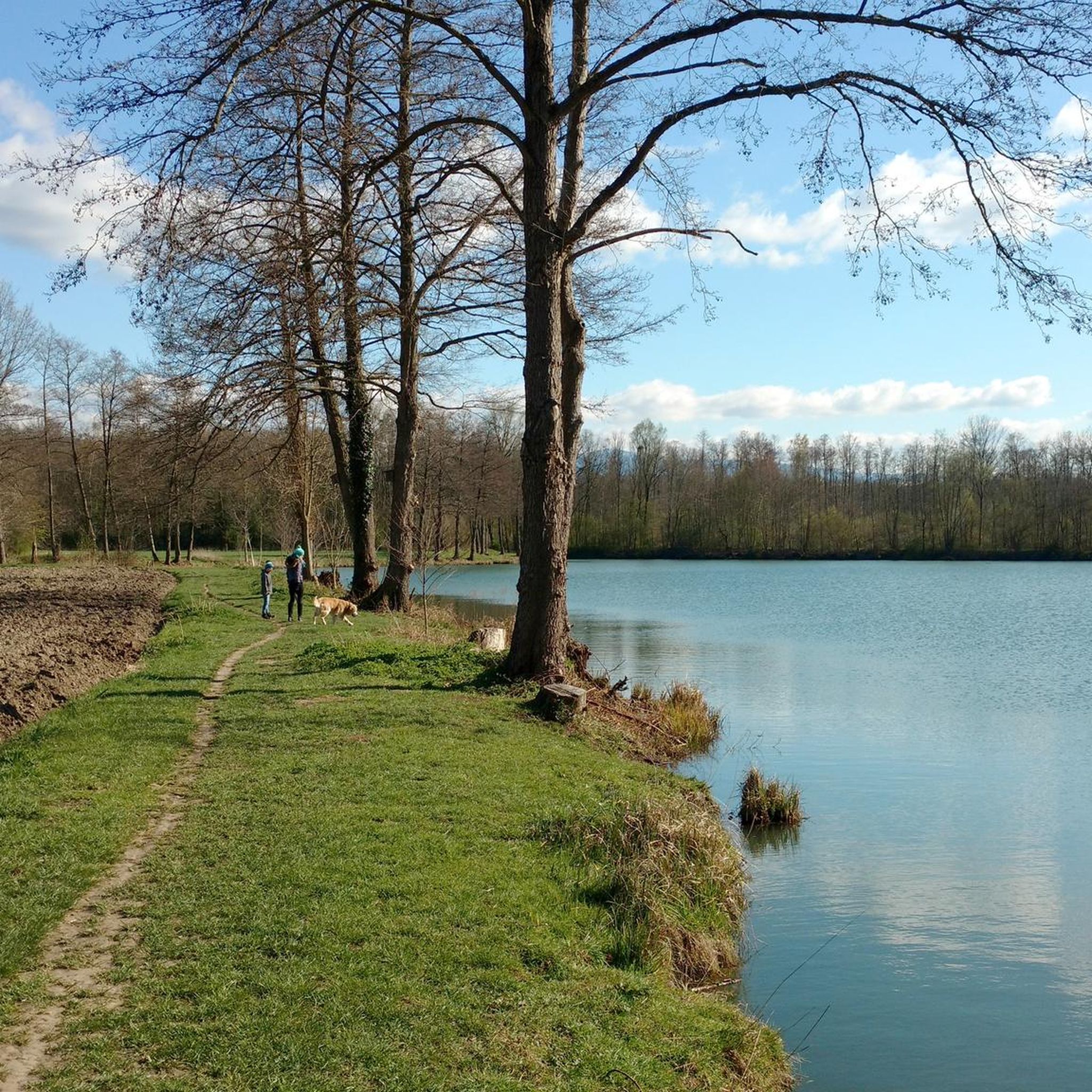
Best natural monuments around Vörstetten are found within the Kaiserstuhl region and the wider Emmendingen district. This area is characterized by its volcanic landscape, vineyards, and diverse natural features. Visitors can explore unique geological formations and designated nature reserves. The region offers opportunities to observe varied plant life and bird species.
Best natural monuments around Vörstetten
- The most popular natural monuments is Neunlinden Tower, a viewpoint that offers views of Freiburg and the Black Forest. This lookout tower was…
Last updated: June 25, 2026
Neunlinden Tower
Highlight • Viewpoint
Translated by Google •
Tip by

Liliental Arboretum Trail
Highlight • Trail
Translated by Google •
Tip by

Sign up now to discover places like this
Get recommendations on the best single tracks, peaks, & plenty of other exciting outdoor places.
Sign up for free
Badberg Nature Reserve
Highlight • Natural Monument
Translated by Google •
Tip by

Romantic sunken lane in the Liliental
Highlight • Gorge
Translated by Google •
Tip by

View of the Kaiserstuhl from Haselschacher Buck
Highlight • Viewpoint
Translated by Google •
Tip by

Sign up for free to discover even more natural monuments around Vörstetten.
Sign up for free
Already have an account?
Start today with a free account
Your next adventure awaits.
Login or Signup
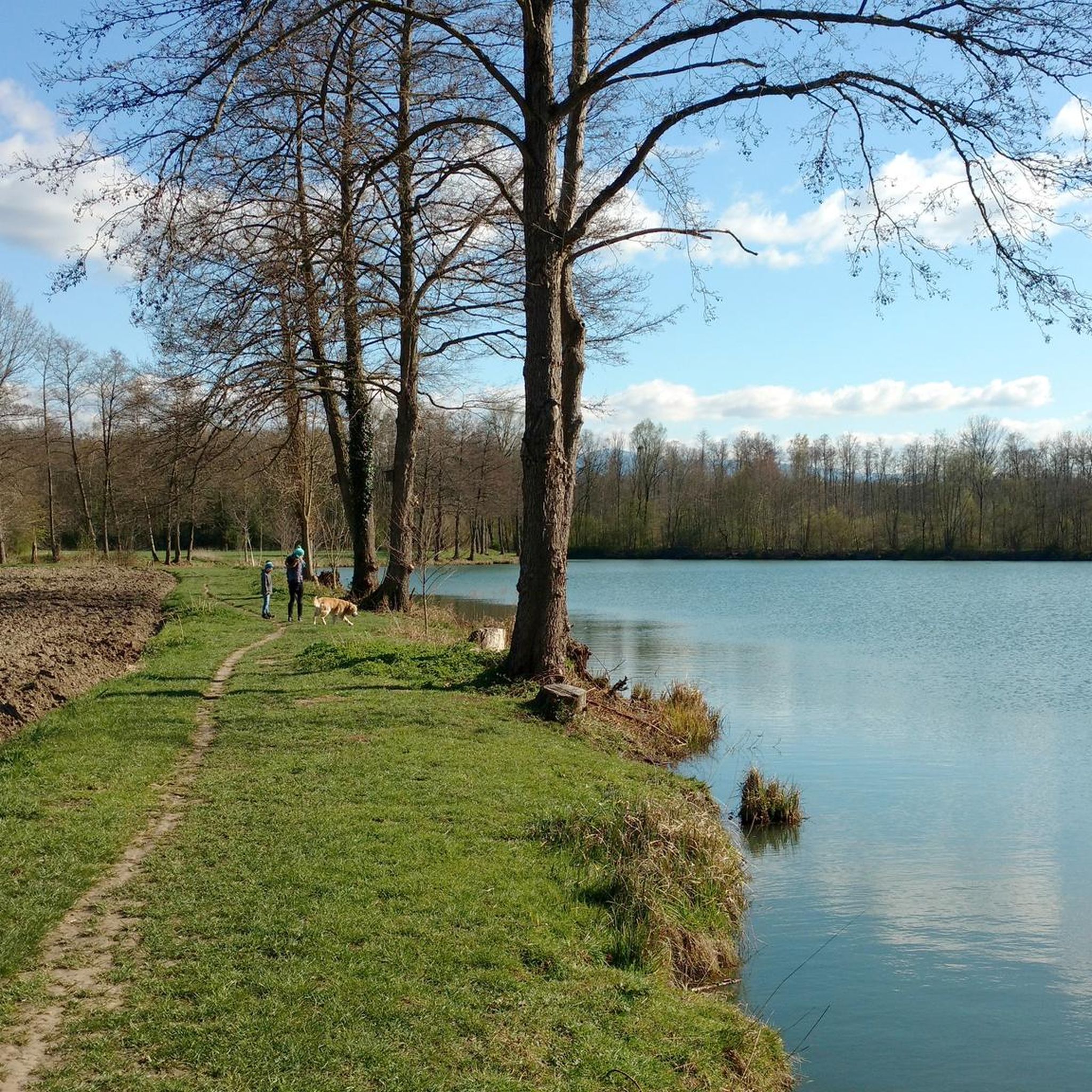
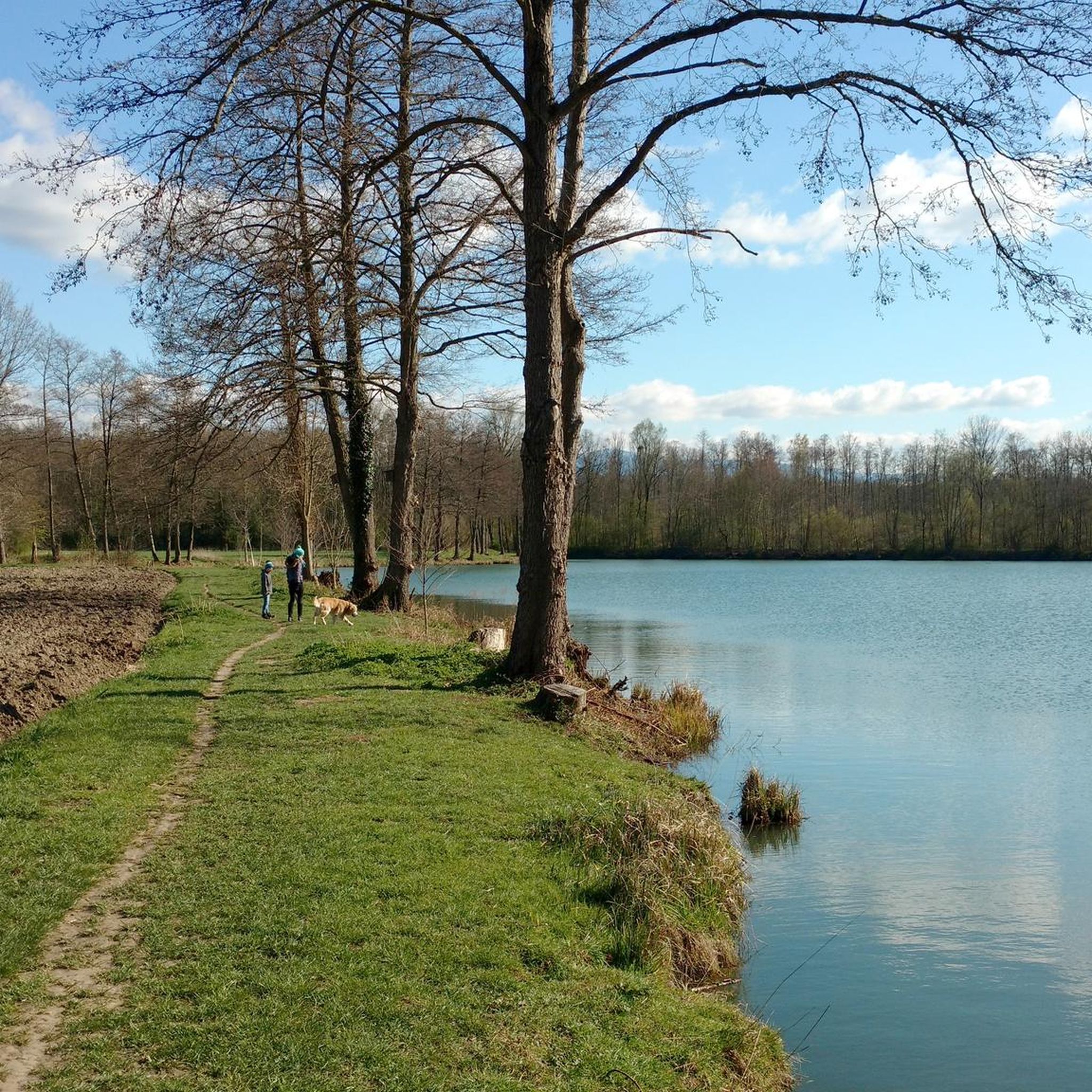
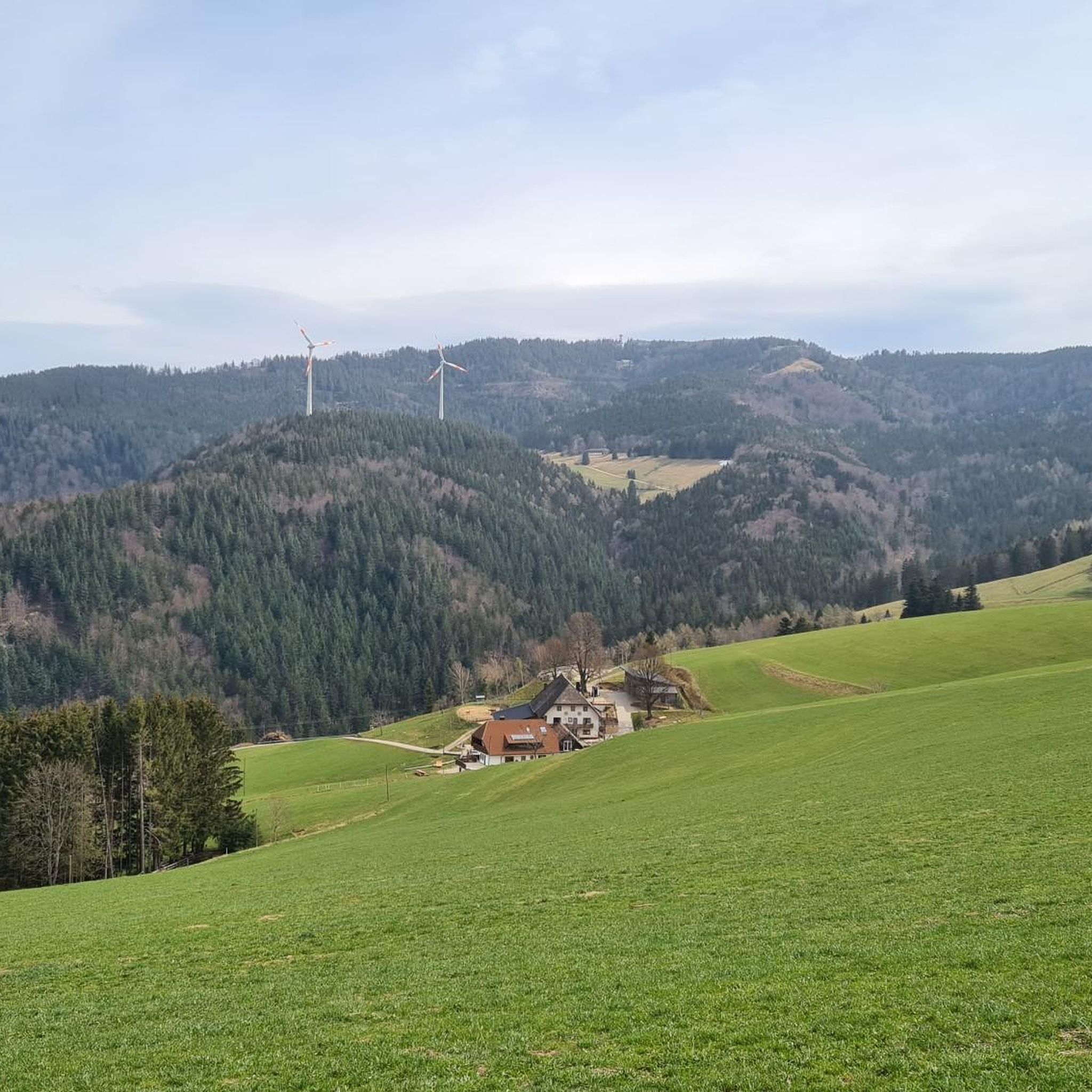
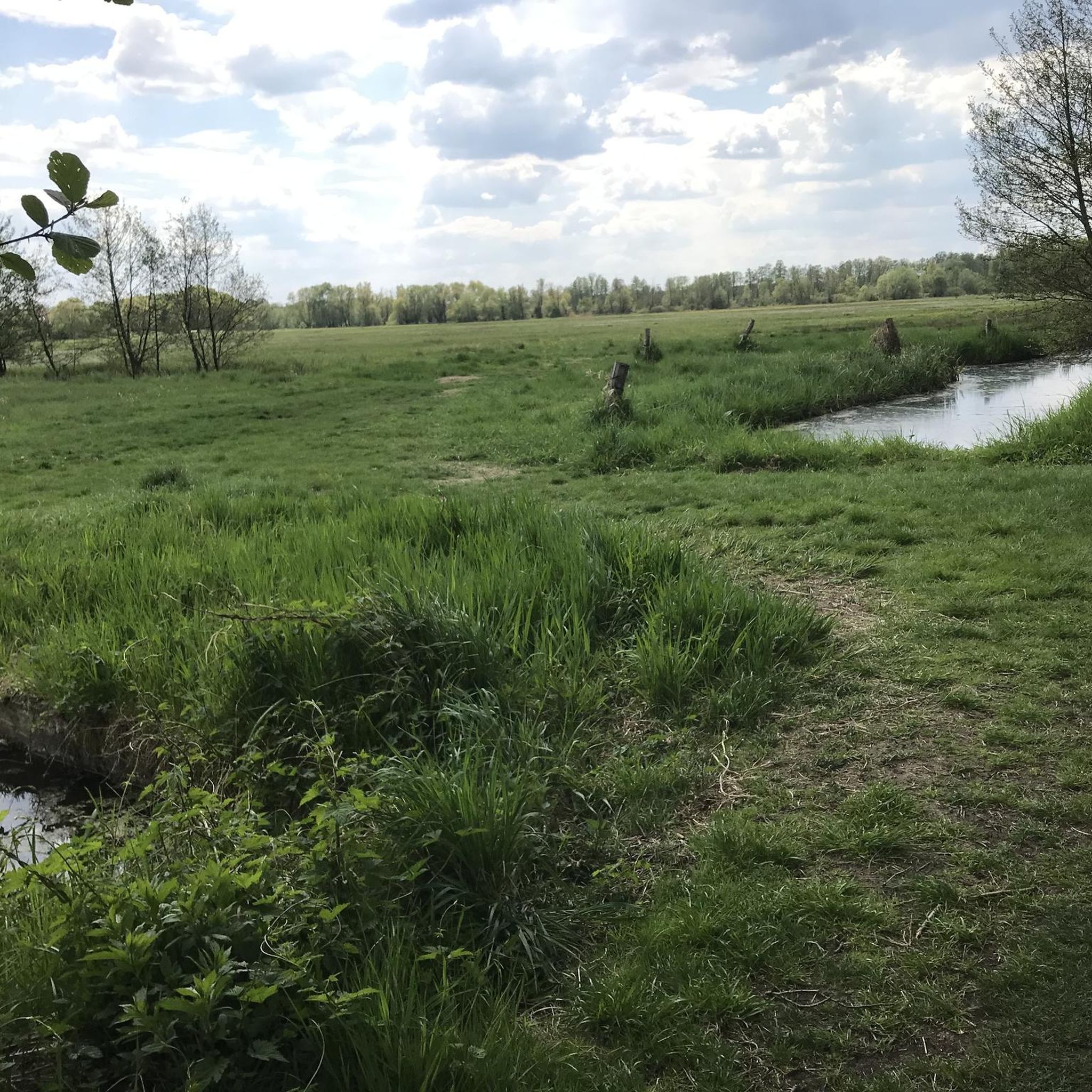

Tips from the Community

A beautiful hollow path leading from the Liliental valley into the forest to the north. Numerous nesting holes can be seen in the loess walls, but I haven't encountered any bee-eaters in the forest.
2
0

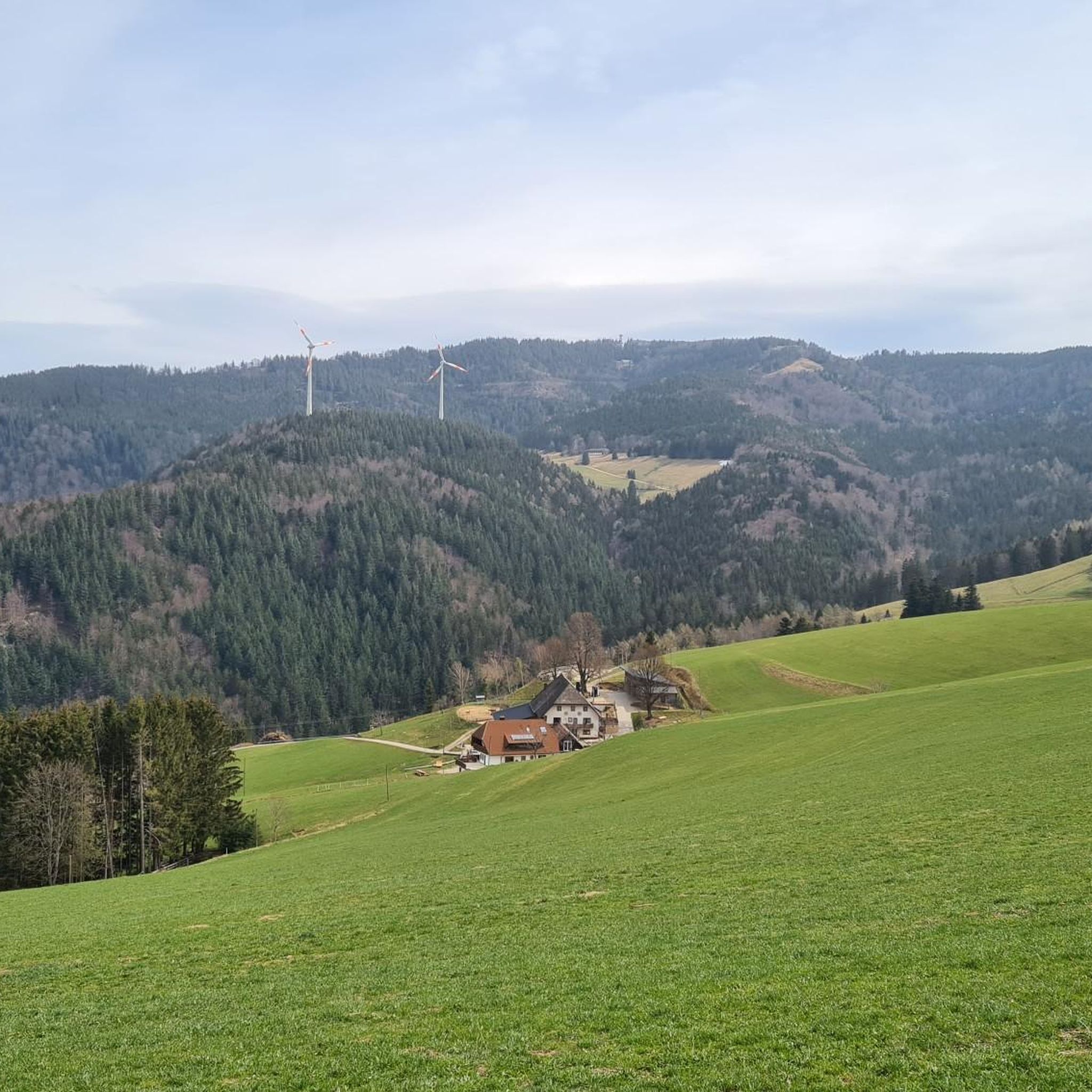
Beautiful view, a life-affirming totem, a lounger, a bench, a table and a great view of the Kaiserstuhl and towards Freiburg.
1
0
It goes unexpectedly through an abbath.
2
0

The well-signposted circular routes begin directly behind the restaurant
1
0

In the beautiful loess caves in the beautiful nature, you can hike wonderfully.
2
0

The Kaiserstuhl is a region in Baden-Württemberg, Germany, known for its volcanic landscape and excellent wines. Another special feature of the Kaiserstuhl are the so-called sunken paths that can be found here. These trails have been created through centuries of human and animal use and have dug deep into the surrounding terrain over time. Hollow paths can be up to two meters wide and cut up to eight meters deep into the rock. The high walls and narrow boundaries create a unique atmosphere reminiscent of a secret gorge. The sunken paths in the Kaiserstuhl also provide a habitat for some animals, such as various species of bats and reptiles. The hollow paths in the Kaiserstuhl are now a popular destination for hikers and nature lovers who want to experience the unique atmosphere and the beauty of the landscape. There are numerous paths that lead through the ravines and offer an excellent opportunity to experience the region from a different perspective. In summary, it can be said that the sunken paths in the Kaiserstuhl represent a unique landscape that is worth discovering. Whether on a walk or an extensive hike, the sunken paths are a highlight for every nature lover and offer a fascinating insight into the geology and history of the region.
5
1
The Hohlgassen in the Kaiserstuhl are a special and characteristic feature of the region. These narrow lanes and streets were carved between the vineyards and offer a fascinating insight into the region's traditional architecture and culture. The hollow lanes were created in the Middle Ages when winegrowers began to plant the vineyards in terraced structures to make better use of the soil and facilitate cultivation. The Hohlgasse lanes served as a link between the vineyards and the villages where the winemakers lived. The streets are usually only a few meters wide and surrounded by dense vines. The buildings on the slopes are often built of natural stone and have red tiled roofs. Many of the houses also have small gardens or patios that offer stunning views of the countryside. The Hohlgassen are an important part of the culture and history of the Kaiserstuhl. The region's inhabitants have adapted to life among the vineyards over the centuries, developing unique traditions and practices to deal with the challenges of growing grapes in a mountainous landscape. Today, the Hohlgasses are a popular destination for tourists and hikers who want to experience the beauty and authenticity of the Kaiserstuhl. There are many hiking trails that wind through the Hohlgasse lanes, taking visitors to historic sites and charming villages. The Hohlgasses are also a popular photo motif for photographers and artists who are fascinated by the beauty of the landscape. Overall, the Hohlgassen in the Kaiserstuhl are a unique and fascinating feature of the region. They are an important part of the culture and history of the Kaiserstuhl and offer visitors the opportunity to experience the beauty and authenticity of the region.
3
0

Here you can take your time and enjoy the beautiful view
5
1
Frequently Asked Questions
What unique natural features can I explore near Vörstetten?
The region offers diverse natural features. You can explore the unique geological formations of the Romantic sunken lane in the Liliental, characterized by centuries-old hollow ways and round holes that serve as breeding places for bee-eaters. The Badberg Nature Reserve is another significant site, known for its rich and diverse plant and animal communities, including rare and endangered species.
Are there family-friendly natural monuments to visit around Vörstetten?
Yes, several natural monuments are suitable for families. The Badberg Nature Reserve offers well-maintained paths and beautiful views, making it enjoyable for all ages. The Romantic sunken lane in the Liliental also provides an enchanting and easy hiking experience through unique natural settings, and the Liliental Arboretum Trail is a clear recommendation for tree fans and families.
What kind of views can I expect from the natural monuments in the area?
The natural monuments around Vörstetten offer breathtaking panoramic views. From the Neunlinden Tower, you can enjoy expansive views of Freiburg and the Black Forest, and on clear days, parts of the Markgräflerland and the Rhine. The Badberg Nature Reserve also provides stunning vistas across the Kaiserstuhl landscape, while the Vogelsang Panorama offers wonderful views of the vineyard terraces.
What is the best time of year to visit the natural monuments near Vörstetten?
The natural monuments in the Kaiserstuhl region, such as the Badberg Nature Reserve, are recommended in every season. Spring brings blooming flora, summer offers lush greenery, autumn showcases vibrant colors in the vineyards, and even winter can provide serene, crisp views. The unique features of the Liliental Arboretum Trail also change beautifully with each season.
Are there hiking trails associated with these natural monuments?
Yes, many natural monuments are integrated into or are themselves hiking trails. For instance, the Liliental Arboretum Trail is a dedicated path for exploring the forestry test site. The Romantic sunken lane in the Liliental offers an enchanting walk. You can find more hiking options in the area by exploring easy hikes around Vörstetten.
What outdoor activities can I do near these natural monuments?
Beyond exploring the natural monuments themselves, the Vörstetten region offers various outdoor activities. You can find numerous running trails, including the Vörstetten Forest Trail. For cyclists, there are road cycling routes, such as a challenging round trip on the Kandel. Many of these routes pass by or offer views of the natural monuments.
What geological features are prominent in the natural monuments around Vörstetten?
The Kaiserstuhl region, where many of these monuments are located, is known for its volcanic landscape. The Romantic sunken lane in the Liliental showcases unique geological formations with its deep, centuries-old hollow ways cut into the terrain. The Badberg Nature Reserve is also significant for its geology, contributing to its rich biodiversity.
Are there any historical sites among the natural monuments?
Yes, some natural monuments also have historical significance. The Neunlinden Tower, for example, was built on the Neunlinden-Totenkopf summit, a site where a Pauline monastery existed as early as 1333. The Romantic sunken lane in the Liliental is also a historical formation, with some of these hollows being several hundred years old, shaped by centuries of human and animal use.
What do visitors particularly enjoy about the natural monuments near Vörstetten?
Visitors frequently praise the stunning views, such as those from the Neunlinden Tower and Badberg Nature Reserve. The unique atmosphere of the Romantic sunken lane in the Liliental, with its ancient paths and bee-eater breeding holes, is also a highlight. Many appreciate the opportunity for peaceful walks and observing diverse plant and bird life in these natural settings.
Can I bring my dog to the natural monuments and trails?
Generally, dogs are welcome on trails and in natural areas around Vörstetten, provided they are kept on a leash and owners clean up after them. While specific dog-friendly designations are not always listed for each monument, the nature of these outdoor locations, such as the Badberg Nature Reserve and the various hiking trails, makes them suitable for walks with leashed dogs.
Are there any specific areas for nature observation or birdwatching?
Yes, the region is excellent for nature observation. The Badberg Nature Reserve is a designated conservation area rich in diverse plant and animal communities, making it ideal for observing rare flora and fauna. The Romantic sunken lane in the Liliental is particularly notable for its bee-eater breeding holes, offering a unique birdwatching opportunity.
Most popular routes around Vörstetten
Most popular attractions around Vörstetten

Get inspired with the komoot mobile app


Explore more
Extend your search for the best caves by checking out these guides of the top ones around Vörstetten:
