Top 4 Natural Monuments around Groß Schwiesow
Best natural monuments around Groß Schwiesow are found in a region shaped by the last Ice Age, approximately 15,000 years ago. This geological history has left behind distinctive features such as moraines and erratics. The landscape includes several lakes like Inselsee, Parumer See, and Sumpfsee, often surrounded by marshy shorelines and moors. Additionally, the area features ancient oak and beech trees, contributing to the natural heritage.
Best natural monuments around Groß Schwiesow
- The most popular natural monuments is Boitiner Steintanz…
Last updated: July 8, 2026
Boitiner Steintanz Stone Circles
Highlight • Historical Site
Eines der bekanntesten Bodendenkmale in Mecklenburg Vorpommern ist der aus insgesamt vier Steinkreisen bestehende sogenannte Steintanz von Boitin. Bereits vor Jahrhunderten erregte er grobes Aufsehen und verschiedene Deutungen …
Tip by

Fish ladder on the Nebel at the Bützow-Güstrow Canal near Lüssow
Highlight • Structure
Translated by Google •
Tip by

Sign up now to discover places like this
Get recommendations on the best single tracks, peaks, & plenty of other exciting outdoor places.
Sign up for free
Fish ladder
Highlight • Structure
Translated by Google •
Tip by

Wishing Oak
Highlight • Natural Monument
Translated by Google •
Tip by

Peetscher Lake Nature Reserve
Highlight • Natural Monument
Translated by Google •
Tip by

Start today with a free account
Your next adventure awaits.
Login or Signup
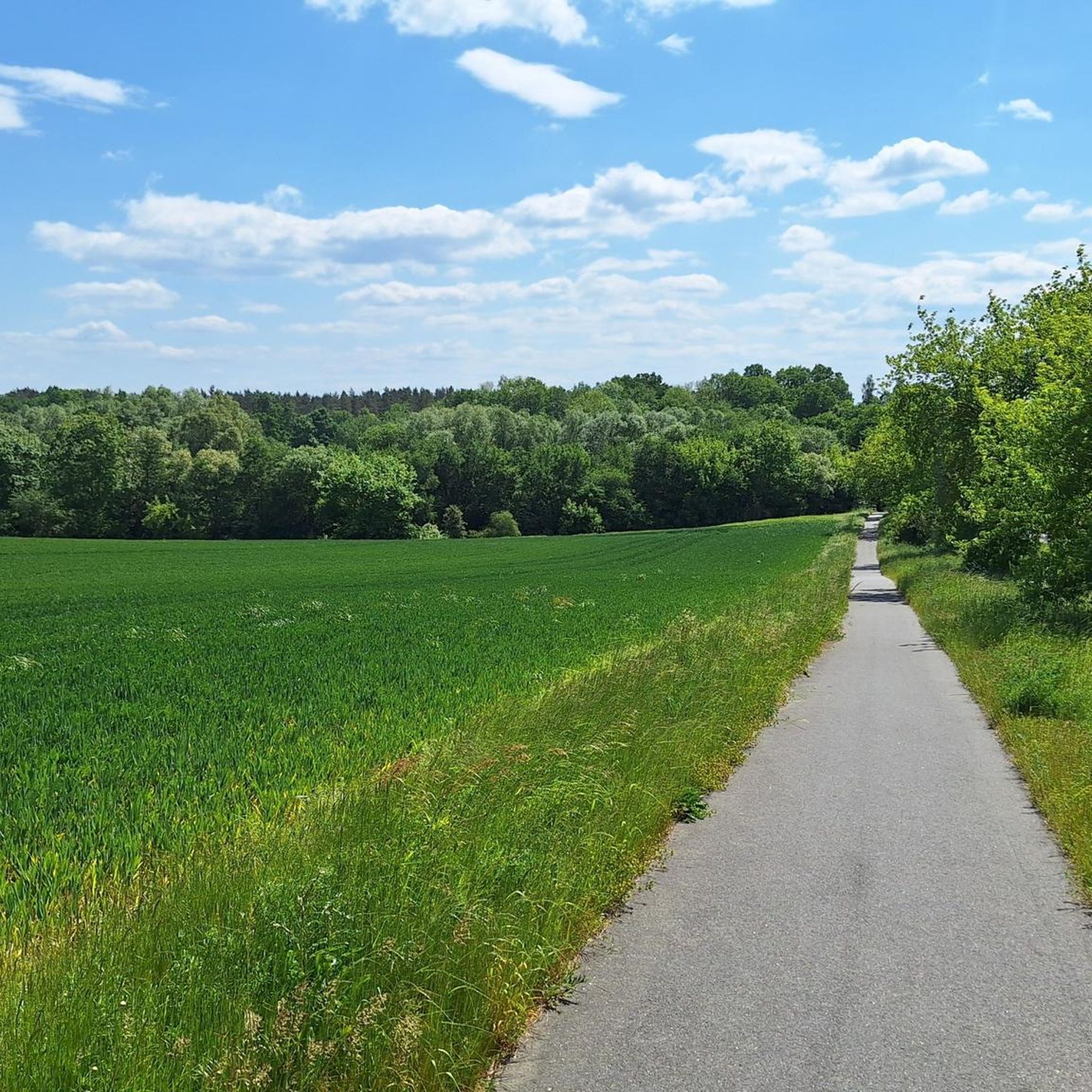
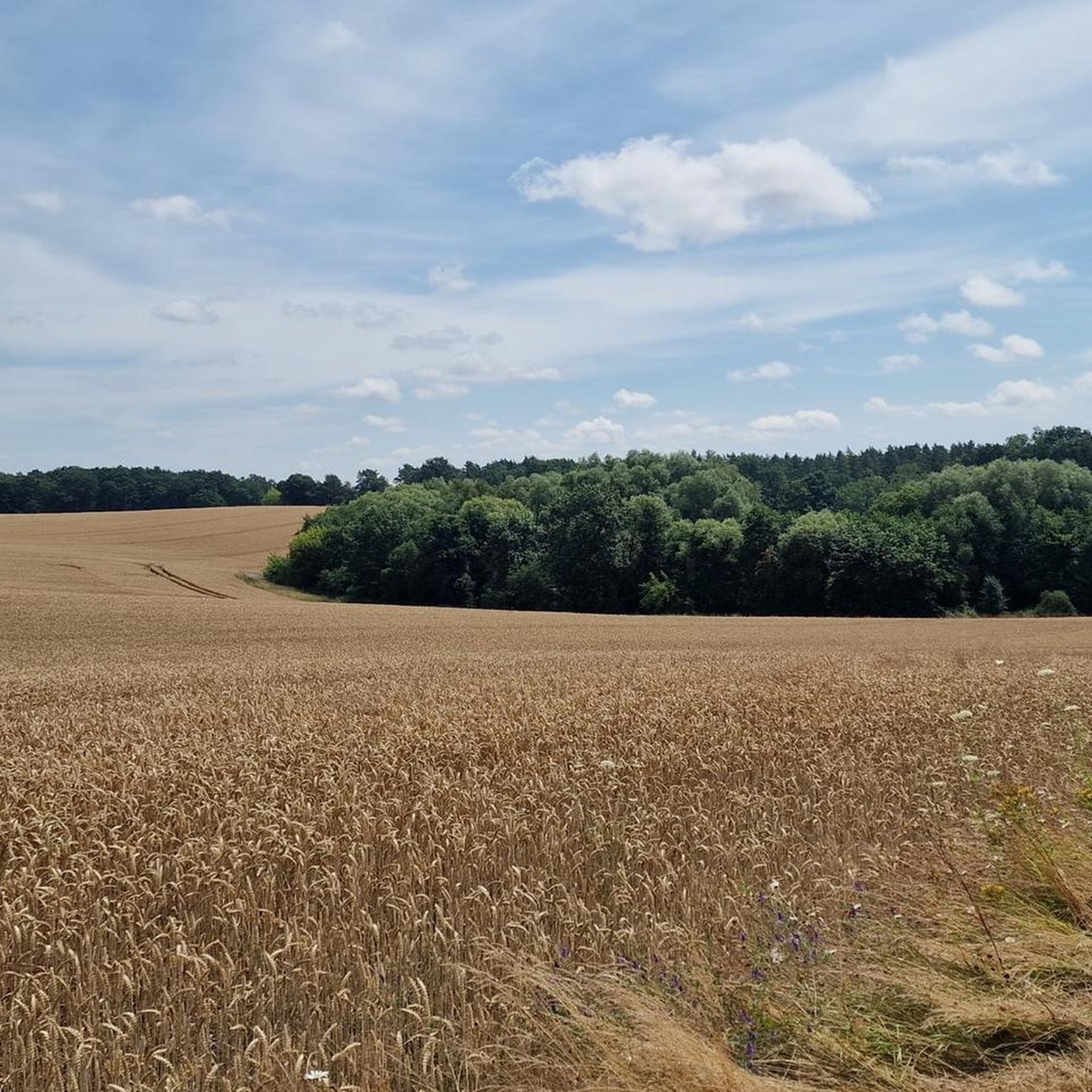
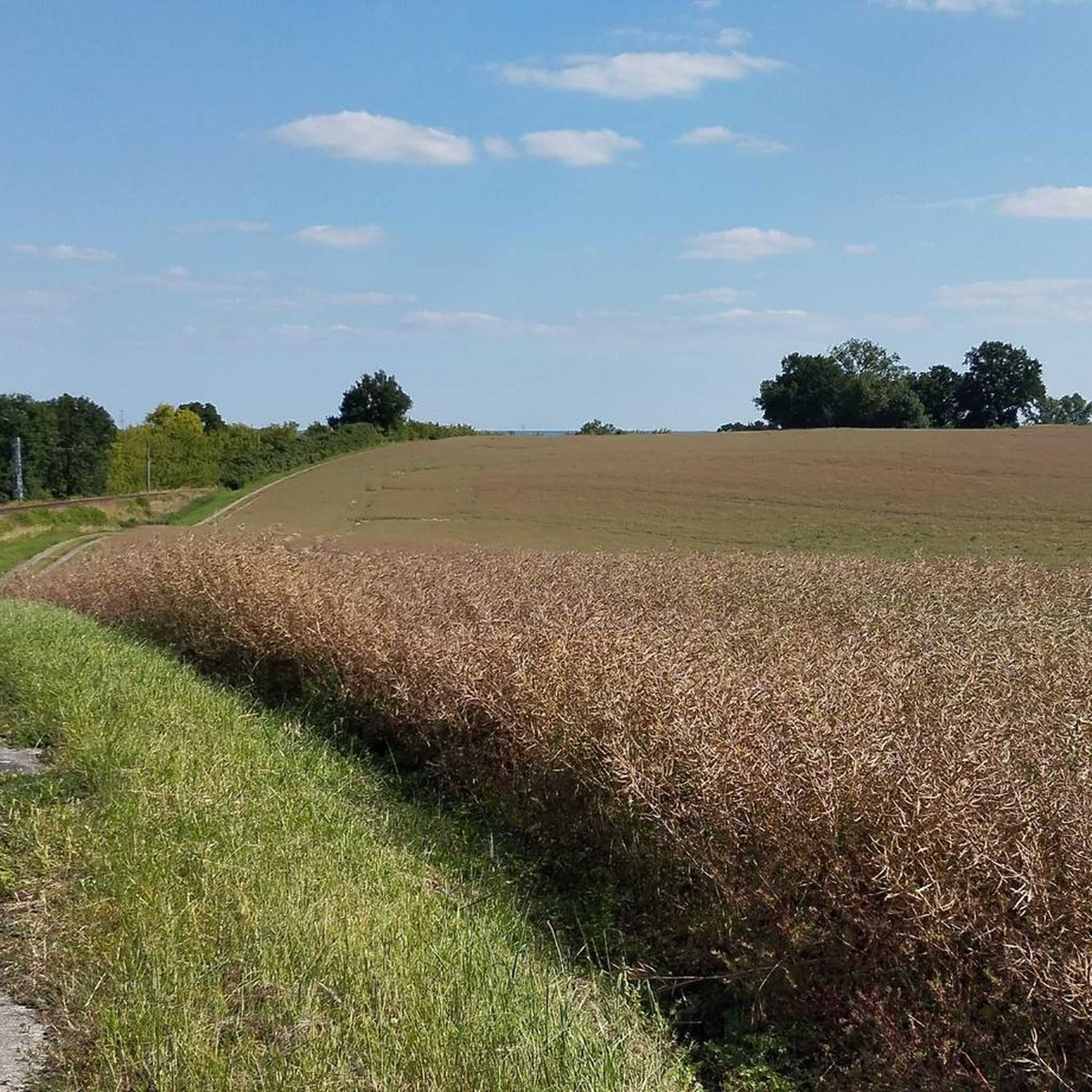
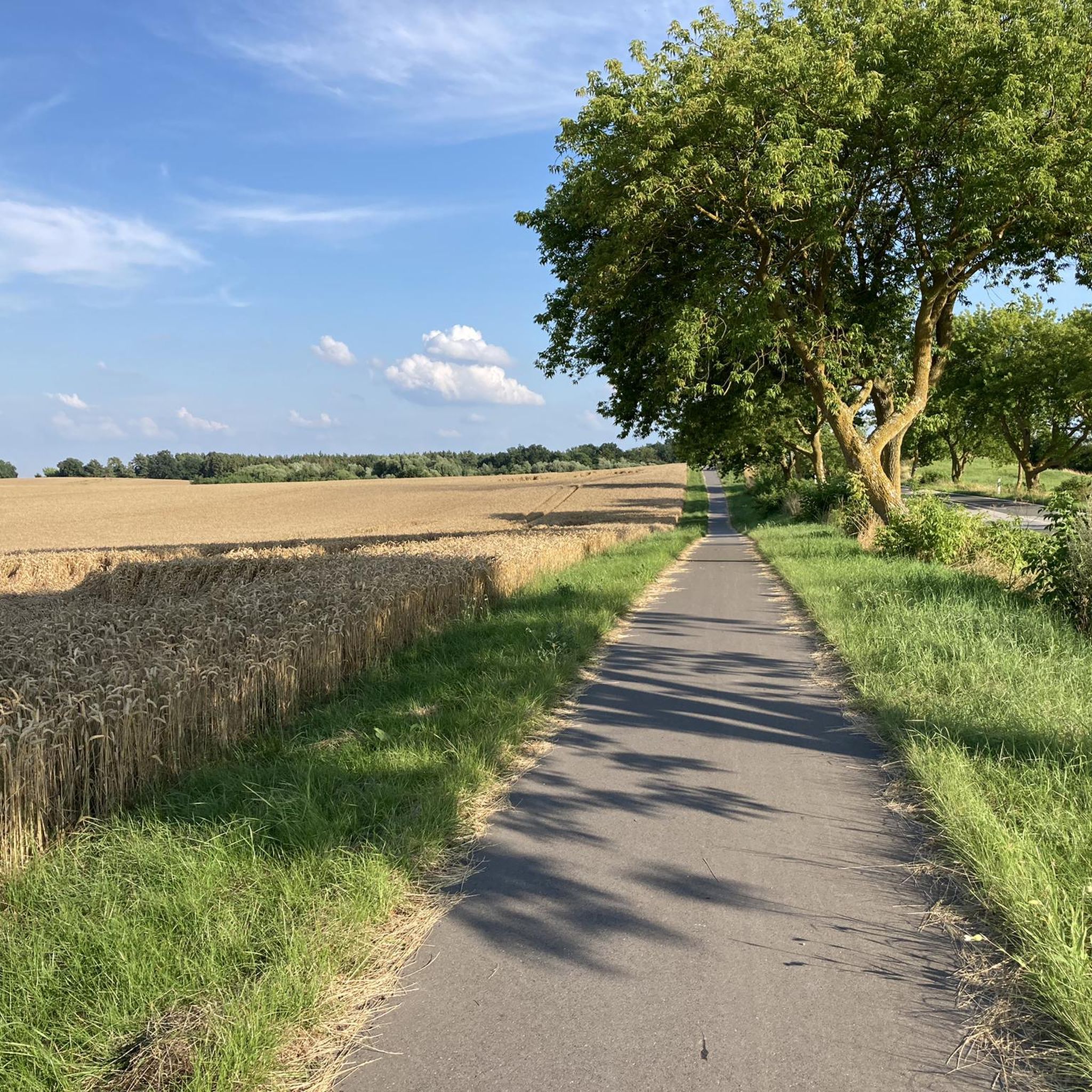

Tips from the Community

Not accessible with cargo bikes or trailers, best to use the bridge about 200m upstream.
0
0

Really invites you to linger!
0
0

The Boitin Stone Dance is one of the most famous archaeological monuments in Mecklenburg-Western Pomerania. It consists of four stone circles. The stone circles are located in the Tarnow district of Boitin, near the town of Bützow - in the forest, on a straight stretch between Tarnow and Zernin (approx. 2.2 km). The Boitin Stone Dance consists of three stone circles that are close together and a stone circle about 100 m opposite. The position of the stone circles and information about them can be seen on an information board on site. The large stone circle consists of 9 stones. Some stones have names, such as "Kanzel". The granite stone that tapers upwards, with the vertical row of holes, is called the "Brautlade". A shelter offers shelter in bad weather. Seating invites you to linger. Source: https://www.treffpunkt-ostsee.de/ostsee/sehenswertes/steinkreise/boitiner-steintanz-steinkreise.php
0
0

It is estimated that several thousand stone circles were built in Europe in the Middle Stone Age. Many of them have disappeared over time, e.g. due to weathering or the formation of moors, others were used as material. Today only a few hundred remain. There are three stone circles next to each other here, a fourth in the forest a little way away, with a total of 30 menhirs (up to 1.60m high). There is even said to have been a fifth. The age is unclear, but at least people who died later in the Iron Age (750 BC to 1000 AD) are said to have been buried here. Wikipedia has an explanation of the calendar function, according to which the sunrise at the winter solstice, the 13 lunar months (Small Stone Dance), the 28 days of the month (Great Stone Dance), the 13x28=364 +1 (extra stone)=365 days of the year and the leap year solution (every four years - four additional stones) -->365 1/4 days are measurable/represented. https://de.m.wikipedia.org/wiki/Boitiner_Steintanz
1
0

No special skill required.
0
0

Just stand on the bridge and look (astonished) because you can (almost) see a mountain stream
1
0


This fish ladder was built into the fog from the Bützow-Güstrower Canal.
1
0
Frequently Asked Questions
What unique natural features can I explore around Groß Schwiesow?
The landscape around Groß Schwiesow is a testament to the last Ice Age, featuring distinctive moraines and erratics (large glacial boulders). You can also find several lakes, such as Inselsee, Parumer See, and Sumpfsee, often surrounded by marshy shorelines and moors. The region is also home to ancient oak and beech trees, contributing to its unique natural heritage.
Are there any historical natural monuments in the Groß Schwiesow area?
Yes, the region offers fascinating historical sites that are also considered natural monuments. A prominent example is the Boitiner Steintanz Stone Circles, an ancient site featuring three stone circles with 30 menhirs, considered one of Mecklenburg-Vorpommern's best-known ground monuments. Another notable site is the Güstrow Palace Gardens, a well-maintained historical garden.
What kind of outdoor activities can I do near the natural monuments?
The diverse landscape around Groß Schwiesow is ideal for various outdoor activities. You can enjoy running, gravel biking, and mountain biking on numerous trails. For example, there are several running routes around the Bützow-Güstrow Canal, and gravel biking options like the 'View of St. Mary's Church – Forest Bicycle Road loop'. You can find more details on routes in the Running Trails around Groß Schwiesow, Gravel biking around Groß Schwiesow, and MTB Trails around Groß Schwiesow guides.
Are there family-friendly natural monuments to visit?
Absolutely! Several natural monuments are suitable for families. The Fish ladder is a great spot where you can observe gray herons fishing. The Güstrow Palace Gardens are also family-friendly, offering open spaces to explore. Additionally, the Wishing Oak in the forest provides a pleasant, accessible natural experience for all ages.
What is the best time of year to visit the natural monuments around Groß Schwiesow?
The region's natural monuments offer beauty throughout the year. Spring and autumn are ideal for hiking and cycling, with pleasant temperatures and vibrant foliage. Summer is perfect for enjoying the lakes, such as Inselsee, with its beach and swimming opportunities. Even in winter, the landscape can be serene for quiet walks, though some paths might be less accessible.
Can I bring my dog to the natural monuments and trails?
Many natural areas and trails around Groß Schwiesow are dog-friendly. However, it's always recommended to keep dogs on a leash, especially in nature reserves or near wildlife. Specific rules may apply in national parks like Vorpommersche Boddenlandschaft, so it's best to check local regulations for those areas.
Are there any ancient trees considered natural monuments in the area?
Yes, the rural landscape around Groß Schwiesow is characterized by several hundred-year-old oak and beech trees. While not all are individually listed as official natural monuments, they are significant parts of the natural heritage. A specific example is the Wishing Oak, which is a recognized natural monument and a popular spot.
What do visitors enjoy most about the natural monuments around Groß Schwiesow?
Visitors frequently appreciate the stunning natural beauty and the historical significance of the sites. The Boitiner Steintanz Stone Circles are particularly noted for their unique historical context and natural setting. Many also enjoy the opportunity to observe wildlife, such as gray herons at the Fish ladder, and the well-maintained grounds of the Güstrow Palace Gardens.
Where can I find information about public transport or parking near these natural monuments?
Information on public transport and parking can vary by specific location. For popular sites like the Güstrow Palace Gardens, parking is generally available nearby. For more remote natural monuments or trailheads, it's advisable to check local signage or specific route descriptions on Komoot for parking suggestions. Public transport options might be limited outside of larger towns like Güstrow.
What is the Inselsee and what can I do there?
The Inselsee (Island Lake) is a significant natural attraction formed during the Ice Age. It features a large beach, perfect for relaxation and swimming, with ample shade from numerous trees. A unique aspect is the Schöninsel (Beautiful Island) within the lake, which is accessible via a bridge. It's a great spot for a leisurely day out in nature.
Are there any specific geological formations to look out for?
Yes, the region's geological history is quite evident. Keep an eye out for moraines, which are accumulations of glacial debris, and erratics, large boulders transported by glaciers. These formations are remnants of the last Ice Age and are scattered throughout the landscape, offering a glimpse into the powerful forces that shaped the area.
Are there any natural monuments that involve water features?
Indeed. The region is rich in water features, including several lakes and moors. The Fish ladder is a man-made structure on a river designed to help fish migrate, where you can often spot gray herons. Another significant water-related natural monument is the Fish ladder on the Nebel at the Bützow-Güstrow Canal near Lüssow, which serves a similar ecological purpose.
Most popular attractions around Groß Schwiesow

Get inspired with the komoot mobile app


Explore more
Extend your search for the best caves by checking out these guides of the top ones around Groß Schwiesow:
