Top 14 Natural Monuments around Rühn
Best natural monuments around Rühn are found within a landscape characterized by the Ruhn Mountains and the Sternberger Seenland Nature Park. This region features rolling hills, dense forests, and clear lakes, offering diverse opportunities for outdoor activities. The area is known for its unique geological formations, including terminal moraine ridges from the Ice Age. Visitors can explore a variety of natural and historical sites that showcase the region's distinct natural beauty.
Best natural monuments around Rühn
- The most popular natural…
Last updated: June 25, 2026
Warnow Bridge
Highlight • Bridge
Translated by Google •
Tip by

Wooden Bridge over the Warnow in the Warnow Breakthrough Valley
Highlight (Segment) • Bridge
Translated by Google •
Tip by

Sign up now to discover places like this
Get recommendations on the best single tracks, peaks, & plenty of other exciting outdoor places.
Sign up for free
Laase Church and Ancient Linden Tree
Highlight • Religious Site
Translated by Google •
Tip by

Boitiner Steintanz Stone Circles
Highlight • Historical Site
Eines der bekanntesten Bodendenkmale in Mecklenburg Vorpommern ist der aus insgesamt vier Steinkreisen bestehende sogenannte Steintanz von Boitin. Bereits vor Jahrhunderten erregte er grobes Aufsehen und verschiedene Deutungen …
Tip by

Ice Age Primeval Landscape Observation Tower
Highlight • Viewpoint
Translated by Google •
Tip by

Sign up for free to discover even more natural monuments around Rühn.
Sign up for free
Already have an account?
Start today with a free account
Your next adventure awaits.
Login or Signup
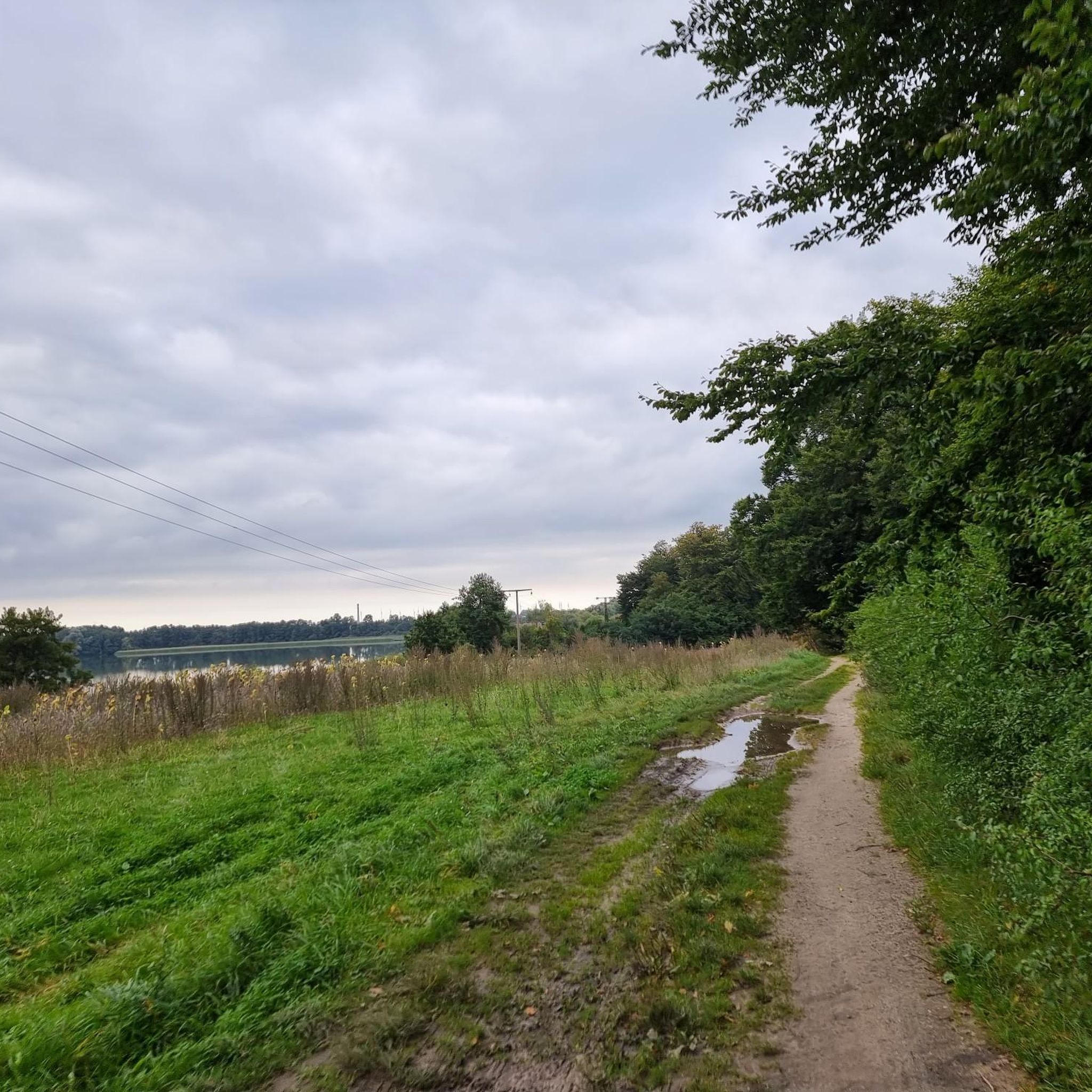
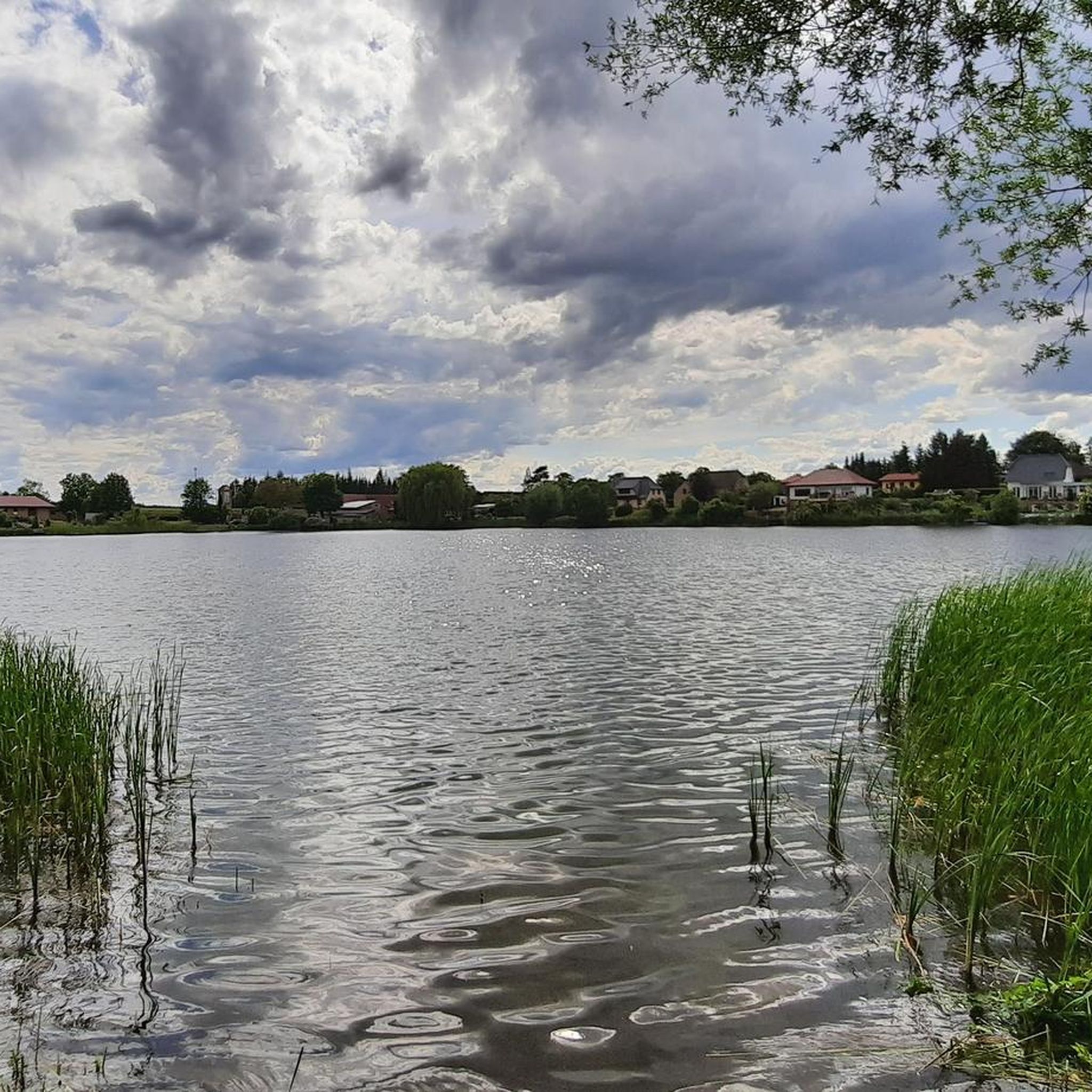
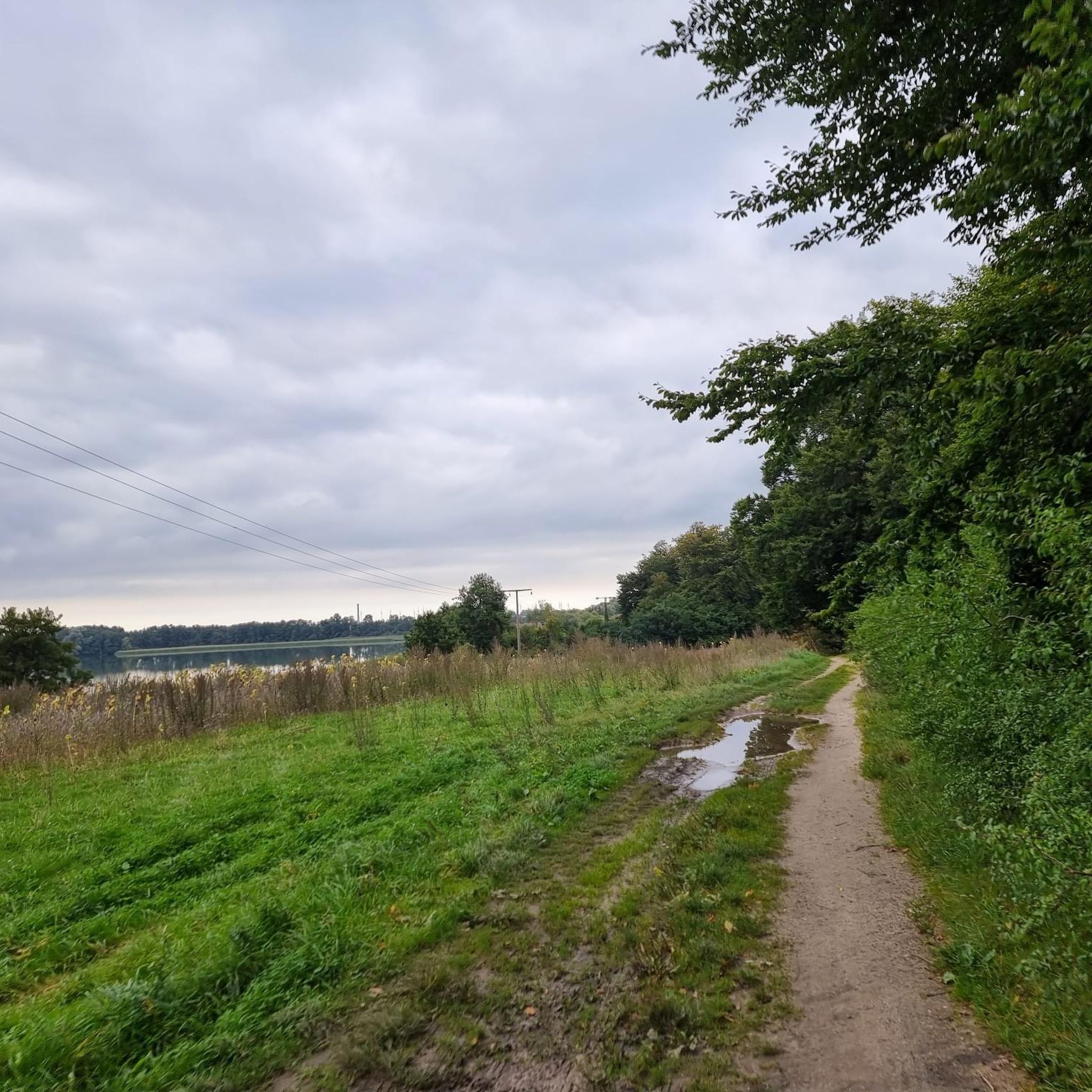
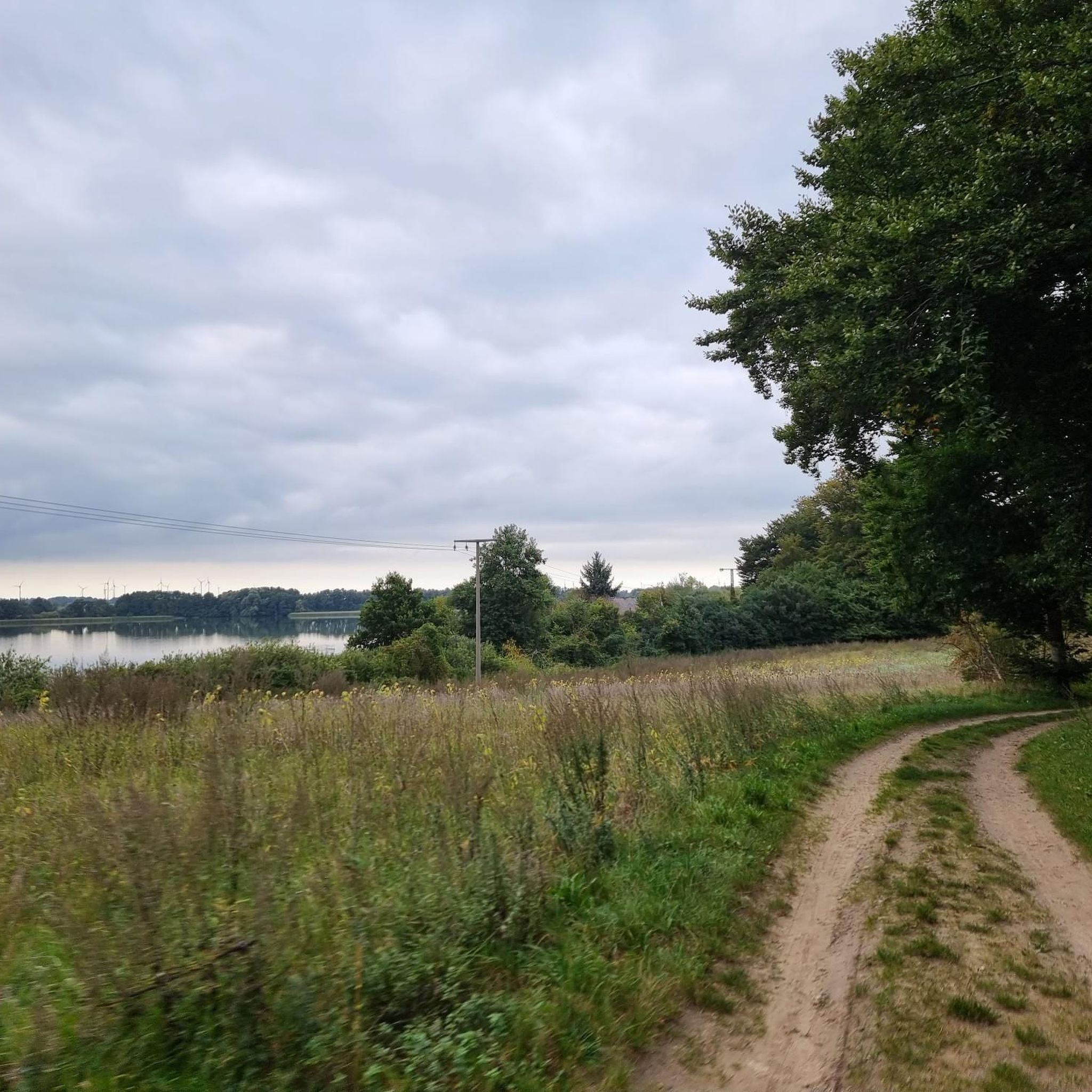

Tips from the Community


If you manage the short but steep climb, the view is absolutely worth it! ...just don't let the cars distract you on the climb ;-)
0
0

The Boitin Stone Dance is one of the most famous archaeological monuments in Mecklenburg-Western Pomerania. It consists of four stone circles. The stone circles are located in the Tarnow district of Boitin, near the town of Bützow - in the forest, on a straight stretch between Tarnow and Zernin (approx. 2.2 km). The Boitin Stone Dance consists of three stone circles that are close together and a stone circle about 100 m opposite. The position of the stone circles and information about them can be seen on an information board on site. The large stone circle consists of 9 stones. Some stones have names, such as "Kanzel". The granite stone that tapers upwards, with the vertical row of holes, is called the "Brautlade". A shelter offers shelter in bad weather. Seating invites you to linger. Source: https://www.treffpunkt-ostsee.de/ostsee/sehenswertes/steinkreise/boitiner-steintanz-steinkreise.php
0
0

The story in brief: The glacier of the Ice Age came from Scandinavia, big, thick and fat (you can hardly imagine how fat it was!), pushed everything in front of it that stood in its way, and came to a standstill 16,000 years ago. The ice that melted flowed forward (i.e. south) and collected in large lakes. When it got warmer (15,000 years ago), the glacier crumbled and melted; the meltwater continued to flow forward (south) in channels, collected... and at some point (11,000 years ago) there was no glacier left, the surface was smooth and also lower, the direction of flow in the channels reversed... and the Warnow deepened the channel by pushing up hills (terminal moraine). Sure, everyone knows that. But seeing all this live, with a 30-40m difference in height between the chain of hills and the Warnow bed, with this story in mind, is a different matter, namely very impressive.
2
0
It is estimated that several thousand stone circles were built in Europe in the Middle Stone Age. Many of them have disappeared over time, e.g. due to weathering or the formation of moors, others were used as material. Today only a few hundred remain. There are three stone circles next to each other here, a fourth in the forest a little way away, with a total of 30 menhirs (up to 1.60m high). There is even said to have been a fifth. The age is unclear, but at least people who died later in the Iron Age (750 BC to 1000 AD) are said to have been buried here. Wikipedia has an explanation of the calendar function, according to which the sunrise at the winter solstice, the 13 lunar months (Small Stone Dance), the 28 days of the month (Great Stone Dance), the 13x28=364 +1 (extra stone)=365 days of the year and the leap year solution (every four years - four additional stones) -->365 1/4 days are measurable/represented. https://de.m.wikipedia.org/wiki/Boitiner_Steintanz
1
0

bench in the forest
1
0

It is very beautiful here.
1
0
wild river, the bridge tames it to cross
2
0
Frequently Asked Questions
What natural features define the landscape around Rühn?
The landscape around Rühn is characterized by the Ruhn Mountains and the Sternberger Seenland Nature Park. This region features rolling hills, dense forests, and crystal-clear lakes, all shaped by the Ice Age, resulting in unique geological formations like terminal moraine ridges. You'll find prominent features such as the Ruhner Berg, the highest point in the Ruhn Hills, and the picturesque Warnow River system.
Are there any prominent viewpoints to enjoy the scenery around Rühn?
Yes, several natural monuments offer excellent views. The Warnow Bridge provides a great photo opportunity amidst rustic beech forests. For panoramic vistas, consider the Ice Age Primeval Landscape Observation Tower, which, despite a steep approach, rewards visitors with expansive views over the impressive natural surroundings. The Ruhner Berg itself also offers elevated perspectives.
What historical or cultural sites can I visit among the natural monuments?
You can explore the ancient Boitiner Steintanz Stone Circles, a historical site consisting of several stone circles considered one of the most well-preserved Germanic monuments in the region. Another notable site is the Laase Church and Ancient Linden Tree, where you can see a 600-year-old early Gothic hall church and an ancient linden tree designated as a natural monument.
Are there family-friendly natural monuments or activities in the Rühn area?
Absolutely. The Warnow Bridge and its surroundings are considered family-friendly, offering a chance to explore the river and forests. The Laase Church and Ancient Linden Tree also provide an accessible historical and natural experience for families. Many of the easy hiking trails around Rühn, such as those found in the Easy hikes around Rühn guide, are suitable for families.
What kind of hiking trails can I find near the natural monuments?
The region offers a variety of hiking trails, from easy strolls to more challenging routes. The Warnow Breakthrough Valley, for instance, features beautiful, narrow hiking trails and romantic wooden bridges within an 80-hectare nature reserve. You can find numerous options, including easy hikes, in the Easy hikes around Rühn guide, with routes like the 'Rühn Monastery loop' and 'View of Lake Rühner loop'.
What other outdoor activities are available near Rühn's natural monuments?
Beyond hiking, the region is excellent for various outdoor pursuits. The Warnow River system is popular for canoeing and kayaking. You can also find numerous running trails and road cycling routes that allow you to explore the natural beauty. The dense forests and clear lakes also provide opportunities for cycling and swimming.
What is the best time of year to visit the natural monuments around Rühn?
The natural monuments around Rühn are beautiful year-round, but autumn is particularly recommended. The Warnow Bridge, for example, is noted for offering a great photo opportunity, especially when the surrounding beech forests display their autumn colors. Spring and summer are also ideal for hiking, cycling, and water-based activities.
Are there any specific tips for visiting the Warnow Bridge?
When visiting the Warnow Bridge, it's highly recommended to take a small detour up to the nearby 1000-year-old Slavic settlement. The bridge itself is situated below the rushing Warnow River and surrounded by rustic beech forests, making it a fantastic spot for photography, especially in autumn.
What makes the Warnow Breakthrough Valley special?
The Warnow Breakthrough Valley is an approximately 80-hectare nature reserve known for its beautiful, narrow hiking trails and romantic wooden bridges. It's considered a real gem, particularly at the confluence of the Mildenitz and Warnow rivers. Paddlers also appreciate the area, as the Warnow can offer whitewater sections, which is unique for northern Germany.
What do visitors enjoy most about the natural monuments around Rühn?
Visitors particularly enjoy the tranquil forest environments, the picturesque river valleys, and the unique geological formations. The opportunity for peaceful hikes along narrow trails and romantic wooden bridges, as well as the chance to discover historical sites like the stone circles, are frequently highlighted. The region's natural beauty and diverse outdoor activities are highly appreciated by the komoot community.
Is the Ruhner Berg accessible for hikers?
Yes, the Ruhner Berg, as the highest point in the Ruhn Hills, is accessible via a footpath. Climbing it offers hikers the chance to experience the region's elevated terrain and enjoy panoramic views of the surrounding natural beauty. An educational path also highlights the natural characteristics of the area.
Are there any natural monuments related to water bodies?
Yes, the broader region is characterized by numerous lakes and rivers. While not a single monument, the clear lakes, such as Lake Schwerin, and the idyllic Warnow River system are significant natural features. These water bodies are perfect for activities like hiking along their shores, cycling, swimming, and canoeing or kayaking.
Can I find dense forests to explore near Rühn?
The Ruhn Hills are extensively covered by dense forests, including the notable 'Marnitz Beeches' (Marnitzer Buchen). These forests are part of a protected area established in 1994, showcasing the natural woodland environment that developed on the glacial moraine landscape. They are excellent for hiking and enjoying nature's tranquility.
Most popular attractions around Rühn

Get inspired with the komoot mobile app


Explore more
Extend your search for the best caves by checking out these guides of the top ones around Rühn:
