Top 20 Natural Monuments around Barendorf
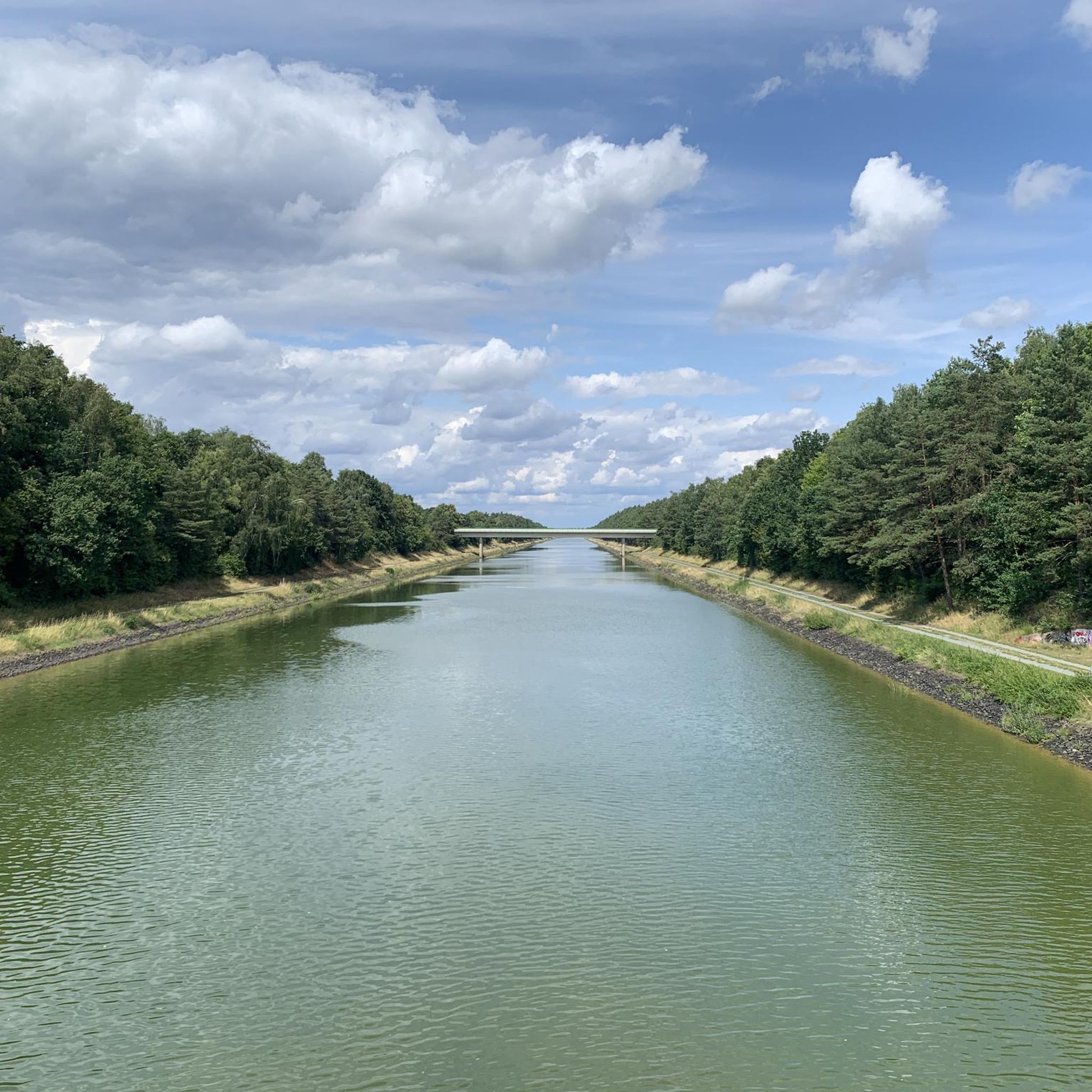
Natural monuments around Barendorf are situated in Lower Saxony, Germany, offering access to diverse natural areas. The region is characterized by the Ilmenau River, which provides extensive riverside trails. Barendorf is also located near the Lüneburg Heath Nature Park, known for its heathland and forests, and the Elbhöhen-Wendland Nature Park, featuring landscapes shaped by the ice age and significant bird habitats. These areas offer opportunities for hiking and exploring unique ecosystems.
Best natural monuments around Barendorf
- The most popular natural…
Last updated: June 25, 2026
Ilmenau Meadow Wilschenbruch
Highlight • Forest
Translated by Google •
Tip by

Hasenburger Mühlenbach
Highlight • River
Translated by Google •
Tip by

Sign up now to discover places like this
Get recommendations on the best single tracks, peaks, & plenty of other exciting outdoor places.
Sign up for free
Dümpel at the Landwehr
Highlight (Segment) • Historical Site
Translated by Google •
Tip by

Kalkberg Nature Reserve
Highlight • Natural Monument
Translated by Google •
Tip by

Kreideberg Lake
Highlight • Lake
Translated by Google •
Tip by

Sign up for free to discover even more natural monuments around Barendorf.
Sign up for free
Already have an account?
Start today with a free account
Your next adventure awaits.
Login or Signup

Tips from the Community

Great view of the Ilmenau floodplains
0
0
Magnificent view of Lüneburg from above
0
0

The Kreidesee in Lüneburg (also called Kreidebergsee) is a former gypsum and limestone quarry that has developed into a popular local recreation area north of the city center. It is known for its depth of up to 30 meters, the impressive white limestone cliffs, and valuable salt flora, but swimming is prohibited for safety reasons. The Kreidesee is very ideal for walks and geology enthusiasts. The lake originated from a former gypsum and limestone quarry. It is located north of Lüneburg's city center, in the Kreideberg district. It is up to 30 meters deep. It impresses with its unique feature, up to 30-meter-high white limestone steep walls, and hosts a rare salt flora, which is due to its proximity to the Lüneburg salt dome. You can enjoy wonderful walks and hikes here. There are paths around the lake that also lead through the allotment garden district and offer panoramic views of Lüneburg. Benches are available. A visit is recommended.
7
0

Currently, the cauldron is almost waterless and can be explored on foot.
1
0

The view from Kalkberg over Lüneburg is simply beautiful. A must-see.
0
0

The Kalkberg, located in the western part of Lüneburg, is located in the central area of the Lüneburg salt dome and forms part of it. Gypsum was once mined in a quarry in the area. Due to the depletion of the deposit and the increasing anhydrite content of the gypsum, mining ceased in 1923. The occurrence of boracite crystals is of particular geological interest. The Kalkberg also boasts a rare flora, which is being preserved by pruning the emerging woody plants. The Kalkberg offers visitors a sweeping view of the Lüneburg city area. Source: https://www.nlwkn.niedersachsen.de/naturschutzgebiete/-42930.html
1
0
The Kreidebergsee was created by the extraction of chalk and gypsum, which, alongside salt mining, has been of enormous importance in Lüneburg for centuries. From 1838 onwards, the chalk quarry was expanded to include a high-performance lime kiln as part of its industrial use. Thanks to its abundant raw materials, which were largely used for house construction and in agriculture at the time, the lime kiln was very successful. Around the turn of the century, jobs could be created for 300 to 400 people. Thus, the lime kiln was considered the largest employer of its time. In 1963, chalk and gypsum extraction in the area was discontinued because the operation had no longer been economically viable for several years. In addition, more and more residential areas were being built near the area, which is why the citizens felt disturbed by the lime kiln. Subsequently, the water pumps were shut down and the pit slowly filled up to groundwater level. The resulting lake was then used as a landfill for waste and construction debris until 1983, until it was developed into a local recreation area. Source: https://www.luenepedia.de/wiki/Kreidebergsee
1
0

The "Wilschenbruch and Ilmenau" hiking trail also passes by here, which is ideal as a circular route for a half-day tour. All information about the hiking trail can be found under the following link: https://www.lueneburger-heide.de/natur/tour/14005/wanderweg-wilschenbruch-und-ilmenau-8-km-rundweg.html (as of February 9, 2025).
0
0
Frequently Asked Questions
What are the most notable natural features to explore around Barendorf?
The region around Barendorf offers diverse natural features. You can explore the extensive riverside trails along the Ilmenau River, which is known for its scenic lowlands and diverse flora and fauna. The area also borders the vast heathlands of the Lüneburg Heath Nature Park and the glacial landscapes of the Elbhöhen-Wendland Nature Park, both offering unique ecosystems.
Are there any specific natural monuments near Barendorf that offer panoramic views?
Yes, the Kalkberg Nature Reserve, a former gypsum mountain, provides a beautiful view over the old town of Lüneburg from its summit. Additionally, from the upper paths around Kreideberg Lake, you can enjoy panoramic views of Lüneburg and the impressive white limestone cliffs.
What kind of wildlife can be observed in the natural areas near Barendorf?
The natural areas around Barendorf are rich in wildlife. Along the Ilmenau River, you might spot various fish species, ducks, swans, and wading birds. The Elbhöhen-Wendland Nature Park is particularly significant for birdwatching, serving as a breeding, stopover, and wintering site for over 150 bird species, including white and black storks, cranes, herons, and white-tailed eagles. It's also crucial for amphibians like the European fire-bellied toad and tree frog. The Lüneburg Heath is home to rare and endangered wildlife specific to heathland ecosystems.
Are there family-friendly natural monuments or trails suitable for children near Barendorf?
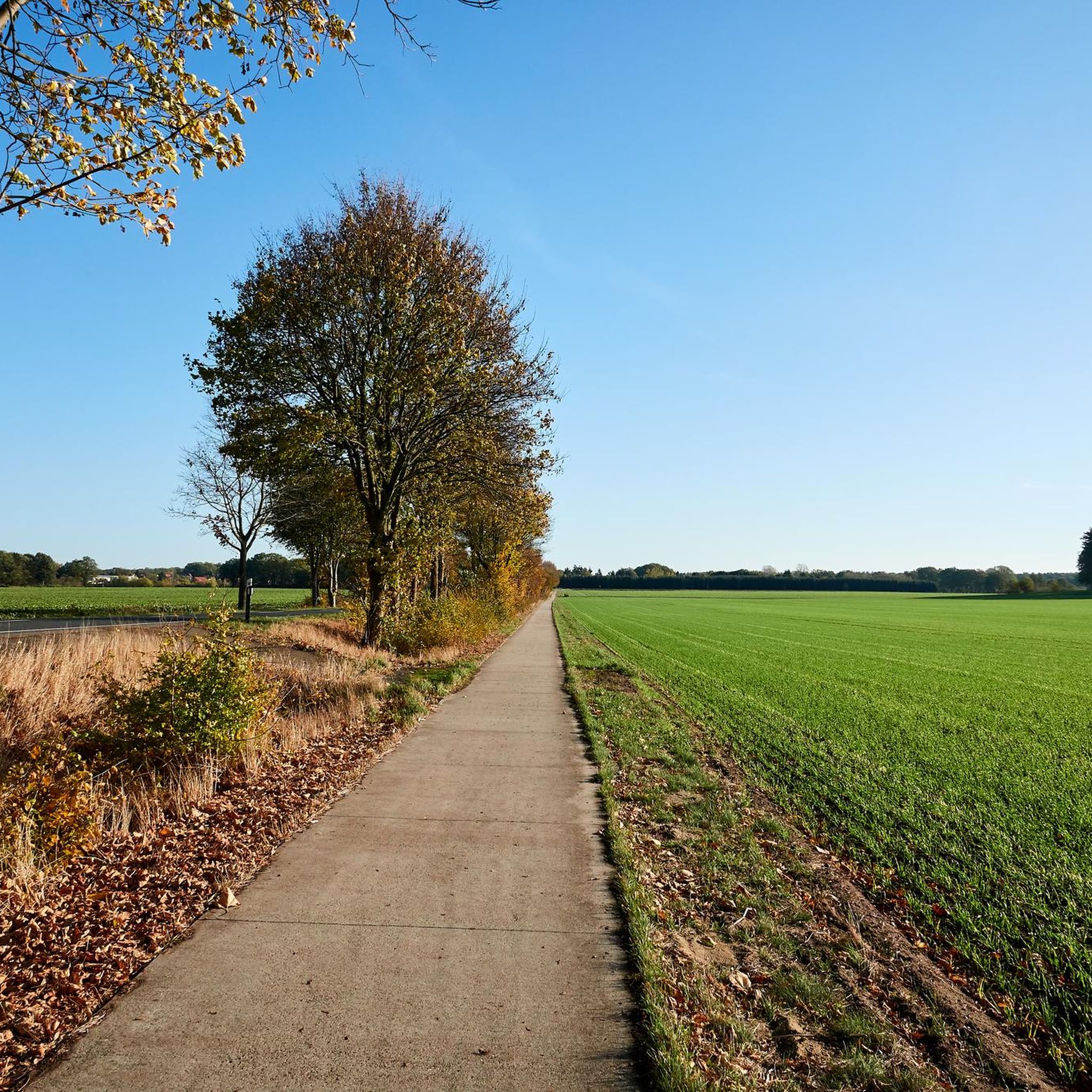
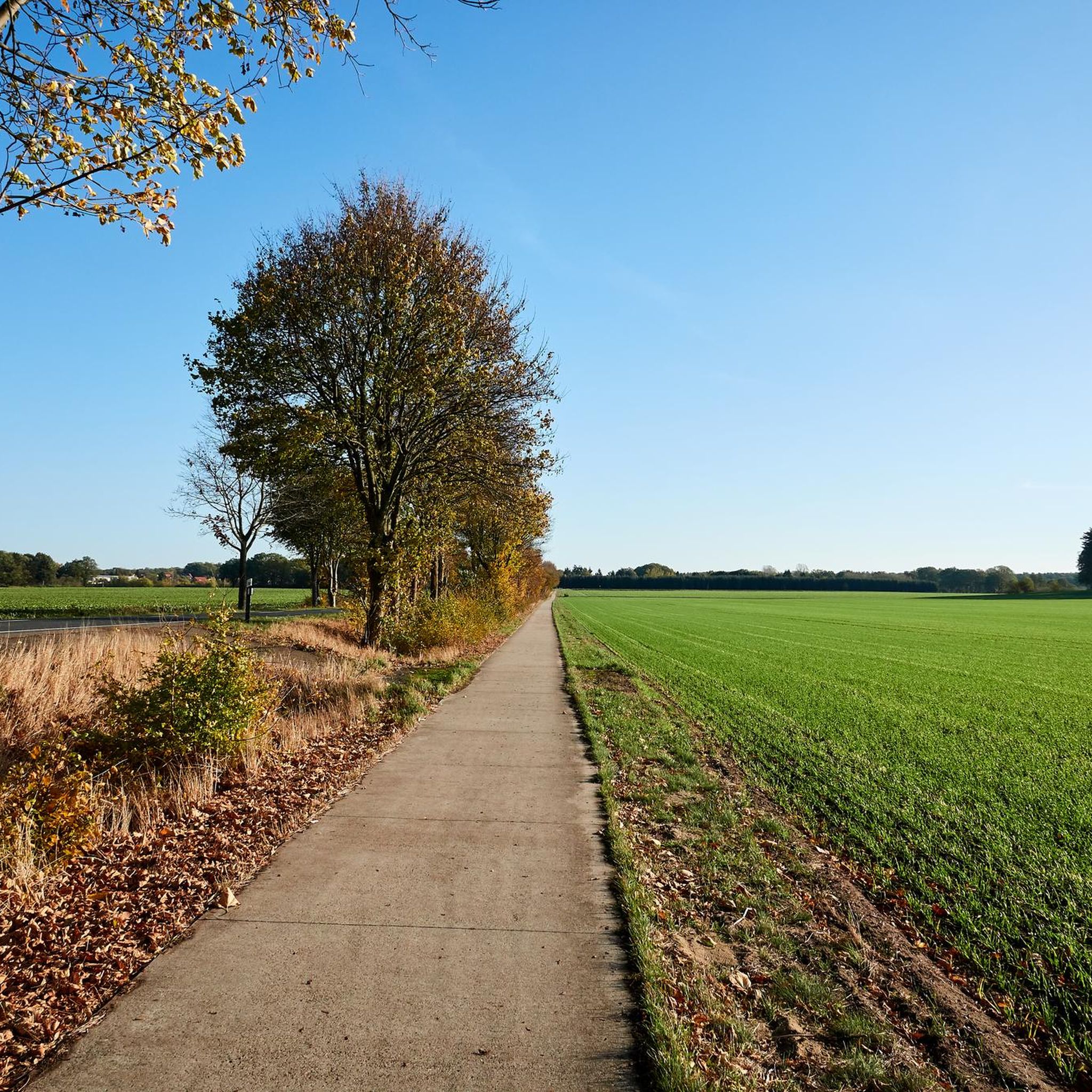
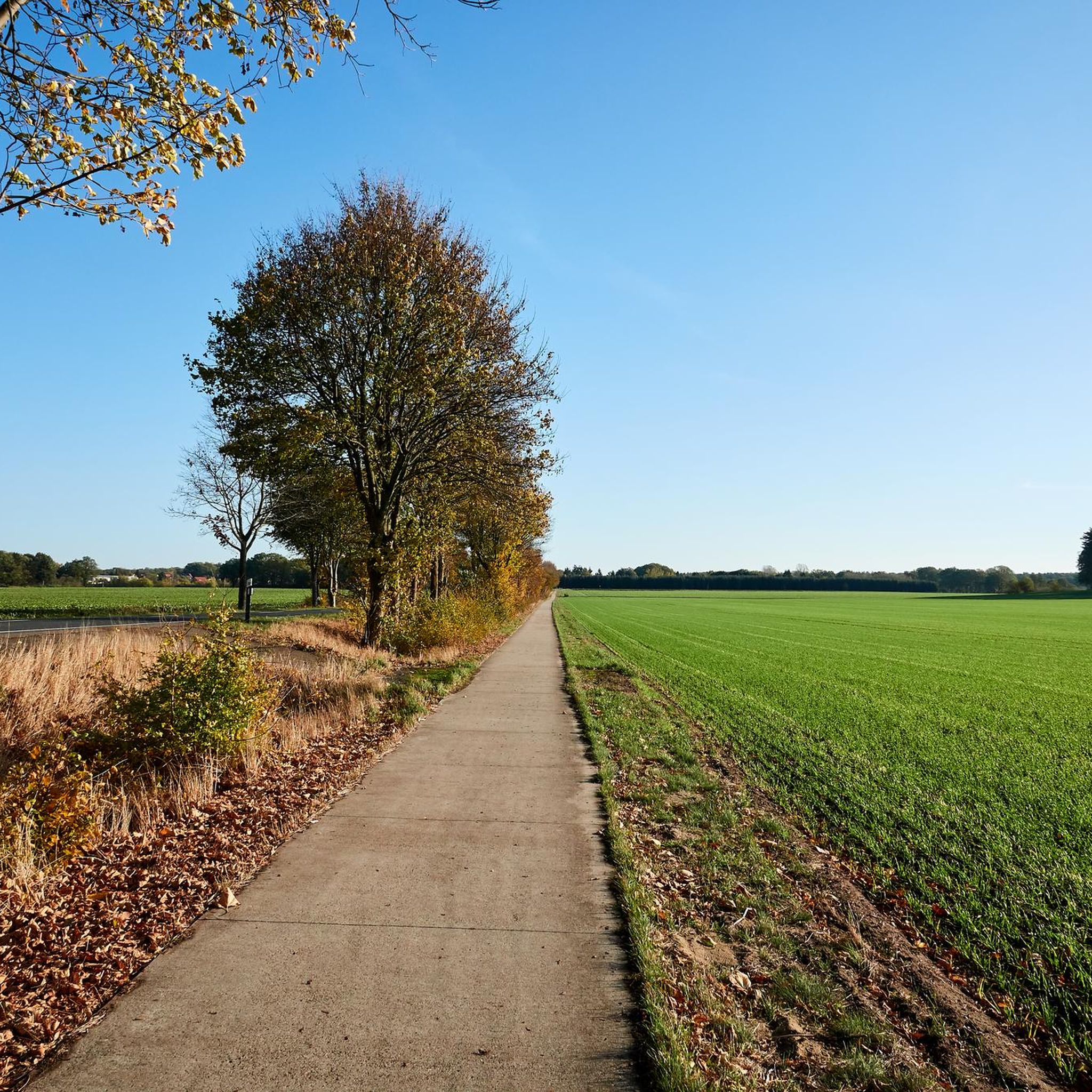
Yes, several natural areas are great for families. The Ilmenau Meadow Wilschenbruch offers varied trails for walking and hiking with informative boards about the nature reserve. The Hasenburger Mühlenbach is also suitable for family hikes and cycling. Kreideberg Lake is a local recreation area perfect for walks, though swimming is prohibited.
What is the best time of year to visit the natural monuments around Barendorf?
The best time to visit depends on what you wish to experience. For the Lüneburg Heath, late summer (August to September) is ideal when the common heather blooms, transforming the landscape into vibrant violet. Spring and early summer are excellent for birdwatching in the Elbhöhen-Wendland Nature Park, and the riverside trails along the Ilmenau are pleasant throughout the warmer months.
What outdoor activities can I do near the natural monuments around Barendorf?
The natural areas around Barendorf offer a variety of outdoor activities. You can enjoy extensive hiking and cycling on trails along the Ilmenau River, within the Lüneburg Heath Nature Park, and through the Elbhöhen-Wendland Nature Park. Canoeing is also popular on the Ilmenau River upstream from Lüneburg. For specific hiking routes, you can explore easy hikes around Barendorf. For cycling, check out road cycling routes or MTB trails in the area.
Are there any specific hiking trails along the Ilmenau River near Barendorf?
Yes, the Ilmenau River features numerous hiking and cycling trails. A notable example is the area around the Hasenburger Mühlenbach, a tributary of the Ilmenau, which offers a scenic section right by the stream. The Ilmenau Meadow Wilschenbruch is another nature reserve with wonderful hiking and biking trails along the river.
Can I bring my dog to the natural monuments and trails around Barendorf?
Generally, many natural areas and trails around Barendorf are dog-friendly, especially for walks and hikes. However, it's always recommended to keep dogs on a leash, particularly in nature reserves like the Lüneburg Heath, to protect wildlife and maintain the natural environment. Specific rules may apply to certain protected zones, so look for local signage.
What are the terrain and difficulty levels of hiking trails in the Barendorf natural areas?
The terrain varies across the region. Trails along the Ilmenau River and in the Lüneburg Heath are generally flat to gently rolling, often consisting of forest floors, gravel paths, or sandy tracks, making them suitable for easy to moderate hikes. The Lüneburg Heath offers over 700 km of trails. The Elbhöhen-Wendland Nature Park, shaped by the ice age, may feature more varied terrain with some gentle inclines. You can find specific easy hikes in the area via this guide.
What do visitors particularly enjoy about the natural monuments around Barendorf?
Visitors appreciate the diverse natural beauty and tranquility of the region. The Ilmenau Meadow Wilschenbruch is loved for its varied trails and informative boards. The Hasenburger Mühlenbach is praised for its scenic sections. The Kalkberg Nature Reserve is valued for its unique biotope and views, while Kreideberg Lake offers pleasant walks and geological interest. The komoot community has shared over 120 photos and given more than 450 upvotes for these natural monuments.
Are there any restrictions or permits required for hiking in the Lüneburg Heath or Elbhöhen-Wendland Nature Parks?
In the Lüneburg Heath Nature Park, private cars are restricted in the core nature reserve areas to protect its flora and fauna, encouraging exploration on foot, by bike, or by carriage. Generally, hiking on designated trails in both the Lüneburg Heath and Elbhöhen-Wendland Nature Parks does not require special permits for individual visitors. However, always respect local regulations, stay on marked paths, and be mindful of protected areas.
Where can I find parking or public transport options to access the natural areas near Barendorf?
Access to the natural areas around Barendorf, including the Ilmenau River trails, Lüneburg Heath, and Elbhöhen-Wendland Nature Park, is generally well-supported. For specific natural monuments like Kreideberg Lake, parking is often available nearby as it's a local recreation area. For the broader nature parks, entry points and visitor centers typically offer parking. Public transport options, such as regional buses, connect Barendorf to nearby towns like Lüneburg, from where further connections to the nature parks can be made. It's advisable to check local transport schedules for specific routes.
Most popular routes around Barendorf
Most popular attractions around Barendorf

Get inspired with the komoot mobile app


Explore more
Extend your search for the best caves by checking out these guides of the top ones around Barendorf:
