Top 20 Natural Monuments around Labenz
Natural monuments around Labenz offer a diverse landscape characterized by forests, nature reserves, and historical sites. This region, primarily located in Schleswig-Holstein, features areas of ecological significance and geological formations. Visitors can explore ancient woodlands, observe wildlife, and discover historical structures integrated into the natural environment. The area provides opportunities for outdoor activities within protected natural settings.
Best natural monuments around Labenz
- The most popular natural monuments is Langer Otto Observation Tower (Hahnheide Conservation Area), a viewpoint that offers…
Last updated: June 25, 2026
Langer Otto Observation Tower (Hahnheide Conservation Area)
Highlight • Viewpoint
Translated by Google •
Tip by

Hevenbruch Nature Reserve
Highlight • Forest
Translated by Google •
Tip by

Sign up now to discover places like this
Get recommendations on the best single tracks, peaks, & plenty of other exciting outdoor places.
Sign up for free
Sirksfelde Ringfort
Highlight (Segment) • Historical Site
Translated by Google •
Tip by

Bille Spring
Highlight • Natural
Translated by Google •
Tip by

Pantener Moorweiher and Surroundings Nature Reserve
Highlight • Natural Monument
Translated by Google •
Tip by

Sign up for free to discover even more natural monuments around Labenz.
Sign up for free
Already have an account?
Start today with a free account
Your next adventure awaits.
Login or Signup

Tips from the Community

There are more hiking trails to find here than are listed in Komoot.
2
0

A quite young but beautiful NSG.
4
0

The Hevenbruch has been a nature reserve in Schleswig-Holstein since April 2003. It covers 173 hectares, is almost entirely forested (97%), and is embedded in the "Stormarn Terminal Moraine Area" of the East Holstein hill country. The purpose of the reserve is to permanently preserve the natural environment in this area in its entirety. In particular, the undisturbed natural development of geological and biological processes in the forests is to be allowed to continue, also for documentation purposes in natural sciences and forestry. No forestry interventions whatsoever take place on the entire forest area of the Hevenbruch! The communities of organisms in the no-harvest zone are intended to foster a comprehensive understanding of natural forest development. https://www.naturplus-ev.de/naturraeume/hevenbruch/
4
0

In the nature reserve, many paths are blocked by trees at the moment, so you mainly have to walk on the main paths. All in all, that's no problem. The animals have their peace and you can still go for a nice walk.
5
0

There has been a tree on the path for weeks that is difficult to avoid
1
0

The approximately 173 hectare nature reserve is registered under number 188 in the directory of nature reserves of the Ministry of Agriculture, Environment and Rural Areas. It was designated as of April 25, 2003 (Date of Regulation: April 1, 2003). The nature reserve is largely part of the FFH area "Forests of Hevenbruch and Koberger Forest" and the EU bird sanctuary "Forest areas in Lauenburg". The district Duchy of Lauenburg is responsible for the lower nature conservation authority. The nature reserve is located in a moraine landscape northwest of Mölln between the towns of Ritzerau, Nusse and Koberg. It protects an old beech forest that belongs to the Hanseatic city of Lübeck, which has not used it for forestry since 1994. Due to the abandonment of use, old and dead wood can develop, which form an important basis for numerous animals, plants and fungi.
12
0
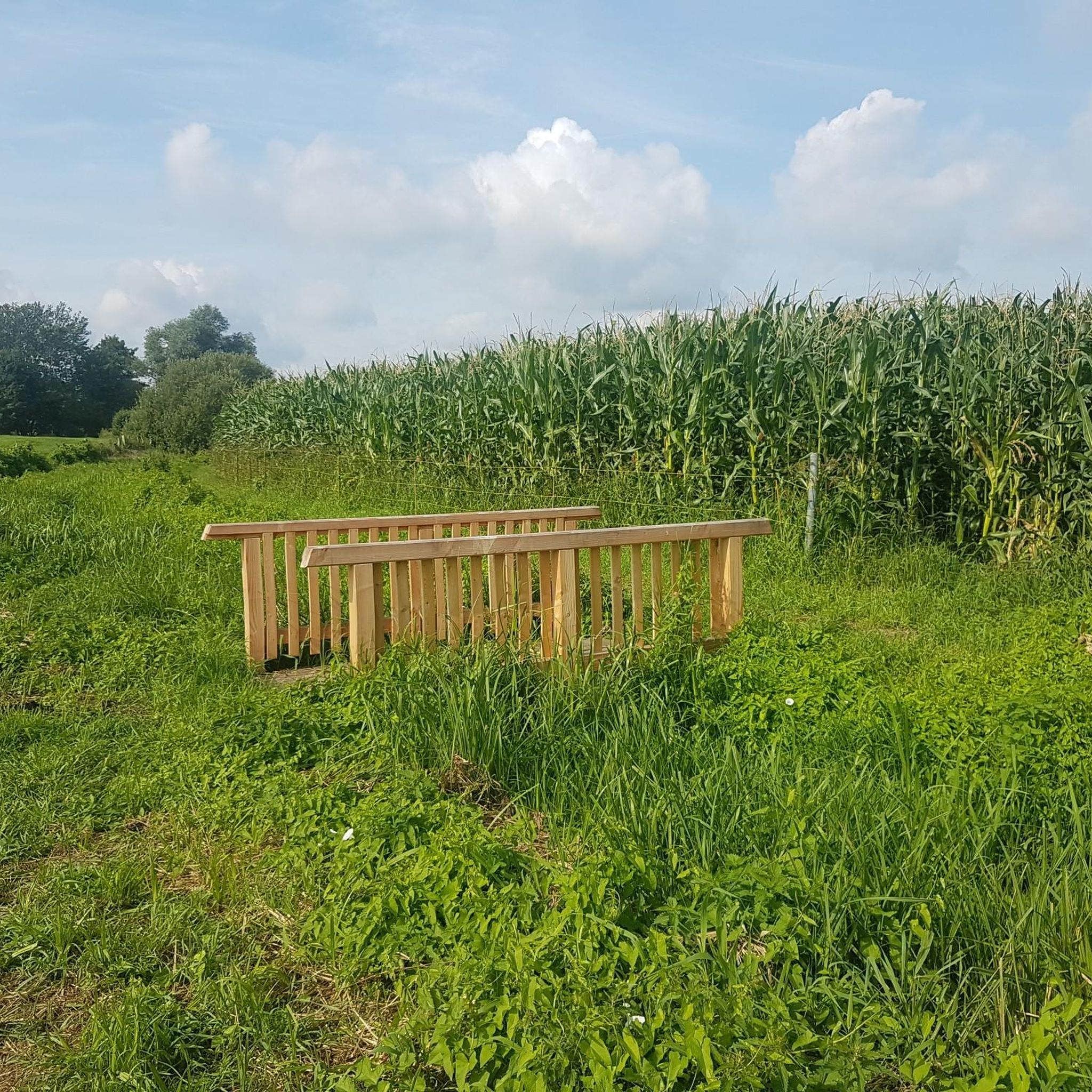
After a long restoration, the path to Linau Castle has been clear for a long time, and so is the path to the Billequelle, because the only way to the spring leads past the castle. The way to the Billequelle looks blocked, but it is not. You can push past the castle over the small bridge, then continue to the right along the moat and continue on the road to the Billequelle.
3
0
The Slavic rampart of Sirksfelde, a municipality in the Duchy of Lauenburg in Schleswig-Holstein, is a good one kilometer south of the town on the L 200 in the forest. The approximately 100 meter high castle wall dates from the 8th and 9th centuries and was located in the territory of the Obodrites. As archaeological studies have shown, the Niederungsburg was not in use for long. It may have lost its importance due to the course of the Limes Saxoniae around 810. The castle had only one gate that led to the north. Today the ground monument is also known as Wallberg or Sirksfelder Schanze. https://de.wikipedia.org/wiki/Sirksfelder_Schanze
2
0
Frequently Asked Questions
What types of natural monuments can I explore around Labenz?
The Labenz region offers a diverse range of natural monuments, including observation towers, extensive nature reserves, historical ringforts, and significant natural features like springs and protected wetlands. You can find ancient woodlands, geological formations, and areas rich in flora and fauna.
Are there any natural monuments with historical significance near Labenz?
Yes, the Sirksfelde Ringfort is a notable historical site and natural monument. This large ringfort, dating from the 8th and 9th centuries, is remarkably well-preserved and features an almost perfect circular shape, offering a glimpse into the region's past.
Which natural monuments are suitable for families with children?
Several natural monuments around Labenz are family-friendly. The Langer Otto Observation Tower in the Hahnheide Conservation Area offers panoramic views that children often enjoy. The Hevenbruch Nature Reserve and the Pantener Moorweiher and Surroundings Nature Reserve provide opportunities for easy walks and wildlife observation. The Bille Spring is also a pleasant, accessible spot for a short visit.
What kind of wildlife can I expect to see in the natural monuments around Labenz?
The nature reserves in the Labenz area, such as the Hevenbruch Nature Reserve and the Pantener Moorweiher and Surroundings Nature Reserve, are home to diverse wildlife. Hevenbruch's old beech forest supports various animals, plants, and fungi, while Pantener Moorweiher is known for its birdwatching opportunities, including pheasants.
Are there good viewpoints among the natural monuments?
Yes, the Langer Otto Observation Tower is an excellent viewpoint. Standing 27 meters high on the Großer Hahnheider Berg, it provides extensive panoramic views over the surrounding Hahnheide Conservation Area and, on clear days, even to the port of Hamburg.
What outdoor activities can I do near these natural monuments?
The area around Labenz is excellent for various outdoor activities. You can find numerous routes for cycling, gravel biking, and road cycling. For detailed routes, explore the Gravel biking around Labenz guide, the Cycling around Labenz guide, and the Road Cycling Routes around Labenz guide.
What is the best time to visit the natural monuments around Labenz?
The natural monuments around Labenz can be enjoyed throughout the year. Spring and autumn offer pleasant temperatures and vibrant colors, ideal for hiking and cycling. Summer is perfect for exploring the forests and reserves, while winter can provide a serene, snow-covered landscape for quiet walks, though some paths might be less accessible.
Are there any natural water features to visit?
Yes, the Bille Spring is a notable natural water feature. It is the source of the Bille river, which flows for 65 kilometers through Schleswig-Holstein and Hamburg. While the spring itself is modest, it represents a significant natural origin point.
What makes the Hevenbruch Nature Reserve special?
The Hevenbruch Nature Reserve is special because it protects a 173-hectare old beech forest. Since 1994, the forest has been left undisturbed by forestry, allowing old and dead wood to develop, which creates a crucial habitat for a wide array of animals, plants, and fungi.
What do visitors enjoy most about the natural monuments in the Labenz area?
Visitors frequently highlight the impressive views from the Langer Otto Observation Tower and the varied, beautiful forest landscapes of areas like the Hevenbruch Nature Reserve. The historical significance of sites like the Sirksfelde Ringfort also draws considerable interest. The region's appeal is reflected in over 1100 photos and 1100 upvotes from the komoot community.
Are there any natural monuments that are particularly good for birdwatching?
The Pantener Moorweiher and Surroundings Nature Reserve is an excellent spot for birdwatching. This diverse landscape, with its open water areas and silting zones, provides habitats for various bird species, including pheasants, making it a popular destination for nature observers.
Most popular attractions around Labenz

Get inspired with the komoot mobile app


Explore more
Extend your search for the best caves by checking out these guides of the top ones around Labenz:
