Top 16 Natural Monuments around Groß Pampau
Best natural monuments around Groß Pampau include a landscape characterized by significant natural sites and diverse ecosystems. The region is notable for its paleontological importance, particularly the Groß Pampau clay pit, a globally unique site for fossil discoveries. Surrounding areas feature extensive nature reserves with ancient forests and varied terrain. Additionally, the historic Elbe-Lübeck Canal offers scenic waterways and recreational paths.
Best natural monuments around Groß Pampau
- The most popular natural monuments is Stiftungswald Rülauer Holz, a forest that…
Last updated: July 8, 2026
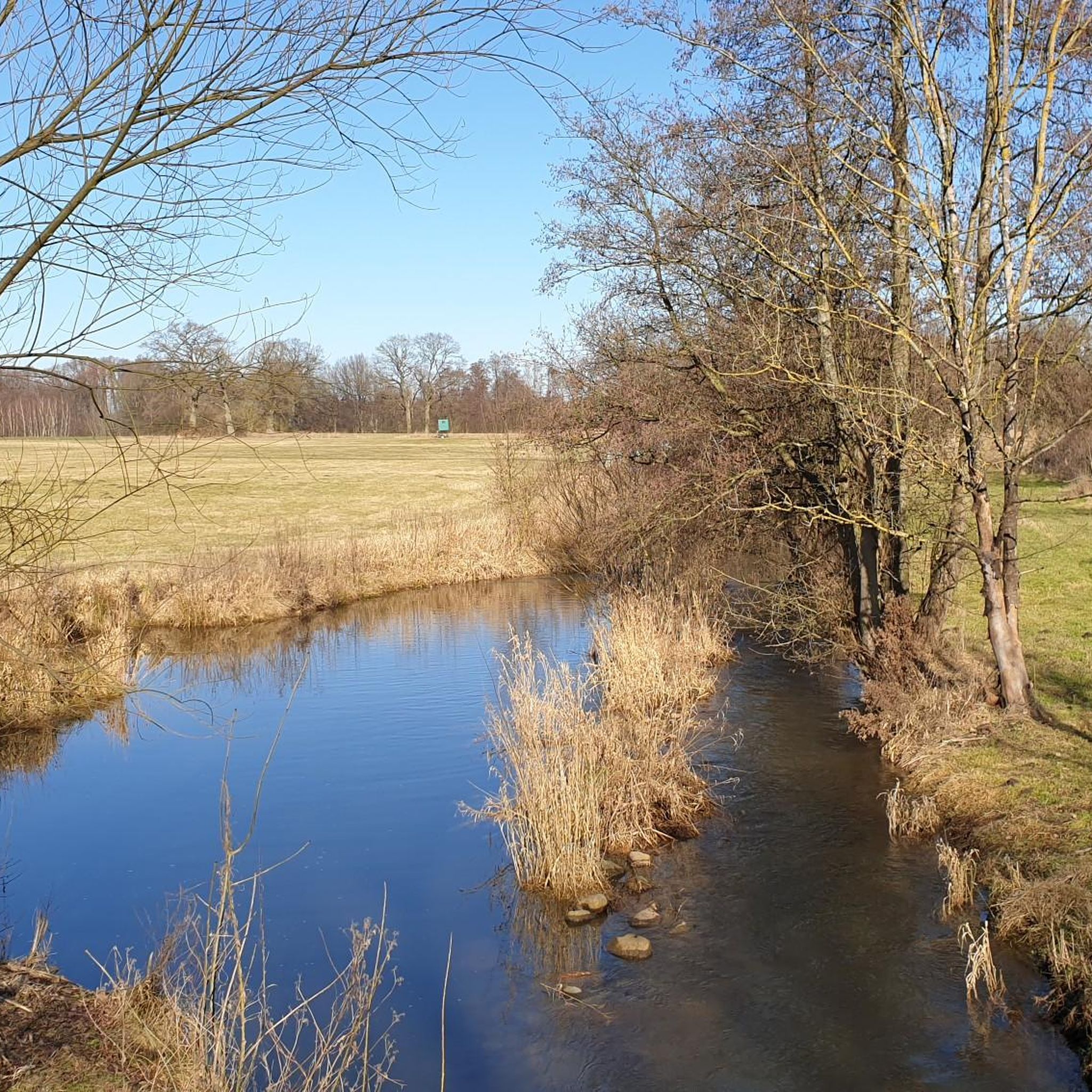
Old Steinau Bridge
Highlight • Bridge
Translated by Google •
Tip by

Stiftungswald Rülauer Holz
Highlight • Forest
Translated by Google •
Tip by
Sign up now to discover places like this
Get recommendations on the best single tracks, peaks, & plenty of other exciting outdoor places.
Sign up for free
Avenue of Ancient Trees
Highlight • Natural Monument
Translated by Google •
Tip by

Whale Fossil Monument Groß Pampau
Highlight • Monument
Translated by Google •
Tip by
Müssen Glacial Erratic
Highlight • Natural Monument
Translated by Google •
Tip by
Sign up for free to discover even more natural monuments around Groß Pampau.
Sign up for free
Already have an account?
Start today with a free account
Your next adventure awaits.
Login or Signup

Tips from the Community

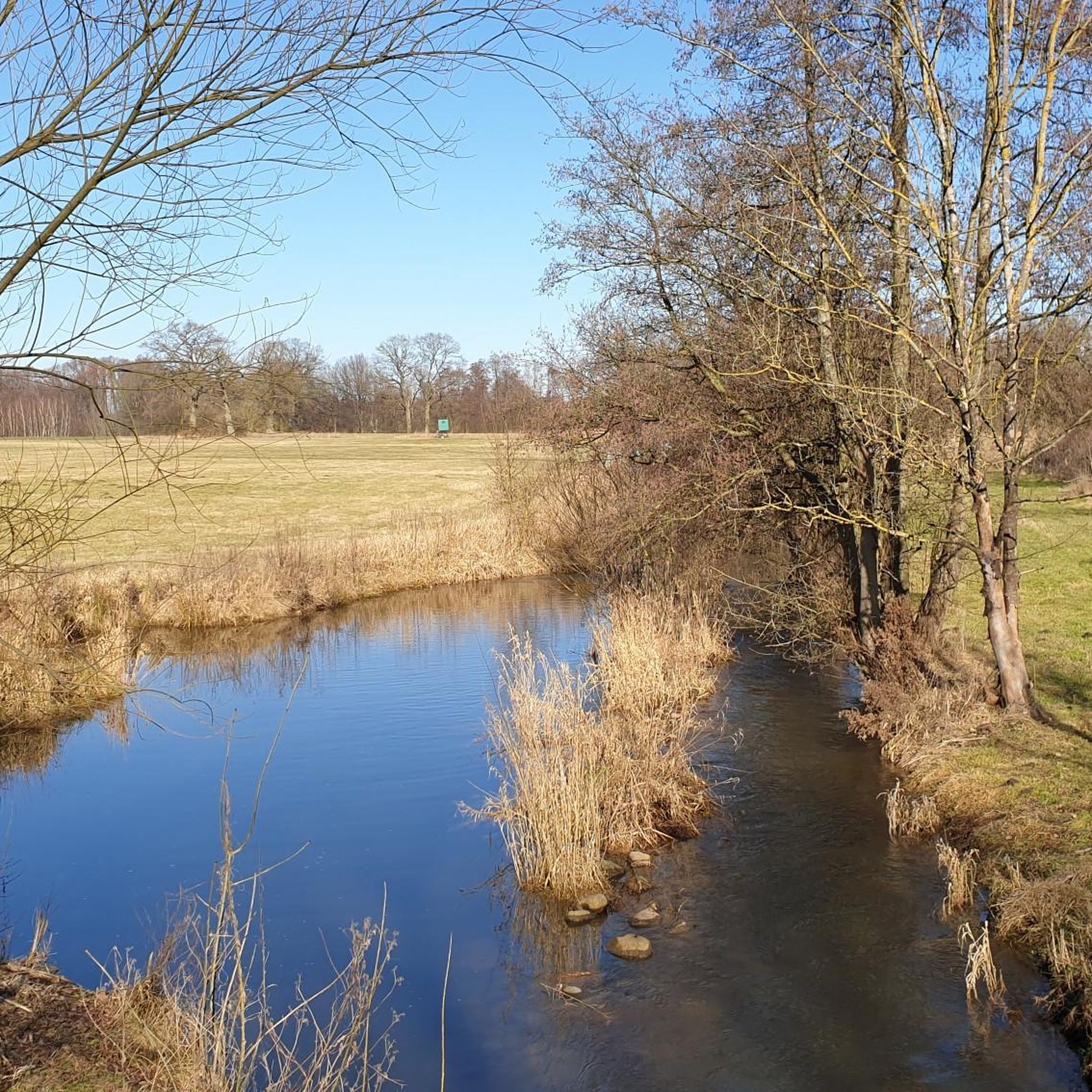
Mighty trees rise on both sides of the path... beautiful section
2
0

In the center of the town, surrounded by the old and new schools, the fire station, the sports field and the shooting club, on a small hill is the "Müssener Erratic". Hardly any visitor to Müssen fails to visit this impressive relic from the early days of earth's history and linger reverently in its shade. This place was already considered a place of worship around 4500 years ago, at the time of the first settlement by the Musseken, a Germanic tribe who settled in the area north of the Elbe between 5300 and 4000 BC. The Musseken believed that the stone was torn from the depths of the earth by the Nordic god of thunder Thor in a dispute with a giant in order to hurl it at his head, but missed him and remained lying in this place. So the meetings of the village elders were held at this stone and justice was dispensed. Young couples were married under the stone, cult festivals were celebrated and evil spirits were banished. Recent excavations have revealed that, contrary to what was previously assumed, the Musseken already had a strong sense of community and were able to milk a cow. Even in our century, the stone has lost none of its significance for the people living near it and many customs from the distant past have left their mark to this day. For example, every year at the summer solstice, the mayor gives his annual address to the citizens of Müssen from the stone. Things get more unbridled in late summer during the fertility ceremonies, when the stone is the center of extravagant festivities. Such pagan activities do not appeal to every citizen of Müssen, and so there are people who vehemently claim that the stone was only brought here a few years ago in a heavy-duty transporter and has not been the center of all previous settlements for thousands of years. But that probably belongs more to the realm of fairy tales and legends. https://gemeinde-muessen.online/unser-dorf/findling
2
0

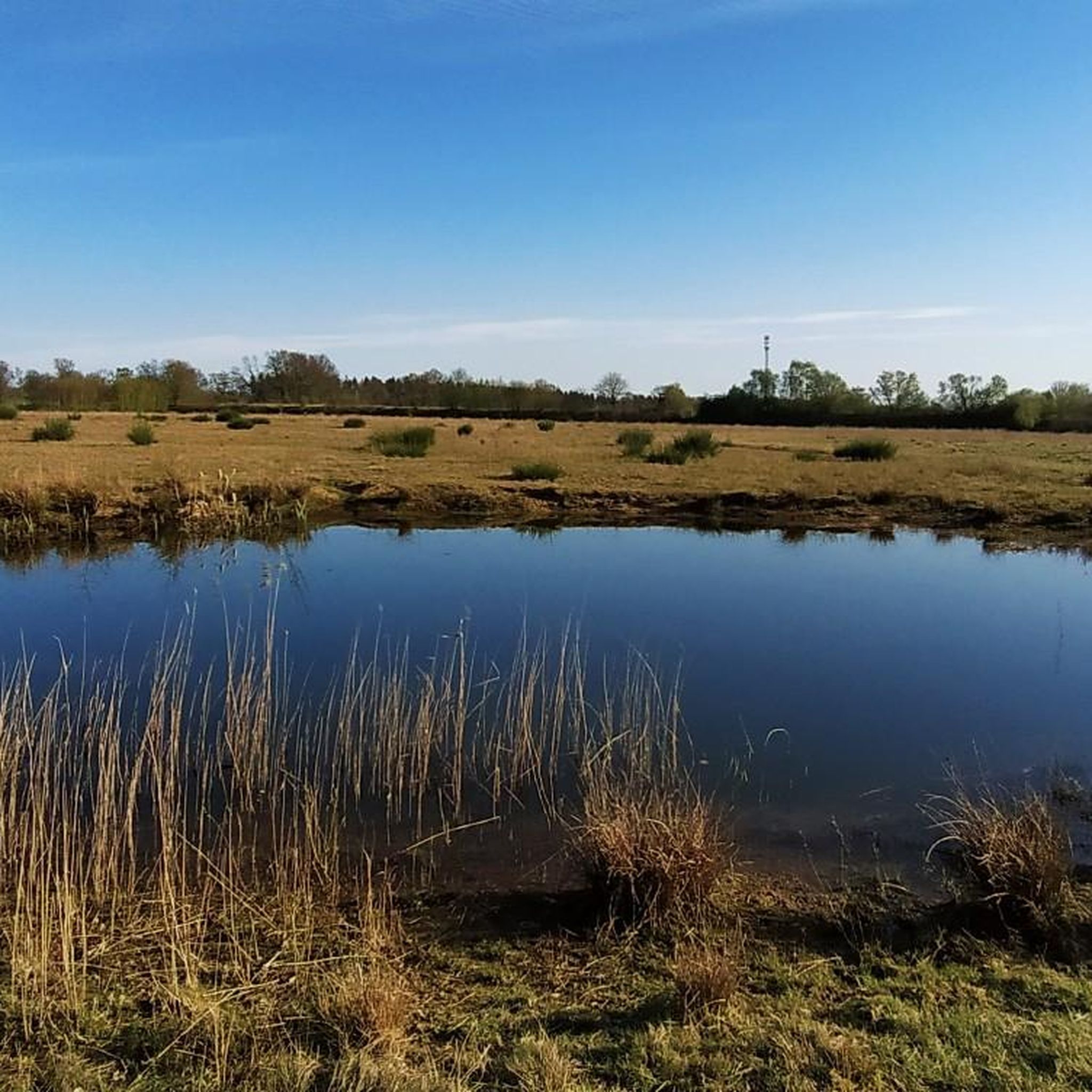
I spent the first 10 years of my life there. After primary school, I ran around fields, meadows and through the forest alone or with school friends until the sun went down and I had to be home for dinner. There were no set times... and no helicopter parents back then either 😂 Even today I still enjoy going out in the forests around Büchen, Wotersen and Güster. It's also exciting at dusk when you're quiet and can watch the wildlife.
2
1

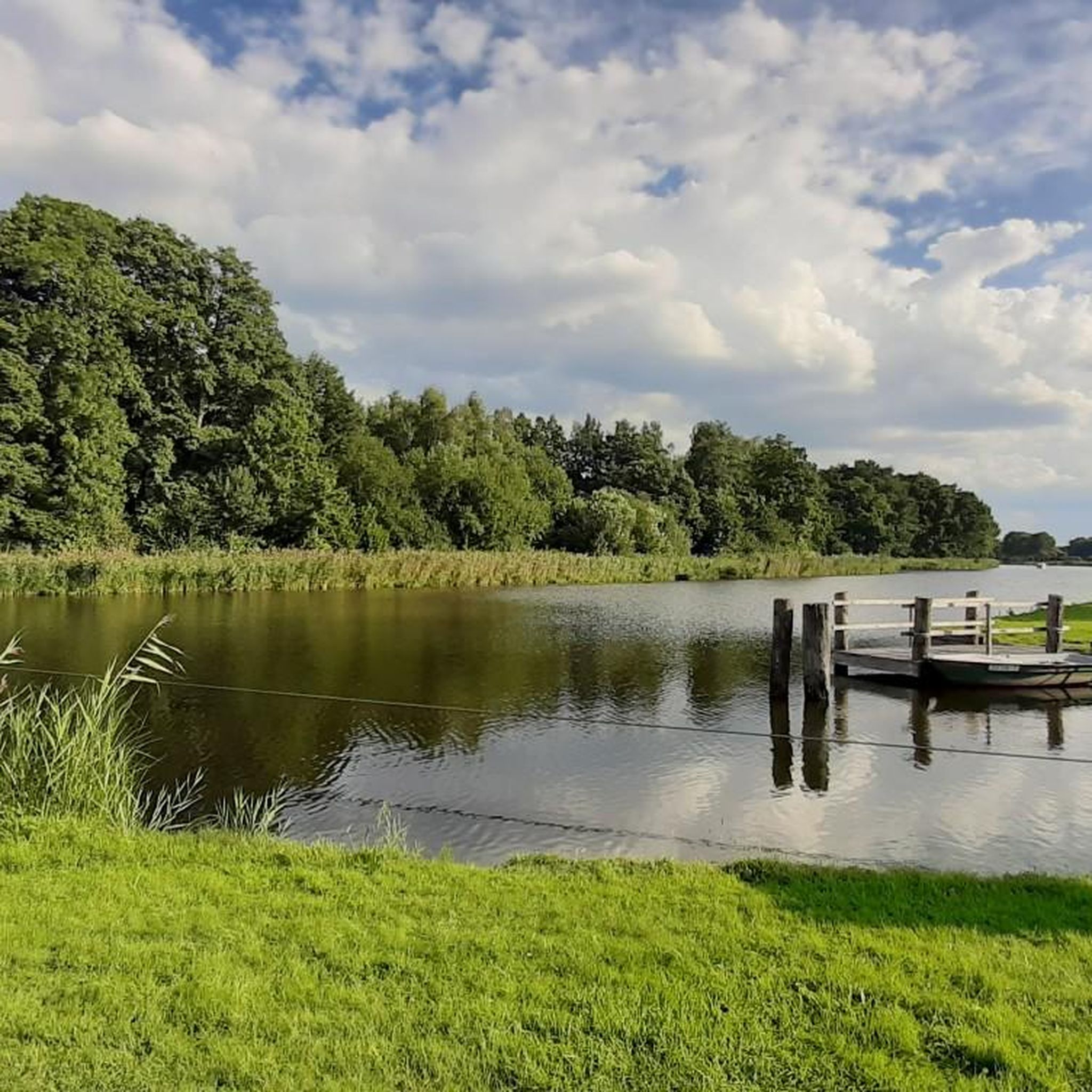
Beautiful natural route through the woods.
0
0

The sculpture on display and an explanatory panel refer to the important archaeological finds in the nearby gravel pit. There are discussions between the district and the city of Lübeck (where the artefacts are currently stored) about the future presentation of the finds.
2
0
The huge boulder is the landmark of Müssen and a historical place of worship. A mystical place that is not at all clear if you don't know the background - but you immediately sense and feel that this place is something special when you stand in front of this prehistoric witness. You can find more detailed information here: https://gemeinde-muessen.online/unser-dorf/findling
4
0

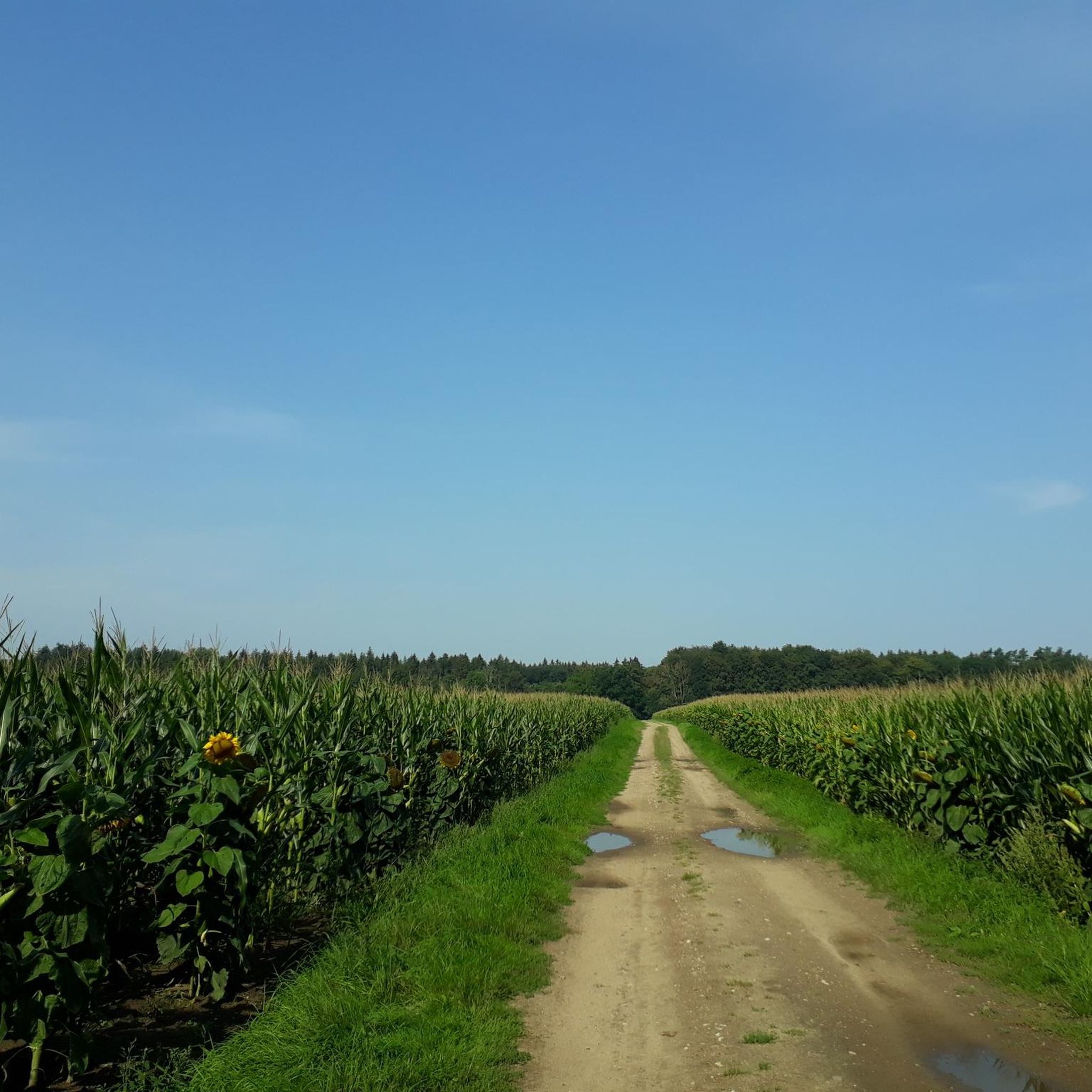
Good to ride a bike. Connection between Möhnsen and Gut Lanken
2
0
From Groß Pampau, past the gravel pit, a beautiful, smooth path leads to Kankelau and from there on to Wotersen. The memorial stone commemorates the spectacular fossil finds in the gravel pit. www.wikipedia.org/wiki/Gro%C3%9F_Pampau
8
2
Frequently Asked Questions
What unique natural features define the Groß Pampau area?
The Groß Pampau area is renowned for its significant natural sites. The Stiftungswald Rülauer Holz, a Natura 2000 site, is a large forest largely taken out of forestry use to restore its natural water balance and increase biodiversity. Additionally, the region is globally unique for the Groß Pampau clay pit, a site of immense paleontological importance with fossil discoveries from a prehistoric North Sea. Nearby, the Hahnheide and Hevenbruch Nature Reserves offer extensive forests and varied terrain, while the historic Elbe-Lübeck Canal provides scenic waterways.
What makes the Groß Pampau Clay Pit significant?
The Groß Pampau clay pit is a globally unique site for significant fossil discoveries. It has yielded over 150 species, including remains of whales, dolphins, seals, and sharks from a prehistoric North Sea dating back over 11 million years. It's considered one of Europe's most productive sites for large fossils, offering unparalleled insight into the Miocene epoch's ecosystem and biodiversity. While direct access for fossil hunting is restricted, finds are often exhibited, notably at the Lübeck Museum of Nature and Environment.
Are there good hiking opportunities near the natural monuments?
Yes, there are several hiking opportunities. For instance, you can explore trails that lead over the historic Old Steinau Bridge, or wander through the Avenue of Ancient Trees. The Hahnheide Nature Reserve is also ideal for extensive walks through its vast forested area. You can find various routes, including easy and moderate options, by checking the hiking guide for Groß Pampau.
What cycling routes are available around Groß Pampau's natural sites?
The region offers several cycling routes that allow you to experience its natural beauty. The flat riverside paths along the Elbe-Lübeck Canal are particularly popular for cycling. You can find various routes, including easy and moderate options, by checking the cycling guide for Groß Pampau.
Are there easy or family-friendly trails among the natural monuments?
Yes, many natural monuments and nearby trails are suitable for families. The Stiftungswald Rülauer Holz and the Avenue of Ancient Trees offer pleasant, easy walks. The Old Steinau Bridge area is also family-friendly, with shallow water for cooling feet. For more options, explore the easy hikes around Groß Pampau guide.
Can I visit the Hahnheide Nature Reserve for walks and views?
Absolutely. The Hahnheide Nature Reserve, located east of Trittau, is a vast forested area perfect for walks and hiking. It features over 100-year-old trees, small lakes, and a hilly landscape. Don't miss the 'Langer Otto' observation tower, which offers panoramic views, potentially reaching the port of Hamburg on clear days.
What can I expect when visiting the Hevenbruch Nature Reserve?
The Hevenbruch Nature Reserve, spanning approximately 173 hectares, is characterized by its diverse and beautiful woodland. It provides varied and engaging hiking opportunities through its dense deciduous forest, complete with informational signs about the local flora and fauna. It's an ideal spot for a tranquil escape into nature.
What is the Elbe-Lübeck Canal, and how can I experience it?
The Elbe-Lübeck Canal is an artificial waterway connecting the Elbe and Trave rivers, stretching 64 kilometers with seven locks. Built in the 1890s, it passes through scenic areas of meadows, forests, and villages. While artificial, it offers significant natural beauty and recreational opportunities. It's popular for pleasure crafts, and its flat riverside paths are ideal for cycling and walking. You can learn more about its history and significance on Wikipedia.
Are the natural monuments around Groß Pampau suitable for families with children?
Many of the natural monuments and surrounding areas are very suitable for families. Highlights like the Stiftungswald Rülauer Holz, Avenue of Ancient Trees, and Old Steinau Bridge are marked as family-friendly. The easy hiking trails and opportunities for wildlife observation in the nature reserves make them great for children.
Can I bring my dog to the natural monuments and trails?
Yes, many trails and natural monuments around Groß Pampau are dog-friendly. For example, the path leading over the Old Steinau Bridge is noted as suitable for dogs, with shallow water for them to cool off. Always ensure your dog is on a leash where required, especially in nature reserves, to protect local wildlife.
When is the best time of year to visit the natural monuments around Groß Pampau?
The natural monuments around Groß Pampau can be enjoyed throughout the year, each season offering a different experience. Spring brings blooming flora and active wildlife, while summer is ideal for longer walks and cycling along the canal. Autumn showcases beautiful fall foliage in the forests, and even winter offers serene, crisp walks, especially in areas like Hahnheide Nature Reserve.
Are there viewpoints offering panoramic scenery?
Yes, there are a few spots offering good views. The 'Langer Otto' observation tower in the Hahnheide Nature Reserve provides panoramic vistas over the expansive forest and surrounding landscape. Additionally, the Kuckucksberg (62 m), marked by a large boulder, offers a moderate incline and decline with views of the area.
What other notable natural monuments can I explore?
Beyond the main sites, you can visit the Nüssauer Heide Nature Reserve, an 88-hectare special protection area known for preserving one of the last 'Lauenburgische Wärmeheide heaths' with its characteristic animal and plant species. It's part of the transnational 'NATURA 2000' network, offering insights into local biodiversity.
Most popular routes around Groß Pampau
Most popular attractions around Groß Pampau

Get inspired with the komoot mobile app


Explore more
Extend your search for the best caves by checking out these guides of the top ones around Groß Pampau:
