Top 18 Natural Monuments around Stolpe auf Usedom
Best natural monuments around Stolpe auf Usedom are situated within the Usedom Island Nature Park, characterized by tranquil natural surroundings. The area provides access to diverse landscapes, including the Stettiner Haff, expansive meadows, fields, and forests. This setting offers opportunities for exploring the region's natural heritage and enjoying its peaceful atmosphere.
Best natural monuments around Stolpe auf Usedom
- The most popular natural monuments is Kückelsberg Observation Tower and Viewpoint, a viewpoint that offers a view over the Swiss region…
Last updated: July 8, 2026
Beek (Heringsdorf)
Highlight • River
Translated by Google •
Tip by

Krebssee
Highlight • Lake
Translated by Google •
Tip by

Sign up now to discover places like this
Get recommendations on the best single tracks, peaks, & plenty of other exciting outdoor places.
Sign up for free
Victoria Height Memorial
Highlight • Monument
Translated by Google •
Tip by

Suckower Oak
Highlight • Natural Monument
Translated by Google •
Tip by

Kückelsberg Observation Tower and Viewpoint
Highlight • Viewpoint
Translated by Google •
Tip by

Sign up for free to discover even more natural monuments around Stolpe auf Usedom.
Sign up for free
Already have an account?
Start today with a free account
Your next adventure awaits.
Login or Signup
Tips from the Community

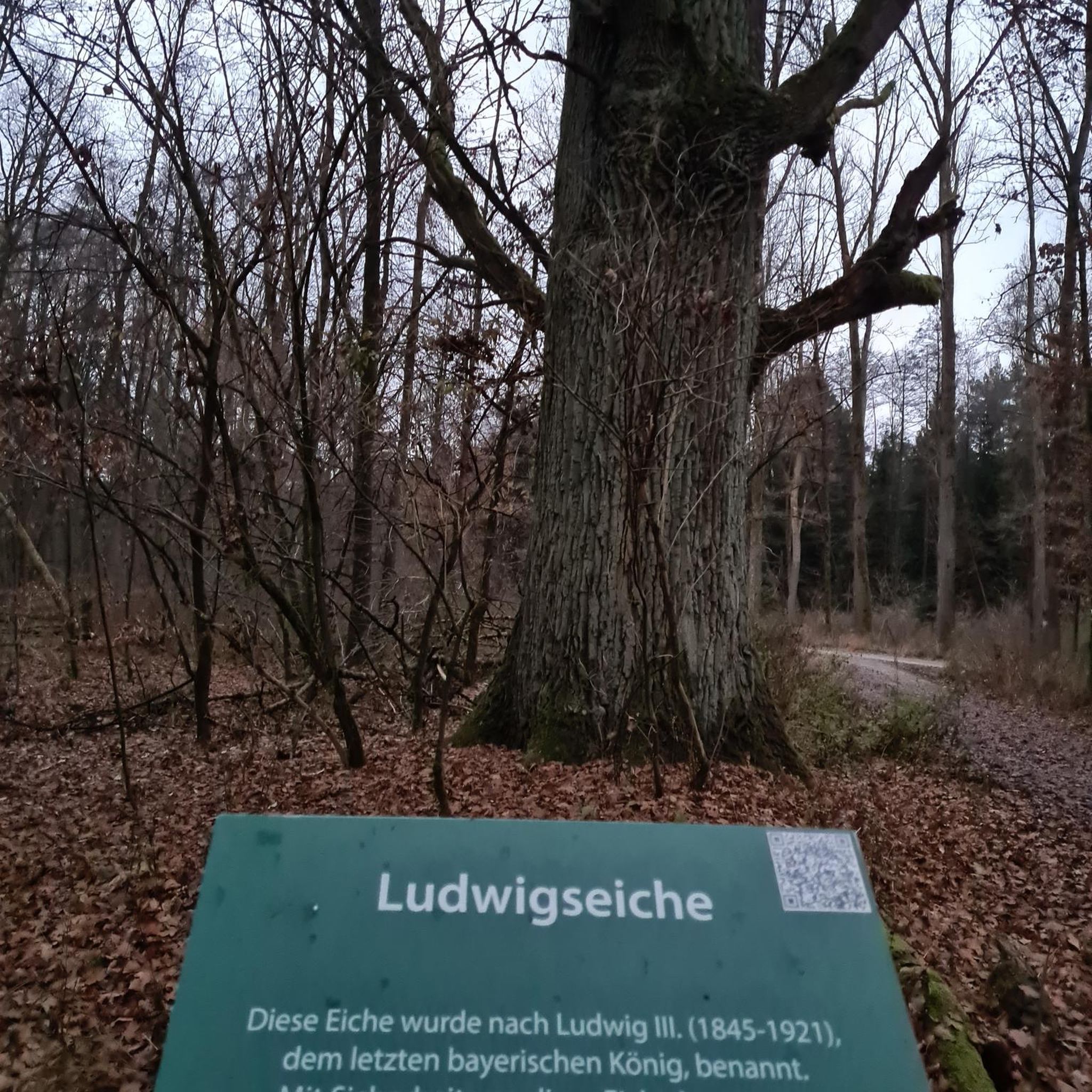
On a main road north of the village of Suckow on Usedom Island stands one of the island's oldest trees. Its location and condition make the Suckow Oak a natural extension of the past and a reminder of our own sense of time. Estimates of its age vary widely. Some believe it is no more than 400 years old, others around 1000. In my opinion, the truth probably lies somewhere in between. Certainly older than the tree is the Bronze Age burial mound on which the oak was originally planted. Why this happened at all—here and in many similar locations elsewhere—remains a mystery. After large branches broke off from the crown several years ago and have lain beside the trunk ever since, the trunk reportedly collapsed completely in the autumn of 2024.
0
0
There was, or rather was as recently as 2020, a small covered rest area by the oak tree.
0
0

The small monument can be found on a small hill in the deciduous forest.
1
0

The tree now appears to be dead. No leaves were visible. The area around the oak tree has been cordoned off.
0
0

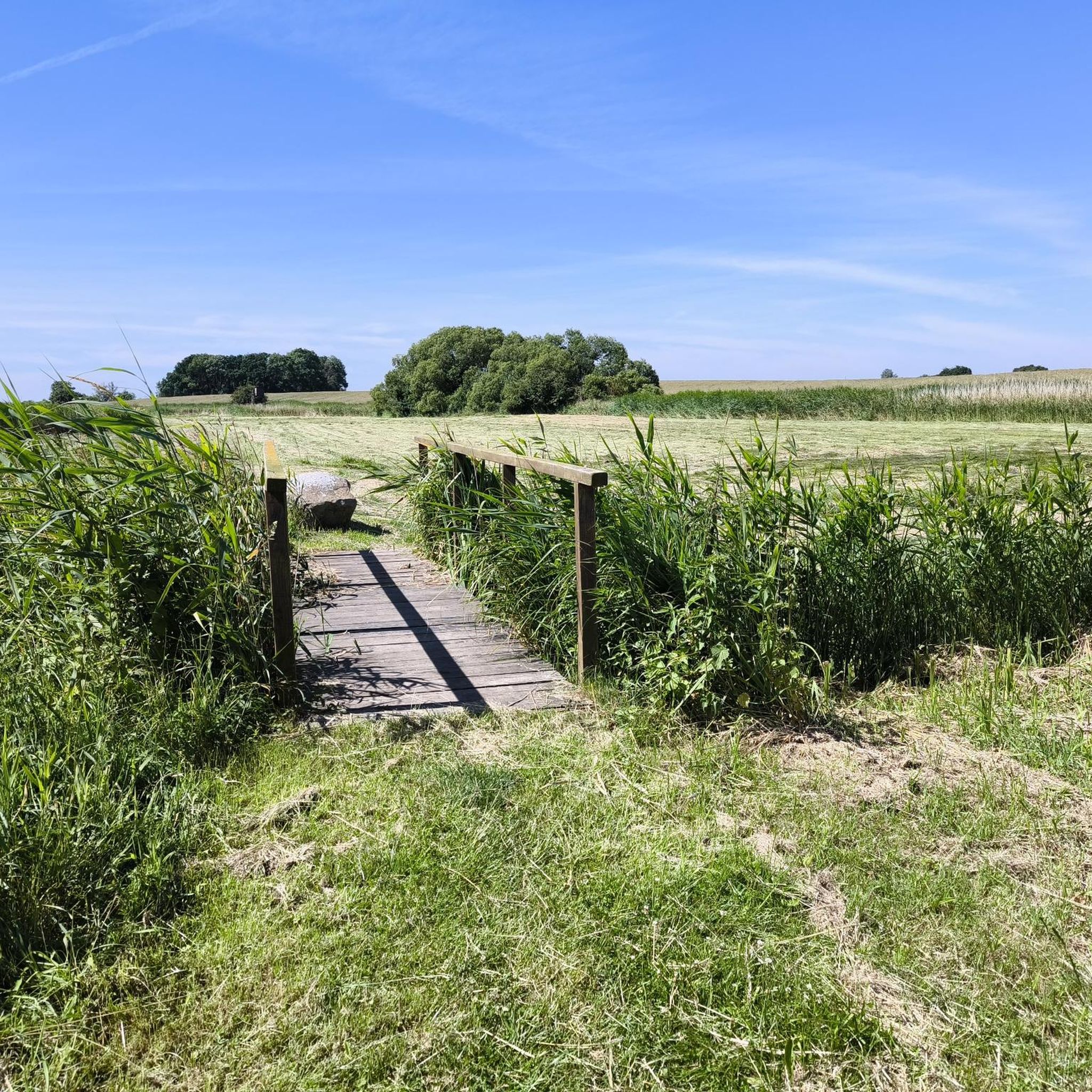
Beautiful, untouched landscape, but the path is often very sandy or rocky. Then there are sections with deep ruts. For about 3 km, it's a bit arduous, but the unspoiled, rustic landscape makes up for it. It's definitely worth it.
0
0

After the end of the last ice age, the Thurbruch Basin was formed. During the Littorina Transgression, the Baltic Sea had direct access to the Thurbruch Basin between 8000 and 6000 BCE through the Parchen lowlands. After that, a process of peat formation began. During storm floods, Baltic Sea water repeatedly flowed into the Gothensee and Thurbruch via the Parchen lowlands and the Beek until the 19th century. In the Middle Ages, the Beek and the main tributary of the Gothensee, the Bäck, were considered one river and called the Lassovnisza. Duke Barnim I donated the Lassovnisza to Stolpe Monastery in 1243.[1] In the middle of the 13th century, there were border disputes with the Grobe Monastery, as a result of which the Lassovnisza had to be ceded to Grobe.[2] Until the monastery was secularized, the Beek formed the border of the monastery's possessions. After that, it was the border of the Pudagla district, which belonged to the respective sovereign or state. The Beek is marked on the Lubin map of 1618. At that time, the Parchensee, through which it flowed, was still located in the Parchen lowlands. Eilhard Lubin marked an eel box (Ale kiste) near the mouth of the Baltic Sea, which indicates the special importance of eel fishing in this area. Source https://de.wikipedia.org/wiki/Beek_(Heringsdorf)
2
0
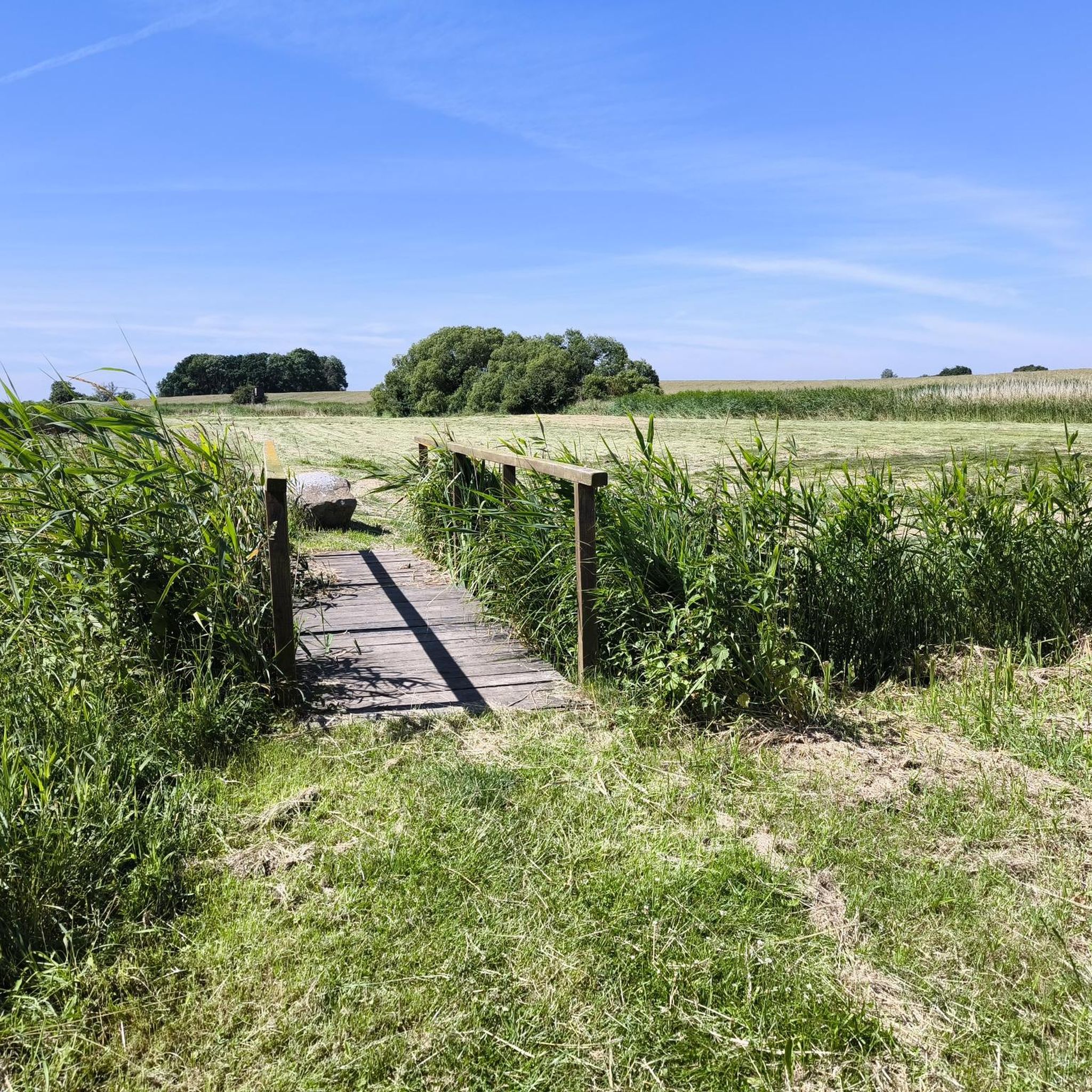
The Beek, historically also Aal-Beek, Ahl-Beeke or Aalbach[e], is a watercourse in the area of the municipality of Heringsdorf on Usedom in the Vorpommern-Greifswald district. It is the natural outflow of the Gothensee and thus of the Thurbruch to the Baltic Sea. The district of Ahlbeck is named after the body of water. The Beek begins at the northeast end of the southeastern foothills of the Gothensee and runs in a northeasterly direction through the Parchen lowlands to the district of Ahlbeck, which takes its name from it. This approximately 2900 m long section has been straightened. From the railway line between Ahlbeck and Heringsdorf, it runs for a length of more than 1200 m through Ahlbeck, piped underground, to the Baltic Sea. Source https://de.wikipedia.org/wiki/Beek_(Heringsdorf)
2
0

South of the municipality of Benz, on the Kückelsberg, stands the observation tower of the same name. As soon as you climb the wooden steps, the viewing platform offers you a wonderful view over the Swiss region of Usedom.
3
1
Frequently Asked Questions
What are some of the most popular natural monuments to visit around Stolpe auf Usedom?
Visitors frequently enjoy the Kückelsberg Observation Tower and Viewpoint, which offers expansive views over the Thurbruch and the 'Swiss region' of Usedom. Another popular spot is Beek (Heringsdorf), a significant river that acts as the natural outflow of the Gothensee to the Baltic Sea, known for its historical importance and unique terrain.
Are there any natural lakes or rivers to explore near Stolpe auf Usedom?
Yes, you can discover Krebssee, a small, tranquil natural lake hidden on a bike path, surrounded by forest and featuring a small swimming area. Additionally, the Beek (Heringsdorf) is a notable river, historically important for the region as the outflow of the Gothensee.
What kind of natural landscapes can I expect to see in the Usedom Island Nature Park near Stolpe?
The Usedom Island Nature Park, which encompasses Stolpe, is known for its diverse landscapes. You'll find a mix of beaches, littoral zones, lakes, marshes, dunes, and mixed pine and beech forests. The area around Stolpe specifically offers access to the serene Stettiner Haff (Oder Lagoon), expansive meadows, fields, and forests.
Are there any historical natural monuments or ancient trees in the area?
Yes, the Suckower Oak is a significant natural monument, estimated to be between 750 to 1,000 years old, making it one of the oldest trees in the region. While not directly in Stolpe, the Wasserschloss Mellenthin, a short distance away, also features ancient oak trees, one of which is officially listed as a natural monument and was around 670 years old in 2017.
What outdoor activities can I do near the natural monuments around Stolpe auf Usedom?
The region offers various outdoor activities. You can enjoy cycling on routes like the 'Tree-Lined Avenue – Forest Path loop' or 'Neppermin Lake Waterfront' from the cycling guide. For gravel biking, consider routes such as the 'Mellenthin Water Castle loop' from the gravel biking guide. Road cyclists can explore routes like the 'Langer Kammweg Forest Path – St. John's Church, Liepe loop' from the road cycling guide. The Usedom Island Nature Park is also ideal for extensive walks and wildlife observation.
Are there family-friendly natural monuments or activities around Stolpe auf Usedom?
Absolutely. The Krebssee is considered family-friendly, offering a small swimming area. The Kückelsberg Observation Tower and Viewpoint is also suitable for families, providing an accessible way to enjoy panoramic views. The broader Usedom Island Nature Park offers numerous easy walks and cycling paths perfect for families.
What kind of wildlife can be observed in the Usedom Island Nature Park?
The Usedom Island Nature Park is one of Germany's richest bird areas. You can observe numerous species such as ospreys, white storks, cranes, and herons, particularly around eutrophic and shallow lakes like Gothensee and Schmollensee. The diverse landscapes also support a variety of other wildlife.
Where can I find scenic viewpoints to appreciate the natural beauty of the region?
The Kückelsberg Observation Tower and Viewpoint is highly recommended for its wonderful views over the 'Swiss region' of Usedom and the Thurbruch. Another spot is the Victoria Height Memorial, a 54-meter high hill hidden in the woods, offering a peaceful resting spot with views.
What is the Stettiner Haff, and how can I experience it near Stolpe auf Usedom?
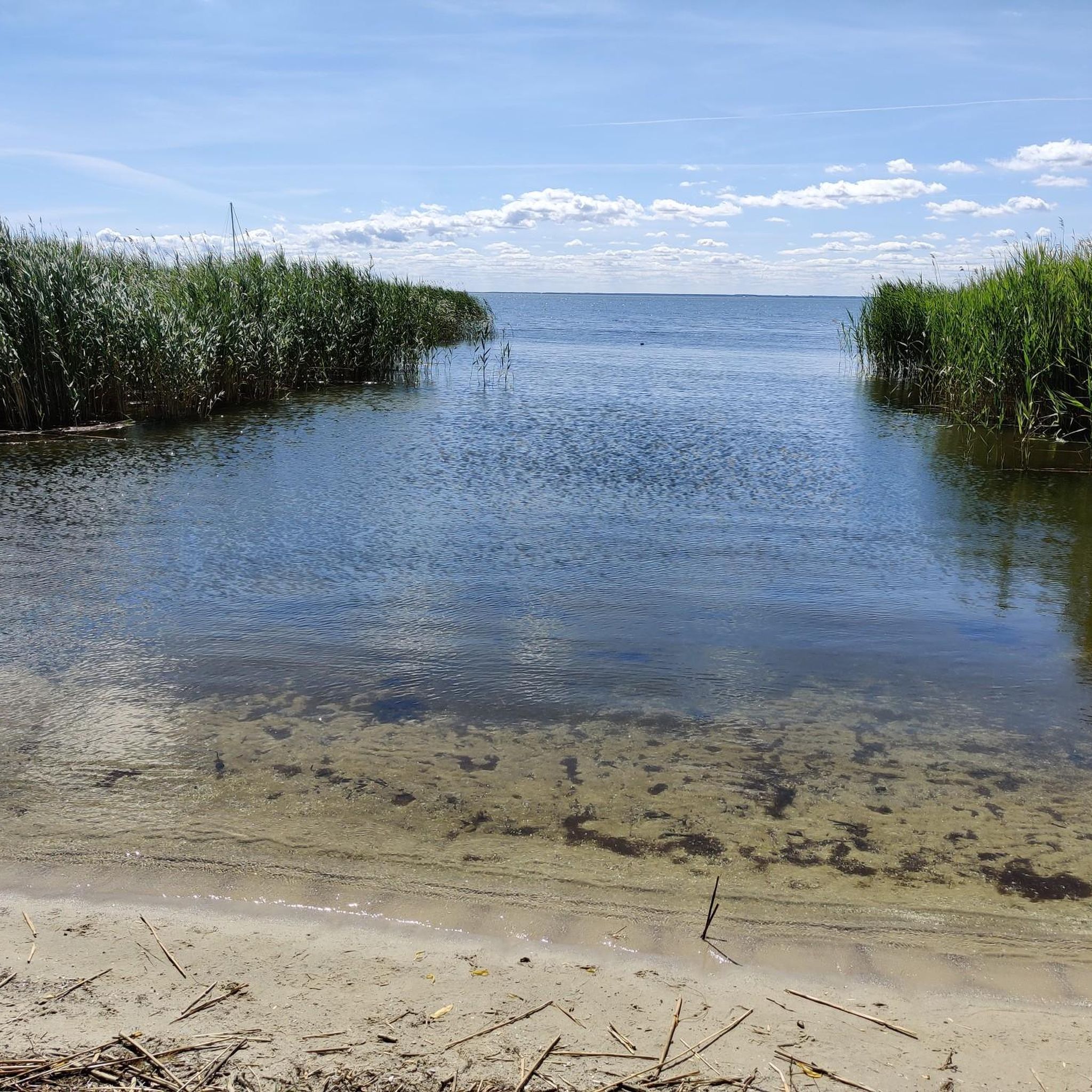
The Stettiner Haff, also known as the Oder Lagoon, is a large lagoon that Stolpe auf Usedom lies directly on. It offers picturesque views and a serene environment distinct from the Baltic Sea coast. You can enjoy romantic strolls along its northern shore, taking in the expansive water views and the changing light moods, surrounded by vast meadows and fields.
Is it possible to visit the natural monuments with a dog?
Many natural areas and trails within the Usedom Island Nature Park are dog-friendly, allowing you to explore with your canine companion. Specific natural monuments like Krebssee and the general forest paths are suitable for walks with dogs, though it's always advisable to keep them on a leash and respect local regulations.
What do visitors appreciate most about the natural monuments around Stolpe auf Usedom?
Visitors particularly enjoy the tranquility and natural beauty of the area. The panoramic views from spots like the Kückelsberg Observation Tower are highly praised. The peaceful, hidden nature of places like Krebssee and the historical significance of ancient trees also resonate with visitors seeking relaxation and connection with nature.
Most popular routes around Stolpe auf Usedom
Most popular attractions around Stolpe auf Usedom

Get inspired with the komoot mobile app


Explore more
Extend your search for the best caves by checking out these guides of the top ones around Stolpe auf Usedom:
