Top 15 Natural Monuments around Lubmin
Best natural monuments around Lubmin are found in this coastal resort in Mecklenburg-Vorpommern, Germany. The area features a significant natural monument, the Teufelsstein, a large glacial erratic located near the cliff coast. Lubmin is also characterized by expansive natural areas such as the Greifswalder Bodden Nature Reserve and the forested Lubminer Heide. These diverse landscapes offer opportunities for exploring geological formations and natural habitats.
Best natural monuments around Lubmin
- The most popular natural monuments is Lanken Nature Reserve, a…
Last updated: June 25, 2026
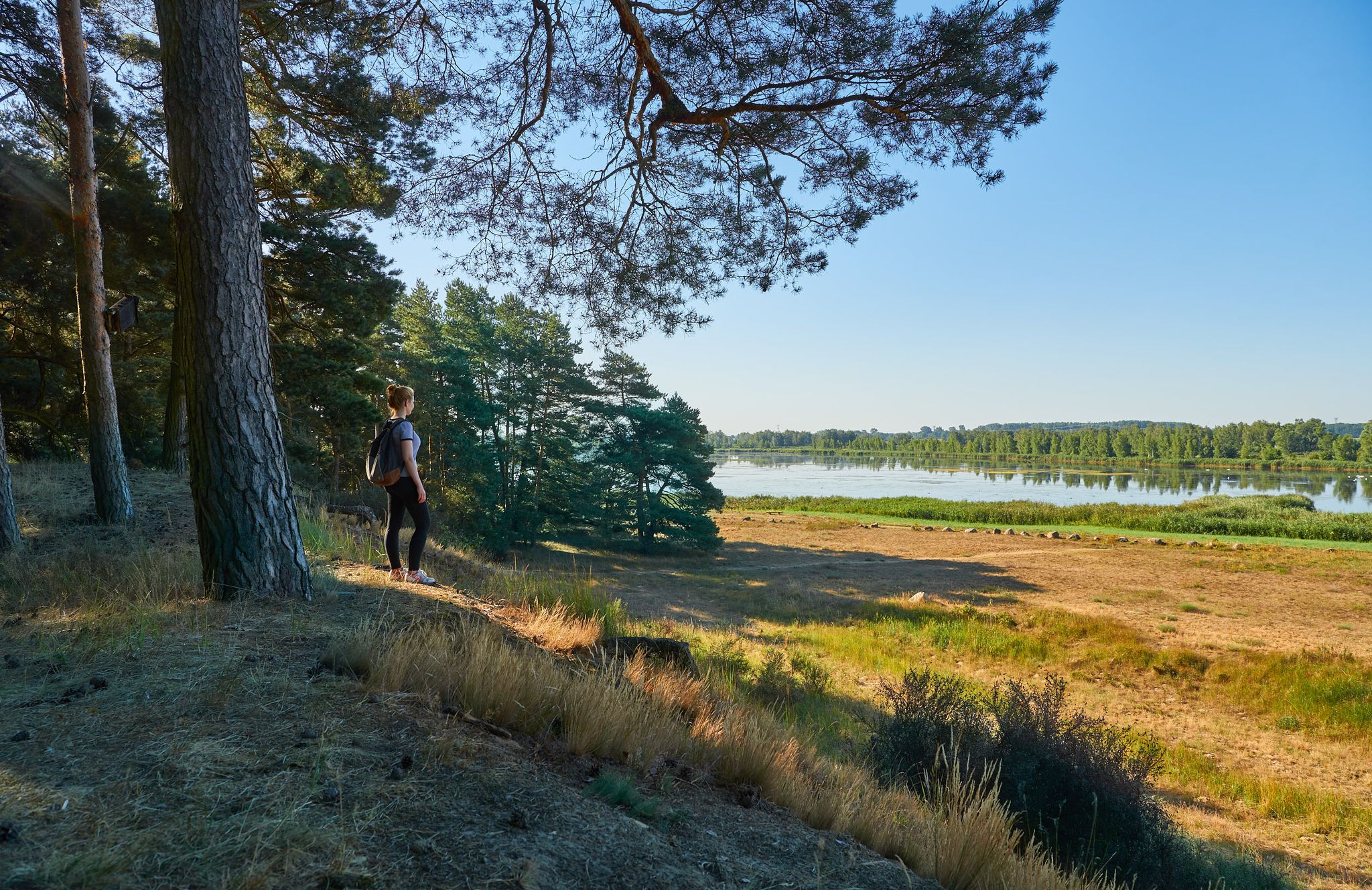
Cämmerer Lake
Highlight • Lake
Translated by Google •
Tip by

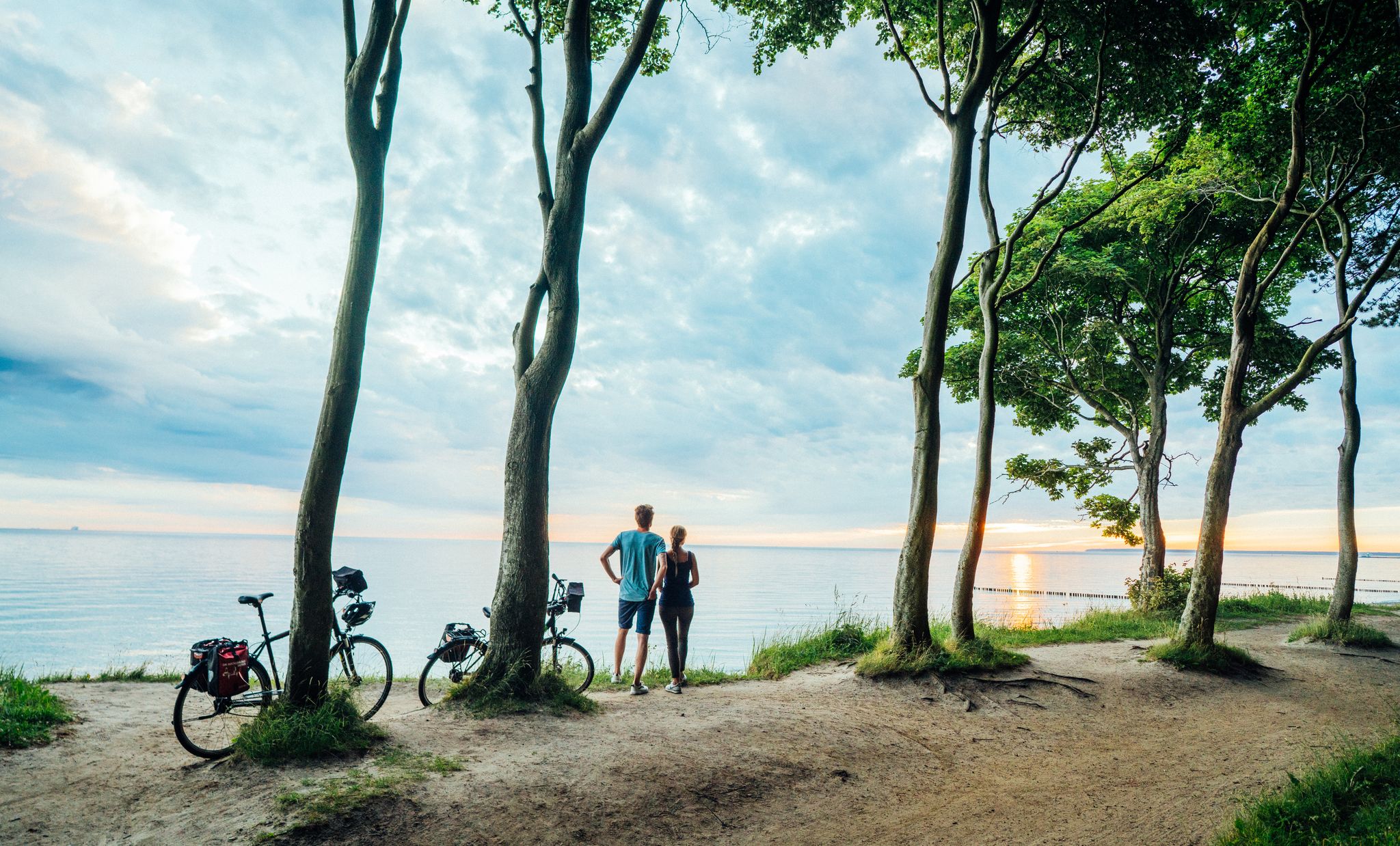
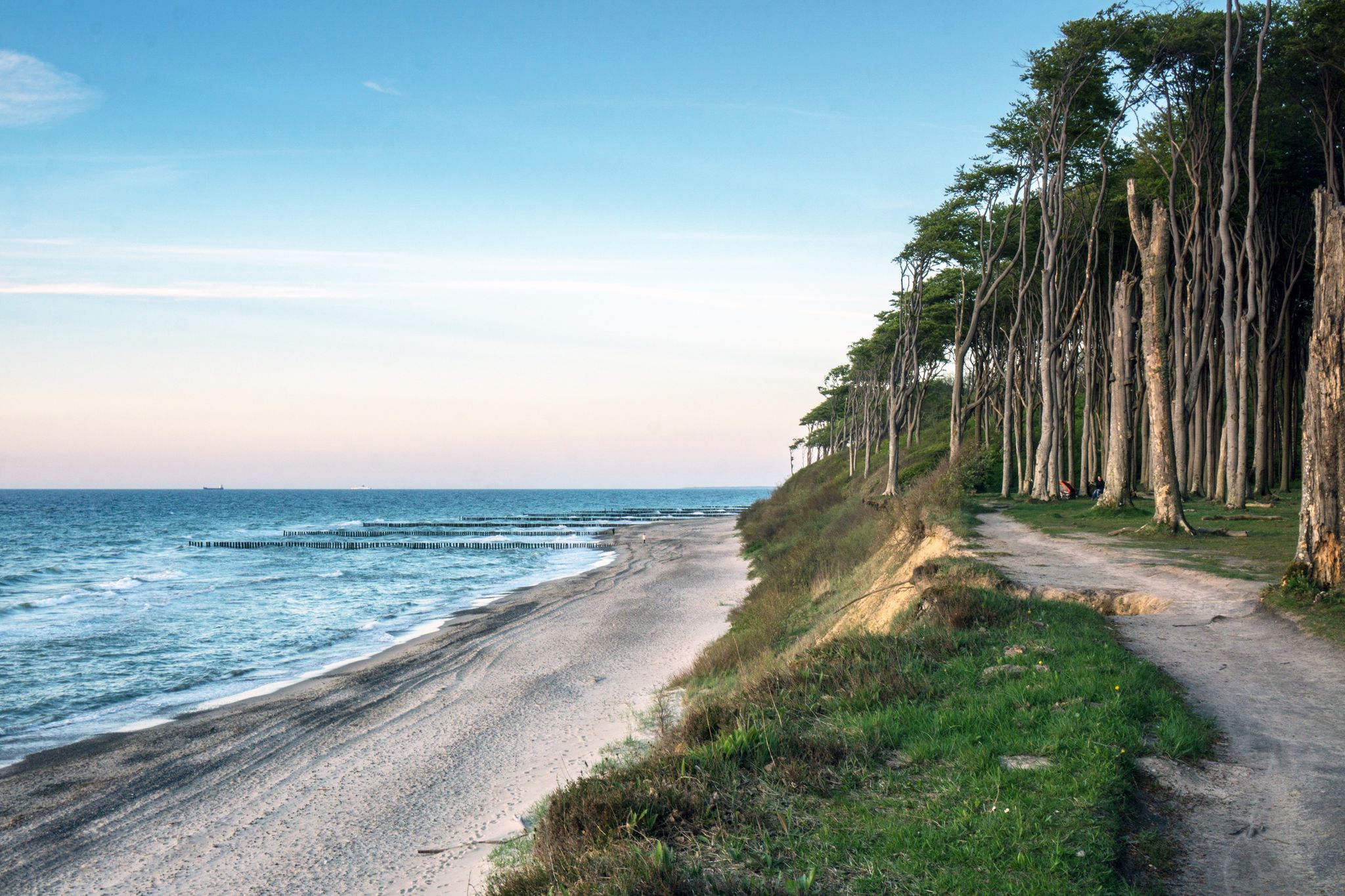
The Sleeping Trees
Highlight • Beach
Translated by Google •
Tip by

Sign up now to discover places like this
Get recommendations on the best single tracks, peaks, & plenty of other exciting outdoor places.
Sign up for free
Schnitzelweg Protective Forest Lubmin
Highlight • Forest
Translated by Google •
Tip by

Peenemünder Haken Nature Reserve
Highlight • Natural Monument
Translated by Google •
Tip by

Lanken Nature Reserve
Highlight • Forest
Translated by Google •
Tip by

Sign up for free to discover even more natural monuments around Lubmin.
Sign up for free
Already have an account?
Start today with a free account
Your next adventure awaits.
Login or Signup
Popular around Lubmin
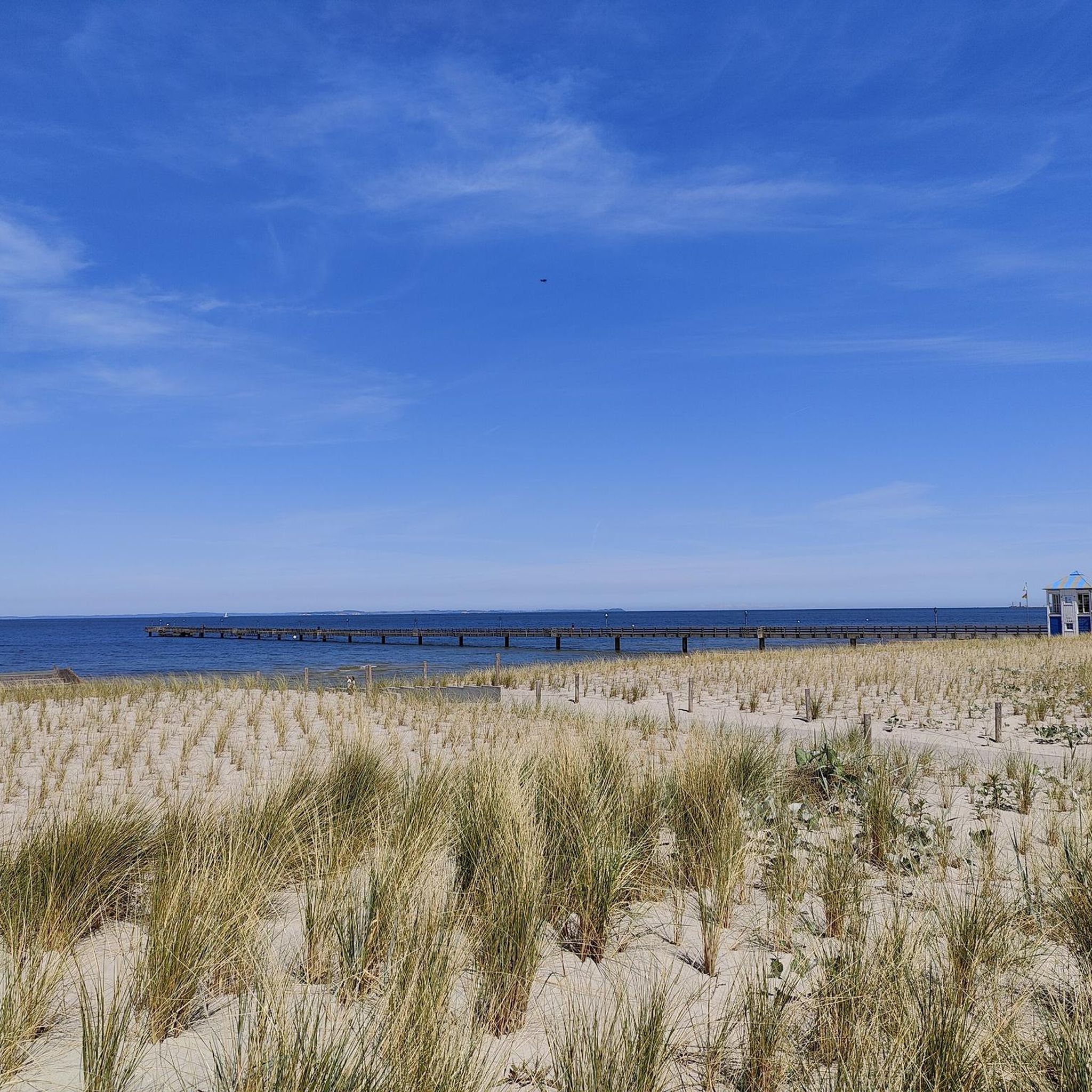
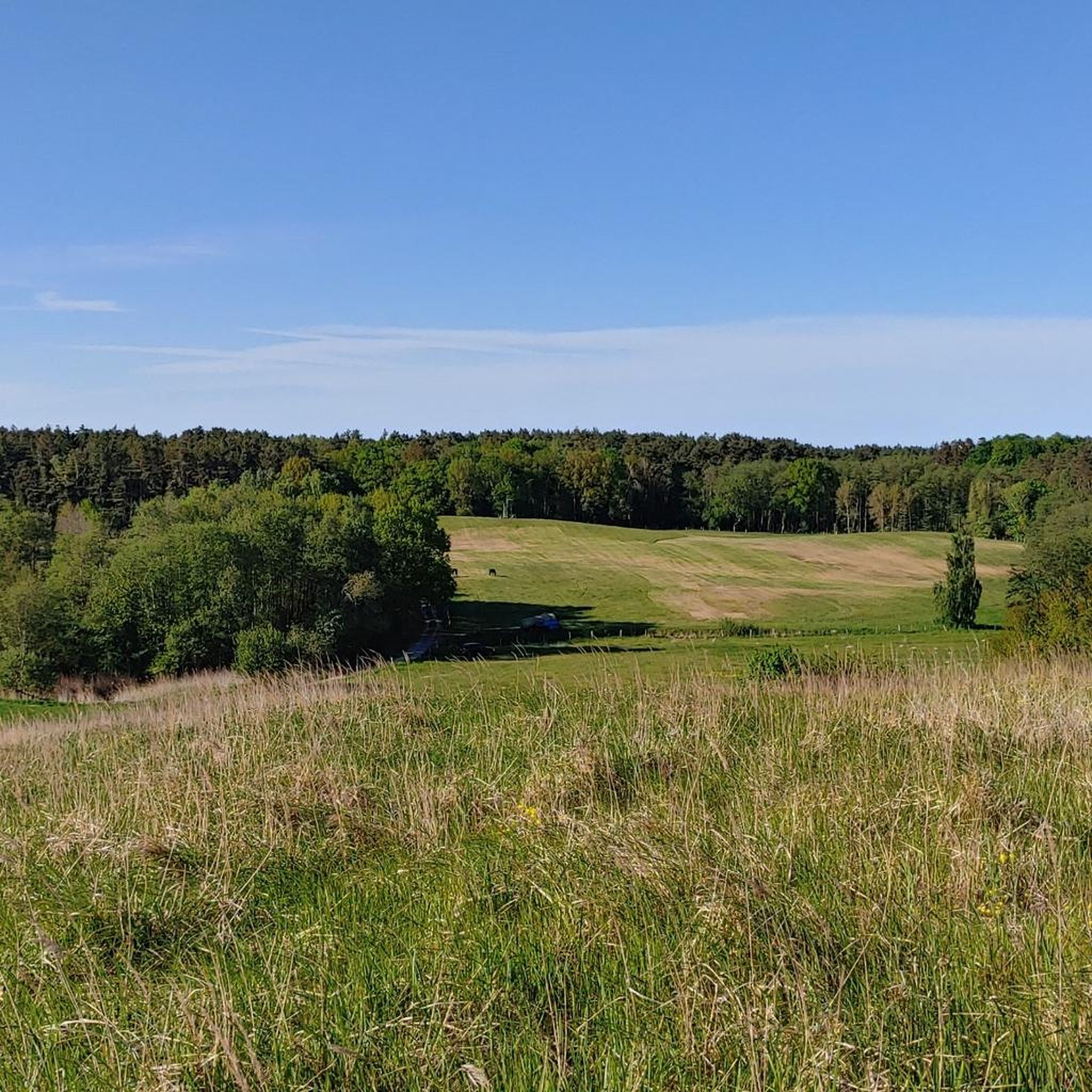
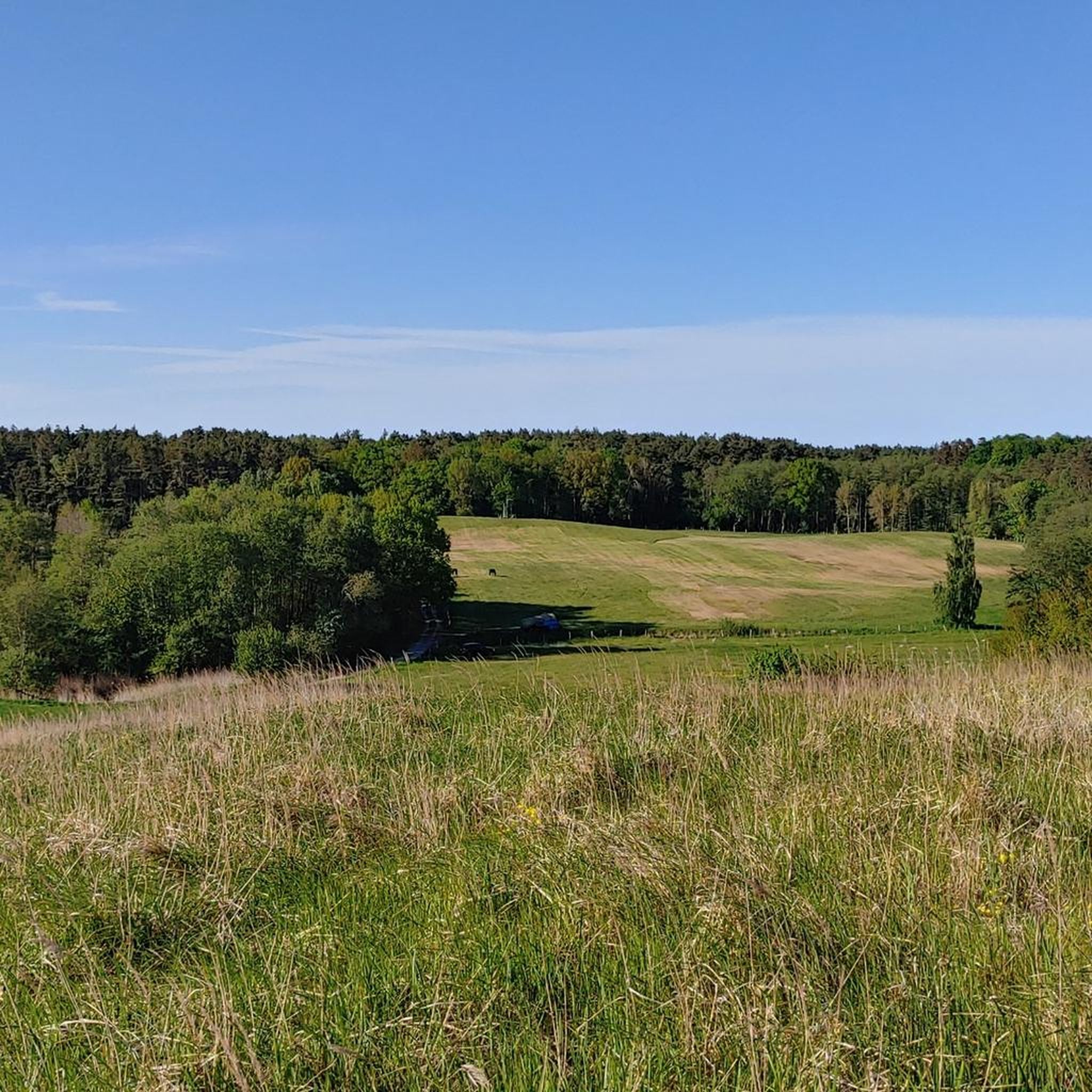
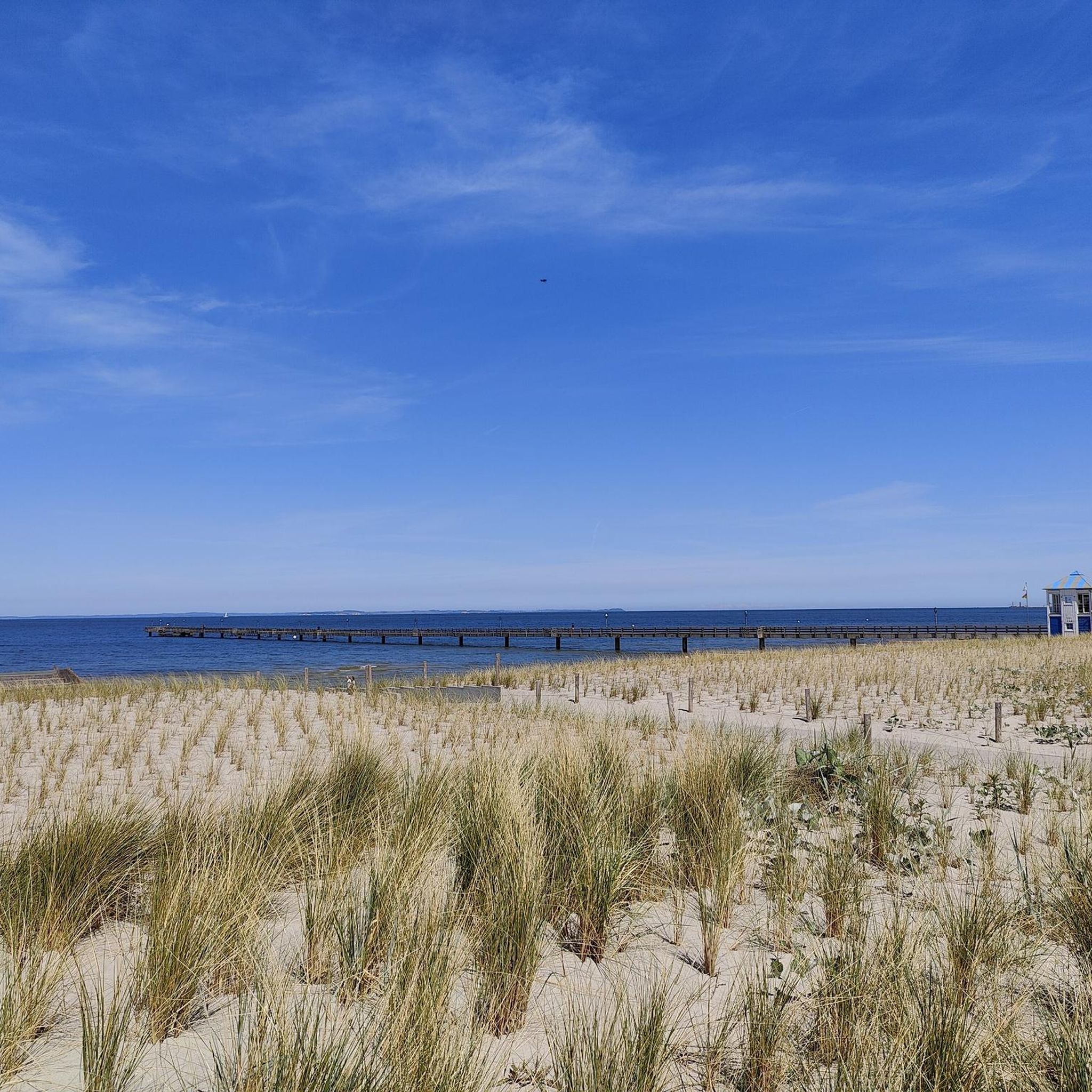



Tips from the Community

2
0

The Peenemünder Haken nature reserve is closed. The beach and the path to it are fenced off.
3
0


At this point you come to the lake, all very idyllic with lots of nature.
1
0

The forest on the Greifswalder Bodden has been under protection since 1957. It was once used as a hut forest. Since then, non-native spruces and Douglas firs have spread, which are currently being removed by the Succow Foundation. Drainage ditches are also being brewed back to restore the area's original character. In the direction of Bodden, a beautiful sandy beach borders the forest, but unfortunately it is littered by bathers.
3
0


Very impressive and a beautiful natural phenomenon
1
0
Frequently Asked Questions
What are the most popular natural monuments around Lubmin?
Visitors frequently enjoy the Lanken Nature Reserve, a protected forest with a beautiful sandy beach. Another favorite is Cämmerer Lake, known for its serene environment and as a popular spot for anglers. The Peenemünder Haken Nature Reserve is also highly regarded for its quiet, idyllic forest and beach areas.
Are there family-friendly natural monuments in the Lubmin area?
Yes, several natural monuments are suitable for families. Lanken Nature Reserve and Cämmerer Lake are both considered family-friendly. Additionally, The Sleeping Trees offers a unique beach experience with impressive old trees, and the Schnitzelweg Protective Forest Lubmin is a designated protective forest ideal for walks.
What unique natural features can I explore near Lubmin?
Beyond the designated natural monuments, Lubmin is home to the impressive Teufelsstein (Devil's Stone), a large glacial erratic on the cliff coast with rich local legends. You can also explore the expansive Greifswalder Bodden Nature Reserve, known for its marshlands, lagoons, and birdwatching opportunities, or the forested Lubminer Heide with its exploration trails and Nordic walking routes.
What kind of outdoor activities can I do near Lubmin's natural monuments?
The region offers diverse outdoor activities. You can find numerous hiking trails, such as the 'Lubmin Beach – Lubmin Beach loop from Lubmin' (7.4 km, easy), or the 'Lubmin Beach – Boardwalk along the Bodden loop from Lubmin' (9.4 km, moderate). For cycling enthusiasts, there are MTB trails like the 'Lubmin Beach – Vierow Beach Access loop from Seebad Lubmin' (26.3 km, easy), and gravel biking routes like the 'Lubmin beach path – Lubmin Pier loop from Loissin' (28 km, easy). You can find more routes on the hiking guide, MTB guide, and gravel biking guide for Lubmin.
Are there any natural monuments with historical or cultural significance?
The Teufelsstein (Devil's Stone) near Lubmin's cliff coast holds significant cultural and historical value due to the numerous local legends surrounding its origin. These tales often involve the Devil or giants, making a visit to this glacial erratic a culturally enriching experience. You can learn more about its history on Wikipedia.
What do visitors enjoy most about the natural monuments around Lubmin?
Visitors particularly appreciate the diverse landscapes, from the serene beaches of Lanken Nature Reserve to the peaceful waters of Cämmerer Lake. The unique sight of The Sleeping Trees on the beach is often described as 'fairytale-like' and 'impressive.' The quiet and idyllic character of areas like the Peenemünder Haken Nature Reserve is also highly valued.
What kind of flora and fauna can I expect to see in Lubmin's natural areas?
The Greifswalder Bodden Nature Reserve is a haven for birdwatchers, featuring diverse bird species in its marshlands, shallow lagoons, and reed beds. The Lubminer Heide, primarily covered by pine woods with some mixed forest areas, supports a variety of flora and fauna typical of forested terminal moraines. Efforts are also underway in areas like Lanken Nature Reserve to restore original habitats by removing non-native species.
Are there specific hiking trails to explore the natural monuments?
Yes, there are several hiking opportunities. You can walk along the cliff coast towards Vierow to see the Teufelsstein. The Lubminer Heide features a natural path with a forest exploration trail and numerous Nordic walking routes. For more structured routes, consider the 'Lubmin Beach – Boardwalk along the Bodden loop from Lubmin' (9.4 km) or the 'Sunset View of Lubmin Pier – Swing on the Beach loop from Lubmin' (6.3 km), both detailed in the hiking guide for Lubmin.
Is it possible to visit the natural monuments during winter?
Many natural monuments and areas around Lubmin are accessible year-round. For instance, a 'very nice winter walk' is suggested for the Lanken Nature Reserve. The coastal paths and forested areas like the Lubminer Heide can offer unique experiences in winter, though it's always advisable to check local conditions and trail accessibility.
Where can I find scenic viewpoints among the natural monuments?
The Cämmerer Lake is noted as a viewpoint, offering pleasant spots for breaks. The Sleeping Trees also provides fantastic views of the beach and forest. Additionally, an observation platform at the Greifswalder Bodden offers opportunities for scenic views and nature observation.
Are there any natural monuments that are also protected areas?
Yes, the Lanken Nature Reserve has been under protection since 1957. The Peenemünder Haken Nature Reserve is also a designated natural monument and protected area. Furthermore, the Greifswalder Bodden Nature Reserve is an unspoiled nature reserve, and the Schnitzelweg Protective Forest Lubmin is officially declared a protective forest, meaning no clearing may be carried out.
Most popular routes around Lubmin
Most popular attractions around Lubmin

Get inspired with the komoot mobile app


Explore more
Extend your search for the best caves by checking out these guides of the top ones around Lubmin:
