Top 15 Natural Monuments around Wyk auf Föhr
Natural monuments around Wyk auf Föhr offer diverse geological formations and ecosystems on the North Frisian island of Föhr. The region is characterized by its coastal features, including Föhr's only cliffed coast and the expansive Wadden Sea. These areas provide opportunities to observe unique natural landscapes and rich biodiversity. The island's natural heritage is shaped by its position in the North Sea, presenting a blend of marine and terrestrial environments.
Best natural monuments around Wyk auf Föhr
- The most popular natural monument is Goting Cliff, a natural monument that features Föhr's only cliffed coast. This 1.7-kilometer-long cliff, formed during the Saale Ice Age, displays layers of sedimentary rock and ancient boulders along its base.
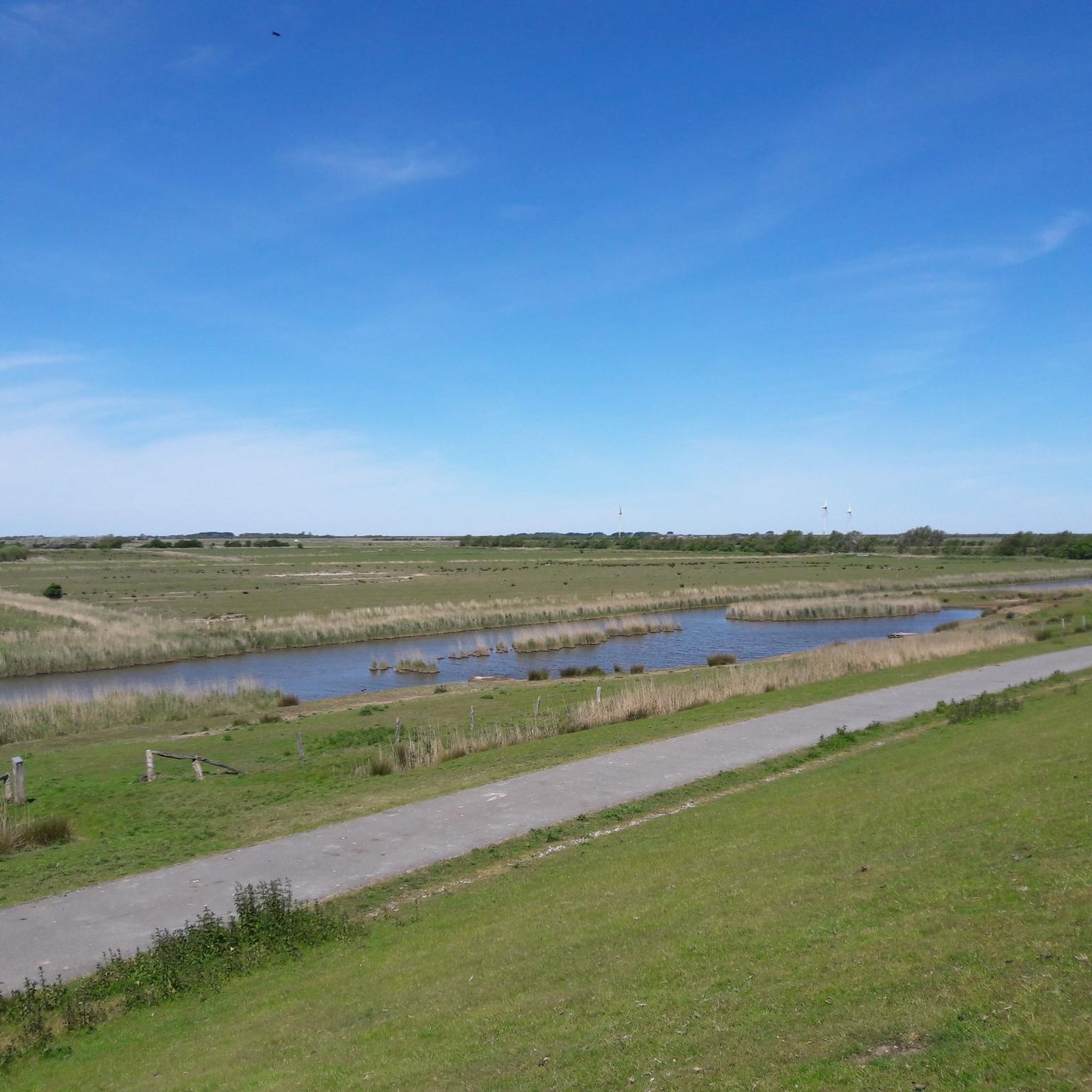
- Another must-see spot is Godel Lowlands, a river and natural monument. Visitors can expect scenic views over the Wadden Sea and a trail between Utersum and Goting.
- Visitors also love Lembecksburg ring wall, a historical site and natural monument. This old fortification from the Viking Age features a 10-meter-high ring wall on a natural Geestkern.
- Wyk auf Föhr is known for its cliffs, river landscapes, and historical sites with natural features. The area offers a variety of natural monuments to see and explore, from coastal formations to inland waterways.
- The natural monuments around Wyk auf Föhr are appreciated by the komoot community. The 4 highlights have garnered more than 1400 upvotes and feature over 350 photos, showcasing their appeal to outdoor enthusiasts.
Last updated: October 11, 2026
Goting Cliff
Highlight • Natural Monument
Translated by Google •
Tip by

Lembecksburg ring wall
Highlight • Historical Site
Translated by Google •
Tip by
Sign up now to discover places like this
Get recommendations on the best single tracks, peaks, & plenty of other exciting outdoor places.
Godel Lowlands
Highlight (Segment) • River
Translated by Google •
Tip by

Vogelkoje Boldixum
Highlight • Structure
Translated by Google •
Tip by

Tidal Fountain at Mittelbrücke
Highlight • Monument
Every 10 minutes the water rises in the upper basin, which was made from stone silhouettes of the Hallingen, Langeneß and Oland as well as the islands of Föhr, Amrum and Sylt with the Hindenburg Dam as a connection to the mainland.
Stone tidal flats, tidal creeks and sand banks complete the picture of the tides on the North Sea, which are shown in time lapse with this work of art. For 2 minutes the pool overflows and empties itself over the mouths of the two legendary figures, the sea hottie Ecke Nekkepen and his wife Raan.
Source: 111 places on Föhr that you have to see
Translated by Google •
Tip by

Sign up for free to discover even more natural monuments around Wyk auf Föhr.
Already have an account?
Start today with a free account
Your next adventure awaits.
Other adventures around Wyk auf Föhr

Tips from the Community

Open Mon-Fri from 10:00 to 12:00. Outside of opening hours, the bridge is raised. Bicycles must be left outside. It's best to park them a few meters away, next to the passage to the main dike. Bird decoys were used for duck hunting.
0
0

Beautifully located directly on the coast
1
0

How does the 🦆 duck get into the 🥫 can? Only six of the Föhr bird hides are left, and only the Boldixum bird hide can be visited. Bird hides used to be used to obtain food and were an important part of the local economy. The bird hide consists of an artificial pond surrounded by so-called "pipes". These pipes are narrow corridors covered with nets that become increasingly narrower. How it works: * Decoys: Tamed ducks lure their wild counterparts into the hide because they find food and a safe place to rest there. * The trap: When the wild ducks follow the decoys, they get caught in the pipes. These are designed so that the ducks can swim in but cannot get out. * The catch: At the end of the pipe there is a trap in which the ducks are caught. ☝️Worth watching a short explanation of the bird cages on Föhr: https://youtu.be/zMVw4puvL1Y?si=FuogCtpyeWB5bp6f
1
0

a dream for bird watchers
0
0
A somewhat unusual but certainly beautiful fountain.
1
1

Vodgelkoje, you should definitely pay attention to the opening hours, Monday to Friday from 10 a.m. to 12 p.m. These opening hours were never listed in any documents
2
0

In the first one I only noticed the bubbling fountain. But with the Sandwall fountain made of granite, Markus Thiessen has created a true masterpiece, as the North Frisian islands are depicted in contours and to scale. The outer edge of the fountain shows the mainland coast with the Hindenburg Dam, the neighboring islands of Sylt and Amrum, and in between two Frisian goblin heads that simulate high and low tides in 10 minutes.
4
0

The Lembecksburg is an impressive ring wall from the 9th/10th century. Century and namesake for the island village “Borigsem”, as the “settlement near the castle” is called in Frisian. With a circumference of around 450 meters and a height of up to 13 meters, the ring wall northwest of Borgsum once served as a refuge and protective castle from the Vikings. In the 14th century it came into the possession of the Holstein nobleman Klaus Lembeck. The Danish King Waldemar IV besieged Borgsum Castle in 1374 because Lembeck refused to swear allegiance to him. When the nobleman no longer saw a way out, he sank the treasures into the well and fled in a boat across the tidal creek, which at that time still connected the Borgsum Marsh with the North Sea. The Lembecksburg is now an archaeological monument. On the Lembecksburg grounds you can have a wonderful picnic in the countryside. https://www.foehr.de/ausflugstipps
3
0
Frequently Asked Questions
What unique natural features can I explore around Wyk auf Föhr?
Wyk auf Föhr offers diverse natural features. You can explore the Goting Cliff, Föhr's only cliffed coast, which features ancient boulders from the Saale Ice Age along its base. Another significant natural monument is the Godel Lowlands, the island's only freshwater course, offering scenic views over the Wadden Sea.
Are there any historical natural monuments to visit near Wyk auf Föhr?
Yes, the region combines natural beauty with historical significance. The Lembecksburg ring wall is an old fortification from the Viking Age, featuring a 10-meter-high ring wall on a natural Geestkern. Additionally, the Boldixum Duck Decoy from 1879 is a historical site that also functions as a natural monument, showcasing traditional wild duck catching techniques.
What are some family-friendly natural monuments in the area?
Many natural monuments around Wyk auf Föhr are suitable for families. The Goting Cliff and its beach are great for exploring ancient boulders. The Godel Lowlands offer beautiful scenery for walks. Even historical sites like the Lembecksburg ring wall and the Boldixum Duck Decoy are categorized as family-friendly, providing educational and engaging experiences.
Can I find easy walking trails or accessible natural monuments around Wyk auf Föhr?
For easy walks, the trail between Utersum and Goting through the Godel Lowlands offers beautiful scenery. While many natural areas involve varied terrain, the Tidal Fountain at Mittelbrücke is specifically noted as wheelchair accessible, providing an interesting display of the tides in time lapse.
What kind of wildlife can I expect to see at the natural monuments?
The Wadden Sea, a UNESCO World Heritage Site, is a crucial habitat for over 10,000 species. You can observe a significant population of migratory birds, seals, lugworms, mussels, and starfish, especially during guided mudflat hikes. The Föhr National Park Centre in Wyk provides further insights into the Wadden Sea's diverse flora and fauna.
What outdoor activities are available near the natural monuments of Wyk auf Föhr?
The area around Wyk auf Föhr is excellent for various outdoor activities. You can enjoy gravel biking on routes like the 'Whaling Sculpture on Föhr' loop, or go running on trails such as the 'Wooden Boardwalk on Föhr Beach' loop. For hiking, there are options like the 'Sandwall Promenade, Föhr' loop. You can find more details on these activities in the Gravel biking around Wyk auf Föhr, Running Trails around Wyk auf Föhr, and Hiking around Wyk auf Föhr guides.
Are there specific hiking routes to explore the natural monuments?
Yes, there are several hiking routes that allow you to explore the natural monuments. For instance, you can take an easy hike on the 'Sandwall Promenade, Föhr' loop, or a moderate one like the 'Wyk Beach Promenade – Wyk Marina' loop. These routes often pass by or offer views of the natural features. More hiking options are available in the Hiking around Wyk auf Föhr guide.
When is the best time of year to visit the natural monuments around Wyk auf Föhr?
The natural monuments can be enjoyed year-round, but each season offers a different experience. Spring and summer are ideal for pleasant weather and observing migratory birds in the Wadden Sea. Autumn provides stunning sunsets, especially from the Goting Cliff. Winter walks can be tranquil, offering a unique perspective of the coastal landscapes.
Where can I experience stunning views or sunsets among the natural monuments?
The Goting Cliff is an excellent spot to witness breathtaking sunsets over the Wadden Sea, with views extending to the Halligen islands and Amrum. The Godel Lowlands also offer great views over the Wadden Sea, providing a sense of tranquility and open landscapes.
Is the Wadden Sea near Wyk auf Föhr part of a larger protected area?
Yes, the Wadden Sea is the largest unbroken system of intertidal sand and mud flats in the world and holds UNESCO World Heritage status since 2009. It is recognized for its outstanding geological and ecological value, extending along the coasts of Denmark, Germany, and the Netherlands. You can learn more about this unique ecosystem at unesco.org and waddensea-worldheritage.org.
Are there any natural monuments suitable for a winter walk?
Yes, the coastal areas and paths along the Wadden Sea are suitable for winter walks, offering a serene and often dramatic landscape. The beach at the base of the Goting Cliff can be particularly peaceful in winter, allowing you to enjoy the sea and ancient boulders in quiet solitude.
What should I wear when visiting the natural monuments, especially for activities like mudflat hiking?
When visiting the natural monuments, especially coastal areas or for mudflat hiking, it's advisable to wear layers of clothing to adapt to changing weather. Sturdy, waterproof footwear is essential for walking on uneven terrain or wet sand. For mudflat hikes, special mudflat shoes or old sneakers are recommended, along with clothing that can get dirty.
Are there any unique natural monuments that are less commonly known?
While not 'hidden,' the Tidal Fountain at Mittelbrücke offers a unique blend of art and natural phenomenon. It's a man-made monument that beautifully illustrates the natural ebb and flow of the tides in time lapse, depicting the North Frisian island world in granite. It's a fascinating stop that highlights the region's connection to the sea.
Are dogs allowed at the natural monuments around Wyk auf Föhr?
Generally, dogs are welcome in many outdoor areas around Wyk auf Föhr, but specific rules may apply, especially in nature reserves like parts of the Wadden Sea or on designated beaches during certain seasons. It's always best to keep dogs on a leash and be mindful of local signage to protect wildlife and ensure a pleasant experience for everyone.
How long should I plan for a visit to the natural monuments?
The duration of your visit depends on the specific monument and your activity. A leisurely stroll along the Goting Cliff beach might take an hour or two. Exploring the Lembecksburg ring wall could be a shorter stop. For a guided mudflat hike in the Wadden Sea, plan for several hours. If you combine multiple sites or activities like hiking or biking, you could easily spend a full day or more exploring the region's natural beauty.
Most popular routes around Wyk auf Föhr
Most popular attractions around Wyk auf Föhr

Get inspired with the komoot mobile app


Explore more
Extend your search for the best caves by checking out these guides of the top ones around Wyk auf Föhr:
