Top 20 Natural Monuments around Stavenhagen
Best natural monuments around Stavenhagen offer a diverse natural landscape, characterized by ancient forests and historical sites. The region is known for its significant natural heritage, particularly the Ivenack Oaks National Natural Monument. This area provides opportunities to explore unique ecosystems and observe centuries-old trees. Stavenhagen's surroundings feature a blend of natural beauty and historical significance, making it a notable destination for outdoor exploration.
Best natural monuments around Stavenhagen
- The most popular natural monuments is Thousand-Year-Old Oak of Ivenack,…
Last updated: July 8, 2026
Thousand-Year-Old Oak of Ivenack
Highlight • Natural Monument
Translated by Google •
Tip by

Turopolje Pigs in Ivenacker Tiergarten
Highlight • Natural
Translated by Google •
Tip by

Sign up now to discover places like this
Get recommendations on the best single tracks, peaks, & plenty of other exciting outdoor places.
Sign up for free
Ivenack Oaks Treetop Walk
Highlight • Viewpoint
Translated by Google •
Tip by
Ivenack Oaks
Highlight • Natural Monument
Translated by Google •
Tip by
Slavic hillfort at Kastorfer Lake
Highlight • Historical Site
Translated by Google •
Tip by

Sign up for free to discover even more natural monuments around Stavenhagen.
Sign up for free
Already have an account?
Start today with a free account
Your next adventure awaits.
Login or Signup

Tips from the Community

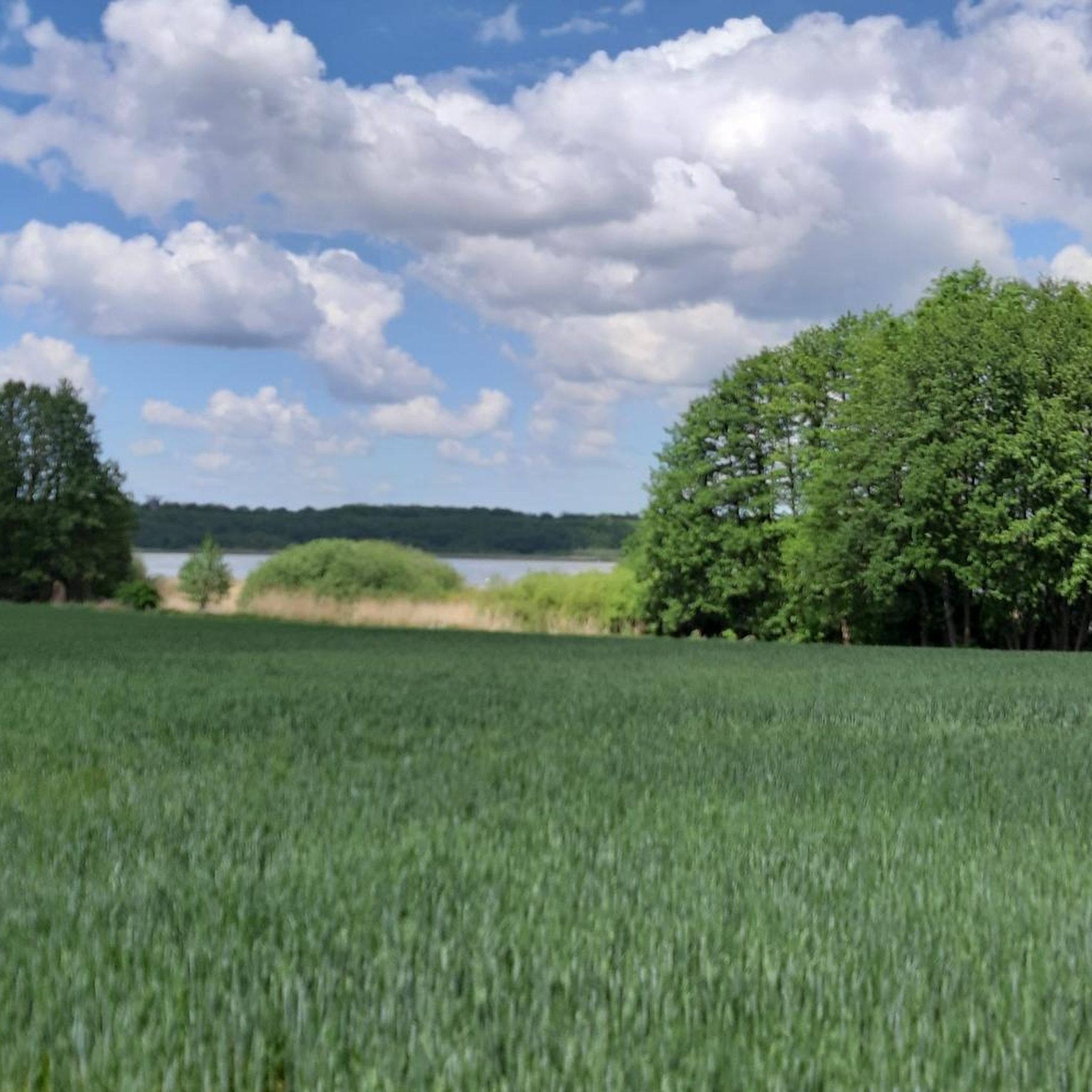
It is assumed that the three castles on Lake Kastorf represented the political and cultural center of the Tollenser people.
0
0
The Wildberg Castle Wall is located in the municipality of Wildberg on the eastern shore of Lake Kastorf. It consists of a smaller main castle and two arched outer castles and was built in the 7th or 8th century. The castle complex has been repeatedly renovated and expanded over time. Together with the castle wall island on Lake Kastorf, these castles presumably form the political and cultural center of the Tollenser people.
0
0


We enter the zoo and reach the 1,000-year-old oak trees, Germany's first national monument. After a few meters we see the first animals. The small baroque pavilion is a real gem, with a special exhibition on hunting inside. When we leave again, we are greeted by fallow deer. We are really impressed by the animals running around freely, with information boards to read. We explore the grounds and find the crispy ponds, 700 to 800 years old. Looking around us, the forest as a whole is impressive. We are standing in the middle of a pasture forest, a forest pasture that was used by the Slavs for livestock 1,000 years ago. The forest is the result of this long use. The Turopolje pigs are not showing themselves today. https://youtu.be/OTc4Ax3iIn8
0
0

Ivenacker EICHEN - English oaks: the oldest over 1000 years old, measures approx. 3.50m trunk diameter, 32m height and 12m trunk circumference - also possible to take an adventure tour on the treetop path and have a picnic with fallow deer
1
0
Ivenacker OAKS - the oldest is over 1000 years old, measures approx. 3.50m in diameter, 12m trunk circumference and 32m in height
1
0

The 1,000-year-old Ivenacker oaks are part of the Ivenacker zoo. They are the cultural and natural history highlight of the area. The Ivenacker zoo is located in the landscape conservation area of the same name. The area lies 40 to 50 meters above sea level in the gently undulating ground moraine and was geologically shaped by the Pomeranian stage of the Vistula glaciation. Fallow deer have been kept in Ivenack since the 17th century. Around 100 animals live on 70 hectares. Because deer and visitors are in the same enclosure, the impression of the wild is largely preserved. The area is also home to four wild horses. https://www.auf-nach-mv.de/reiseziele/a-nationales-naturmonument-ivenacker-eichen
2
0
The Ivenacker Tiergarten includes the 1,000-year-old Ivenacker oak trees. They are the cultural and natural historical highlight of the area. As the first national natural monument, the Ivenack oaks are a cultural and natural historical specialty. They are among the oldest trees in Germany and have a special symbolic power. The Ivenack oaks, which are probably around 1,000 years old, are witnesses to the land use of the Hude (Hüte) Forest that was widespread in the Middle Ages. Over the centuries, cattle were driven into the surrounding forests to graze. By eating away growth, some trees were able to develop particularly well. In the Hudewald area of 164 hectares you can find around 240 strong trees, predominantly oaks. The strongest oak has a diameter of 3.49 m, a height of 35.5 m and a wood volume of approx. 180 m². This makes it the strongest and oldest live oak in Germany and probably also in Central Europe. https://www.auf-nach-mv.de/reiseziel/a-nationales-naturmonument-ivenacker-eichen
2
0
Frequently Asked Questions
What are the most significant natural monuments to visit near Stavenhagen?
The most significant natural monument is undoubtedly the Ivenack Oaks, home to some of Germany's oldest trees, estimated to be around 1,000 years old. This site also features the Thousand-Year-Old Oak of Ivenack and the Ivenack Oaks Treetop Walk, offering unique perspectives of the ancient forest.
Are there family-friendly activities at the natural monuments around Stavenhagen?
Yes, the Ivenack Oaks area is very family-friendly. Besides exploring the ancient trees, you can visit the Ivenack Deer Park, where fallow deer roam freely, and see the Turopolje Pigs in Ivenacker Tiergarten. The Ivenack Oaks Treetop Walk is also designed for all ages, with an interactive exhibition and an elevator to the observation tower.
What kind of wildlife can I expect to see at the Ivenack Oaks?
At the Ivenack Deer Park, which encompasses the ancient oaks, you can observe approximately 100 fallow deer roaming freely across 70 hectares. The park also houses four wild horses, offering a wild and natural impression for visitors.
Are there hiking trails near the natural monuments around Stavenhagen?
Yes, there are several hiking opportunities. For instance, you can find routes like the 'Thousand-Year-Old Oak of Ivenack – Ivenack Oaks loop from Reuterstadt Stavenhagen' which is a moderate 14.6 km hike. You can explore more options on the Hiking around Stavenhagen guide.
Is the Ivenack Oaks Treetop Walk accessible for wheelchairs or strollers?
Yes, the Ivenack Oaks Treetop Walk is designed to be accessible. It is a 620-meter-long path with an elevator to the 40-meter-high observation tower, making it suitable for wheelchairs and strollers.
What is the best time of year to visit the natural monuments near Stavenhagen?
The Ivenack Oaks are impressive year-round. Spring offers lush greenery and awakening wildlife, while autumn provides stunning foliage colors. Summer is ideal for longer walks and enjoying the treetop path. Even in winter, the ancient oaks offer a unique, serene atmosphere.
Are there any historical sites combined with natural monuments in the region?
Yes, the Slavic hillfort at Kastorfer Lake is a notable example. This site combines a historical hillfort, dating back to the 7th century, with the natural beauty of Kastorfer Lake, offering both cultural and natural exploration.
Where can I find parking when visiting the Ivenack Oaks?
The Ivenack Oaks National Natural Monument has designated parking facilities for visitors. It's advisable to check the official website for current parking information and any potential fees before your visit. You can find more details on the regional tourism site: visit-mv.com.
Are dogs allowed at the natural monuments?
Regulations for dogs can vary. While many natural areas are dog-friendly, specific rules may apply, especially in protected areas like the Ivenack Deer Park or on the Treetop Walk. It's best to check local signage or the official website of the specific natural monument for their current dog policies.
How long should I plan for a visit to the Ivenack Oaks?
To fully experience the Ivenack Oaks, including the Treetop Walk, the deer park, and the interactive exhibition, you should plan for at least 2-3 hours. If you wish to combine it with a longer hike, you might spend half a day or more.
Are there cafes or restaurants near the Ivenack Oaks?
Yes, there are facilities near the Ivenack Oaks National Natural Monument that offer refreshments and dining options. These typically include cafes or restaurants catering to visitors. For specific current options, it's recommended to check local listings or the official Ivenack Oaks website.
What makes the Ivenack Oaks so historically significant?
The Ivenack Oaks are not only ancient but also serve as living testaments to the historical land use of 'Hude' (herding) forests from the Middle Ages, where cattle grazed among the trees. They are recognized as a special cultural and natural historical feature and were named 'Forest of the Year' in 2020.
Most popular routes around Stavenhagen
Most popular attractions around Stavenhagen

Get inspired with the komoot mobile app


Explore more
Extend your search for the best caves by checking out these guides of the top ones around Stavenhagen:
