Top 6 Natural Monuments around Bentzin
Natural monuments around Bentzin are situated in Mecklenburg-Vorpommern, a region known for its diverse natural features including coastal landscapes, lagoons, and the Peenestrom. The area offers a variety of geological formations and natural attractions, providing opportunities for outdoor exploration. These sites showcase the local flora and unique landforms shaped by glacial activity. Visitors can experience the natural beauty of the region through these designated monuments.
Best natural monuments around Bentzin
- The most popular natural monuments is Viewpoint over the Peene…
Last updated: October 11, 2026
Behrenhoff Landscape Park
Highlight • Natural Monument
Translated by Google •
Tip by

Behrenhoff Manor Ruins
Highlight • Historical Site
Translated by Google •
Tip by
Sign up now to discover places like this
Get recommendations on the best single tracks, peaks, & plenty of other exciting outdoor places.
Glacial os at the Schwinge
Highlight • Natural Monument
Translated by Google •
Tip by

Viewpoint over the Peene River and Peenetal Nature Park
Highlight • Viewpoint
Translated by Google •
Tip by

Natural monument Os near Dersekow
Highlight • Natural Monument
Translated by Google •
Tip by

Sign up for free to discover even more natural monuments around Bentzin.
Already have an account?
Start today with a free account
Your next adventure awaits.
Tips from the Community

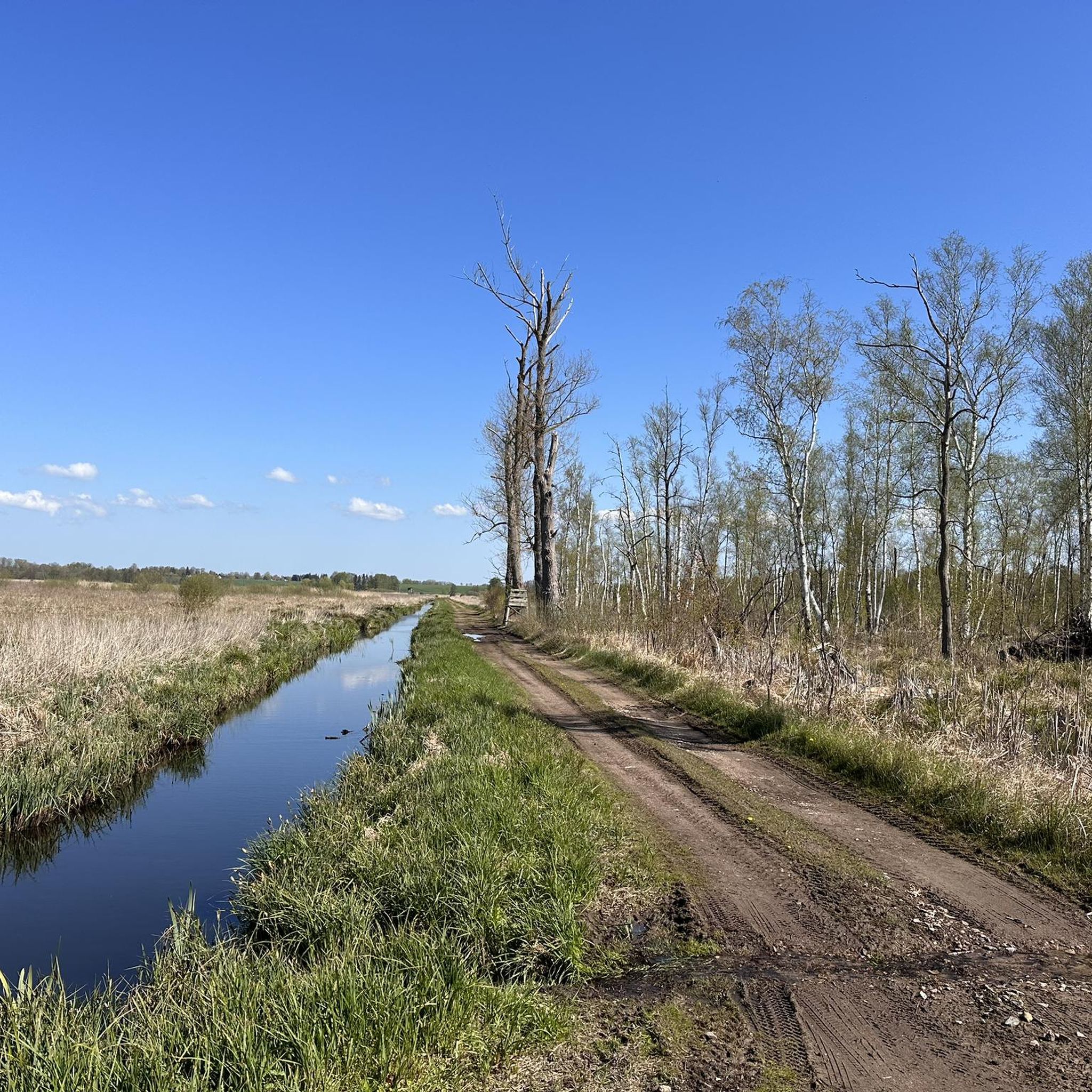
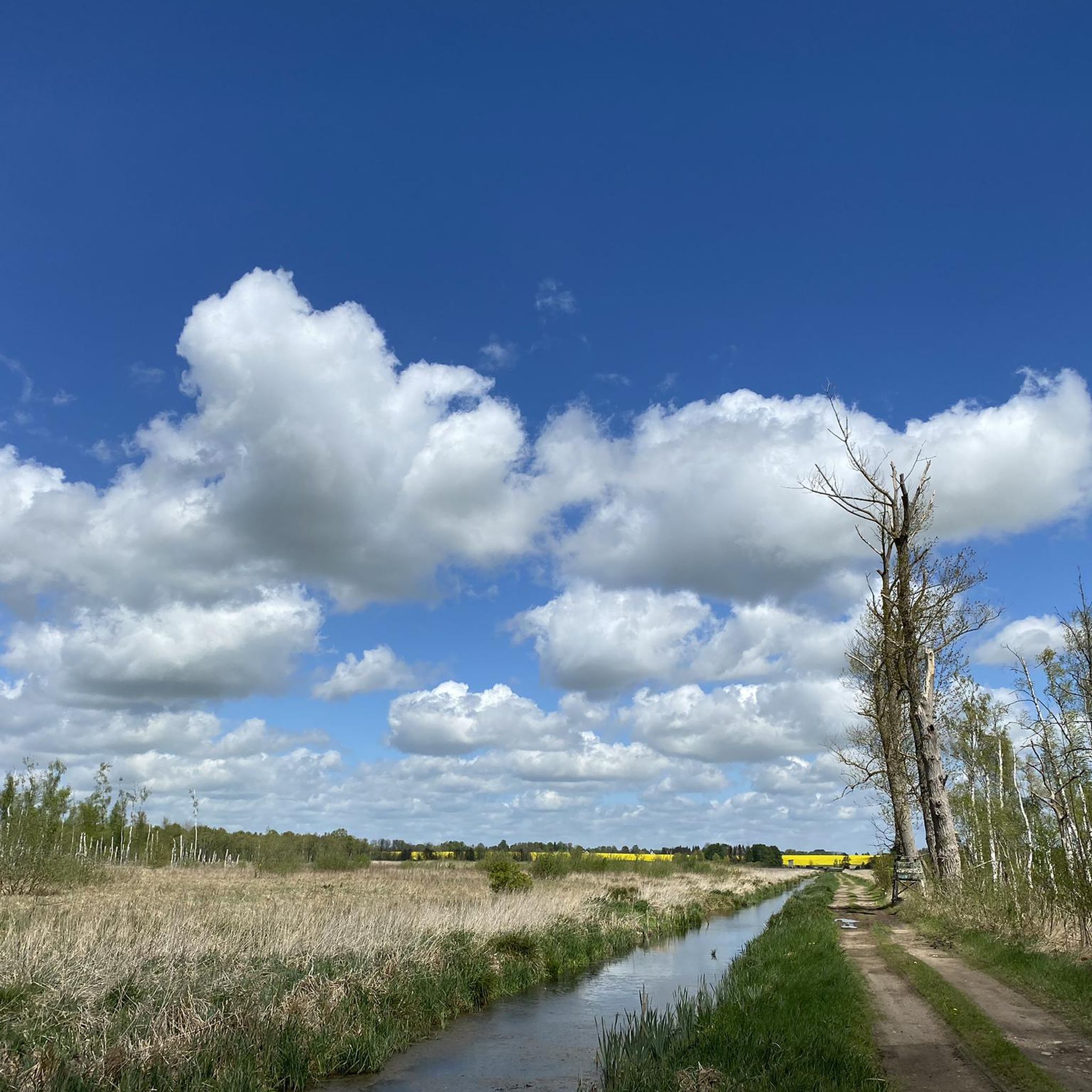
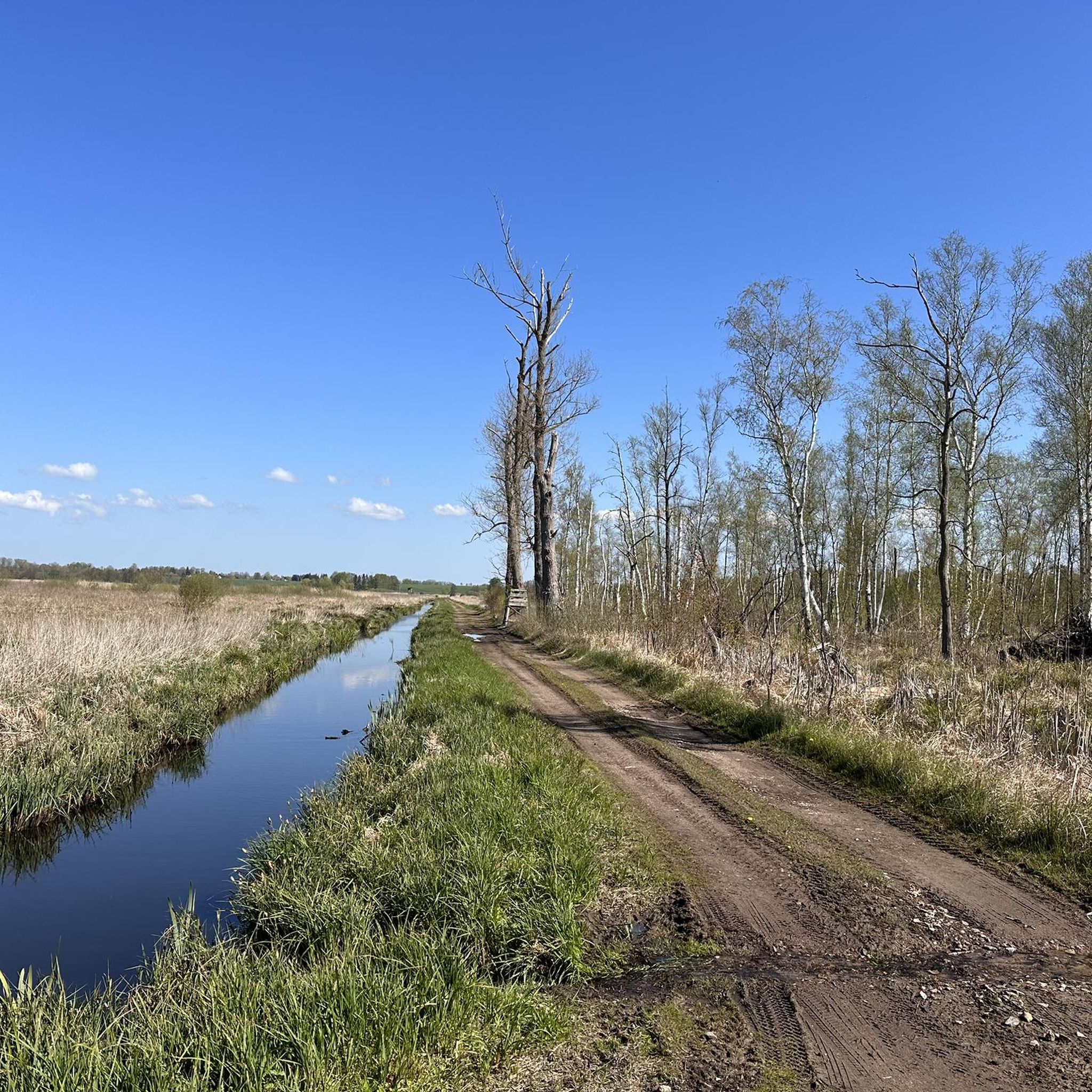
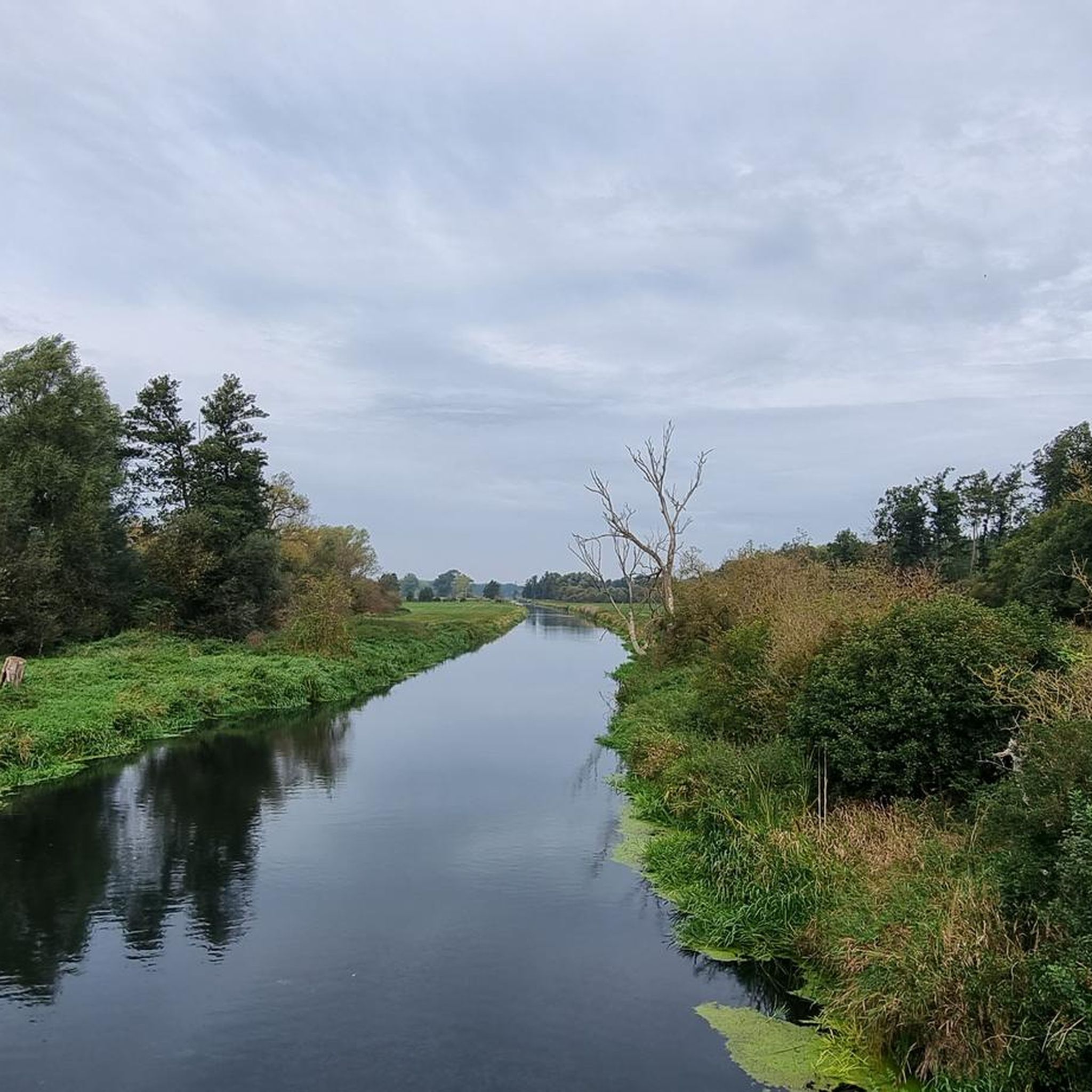
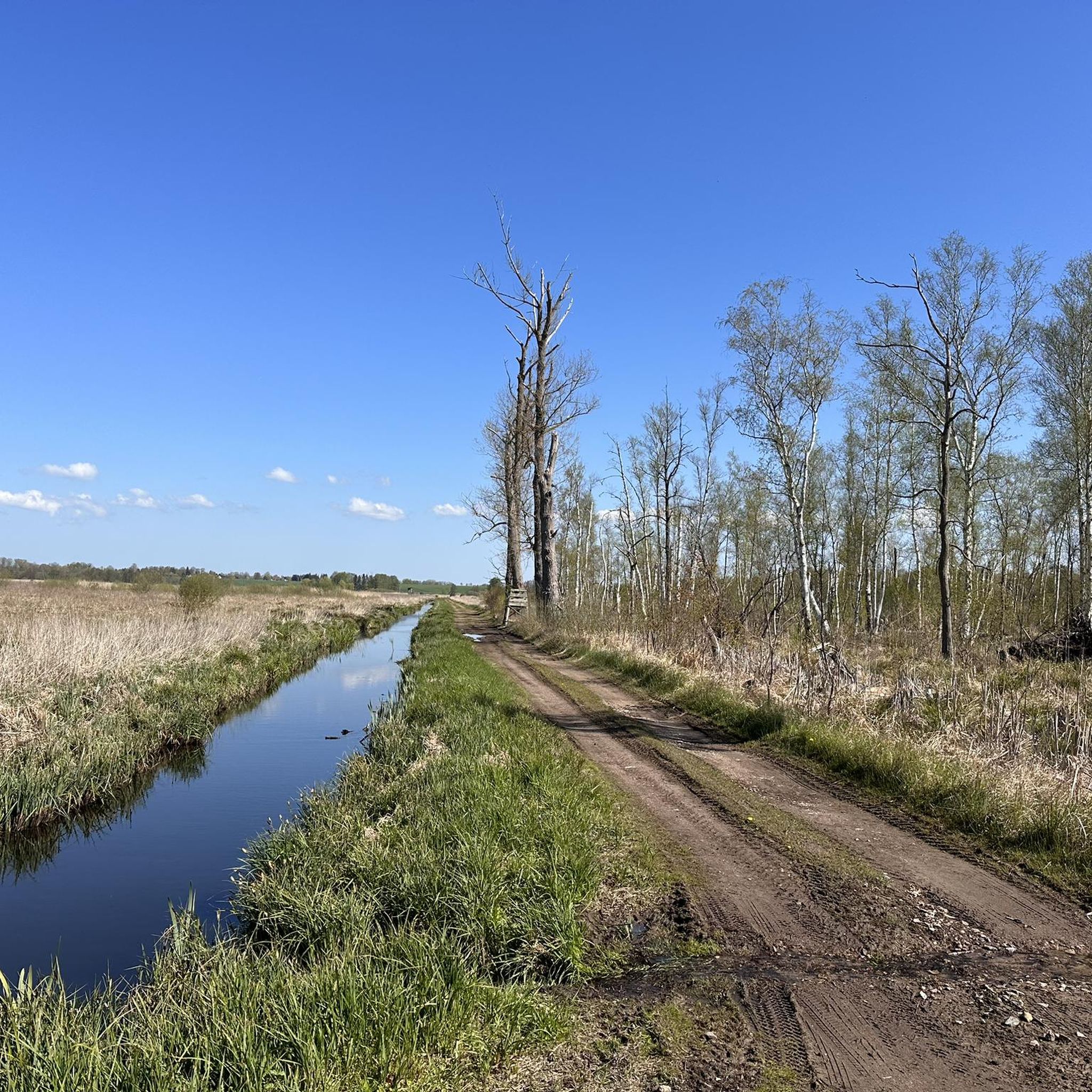
A great vantage point overlooking the Randow loop of the Peene.
0
0

You get a good overview of the Peenetal River Landscape Nature Park, and the information boards provide a lot of information about the Peenetal nature reserve as well as the migration area and breeding behavior of the birds.
0
0

An Os (Ås, Äsar, Esker) or Wallberg is a wall-like, often curved elevation made of sand and gravel that was created in the Quaternary Ice Age (“Ice Age”). The typical narrow, elongated shape of the Oser was formed by glaciers and the meltwater flowing from them. This embankment-shaped landform made of meltwater sediments, the length of which usually extends to a few dozen, rarely several hundred kilometers, is an element of the ground moraine landscape. (Source: https://de.wikipedia.org/wiki/Os_(Landschaft)) This Os chain or Os train runs south parallel to the Schwinge valley. In its western part, the Oszug has two arms (northern and southern Osarm) over which the paths lead. In the middle part there is a natural monument measuring around 4 hectares with old beech trees. The Oszug is characterized in this area by many boulders.
0
0
Behrenhoff was called Busdorf until 1804 and had belonged to the von Behr family since the 14th century. On behalf of Carl Felix Georg von Behr, a two-story, late classicist manor house was built in the 1830s to replace the previous baroque manor house. The architect was possibly Friedrich Hitzig. His widow Louise Wilhelmine Gustava von Heyden had a landscape park created in the 1840s based on the plan of Peter Joseph Lenné.[2] Mechthild Countess von Behr, the last noble owner, was granted lifelong usufruct after her husband's death. She was against the National Socialists. Approached by Albrecht Schönherr, from 1936/1937 it offered accommodation on the estate for Confessing Church events. Bible studies and lectures took place during the so-called free periods. In addition to Schönherr, Eberhard Bethge, Günter Jacob, Volkmar Herntrich and Ernst Lohmeyer, among others, gave lectures. It is unclear whether Dietrich Bonhoeffer actually took part in events in Behrenhoff, as stated several times. On May 8, 1945, the mansion burned down. The ruins were later dismantled to produce building materials for new farms. https://de.wikipedia.org/wiki/Landschaftspark_Behrenhoff#Schloss_Behrenhoff
0
0
Landscape park with old trees and an eventful history. https://de.wikipedia.org/wiki/Landschaftspark_Behrenhoff#Schloss_Behrenhoff The landscape park is around ten hectares in size, the swan pond (former peat pond) in the southern part is three hectares. It extends from the northern edge of the village, where the old farm buildings of the former estate are still located, in a southwesterly direction. It is divided in two by the village street. The area is separated from the street and the historic estate village by a wall, which also includes the cemetery with the Behrenhoffer Church. The entrance to the northern part is dominated by the striking Bärentor, built around 1900. The two plastered pillars have coupled double half-columns at the front and back. They are crowned by bears with heraldic shields. The bear on the left holds the coat of arms of the von Heyden family, the one on the right that of the von Behr family. The park's rich dendrological stock includes a leatherbush tree, two copper beeches, a tulip tree, a red oak with a witch's broom, a multi-stemmed sweet chestnut and a multi-stemmed silver linden tree. There are also several lily magnolias and rhododendrons in the complex. In spring, larger populations of Märzenbecher characterize the park.
0
0

The landscape park, which is now a listed building, was laid out between 1840 and 1860 according to plans by the well-known landscape architect Peter Joseph Lenné for the wife of Carl Felix Georg von Behr. The manor house once owned by the von Behr family of landowners was burned down in the final days of the war in 1945.
0
0

Great viewpoint of the Peene and the great landscape.
4
0

Great viewpoint over the Peene
1
0
Frequently Asked Questions
What unique natural features can I explore around Bentzin?
The region around Bentzin is characterized by diverse natural features shaped by glacial activity. You can explore significant geological formations like the Glacial os at the Schwinge and the Natural monument Os near Dersekow, which are wall-like elevations formed by meltwater during the Ice Age. Additionally, the area features coastal landscapes, lagoons, and the Peenestrom river, offering varied natural beauty.
Are there family-friendly natural monuments to visit near Bentzin?
Yes, several natural monuments around Bentzin are suitable for families. The Behrenhoff Landscape Park is a great option, featuring old trees and open spaces for exploration. The Viewpoint over the Peene River and Peenetal Nature Park also offers an accessible spot with wonderful views that families can enjoy together.
What are some lesser-known natural attractions or 'hidden gems' in the Bentzin area?
Beyond the main highlights, the region offers several charming natural spots. The White Cliffs of Weißer Berg near Sauzin on the Gnitz peninsula provide impressive vistas over the Achterwasser. Cämmerer Lake, also near Sauzin, is a tranquil spot perfect for relaxation and enjoying nature. While further afield, the Ivenack Oaks, a National Natural Monument with 1,000-year-old trees, is a significant natural and historical highlight in Mecklenburg-Vorpommern.
What kind of historical significance do the natural monuments around Bentzin hold?
Many natural monuments in the region are intertwined with local history. For example, the Behrenhoff Landscape Park, laid out between 1840 and 1860, has a rich history tied to the von Behr family and features a dendrological stock including unique tree species. The nearby Behrenhoff Manor Ruins also tell a story of the area's past, with the park being part of a listed landscape.
What outdoor activities can I do near the natural monuments?
The area around Bentzin offers various outdoor activities. You can find numerous routes for hiking, including easy loops like the Jarmen Gravel Pit Lake loop. For cyclists, there are road cycling routes such as the Country Road to Groß Kiesow. If you enjoy running, explore running trails like the St. Mary's Church Loitz loop.
Are there opportunities for wildlife spotting near these natural sites?
Yes, the natural landscapes around Bentzin, particularly areas like the Peenetal Nature Park and the tranquil Cämmerer Lake, provide excellent opportunities for wildlife observation. The diverse ecosystems, including riverine and coastal habitats, support various bird species and other local fauna. Keep an eye out for birds along the Peene River and in the forested areas of the glacial os formations.
What is the best season to visit the natural monuments around Bentzin?
The best season to visit largely depends on your preferred activities. Spring brings blooming flora, especially in places like Behrenhoff Landscape Park with its magnolias and rhododendrons. Summer is ideal for enjoying the viewpoints and outdoor activities. Autumn offers beautiful foliage, particularly around the old trees of the parks and avenues. Even winter can be picturesque for quiet walks, though some paths might be less accessible.
Are there accessible routes or paths for visitors with limited mobility?
While specific accessibility information for all natural monuments is limited, many viewpoints and well-maintained park paths, such as those in the Behrenhoff Landscape Park, may offer easier access. For detailed information on specific routes, it's advisable to check local guides or contact the regional tourism office.
Can I bring my dog to the natural monuments?
Generally, dogs are welcome on leashes in most public natural areas and parks around Bentzin, including many natural monuments. However, specific rules may apply in designated nature reserves or protected areas. It's always best to keep your dog on a leash and clean up after them to preserve the natural environment for everyone.
Where can I find parking when visiting the natural monuments?
Many natural monuments and popular viewpoints, such as the Behrenhoff Landscape Park, typically have designated parking areas nearby. For more remote sites or trailheads, parking might be available in nearby villages or small pull-offs. It's recommended to check specific location details before your visit for the most accurate parking information.
Are there any impressive tree formations or ancient forests to see?
Absolutely. The Behrenhoff Landscape Park is renowned for its rich dendrological stock, including copper beeches, a tulip tree, and a multi-stemmed silver linden tree. Further afield, the Ivenack Oaks are a spectacular National Natural Monument featuring 1,000-year-old trees, offering a glimpse into ancient forest ecosystems. The Linden Avenue on Usedom also presents an impressive natural corridor of old trees.
What kind of views can I expect from the viewpoints around Bentzin?
The viewpoints around Bentzin offer diverse and scenic vistas. The Viewpoint over the Peene River and Peenetal Nature Park provides expansive views of the Peene River and its polder meadows. The White Cliffs of Weißer Berg near Sauzin offer impressive panoramas over the Achterwasser, showcasing the region's coastal beauty and lagoons.
Most popular attractions around Bentzin

Get inspired with the komoot mobile app


Explore more
Extend your search for the best caves by checking out these guides of the top ones around Bentzin:
