Top 12 Natural Monuments around Priborn
Best natural monuments around Priborn are found within Germany's Mecklenburg Lake District, a region characterized by landscapes shaped by the last ice age. The area features expansive forests, marshlands, and numerous lakes, including parts of the Müritz National Park. Priborn serves as a base for exploring these natural attractions, which offer diverse ecological value and recreational opportunities. The region's natural sites provide insights into wilderness conservation and unique geological formations.
Best natural monuments around Priborn
- The most popular natural monuments…
Last updated: October 11, 2026
Polder Kieve
Highlight • Natural
Translated by Google •
Tip by

View of Großer Schwerin and the Steinhorn
Highlight • Viewpoint
Translated by Google •
Tip by

Sign up now to discover places like this
Get recommendations on the best single tracks, peaks, & plenty of other exciting outdoor places.
Glacial Erratic Garden Schwarz
Highlight • Natural Monument
Translated by Google •
Tip by

Mönchsee Observation Tower
Highlight • Viewpoint
Translated by Google •
Tip by

Ancient Beech Tree
Highlight • Natural Monument
Translated by Google •
Tip by

Sign up for free to discover even more natural monuments around Priborn.
Already have an account?
Start today with a free account
Your next adventure awaits.

Tips from the Community

Information boards: excellent. Very well-maintained area. Especially important: the stones here are still free of lichen growth. This allows the geological details to be easily identified.
0
0

From the bike path, it's just a few steps to the ancient beech, a mighty giant that's probably over 100 years old. The beech tree no longer has any leaves. Unfortunately, there's no information about the tree other than the sign.
1
0

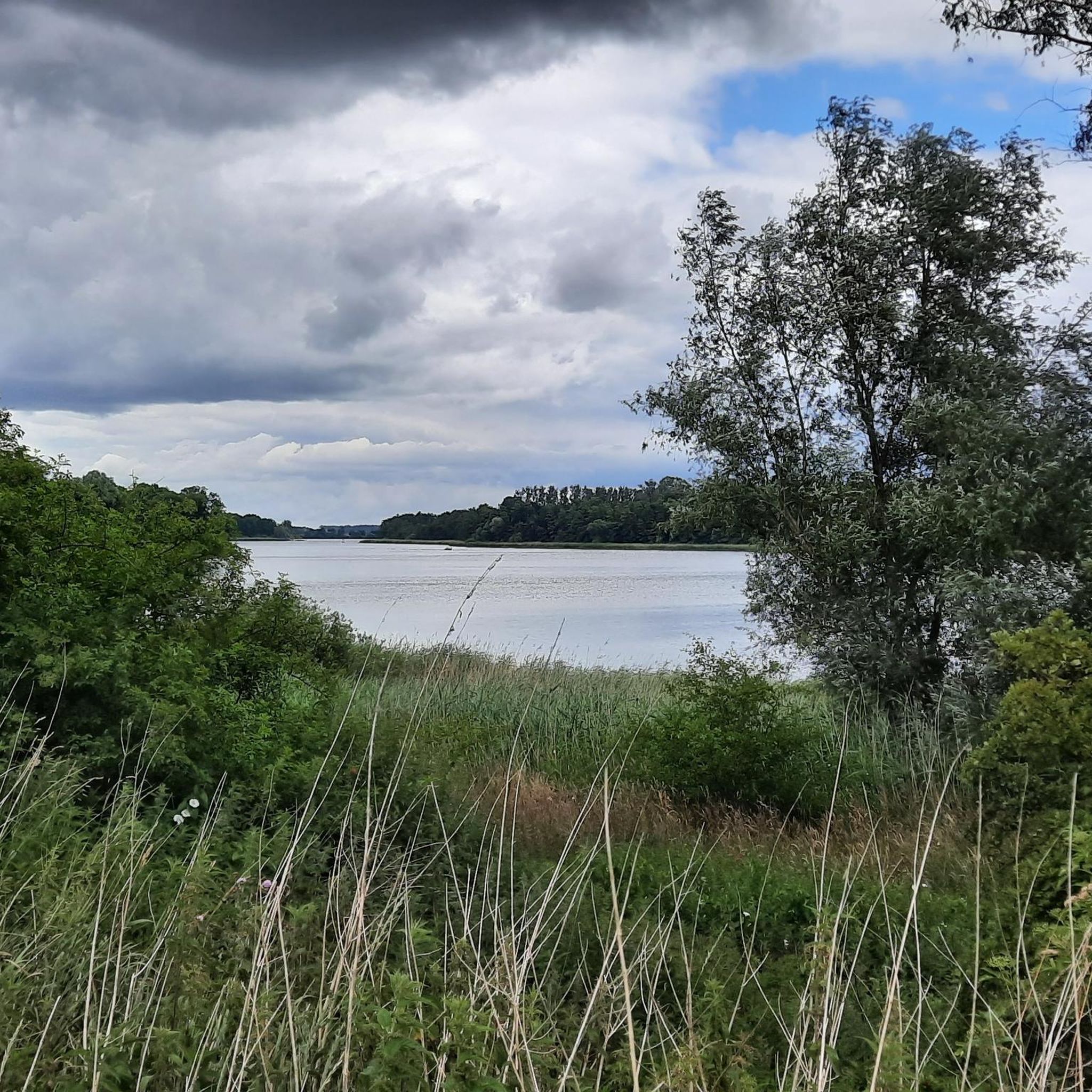
The Kieve Polder is a successful example of modern peatland restoration and active climate protection. The approximately 65-hectare area was intensively used for agriculture until 2012 and was severely affected by drainage. As part of an ambitious project, it was rewetted to restore the natural water balance and halt the decomposition of the peat – a crucial step towards reducing CO₂ emissions. At the same time, the area developed into a diverse habitat: bog plants returned, rare animal species found new habitats, and biodiversity visibly increased. The project was the first of its kind in the world to be financed through MoorFutures certificates, an innovative concept for the voluntary promotion of climate protection measures. Today, the Kieve Polder represents not only ecological regeneration but also a forward-looking interplay of nature conservation, sustainability, and regional responsibility.
0
0
The Kieve Polder is a restored moorland that was rewetted as part of a large-scale climate protection project. The approximately 65-hectare area was previously heavily drained and used for agriculture. When the project began in 2012, the water level was deliberately raised to slow peat decomposition and thereby reduce CO₂ emissions. At the same time, ecological diversity was promoted, as the rewetting led to the return of typical moorland plants and animal species. The project was the first of its kind worldwide to be financed through MoorFutures certificates – an innovative method for supporting voluntary climate protection measures. Today, the Kieve Polder not only contributes to climate protection but also provides a valuable habitat for numerous bird species and is an example of successful moorland restoration.
0
0

very nice view of the Müritz
2
0


Nice view. with a bit of luck you can see sea eagles here
1
0

one of the most beautiful passages on the Müritz cycle path
1
0
Frequently Asked Questions
What are the most notable natural attractions near Priborn?
While Priborn itself is surrounded by natural beauty rather than specific, designated 'natural monuments' directly within the town, the region's most prominent natural attractions are the vast Müritz National Park and the picturesque Lake Mirow. These areas offer diverse features for nature enthusiasts, including expansive forests, marshlands, over 100 lakes, and opportunities for birdwatching and water activities.
What kind of natural monuments can I explore around Priborn?
Around Priborn, you can explore a variety of natural features. These include restored moorlands like Polder Kieve, which is a valuable habitat for birds. There are also significant viewpoints such as the View of Großer Schwerin and the Steinhorn, known for crane gatherings, and the Mönchsee Observation Tower, offering views of a nature reserve. Additionally, you can find unique geological formations like the Glacial Erratic Garden Schwarz and ancient trees, such as the Ancient Beech Tree.
Are there family-friendly natural sites around Priborn?
Yes, several natural sites around Priborn are suitable for families. The Polder Kieve offers a chance to observe swans and wild geese. The View of Großer Schwerin and the Steinhorn is a great spot for children to witness cranes. The Glacial Erratic Garden Schwarz is an engaging place to learn about Ice Age stones and even has an ice cream parlor nearby. The Ancient Beech Tree is also a fascinating stop for all ages.
What outdoor activities can I do near these natural monuments?
The region around Priborn offers a variety of outdoor activities. You can enjoy cycling on well-developed paths around Lake Mirow or explore the extensive network of trails in Müritz National Park. For specific routes, consider cycling tours like the 'View of the Müritz and the canal – Bolter Mill loop' or 'Großer Kiever See – Polder Kieve loop'. There are also easy hikes available, such as the 'Lakeside Hotel Ichlim – Swimming spot at Lake Langhagensee loop'. You can find more details on these and other routes in the Cycling around Priborn and Easy hikes around Priborn guides.
Where can I go birdwatching near Priborn?
The region is excellent for birdwatching. Polder Kieve, a restored moorland, is a valuable habitat where you can spot swans and wild geese, especially in the evening. The View of Großer Schwerin and the Steinhorn is a notable gathering spot for cranes, offering an imposing natural spectacle. Additionally, Müritz National Park is a crucial breeding ground for rare birds like sea eagles, ospreys, and cranes, with observation towers at Rederangsee and Specker Horst.
What is the best time to visit the natural monuments around Priborn?
The best time to visit the natural monuments around Priborn largely depends on your interests. Spring and autumn are ideal for birdwatching, especially for cranes at the View of Großer Schwerin and the Steinhorn and other migratory birds. Summer is perfect for swimming and water activities at Lake Mirow, as well as cycling and hiking. The forests, including those in Müritz National Park, offer beautiful scenery year-round, with autumn providing vibrant colors.
Are there any historical or geological points of interest among the natural monuments?
Yes, the Glacial Erratic Garden Schwarz is a significant geological site, showcasing stone giants brought by the Ice Age. It's a testament to the region's glacial history and an example of local efforts to preserve these silent witnesses. While not a historical monument in the traditional sense, it offers a unique insight into the natural history of the area.
Can I find viewpoints to enjoy the landscape around Priborn?
Absolutely. The View of Großer Schwerin and the Steinhorn provides expansive views of the lake and is a popular spot for nature observation. Another excellent option is the Mönchsee Observation Tower, located in Mönchhof, which offers wonderful views of the Mönchsee nature reserve, allowing visitors to enjoy pure nature.
What makes <a href="https://www.mueritz-nationalpark.de/en/" target="_blank" rel="noopener">Müritz National Park</a> a significant natural attraction?
Müritz National Park is Germany's largest forest national park, covering 322 square kilometers. It's characterized by expansive forests, mysterious marshlands, and over 100 lakes, including parts of Lake Müritz. The park's landscape was shaped by the last ice age, and it boasts UNESCO World Heritage ancient beech forests. It's a crucial breeding ground for rare birds and offers over 600 km of marked hiking and cycling trails. Information centers provide interactive exhibitions and guided tours, enhancing the visitor experience.
What activities are available at Lake Mirow?
Lake Mirow is an ideal spot for various activities. Its clear waters are perfect for swimming in summer, and visitors can also enjoy canoeing, with rentals often available at nearby campsites. The lake is surrounded by wide fields, meadows, and forests, making it excellent for cycling on its well-developed paths. Local fisheries also offer freshly smoked fish, providing a unique culinary experience.
Are there easy hiking trails near Priborn's natural monuments?
Yes, there are several easy hiking trails in the vicinity. For example, you can explore the 'Lakeside Hotel Ichlim – Swimming spot at Lake Langhagensee loop' or the 'Old barge by the wayside – Claassee loop'. These trails offer accessible ways to experience the natural beauty of the region. More options can be found in the Easy hikes around Priborn guide.
What unique natural features can be found in the region's forests?
The forests around Priborn, particularly within Müritz National Park, are home to UNESCO World Heritage ancient beech forests, especially in the Serrahn section. These offer a glimpse into primeval European woodland. You can also find individual impressive trees, such as the Ancient Beech Tree, a mighty and gnarled giant that stands as a natural monument itself.
Most popular attractions around Priborn

Get inspired with the komoot mobile app


Explore more
Extend your search for the best caves by checking out these guides of the top ones around Priborn:
