Top 20 Natural Monuments around Mirow
Best natural monuments around Mirow are found within Germany's Mecklenburg Lake District, a region characterized by its extensive network of lakes, ancient forests, and unique ecosystems. This area offers diverse natural landscapes, including serene waters, expansive moorlands, and well-preserved natural parks. Visitors can explore a variety of outdoor activities amidst its tranquil and ecologically significant sites. The region provides opportunities for nature observation and recreation.
Best natural monuments around Mirow
- The most popular natural monuments is Käflingsberg Observation Tower,…
Last updated: October 11, 2026
Specker See Moorland
Highlight • Natural
Translated by Google •
Tip by

Translated by Google •
Tip by

Sign up now to discover places like this
Get recommendations on the best single tracks, peaks, & plenty of other exciting outdoor places.
Müritz National Park
Highlight • Natural Monument
Translated by Google •
Tip by

Käflingsberg Tower
Highlight • Viewpoint
Translated by Google •
Tip by

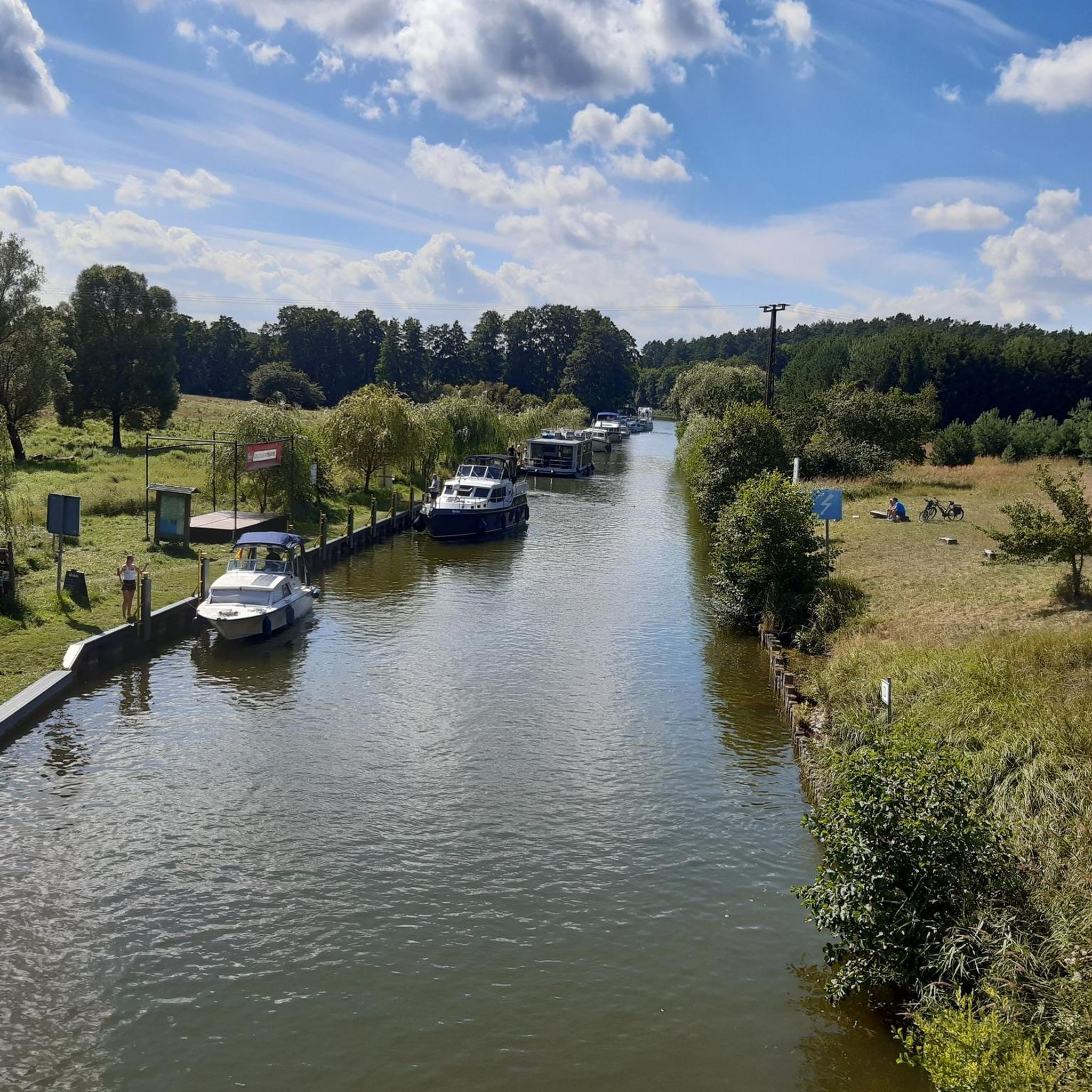
Source of the Havel
Highlight • River
Translated by Google •
Tip by

Sign up for free to discover even more natural monuments around Mirow.
Already have an account?
Start today with a free account
Your next adventure awaits.
Popular around Mirow
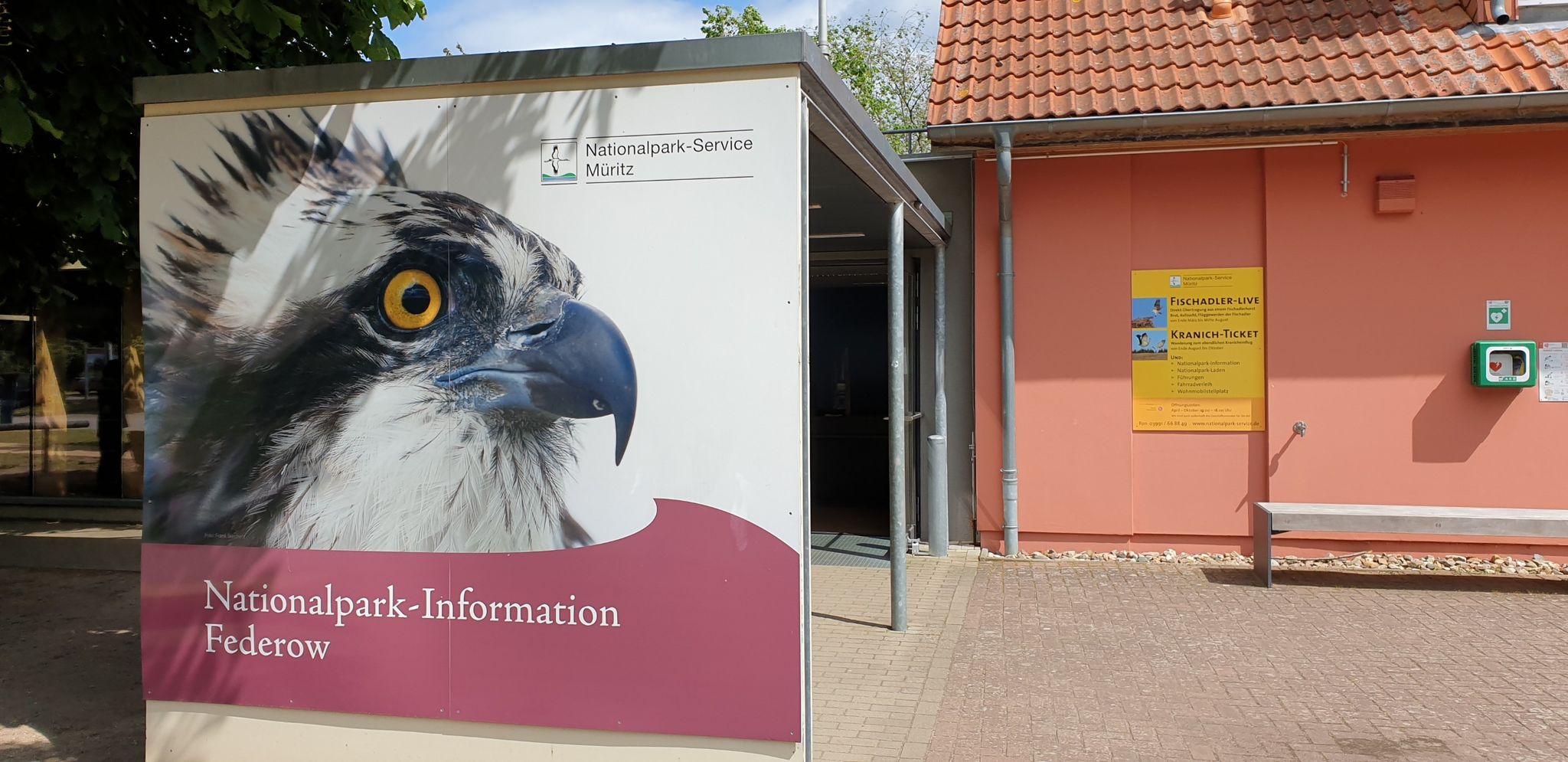
Müritz National Park Information
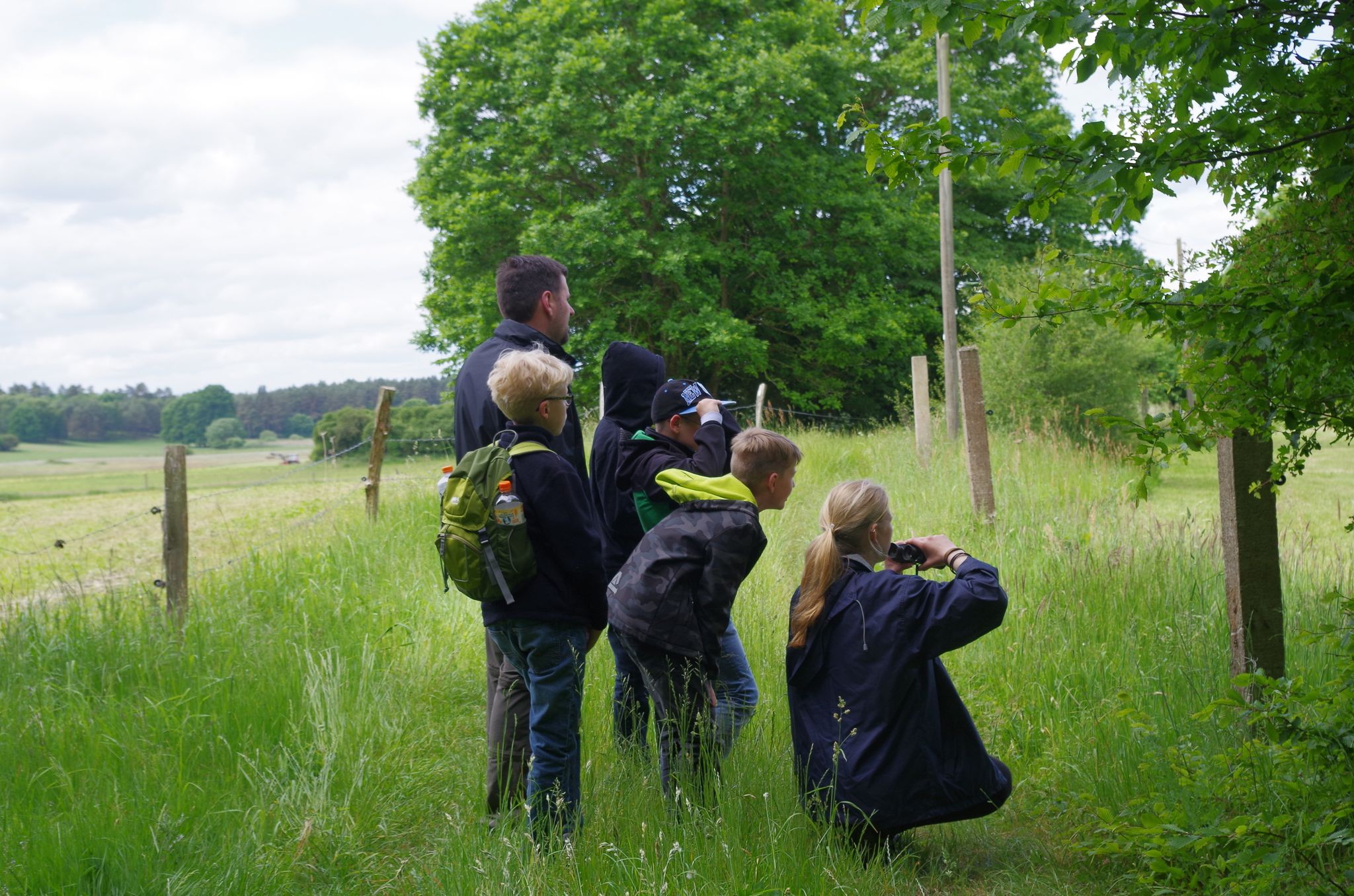
Müritz National Park – Experience trails and hiking tours for families
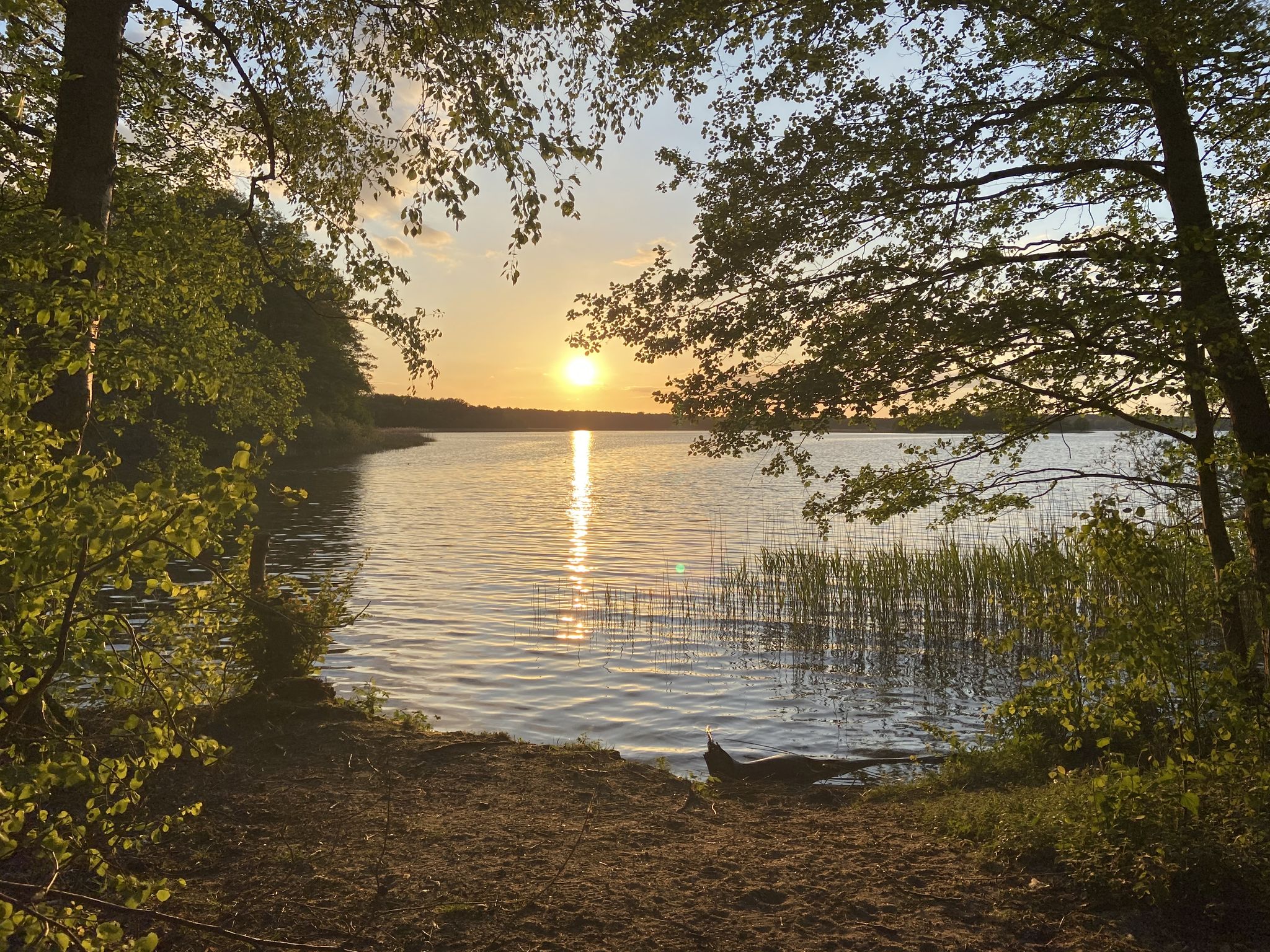
Müritz-Nationalpark – Wanderwege im Müritz-Teil
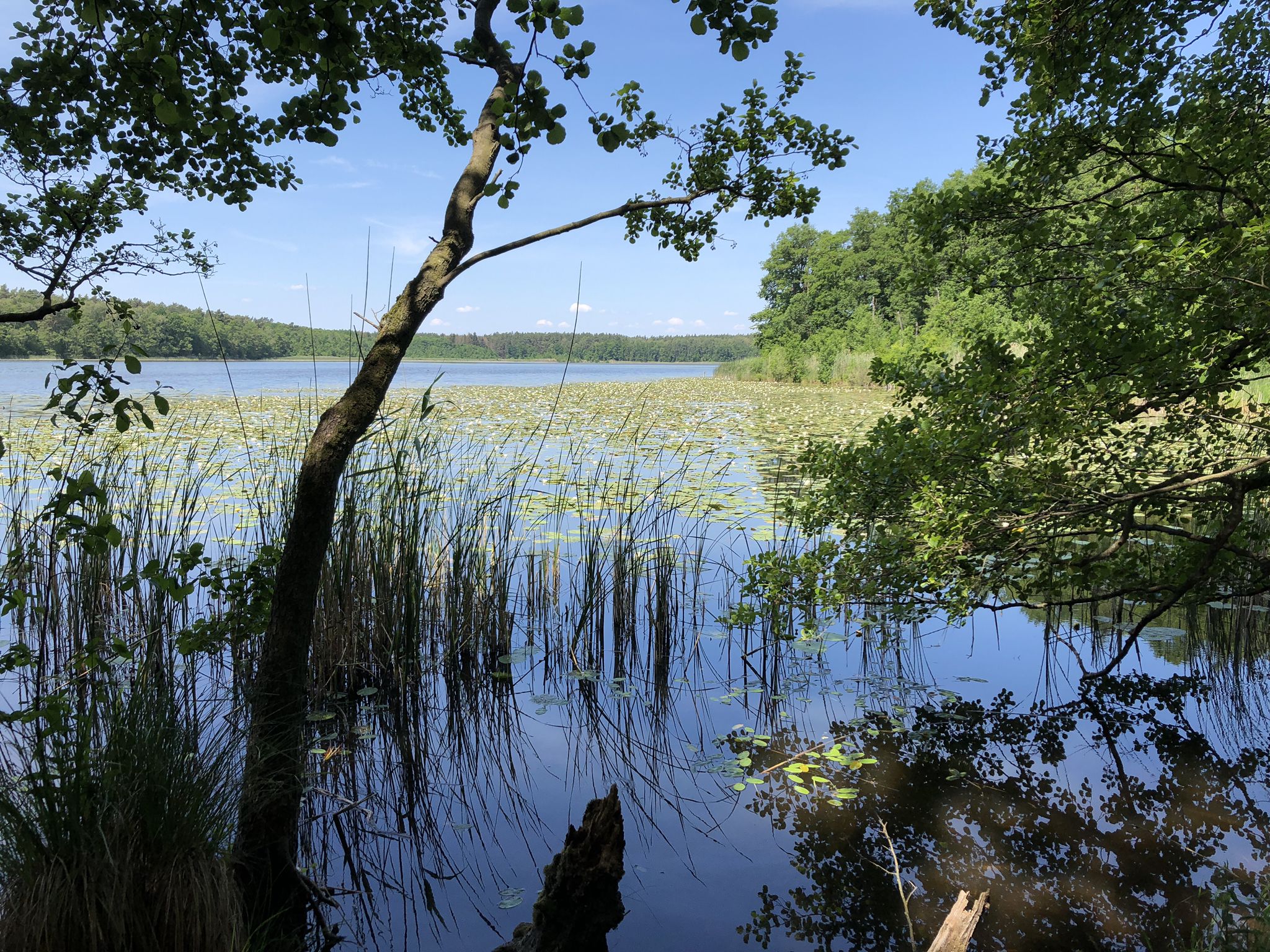
Cycling routes in Müritz National Park
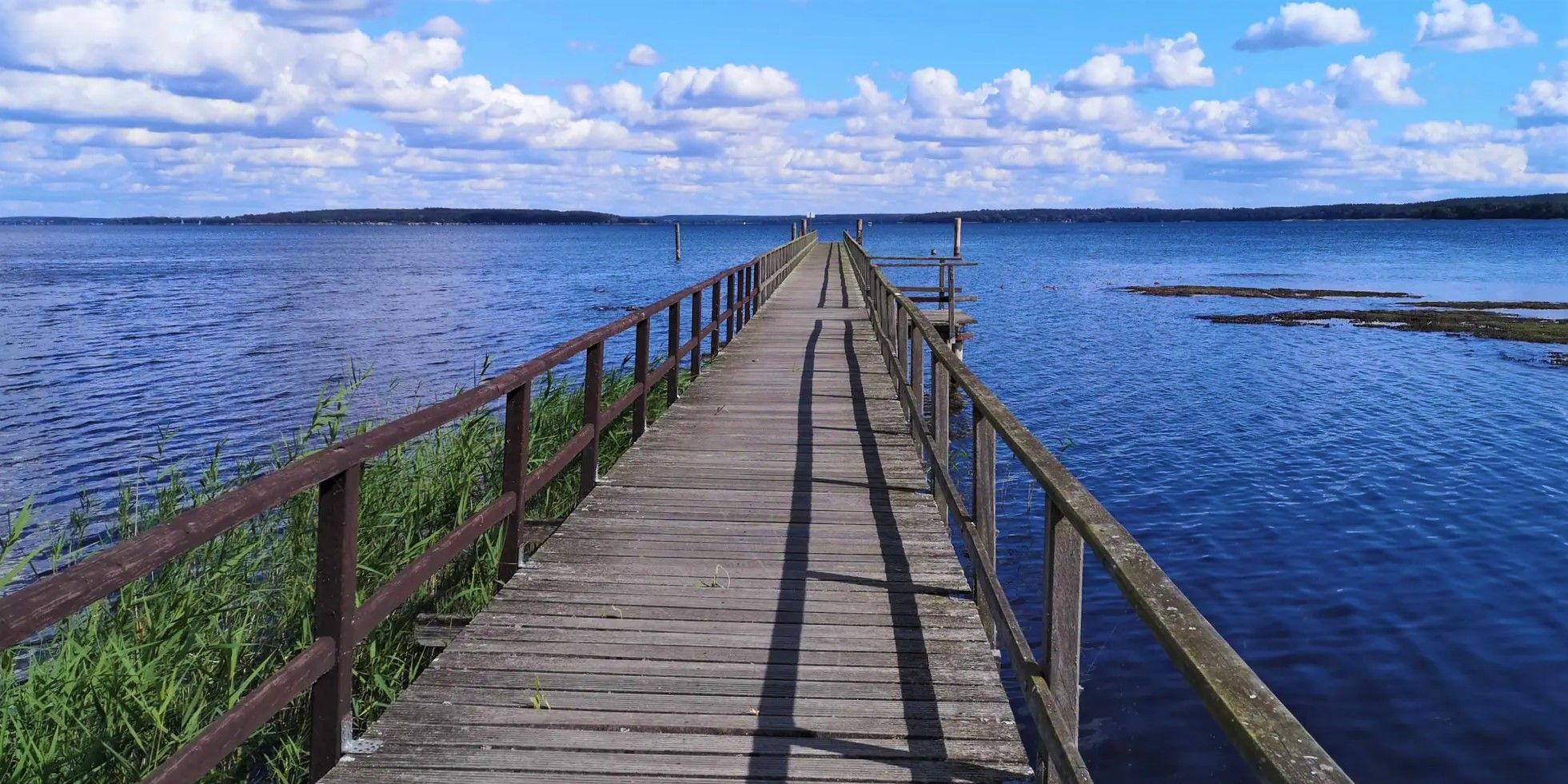
Cycling and swimming fun – Mecklenburg Lakes Cycle Route
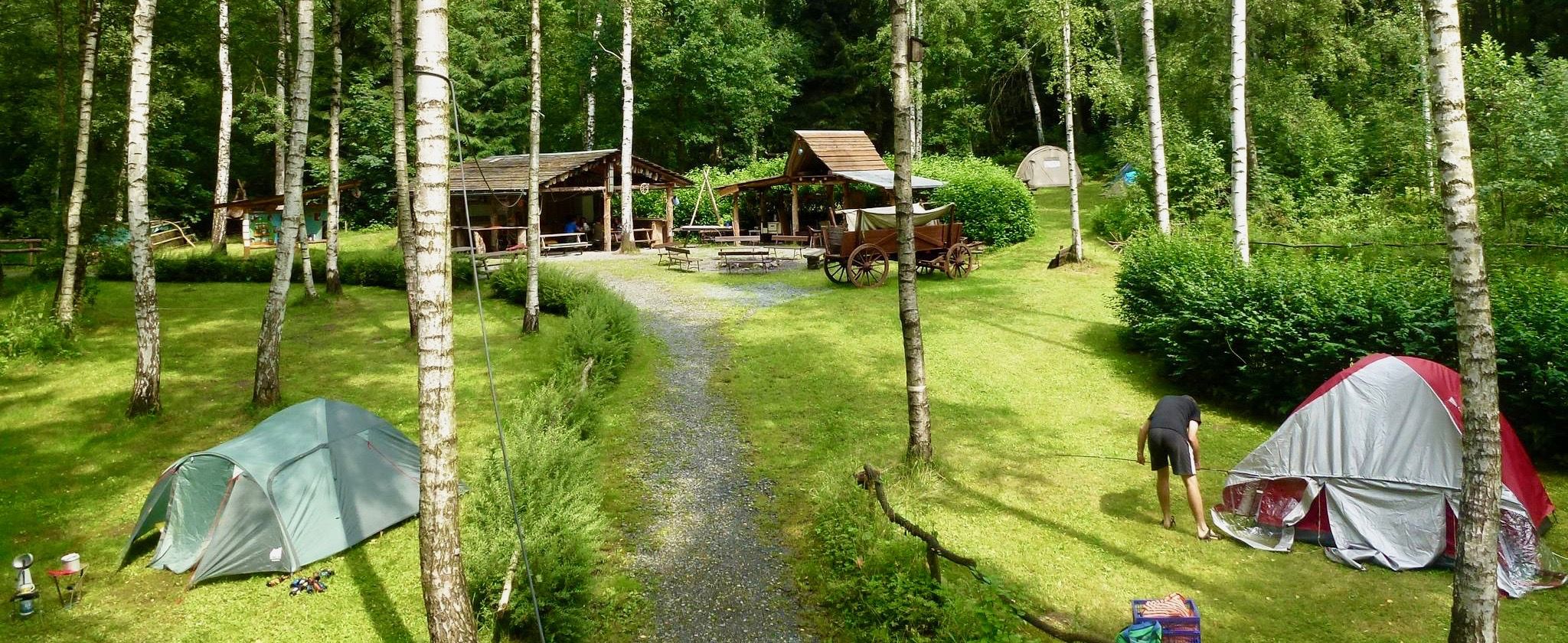
Nature campsites — 13 magical places around Germany
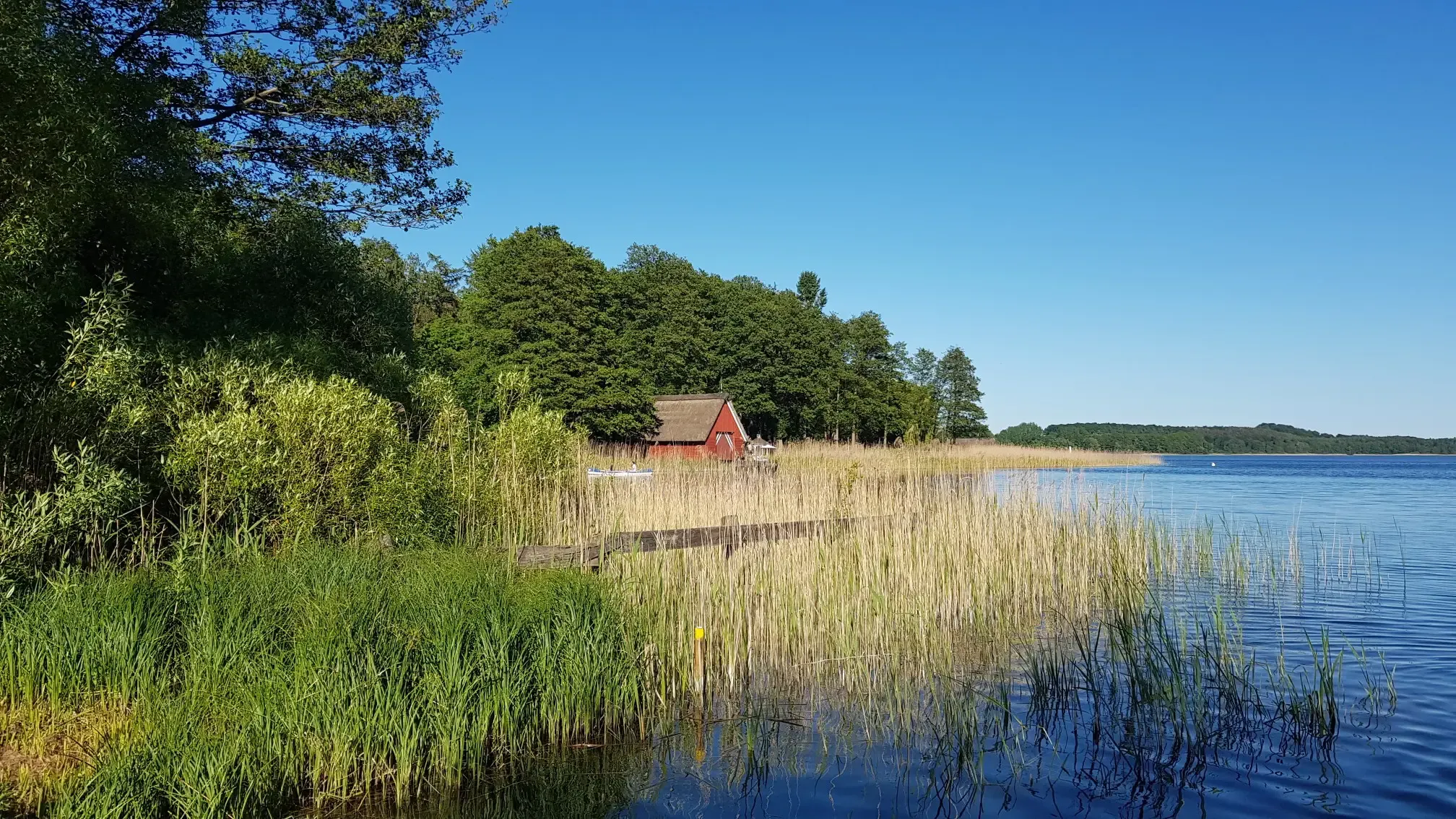
The Best Swimming Lakes In Mecklenburg-Hither Pomerania
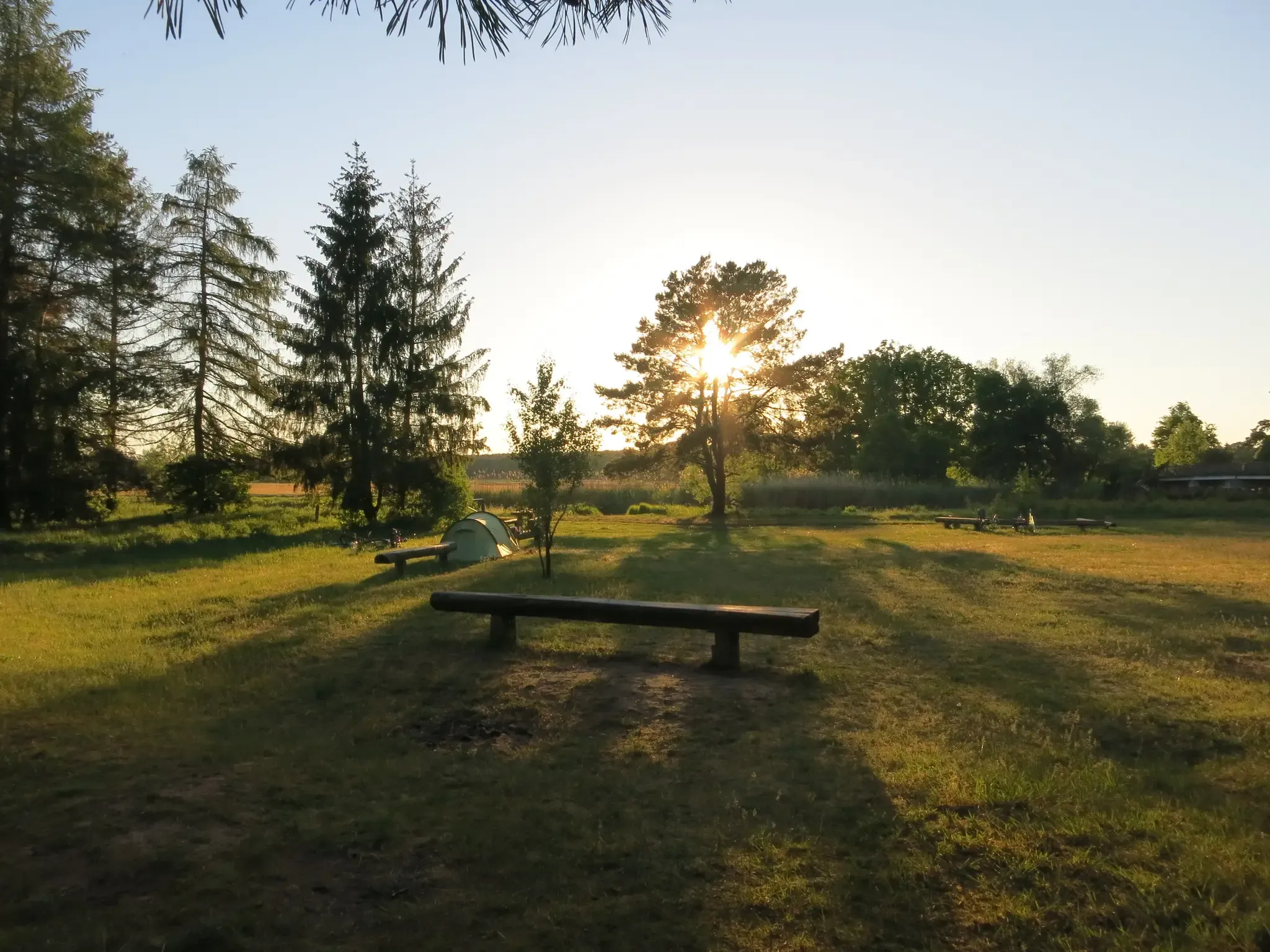
Natural campsites around Berlin
Cycling around Mirow
Hiking around Mirow
Other adventures around Mirow


Tips from the Community

Moorlands are beautiful differently in every season.
0
0

2026 and still perfect ground. More than doable with a road bike - enjoyable (just not sprintable),
0
0


A fantastic moorland area, you don't know where to stop first.
0
0

Frequently Asked Questions
What unique natural features can I explore around Mirow?
The Mirow region, part of the Mecklenburg Lake District, offers diverse natural features. You can discover the unique Specker See Moorland within Müritz National Park, a re-formed moor landscape visible from bike paths. Additionally, the symbolic Source of the Havel is a popular destination, offering insights into the river's course.
Where can I find panoramic views of the Mirow region's natural landscapes?
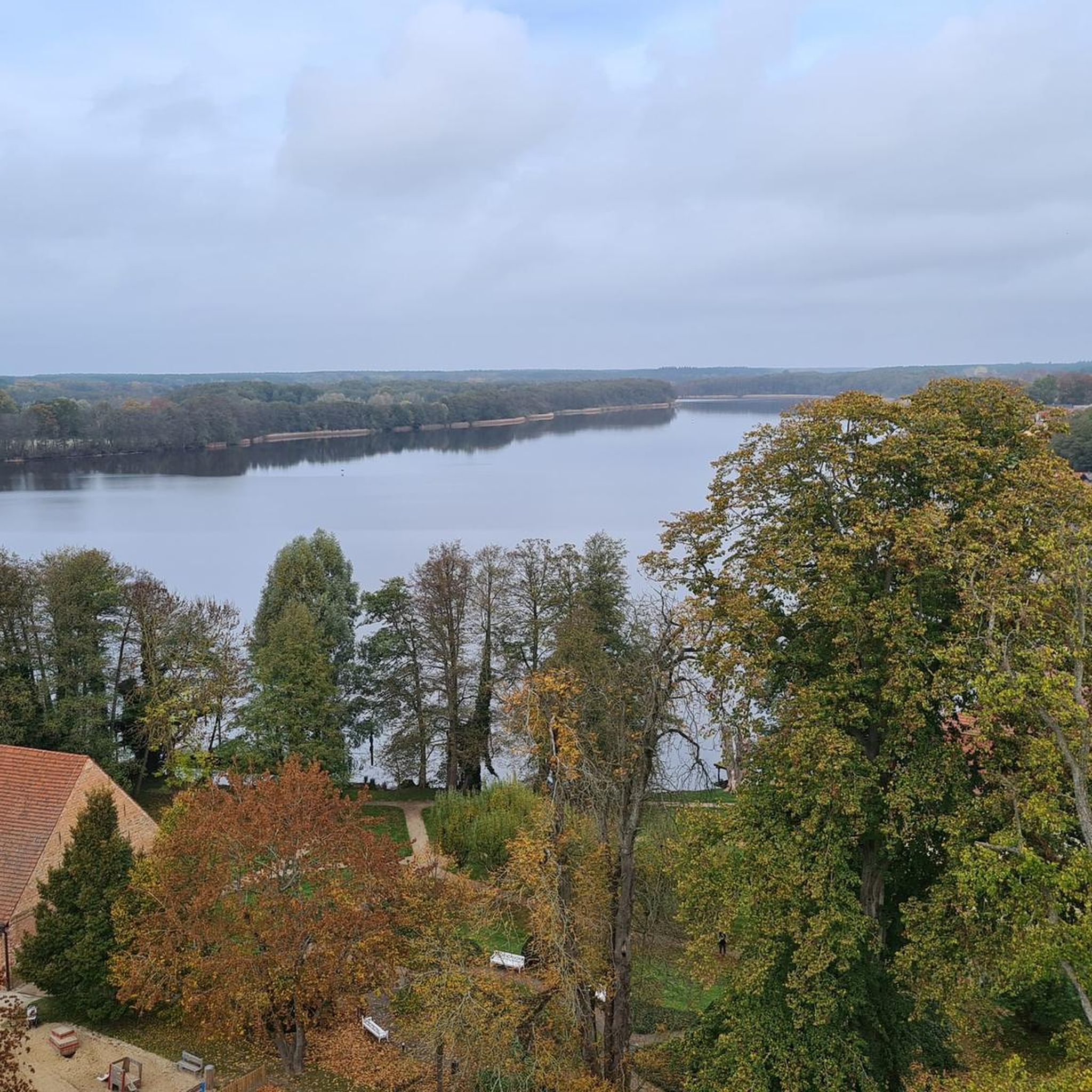
For breathtaking panoramic views, visit the Käflingsberg Observation Tower. After climbing 167 steps, you'll reach a platform 31 meters high, offering expansive vistas of Müritz National Park, surrounding lakes, and forests. On clear days, you can see as far as Waren, Neustrelitz, and Neubrandenburg.
What kind of natural landscapes can I expect to see in Müritz National Park near Mirow?
The Müritz National Park, located near Mirow, is celebrated for its extensive network of trails winding through ancient beech forests (some UNESCO World Natural Heritage sites), wide moorlands, and peaceful forest lakes. The landscape, shaped by the Ice Age, features gentle hills and vast plains, making it a paradise for nature lovers.
Are there any special natural areas for birdwatching near Mirow?
Yes, the Müritz National Park is an excellent spot for birdwatching. Attentive visitors might spot hawks and eagles soaring above the diverse landscapes of forests, moorlands, and lakes. The park's varied ecosystems provide habitats for numerous bird species.
What outdoor activities are popular around Lake Mirow?
Lake Mirow is a central natural feature offering a range of outdoor activities. You can enjoy cycling along scenic paths, swimming at the lido, or exploring its tranquil waters via kayaking or paddleboarding. Nature walks are also popular, especially in areas known for blooming water lilies.
Are there well-maintained cycling paths through the natural monuments?
Absolutely. The region boasts excellent cycling opportunities, particularly through the Forest trails in Müritz National Park. These paths are described as ideal and almost perfectly maintained, offering a smooth experience through diverse natural settings in all weather conditions. You can find more cycling routes in the area, including gravel and road cycling, on the Road Cycling Routes around Mirow and Gravel biking around Mirow guides.
What kind of hiking opportunities are available in the natural monuments around Mirow?
The natural monuments around Mirow offer diverse hiking opportunities, from easy strolls to more ambitious routes. The Müritz National Park features an extensive network of hiking trails through ancient forests and moorlands. For more detailed hiking options, you can explore the Müritz National Park website.
Are there family-friendly natural monuments around Mirow?
Yes, several natural monuments in the Mirow area are suitable for families. The Müritz National Park and its Forest trails are great for family outings, offering easy-to-navigate paths. The Käflingsberg Observation Tower also welcomes families, providing an engaging climb to a rewarding view. The Source of the Havel is another accessible and informative destination for all ages.
What is the best time of year to visit the natural monuments around Mirow?
The natural monuments around Mirow are beautiful year-round, but spring and summer are particularly popular. During these seasons, the water lilies bloom on the lakes, and the forests are lush. Autumn offers vibrant fall foliage, while winter provides a serene, quiet landscape, though some facilities might have reduced hours. The well-maintained paths in places like Müritz National Park are suitable for all-weather conditions.
Can I bring my dog to the natural monuments and trails near Mirow?
Many natural areas and trails around Mirow are dog-friendly, especially within the Müritz National Park. However, it's always recommended to keep dogs on a leash to protect wildlife and ensure a pleasant experience for all visitors. Specific rules may apply in certain protected zones, so checking local signage is advisable.
Are there any romantic or secluded natural spots near Mirow?
For a truly tranquil and intimate escape, consider visiting Liebesinsel (Love Island). This small, romantic island is nestled within the local lakes and is accessible by rowing boat, offering a unique way to reach this secluded spot. It's cherished for its peaceful atmosphere, perfect for relaxation or watching a beautiful sunset.
What do visitors enjoy most about the natural monuments around Mirow?
Visitors frequently praise the unique natural landscape and the recreational opportunities it offers. Many appreciate the well-developed and easy-to-navigate cycle paths, especially in Müritz National Park, which provide breathtaking views. The tranquility and the chance to connect with untouched nature, along with the 'organic noise' of the forests, are also highly valued.
Most popular routes around Mirow
Most popular attractions around Mirow

Get inspired with the komoot mobile app


Explore more
Extend your search for the best caves by checking out these guides of the top ones around Mirow:
