Top 20 Natural Monuments around Reußenköge
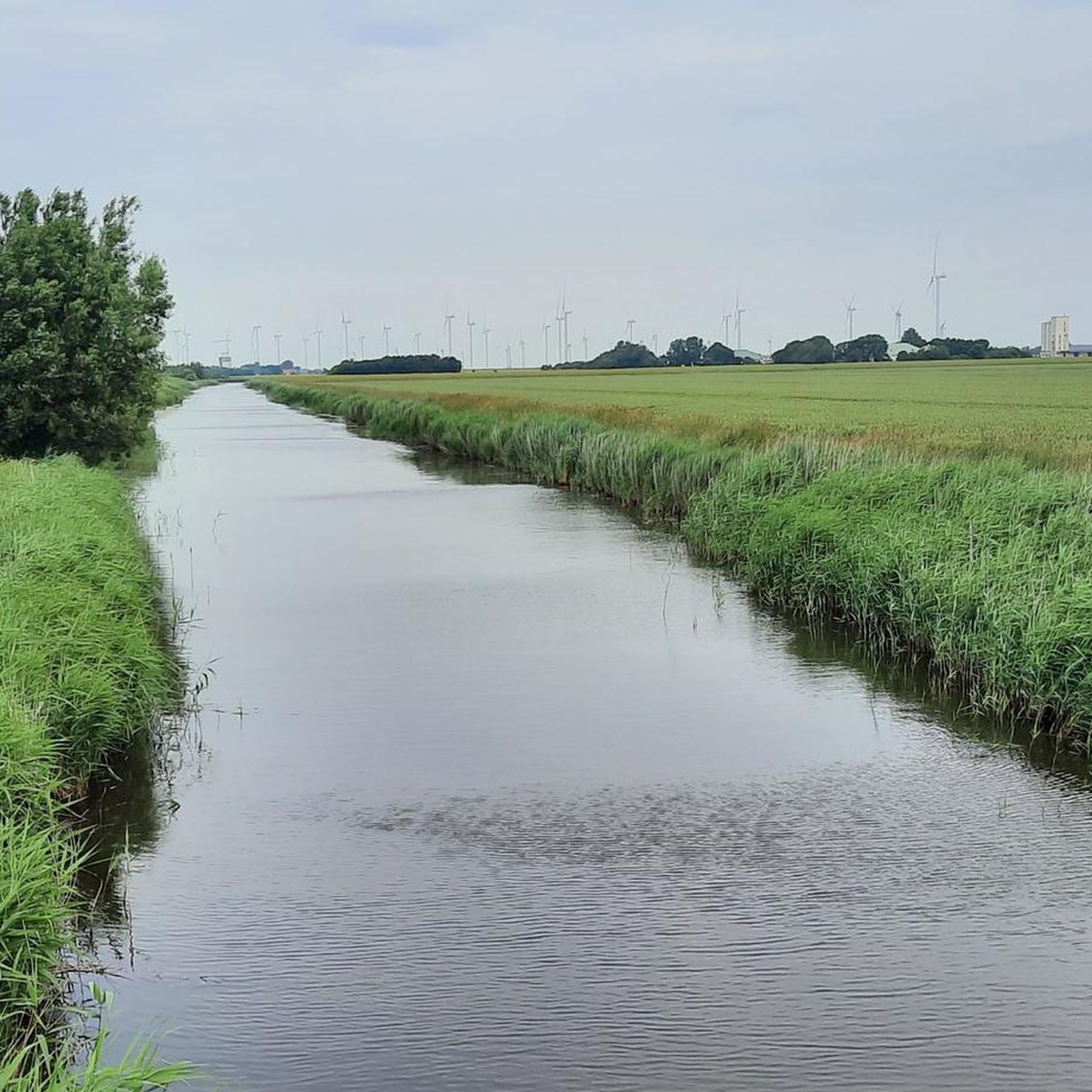
Best natural monuments around Reußenköge are found within the Nordfriesland district of Schleswig-Holstein, Germany. This region is characterized by its unique coastal landscapes, including polders, dikes, and areas influenced by the Wadden Sea. Significant natural areas like the Beltringharder Koog and the Hamburger Hallig offer diverse habitats and ecological features. These areas provide opportunities to observe unique plant life and a multitude of bird species.
Best natural monuments around Reußenköge
- The most popular natural monuments is Lüttmoorsiel Seawall and View…
Last updated: October 11, 2026
Lüttmoorsiel Seawall and View over the Beltringharder Koog
Highlight • Viewpoint
Translated by Google •
Tip by

Beltringharder Polder
Highlight • Natural Monument
Translated by Google •
Tip by

Sign up now to discover places like this
Get recommendations on the best single tracks, peaks, & plenty of other exciting outdoor places.
Fuhlehörn Beach
Highlight • Beach
Translated by Google •
Tip by

Beltringharder Koog Nature Reserve
Highlight • Natural Monument
Translated by Google •
Tip by

Schobüll Pier
Highlight • Bridge
More information: husum-tourismus.de/Media/Attraktionen/Seebruecke-Schobuell
Translated by Google •
Tip by

Sign up for free to discover even more natural monuments around Reußenköge.
Already have an account?


Tips from the Community

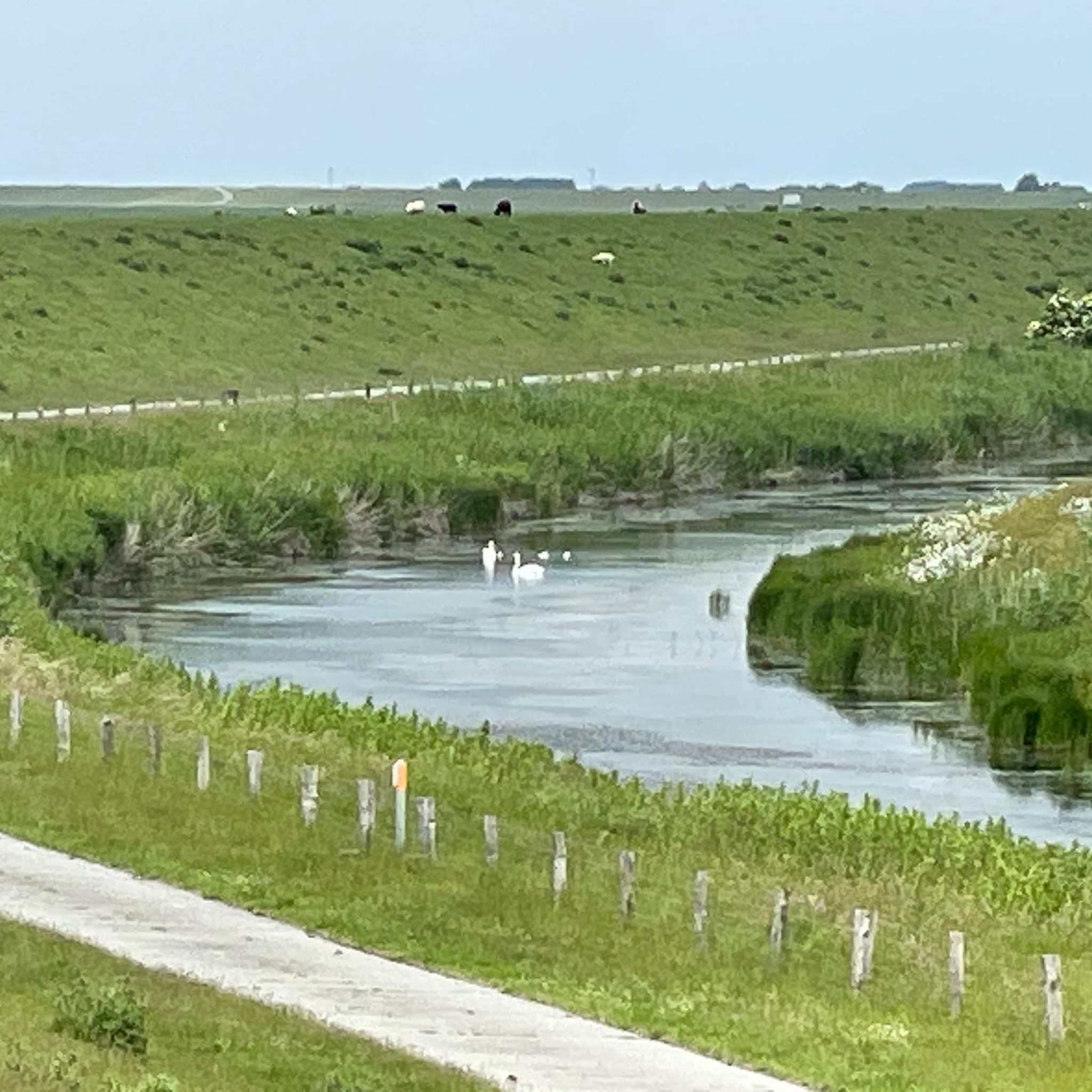
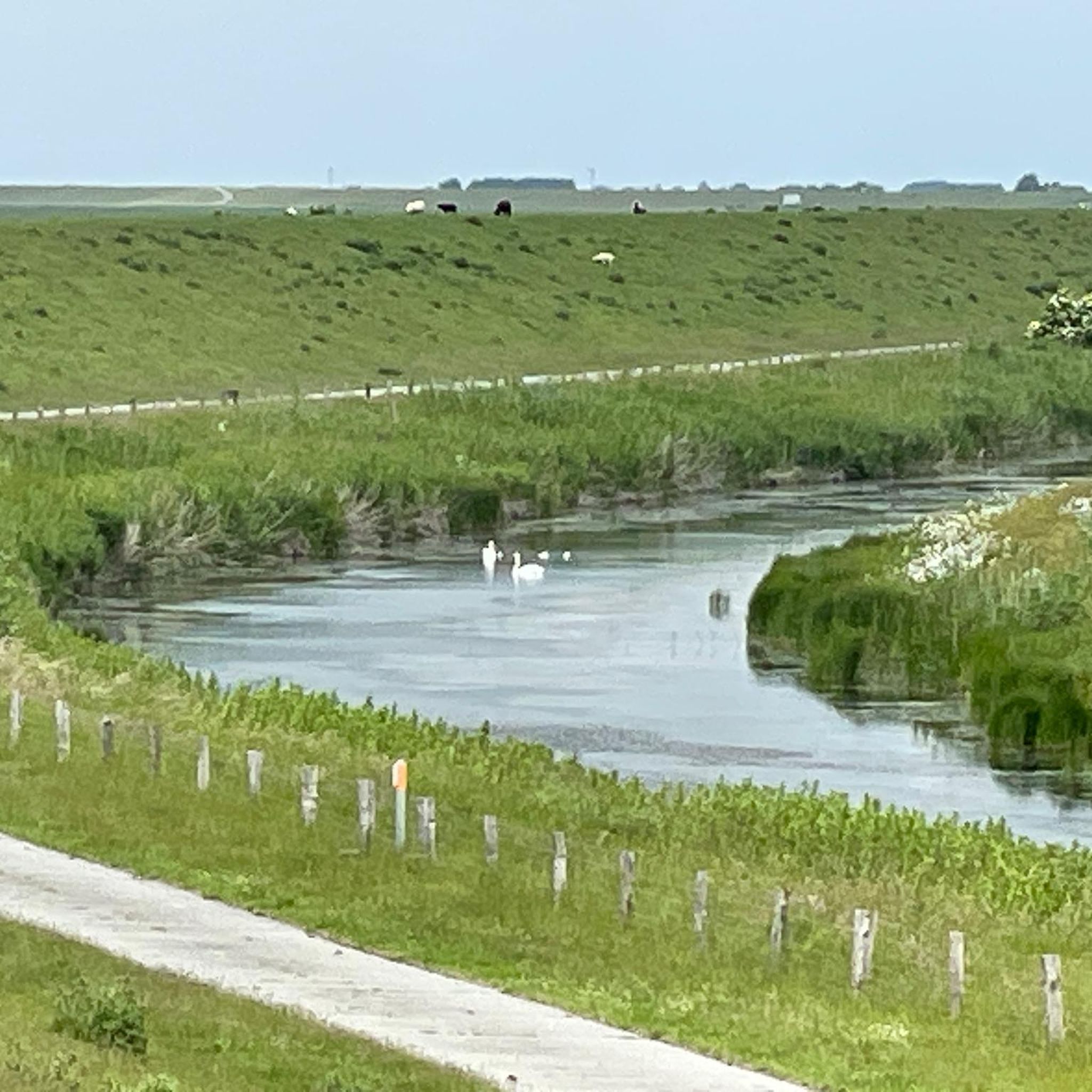
You can observe a lot of birds here. Not just during migration season. Including glossy ibises and eagles!
0
0

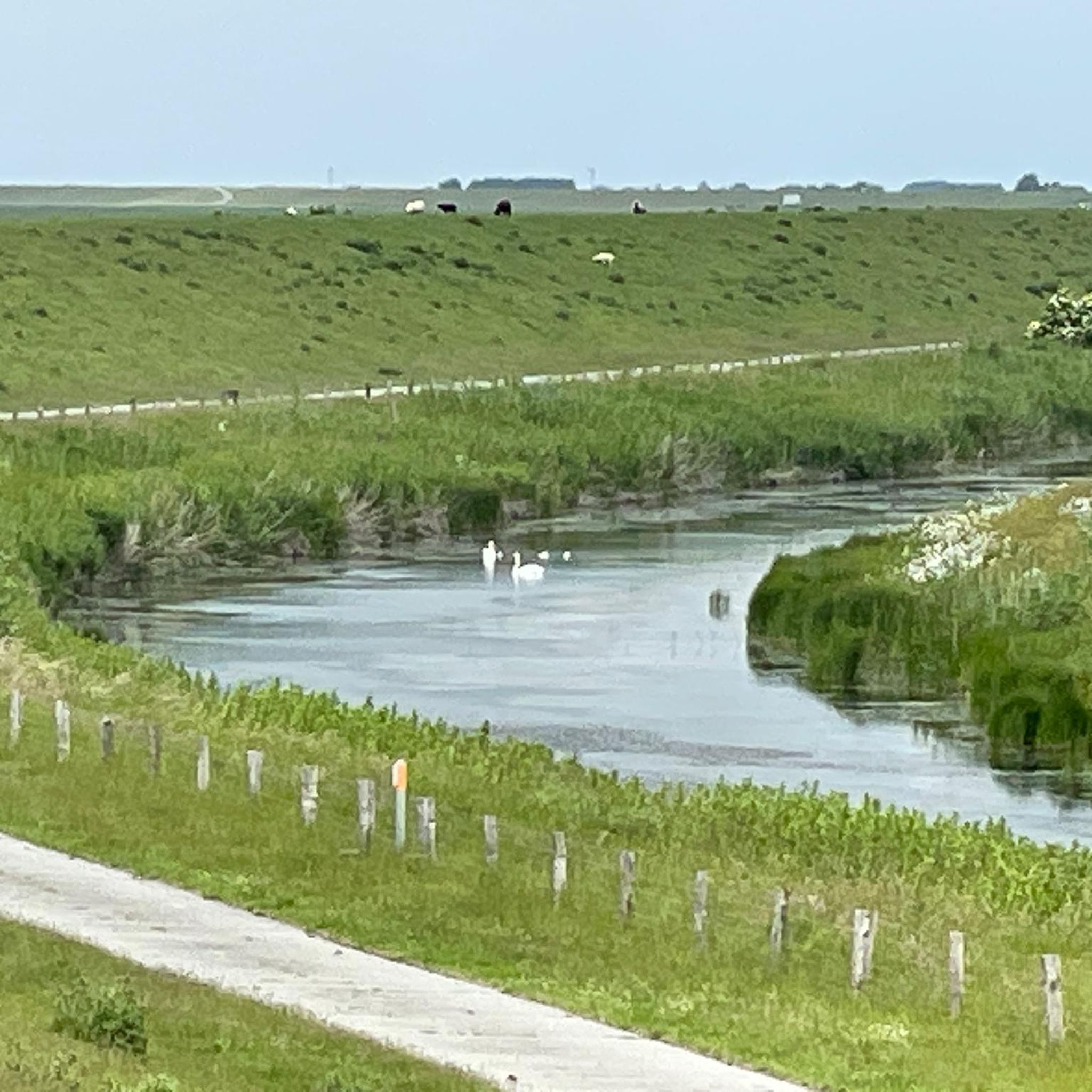
The Beltringharder Koog is the largest nature reserve on the mainland of Schleswig-Holstein and covers around 3,350 hectares. It is located near the Nordstrand Bay and was dammed in 1987 as part of a coastal protection project. Originally designed as a retention area for floods, the Koog has developed into an important habitat for many bird species and is now a true paradise for nature lovers and ornithologists. The diverse landscape of the Beltringharder Koog includes saltwater lagoons, wet meadows and wilderness areas. These different biotopes provide an ideal habitat for numerous plant and animal species. Countless waders and water birds can be observed here, especially during the migration periods in spring and autumn. There are numerous ways for visitors to explore the Beltringharder Koog. Well-developed walking and hiking trails lead through the area and provide impressive views of nature. There are also bird watching huts that offer an undisturbed view of the wildlife. The West Coast Integrated Station also offers informative exhibitions and guided tours that provide deeper insights into nature conservation and the ecology of the region. The Beltringharder Koog is an outstanding example of successful coastal and nature conservation in Germany. It not only offers valuable protection from storm surges, but also an important refuge for endangered animal and plant species. For nature lovers and bird watchers, the Koog is a worthwhile destination that offers unique nature experiences.
0
0
The Beltringharder Koog is an impressive nature reserve in North Friesland, Schleswig-Holstein. The Koog was embanked in 1987 and covers an area of 3,350 hectares, making it the largest nature reserve on the Schleswig-Holstein mainland. It was created in response to storm surges and today serves to protect the coast and promote biodiversity in the region. The Beltringharder Koog has a variety of habitats, including saltwater and freshwater lagoons, wet grassland and tidal floodplains. These diverse biotopes provide habitat for numerous species of birds that breed or rest here. Over 100,000 waders and water birds use the Koog throughout the year, making it a paradise for birdwatchers. Commonly seen species include greylag geese and black-necked grebes. For visitors, there are well-developed hiking and cycling trails that lead through the diverse landscape of the Koog. Tours that start at Lüttmoorsiel and lead along the dike to Lüttmoorsee and further are particularly recommended. Observation huts and viewing platforms on these routes offer excellent opportunities to observe wildlife in its natural environment. The Koog is also an example of successful cooperation between nature conservation organizations such as NABU, the Wadden Sea Conservation Station and the WWF. Together they ensure that this unique ecosystem is protected and cared for.
1
0

Beltringharder Koog is the name of the embankment of part of the Schleswig-Holstein Wadden Sea in the area of Nordstrand Bay, which was completed in 1987. This measure effectively connected the former island of Nordstrand to the mainland and thus made it part of a peninsula. Wikipedia
3
0
Great to drive. 10,000 hectares of salt marshes, a unique habitat 👍🍀
3
0

beautiful view of the Wadden Sea
4
2

The wide view is indescribably beautiful!
7
4

Island feeling on the mainland.
3
2
Frequently Asked Questions
What are the primary natural attractions to explore in the Reußenköge area?
The Reußenköge region is renowned for its unique coastal landscapes, primarily featuring the Beltringharder Koog and the Hamburger Hallig. The Beltringharder Koog is the largest nature reserve on the mainland of Schleswig-Holstein, offering diverse habitats like saltwater lakes, lagoons, and mudflats. The Hamburger Hallig is a unique, non-diked area within the North Frisian Wadden Sea, characterized by extensive tidal marshes and salt marshes, providing an authentic Wadden Sea experience.
Where can I find the best viewpoints to observe the natural beauty around Reußenköge?
For expansive views, visit the Lüttmoorsiel Seawall and View over the Beltringharder Koog. From here, you can see the sea, the Halligen, and the vast Beltringharder Koog, often with many sea wading birds. Another excellent spot is the Integrated Station West Coast at Beltringharder Koog, which has an observation platform. On the Hamburger Hallig, the Schafsberg offers great views over the salt marshes.
Are there family-friendly natural monuments or activities in Reußenköge?
Yes, several natural monuments are suitable for families. Fuhlehörn Beach on Nordstrand is a family-friendly sandy beach with facilities and opportunities for Watt walks. The Beltringharder Koog Nature Reserve and the Hamburger Hallig are also great for families, offering easy walks, birdwatching, and educational experiences at their visitor centers. The flat landscape is generally easy to navigate.
What kind of wildlife can I expect to see in the natural monuments of Reußenköge?
The natural monuments around Reußenköge are a paradise for birdwatchers. The Beltringharder Koog is a crucial nesting and resting site for numerous bird species, including various waders, ducks, and geese, especially during migration periods. The Hamburger Hallig is globally significant as a breeding ground and resting area for vast numbers of arctic geese, ducks, and other migratory birds like pied avocets. You'll also see sheep grazing on the salty grasses.
What outdoor activities, such as hiking or cycling, are available near these natural monuments?
The flat, open landscape of Reußenköge is ideal for hiking and cycling. You can explore circular trails within the Beltringharder Koog and walk or cycle along the causeway to the Hamburger Hallig. For more structured routes, you can find various hiking options, including easy trails like the "Salt Marsh Nature Trail" loop from Hamburger Hallig or the "Beltringharder Koog Dike" loop. For cycling, there are MTB trails available. You can find detailed routes in the Hiking around Reußenköge and MTB Trails around Reußenköge guides.
When is the best time to visit the natural monuments around Reußenköge?
The best time to visit depends on your interests. Spring and autumn are ideal for birdwatching, as these periods see large numbers of migratory birds in both the Beltringharder Koog and the Hamburger Hallig. Summer offers pleasant weather for walking and cycling, and the opportunity to enjoy Fuhlehörn Beach. The Wadden Sea's dynamic nature can be experienced year-round, but always check local tide tables and weather forecasts.
Are there any specific trails or paths recommended for exploring the Beltringharder Koog?
Yes, the Beltringharder Koog offers several paths for exploration. The Transport Dam to Cecilienkoog is a notable trail that separates the Lüttmoorsee from the tidal saltwater lagoon, serving as a resting and breeding ground for birds. There are also several birdwatching hides, such as the Lüttmoordamm Birdwatching Hide, which are freely accessible year-round and offer excellent views of the wildlife.
What unique natural features characterize the Hamburger Hallig?
The Hamburger Hallig is unique because it is a non-diked area within the North Frisian Wadden Sea, meaning it is regularly exposed to tidal floods. It features extensive tidal marshes and salt marshes, which support unique plant life adapted to the salty environment. It also has three artificial dwelling mounds (Warften), including the main mound with a restaurant and a "Watt workshop," and the Kuhberg, which serves as a refuge for sheep during light floods.
Can I access the Wadden Sea directly from these natural monuments?
Yes, the Hamburger Hallig provides an exceptional location for experiencing the dynamic nature of the Wadden Sea directly. You can walk or cycle along the causeway to the hallig, immersing yourself in this UNESCO World Heritage Site. From Fuhlehörn Beach, you can also access the Wadden Sea for guided Watt walks.
Are there facilities or educational opportunities at the natural monuments?
Yes, both major natural areas offer facilities. The Integrated Station West Coast at Beltringharder Koog provides a comprehensive exhibition about the nature reserve and the Wadden Sea, along with an observation platform. On the Hamburger Hallig, the main mound hosts a restaurant and a "Watt workshop" for educational purposes, and the NABU station at Schafsberg offers insights into the sensitive ecosystem and its conservation.
What do visitors appreciate most about the natural monuments around Reußenköge?
Visitors frequently highlight the expansive views, the tranquility, and the abundant birdlife. Many enjoy the opportunity to observe various sea wading birds and the unique landscape of the Wadden Sea. The easy accessibility for walking and cycling, along with the educational aspects at visitor centers, are also highly valued. The presence of sandy beaches like Fuhlehörn Beach is also a popular draw.
Are dogs allowed on trails and in the natural monuments?
While specific regulations can vary, generally, dogs are permitted on many trails and dikes in the region, often on a leash to protect wildlife. For instance, the causeway to the Hamburger Hallig is a popular route for dog walkers. However, always be mindful of signage in nature reserves like the Beltringharder Koog, especially during breeding seasons, to ensure the protection of sensitive habitats and bird populations.
Most popular routes around Reußenköge
Most popular attractions around Reußenköge

Get inspired with the komoot mobile app


Explore more
Extend your search for the best caves by checking out these guides of the top ones around Reußenköge:
