Top 20 Natural Monuments around Südermarsch
Best natural monuments around Südermarsch are primarily defined by the region's integration with the Schleswig-Holstein Wadden Sea National Park. This UNESCO World Heritage Site features vast intertidal mudflats, extensive salt marshes, and dykes. The area is globally recognized for its unique ecosystem and rich biodiversity, serving as a vital habitat for numerous species. Visitors can explore this dynamic landscape, which is an important stopover for millions of migratory birds annually.
Best natural monuments around Südermarsch
- The most popular natural monuments is View of the salt marshes and dike at Simonsberg (Wadden Sea National Park), a viewpoint that offers expansive views of the Wadden Sea. From the dike, visitors can observe the transition between sea and land, including the salt marshes and grazing sheep.
- Another must-see spot is Moor Nature Trail at Wildes Moor Nature Reserve, a trail through a moorland. Visitors can expect a circular path with information boards detailing the plant species and the development of the moor.
- Visitors also love Beltringharder Koog Nature Reserve, a former Wadden Sea area with large salt and freshwater habitats. This reserve is known for its undisturbed development and serves as a significant resting and breeding area for wading and water birds.
- Südermarsch is known for its nature reserves, mudflats, and salt marshes. The region offers a variety of natural monuments to see and explore, from coastal ecosystems to inland moorlands.
- The natural monuments around Südermarsch are appreciated by the komoot community, with over 320 upvotes and 20 photos shared by visitors.
Last updated: October 11, 2026
Husum Castle Park
Highlight • Natural Monument
Translated by Google •
Tip by

Beltringharder Koog Nature Reserve
Highlight • Natural Monument
Translated by Google •
Tip by

Sign up now to discover places like this
Get recommendations on the best single tracks, peaks, & plenty of other exciting outdoor places.
Wester-Spätinge Nature Reserve
Highlight • Natural Monument
the current outer dike was built in 1579 to protect against storm surges and land reclamation.
The dike builders needed large quantities of clay for this. This loamy soil was taken from the area of the Wester sparrows. This laborious manual work was called "spading". The word gave the area its name.
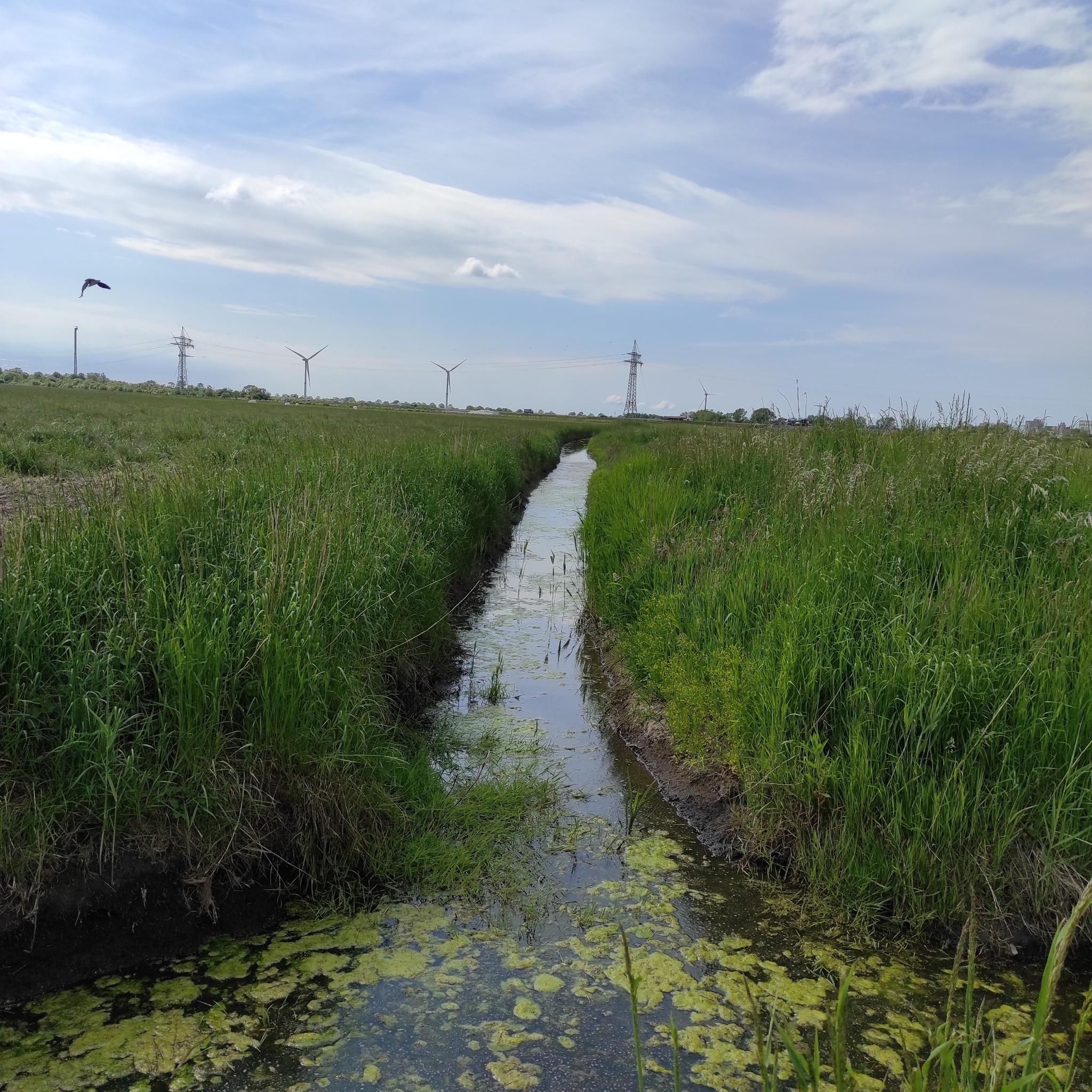
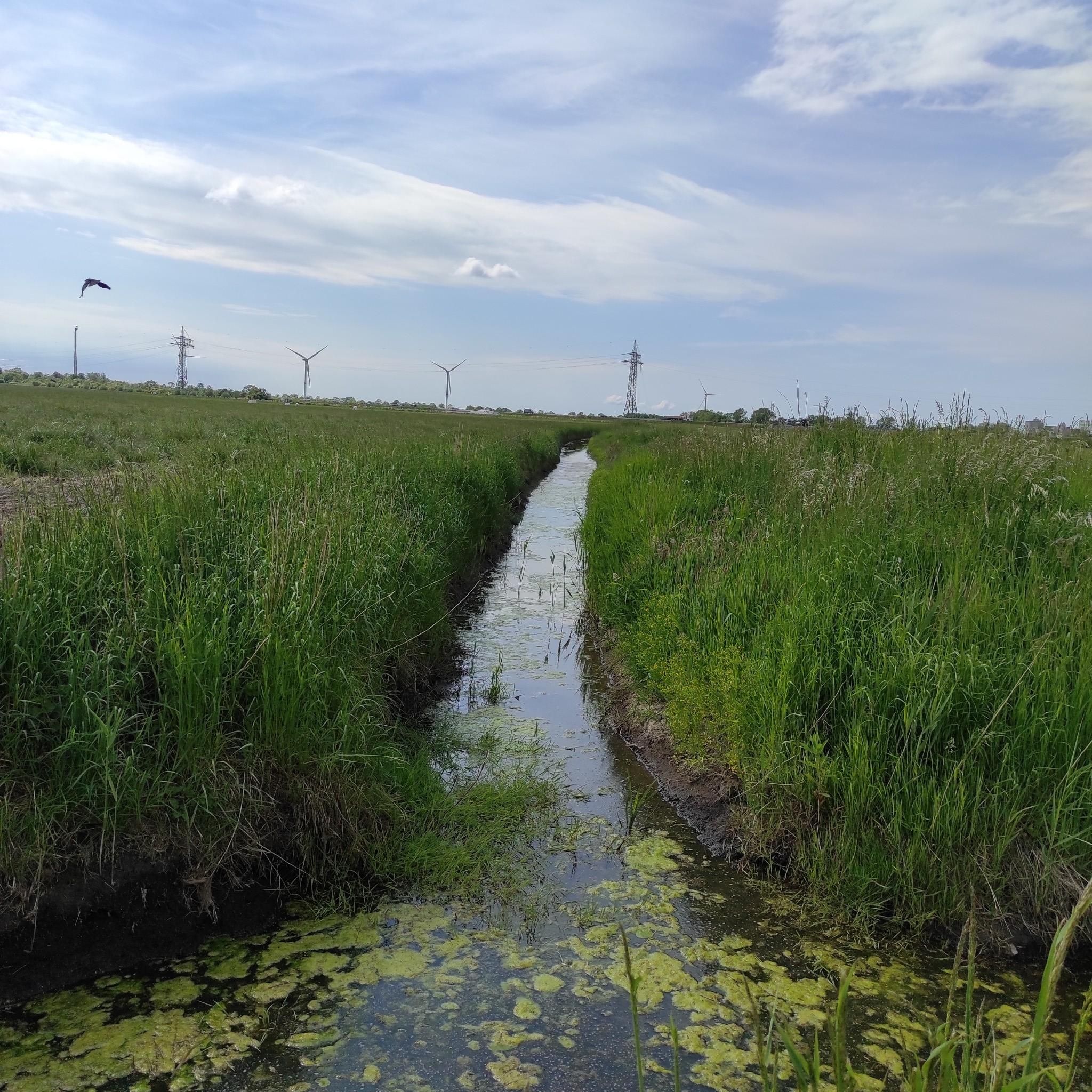
Inland dyke created flat ponds, which today are both natural and cultural monuments. While the surrounding lands were being cleared, the 27-hectare Wester-Spätinge was largely left to its own devices.
Only after the storm surge of 1962 were bigger ones needed due to a dyke breach
lots of cling. The three meter deep excavator hole in the north of the area is now the deepest pond in the nature reserve.
schleswig-holstein.nabu.de/imperia/md/content/schleswigholstein/schutzgebieten/nabu_flyer_nsg_westersp__tinge_6-seiter_100x210_2020-11-10.pdf
Translated by Google •
Tip by

View of the salt marshes and dike at Simonsberg (Wadden Sea National Park)
Highlight • Viewpoint
Incidentally, you look over to Nordstrand from the top of the Simonsberg dyke
Translated by Google •
Tip by
Tine Fountain (Asmussen‑Woldsen Monument)
Highlight • Monument
Source: husum-tourismus.de
Translated by Google •
Tip by

Sign up for free to discover even more natural monuments around Südermarsch.
Already have an account?
Start today with a free account
Your next adventure awaits.
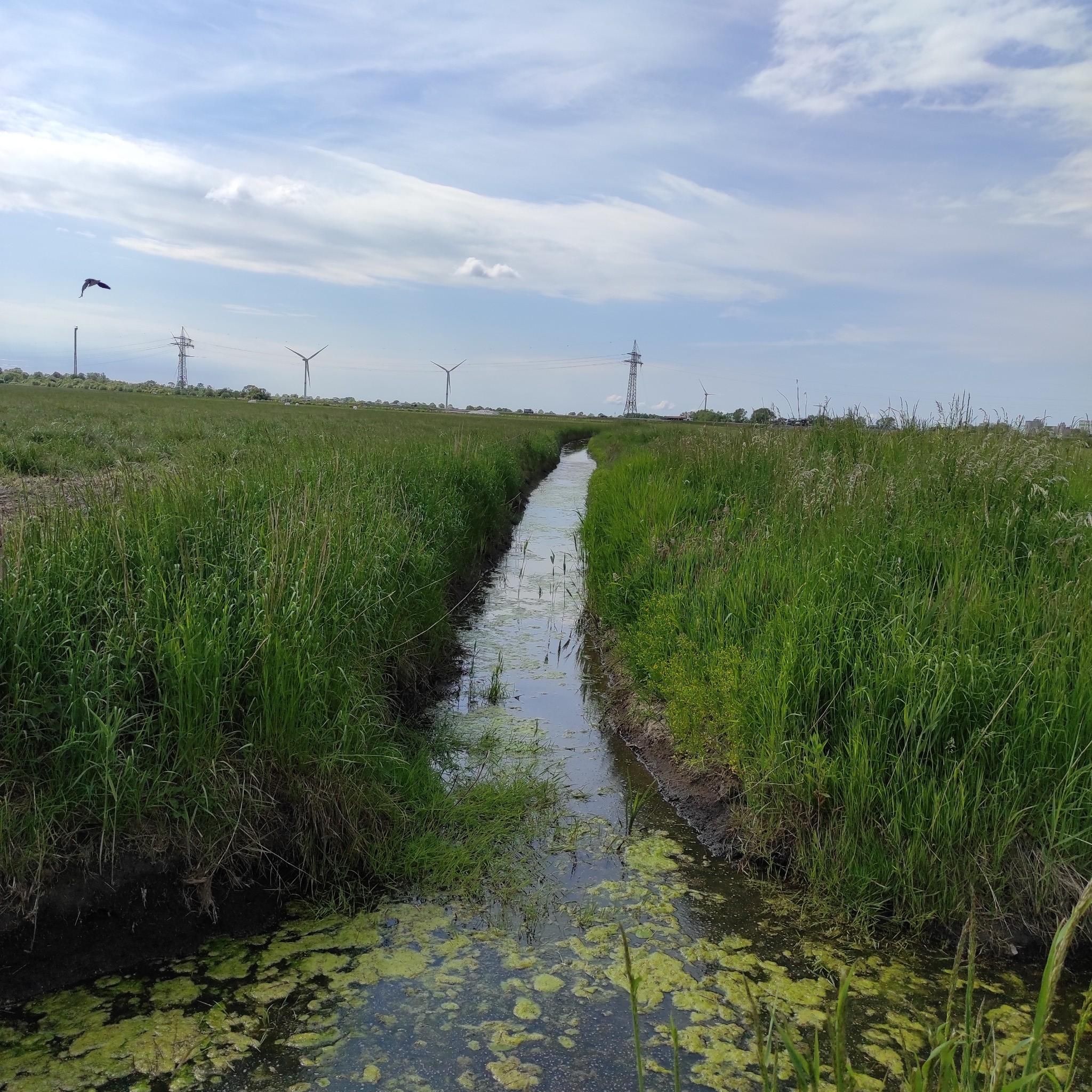
Tips from the Community

Asmussen-Woldsen monument as a fountain.
4
0

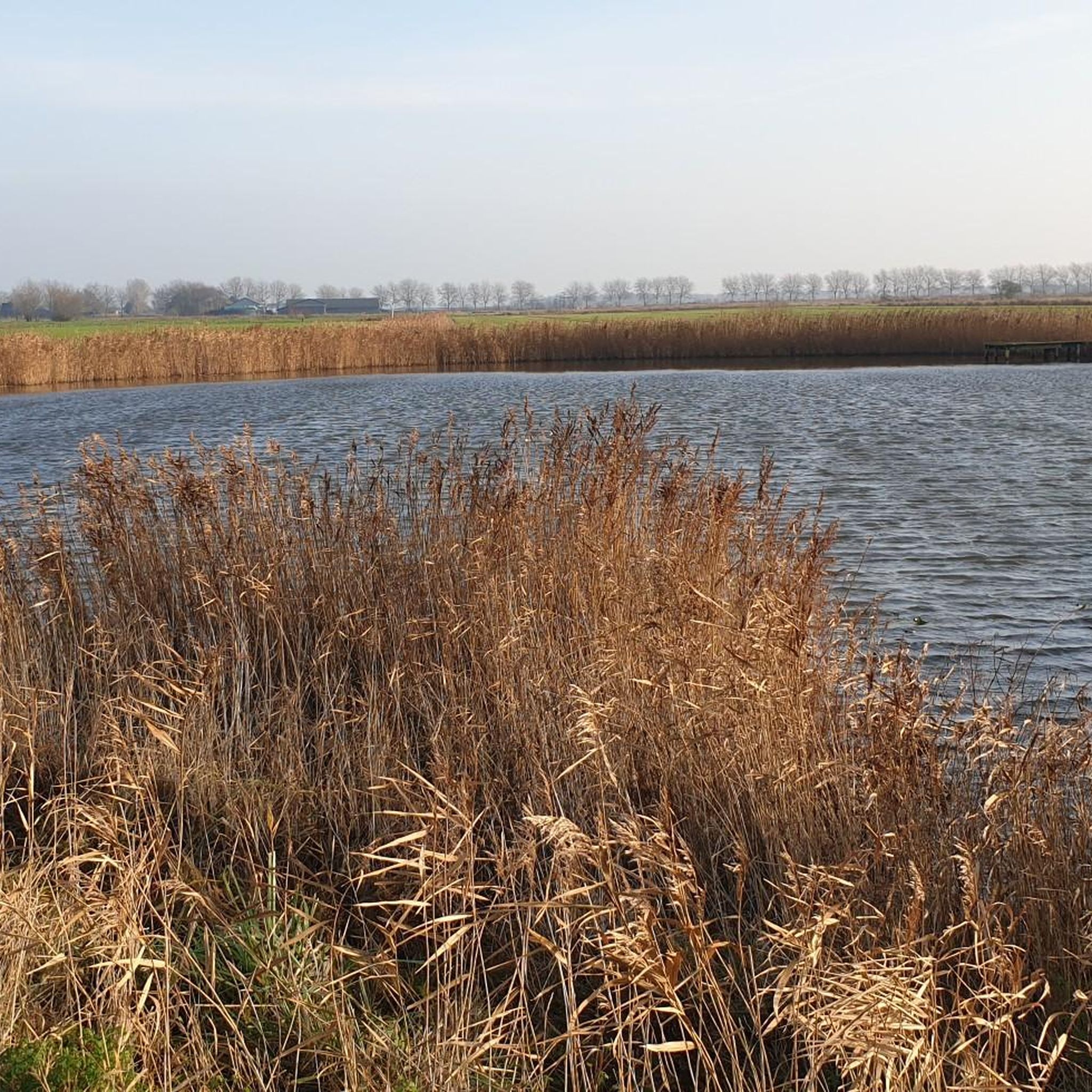
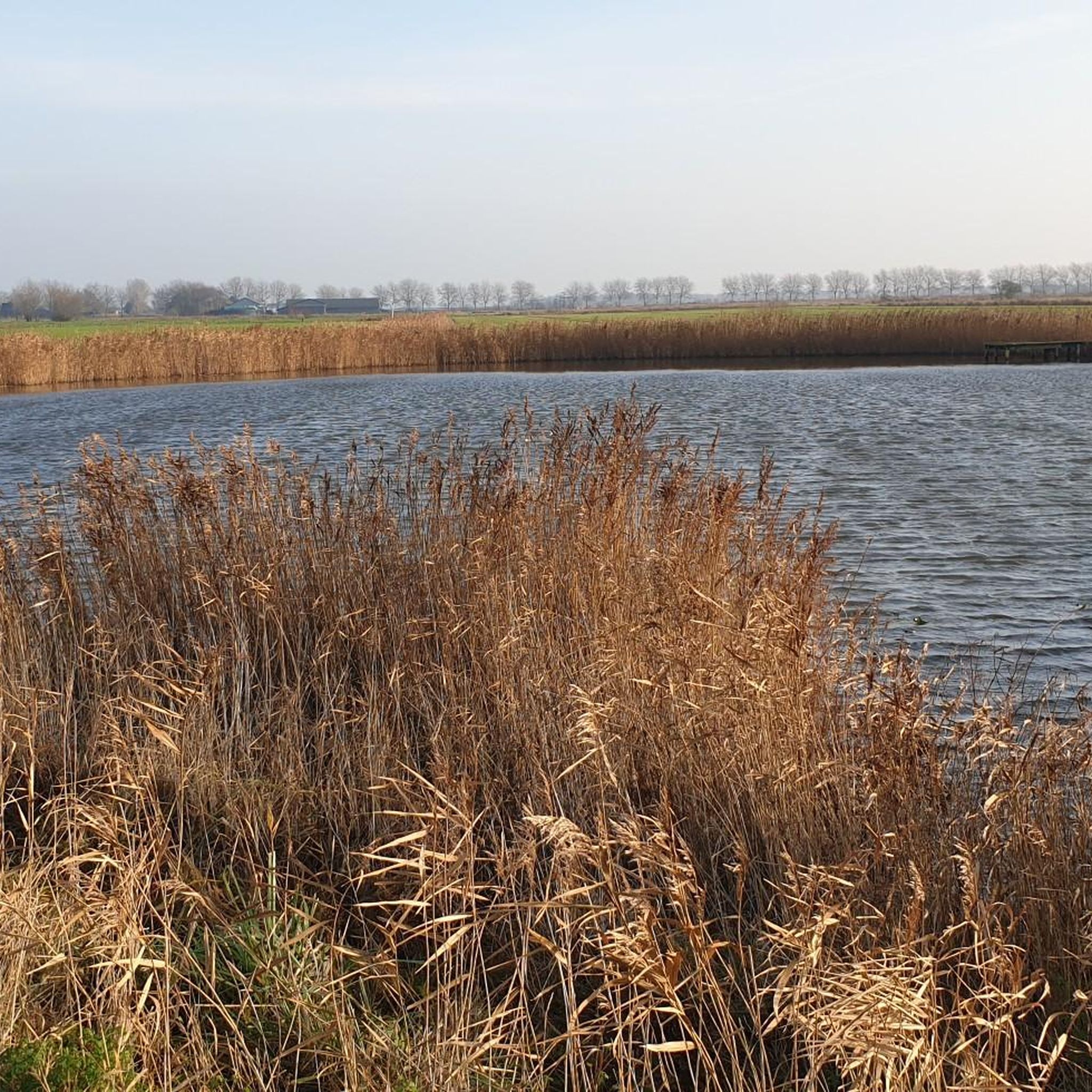
The Beltringharder Koog is the largest nature reserve on the mainland of Schleswig-Holstein and covers around 3,350 hectares. It is located near the Nordstrand Bay and was dammed in 1987 as part of a coastal protection project. Originally designed as a retention area for floods, the Koog has developed into an important habitat for many bird species and is now a true paradise for nature lovers and ornithologists. The diverse landscape of the Beltringharder Koog includes saltwater lagoons, wet meadows and wilderness areas. These different biotopes provide an ideal habitat for numerous plant and animal species. Countless waders and water birds can be observed here, especially during the migration periods in spring and autumn. There are numerous ways for visitors to explore the Beltringharder Koog. Well-developed walking and hiking trails lead through the area and provide impressive views of nature. There are also bird watching huts that offer an undisturbed view of the wildlife. The West Coast Integrated Station also offers informative exhibitions and guided tours that provide deeper insights into nature conservation and the ecology of the region. The Beltringharder Koog is an outstanding example of successful coastal and nature conservation in Germany. It not only offers valuable protection from storm surges, but also an important refuge for endangered animal and plant species. For nature lovers and bird watchers, the Koog is a worthwhile destination that offers unique nature experiences.
0
0

Is a beautiful fountain figure
5
0

The Tine, Husum's secret landmark, stands on the base of the market fountain built in 1902. Created by the Husum-born sculptor Adolf Brütt, the bronze figure depicts a young fisherman's wife in wooden shoes. The Tine in Husum commemorates two of the city's benefactors: Catharina Asmussen and Friedrich Woldsen, from whose names the short form for the figure was derived.
4
0

The Tine fountain is located in Husum on the market square in the center. The Tine fountain is also known as the secret landmark of the city of Husum. The Tine, as the Tine fountain is also affectionately known, consists of two parts. One part is the fountain and the second part is the Tine figure. The fountain was built in 1902. The official name of the market fountain is Asmussen-Woldsen-Brunnen. It is named after two benefactors of the city of Husum: Friedrich Woldsen and Anna Catharina “Tine” Asmussen. And now it is clear where the Tine got its name from. The Tine figure is a bronze sculpture that was created by the Husum-born sculptor Adolf Brütt. The tine depicts a fisherman's wife in wooden shoes at that time. https://www.schlei-ostsee-urlaub.de/data/schlei-ostsee-urlaub_1516.html
5
0
The castle park is particularly attractive in spring. Every year in March / April, over 4 million crocuses make the Husum castle park shine. The landscape garden around the only castle on the Schleswig-Holstein North Sea coast transforms into a unique sea of purple blossoms. Since 1994, the castle park with its crocus bloom has been a listed garden monument and is therefore one of the rarities of garden culture in the holiday region of Husumer Bucht. https://www.husum-tourismus.de/Media/Attraktionen/Schlosspark-Husum-Grosser-Garten#/article/526b91db-e5fc-422a-8b2b-2ee67464f3e7
11
1

beautiful view of the Wadden Sea
4
2

The wide view is indescribably beautiful!
7
4
Frequently Asked Questions
What unique natural features can I explore around Südermarsch?
The Südermarsch region is largely defined by its integration with the Schleswig-Holstein Wadden Sea National Park, a UNESCO World Heritage Site. Here you can experience vast intertidal mudflats, extensive salt marshes, and protective dykes. These dynamic landscapes are crucial habitats for a diverse range of flora and fauna, including millions of migratory birds. You can also find inland moorlands, such as the area around the Moor Nature Trail at Wildes Moor Nature Reserve.
Are there family-friendly natural monuments in the Südermarsch area?
Yes, several natural monuments around Südermarsch are suitable for families. The View of the salt marshes and dike at Simonsberg (Wadden Sea National Park) offers easy access and expansive views. The Moor Nature Trail at Wildes Moor Nature Reserve features a renewed wooden walkway with information boards, making it an educational and accessible experience for all ages. The Beltringharder Koog Nature Reserve also provides opportunities for families to observe nature.
What kind of wildlife can I expect to see in the natural monuments of Südermarsch?
The Wadden Sea National Park is globally important for its biodiversity, hosting over 10,000 animal and plant species. It's an indispensable stopover for 10-12 million migratory birds annually, making it a prime spot for birdwatching. You might also spot marine mammals like harbor seals, grey seals, and harbor porpoises. On the mudflats, look for the 'Small Five': brown shrimp, lugworm, cockle, shore crab, and mud snail. Inland areas like the Wester-Spätinge Nature Reserve are popular breeding and resting areas for a large number of birds and other animals.
What outdoor activities can I do near the natural monuments around Südermarsch?
The region offers a variety of outdoor activities. You can enjoy extensive hiking, road cycling, and running. For hiking, explore routes like the 'Path Through the Salt Marshes' or 'Husum Castle Park'. Cyclists can take on routes such as 'Nordstrander Dam – Cecilienkoog Observation Tower loop'. Runners have options like the 'Husum Harbor – View of Husum's Outer Harbor loop'. For more detailed routes, check out the Hiking around Südermarsch, Road Cycling Routes around Südermarsch, and Running Trails around Südermarsch guides.
Are there any specific regulations or permits needed to visit the natural monuments?
The Schleswig-Holstein Wadden Sea National Park is a protected area with specific regulations to preserve its unique ecosystem. While general access for walking on dykes and designated paths is usually unrestricted, guided mudflat hikes are highly recommended for exploring the mudflats safely and respectfully. Always stay on marked paths, especially in nature reserves like Beltringharder Koog Nature Reserve, to protect sensitive habitats. Information boards often provide details on local rules.
What is the best time of year to visit the natural monuments in Südermarsch?
The Wadden Sea region offers different experiences throughout the year. Spring and autumn are particularly excellent for birdwatching, as millions of migratory birds use the mudflats as a feeding ground. Summer is ideal for guided mudflat hikes and enjoying the coastal atmosphere. Winter can offer a unique, serene experience with stark landscapes, though some paths might be less accessible. Dykes provide picturesque views year-round, especially at sunset.
Are there any natural monuments around Südermarsch that are wheelchair accessible?
While many natural areas in the Wadden Sea are rugged, some locations offer better accessibility. The Tine Fountain (Asmussen‑Woldsen Monument), though a man-made monument, is located in a central, accessible area. For natural experiences, dyke paths often provide relatively flat surfaces, and the renewed wooden walkway at the Moor Nature Trail at Wildes Moor Nature Reserve improves accessibility for some visitors, though it's advisable to check current conditions.
Can I bring my dog to the natural monuments in Südermarsch?
Many areas around Südermarsch, especially dyke paths and designated trails, are dog-friendly. However, within nature reserves and the Wadden Sea National Park, dogs must generally be kept on a leash to protect wildlife, especially ground-nesting birds and grazing sheep. For instance, the Moor Nature Trail at Wildes Moor Nature Reserve has rabbit wire on its wooden planks, which might not be comfortable for dogs. Always look for local signage regarding dog regulations.
What do visitors enjoy most about the natural monuments in Südermarsch?
Visitors frequently appreciate the expansive views of the Wadden Sea and salt marshes from the dykes, such as at Simonsberg. The unique experience of walking on the seabed during guided mudflat hikes is also a highlight. The educational aspect of places like the Moor Nature Trail at Wildes Moor Nature Reserve, with its informative boards, is highly valued. The tranquility and rich biodiversity, particularly the birdlife, are also major draws for the komoot community.
Are there any hidden natural gems or lesser-known spots to discover?
Beyond the well-known Wadden Sea, the Wester-Spätinge Nature Reserve offers a glimpse into a unique natural and cultural monument. This area, with its flat ponds created from historical dike building, has been largely left to its own devices, developing into a significant habitat for birds and other animals. It provides a quieter, more secluded experience compared to the more frequented coastal areas.
How long should I plan for a visit to the natural monuments?
The duration of your visit depends on the specific monument and your activity. A short walk along a dyke, like at Simonsberg, might take an hour or two. A guided mudflat hike can last 2-3 hours. Exploring a nature reserve like Beltringharder Koog or the Moor Nature Trail could easily fill half a day, especially if you take time to read information boards and observe wildlife. For a comprehensive experience of the Wadden Sea, a full day or even multiple days are recommended.
Most popular attractions around Südermarsch

Get inspired with the komoot mobile app


Explore more
Extend your search for the best caves by checking out these guides of the top ones around Südermarsch:
