Top 20 Natural Monuments around Tosterglope
Natural monuments around Tosterglope are situated in a tranquil landscape between the Elbe and Ilmenau rivers, characterized by rolling hills, meadows, fields, small lakes, ponds, and wooded areas. The region is part of the expansive UNESCO Biosphere Reserve Lower Saxon Elbe Valley, highlighting its importance for nature conservation. This area offers diverse terrain and water features, providing opportunities to explore its unique ecological value. A prominent natural monument is the erratic boulder in Ventschau, a tangible testament to Ice Age…
Last updated: June 25, 2026
Biosphärium Elbtalaue
Highlight • Natural Monument
Translated by Google •
Tip by

Michaelshof Gardens
Highlight • Natural Monument
Translated by Google •
Tip by

Sign up now to discover places like this
Get recommendations on the best single tracks, peaks, & plenty of other exciting outdoor places.
Sign up for free
Ernst-August-Rex Stone on Telegraph Hill
Highlight • Monument
Ernst August Rex Stone on Telegraph Hill in the Breetze district of Bleckede - view from the north.
An almost man-high granite obelisk, documenting the acquisition in 1847 of …
Translated by Google •
Tip by

Göhrde Battle Memorial
Highlight • Monument
Translated by Google •
Tip by

Field of Fire Lilies (Lily Trail Station 5)
Highlight • Natural Monument
Translated by Google •
Tip by

Sign up for free to discover even more natural monuments around Tosterglope.
Sign up for free
Already have an account?
Start today with a free account
Your next adventure awaits.
Login or Signup
Tips from the Community

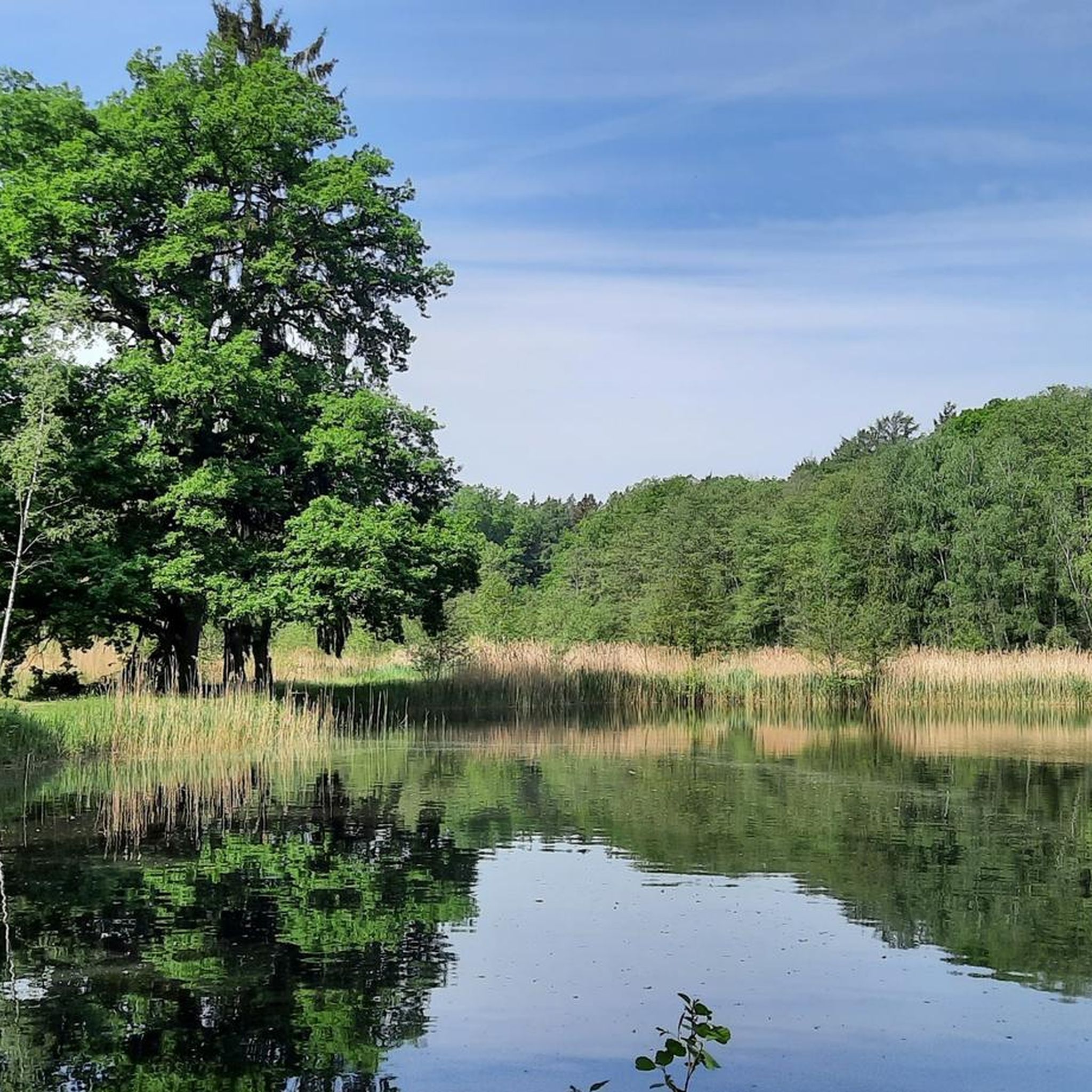
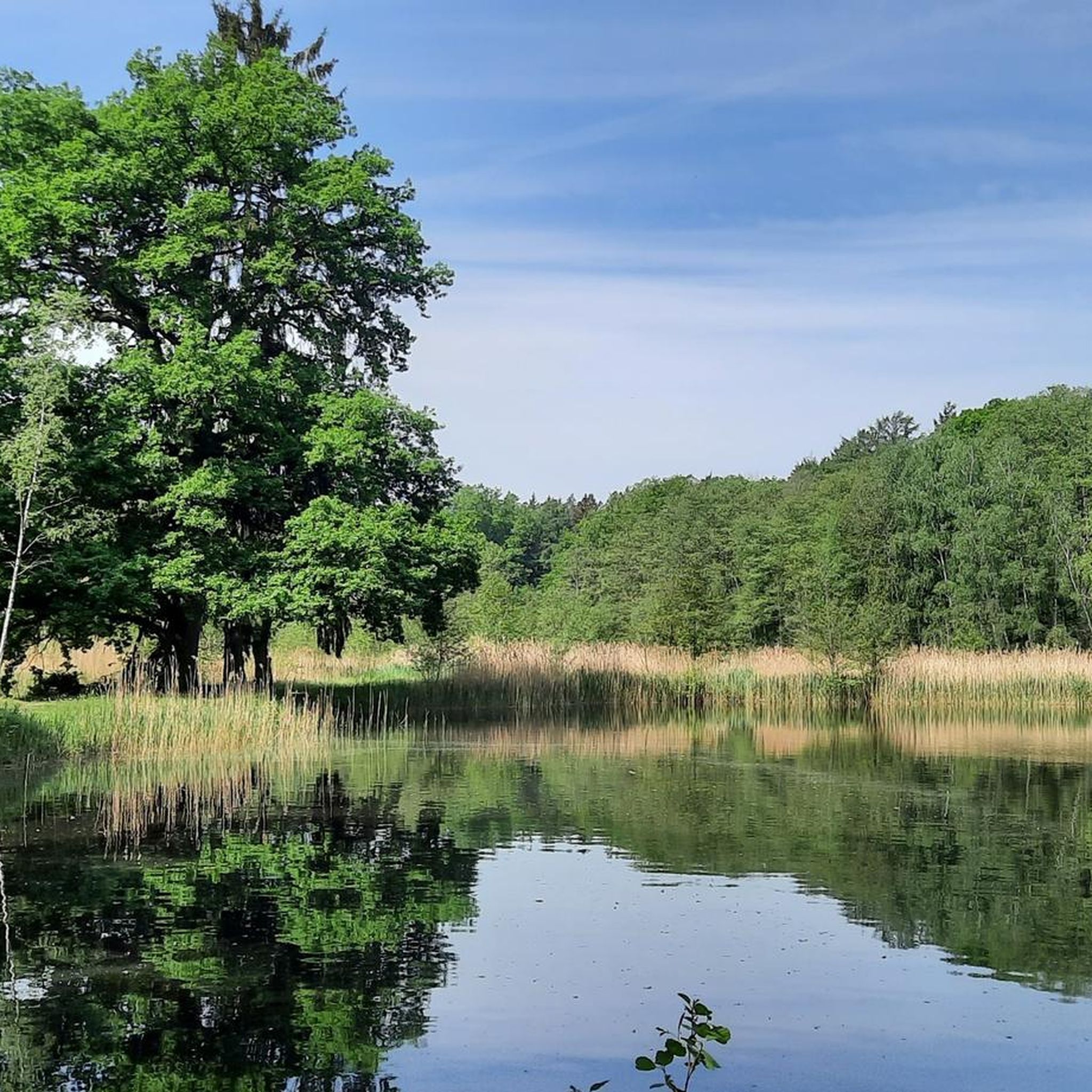
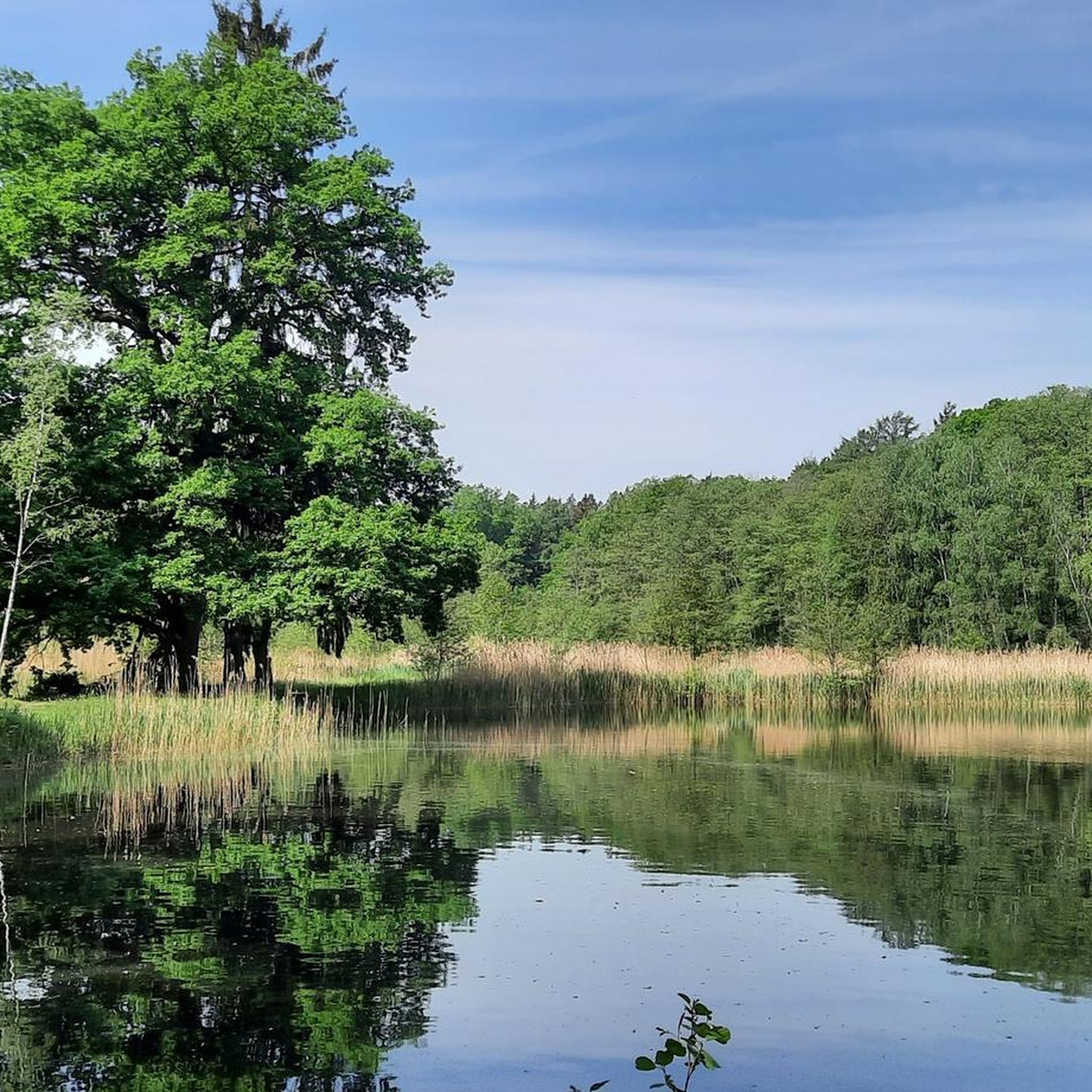
Thousands of tulips of the most diverse types and colors in a lovingly maintained garden. The winding paths invite you for a short hike. Benches are distributed throughout the grounds, you can always find a spot to enjoy the splendor of colors. It is amazing that the entire facility can be used free of charge.
0
0

Memorial to the Battle of Göhrde in 1813, where the French under Napoleon were repelled.
1
0

A place from the "Lost Places" category, in memory of the Battle of Göhrde in 1813. Hanoverian troops and their allies defeated part of Napoleon's forces. When the monument was still draped with cannons from that time, it probably looked more martial; today it commemorates the many victims of both sides who are buried in the area around the battle site.
0
0

The blossom of the field lilies is a great natural experience
0
0

At Govelin there are still beautiful stocks of fire lilies as field wild flowers, almost unique in Germany. Compared to two years ago, the plants have become more numerous, the fencing against the wild boar seems to be successful.
0
0
Great facility, very nicely laid out, there is something to discover everywhere.
0
1
A great garden setting! There is still a lot to discover even in late autumn. Unfortunately, the café is closed in winter.
0
1

Between Oldendorf and Göhrde, about 300 meters from the Lüneburg-Dannenberg road, a monument that can be seen from afar rises on the Steinkerhöhe at the point where the main force of the French once stood, consisting mainly of a huge granite obelisk consists. This bears the inscription "16. IX. 1813" and is stored on three layers of hewn blocks of erratic blocks, also of a very considerable size. The entire stone material was extracted in 1839 from a single boulder, which lay between Römstedt and Secklendorf, the swampy so-called Langen Grund, was known far and wide because of its rare size and was popularly known as the "Devil's Stone". From the far north, the devil carried him through the air on his shoulder in order to smash the newly built Medingen monastery with it; but because he lingered too long at a merrymaking in the village of Romstedt, the crowing of the cock surprised him before he was near enough to the monastery to throw; the stone fell from the devil's arms, which had suddenly become powerless, and dug itself so deep into the muddy ground that no one was able to lift it again - not even the devil. The master bricklayer Griepe from Bevensen took over the processing of this boulder for the Göhrde monument and delivered it on site, as they say, for a fee of 1,000 Reichstaler. Because of its extreme hardness, the stone was difficult to split, it shattered into a multitude of larger and smaller pieces and a remainder of the mass is still deep in the earth today. Many of the jump pieces were used as foundation stones, the size of which can still be admired in Bad Bevensen. However, the obelisk for the Steinker Heights was hewn from the mightiest jump piece, at the site where it was found. But even so, the transport still caused great difficulties. No fewer than twelve draft oxen had to be harnessed to the wagon that, in the summer of 1839, carried the stone via Dahlenburg to the top of the battlefield, and decades later the deep-ditch tracks that had caused the monster's removal were still visible in the sandy heath. The installation and ceremonial inauguration took place in the same year, on July 7, 1839, after documents and coins of all kinds had been entrusted to the foundation stone. http://www.goehrdeschlacht.de/das-denkmal-in-der-goehrde/index.html
3
0
Frequently Asked Questions
What kind of natural landscape can I expect around Tosterglope?
Tosterglope is situated in a tranquil landscape between the Elbe and Ilmenau rivers. You'll find rolling hills, meadows, fields, small lakes, ponds, and wooded areas. The region is also part of the expansive UNESCO Biosphere Reserve Lower Saxon Elbe Valley, offering diverse terrain and waterways.
Are there any significant geological features to explore in the Tosterglope region?
Yes, a prominent geological feature is the remarkable erratic boulder in the village of Ventschau. This impressive stone weighs approximately 100 tonnes and is considered one of the largest erratic boulders in northern Germany. It's a tangible testament to the immense power of Ice Age glaciers. Another significant erratic boulder forms part of the Göhrde Battle Memorial.
What unique flora can be found in the Tosterglope area?
The region is home to the Field of Fire Lilies (Lily Trail Station 5) near Govelin. This is a magnificent sight, with palm-sized orange-red flowers blooming from June to mid-July. It's almost unique in Germany as a field wild flower.
Are there natural monuments suitable for families with children?
Absolutely. The Michaelshof Gardens offer an extensive, freely accessible park with various blooms, a farm, and a café. The Biosphärium Elbtalaue is an information center where visitors can experience Elbe fish and beavers live, complete with an aquarium and observation tower, making it engaging for all ages. The Field of Fire Lilies is also a family-friendly natural monument.
What historical sites are considered natural monuments in the Tosterglope region?
The Göhrde Battle Memorial is a significant site, featuring a granite obelisk constructed from a massive erratic boulder, commemorating the Battle of Göhrde in 1813. Another historical natural monument is the Ernst-August-Rex Stone on Telegraph Hill, an almost man-high granite obelisk documenting a land acquisition from 1847.
What outdoor activities can I do near the natural monuments around Tosterglope?
The region offers various outdoor activities. You can find numerous routes for road cycling, mountain biking, and easy hikes. The area around the Ventschau erratic boulder, for instance, is a designated hiking area with marked circular routes.
Are there easy walking trails near the natural monuments?
Yes, there are several easy walking trails, particularly around Ventschau. You can explore routes like the 'Fish Ponds Near Ventschau' or the 'Ventschau Village Park – Ventschau Glacial Erratic loop'. For more options, check out the easy hikes around Tosterglope guide.
What is the best time of year to visit the natural monuments around Tosterglope?
To see the unique fire lilies, plan your visit between June and mid-July. For general exploration of the diverse landscape and gardens, spring offers blooming apple trees and tulips, while the Michaelshof Gardens are a feast for the eyes from spring onwards and even offer discoveries in late autumn.
Where can I find information about the UNESCO Biosphere Reserve Lower Saxon Elbe Valley?
The Biosphärium Elbtalaue serves as an information center for the Lower Saxony Elbe Valley Biosphere Reserve. It provides insights into the cultural landscape and allows visitors to experience the Elbe's fish and beavers live.
Are there facilities like cafés near the natural monuments?
Yes, the Michaelshof Gardens feature a café that is open all year round. The Biosphärium Elbtalaue also has Café Fritz on its premises.
Is parking available near the natural monuments?
For the erratic boulder in Ventschau, parking is available near a pond on the main road, with hiking trails starting at an information board at the junction of the main road and Nahrendorfer Straße. Specific parking details for other natural monuments may vary, but generally, areas with designated attractions offer visitor parking.
Most popular routes around Tosterglope
Most popular attractions around Tosterglope

Get inspired with the komoot mobile app


Explore more
Extend your search for the best caves by checking out these guides of the top ones around Tosterglope:
