Top 20 Natural Monuments around Grünewald
Best natural monuments around Grünewald encompass a variety of natural features, including unique rock formations, historical sites, and extensive pond areas. This region offers diverse landscapes for exploration, from hardened glass sand cliffs to tranquil nature reserves. Visitors can find numerous natural monuments that provide opportunities for outdoor activities and historical insight. The area's varied terrain and natural landmarks make it a notable destination for those seeking natural beauty.
Best natural monuments around Grünewald
- The most popular natural monuments is Biehla-Weißig Pond Area Nature Reserve, a lake area with moist forest areas. This reserve offers a wonderful bike path between its lakes and is known for its diverse flora and fauna.
- Another must-see spot is Sandstone Formations of Bucksche Schweiz, a natural monument featuring bizarre two to three meter high sandstone cliffs made of hardened glass sand. Visitors can explore these formations, which are reminiscent of Saxon Switzerland, and find an observation tower nearby.
- Visitors also love Biehla Swamp Ringwork, a historical site and natural monument with remains of an ancient refuge. This area features a beautiful pond landscape with natural swamps, offering a unique blend of history and nature.
- Grünewald is known for its unique rock formations, historical sites, and diverse pond areas. The region offers a variety of natural monuments to see and explore, from geological wonders to serene water landscapes.
- The natural monuments around Grünewald are appreciated by the komoot community, with more than 200 photos and over 200 upvotes shared by visitors.
Last updated: July 8, 2026
Buck'sche Schweiz rock formations
Highlight • Natural Monument
Translated by Google •
Tip by

Sandstone Formations of Bucksche Schweiz
Highlight • Natural Monument
Translated by Google •
Tip by

Sign up now to discover places like this
Get recommendations on the best single tracks, peaks, & plenty of other exciting outdoor places.
Sign up for free
Biehla Swamp Ringwork
Highlight • Historical Site
Translated by Google •
Tip by

Biehla-Weißig Pond Area Nature Reserve
Highlight (Segment) • Lake
Translated by Google •
Tip by

Hanka Spring
Highlight • Natural Monument
Hanka, a girl from Schwarzkollm, bleached her canvas at the Quellbach. It was whispered in town that she was pregnant from fornication. When asked by the superiors of the village, she denied this and, under the pressure, affirmed "... if she was pregnant, her god should let the well dry up, which should also happen immediately." Since then, the spring from Johannis (June 24th) to Michaelis (September 29th) has been drying up and has been called Hankabrunnen ever since.
Source: krabat-muehle.de/de/erleben/ausflugziel-sehenswuerdheiten/artikel-der-hankabrunnen.html
Translated by Google •
Tip by

Sign up for free to discover even more natural monuments around Grünewald.
Sign up for free
Already have an account?
Start today with a free account
Your next adventure awaits.
Login or Signup

Tips from the Community

From the observation tower it is only about 80m away via a staircase.
0
0

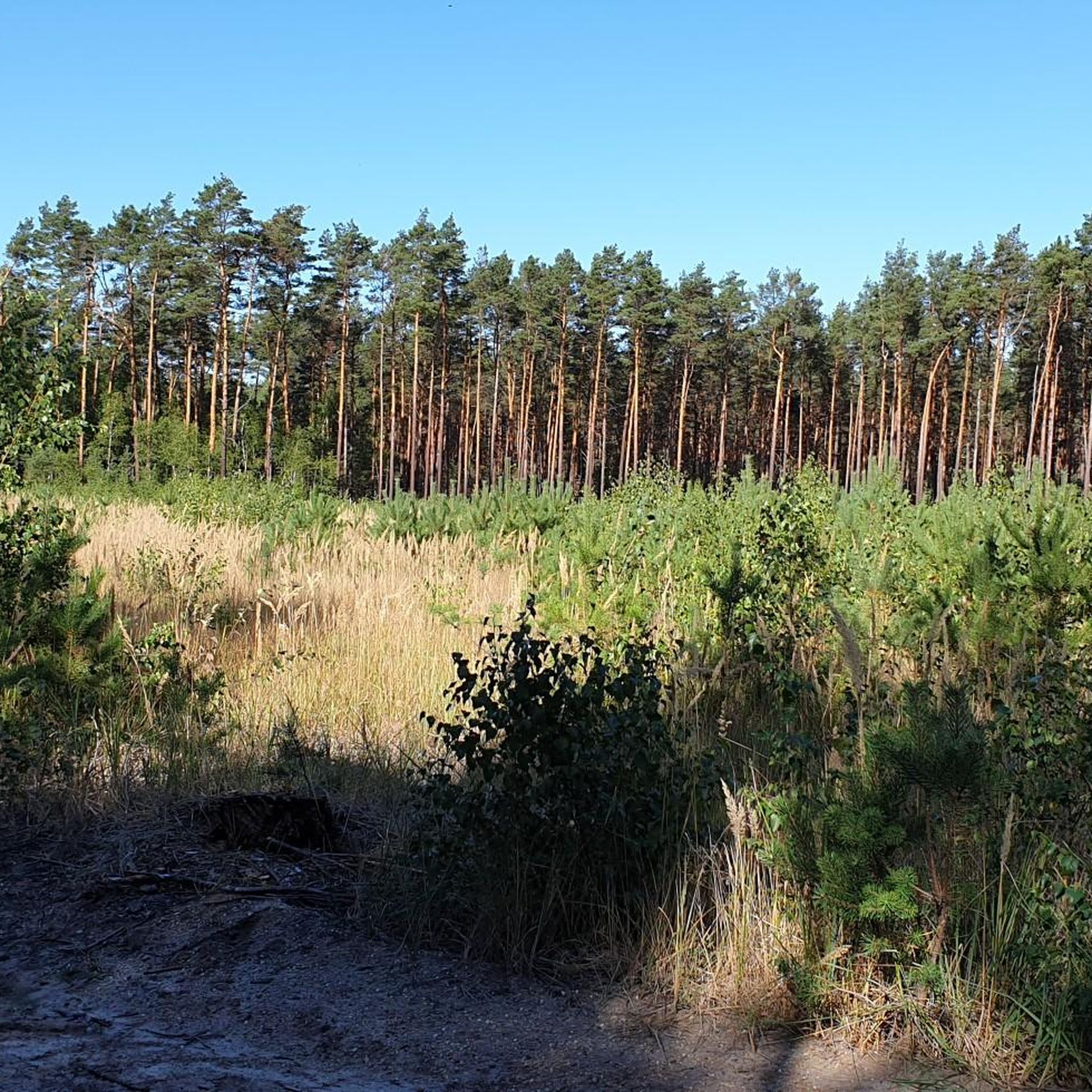
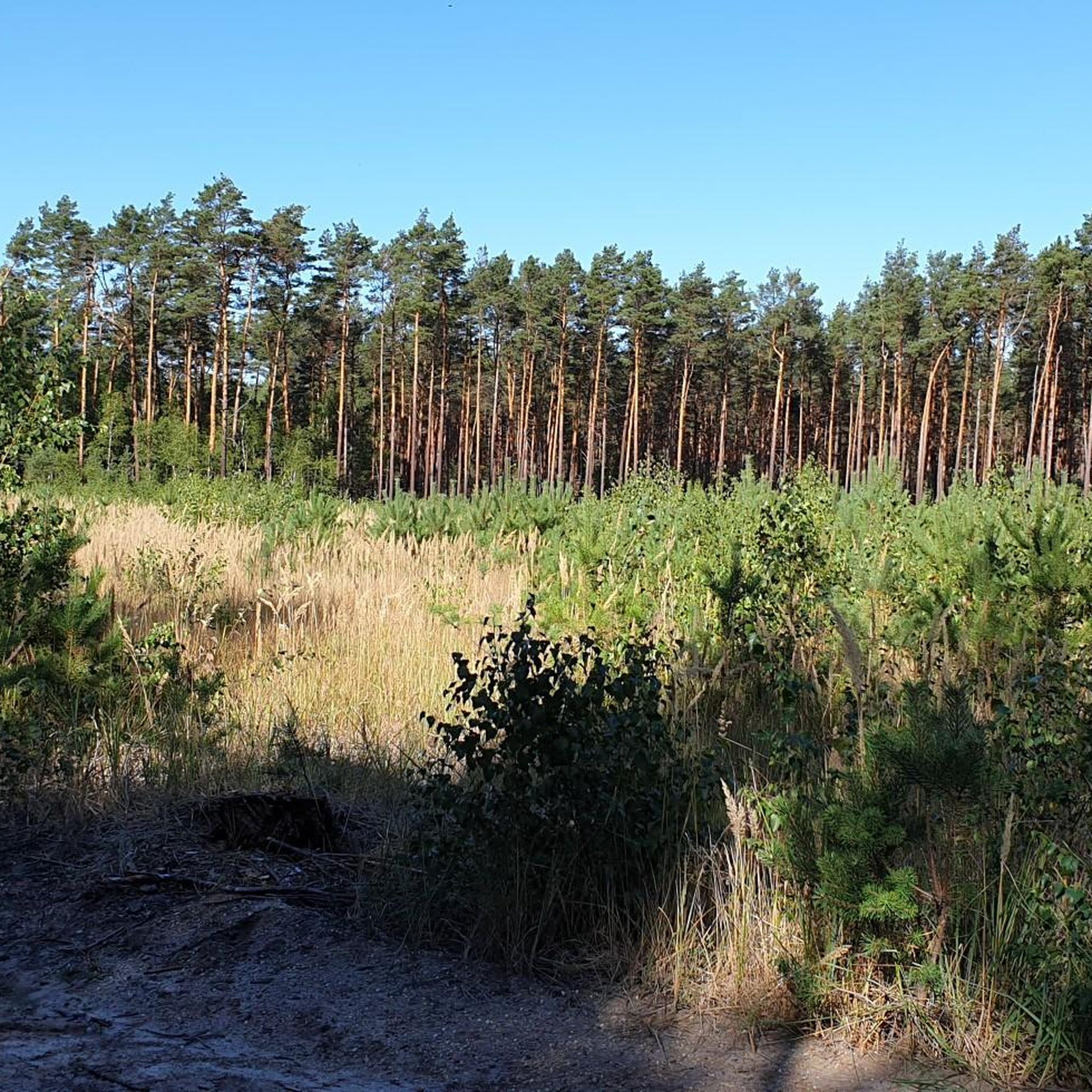
The natural monument covers 3 hectares. The bizarre two- to three-meter-high sandstone cliffs made of hardened glass sand provide an ideal picnic spot. They are reminiscent of the rock formations in Saxon Switzerland. The fine quartz sand has been mined in the area since the 19th century and used to produce colorless glass.
1
0

A miniature rock landscape. Beautiful!
0
0

Very very very worth experiencing Summer, great sand... the only thing missing is the salty air 😉
0
0

In the south of the Lusatian lignite mining area, very pure quartz sands are found beneath the Second Lusatian Seam, which were deposited there about 16 million years ago (Lower Miocene) as dune, beach or delta sands.[3] Since the first mining contract in 1857, the Hohenbocka glass sands, which are particularly poor in iron(III) oxide, became known worldwide in the following decades for the production of colorless and optical glasses.[3] Between Hohenbocka and Guteborn, silicification of the glass sands occurred in numerous narrowly defined places, which today form the striking rock formation of Buck's Switzerland at the former Heinrichsschacht sand pit.
2
0
The Bucksche Schweiz or Hohenbockaer Schweiz is a 2.97 ha large natural monument (FND) in the Oberspreewald-Lausitz district in the south of Brandenburg. In the south of the Lusatian lignite mining area, very pure quartz sands are found beneath the Second Lusatian Seam, which were deposited there about 16 million years ago (Lower Miocene) as dune, beach or delta sands.[3] Since the first mining contract in 1857, the Hohenbocka glass sands, which are particularly poor in iron (III) oxide, became known worldwide in the following decades for the production of colorless and optical glasses.[3] Between Hohenbocka and Guteborn, silicification of the glass sands occurred in numerous narrow places, which today form the striking rock formation of the Bucksche Schweiz at the former Heinrichsschacht sand pit.
2
1

If you want to get from the sandstone cliffs to the observation tower, you have to push your bike up a few stairs
0
0

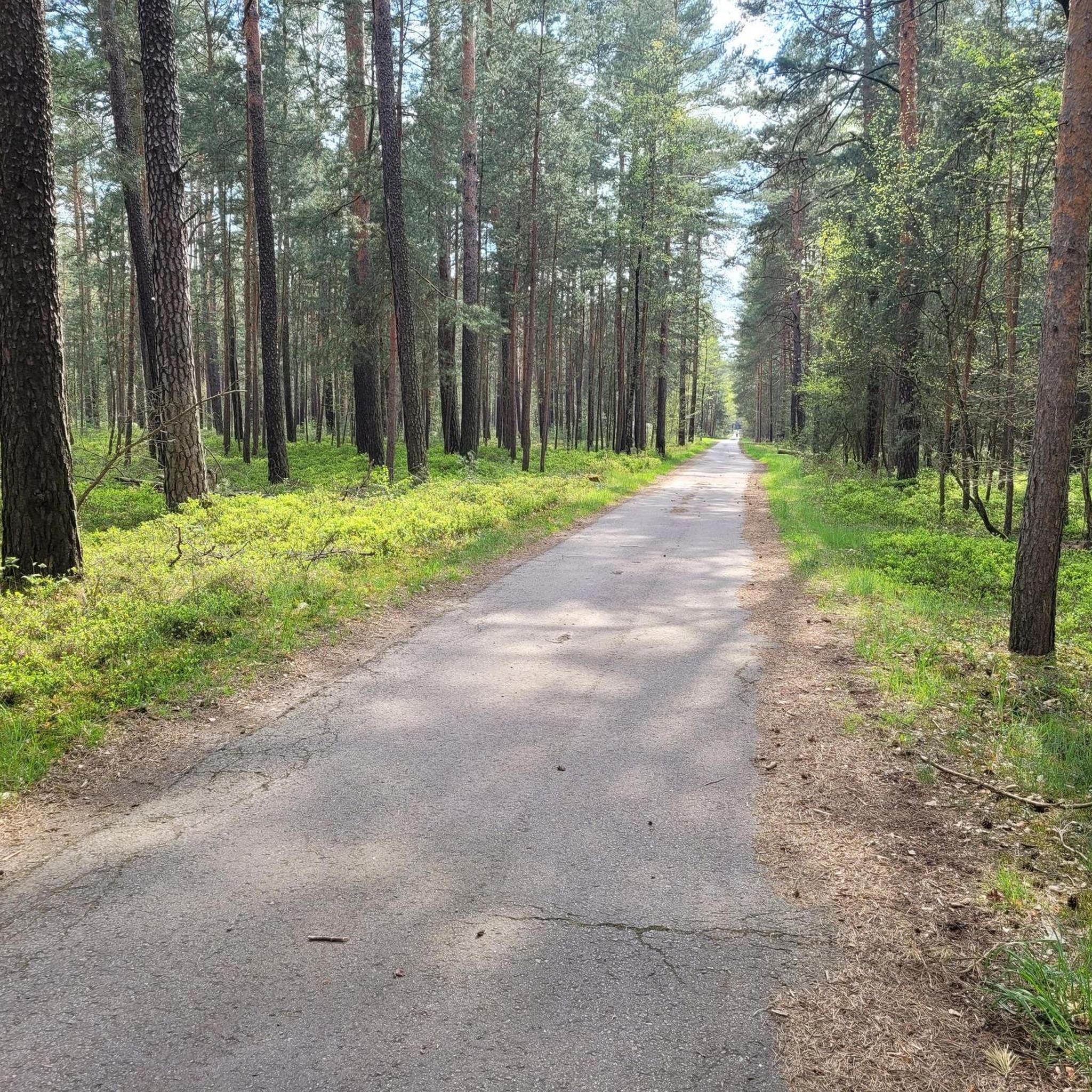
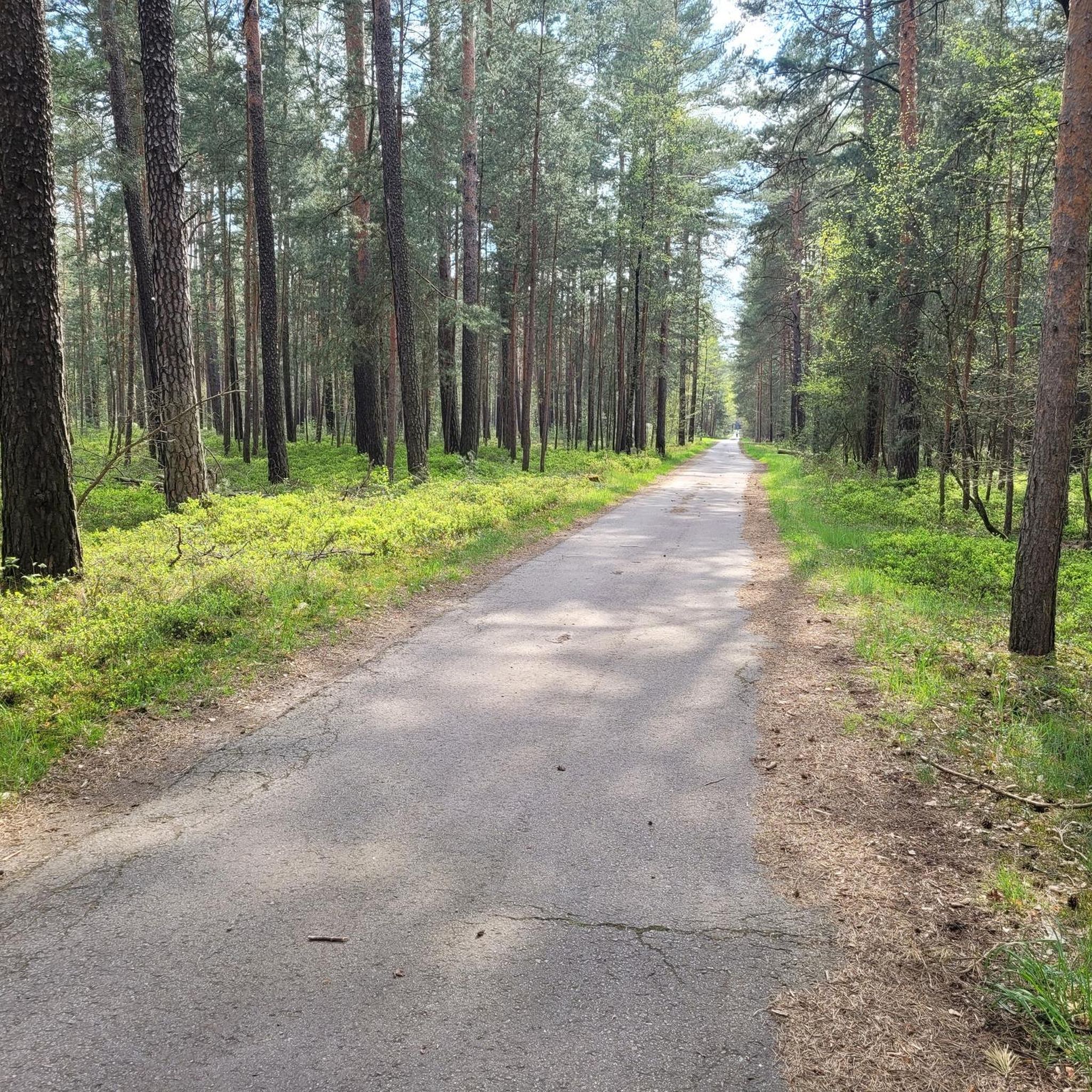
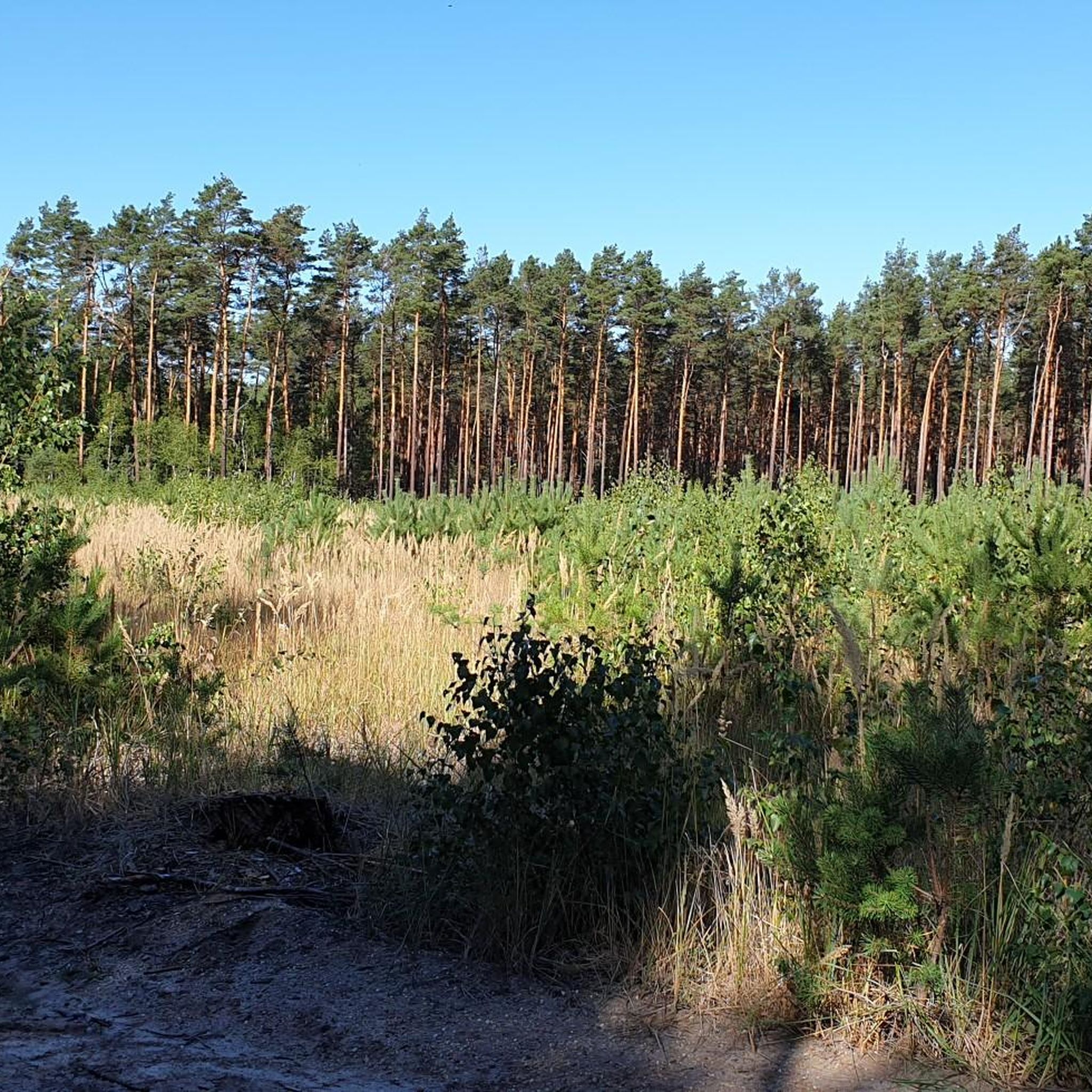
In many places you walk in the forest in the quartz sand as if you were on a Baltic Sea island. The company premises that are cordoned off from mining alternate with a forest and lake landscape that has already been quite well renatured.
2
0
Frequently Asked Questions
What are some popular natural monuments to visit in Grünewald?
Grünewald offers several popular natural monuments. The Biehla-Weißig Pond Area Nature Reserve is known for its diverse flora and fauna and a wonderful bike path between its lakes. Another must-see is the Sandstone Formations of Bucksche Schweiz, featuring bizarre two to three meter high sandstone cliffs reminiscent of Saxon Switzerland. Visitors also appreciate the Biehla Swamp Ringwork, a historical site with a beautiful pond landscape and natural swamps.
What natural features can I expect to see in Grünewald?
Grünewald is characterized by a diverse landscape including dense woodlands, a chain of lakes like Grunewaldsee, Krumme Lanke, and Schlachtensee, and the Havel River. You'll find unique rock formations, such as the hardened glass sand cliffs at Buck'sche Schweiz rock formations, and extensive pond areas. Man-made elevations like Teufelsberg also offer panoramic views over the forest and Berlin.
Are there family-friendly natural monuments in Grünewald?
Yes, several natural monuments in Grünewald are suitable for families. The Biehla-Weißig Pond Area Nature Reserve is great for cycling and enjoying nature. The Sandstone Formations of Bucksche Schweiz offer an interesting landscape to explore, and the Hanka Spring is a historical site with a Sorbian legend that can spark children's imagination.
What is the best time to visit the natural monuments in Grünewald?
The natural monuments in Grünewald can be enjoyed year-round. Spring and autumn offer pleasant temperatures for hiking and cycling, with beautiful foliage. Summer is ideal for swimming in the lakes like Grunewaldsee, Krumme Lanke, and Schlachtensee. Even in winter, places like Teufelsberg can be used for skiing and tobogganing, offering a unique experience.
Are there any historical sites among Grünewald's natural monuments?
Yes, Grünewald blends nature with history. The Biehla Swamp Ringwork features remains of an ancient refuge within a natural swamp landscape. Teufelsberg, while a man-made hill, is home to a dilapidated former American listening station, offering a unique 'lost place' experience. The Schildhorn Peninsula also has a monument commemorating the Wends prince Jaczo, intertwined with local legend.
What kind of geological formations can be found in Grünewald?
Grünewald is notable for its unique geological formations, particularly the hardened glass sand cliffs. The Sandstone Formations of Bucksche Schweiz are a prime example, featuring bizarre two to three meter high sandstone cliffs made of fine quartz sand, which has been quarried in the area since the 19th century for glass production.
Are there viewpoints offering panoramic views in Grünewald?
Yes, Grünewald offers several spots for panoramic views. Teufelsberg, one of Berlin's highest points, provides sweeping vistas over Grünewald and the surrounding areas. Additionally, the Grunewald Tower, located on Karlsberg hill, offers superb views over the Havel River and Wannsee from its 36-meter high viewing platform.
What outdoor activities, like hiking or cycling, can I do near Grünewald's natural monuments?
Grünewald is excellent for outdoor activities. You can find numerous road cycling routes, such as the "Partwitzer See Beach – Großräschen Pier loop" or the "Lake Senftenberg – Koschener Kanal Lock loop." For hiking, there are easy trails like the "Turtle Rocks loop" or the "Enchanted Pond – Tranquil Small Lake loop." Many of these routes are accessible from the natural monuments. You can explore more options in the Road Cycling Routes around Grünewald and Easy hikes around Grünewald guides.
Where can I go running near the natural monuments in Grünewald?
Grünewald offers several running trails. You can find moderate routes like the "Blauer See – Forest Junction Spinne loop" or the "Forest Junction Spinne – Forest Lake loop." These trails often pass through scenic forest areas and near lakes, providing a refreshing running experience. For more detailed running routes, refer to the Running Trails around Grünewald guide.
What do visitors particularly enjoy about the natural monuments in Grünewald?
Visitors frequently praise the tranquility and natural beauty of Grünewald. They enjoy the extensive network of paths for walking, jogging, and cycling around the lakes and through the forest. The unique geological formations, like the glass sand cliffs, and historical elements, such as the ancient refuge at Biehla Swamp Ringwork, also captivate visitors. The opportunity for peaceful rest in nature, especially around the pond areas, is also highly valued.
Can I find places for wild swimming near Grünewald's natural monuments?
While specific wild swimming spots are not explicitly listed as natural monuments, the chain of lakes in Grünewald, including Grunewaldsee, Krumme Lanke, and Schlachtensee, are popular for swimming. These lakes offer numerous bathing spots and are ideal for a refreshing dip during warmer months.
What are the options for parking and public transport to Grünewald's natural monuments?
Grünewald is well-connected to Berlin's public transport network, making many areas accessible by S-Bahn and bus. For example, the Grunewald S-Bahn station provides access to the forest. Parking is available at various points around the forest, though it can be limited, especially on busy weekends. It's advisable to check specific monument locations for the nearest public transport stops or parking facilities.
Are there any unique or 'hidden gems' among Grünewald's natural monuments?
Beyond the well-known spots, the Hanka Spring is considered a hidden gem, known for its Sorbian legend and seasonal drying. The silicification of glass sands at Buck'sche Schweiz rock formations also offers a unique geological insight, with some areas feeling like a Baltic Sea island due to the quartz sand.
Most popular routes around Grünewald
Most popular attractions around Grünewald

Get inspired with the komoot mobile app


Explore more
Extend your search for the best caves by checking out these guides of the top ones around Grünewald:
