Top 20 Natural Monuments around Lohsa
Best natural monuments around Lohsa showcase a landscape shaped by ancient geological processes and more recent lignite mining. This region in Upper Lusatia, Saxony, features a diverse mosaic of habitats including expansive pond systems, heathlands, and forests. The area is characterized by its unique transition zone between Atlantic and continental climates, supporting exceptional biodiversity. Visitors can explore a landscape where natural succession creates unique ecological niches alongside cultural elements like traditional pond farming.
Best natural monuments around Lohsa
- The most…
Last updated: August 18, 2026
Dubringer Moor Observation Tower
Highlight • Viewpoint
Translated by Google •
Tip by

Nochten Erratic Boulder Park
Highlight • Natural Monument
Translated by Google •
Tip by

Sign up now to discover places like this
Get recommendations on the best single tracks, peaks, & plenty of other exciting outdoor places.
Sign up for free
Bernsteinsee Burghammer
Highlight • Lake
Translated by Google •
Tip by

Boxberger Ohr Amphitheater at Bärwalder See
Highlight • Monument
Translated by Google •
Tip by

Upper Lusatian Heath and Pond Landscape
Highlight • Lake
Translated by Google •
Tip by

Sign up for free to discover even more natural monuments around Lohsa.
Sign up for free
Already have an account?
Start today with a free account
Your next adventure awaits.
Login or Signup

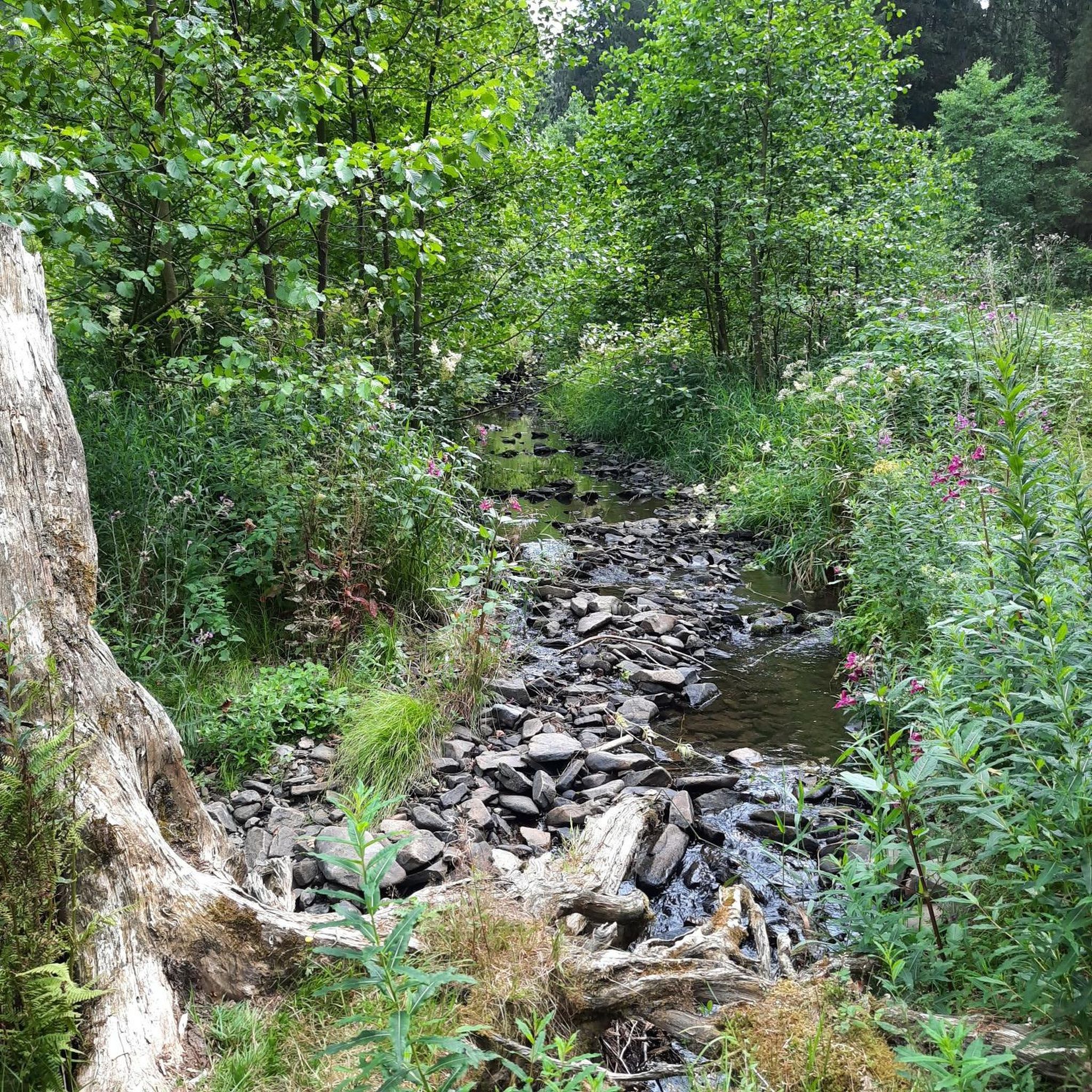
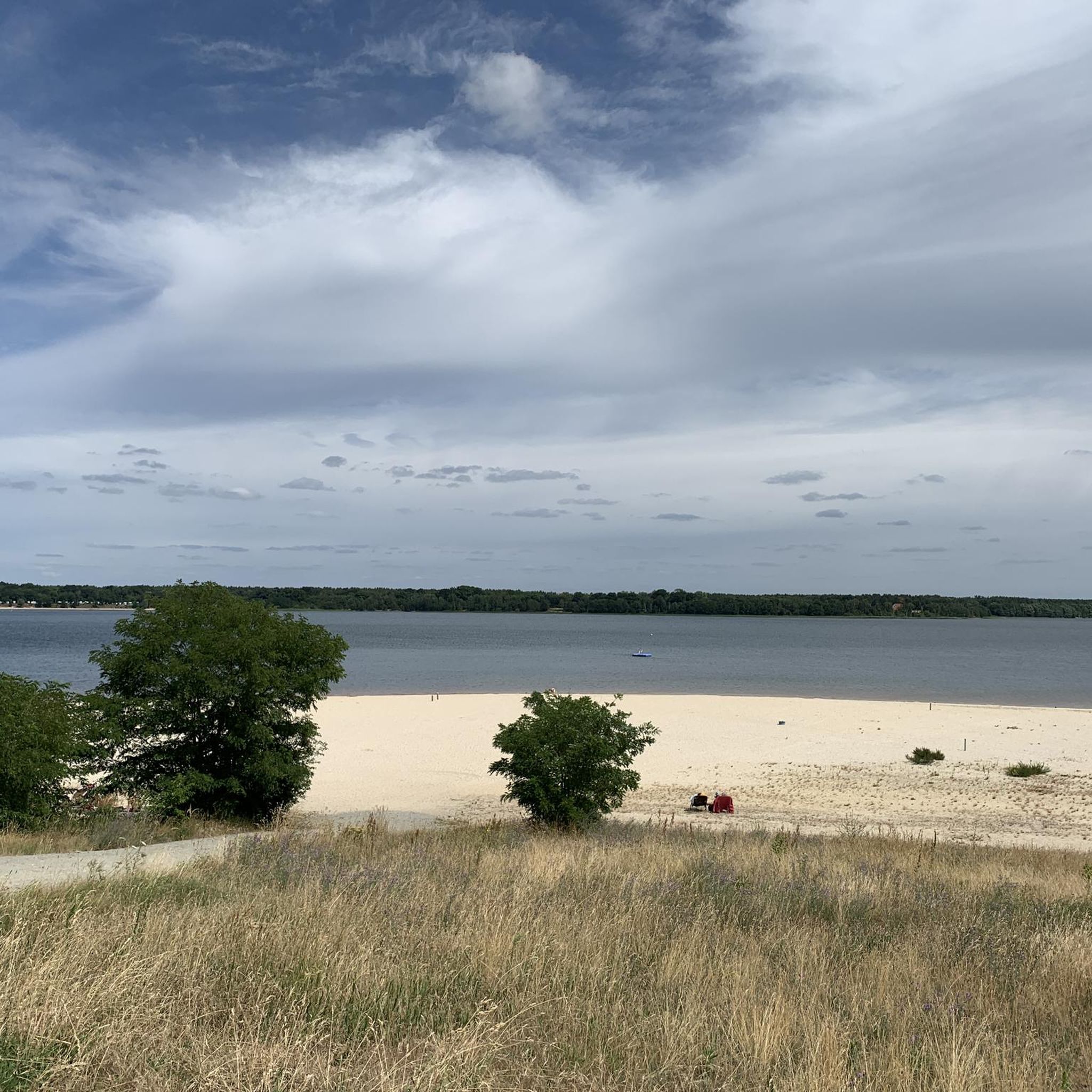
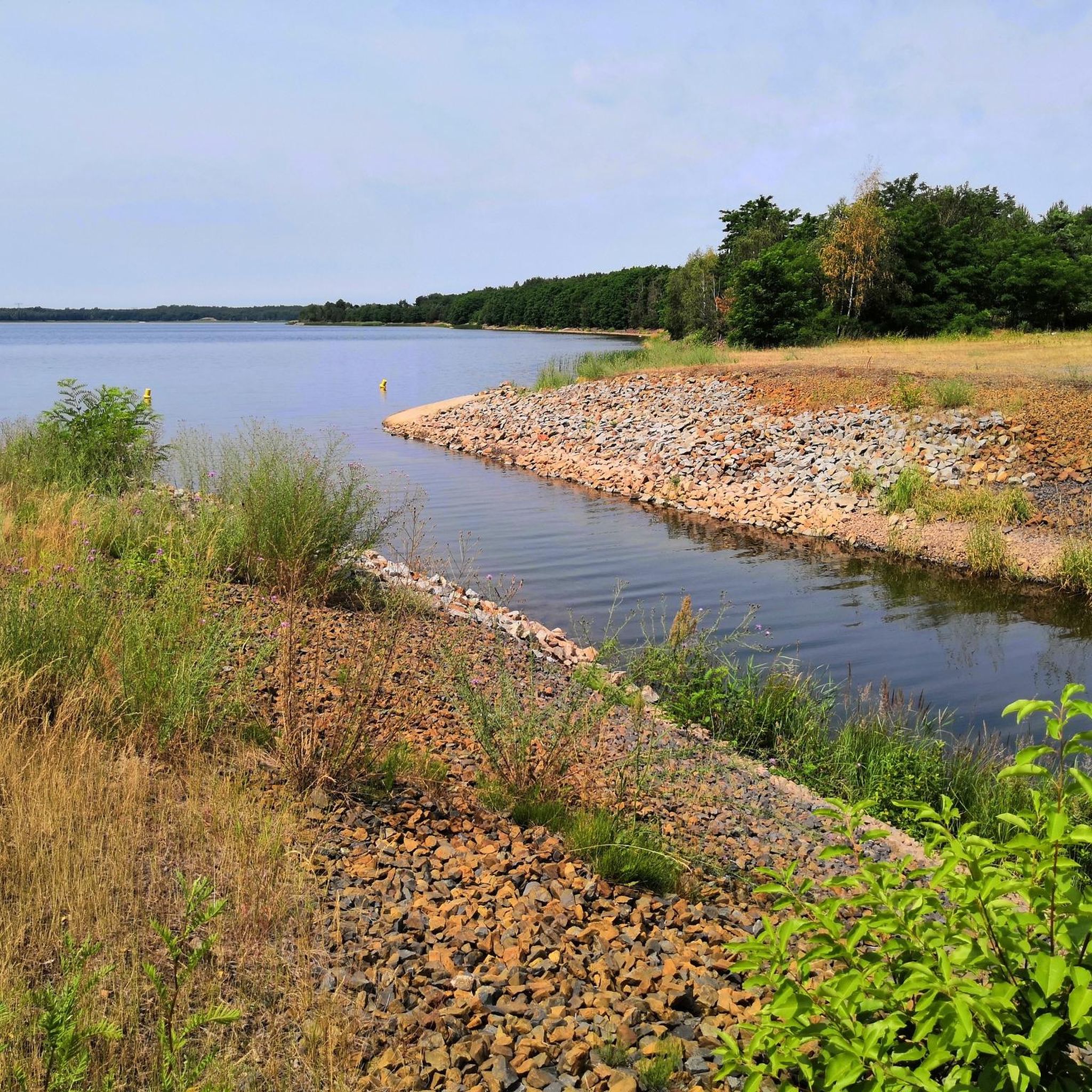

Tips from the Community

On the 20 hectare site you can explore several park areas such as the rock garden, pond garden, heath garden, heath moor, forest lake, rock garden and Little Scandinavia.
4
0

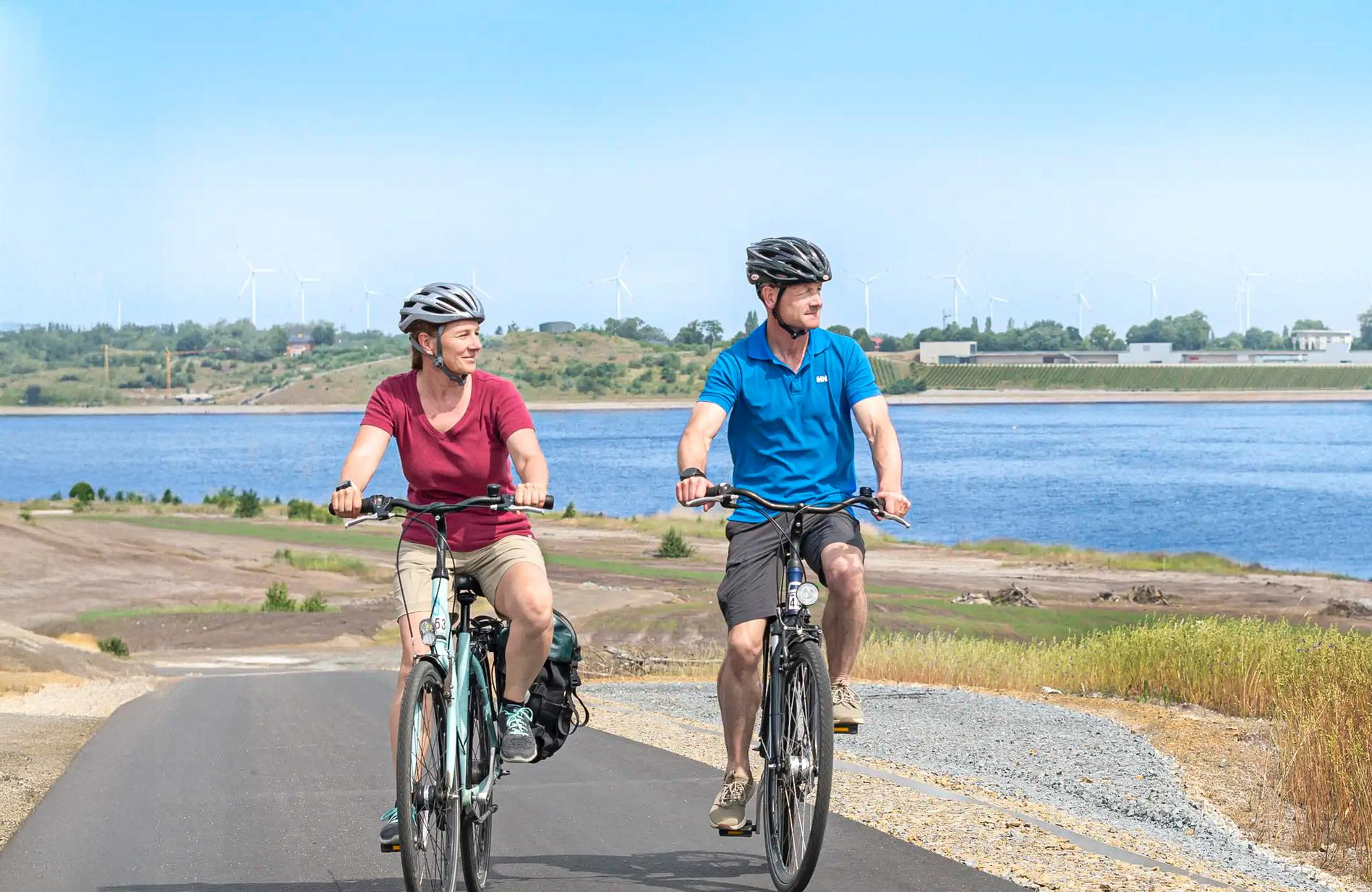
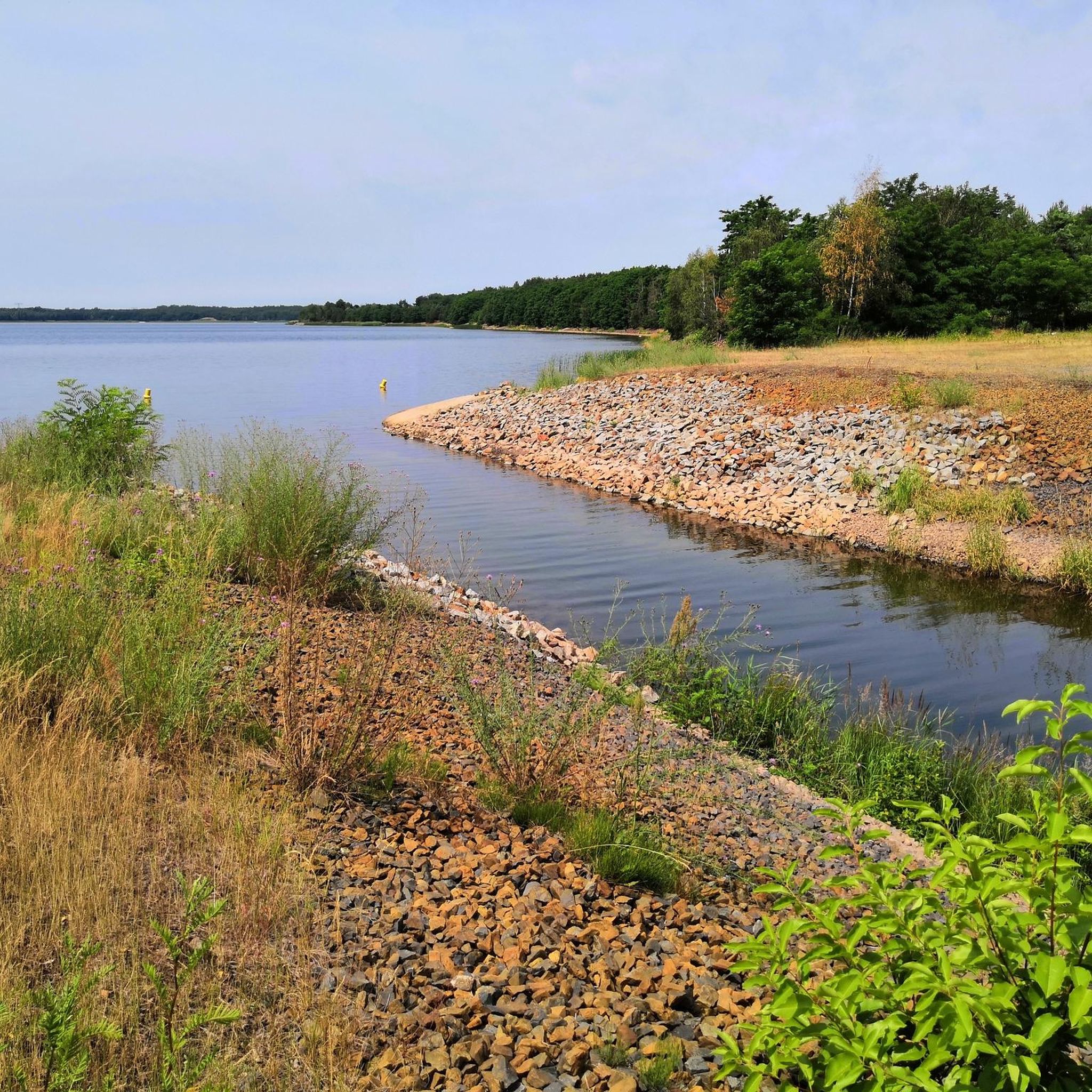
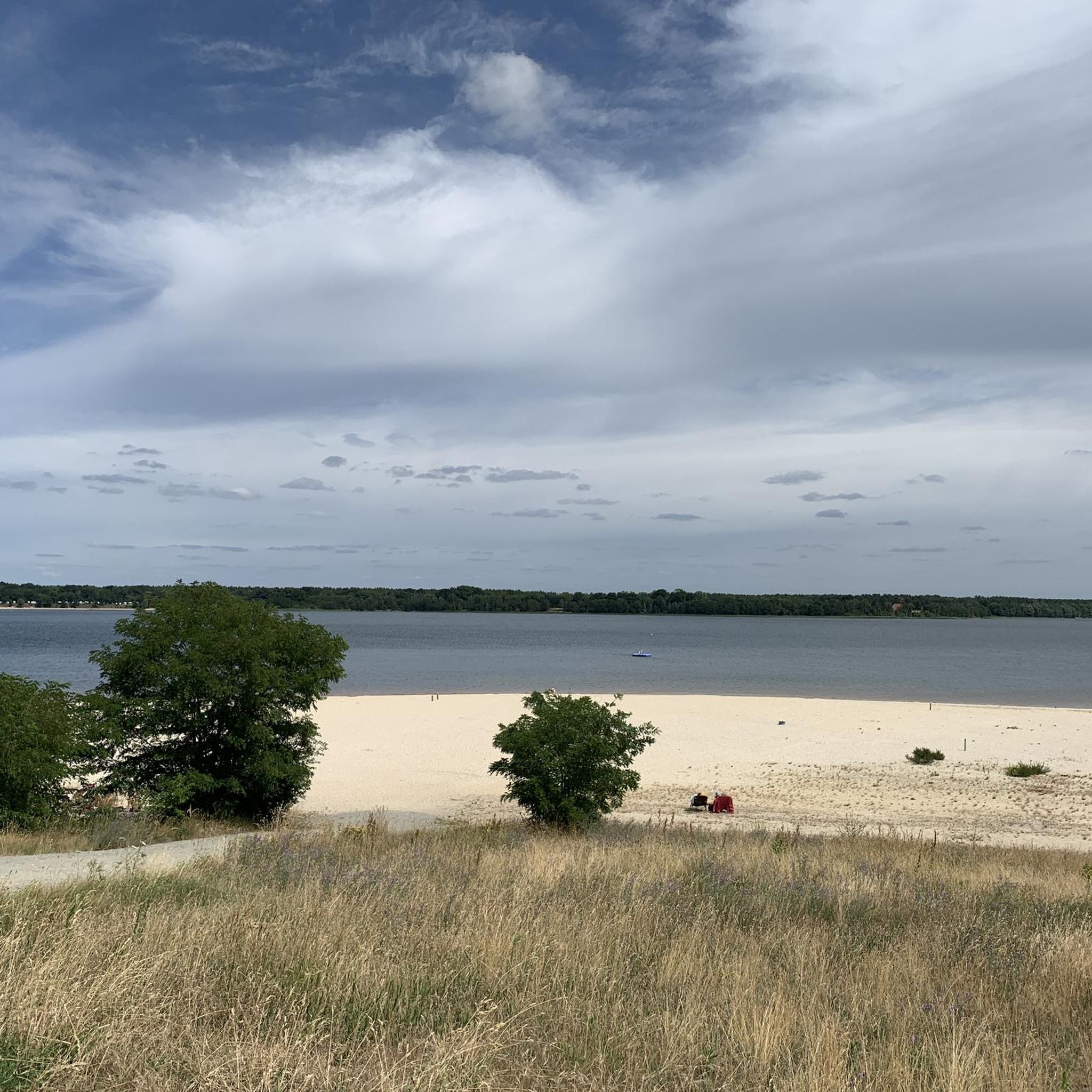
A trip to the Bernsteinsee is a time to relax. You can enjoy nature in peace and quiet. There are no motorboats racing across the water here, so you might even be able to see cranes near the shore during your bike ride.
2
0

what a beautiful landscape
1
0

Here you can let your gaze wander over the moor – it's best to take binoculars with you.
11
0

A very beautiful landscape park for young and old!
5
0

Unobstructed view of the Boxberg power plant and the Bärwalder See.
0
0

Gives a nice view of the moor.
3
0

Nice overview of the vastness of the moor. It's still just a small excerpt.
3
0
Frequently Asked Questions
What types of natural landscapes can I explore around Lohsa?
The Lohsa region, situated in Upper Lusatia, Saxony, offers a diverse array of natural landscapes. You'll find expansive pond systems, ancient heathlands, and dense forests, all shaped by both geological processes and former lignite mining. This creates a unique mosaic of habitats, including areas where natural succession is actively transforming post-mining landscapes into new ecosystems. The region is also characterized by its transition zone between Atlantic and continental climates, supporting exceptional biodiversity.
Are there any protected natural areas in Lohsa worth visiting?
Yes, a significant protected area is the Oberlausitzer Heide- und Teichlandschaft Biosphere Reserve. This UNESCO Biosphere Reserve is one of Central Europe's largest continuous pond areas, known for its rich biodiversity, including rare plants and animals like white-tailed eagles and fire-bellied toads. You can learn more about its global significance on the UNESCO website. Another notable protected site is the Orchideenwiese Groß-Särchen, an orchid meadow protected for its botanical importance.
What unique geological features can I discover in the Lohsa area?
The region boasts fascinating geological features, particularly at the Geological Discovery Trail at Silbersee. Here, you can see approximately 90 erratics (Findlinge), large rocks transported by glaciers during the Elster Ice Age. These stones, some weighing up to 40 tons, were salvaged from nearby lignite mines. Many are cut and polished to reveal their internal structures, offering insights into the region's ancient geological history and the immense forces of glacial transport.
Can I observe wildlife in the natural monuments around Lohsa?
Absolutely. The Oberlausitzer Heide- und Teichlandschaft Biosphere Reserve is a prime location for wildlife spotting, home to over 5,000 plant and animal species. You might encounter rare species such as the bog violet, the endangered fire-bellied toad, and majestic white-tailed eagles. At Bernsteinsee Burghammer, visitors often spot cranes, especially during a peaceful bike ride. The Dubringer Moor Observation Tower also provides excellent opportunities to observe the moor's diverse fauna and flora.
Are there family-friendly natural monuments in Lohsa?
Many natural monuments around Lohsa are suitable for families. The Nochten Erratic Boulder Park is a popular choice, offering several kilometers of paths through themed gardens that combine geology and botany. Bernsteinsee Burghammer and Dreiweiberner See provide sandy beaches and opportunities for swimming and relaxing. The Dubringer Moor Observation Tower is also a great spot for families to learn about local ecosystems.
What outdoor activities can I do near these natural monuments?
The Lohsa region is excellent for various outdoor activities. You can enjoy extensive cycling around lakes like Dreiweiberner See and Bernsteinsee Burghammer, which features a beautiful asphalted cycle path. Hiking is also popular, especially within the Oberlausitzer Heide- und Teichlandschaft Biosphere Reserve. For more specific routes, you can explore options like Cycling around Lohsa or Running Trails around Lohsa.
Are there specific hiking or cycling trails that pass by natural monuments?
Yes, many trails are designed to showcase the region's natural beauty. For cycling, routes like 'Cycling around Lake Dreiweiberner – Lusatian Lakeland' offer scenic views of the lake, which is a former lignite mine now integrated into the landscape. The path around Bernsteinsee Burghammer is also popular for cyclists. For hiking, the Biosphere Reserve offers numerous paths through its diverse habitats. You can find more detailed routes in guides such as MTB Trails around Lohsa.
When is the best time to visit the natural monuments around Lohsa?
The best time to visit largely depends on your interests. Spring and early summer (May to July) are ideal for witnessing the vibrant bloom of the Orchideenwiese Groß-Särchen and enjoying the lush greenery of the Biosphere Reserve. Summer (June to August) is perfect for water-based activities at Dreiweiberner See and Silbersee. Autumn (September to October) offers beautiful foliage and pleasant temperatures for hiking and cycling. Many natural monuments, like the Nochten Erratic Boulder Park, are enjoyable in every season, though summer visits might be more comfortable on cloudy days due to limited shade.
What is the <a href="https://www.komoot.com/highlight/2726278" target="_blank" rel="noopener">Upper Lusatian Heath and Pond Landscape</a>?
The Upper Lusatian Heath and Pond Landscape is a UNESCO Biosphere Reserve, renowned as one of the largest continuous pond areas in Central Europe. It's a unique natural monument characterized by a mosaic of habitats including extensive pond systems, heathlands, and forests. This area is crucial for nature conservation, supporting exceptional biodiversity and playing a role in the re-establishment of Germany's wolf population. It also showcases traditional pond farming, a practice dating back to the 13th century.
What can I expect to see at the <a href="https://www.komoot.com/highlight/644442" target="_blank" rel="noopener">Dubringer Moor Observation Tower</a>?
From the Dubringer Moor Observation Tower, you can enjoy panoramic views over the vast Dubringer Moor. It's an excellent spot to observe the moor's unique fauna and flora. Information boards at the entrance provide details about the local ecosystem. Visitors often recommend bringing binoculars to fully appreciate the distant views and wildlife.
What is special about Dreiweiberner See?
Dreiweiberner See is a significant lake that originated from a former lignite mine. It's now a popular recreational area within the Lausitzer Seenland, offering clear waters and sandy beaches, particularly near Lohsa and Weißkollm. The lake supports a diverse fish population and is important for both recreation and nature conservation, highlighting the successful transformation of a former mining landscape into a vibrant natural area.
Are there any viewpoints to get a good overview of the natural monuments?
Yes, the Dubringer Moor Observation Tower offers excellent panoramic views over the Dubringer Moor. Additionally, the Boxberger Ohr Amphitheater at Bärwalder See, while a man-made monument, features a lookout point at its highest elevation, providing a wonderful view over Bärwalder See, another significant lake in the region.
Most popular routes around Lohsa
Most popular attractions around Lohsa

Get inspired with the komoot mobile app


Explore more
Extend your search for the best caves by checking out these guides of the top ones around Lohsa:
