Top 20 Natural Monuments around Rammenau
Best natural monuments around Rammenau include ancient trees, serene ponds, and geological formations within the district of Bautzen, Saxony, Germany. The region features natural spots with ecological, geological, and historical significance. These areas offer opportunities for walks and exploring local flora and fauna. The landscape provides a variety of natural features for visitors to experience.
Best natural monuments around Rammenau
- The most popular natural monuments is Hochstein (Sibyllenstein) – Highest Point of Westlausitz, a summit that is a 449-meter-high…
Last updated: June 25, 2026
Schwedenstein Tower and Restaurant
Highlight • Monument
Translated by Google •
Tip by

Hochstein (Sibyllenstein) – Highest Point of Westlausitz
Highlight • Summit
Translated by Google •
Tip by

Sign up now to discover places like this
Get recommendations on the best single tracks, peaks, & plenty of other exciting outdoor places.
Sign up for free
Butterberg Observation Tower and Mountain Inn
Highlight • Viewpoint
Translated by Google •
Tip by

Hornbeam Arbor in the Palace Park
Highlight • Natural Monument
Translated by Google •
Tip by

Source of the Schwarze Elster
Highlight • Natural Monument
Translated by Google •
Tip by

Sign up for free to discover even more natural monuments around Rammenau.
Sign up for free
Already have an account?
Start today with a free account
Your next adventure awaits.
Login or Signup
Tips from the Community

The park at Pulsnitz Castle is open to the public and beautifully landscaped. Its highlights include the castle pond and the old, stunning hornbeam pergola, which dates back to around 1830. A stroll through it is well worth it; we experienced it today. It's also a fantastic spot for taking photos.
1
1

With the "tunnel effect": The tunnel effect and the impression of "infinity" are achieved through a simple yet clever architectural trick. The width of the passageway is approximately 3.80 m for the first 100 m and only about 2.50 to 3.00 m for the following 100 m.
2
0

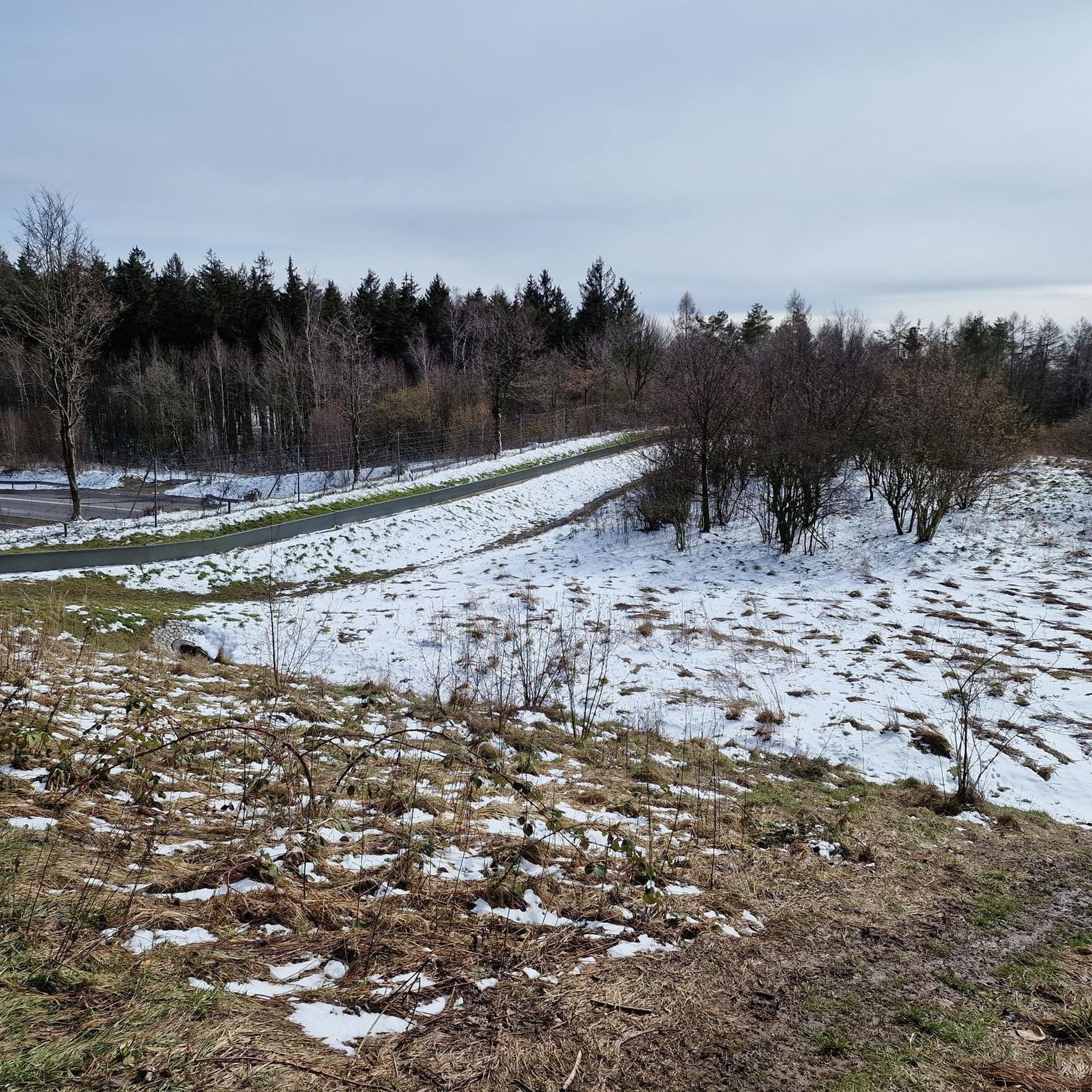
The Black Elster River originates at an elevation of 317 meters above sea level in the Lusatian Mountains (Upper Lusatia). Information: A 179-kilometer-long right tributary of the Elbe River in the German states of Saxony, Brandenburg, and Saxony-Anhalt. It began drying up in 2018. Due to the exceptionally hot and dry weather, the increasingly frequent drying of the spring basin reflects the drought in the source area.
1
0

This arcade with its 150-year-old hornbeams is simply mystical and a real attraction in the city.
1
1

The Black Elster (Lower Sorbian: Carny Halšter, obsolete: Carna Bytśica; Upper Sorbian: Čorny Halštrow) is a 179-kilometre-long, right tributary of the Elbe in the German states of Saxony, Brandenburg and Saxony-Anhalt.
1
0
The Hochstein, also called Sibyllenstein (Sibinnen-Stein, Sibillenstein or Sybillen-Stein), Upper Sorbian Žiwiny, is a 449-metre-high mountain in Upper Lusatia in the Saxon district of Bautzen. It is the highest elevation in the Northwest Lusatian Uplands and the highest mountain in Upper Lusatia north of the A4.
4
0

Hornbeam arcades were built around 1830 and some of them have been preserved.
1
1

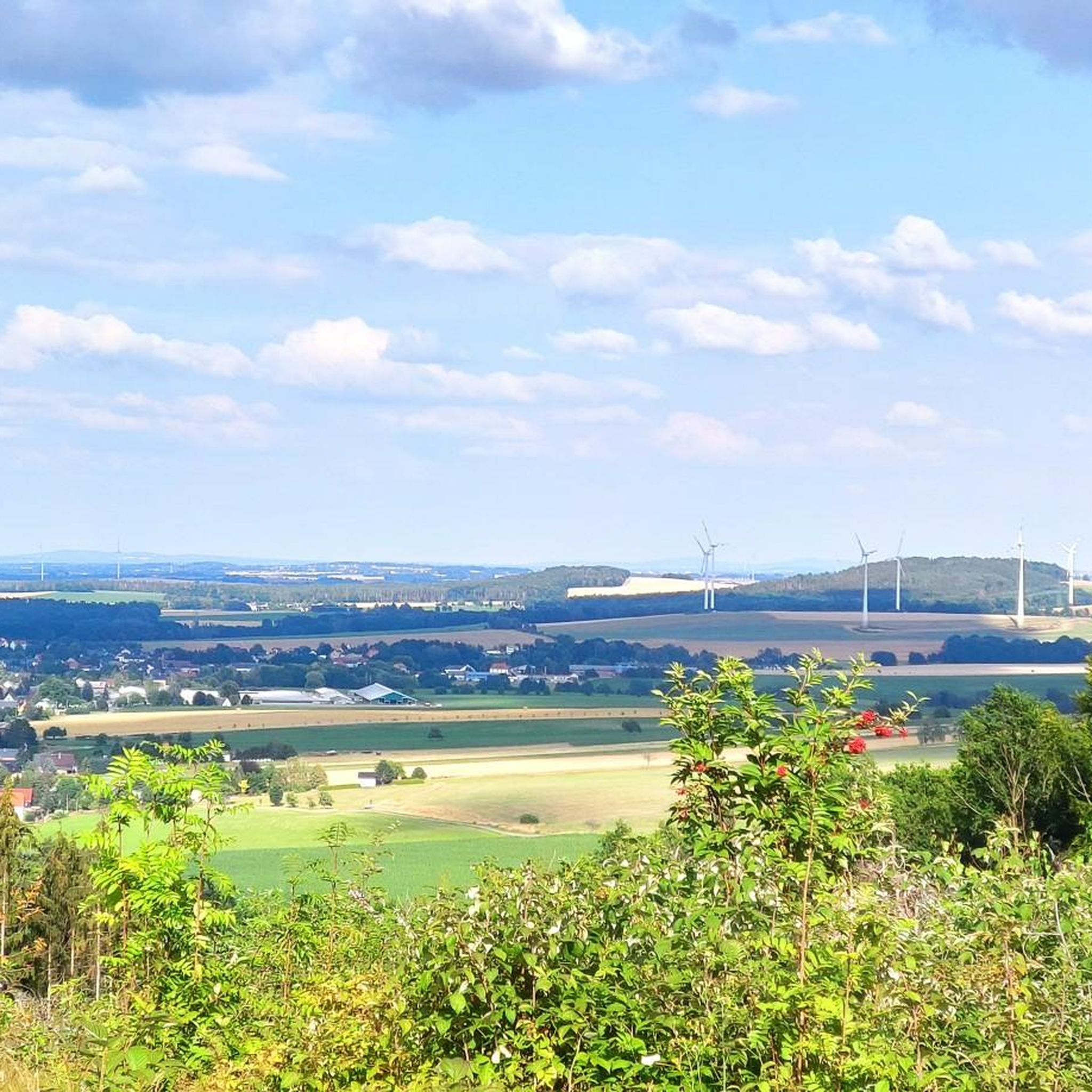
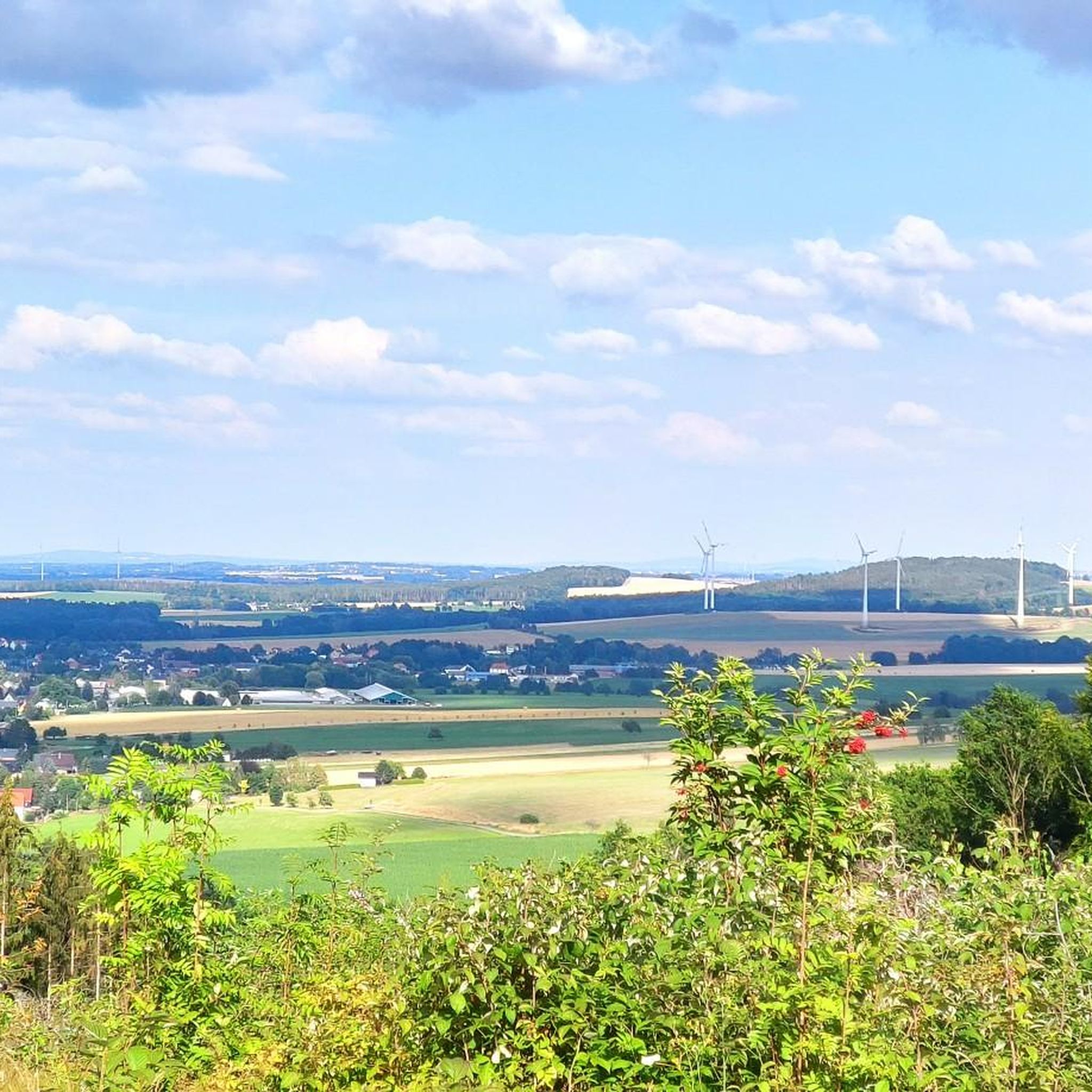
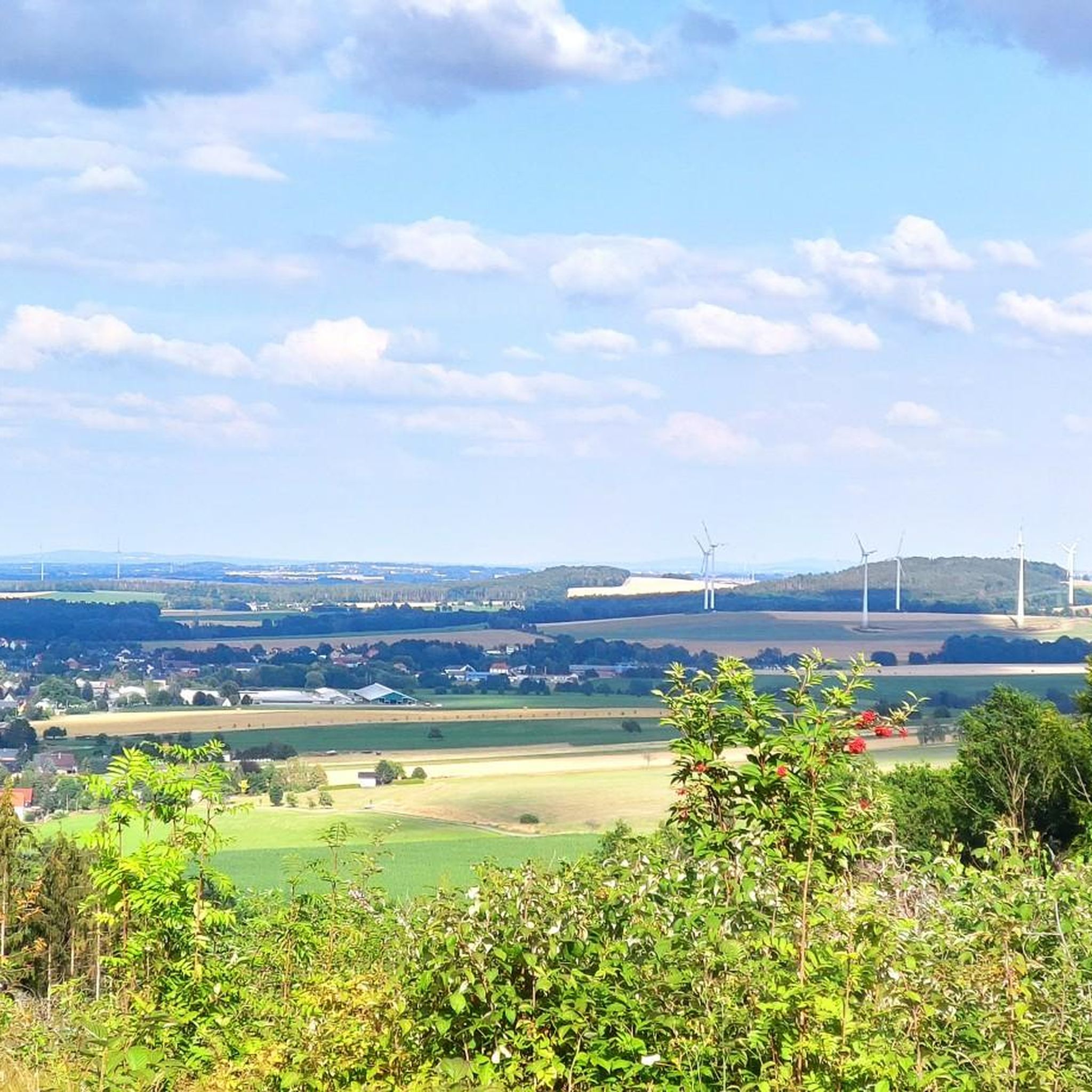
The Butterberg is almost 384 meters high and is located just a few kilometers from the center of Bischofswerda. At the summit there is an inn in historic walls with a 21 meter high observation tower. You can find more information and opening times here: http://www.butterberg.com/.
3
1
Frequently Asked Questions
What are some notable natural monuments to visit around Rammenau?
Rammenau and its surroundings offer a variety of natural monuments. You can explore the impressive Hochstein (Sibyllenstein) – Highest Point of Westlausitz, known for its granite cliffs and rock formations. Another unique spot is the Hornbeam Arbor in the Palace Park, an approximately 200-meter-long arrangement of 150-year-old hornbeams. Don't miss the serene Pulsnitz Castle Pond, beautifully situated in the city center.
What kind of natural features can I expect to see around Rammenau?
The natural monuments around Rammenau showcase diverse features. You'll find ancient trees, such as the impressive century-old oaks mentioned in local records, and tranquil ponds like the historic Waldscheibenteich and Grubenteich. Geological formations are prominent at the Hochstein (Sibyllenstein), which features unique granite cliffs. The area also includes forest landscapes and the source of the Schwarze Elster river.
Are there family-friendly natural monuments around Rammenau?
Yes, several natural monuments are suitable for families. The Butterberg Observation Tower and Mountain Inn offers a viewpoint and a place to eat, making it a great stop for all ages. The Pulsnitz Castle Pond is also considered family-friendly, with its beautiful setting perfect for strolls. The Hornbeam Arbor in the Palace Park is an impressive botanical feature that can be enjoyed by families.
What is the best time of year to visit the natural monuments around Rammenau?
The natural monuments around Rammenau are beautiful year-round. Spring and summer offer lush greenery, making the Hornbeam Arbor particularly vibrant. Autumn brings colorful foliage to the forested areas like Hochstein and around the ponds. Even in winter, a crisp walk around the frozen ponds or through the quiet forests can be a peaceful experience.
Are there hiking trails near these natural monuments?
Absolutely! The region around Rammenau is excellent for hiking. You can find numerous routes, including easy hikes that take you past ponds and the Baroque Palace. For example, there are trails like the "Lower Pond – Rammenau Baroque Palace loop" or the "Lake Waldscheibe – North Pole of Rammenau loop." You can explore more hiking options on the Easy hikes around Rammenau guide.
Can I bring my dog to the natural monuments around Rammenau?
Many natural areas around Rammenau are dog-friendly, especially for walks on trails and around ponds like Waldscheibenteich and Grubenteich. However, it's always advisable to keep dogs on a leash, especially in nature reserves or areas with wildlife, and to respect local signage regarding pet regulations. Always clean up after your pet to preserve the natural environment.
What outdoor activities can I do near these natural monuments?
Beyond exploring the monuments themselves, the area offers various outdoor activities. You can enjoy easy hikes, as mentioned, or go jogging on trails like the "Waldscheibenteich – Rammenau Baroque Palace loop." For cyclists, there are gravel biking routes that pass by scenic spots, such as the "Pulsnitz Castle Pond – Apfelallee Pulsnitz loop." Discover more options in the Easy hikes around Rammenau, Running Trails around Rammenau, and Gravel biking around Rammenau guides.
Are there any historical or cultural sites associated with the natural monuments?
Yes, several natural monuments have historical significance. The Waldscheibenteich pond, for instance, was created in the 16th century. The Hochstein (Sibyllenstein) was once a religious cultural site. The Butterberg Observation Tower is part of the Royal Saxon Triangulation, a historical land survey. Even the ancient oaks contribute to the historical landscape of Rammenau as living landmarks.
What do visitors enjoy most about the natural monuments around Rammenau?
Visitors frequently appreciate the peaceful atmosphere and the impressive natural beauty. For instance, the Hornbeam Arbor is described as "insanely impressive." The Hochstein is valued as a nice place to collect information and rest, offering views of the surrounding landscape. The tranquility of the ponds like Waldscheibenteich and Grubenteich also makes them popular for relaxation and observing nature.
Is the Hochstein (Sibyllenstein) worth visiting for its geological features?
Yes, the Hochstein (Sibyllenstein) is highly recommended for its geological interest. As the highest elevation in the North-West Lusatian hill country, it features distinct granite cliffs and rock formations. Exploring these unique geological structures and the surrounding forested mountain is a key draw for visitors interested in the region's natural history. You can find more information about its geological and historical significance on Wikipedia.
Are there any natural monuments that are particularly good for birdwatching or observing local flora and fauna?
The various ponds, such as Waldscheibenteich and Grubenteich, are excellent spots for observing local flora and fauna. These serene bodies of water and their surrounding areas provide habitats for various bird species and aquatic life. The Grubenteich, in particular, is utilized for fish farming and is close to the Lärche nature reserve, indicating its ecological value for wildlife observation.
How can I reach the natural monuments around Rammenau using public transport?
While specific public transport routes directly to every natural monument might vary, Rammenau itself is accessible by public transport. From there, many natural monuments, especially those within or very close to the village like the ancient oaks or Waldscheibenteich, can be reached by walking. For destinations slightly further afield, like Hochstein, you might need to combine public transport with a longer hike or consider local taxi services.
Most popular routes around Rammenau
Most popular attractions around Rammenau

Get inspired with the komoot mobile app


Explore more
Extend your search for the best caves by checking out these guides of the top ones around Rammenau:
